The independent producers of Andalusia, from Jerez to Sierras de Málaga

Andalusia wineries range from multi-generational sherry houses in the Jerez triangle to newer estates high in the Axarquía and Sierras de Málaga, each shaped by the region's heat, altitude, and chalk. Browse independent producers working directly with buyers through Free Grape Society.

Small estates working under the Andalusian sun, from sherry bodegas in the Albariza soils of Jerez to mountain vineyards above Málaga.

Country

Dropdown arrow

Region (1)

Dropdown arrow

Production Volume

Dropdown arrow

Sort by

Sort arrow
Andalusia

Andalusia wineries

Andalusia's producers span a wider range of styles than almost any other Spanish region. In Jerez, family bodegas work with Palomino Fino on the region's distinctive white Albariza chalk, building wines through the solera system over years or decades. Further east, estates in Sierras de Málaga and the Axarquía reach into higher, cooler ground, where Moscatel and old-vine Romé produce still wines that have little in common with the fortified bottles the region is best known for. On Free Grape Society, each producer sells and ships directly from their own cellar, with no importer or warehouse in between.

Andalusia wines

Several Andalusia producers also compose a wine case: six bottles from their own cellar, chosen as a single recommendation rather than mixed across estates. For a region as varied as this, a case is a direct route into one bodega's range — from a manzanilla through a dry oloroso, or across a grower's still red and white releases — shipped in a single order from the producer who made them.

View all wines from Andalusia

Andalusia wine cases

The wines listed from Andalusia's producers reflect the full breadth of the region's output: bone-dry fino and manzanilla from Jerez and Sanlúcar, the richer, oxidative profiles of amontillado and palo cortado, and still red and white wines from the mountain appellations inland. Each bottle comes from an independent estate working its own vineyards across the region's varied soils and elevations.

View all mixboxes from Andalusia

Wine experts

Independent wine experts on Free Grape Society rate and review wines they have personally tasted, and several have covered bottles from Andalusia's producers. Their reviews are visible on the wine page and on each expert's own profile, giving you a transparent record of tasting notes and scores to read before you buy. Experts do not decide which wines are listed — they build their track record one review at a time.

View all wine experts

Frequently asked questions

How do I order an Andalusia wine case?

Find a case from the producer you want, add it to your basket, and pay securely by card or Klarna. The producer ships the six bottles directly from their cellar in Andalusia. Delivery typically takes 8 to 9 days from dispatch, with a range of 4 to 14 days depending on the estate's location and your address.

What happens if a bottle arrives broken or doesn't taste right?

Send a photo to Free Grape Society customer support within 7 days of delivery. We will arrange a replacement or a refund. Because producers ship directly, quality issues are handled with the producer's direct involvement. Shared responsibility is built into how FGS works.

What is included in an Andalusia wine case?

Each case contains exactly six bottles, all from one producer. The producer composes the selection themselves as their own recommendation — it might span different styles they make, different plots they farm, or a range of vintages. The contents are listed on the case page before you order.

How long does delivery take?

Average delivery is 8 to 9 days from order to door. The full range is 4 to 14 days depending on the producer's location and your delivery address. Wines ship directly from the producer's cellar, not from a central warehouse.

How do I find the right Andalusia wine case for me?

Read the producer's own description of the six bottles — this tells you the styles, grapes, and reasoning behind the selection. If you want a case centred on oxidatively aged wines from the Sherry zone, look for producers working in Jerez or Sanlúcar. For Andalusia's mountain reds and whites, look for estates based in the Serranía de Ronda or the Axarquía.

Can I ask a wine expert before choosing a case?

Yes. Free Grape Society has independent wine experts who can help you decide between producers or styles. Fill in the form on the wine expert page and a specialist will come back to you with a recommendation based on what you are looking for and what Andalusia producers currently have available.

Which Andalusia wine expert can recommend something for me?

Several independent experts on Free Grape Society have tasted and reviewed wines from Andalusia's producers. Visit the wine expert page, read their profiles and review activity, and use the contact form to put your question directly to the expert whose background fits what you are looking for.

Why are Andalusia wine cases always 6 bottles from one producer?

Because a case composed by one producer says something coherent about how that grower works. Six bottles from a single Andalusia estate might trace different expressions of Palomino Fino, a move from younger fresh styles to aged ones, or a spread across the producer's different sites. Mixing across producers would lose that thread. The producer composes the case as their own recommendation, and it arrives as a single shipment from their cellar.

Can I buy Andalusia wine cases from a local wine shop instead?

Independent producers selling through Free Grape Society ship directly from their own cellars, which means the wines are not routed through importers or large distribution warehouses before they reach you. Many of the estates here are small enough that their wines are not widely stocked in retail at all — ordering direct is often the only reliable way to get them.

The producers of Andalusia

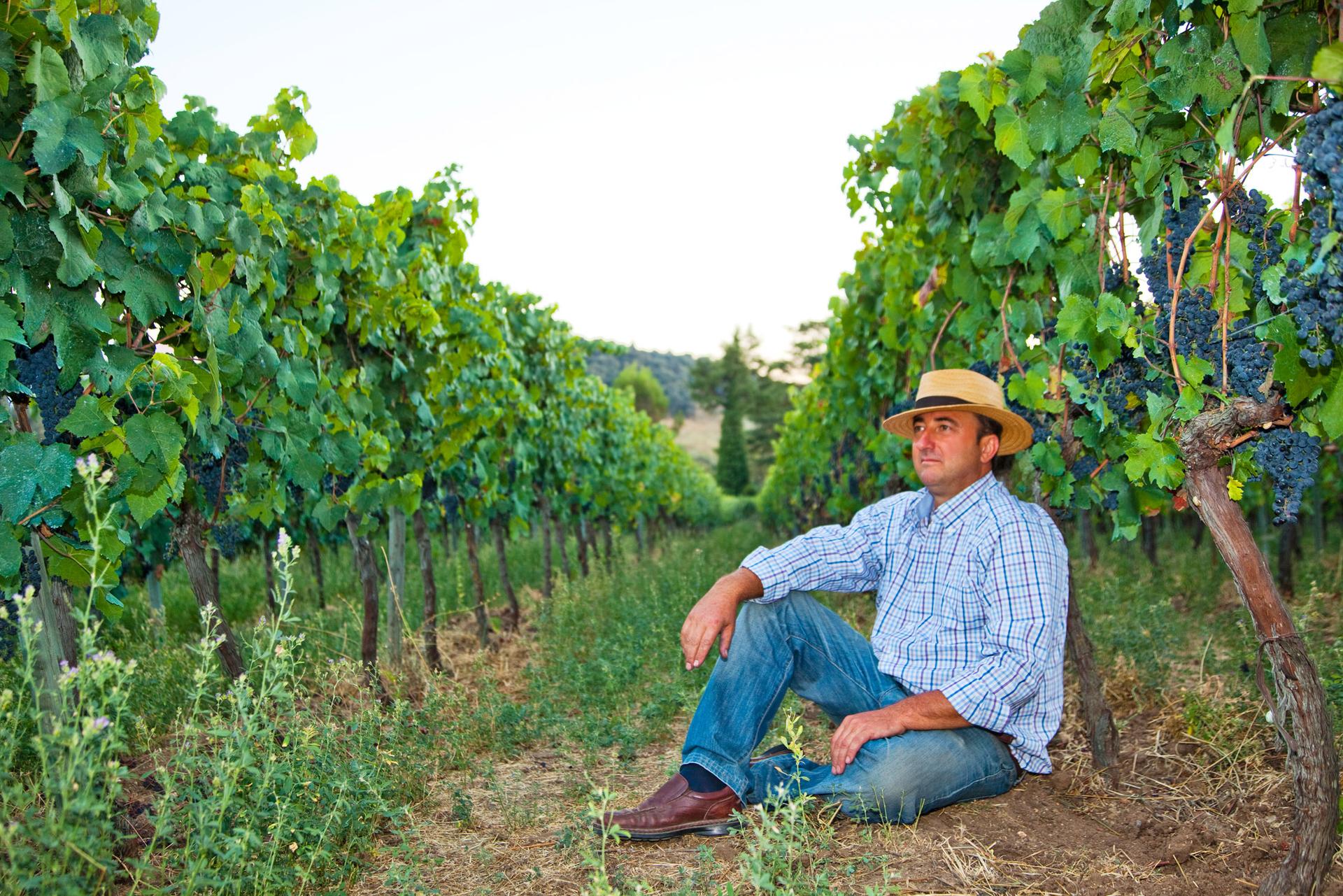
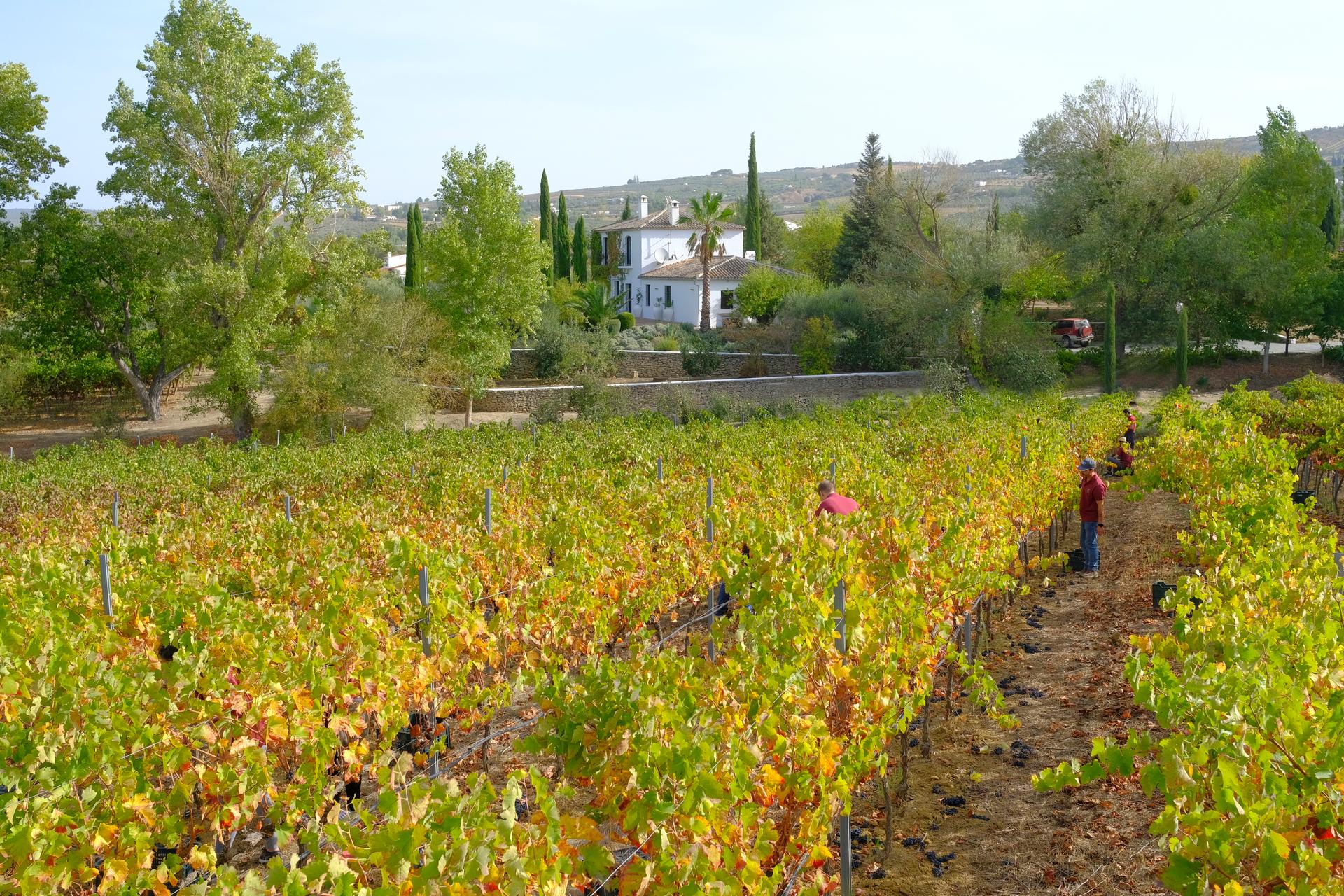
Andalusia is not one wine region but several, each shaped by Atlantic winds, Mediterranean heat, and soils that range from the chalky albariza of Jerez to the volcanic and clay-rich plots further inland. The producers working here tend to be deeply rooted in local tradition: families who have farmed the same land for generations, growing varieties that exist almost nowhere else in the world. Palomino Fino defines Sherry country around Jerez de la Frontera, where the flor yeast that forms on ageing wine gives Fino and Manzanilla their distinctive saline, nutty character. Further east in Málaga, Pedro Ximénez is sun-dried on esparto mats to concentrate its sugars before pressing, a method unchanged for centuries. In the cooler, higher-altitude vineyards of the Serranía de Ronda, international varieties sit alongside Tempranillo, finding structure in the mountain air that the coastal plains cannot provide. What connects Andalusia's producers is directness: the grower who farms the vine is usually the same person who ages and bottles the wine. Explore Andalusian wines or browse producers from elsewhere in Spain.

How we choose our producers

We work directly with the growers behind the wines, so we get to know how they farm and what they charge before a single bottle is listed. Producers send samples, and those samples are tasted before a wine is listed, which means the decision rests on what is in the glass rather than on a label or a reputation. We look for pricing that reflects the work in the vineyard without the mark-ups that importers and warehouses add, and we keep the relationship direct so the grower sets their own terms. In Andalusia that matters particularly: many of the region's most interesting producers are small, family-run operations who have never had straightforward access to buyers outside their immediate area. Once a wine is listed, independent wine experts rate and review individual bottles, building a public track record that buyers can read on the wine page. We do not try to carry the full output of a region: we list wines tasted before listing, from producers we have a direct relationship with. You can also browse Andalusian wine cases if you want to try a producer's own selection across six bottles.

Winemaking traditions in Andalusia

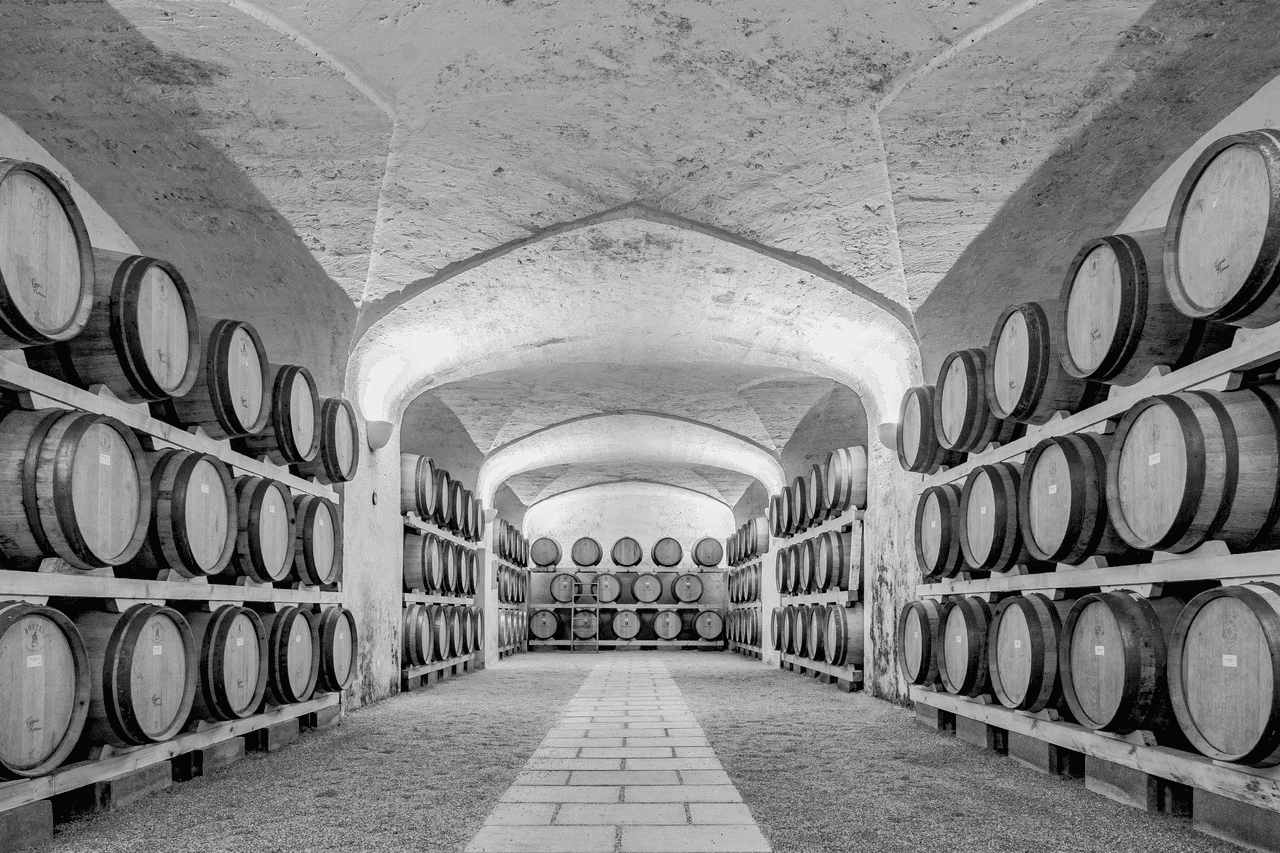
Andalusia is home to some of the most technically complex winemaking in Europe. The solera system used to age Sherry is a fractional blending method in which younger wine is progressively moved through a series of barrels, each containing increasingly older wine, so that no single vintage is ever bottled in isolation. The result is a wine that carries the character of many years in a single glass. Manzanilla, produced only in Sanlúcar de Barrameda at the mouth of the Guadalquivir river, develops its particular fineness because the town's humid, coastal air keeps the flor yeast layer thicker and more active than in Jerez, just a few kilometres inland — a small geographical fact with a large flavour consequence. Beyond Sherry, the Condado de Huelva, near the Portuguese border, produces Zalema-based whites that are rarely seen outside the region, while the mountainous interior around Granada is quietly building a reputation for structured reds made at altitude. Red wines from Spain and white wines from Spain offer a broader view of what independent Spanish producers are making today.