



Corbinona: a rare red variety from the hills above Lake Garda

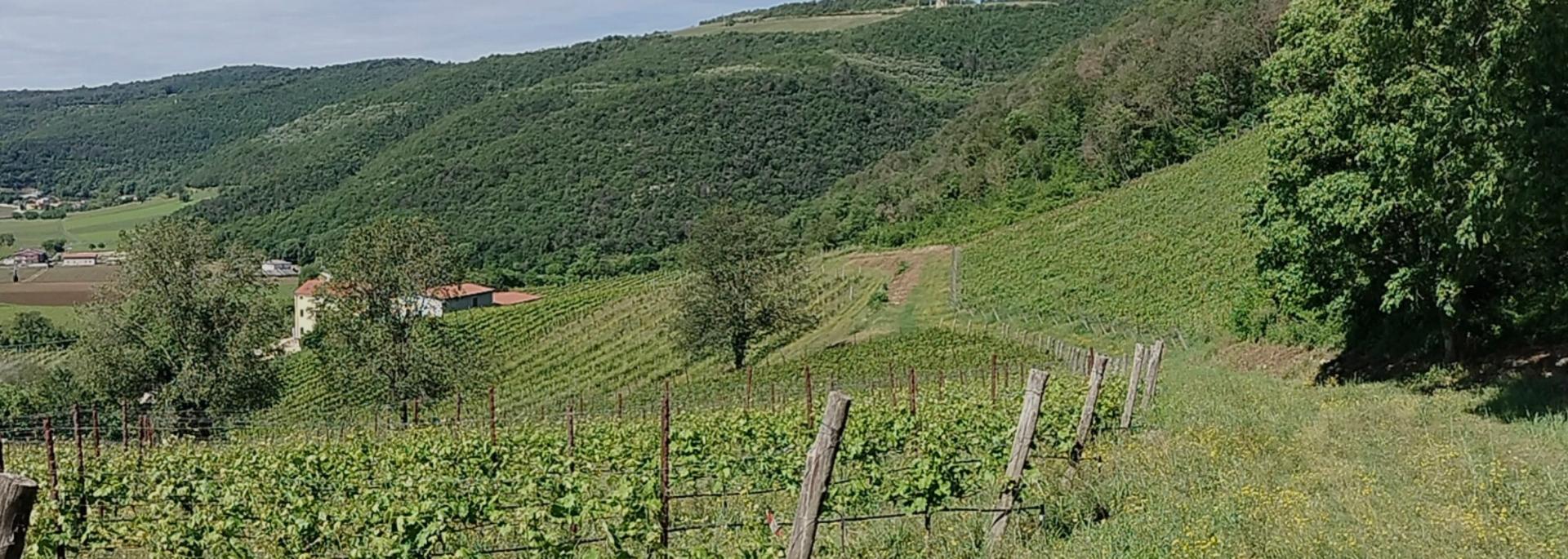
Corbinona wine is produced by a small number of independent growers in north-eastern Italy, where it contributes aromatic lift and firm acidity to wines from one of Europe's most distinctive red-wine landscapes.

Grown in a handful of estates in Valpolicella and Lessinia, it brings freshness and structure to blends and single-variety bottlings alike.

Color

Dropdown arrow

Type

Dropdown arrow

Country

Dropdown arrow

Region

Dropdown arrow

Grape

Dropdown arrow

Pairing

Dropdown arrow

Sort by

Sort arrow
Corbinona

Corbinona wines

Corbinona is one of a cluster of ancient varieties native to the Valpolicella and Lessinia hills in Veneto, north-eastern Italy. It is closely related to Corvina, the dominant grape of Amarone and Valpolicella Classico, but stays distinct in its higher natural acidity and more pronounced aromatic character. Historically it was blended in small proportions to lift the perfume and freshness of the finished wine. A handful of growers now vinify it as a single-variety bottling, making it possible to taste what the grape contributes on its own terms. On Free Grape Society, each bottle ships directly from the producer's cellar, with no importer or warehouse in between.

2 of 2 wines

Previous1 of 1Next

Corbinona mixboxes

A mixbox from a Corbinona producer is the producer's own selection of six bottles, put together as the recommendation they would make if you visited the estate. In a region with as many native varieties and styles as Veneto and Lessinia, that often means tasting across the producer's range — from lighter red blends through to the more concentrated styles that the hills and the altitude make possible. Free Grape Society is a society of producers, independent experts and wine lovers, not a shop.

View all mixboxes

Wineries

The growers working with Corbinona are mostly small family estates in the elevated terrain above the Valpolicella Classico zone, where cooler nights slow ripening and preserve the acidity that defines the variety. Understanding what a producer prioritises — native varieties, minimal intervention, a particular approach to drying grapes — helps make sense of how their Corbinona wines sit within their wider range. The wine-advice service is there if you want to talk through the differences before choosing.

View all wineries

Wine experts

Because Corbinona is grown by a small number of producers and rarely appears outside its home region, an independent review can be genuinely useful context. Independent wine experts on Free Grape Society review wines they have personally tasted, and their notes appear on each wine page and on the expert's own profile. Several of the experts listed here have reviewed wines from the Valpolicella and Lessinia producers who work with Corbinona.

View all wine experts

Frequently asked questions

How do I order a Corbinona wine on Free Grape Society?

Browse the wines above, add a bottle to your basket, and check out using Klarna or card. Each bottle ships directly from the producer's own cellar. Free shipping is included, and delivery typically takes between four and fourteen days, with an average of around eight to nine days.

What happens if a bottle arrives broken or doesn't taste right?

Send a photo to Free Grape Society customer support within 7 days of delivery. We will arrange a replacement or a refund. Because producers ship directly, quality issues are handled with the producer's direct involvement. Shared responsibility is built into how FGS works.

Can I order Corbinona wines from more than one producer in the same order?

Yes. You can add bottles from different producers to the same basket. Each producer ships their own wines directly, so your order may arrive in separate deliveries, each from the estate where the wine was made.

How long does delivery take?

Average delivery is 8 to 9 days from order to door. The full range is 4 to 14 days depending on the producer's location and your delivery address. Wines ship directly from the producer's cellar, not from a central warehouse.

How do I choose between Corbinona wines from different producers?

Start with the producer notes and any expert reviews on the wine page. Corbinona varies in weight and aromatic intensity depending on altitude, site, and how the producer chooses to vinify it. If you are unsure, the wine-advice service connects you with an independent expert who can suggest something specific to your taste.

How does the selection of Corbinona producers on Free Grape Society work?

Free Grape Society works directly with independent producers who grow and bottle their own wines. Wines are tasted before listing. Because Corbinona is cultivated by a small number of estates, the selection reflects the growers who actively work with the variety and who sell direct.

Which Corbinona wine expert can recommend something for me?

The independent wine experts listed on this page have tasted wines from the producers who grow Corbinona and related native varieties from north-eastern Italy. Use the wine-advice service to ask a question — describe what you are looking for and an expert will respond with a specific suggestion.

Why don't you sell supermarket-brand Corbinona wines?

Corbinona is a rare native variety grown by a small number of independent estates. It does not feature in large-volume commercial production. The wines on this page come from producers who work with the variety because they chose to, not because it appears on a retail specification. That is the difference you taste in the glass.

Can I find Corbinona wines in European wine shops or at retail?

Rarely outside the producing region. Corbinona is cultivated in a small area of Veneto and Lessinia, and most of the growers who work with it sell the majority of their wine direct or through specialist channels. Free Grape Society makes it possible to order directly from the estate, wherever you are in Europe.

Where Corbinona comes from and what kind of grape it is

Corbinona is a rare red grape native to the Veneto region of north-eastern Italy, where it grows alongside better-known varieties such as Corvina, Corvinone, and Rondinella. It is one of the permitted blending grapes in the Valpolicella and Amarone production zones, though it appears only occasionally in the final blend. The grape is thick-skinned and late-ripening, which suits the drying process used to make Amarone and Recioto: the extra structure and sugar content it carries can add body and depth when included. Outside the Veneto, Corbinona is almost unknown, making it one of those varieties that only surfaces when a producer chooses to work with it deliberately. If you are exploring the native grapes of Veneto wines, Corbinona is a useful thread to follow.

How Corbinona tastes, and what to drink it with

Because Corbinona is rarely vinified on its own, its character is most often experienced as part of a blend. In that context it tends to contribute structure, dark fruit, and a slight tannic grip rather than aromatic lift — qualities that work well alongside the cherry and spice profile of Corvina. Wines that include Corbinona often suit the table in the same way other Veneto reds do: roasted meats, aged hard cheeses, and dishes with enough weight to meet the wine. For a broader look at the red grapes of northern Italy, the Nebbiolo, Barbera, and Sangiovese pages give a sense of how differently native Italian varieties can express themselves.

Buying Corbinona wine direct from independent producers

Finding Corbinona outside specialist circles takes some effort, which is part of what makes buying from independent producers worthwhile. The producers who work with this grape tend to do so because they have a genuine attachment to the Veneto's native varieties — not because the name sells. On Free Grape Society, wines are tasted before listing and each bottle ships directly from the producer's own cellar, with no importer or warehouse in between. Free Grape Society is a society of producers, independent experts and wine lovers, not a shop. If Corbinona is new to you, the Veneto wineries page is a good place to explore the estates behind the wines, and the Italian wines and Veneto wines pages show the wider range of varieties and styles those producers work with.