Corvina: Veneto's backbone grape, from everyday Valpolicella to the heights of Amarone

Corvina wine spans a wider range than almost any other Italian grape. Grown almost exclusively in the Veneto, it produces light, fresh Valpolicella and, after months drying on bamboo racks, the dense, powerful Amarone della Valpolicella. The independent producers below make it in both directions.

A thick-skinned red that dries into concentration — the same variety, utterly transformed by how it is made.

Color

Dropdown arrow

Type

Dropdown arrow

Country

Dropdown arrow

Region

Dropdown arrow

Grape

Dropdown arrow

Pairing

Dropdown arrow

Sort by

Sort arrow
Corvina

Corvina wines

Corvina is rarely found outside the Veneto, which makes it one of the most place-specific grapes in Italy. Its thick skin and naturally high acidity give winemakers an unusual degree of control: picked early and vinified fresh, it is the backbone of Valpolicella Classico; left to dry — a process called appassimento — the same grape becomes Amarone, one of Italy's most structured and age-worthy reds. On Free Grape Society, each bottle is shipped directly from the producer's own cellar, with no importer or warehouse in between.

5 of 5 wines

Previous1 of 1Next

Corvina wine cases

A producer's Corvina mixbox is the selection they would put together if you visited their winery in the Veneto and asked what to try. That often means tasting the same grape across different winemaking approaches — a fresh Valpolicella alongside a Ripasso or a younger Amarone — so you can follow how appassimento changes the wine from bottle to bottle. Free Grape Society is a society of producers, independent experts and wine lovers, not a shop.

View all mixboxes

Wineries

The growers below all work with Corvina, mostly in and around the Valpolicella Classico zone west of Verona, though a handful sit in the broader Valpolicella DOC or neighbouring appellations. Reading each producer's own story is a useful way to understand their approach to appassimento — how long they dry the grapes, which blend partners they use alongside Corvina, and whether they make Amarone, Ripasso, or both. The wine-advice service is available if you would prefer a recommendation before choosing.

View all wineries

Wine experts

Because Corvina is so tightly bound to one region and one set of winemaking traditions, a wine expert who knows the Veneto well can save you a lot of time. Independent wine experts on Free Grape Society review wines they have personally tasted, and their notes appear on each wine page and on the expert's own profile. Several of the experts below have reviewed Corvina wines listed on this page, so you can read what they found before deciding.

View all wine experts

Frequently asked questions

How do I order a Corvina wine on Free Grape Society?

Choose a bottle from the list above and add it to your cart. Each wine ships directly from the producer's own cellar in the Veneto, so if you order from more than one producer your bottles will arrive in separate deliveries. Delivery typically takes 8–9 days on average, within a 4–14 day window. Shipping is free, and you can pay by card or Klarna.

What happens if a bottle arrives broken or doesn't taste right?

Send a photo to Free Grape Society customer support within 7 days of delivery. We will arrange a replacement or a refund. Because producers ship directly, quality issues are handled with the producer's direct involvement. Shared responsibility is built into how FGS works.

Can I order Valpolicella and Amarone from the same producer in one order?

Yes. If a producer lists both a Valpolicella and an Amarone on Free Grape Society, you can add both to the same order and they will ship together from that producer's cellar. If you order from two different producers, those arrive separately — each producer packs and ships their own wines directly.

How long does delivery take?

Average delivery is 8 to 9 days from order to door. The full range is 4 to 14 days depending on the producer's location and your delivery address. Wines ship directly from the producer's cellar, not from a central warehouse.

How do I choose between a Valpolicella, a Ripasso and an Amarone?

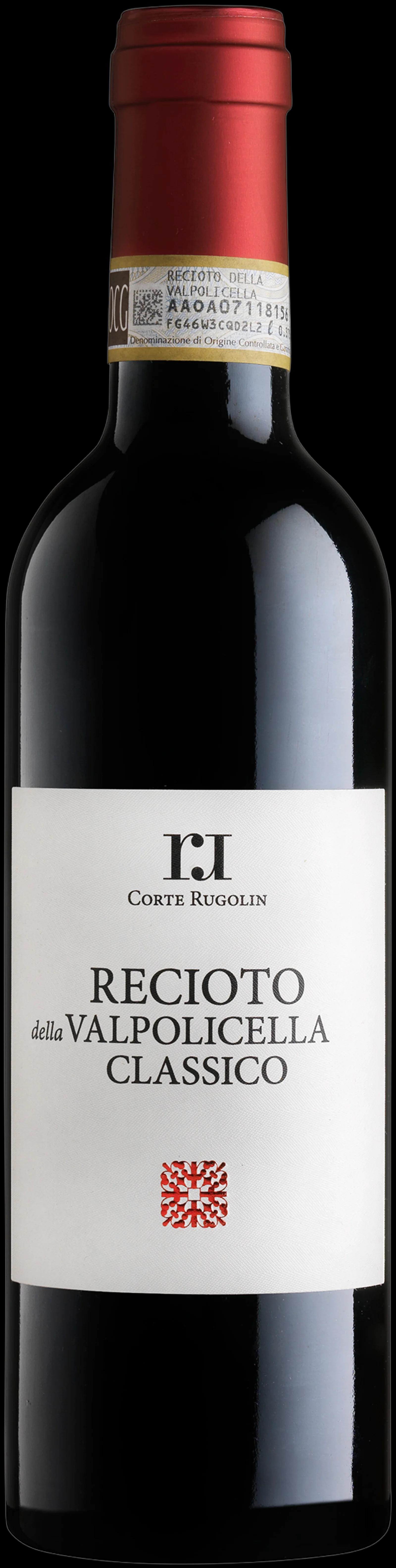
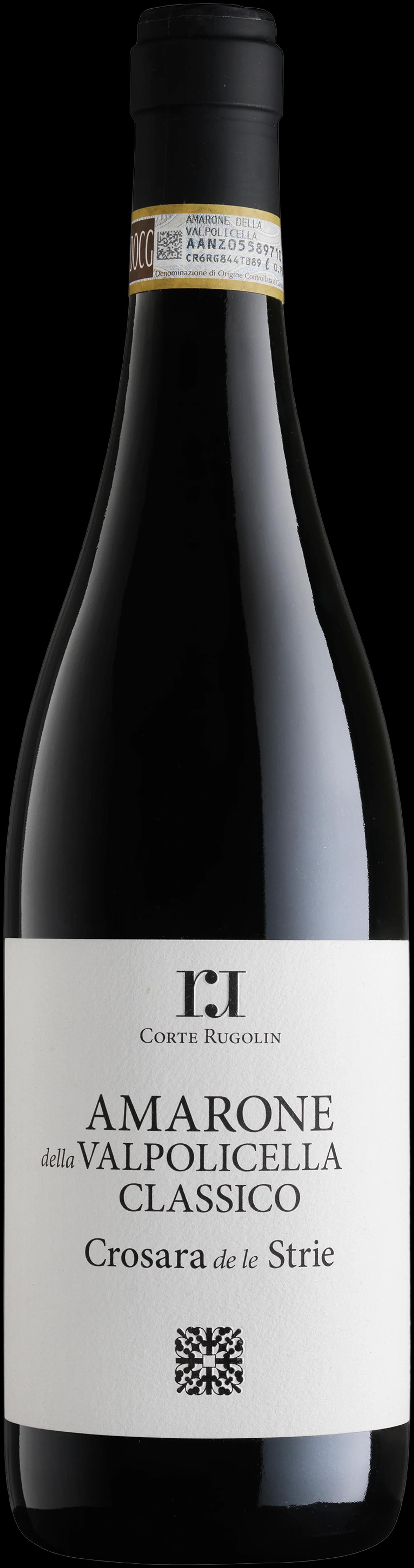
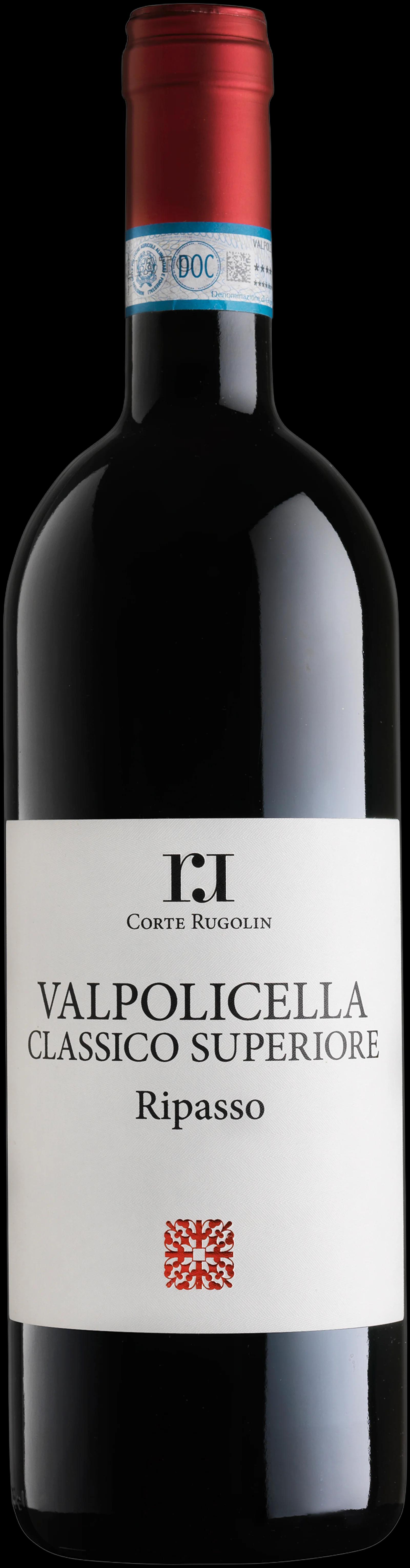
All three are built around Corvina, but appassimento changes the wine dramatically. Valpolicella Classico is fresh, light and food-friendly. Ripasso is refermented over Amarone skins, adding body and dark fruit. Amarone itself is made entirely from dried grapes — dense, high in alcohol, and built for ageing. If you want something to open soon with food, start with Valpolicella or Ripasso. If you want a wine for a special occasion or a long cellar, Amarone is the direction.

How do producers decide how long to dry Corvina grapes for Amarone?

The drying period — carried out in a dedicated drying loft called a fruttaio — typically runs from harvest in late September through to December or January, though producers adjust timing based on the vintage and how quickly the grapes lose moisture. Longer drying increases concentration and sugar, but also risk of spoilage. Each producer on Free Grape Society makes that call independently, which is one reason Amarone varies so much in style from one estate to the next.

Which Corvina wine expert can recommend something for me?

Several independent wine experts on Free Grape Society specialise in Italian wines, including the Veneto and the Valpolicella appellations. You can browse their profiles in the experts section above, read the reviews they have published, and submit a question directly. Describe what you are looking for — a food pairing, a gift, a specific style — and they will point you toward the right bottle.

Why don't you sell supermarket-brand Corvina wines?

Free Grape Society works exclusively with independent producers who bottle and ship their own wines. Large-volume Valpolicella made for supermarket distribution is produced by négociants and co-operatives who buy grapes or bulk wine across many estates — the opposite of what the producers here do. Every Corvina wine on this page comes from a grower who made it themselves and is shipping it directly.

Can I buy Corvina wines in the same way I would buy from a wine merchant?

The process of adding bottles to a cart and checking out is familiar, but the model is different. On Free Grape Society there is no merchant, importer, or warehouse in between — you are buying directly from the producer who grew the grapes and made the wine. That means the producer sets their own price, packs the order themselves, and ships it to your door from the Veneto.

Where Corvina comes from and what it does in the Veneto

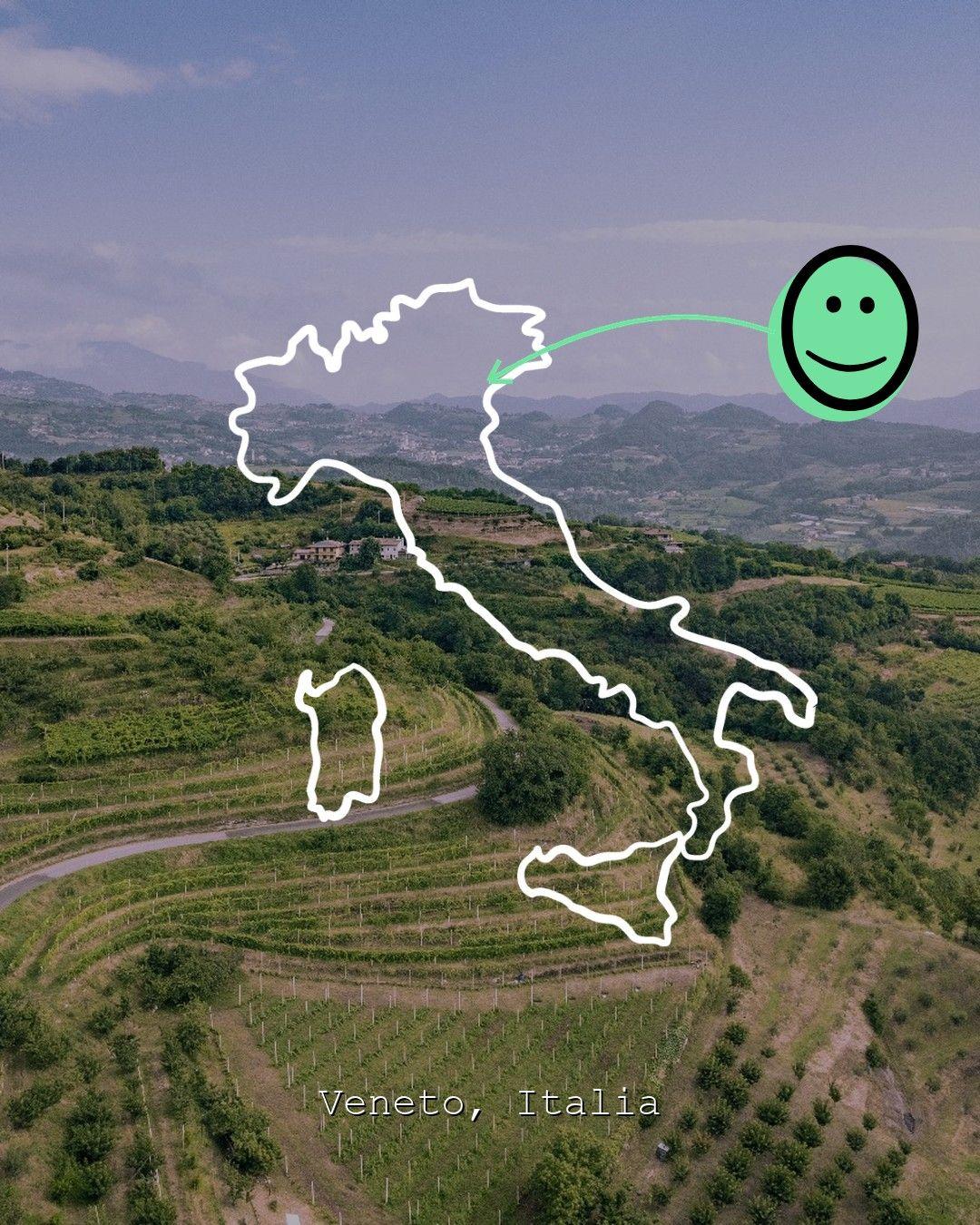
Corvina is native to the Valpolicella zone in the Veneto, the stretch of hills northwest of Verona where it has been grown for centuries. It is almost always blended — the DOC rules for Valpolicella, Ripasso and Amarone require it to make up the majority of the wine, with Rondinella and Corvinone as its most common partners. Corvina on its own tends toward high acidity and relatively light colour; the blending partners add body and pigment, while the winemaking method shapes the style entirely. The same grape can produce a fresh, cherry-bright Valpolicella Classico or, after the long drying process known as appassimento, the dense and dried-fruit character of an Amarone. The drying concentrates sugars and compounds without adding them — it is a transformation that happens in the grape itself, in lofts called fruttai, over several months. For wines made this way, see the Veneto wines page, where growers from the zone list their own bottles directly.

How Corvina tastes, and what to eat with it

Fresh Corvina-based wines — Valpolicella in its lighter styles — tend toward sour cherry, dried herbs and a clean, food-friendly acidity. The tannins are modest and the colour pale to medium. As the wines move toward Ripasso (refermented on the skins left from Amarone production, which adds weight and a touch of dried fruit) the profile deepens: more body, more structure, a hint of spice. Amarone sits at the far end: a dry but richly concentrated wine, typically with notes of dried cherry, tobacco and dark chocolate, with tannins that benefit from time in bottle. The acidity that runs through all three styles makes them useful at the table — lighter Corvina blends work well with pasta, risotto and grilled vegetables; Ripasso suits braised meats; Amarone is traditionally paired with aged hard cheeses or slow-cooked game. Italian red wines from the same region offer useful context if you are exploring the styles side by side.

Buying Corvina wine direct from independent producers

Most Corvina wine on the market passes through a multi-step chain before it reaches the buyer — importer, distributor, retailer. On Free Grape Society, the producers listed on this page ship directly from their own cellars, with no importer or warehouse in between. That means the wine travels less, and the producer sets the price themselves. The independent growers working with Corvina tend to farm smaller plots than the large co-operatives that dominate Valpolicella production, and many work with certified organic or low-intervention practices — not as a marketing claim but as a reflection of how they prefer to farm. Wines are tasted before listing, and independent wine experts add their own reviews over time, visible on each wine page. If you want a recommendation before choosing, the wine-advice service is there. Free Grape Society is a society of producers, independent experts and wine lovers, not a shop. To explore the broader Italian selection, the Italian wines and Veneto mixboxes pages are a practical starting point.