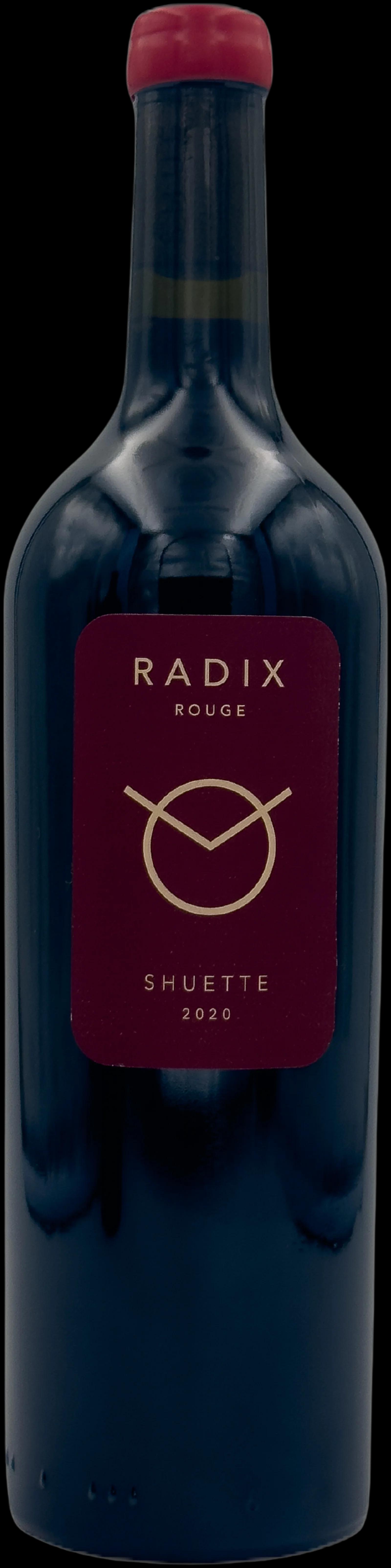
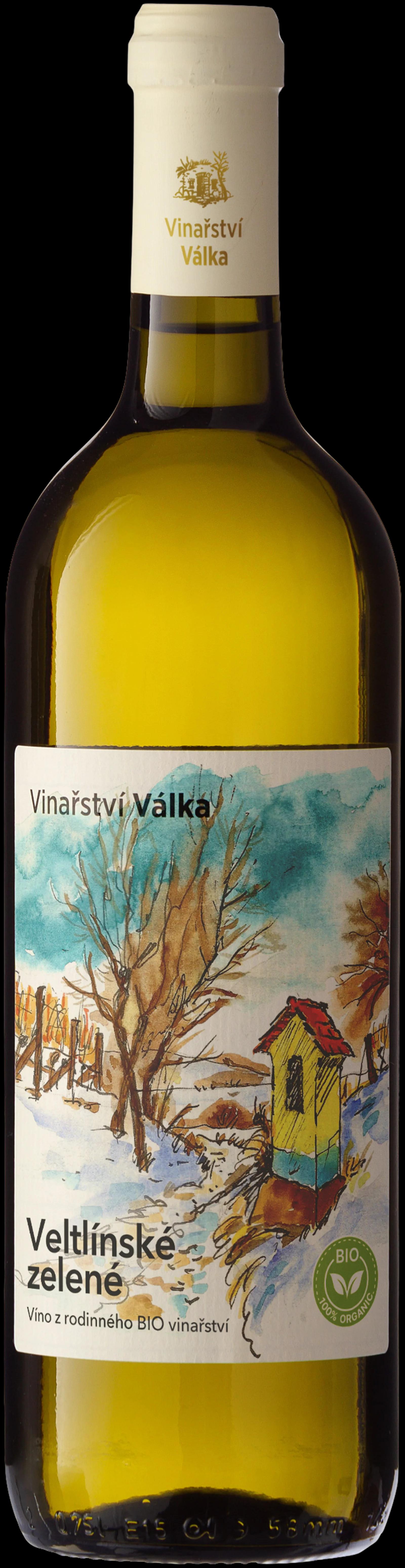
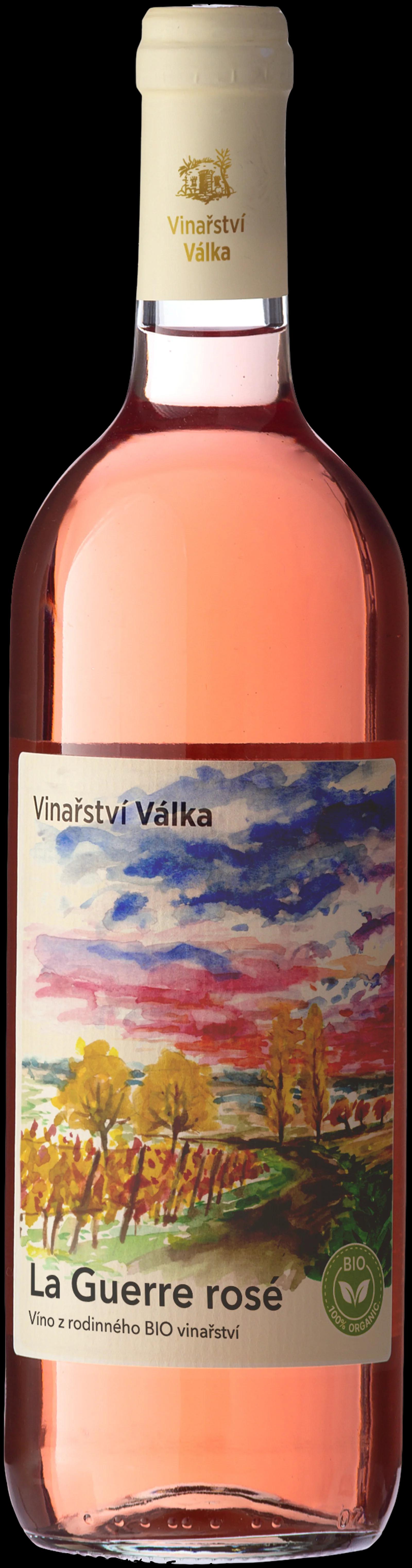
Corvinone: the Veneto's other great red grape, grown by independent producers

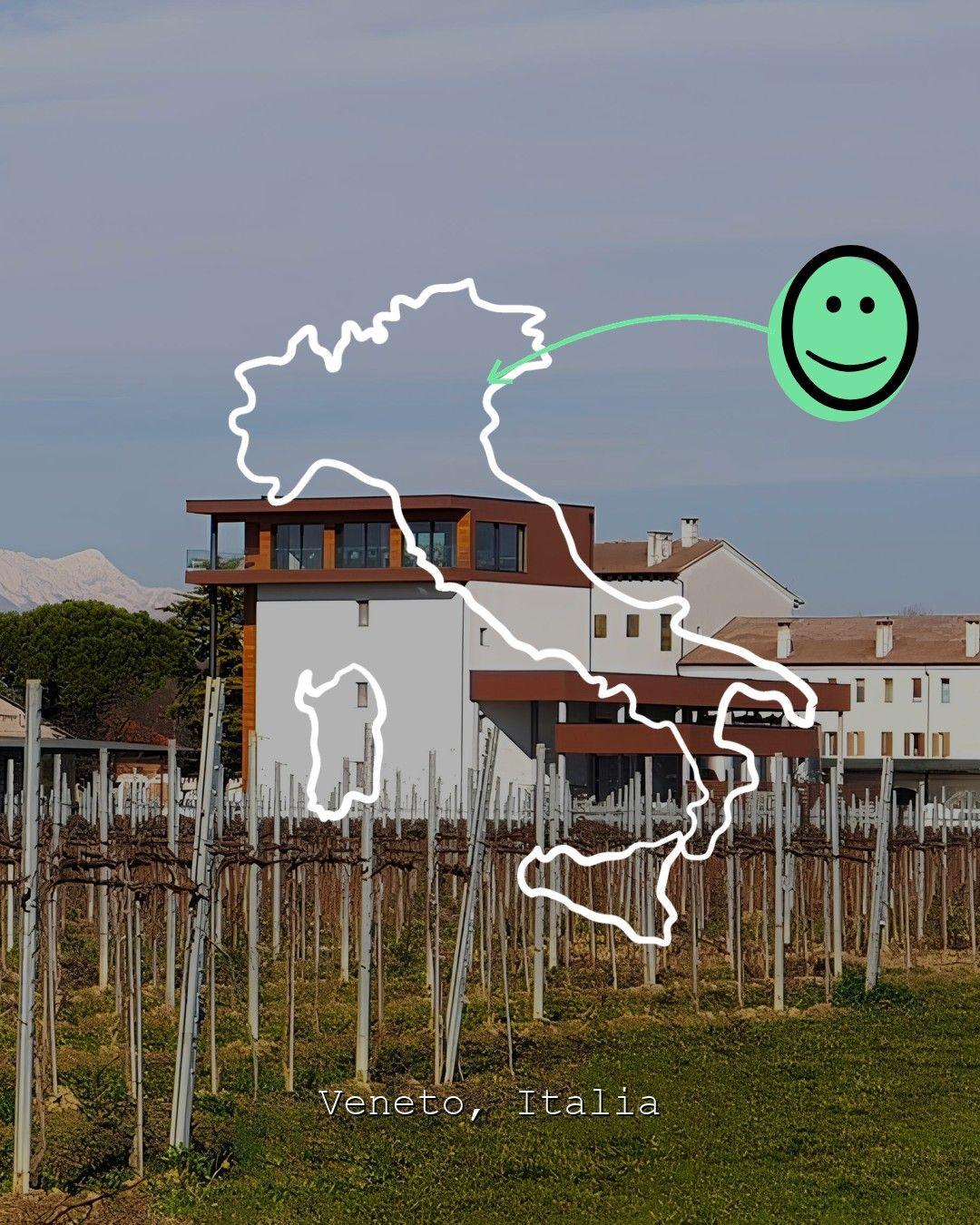
Corvinone wine is rarely seen on its own but shapes some of Italy's most structured reds. The producers below grow it in the Veneto, where it has been permitted as a direct substitute for Corvina since 1993.

A thick-skinned variety built for drying, found alongside Corvina in Amarone, Valpolicella and Ripasso.

Color

Dropdown arrow

Type

Dropdown arrow

Country

Dropdown arrow

Region

Dropdown arrow

Grape

Dropdown arrow

Pairing

Dropdown arrow

Sort by

Sort arrow
Corvinone

Corvinone wines

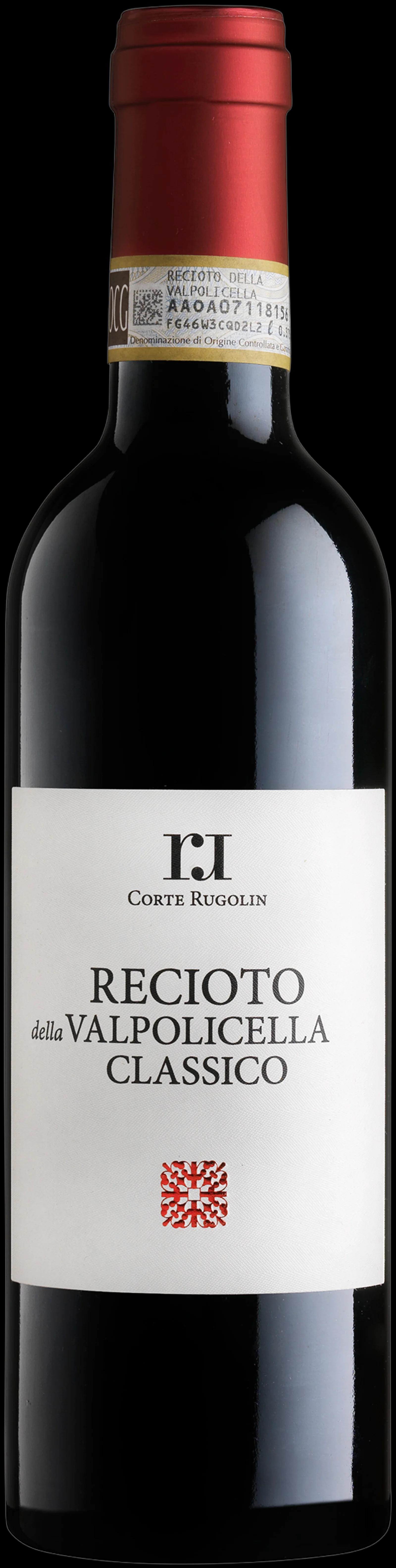
Corvinone is a Veneto native, grown almost exclusively in the hills around Verona where it has been documented for centuries. Its thicker skin and larger berries than Corvina make it particularly well suited to the appassimento process — slow drying on racks over several months — which concentrates sugar, acidity and phenolics before fermentation. That physical property is why it became permitted as a direct substitute for Corvina in Amarone and Recioto della Valpolicella in 1993. Each bottle here is shipped directly from the producer's own cellar, with no importer or warehouse in between.

5 of 5 wines

Previous1 of 1Next

Corvinone wine cases

A mixbox from a Veneto producer working with Corvinone often tells the story of one estate across the styles its grapes can produce — a Valpolicella Classico and an Amarone side by side, for instance, showing how the same fruit changes with drying time and winemaking intention. Free Grape Society is a society of producers, independent experts and wine lovers, not a shop.

View all mixboxes

Wineries

The wineries below are based in the Valpolicella and Bardolino production zones of the Veneto, where Corvinone has been grown alongside Corvina, Rondinella and Molinara for generations. Many are small, family-run estates that have shaped the grape's modern reputation. Reading a producer's own notes is a useful way to understand how they use Corvinone in their blend, and the wine-advice service is there if you would like a recommendation before choosing.

View all wineries

Wine experts

Corvinone is a grape most wine drinkers encounter indirectly, folded into blends they know by appellation rather than variety. Independent wine experts review wines they have personally tasted, and several of those reviewing Veneto reds here will have tasted bottles where Corvinone plays a central role. Their reviews are visible on each wine page and on the expert's own profile.

View all wine experts

Frequently asked questions

How do I order Corvinone wines from Free Grape Society?

Browse the wines on this page, add bottles to your basket and check out. Each order ships directly from the producer's own cellar, so your wine travels the shortest possible route to your door. Delivery typically takes between 4 and 14 days, with an average of around 8 to 9 days.

What happens if a bottle arrives broken or doesn't taste right?

Send a photo to Free Grape Society customer support within 7 days of delivery. We will arrange a replacement or a refund. Because producers ship directly, quality issues are handled with the producer's direct involvement. Shared responsibility is built into how FGS works.

Can I order Corvinone wines from more than one producer in a single order?

Yes. You can add bottles from different producers to the same basket and check out together. Because each producer ships from their own cellar, bottles from separate estates arrive in separate shipments, each within the standard delivery window.

How long does delivery take?

Average delivery is 8 to 9 days from order to door. The full range is 4 to 14 days depending on the producer's location and your delivery address. Wines ship directly from the producer's cellar, not from a central warehouse.

How do I choose between the different Corvinone wines on this page?

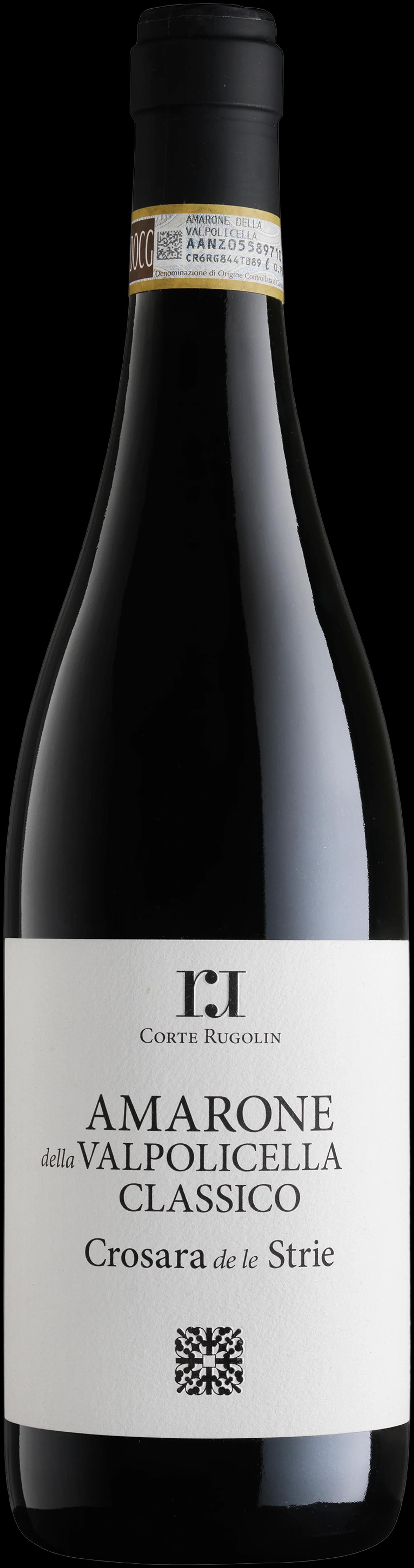
Look at the appellation and the blend composition first. A wine labelled Amarone della Valpolicella will be richer and more concentrated than a Valpolicella Classico, even when both contain Corvinone. The producer's own notes explain how much of the blend is Corvinone and what drying time was used, which are the two variables that shape the style most.

What styles of wine does Corvinone produce?

Corvinone is almost always blended rather than vinified alone. In its appassimento form it contributes to Amarone and Recioto della Valpolicella — rich, structured, high in alcohol. In fresher, lighter blends such as Valpolicella Classico or Bardolino, it adds body and colour without dominating the wine.

Which Corvinone wine expert can recommend something for me?

The wine experts on this page specialise in Italian wines, including the Veneto appellations where Corvinone is grown. Fill in the form on an expert's profile and they will come back to you with a personal recommendation based on what you like and what you are looking for.

Why don't you sell supermarket-brand Corvinone wines?

Free Grape Society lists wines from independent producers who grow and bottle their own grapes. Supermarket-label wines are typically assembled from bought-in fruit by large negociants. The estates on this page own their vineyards, make their own decisions about yields and drying, and put their name on the label.

Is Corvinone wine available in shops or supermarkets where I live?

Corvinone as a named variety is rarely found in general retail, and the independent estates that grow it are seldom distributed through supermarket channels. Free Grape Society connects buyers directly with those estates, which is the most reliable way to find wines where Corvinone plays a genuine role in the blend.

Where Corvinone comes from and how it differs from Corvina

Corvinone is a red grape from the Veneto, grown almost exclusively around Verona in the wine zones of Valpolicella, Amarone della Valpolicella and Recioto. For centuries it was classified as a clone of Corvina, the dominant grape in those blends, but the two are genetically distinct. Corvinone has larger berries and bunches, ripens slightly later, and produces wines with a fuller body and deeper colour than Corvina typically delivers on its own. In the Valpolicella DOC regulations, Corvinone is permitted as a direct substitute for up to half the Corvina content in a blend, which is why the two names appear together so often on back labels. The other permitted blending partners — Rondinella, Molinara and occasionally Rossola Nera — play supporting roles, adjusting freshness and structure. Independent producers working in the Veneto will often tell you how much Corvinone they use and why: it is a detail that genuinely shapes the wine.

How Corvinone tastes, and what to drink it with

Because Corvinone is nearly always blended, its character shows differently depending on the wine style. In a straight Valpolicella, it adds weight and dark fruit — black cherry and dried plum — to the lighter, more acidic lift that Corvina brings. In Amarone, where the grapes are dried for several months before pressing, Corvinone's larger berry size means a higher proportion of skin to juice after drying, which intensifies the tannin and deepens the wine's concentration. The result is a wine that is structured, long, and often needs time in bottle to open. Amarone pairs well with braised beef, aged hard cheeses and game; lighter Valpolicella, with less drying involved, works alongside pasta with meat sauce or grilled pork. If you are exploring the range from the same region, the Veneto wines page is a useful starting point, and the Corvina page shows how the two grapes compare across the same set of producers.

Buying Corvinone direct from independent Veneto producers

Corvinone is not a grape you will find much of outside the Veneto, and it rarely appears as a varietal wine — almost every bottle that contains it is a blend, labelled under the appellation rather than the grape. That makes the producer the most important piece of information on the label. Independent estates in Valpolicella and the surrounding zones make quite different choices about how much Corvinone to use, how long to dry the grapes, and how long to age the wine — decisions that are all visible in the bottle. On Free Grape Society, producers who grow Corvinone ship directly from their own cellar, with no importer or warehouse in the chain. Free Grape Society is a society of producers, independent experts and wine lovers, not a shop. The Veneto wineries page shows which estates are on the platform, and if you want a broader picture of Italian red wines built on native grapes, that page covers the full range from Nebbiolo in Piedmont to Nero d'Avola in Sicily.