Rondinella: a Veneto blending grape grown beyond the blend

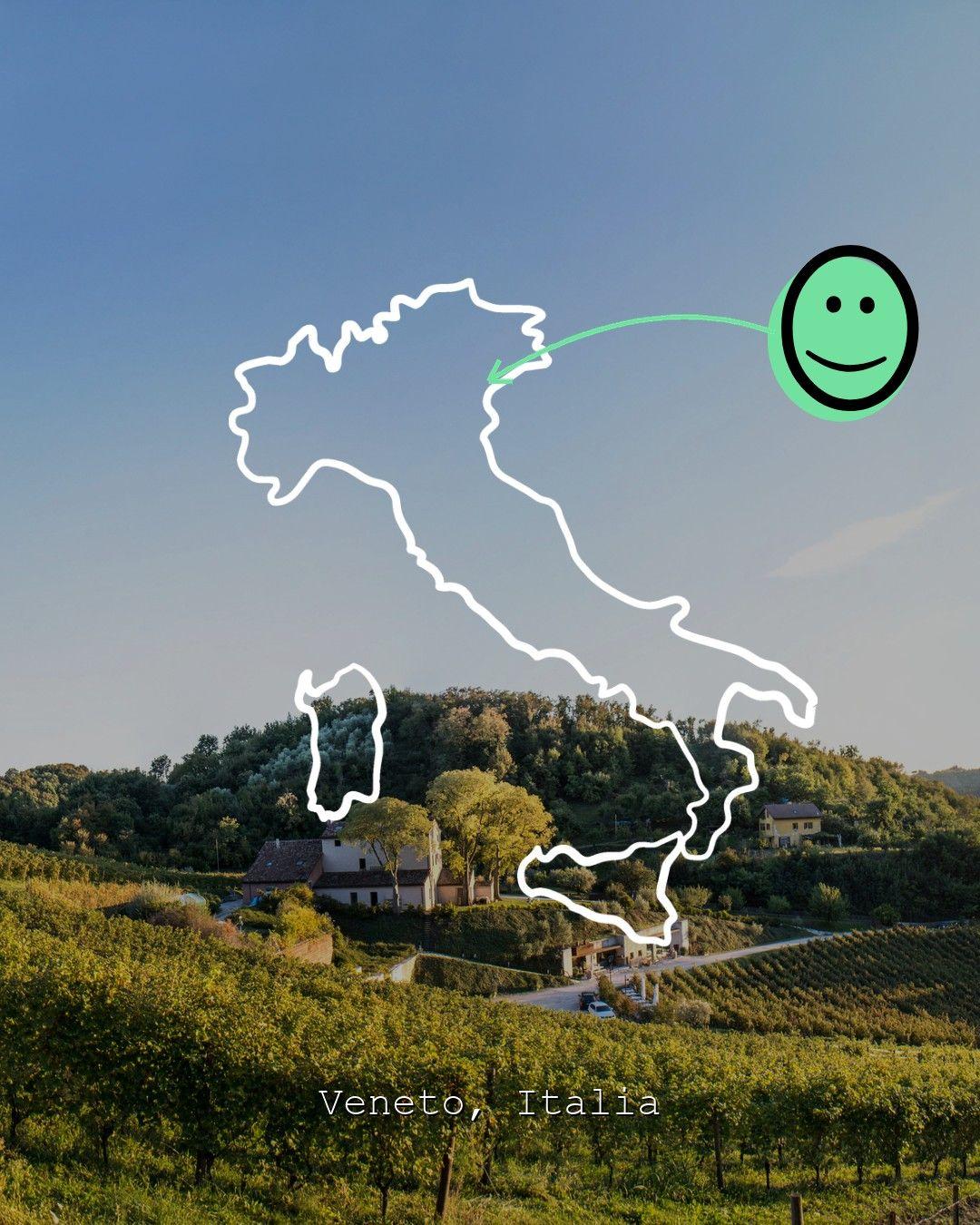
Rondinella wine is made primarily in the Veneto, where the grape plays a supporting role in Valpolicella, Amarone and Bardolino alongside Corvina. A small number of independent producers grow it as a single variety, showing what it does when it stands alone.

From Valpolicella to Bardolino, a red variety that anchors some of northern Italy's most distinctive wines.

Color

Dropdown arrow

Type

Dropdown arrow

Country

Dropdown arrow

Region

Dropdown arrow

Grape

Dropdown arrow

Pairing

Dropdown arrow

Sort by

Sort arrow
Rondinella

Rondinella wines

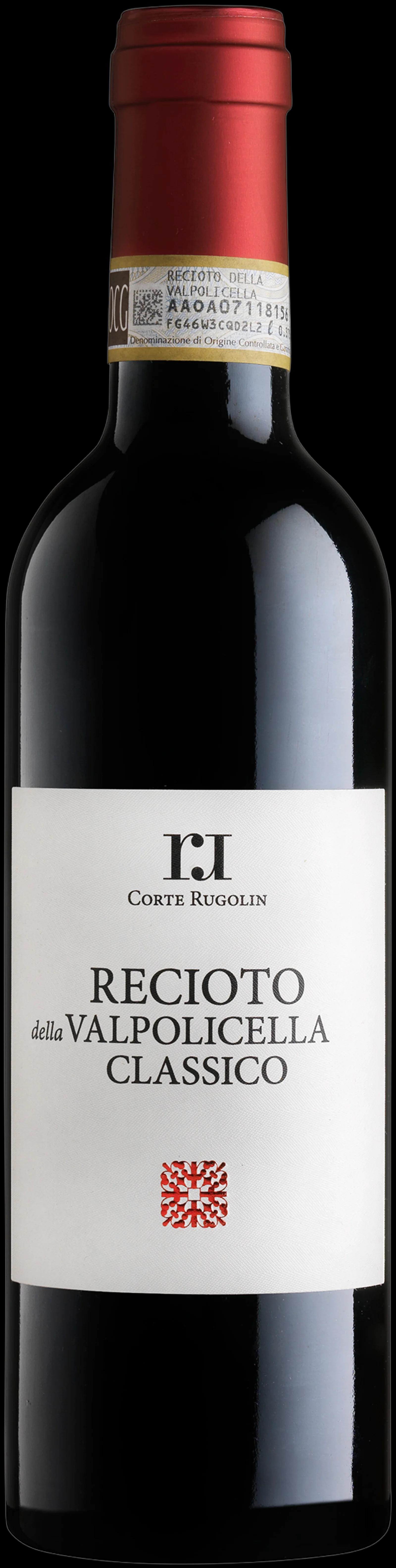
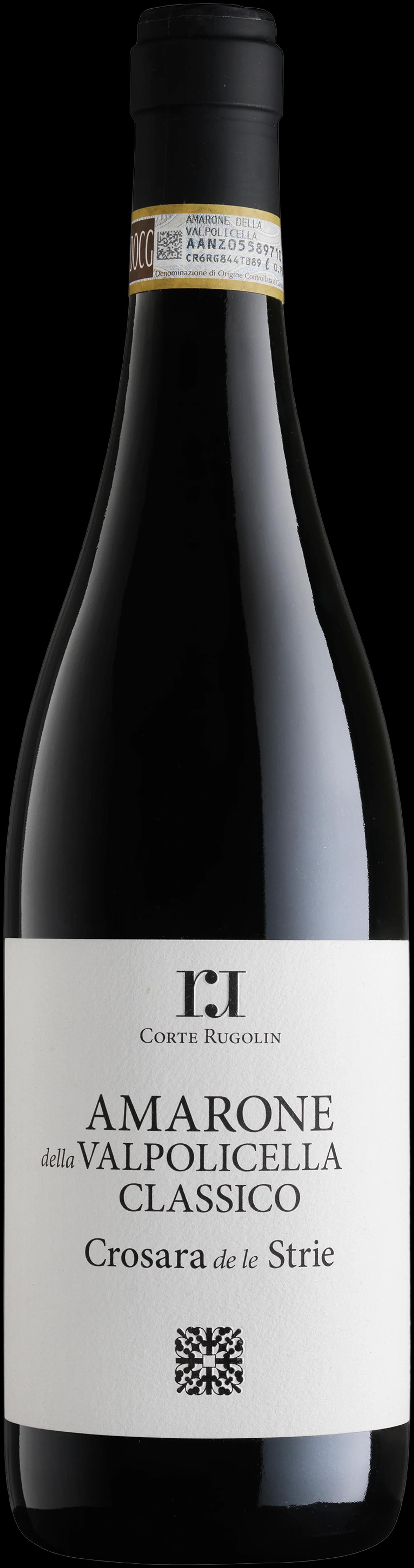
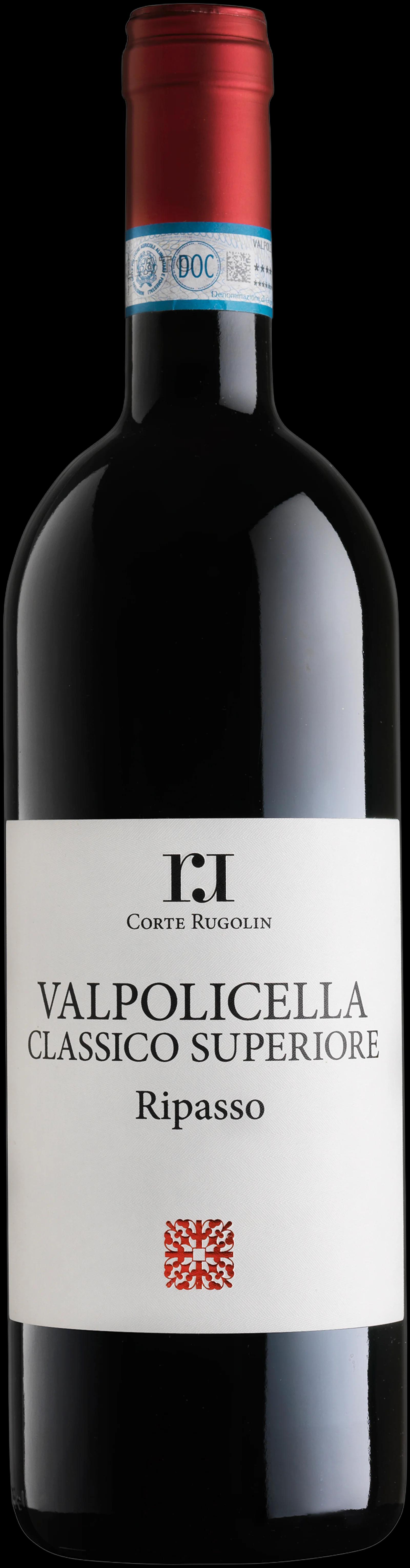
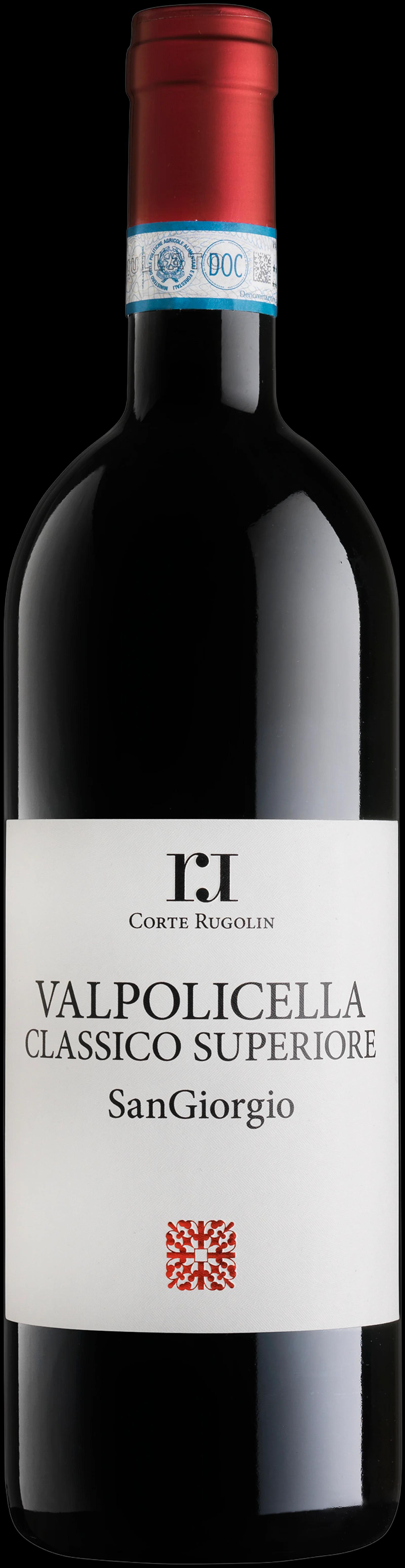
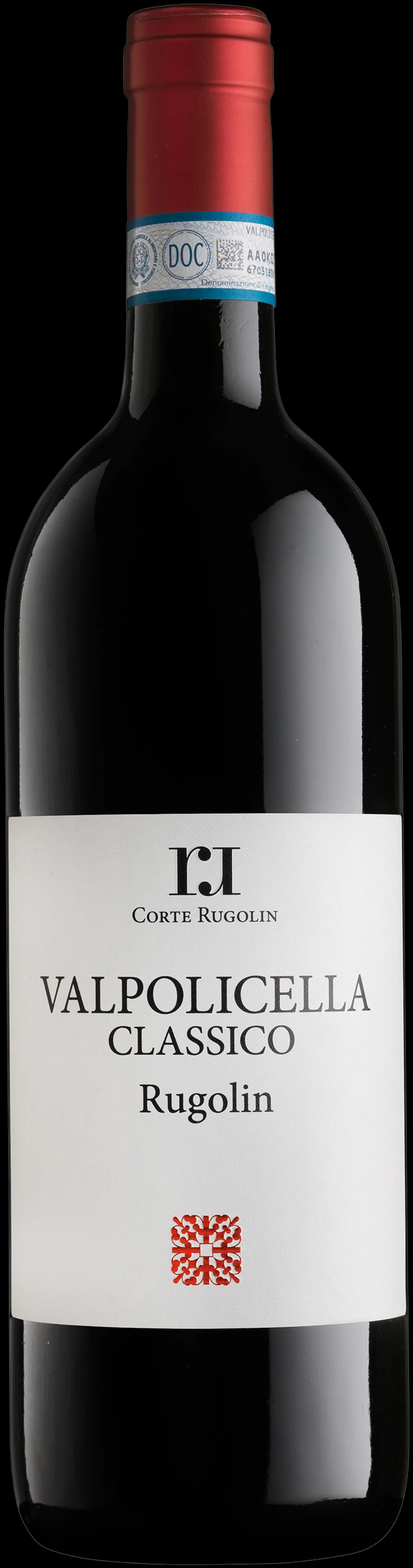
Rondinella is one of the three principal red grapes of the Veneto, grown across the Valpolicella, Bardolino and Garda DOCs alongside Corvina and Molinara. It is prized in the blend for its colour, its relatively high yield, and its resistance to drought and disease. In Amarone and Recioto della Valpolicella, Rondinella grapes are dried alongside Corvina after harvest — a process called appassimento — concentrating sugar and flavour before fermentation. Each bottle on this page ships directly from the producer's own cellar, with no importer or warehouse in between.

5 of 5 wines

Previous1 of 1Next

Rondinella wine cases

A wine case on Free Grape Society is a producer's own selection of six bottles — the recommendation they would make if you walked into their cellar and asked what to try. For a grape like Rondinella, that usually means tasting it in context: alongside the Corvina and Molinara it shares the Valpolicella blend with, or across different expressions of the same appellation. Free Grape Society is a society of producers, independent experts and wine lovers — not a shop.

View all mixboxes

Wineries

The producers below grow Rondinella in the Veneto's lake and hillside zones, where the grape has been cultivated for centuries. Some work across several DOCs; others concentrate on a single appellation. Reading a producer's own notes on how they use the variety — whether as a blending component or as a standalone bottling — is often the most direct way to understand what their wines taste like. The wine-advice service is available if you would prefer to talk it through before choosing.

View all wineries

Wine experts

Rondinella is a grape that rarely travels far from its Veneto home, which makes the opinions of those who know the region well particularly useful. Independent wine experts on Free Grape Society review wines they have personally tasted, and their notes appear on each wine's page and on the expert's own profile. Several of the experts below have reviewed wines that include Rondinella, so you can read what they found before deciding.

View all wine experts

Frequently asked questions

How do I order Rondinella wines on Free Grape Society?

Browse the wines listed on this page, add bottles to your basket, and pay securely by card or Klarna. Each order ships directly from the producer's cellar to your door. Delivery typically takes between four and fourteen days, and shipping is free.

What happens if a bottle arrives broken or doesn't taste right?

Send a photo to Free Grape Society customer support within 7 days of delivery. We will arrange a replacement or a refund. Because producers ship directly, quality issues are handled with the producer's direct involvement. Shared responsibility is built into how FGS works.

Can I order Rondinella wines from more than one producer in the same basket?

Yes. You can add wines from several producers to a single basket and check out in one transaction. Each producer fulfils their own part of the order and ships separately from their cellar, so delivery windows may differ slightly between bottles.

How long does delivery take?

Average delivery is 8 to 9 days from order to door. The full range is 4 to 14 days depending on the producer's location and your delivery address. Wines ship directly from the producer's cellar, not from a central warehouse.

How do I choose between a Valpolicella, a Bardolino and an Amarone made with Rondinella?

The key difference is winemaking rather than the grape itself. Valpolicella and Bardolino are made from fresh grapes and tend to be lighter and earlier-drinking. Amarone uses dried grapes — the appassimento process — producing a much richer, more concentrated wine. Producer notes on each wine page explain the method and give a sense of the style.

Are there single-variety Rondinella wines, or is it always part of a blend?

Almost all Rondinella is grown for blending — it is rarely bottled alone under Italian DOC rules. The wines on this page may include both blended expressions and the occasional single-variety bottling where a producer has chosen to show what the grape does unaccompanied. The wine description will make the composition clear.

Which wine expert can recommend a Rondinella wine for me?

The experts listed on this page specialise in Italian and Veneto wines. Use the Ask a wine expert form to describe what you are looking for — a lighter Bardolino, a structured Valpolicella, or a fuller Amarone — and an expert will reply with a personal recommendation.

Why don't you sell supermarket-brand Rondinella wines?

Free Grape Society lists wines from independent producers who grow, make and bottle their own wine. Supermarket-label wines are typically blended and bottled by large commercial producers who source fruit from many growers. The producers on this page have direct responsibility for every decision made in their vineyard and cellar.

Is Rondinella available in European supermarkets, or is this a specialist variety?

You will occasionally find Valpolicella or Bardolino on supermarket shelves, but they are usually large-volume commercial bottlings. Wines from independent Veneto estates — where Rondinella is grown and blended by the same family that owns the vineyard — are rarely distributed through retail chains. Buying directly from the producer is typically the only way to access them.

Where Rondinella comes from and what it does in the blend

Rondinella is a native red grape of the Veneto in north-east Italy, grown almost exclusively around Lake Garda and the hills that rise above the Valpolicella valley. It rarely appears as a single-variety wine. Its role is structural: in Valpolicella wines, it is blended alongside Corvina and Corvinone, where it adds colour, freshness, and a firmer tannic frame that helps the wine hold together. Corvina sets the aromatic direction — dried cherry, spice — and Rondinella steadies it. The same logic applies in Amarone and Recioto della Valpolicella, where the grapes are dried on bamboo racks for months before pressing, concentrating everything Rondinella contributes. Producers in Veneto and across Italy who work with this grape tend to be custodians of a very specific local tradition rather than varietal experimenters, which is why the wines on this page come from a tight geographic cluster.

How Rondinella tastes, and what to drink it with

Rondinella on its own is not especially complex — it brings red fruit, relatively high acidity, and moderate tannin without the depth of Corvina. In a blend, those qualities read as energy and structure. Valpolicella, the lightest expression, is a food wine by design: its acidity and bright cherry fruit make it a natural match for pasta with tomato sauce, grilled vegetables, or a simple pizza. Ripasso, where the wine is re-fermented on the dried grape skins left over from Amarone production, adds weight and a hint of dried fruit without losing the freshness. For richer dishes — braised beef, aged hard cheese, or slow-cooked lamb — the fuller structure of an Amarone-based wine works better. Red wines from Veneto cover the full range of these styles, from everyday to cellar-worthy. If you are choosing between them and want a second view, independent wine experts review wines they have personally tasted, and those notes are visible on each wine page.

Buying Rondinella wines direct from independent Veneto producers

Most wines made with Rondinella are produced by family estates in the Valpolicella zone whose names are not widely distributed outside Italy. That is partly a matter of scale — many of these producers are small — and partly because the traditional distribution chain, moving through importers and regional warehouses, is slow and selective. On Free Grape Society, producers ship directly from their own cellar to your door, with no importer or warehouse in the middle. That means wines that rarely appear in retail, priced by the producer rather than by a chain of intermediaries. Wines tasted before listing ensure a baseline of quality. Free Grape Society is a society of producers, independent experts and wine lovers, not a shop. You can also explore Italian mixboxes for a producer's own six-bottle selection, or browse the full range of Venetian producers who work with these traditional Veronese varieties.