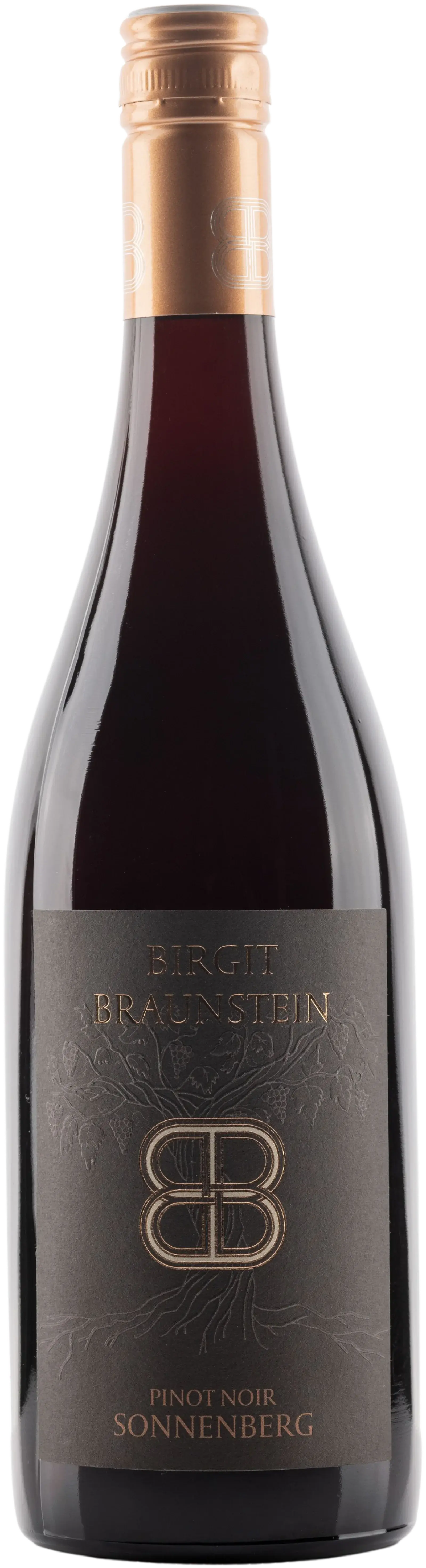
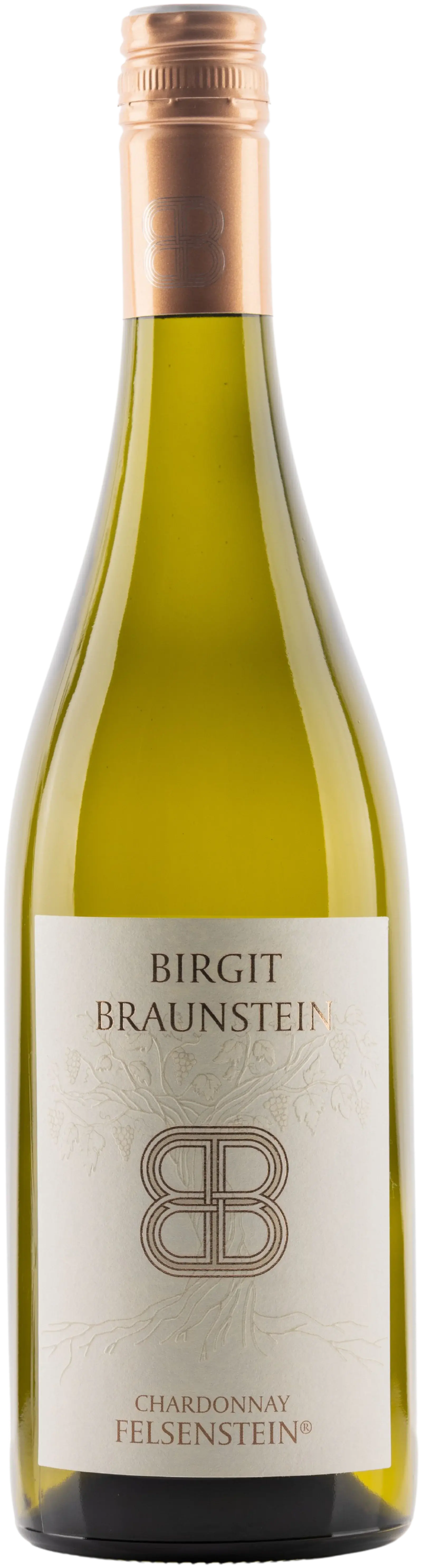
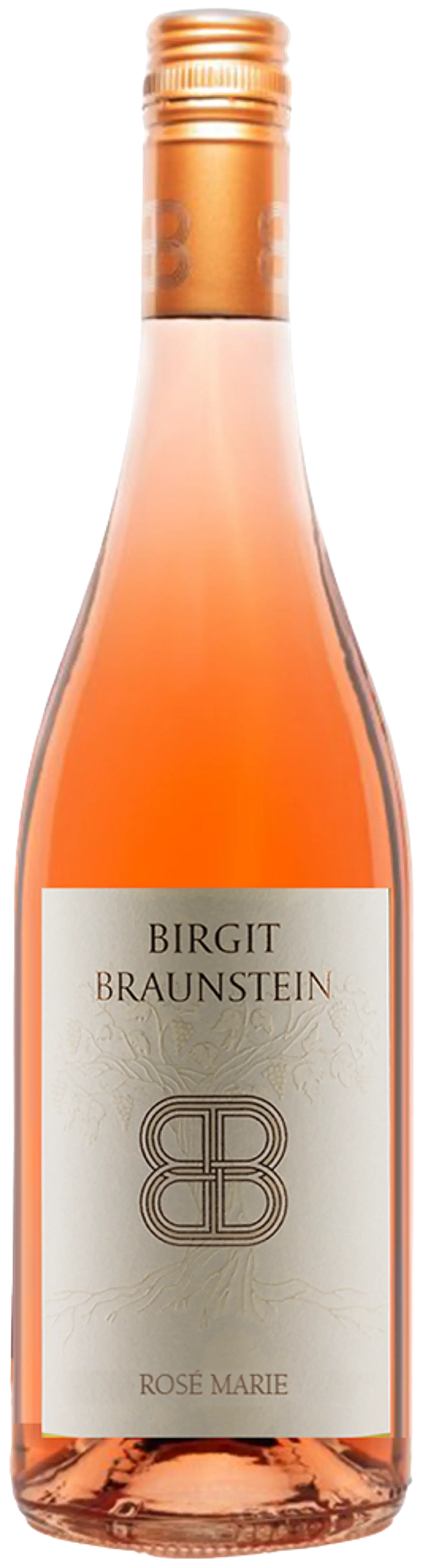
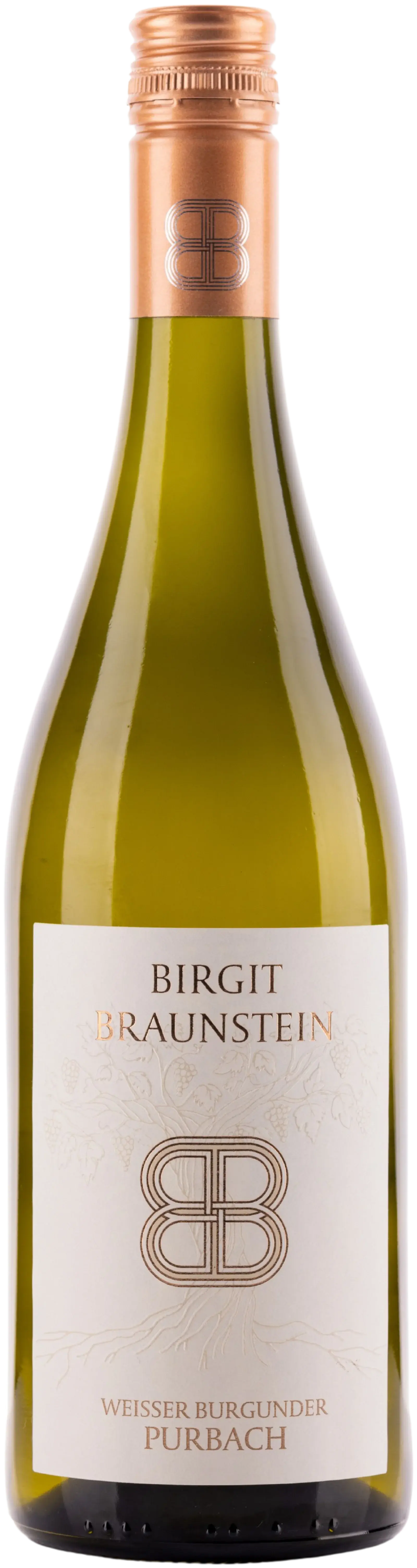
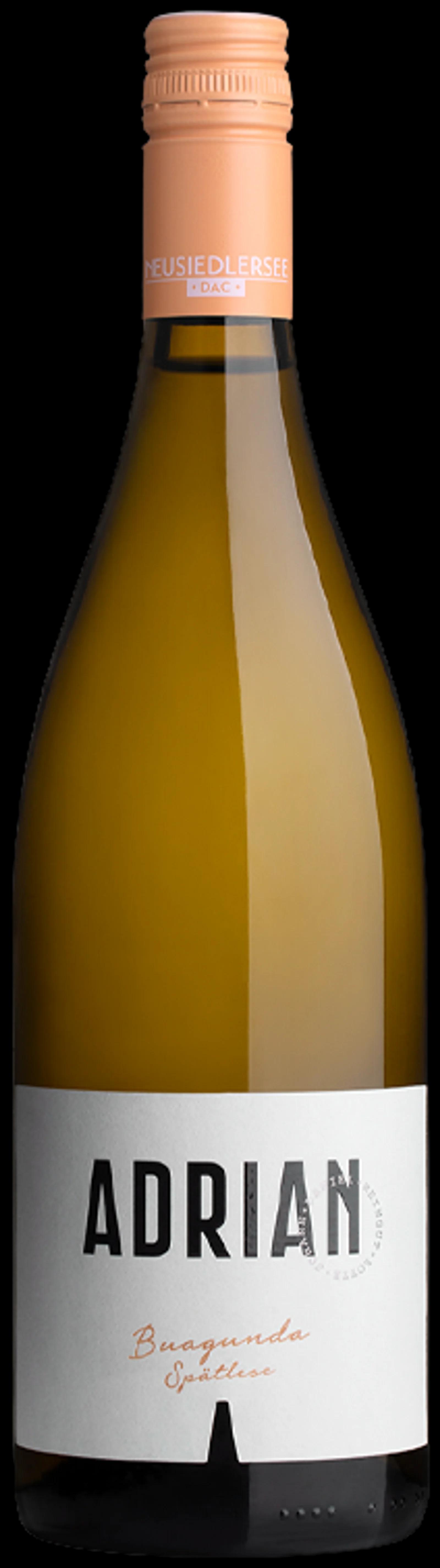
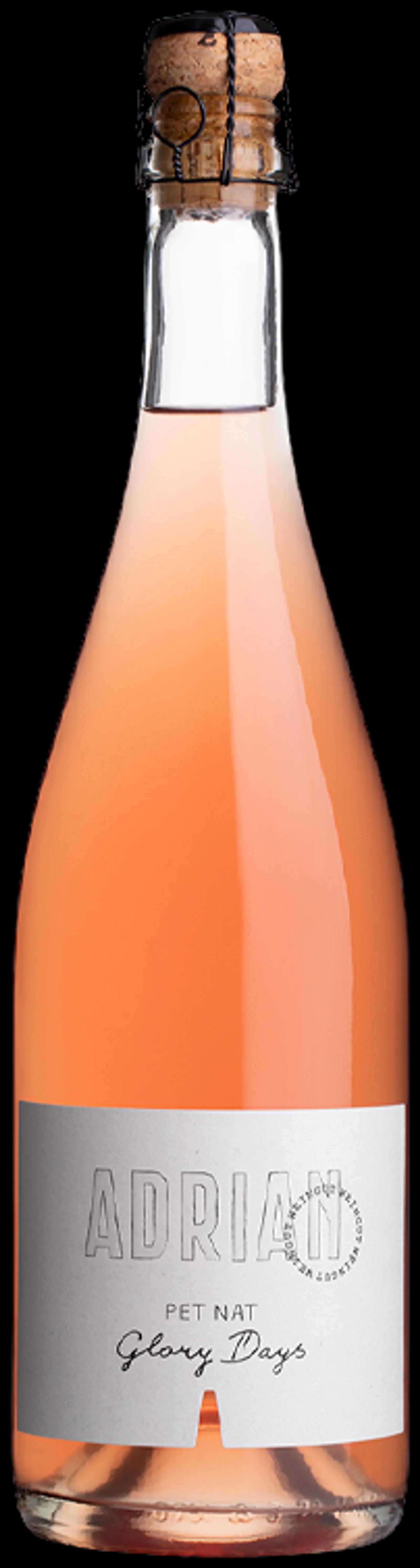
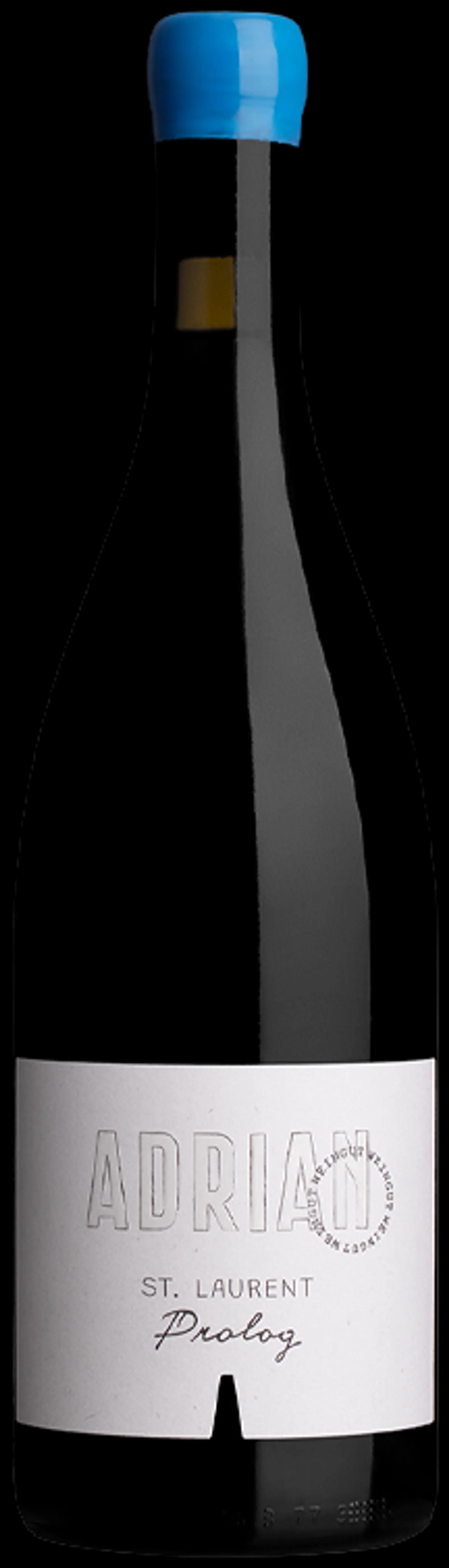
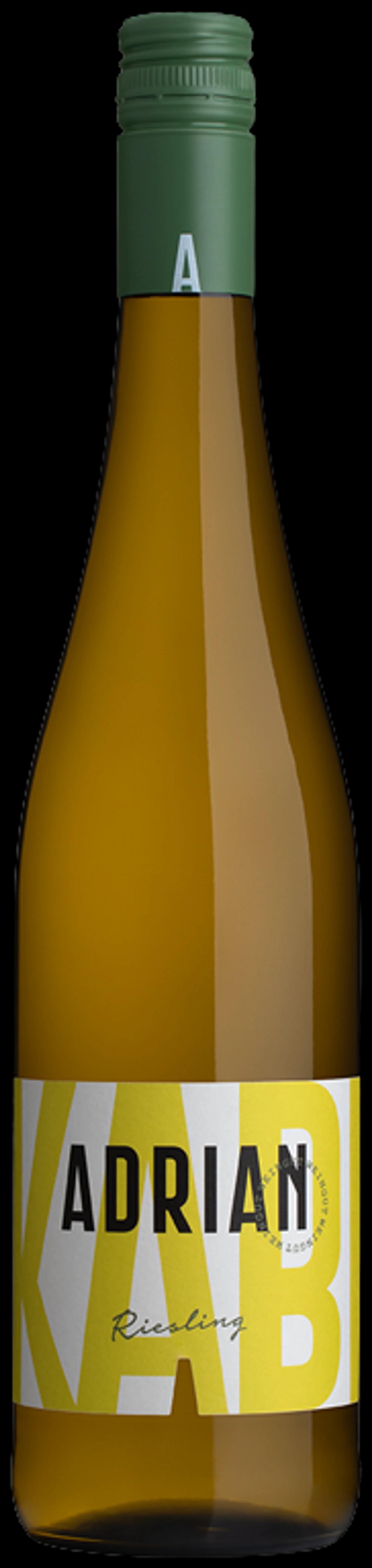


Burgenland wines — from the estates that shaped Austrian red wine

Burgenland wines from independent estates. Blaufränkisch-driven reds and oxidative whites, direct from the cellar.

Blaufränkisch, Zweigelt, and skin-contact whites from the Pannonian belt.

Color

Dropdown arrow

Type

Dropdown arrow

Country

Dropdown arrow

Region (1)

Dropdown arrow

Grape

Dropdown arrow

Pairing

Dropdown arrow

Sort by

Sort arrow
Burgenland

Burgenland wines

Burgenland sits on the eastern edge of Austria, where the climate shifts from Alpine to Pannonian. Summers are hot and dry, which allows Blaufränkisch to ripen fully while retaining acidity. The region is divided into four DAC zones: Neusiedlersee, Leithaberg, Mittelburgenland, and Eisenberg. Mittelburgenland is legally required to produce at least 85% Blaufränkisch in its DAC reds. The producers below each operate within one or more of these zones.

Previous1 of 2Next

Burgenland sample boxes

These are not the wines your supermarket carries. They are the wines your supermarket cannot carry, because the volumes are too small and the distribution model does not fit. Burgenland estates that work with Free Grape Society ship directly from their cellar. No importer takes a cut, no wholesaler adds a margin. The price you see is the price the producer agreed to.

Wine experts

Independent wine experts on Free Grape Society rate and review wines they have personally tasted. Their reviews appear on the wine page and on the expert's own profile. Several of the experts below have reviewed Burgenland wines listed on this platform. Their track records and tasting notes are public, so you can judge the recommendation before acting on it.

Frequently asked questions

How do I order Burgenland wines on Free Grape Society?

Browse the wines listed on this page and add bottles to your cart. Each listing shows the producer, sub-region, grape variety, and vintage. You pay once at checkout. Wines ship from the producer's cellar in Austria directly to your address. No account is required to browse.

What happens if a bottle arrives broken or doesn't taste right?

Send a photo to Free Grape Society customer support within 7 days of delivery. We will arrange a replacement or a refund. Because producers ship directly, quality issues are handled with the producer's direct involvement. Shared responsibility is built into how FGS works.

Can I order a mix of Burgenland wines from different producers?

Yes. You can add wines from multiple Burgenland producers to one cart and check out in a single transaction. Each producer ships their wines separately, so you may receive more than one delivery from a single order. Shipping costs are calculated per producer.

How long does delivery take?

Average delivery is 8 to 9 days from order to door. The full range is 4 to 14 days depending on the producer's location and your delivery address. Wines ship directly from the producer's cellar, not from a central warehouse.

How does Free Grape Society choose which Burgenland wines to list?

Every wine on the platform is tasted by our Head of Product before it goes live. Only wines that pass the quality review are listed. Independent wine experts also rate and review individual wines. No producer pays to be listed, and listing decisions are not driven by volume or brand size.

What is the difference between Blaufränkisch and Zweigelt from Burgenland?

Blaufränkisch is the older variety, producing structured, tannic reds with firm acidity. Zweigelt is a 1922 cross of Blaufränkisch and St. Laurent, bred by Fritz Zweigelt at the Klosterneuburg wine school. It tends to be rounder and earlier-drinking. Both are grown widely across Burgenland, but Blaufränkisch dominates in Mittelburgenland and Eisenberg.

Which wine expert can recommend a Burgenland wine for me?

Several experts on Free Grape Society have reviewed Austrian and Burgenland wines specifically. Browse the expert profiles in the section below. You can view each expert's review history and speciality before reaching out. Messaging an expert directly for a recommendation is available on their profile page.

Why don't you sell Burgenland wines from the supermarket brands?

Supermarket-range wines from Austria are typically produced at industrial scale and distributed through wholesale chains. The estates on Free Grape Society ship directly from their own cellar. That means the bottle has changed hands once, not three times, and the price reflects what the producer agreed to, not three layers of margin.

Are Burgenland wines available outside Austria, and how does Free Grape Society compare to a specialist wine retailer?

Most Burgenland estates ship internationally through Free Grape Society. A specialist wine retailer buys stock, warehouses it, and marks it up before selling. On Free Grape Society the producer sets their own price and ships from their own cellar. No importer, no wholesaler between the estate and your door.

Appellations and grapes of Burgenland

Burgenland sits in eastern Austria, along the Hungarian border. The region is built around Lake Neusiedl, a shallow steppe lake that rarely exceeds two metres in depth. Its surface moderates temperatures at night and promotes the morning mists that make botrytis-affected sweet wines — above all the Ausbruch style of Rust — possible in most vintages. The lake also stores heat through the day, giving the surrounding vineyards a warmer microclimate than the elevation would suggest.

The four main wine districts each work differently. Neusiedlersee, on the eastern shore, produces the richest red wines: Zweigelt, Blaufränkisch, and St. Laurent dominate. Neusiedlersee-Hügelland, on the western shore, is the origin of the Rust Ausbruch appellation. Mittelburgenland is sometimes called the Blaufränkisch capital of Austria — its soils are heavy with clay and limestone, and the grape reaches a structural depth here that is difficult to reproduce elsewhere. Südburgenland is cooler and produces a lighter style of Blaufränkisch alongside small amounts of Uhudler, a direct-producer hybrid grape that is legal only in Austria.

Blaufränkisch is not a local synonym for an international variety. It is a distinct cross of Blauer Zimmettraube and an unknown second parent, documented in Austria since at least the eighteenth century. In Hungary, the same grape is called Kékfrankos. In Germany, Lemberger. Depending on where it is grown in Burgenland, it can range from peppery and medium-bodied in cooler sites to dense, tannic, and age-worthy in Mittelburgenland's clay soils. For broader Austrian wines, Burgenland represents the red wine centre of the country in both volume and ambition.

White production exists but is a smaller part of the regional identity. Grüner Veltliner and Welschriesling appear on the Hügelland side, and Welschriesling is also the primary grape in TBA-level sweet wines when botrytis concentrates the sugars sufficiently.

Winemaking in Burgenland: what shapes the style

The warmth of Burgenland means ripeness is rarely a problem. The structural challenge instead is balance: retaining acidity and freshness in Blaufränkisch when summer temperatures regularly exceed 35°C. Producers who work at higher elevations — particularly in the volcanic and gneiss soils of Südburgenland — solve this through site selection. Producers in Mittelburgenland lean on the clay's natural moisture retention to slow the ripening curve.

Oak use varies sharply between estates. Some of the older Mittelburgenland producers built their reputations in the 1990s on new barriques. A younger generation has moved toward larger casks and longer maceration, aiming for texture over extraction. Neither approach is dominant. Both are visible on the market today.

The sweet wine tradition in Rust predates most of the red wine ambition. Ausbruch is a legally defined style specific to the town of Rust: individually hand-harvested botrytis-affected berries, fermented slowly, with residual sugar levels that sit between Beerenauslese and Trockenbeerenauslese on the Austrian Prädikat scale. The style was commercially important in the seventeenth and eighteenth centuries, when Rust sold Ausbruch to the courts of Vienna and Budapest. Production today is small and concentrated among a handful of families.

Producers on Free Grape Society ship directly from their cellar. No importer, no wholesaler. The price you see is the price the producer agreed to. For red wines from Austria or white wines from Austria more broadly, Burgenland producers represent the warmest and most structurally ambitious end of the Austrian spectrum.

How Burgenland producers work with Free Grape Society

Producers on Free Grape Society set their own prices and manage their own listings. No buyer with quarterly targets decides what gets carried or at what margin. The producer decides if they want to be here, and what is here. Every wine is tasted by our Head of Product before it goes live on the platform. Independent wine experts Rate & Review individual wines, and those reviews are visible on the wine page and on the expert's own profile.

Burgenland producers are listed alongside wines from the rest of Austria and can be compared directly with producers from Niederösterreich and Steiermark. The structure of the platform means the producer earns more and you pay less at the same time. That works when no one sits between them.