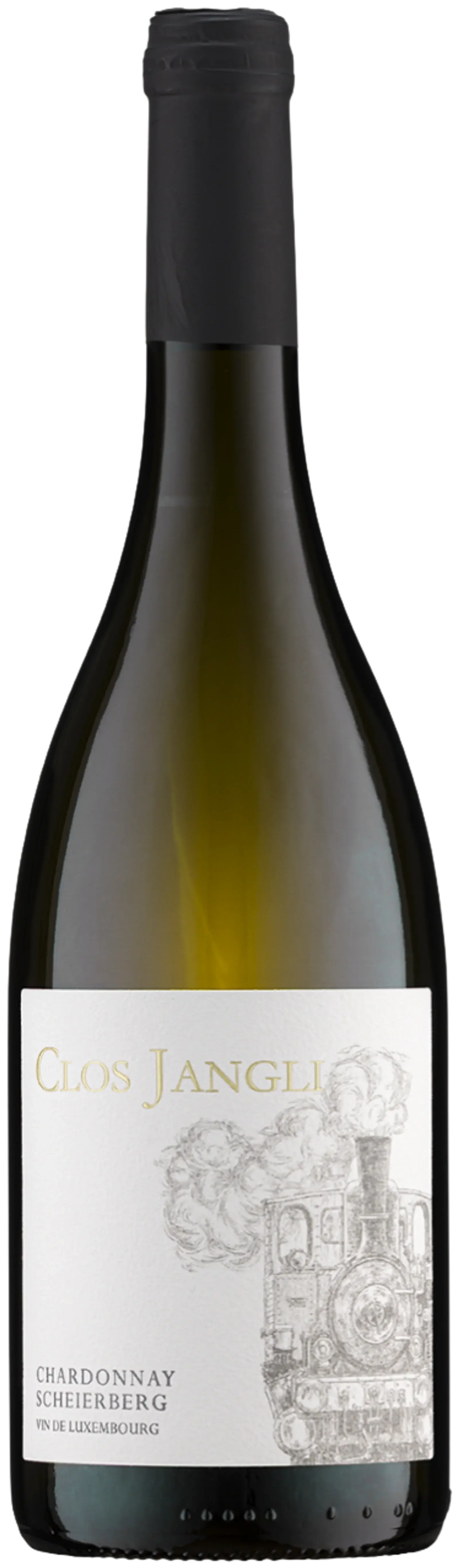
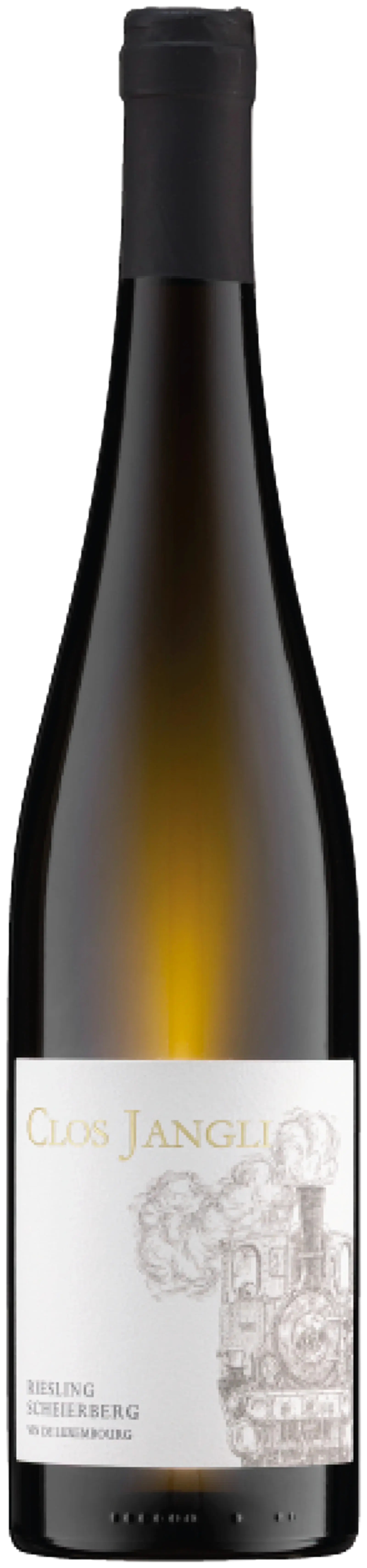
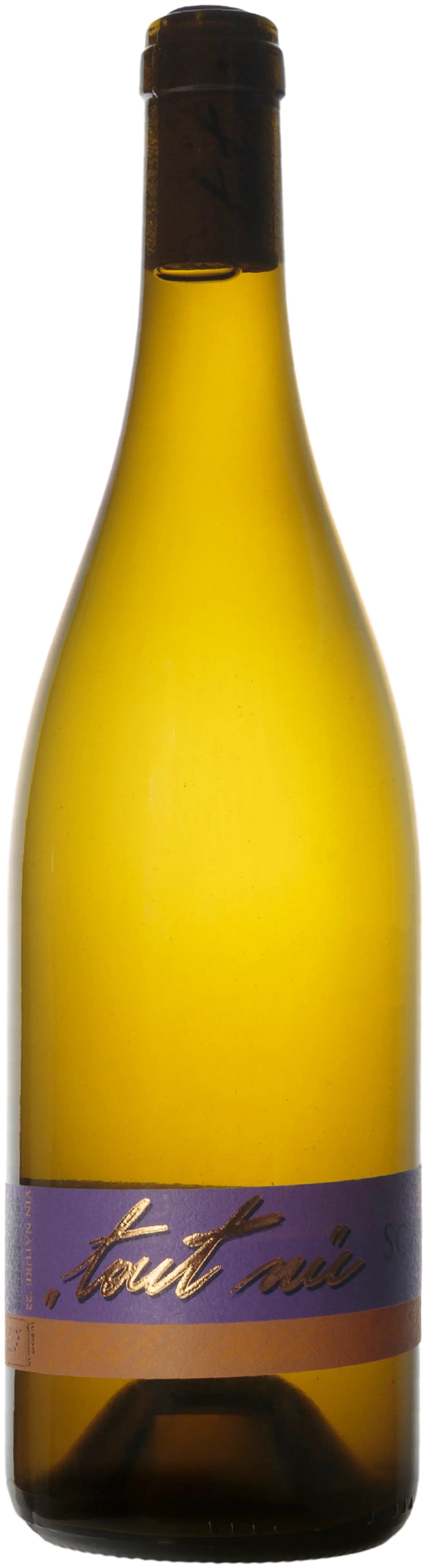
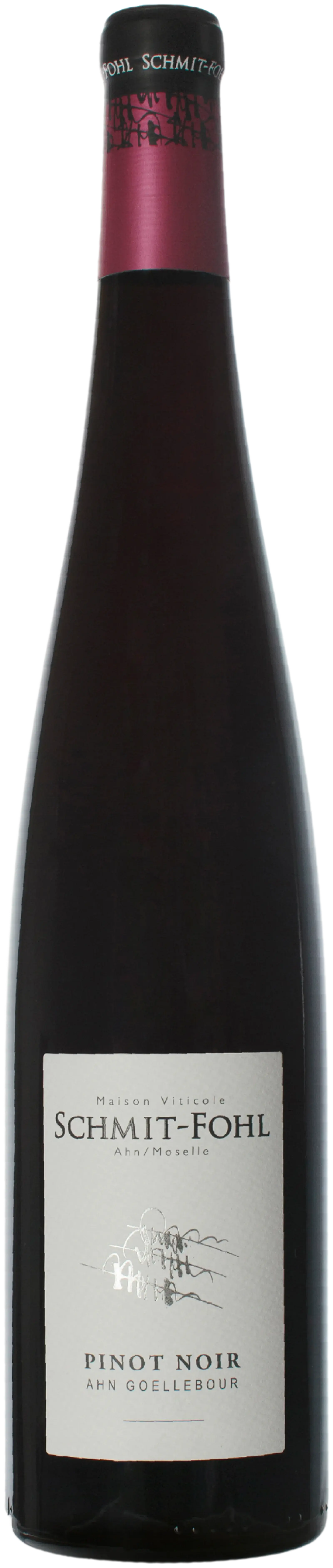
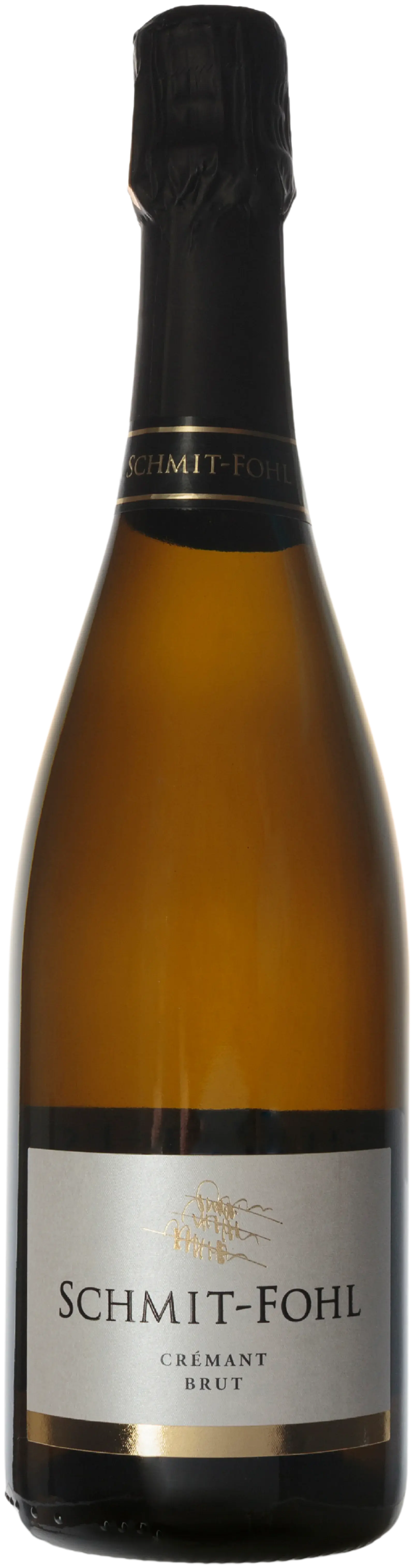
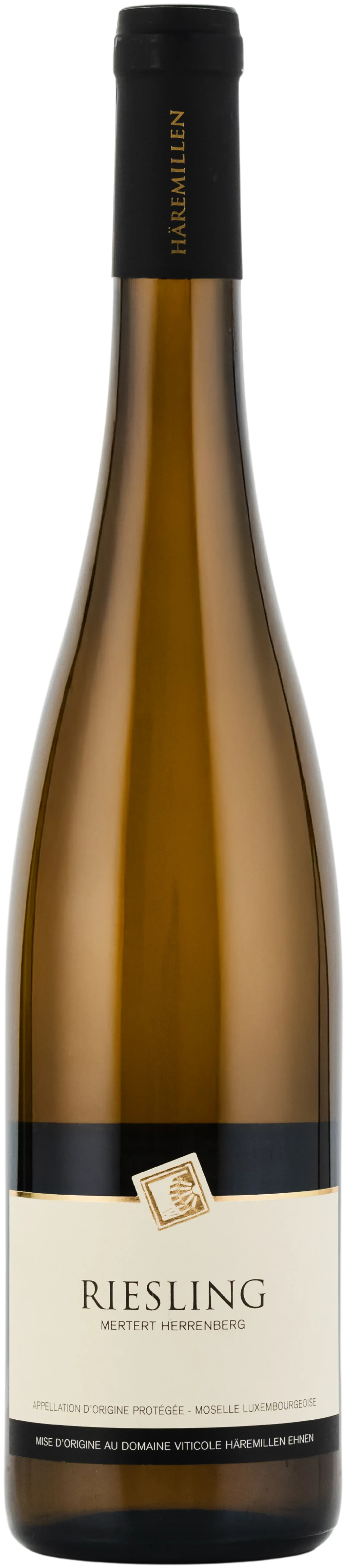
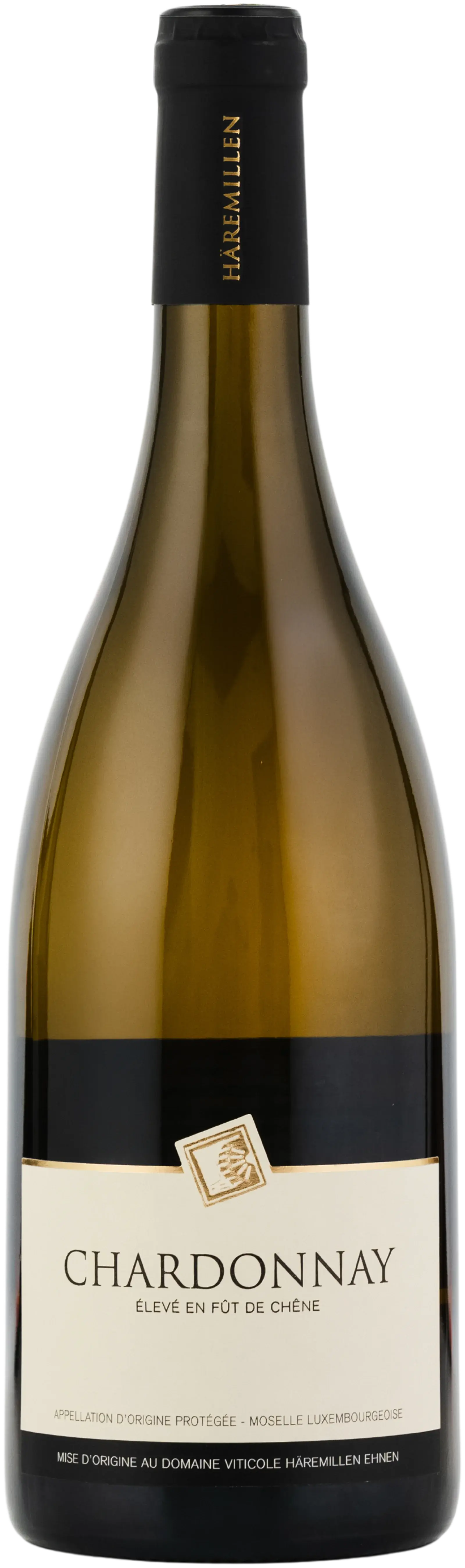
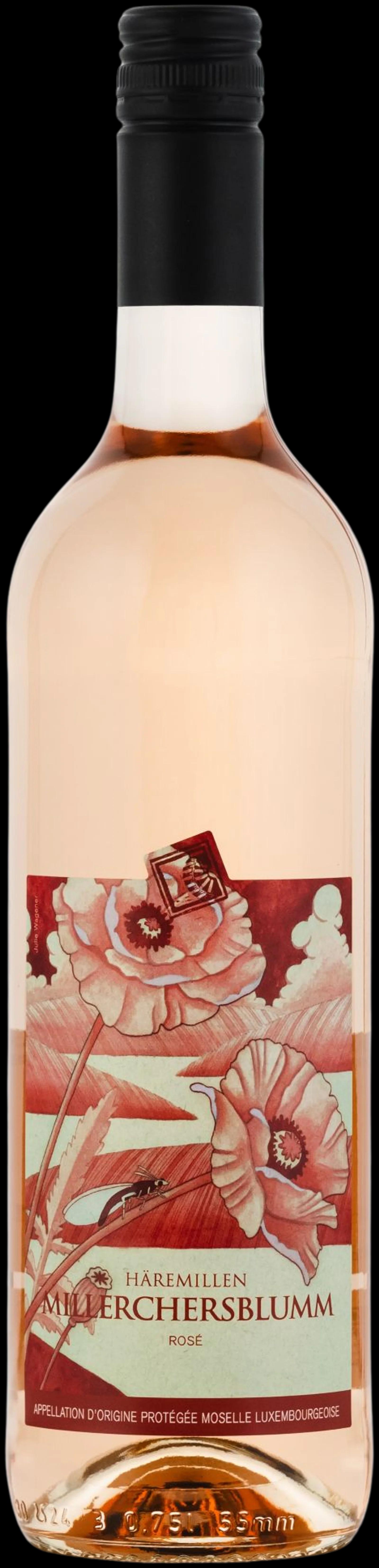

Riesling country: Moselle wines from the steep slate slopes

Moselle wine is shaped by two things: the Riesling grape and the grey Devonian slate that stores the sun's warmth through long, cool growing seasons. Browse bottles from independent growers working these vertiginous vineyards.

From the river's sharpest bends, where sun-facing cliffs catch every hour of light, come whites of singular minerality and precision.

Color

Dropdown arrow

Type

Dropdown arrow

Country

Dropdown arrow

Region (1)

Dropdown arrow

Grape

Dropdown arrow

Pairing

Dropdown arrow

Sort by

Sort arrow
Moselle

Moselle wines

Moselle's vineyards are among the steepest in the world, terraced into slate cliffs above a river that doubles back on itself in wide loops. The slate absorbs heat during the day and releases it at night, giving Riesling the warmth it needs to ripen fully in a cool northern climate. That combination of site, grape and geology is what makes a Moselle white taste like nothing else — taut, mineral, with an acidity that lets the wines age for decades. On Free Grape Society, producers ship directly from their own cellar, with no importer or warehouse in between.

Previous1 of 1Next

Moselle wine cases

A Moselle wine case is six bottles from one estate, put together by the grower as a single recommendation rather than mixed across producers. For a region this varied — from the broad middle Moselle around Bernkastel down to the Saar and Ruwer tributaries — a case is a compact way to understand how one grower reads their own slopes before committing to individual bottles. Free Grape Society is a society of producers, independent experts and wine lovers, not a shop, and the cases here reflect that direct relationship.

View all mixboxes from Moselle

Moselle producers

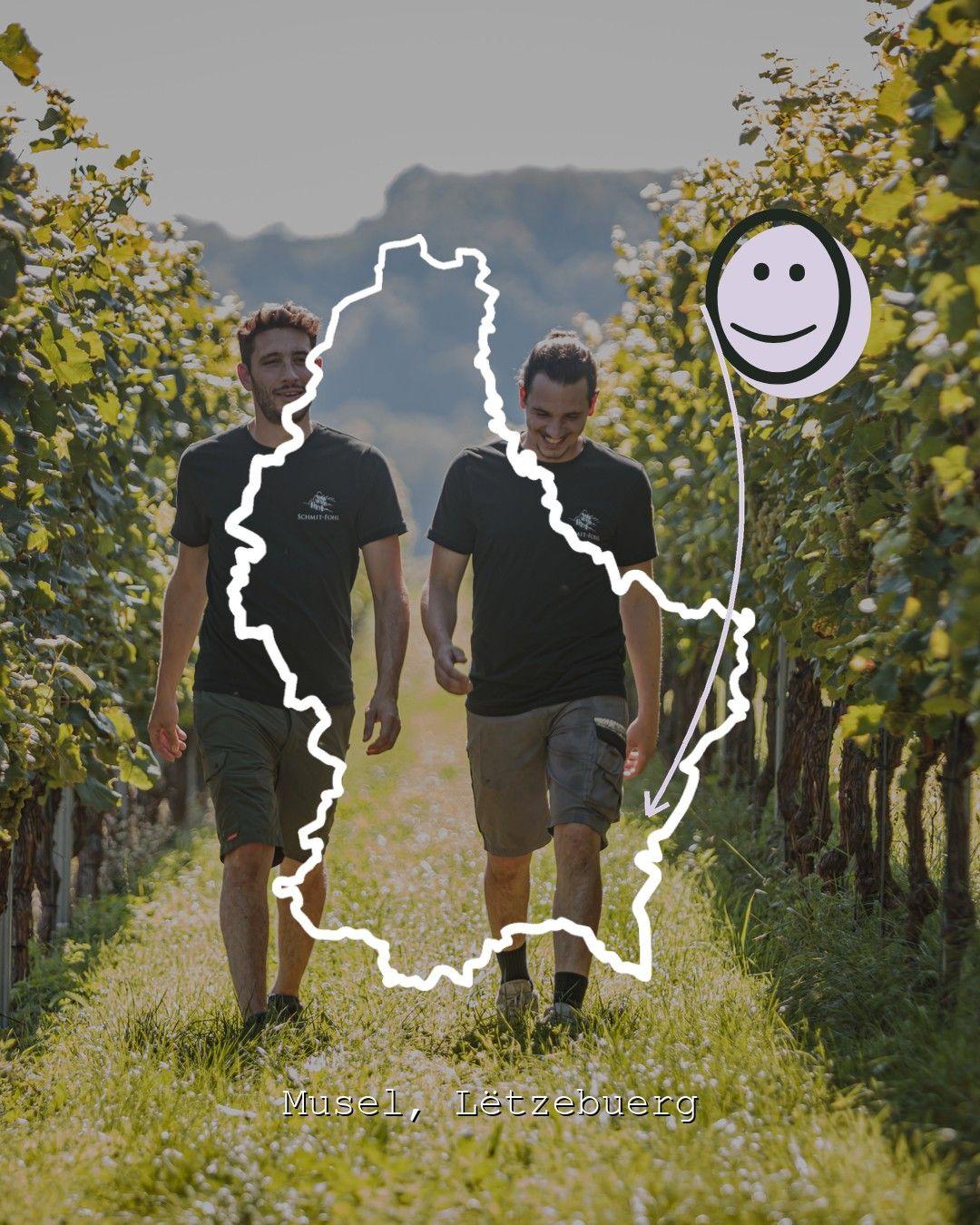
The producers working the Moselle tend to be small family estates, some farming the same steep parcels for several generations. Mechanisation is largely impossible on the gradient, so the work in the vineyard stays manual — each vine tended by hand through the season. Many of the growers here also advise on their wines through the platform, which means the person who made what is in the bottle is often the same person who can tell you when to open it.

View all wineries from Moselle

Wine experts

Independent wine experts on Free Grape Society rate and review wines they have personally tasted. Their reviews are visible on each wine page and on the expert's profile, building a public track record over time. Several of the experts listed here have reviewed Moselle wines, so if you are new to the region or trying to choose between two producers, their notes are a practical place to start.

View all wine experts

Frequently asked questions

How do I order a Moselle wine case?

Browse the cases on this page and select the one from the producer you want. Each case is six bottles from that single estate. Add it to your basket, choose your payment method at checkout — Klarna or card — and the producer ships it directly from their cellar to your door. Delivery typically takes between four and fourteen days.

What happens if a bottle arrives broken or doesn't taste right?

Send a photo to Free Grape Society customer support within 7 days of delivery. We will arrange a replacement or a refund. Because producers ship directly, quality issues are handled with the producer's direct involvement. Shared responsibility is built into how FGS works.

What is included in a Moselle wine case?

Every case is six bottles from one producer, composed by that grower as their own recommendation across the wines they make. The contents are specific to each producer and are listed on the case page. Because the grower puts the case together themselves, it reflects how they read their own range rather than a generic mixed selection.

How long does delivery take?

Average delivery is 8 to 9 days from order to door. The full range is 4 to 14 days depending on the producer's location and your delivery address. Wines ship directly from the producer's cellar, not from a central warehouse.

How do I find the right Moselle wine case for me?

Read the producer's own description of the case, which tells you which wines are included and why the grower chose them. If you want guidance before ordering, fill in the form to ask a wine expert — they can point you toward a style or a specific estate based on what you enjoy. You can also browse the full list of [Moselle wineries](/all-wineries/luxembourg/moselle) to get a feel for the producers first.

Can I order more than one Moselle wine case at once?

Yes. You can add cases from more than one producer to your basket in a single order. Each case ships directly from its own producer, so if you order from two different estates the deliveries may arrive separately. Shipping is free on every case, with no minimum order required.

Which Moselle wine expert can recommend something for me?

Several independent wine experts on Free Grape Society have tasted and reviewed wines from Moselle producers. Find them on the expert pages linked from the wines they have reviewed, or use the ask-an-expert form on any wine page to put a specific question to an expert who knows the region. The service is free.

Why are Moselle wine cases always six bottles from one producer?

Because a case composed by one grower says something coherent about that estate. Six bottles from the same cellar trace how a producer thinks across their range — different sites, different grapes, or different vintages — in a way that a mixed case from several producers cannot. The producer composes it as their own recommendation, so it reads as a personal introduction to their work rather than a sampler.

Can I buy a Moselle wine case if I am not in Luxembourg?

Free Grape Society ships to multiple European countries. The Moselle producers on the platform sell and ship directly from their own cellars, handling logistics from the producer's end. Check the delivery information at checkout for your specific country. Because there is no importer or warehouse in between, the wine goes from cellar to door.

Understanding the Moselle wine region

The Moselle stretches across three countries — Germany, Luxembourg and France — but in wine terms it is the river itself that unifies the region. Vines follow the water, planted on steep slate slopes that absorb heat during the day and release it slowly at night. That warmth-retention is what makes viticulture viable this far north, and it is why the Moselle produces wines of precision and mineral character rather than body and weight. The German Mosel is the largest and most widely known stretch, running from Koblenz up through Bernkastel and Cochem to Trier, but the Moselle in Luxembourg is a distinct and underexplored wine country in its own right, with a longer growing season in its flatter valley sections and a tradition of crisp, aromatic whites built for the table. The two share the same river and the same underlying logic — slate soils, river-reflected light, cool nights — while producing wines that taste of their own particular bank and bend.

The grapes of the Moselle

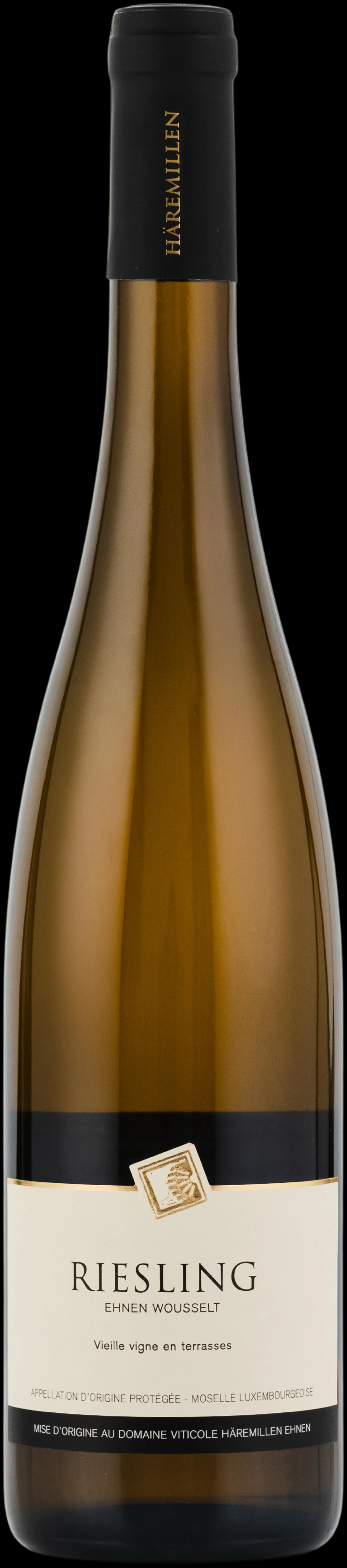
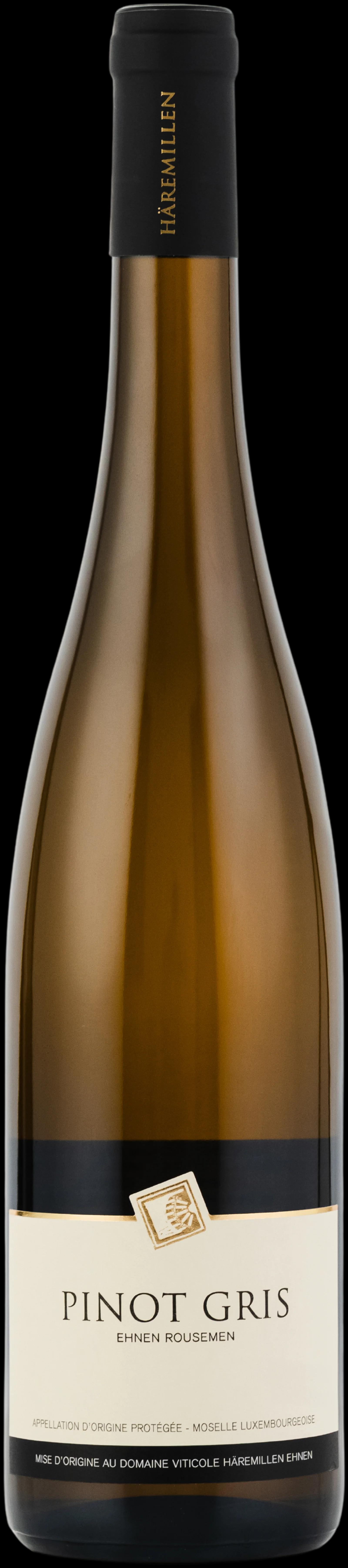
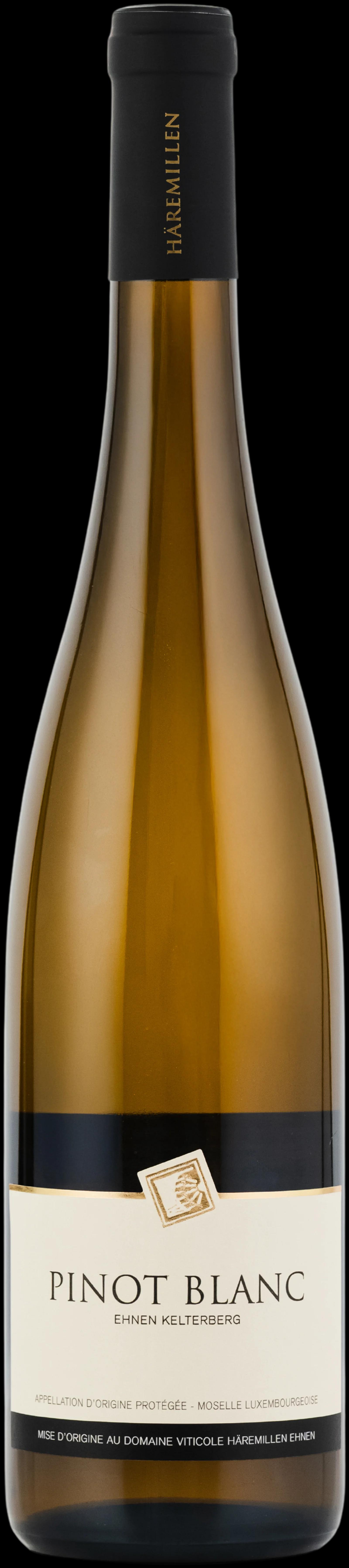
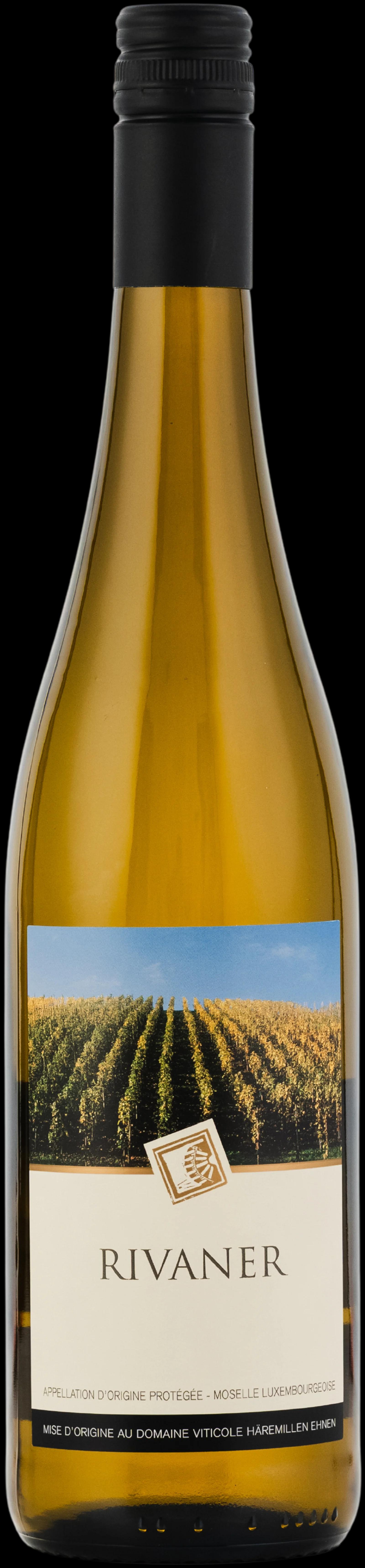
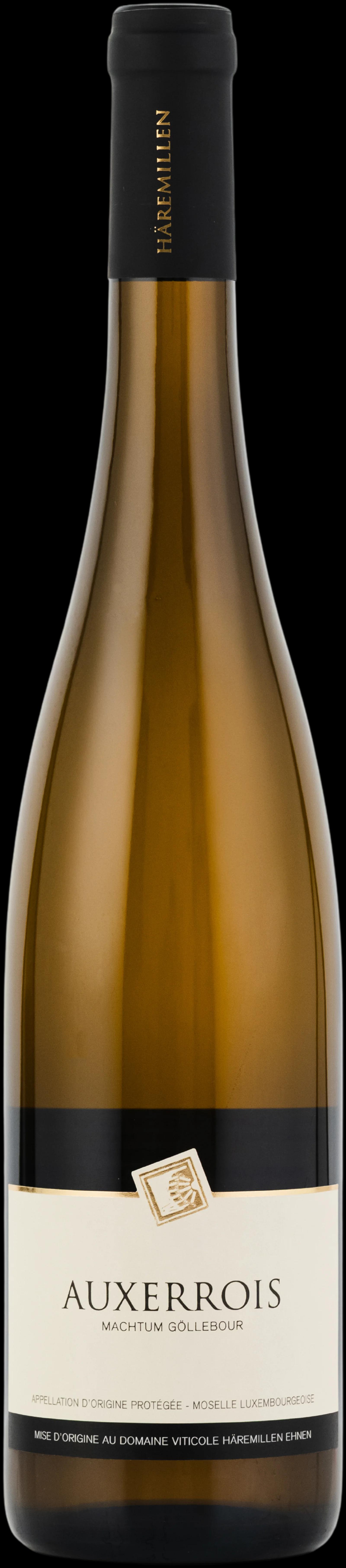
Riesling is the grape the Moselle built its reputation on, and for good reason: it translates the region's slate soils into wine more faithfully than almost any other variety. The minerality is not a metaphor — it comes from vines with deep root systems drawing from Devonian blue and red slate, and it shows as a flinty tension in the finish that balances the grape's natural acidity. In Luxembourg, Riesling shares the valley with Rivaner, a cross of Riesling and Sylvaner that ripens reliably in cooler years and produces a softer, more immediately approachable white. Auxerrois is another Luxembourg signature — a variety rarely found in volume elsewhere, producing full, rounded whites with stone fruit and a gentle spice. Pinot Gris and Pinot Blanc round out the palette on both sides of the border, giving the Moselle a wider stylistic range than its Riesling reputation sometimes suggests.

How to choose a Moselle wine

Moselle wines reward a little attention to site and producer rather than a broad regional sweep. On the German side, village names like Bernkastel, Piesport and Wehlen each carry a distinct character — Bernkasteler wines tend toward firm structure and longevity, while Piesporter Goldtröpfchen is known for a rounder, more floral expression from its south-facing bowl of slate. In Luxembourg, the emphasis is less on single-vineyard prestige and more on house style and grape variety: the best way in is often to pick a grape — Riesling for precision, Auxerrois for generosity, Rivaner for easy drinking — and follow it across a producer's range. For a structured introduction to what a single Moselle grower makes across their vineyards, a Moselle wine case is six bottles composed by one producer themselves, which is a direct way to trace how one cellar reads the valley. Independent wine experts on Free Grape Society rate and review wines they have personally tasted, and their notes on individual bottles are a useful guide when the label alone does not tell you enough.