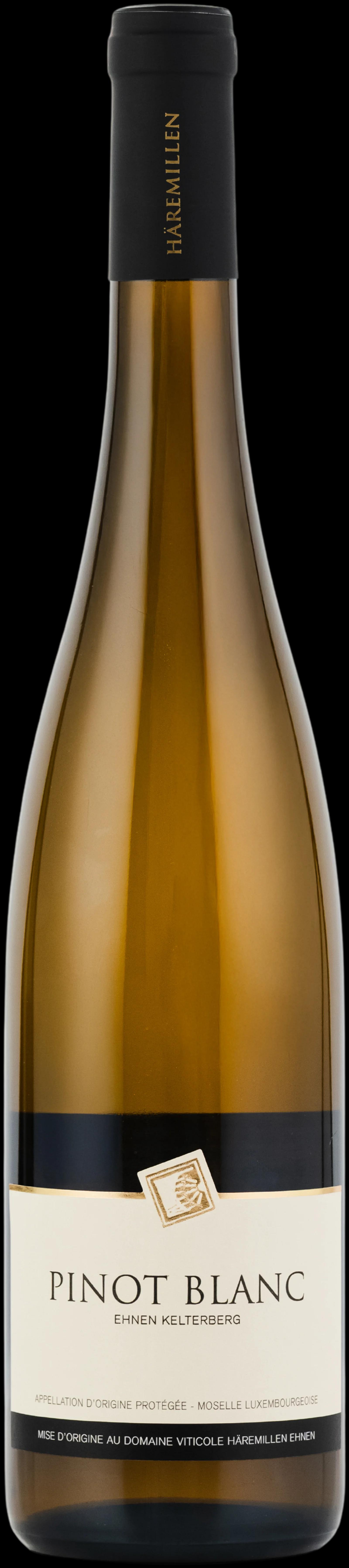
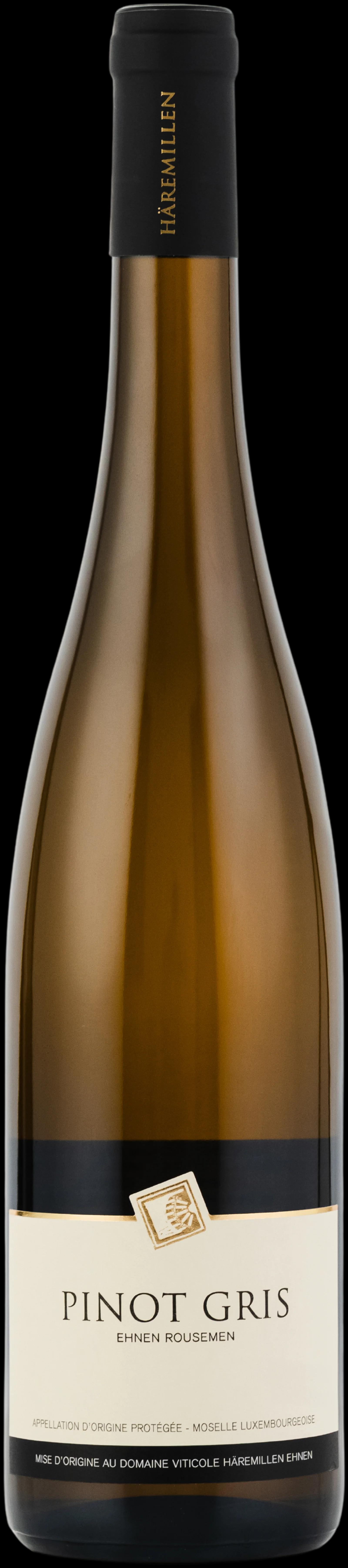
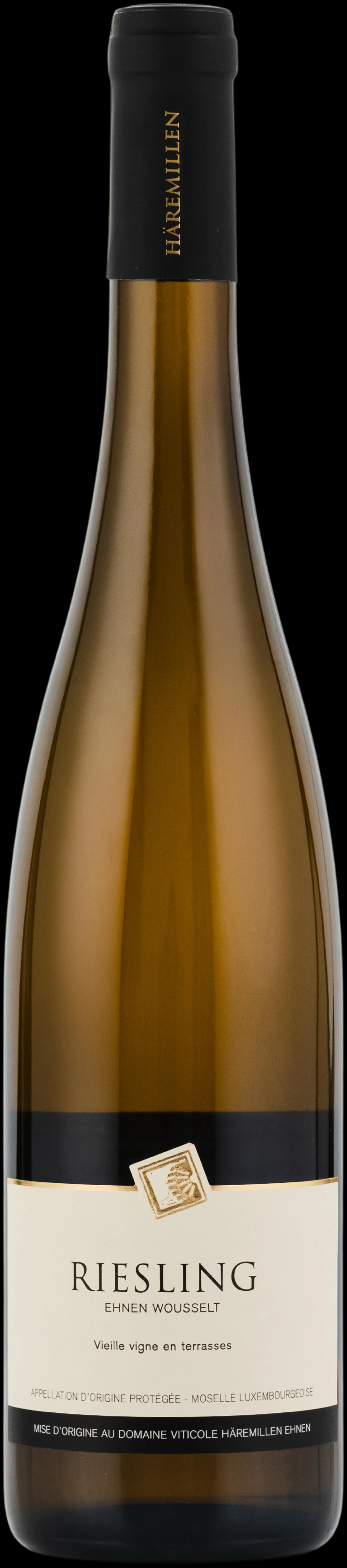
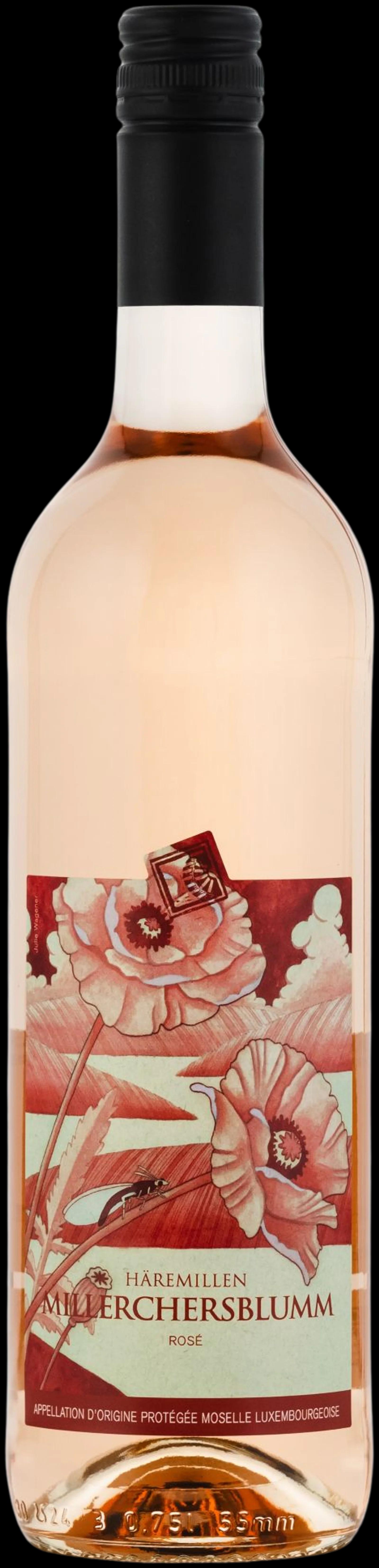
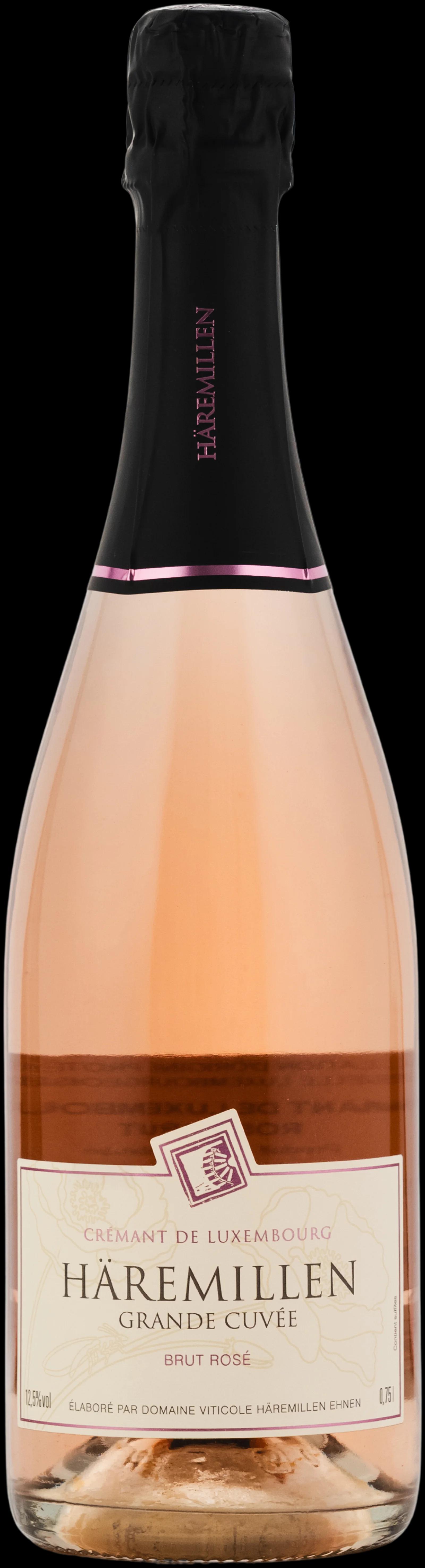
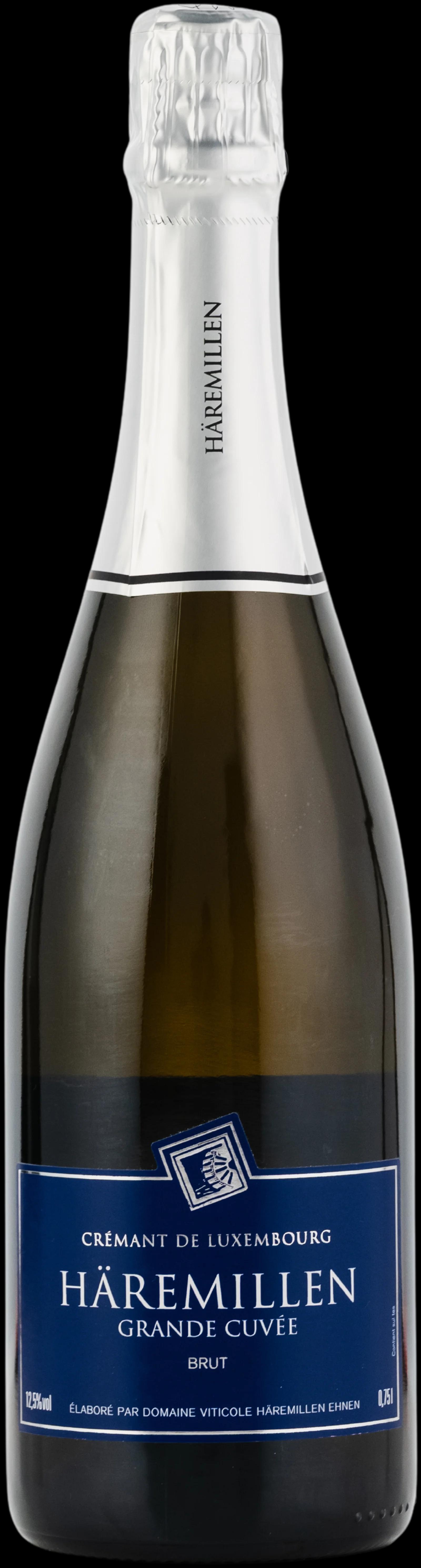
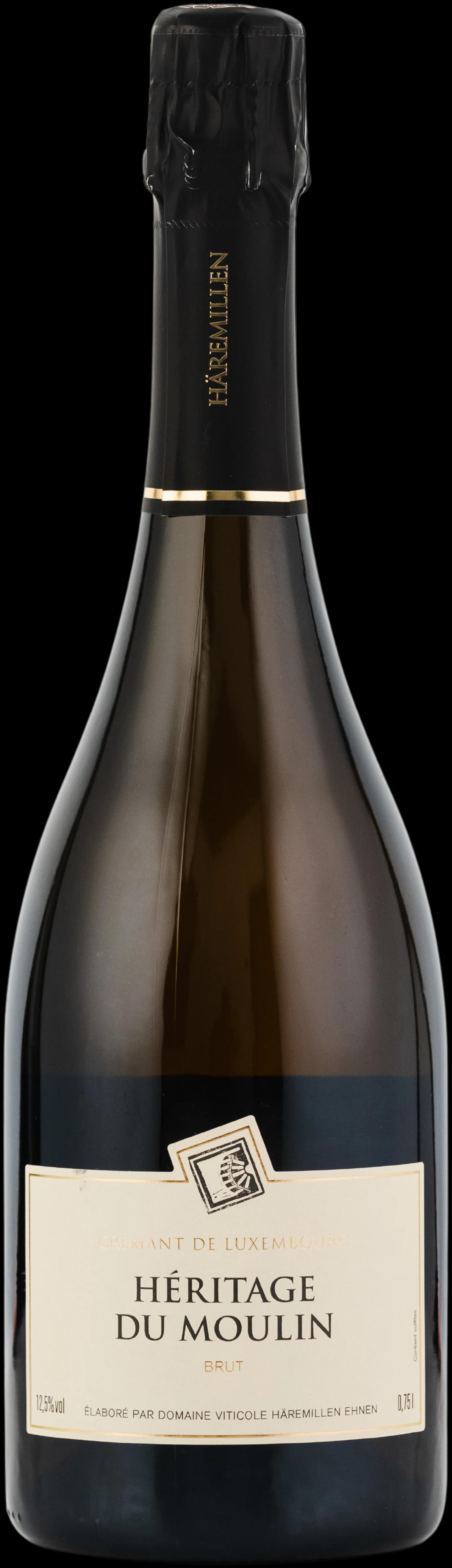
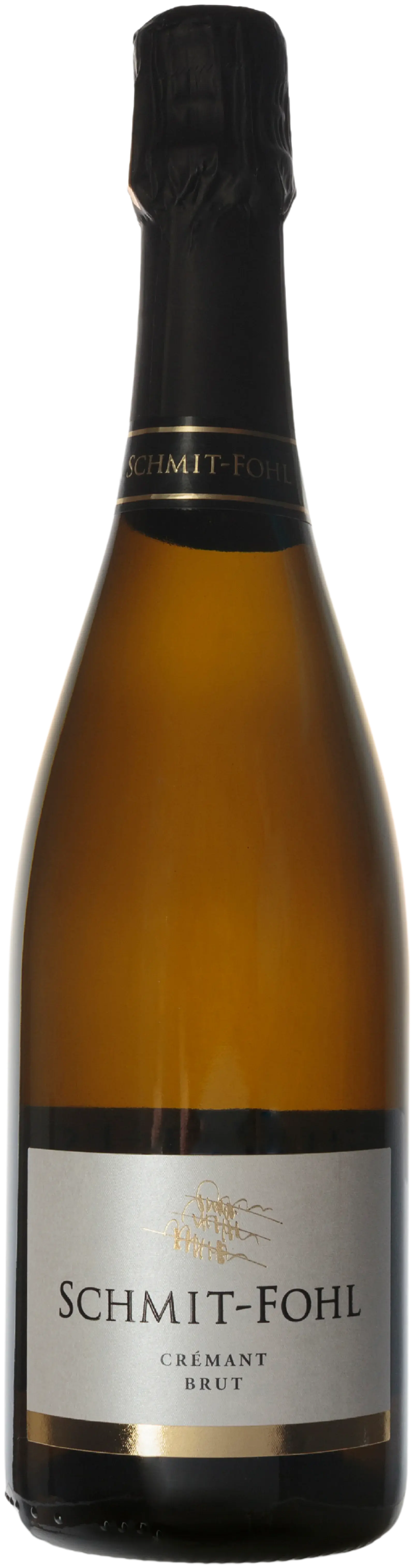

Moselle wine cases from one producer, six bottles at a time

A Moselle wine case is six bottles from one estate, composed by the grower as their own recommendation. Browse cases from independent producers working the steep slate slopes of Luxembourg's Moselle.

Each case stays with a single grower along the Moselle, tracing how one estate reads its own vineyards across six bottles.

Wine Colour

Dropdown arrow

Country

Dropdown arrow

Region (1)

Dropdown arrow

Price

Dropdown arrow

Sort by

Sort arrow
Moselle

Moselle wine cases

A Moselle wine case is always six bottles from one estate, put together by the grower as a single recommendation rather than assembled from across the region. Along Luxembourg's Moselle, that usually means Riesling and Pinot Gris from steep slate and limestone terraces above the river, where the same producer may farm several distinct sites. Taking home a case is a way to read how one grower moves across those parcels in a single order, shipped directly from the cellar that made it.

Moselle wines

The individual bottles behind these cases range from bone-dry Rieslings with a mineral edge drawn from the slate to rounder Pinot Blancs and the local Auxerrois, a grape that softens well in the cooler continental climate of the valley. Explore the full range of [Moselle wines](/wines/luxembourg/moselle) or browse by colour if a particular style is what you are after.

View all wines from Moselle

Moselle wineries

The producers offering cases here are the same independent growers working the Moselle's terraced vineyards. Many are small family estates that have farmed the same slopes for generations, keeping holdings tight and yields low. See all [Moselle wineries](/all-wineries/luxembourg/moselle) to read more about the growers behind these cases.

View all wineries from Moselle

Wine experts

Independent wine experts on Free Grape Society rate and review wines they have personally tasted, and several have reviewed bottles from Moselle producers featured here. Their notes appear on the individual wine page and on the expert's own profile, so you can read the track record before you order.

View all wine experts

Frequently asked questions

How do I order a Moselle wine case?

Browse the cases on this page and select the one from the producer you want. Each case is six bottles from that single estate. Add it to your basket, choose your payment method at checkout — Klarna or card — and the producer ships it directly from their cellar to your door. Delivery typically takes between four and fourteen days.

What happens if a bottle arrives broken or doesn't taste right?

Send a photo to Free Grape Society customer support within 7 days of delivery. We will arrange a replacement or a refund. Because producers ship directly, quality issues are handled with the producer's direct involvement. Shared responsibility is built into how FGS works.

What is included in a Moselle wine case?

Every case is six bottles from one producer, composed by that grower as their own recommendation across the wines they make. The contents are specific to each producer and are listed on the case page. Because the grower puts the case together themselves, it reflects how they read their own range rather than a generic mixed selection.

How long does delivery take?

Average delivery is 8 to 9 days from order to door. The full range is 4 to 14 days depending on the producer's location and your delivery address. Wines ship directly from the producer's cellar, not from a central warehouse.

How do I find the right Moselle wine case for me?

Read the producer's own description of the case, which tells you which wines are included and why the grower chose them. If you want guidance before ordering, fill in the form to ask a wine expert — they can point you toward a style or a specific estate based on what you enjoy. You can also browse the full list of [Moselle wineries](/all-wineries/luxembourg/moselle) to get a feel for the producers first.

Can I order more than one Moselle wine case at once?

Yes. You can add cases from more than one producer to your basket in a single order. Each case ships directly from its own producer, so if you order from two different estates the deliveries may arrive separately. Shipping is free on every case, with no minimum order required.

Which Moselle wine expert can recommend something for me?

Several independent wine experts on Free Grape Society have tasted and reviewed wines from Moselle producers. Find them on the expert pages linked from the wines they have reviewed, or use the ask-an-expert form on any wine page to put a specific question to an expert who knows the region. The service is free.

Why are Moselle wine cases always six bottles from one producer?

Because a case composed by one grower says something coherent about that estate. Six bottles from the same cellar trace how a producer thinks across their range — different sites, different grapes, or different vintages — in a way that a mixed case from several producers cannot. The producer composes it as their own recommendation, so it reads as a personal introduction to their work rather than a sampler.

Can I buy a Moselle wine case if I am not in Luxembourg?

Free Grape Society ships to multiple European countries. The Moselle producers on the platform sell and ship directly from their own cellars, handling logistics from the producer's end. Check the delivery information at checkout for your specific country. Because there is no importer or warehouse in between, the wine goes from cellar to door.

What's in a Moselle wine case

A Moselle wine case from Free Grape Society is always six bottles from one producer, composed by the grower as their own recommendation rather than assembled across estates. That single-producer logic matters in a region where the same grape grown on slate a hundred metres apart can taste noticeably different. When a Moselle producer puts together six bottles, they are showing you how their own parcels read: perhaps a lighter, steel-fermented Riesling from younger vines alongside a fuller, longer-aged bottling from old roots on steep south-facing slate. You are not getting a sampler of the region in general; you are getting one cellar's answer to the question of what Moselle tastes like. Browse the Moselle wine cases or explore cases from Luxembourg and nearby Germany to compare growers across the river.

How Moselle producers compose their six bottles

The Moselle runs through Luxembourg, Germany and a short stretch of France, and the producers along it tend to think in terms of sites rather than styles. A Luxembourg Moselle estate farming Riesling, Pinot Gris and Auxerrois on the same hillside might use a case to walk you through how each grape reads that soil, while a smaller grower might build their six around a single grape across several vintages or picking dates. Because the producer composes the case themselves, the selection is a direct statement of how they see their own range. Riesling is the anchor grape for most Moselle estates, but the best cases tend to include at least one bottle that surprises: an Auxerrois with more weight than expected, or a late-harvest Pinot Gris that shows what the steep slate slopes do to aromatic varieties. You can also compare how Alsace producers handle the same grapes just across the border, or look at Loire Valley cases for a different expression of Pinot Gris further west.

Getting to know Moselle through one grower

Moselle is one of Europe's most geographically specific wine regions: the combination of steep slate slopes, a north-facing river valley and a cool continental climate creates conditions that few other regions share. Ordering a six-bottle case from a single Moselle producer is a practical way to understand what those conditions do to wine before committing to individual bottles. The slate retains heat overnight, which helps grapes ripen despite the latitude, and drains so freely that vines are forced to root deep, concentrating mineral character in the fruit. A case that moves through a grower's range will often show that character shifting in intensity rather than type: lighter and more citrus-driven in a cooler vintage, richer and more textured in a warmer one, but the same underlying thread running through all six. Explore the Moselle producers directly, or see how cases from Niederösterreich compare for a different take on cool-climate, mineral-driven whites.