Carricante: Sicily's high-altitude white grape from the slopes of Etna

Carricante wine is grown almost exclusively on the eastern slopes of Mount Etna, where volcanic soils and elevation preserve natural acidity. The producers below work with this rare Sicilian variety from the mountain's most distinctive sites.

A volcanic terroir variety that produces dry, mineral whites with striking freshness and depth.

Color

Dropdown arrow

Type

Dropdown arrow

Country

Dropdown arrow

Region

Dropdown arrow

Grape

Dropdown arrow

Pairing

Dropdown arrow

Sort by

Sort arrow
Carricante

Carricante wines

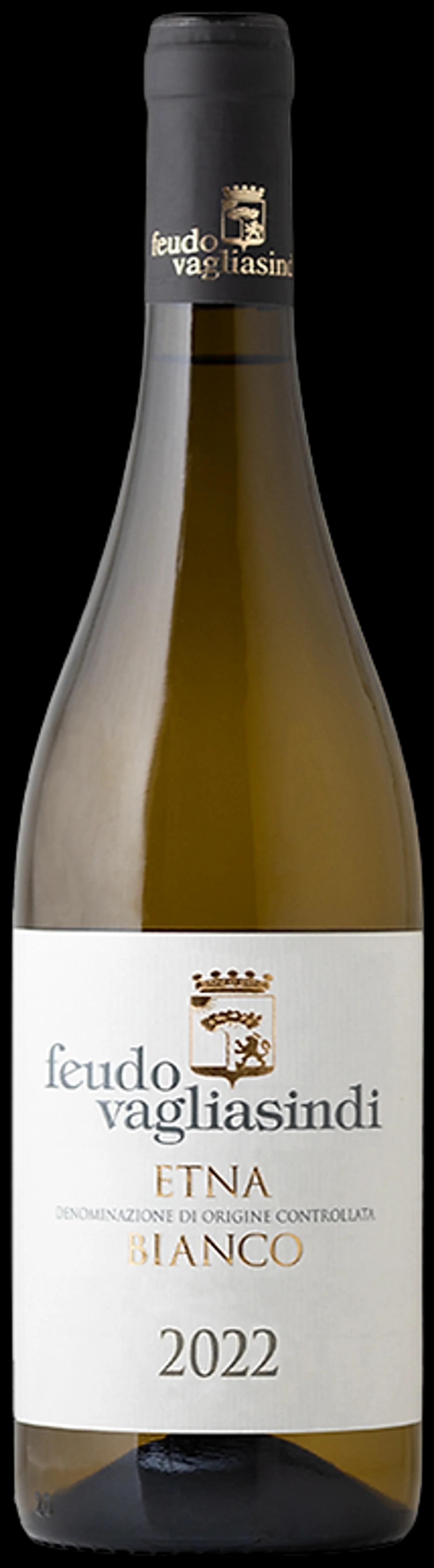
Carricante is one of the few white grapes tied almost entirely to a single volcano. It has been grown on Etna's eastern flank, particularly around the Milo district, for generations, and the combination of black basalt soils, altitude between 400 and 1,000 metres, and the mountain's extreme diurnal temperature shifts gives the wines a salinity and acidity that sets them apart from other Sicilian whites. On Free Grape Society, each bottle ships directly from the grower's own cellar, with no importer or warehouse between them and your door.

1 of 1 wine

Previous1 of 1Next

Carricante wine cases

A Carricante wine case brings together six bottles from one producer, composed as the recommendation that grower would make if you visited their estate on the mountain. Because Carricante expresses site so precisely, a single-producer selection often reveals how small differences in altitude or aspect shift the wine's texture and mineral character from one bottling to the next. Free Grape Society is a society of producers, independent experts and wine lovers, not a shop.

View all mixboxes

Wineries

The wineries below all work with Carricante on Etna, though their approaches differ — some focus on a single contrada, the Etna equivalent of a specific hillside plot, while others blend across the eastern slope. Reading a producer's own notes is often the most direct way to understand what drives their choices on the mountain, and the wine-advice service is there if you would rather talk through the differences before ordering.

View all wineries

Wine experts

Carricante is not a widely reviewed grape, which makes an informed second opinion more useful than usual. Independent wine experts review wines they have personally tasted, and their notes are visible on each wine page and on the expert's own profile. Several of the experts below have reviewed Carricante wines featured on this page, so you can read what they found before deciding.

View all wine experts

Frequently asked questions

How do I order Carricante wine on Free Grape Society?

Browse the wines above, add bottles to your order, and check out. Each bottle ships directly from the producer's cellar on Etna. Delivery takes between 4 and 14 days on average. Payment is by card or Klarna, and shipping is free.

What happens if a bottle arrives broken or doesn't taste right?

Send a photo to Free Grape Society customer support within 7 days of delivery. We will arrange a replacement or a refund. Because producers ship directly, quality issues are handled with the producer's direct involvement. Shared responsibility is built into how FGS works.

Can I order Carricante wines from more than one producer in a single order?

Yes. You can add wines from different producers to the same order. Each producer ships their bottles separately from their own cellar, so you may receive more than one delivery. Shipping is free on each.

How long does delivery take?

Average delivery is 8 to 9 days from order to door. The full range is 4 to 14 days depending on the producer's location and your delivery address. Wines ship directly from the producer's cellar, not from a central warehouse.

How do I choose between different Carricante wines on the page?

Carricante varies most noticeably by altitude and site on Etna's eastern slope. Wines from higher elevations tend to be leaner and more mineral; those from lower sites are often rounder. Producer notes on each wine page explain where the grapes come from and how the wine was made, which is usually the most reliable guide.

Are all the Carricante wines here from Mount Etna?

Almost all Carricante is grown on Etna, where the variety has its historic home and where the DOC Etna Bianco Superiore rules require it as the dominant grape. You may occasionally find it grown elsewhere in Sicily, but Etna is where it expresses itself most distinctively. All producers on this page work on or around the mountain.

Which Carricante wine expert can recommend something for me?

The independent wine experts listed on this page have reviewed Carricante and other Etna wines. You can read their notes on the wine pages, or fill in the advice form to put a question directly to an expert. There is no charge for the advice.

Why don't you sell supermarket-brand Carricante wines?

Free Grape Society works only with independent producers who grow and bottle their own wine. Carricante is a small-volume variety grown by estate growers on Etna — supermarket-scale production does not exist for it in the way it does for more widely planted grapes. Every producer here works their own land.

Can I find Carricante wine in regular shops or online retailers?

Carricante is rarely stocked in general retail outside specialist wine shops. Distribution is limited because production volumes are small and most growers sell direct or through small importers. Buying through Free Grape Society means going directly to the producer, which is often the most reliable route to getting it.

Where Carricante comes from and what makes it Sicilian

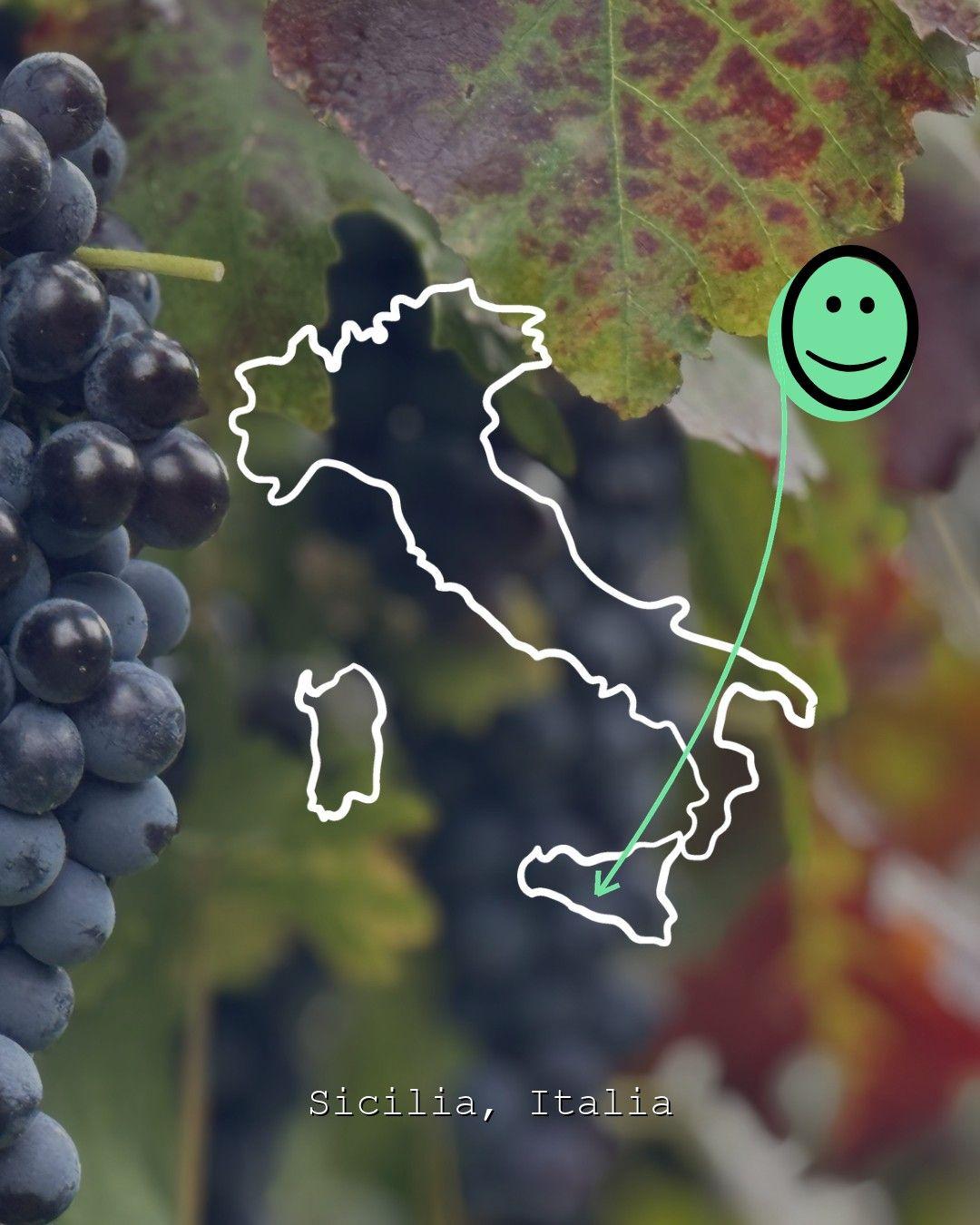
Carricante is a white grape native to the eastern slopes of Mount Etna in Sicily, where it has been grown for centuries. Its heartland is the Etna Denominazione di Origine Controllata, particularly the communes of Milo and Zafferana Etnea on the volcano's cooler eastern face. The altitude here — vineyards often sit between 600 and 1,000 metres — combined with volcanic soils and significant diurnal temperature swings gives the grape conditions that are unusual for Sicily. While much of the island is associated with full-bodied reds, Carricante produces a structured white with firm acidity and a mineral quality that reflects the basalt and ash beneath the vines. It is one of the few Italian white grapes with a strong case for ageing. Producers working with it tend to approach it with minimal intervention, since the terroir does much of the work. You can explore other white grapes from Italian wines or compare it with varieties from across the broader white wines category.

How Carricante tastes and what to eat with it

Carricante wines are typically pale gold in the glass, with high natural acidity and a flavour profile that runs toward citrus peel, green apple, white peach, and a persistent saline or smoky mineral note that most drinkers trace back to the volcanic soil. Oak is rarely used — the grape's own structure makes it unnecessary. At the table, that acidity and minerality make it a natural partner for seafood: grilled fish, raw shellfish, pasta with clams, and the seafood-forward cooking of coastal Sicily all work well. It also holds its own alongside dishes with some richness, such as swordfish with capers and olives, a pairing common in Sicilian cooking. Older vintages, which can develop a waxy, almost honeyed character while retaining freshness, suit aged cheeses and dishes with more body. If you are drawn to mineral-driven whites from volcanic soils, the Nerello Mascalese page shows what the same Etna terroir does with a red grape, and Sicilian wines gives a broader view of the island's producers.

Buying Carricante direct from independent producers

Carricante remains a relatively rare variety outside Sicily, which means most bottles reaching northern Europe have passed through importers and distributors before arriving. On Free Grape Society, producers ship directly from their own cellar, with no importer or warehouse in between — the bottle you receive is packed and dispatched by the estate that made it. That matters for a grape like Carricante, where freshness and careful handling preserve the acidity that defines the wine. Independent producers on the platform set their own prices and ship Ex Works, so the terms are transparent from the start. If you want to understand a specific producer's approach before ordering — which parcels they work with, how they handle the wine in the cellar, how a current vintage compares to the last — the wine-advice service connects you with an independent wine expert who can answer those questions directly. Free Grape Society is a society of producers, independent experts and wine lovers, not a shop. For more Sicilian producers, see the Sicily wineries page, or browse the full range of Italian wines from independent growers across the country.