Grapes and appellations of Sicily
Sicily has more vineyard land than any other Italian region — roughly 98,000 hectares under vine, though not all of it produces DOC or IGT wine. The island's appellation structure includes the island-wide Sicilia DOC, which came into force in 2012 and brought previously stateless IGT wines under a single controlled designation. Before that, much of Sicily's best fruit was sold in bulk to northern Italian and French producers to boost colour and alcohol in leaner vintages.
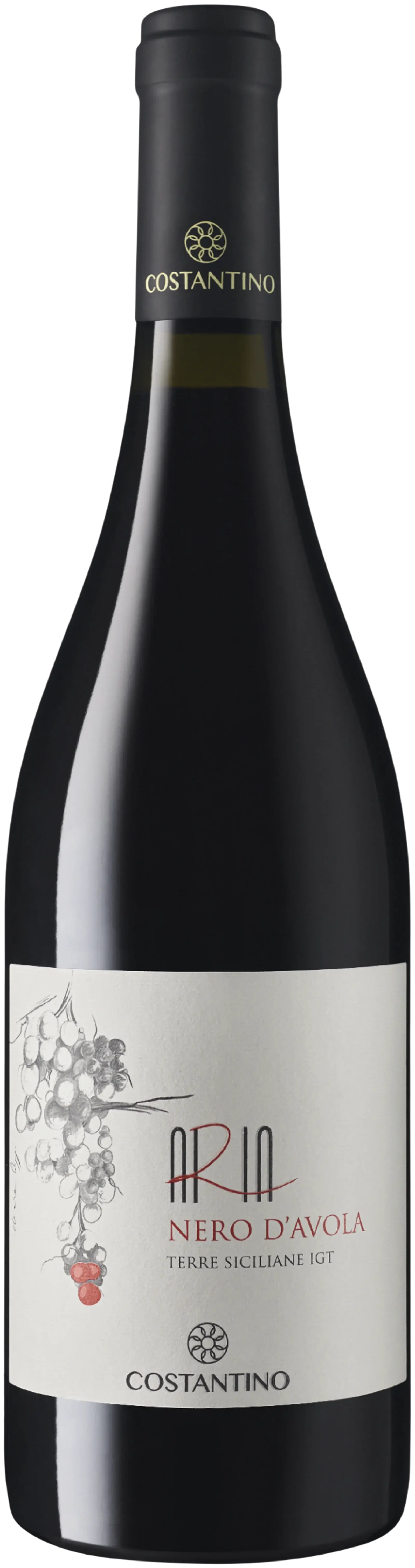
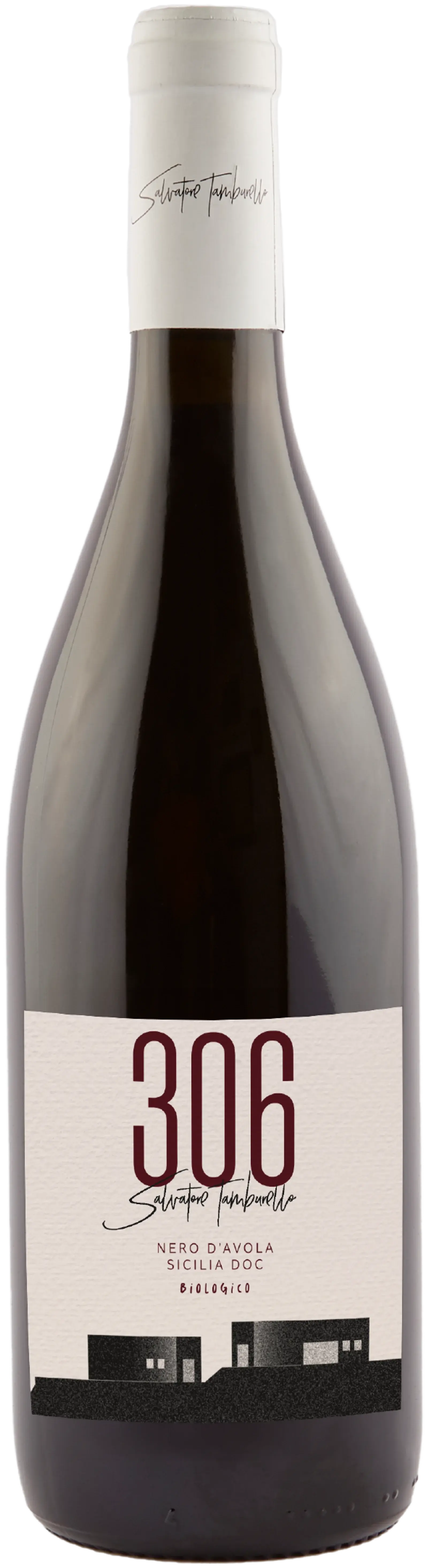
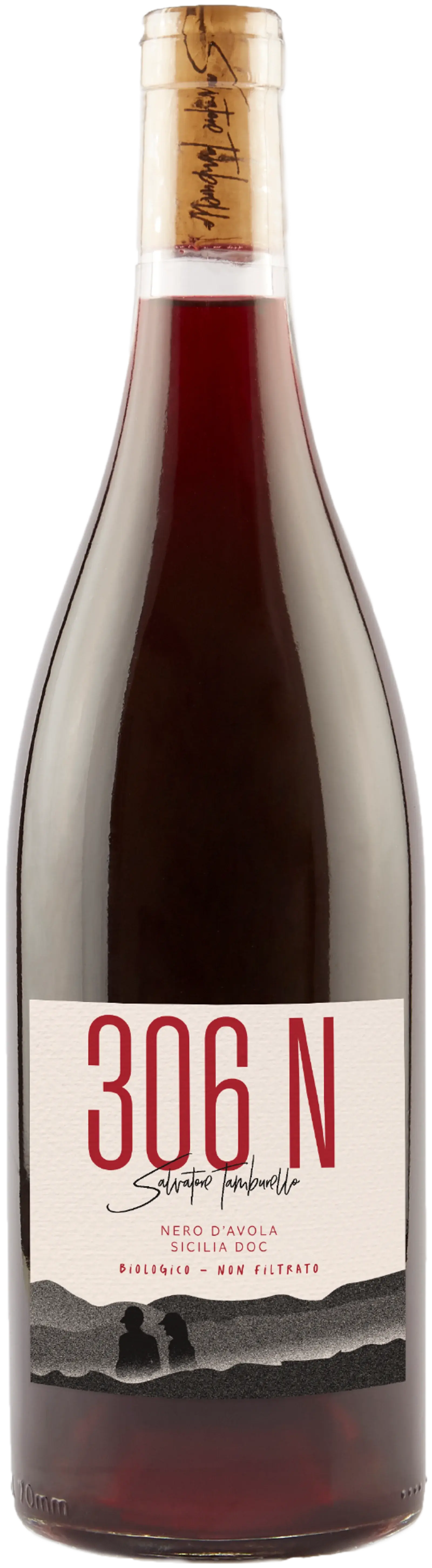
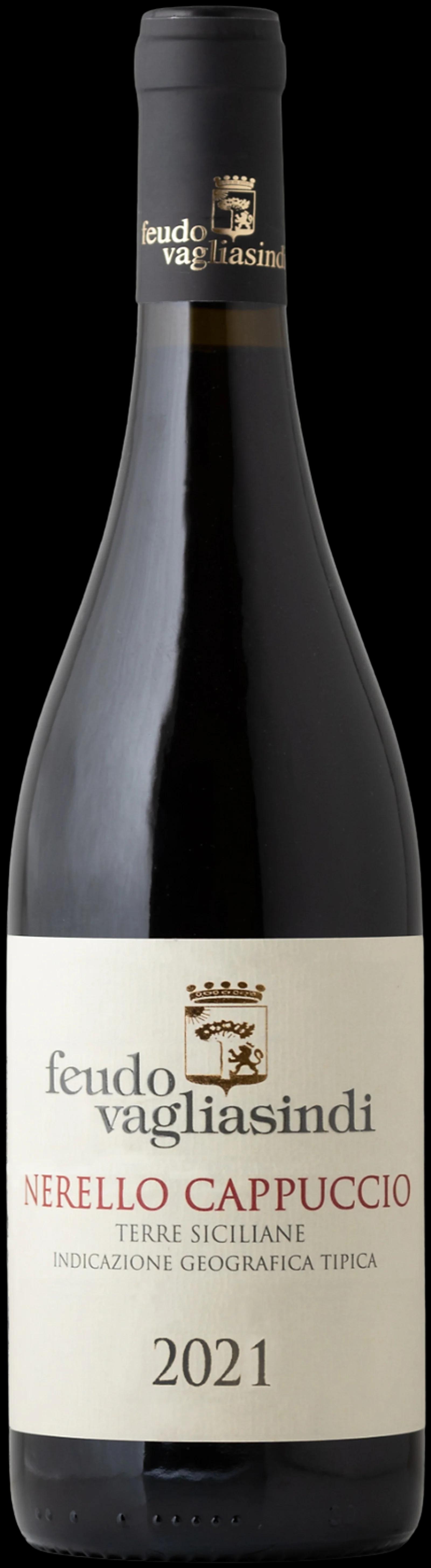
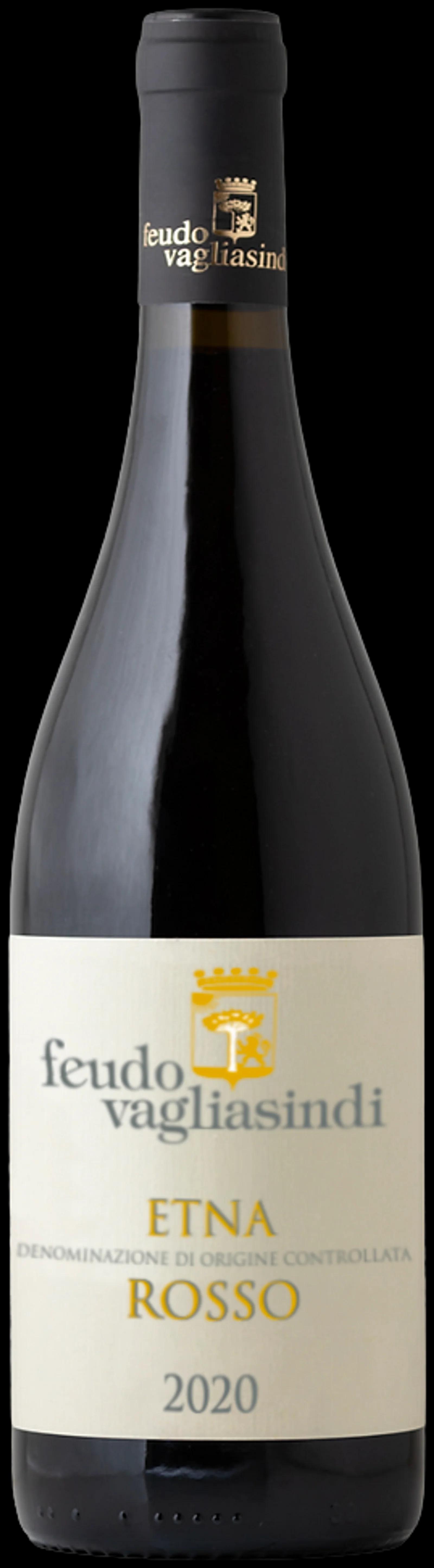
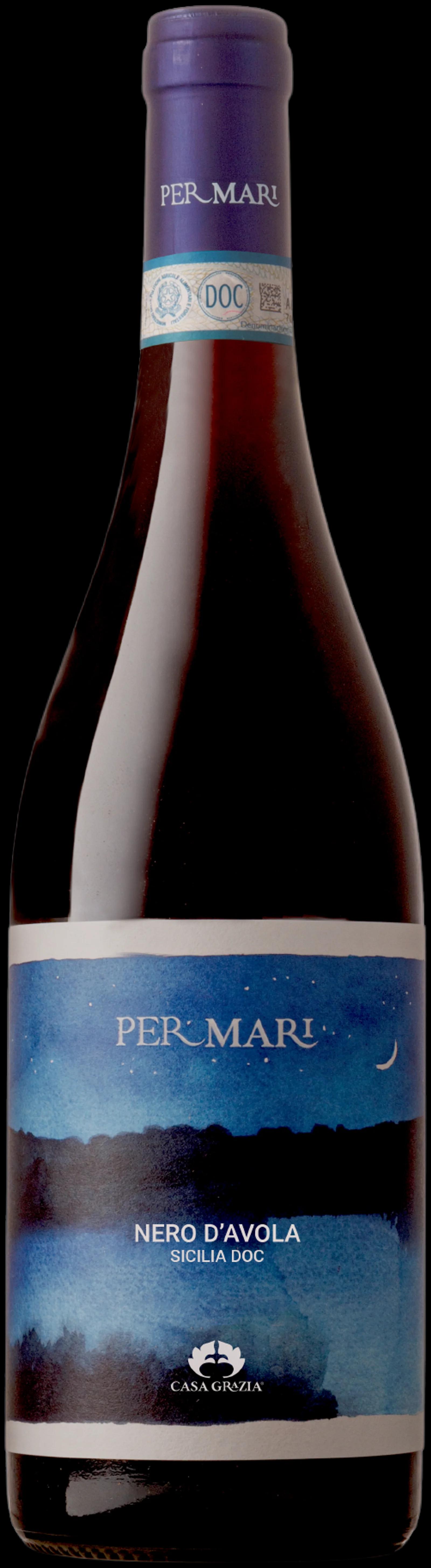
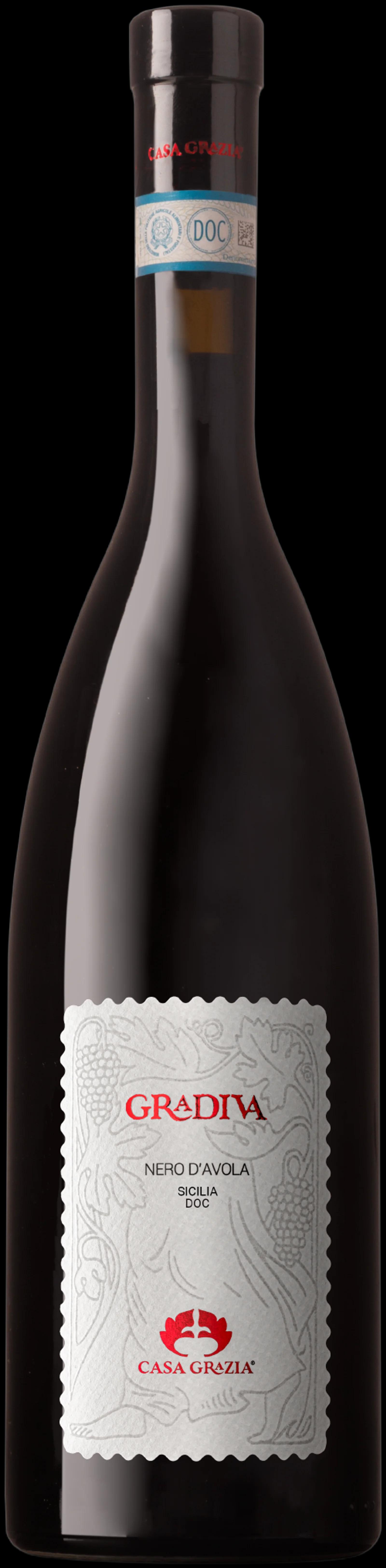
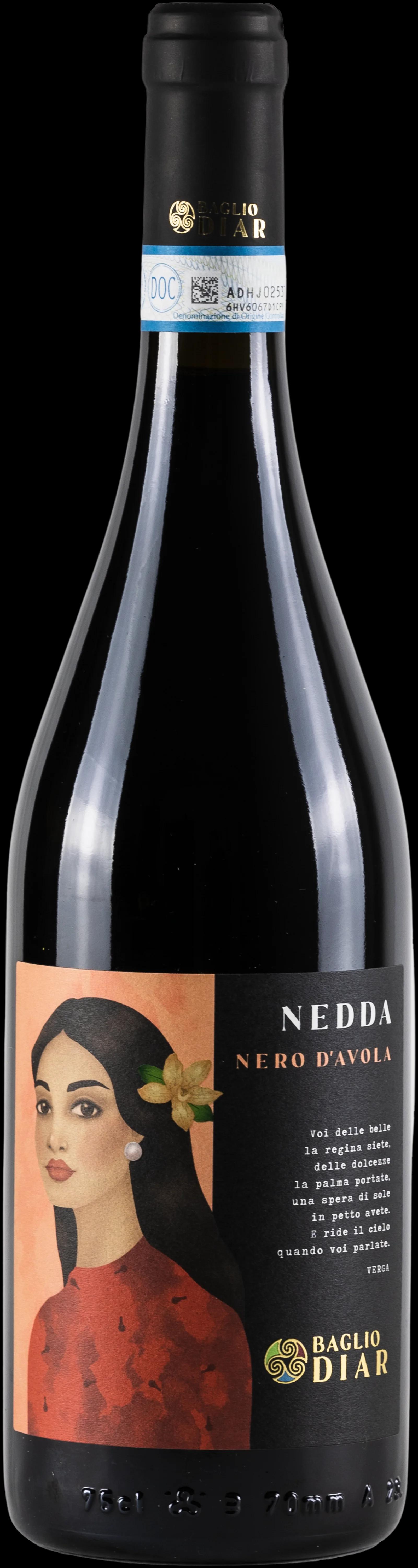
Nero d'Avola is the dominant red variety. It is native to the southeast of the island, around Avola and Noto, and produces wines ranging from light and cherry-fruited to dense and age-worthy depending on altitude and yield. Nerello Mascalese is the other major red, grown almost exclusively on the volcanic slopes of Etna. It is thin-skinned, high in acid, and structurally closer to Pinot Noir than to anything else grown in the south of Italy — which partly explains why Etna Rosso has attracted producers and investors from Burgundy and Barolo over the past fifteen years.
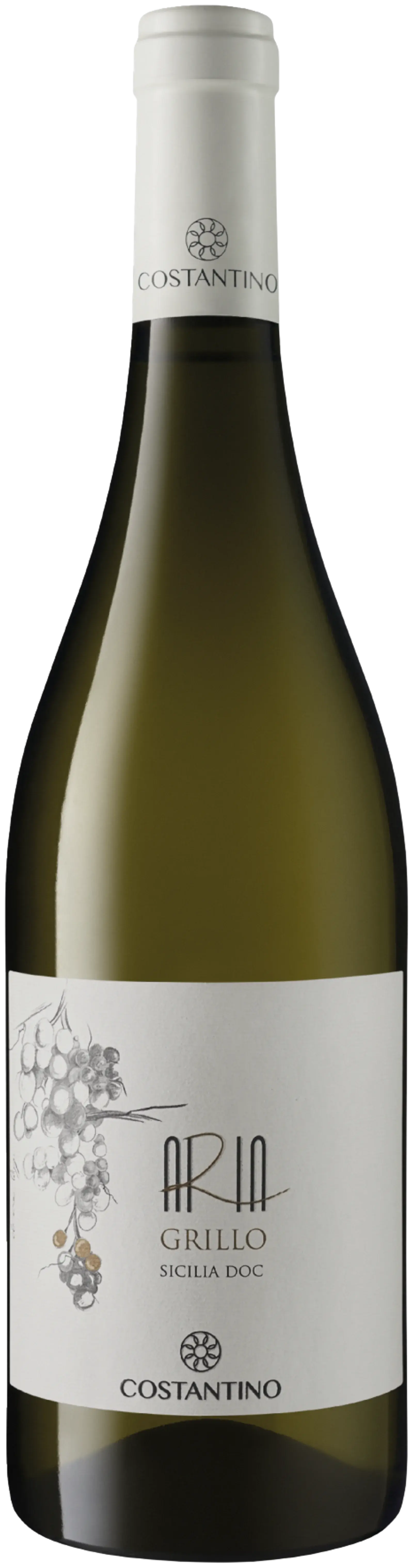
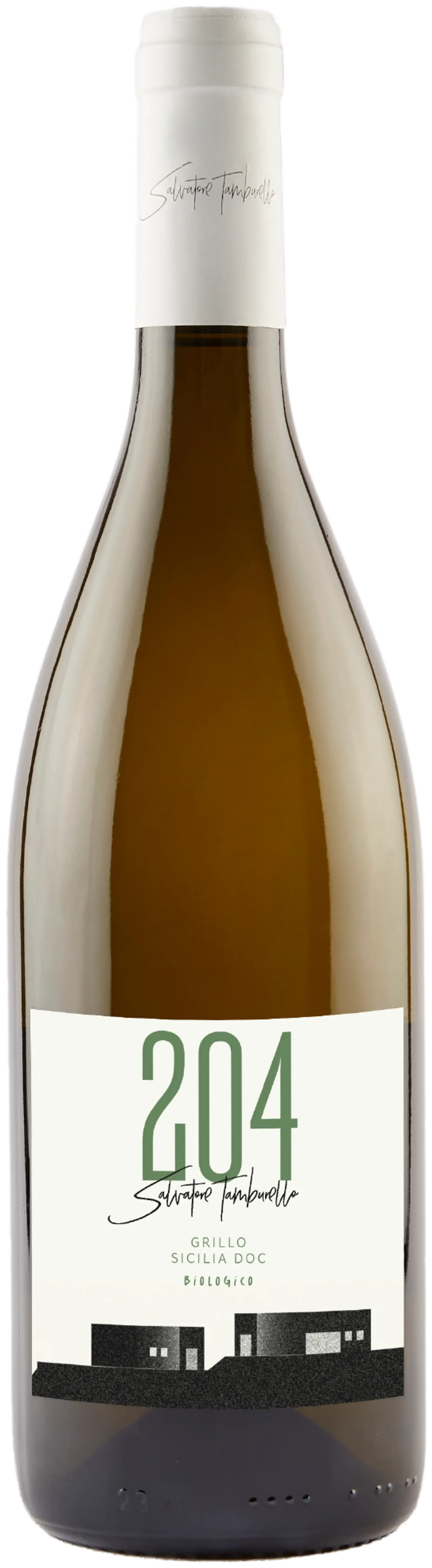
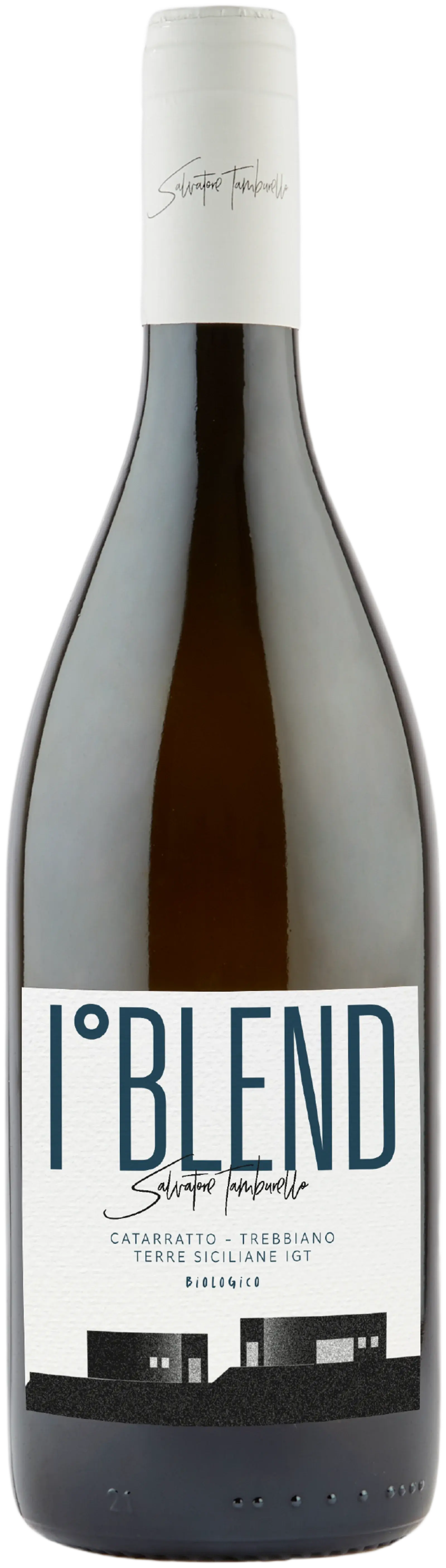
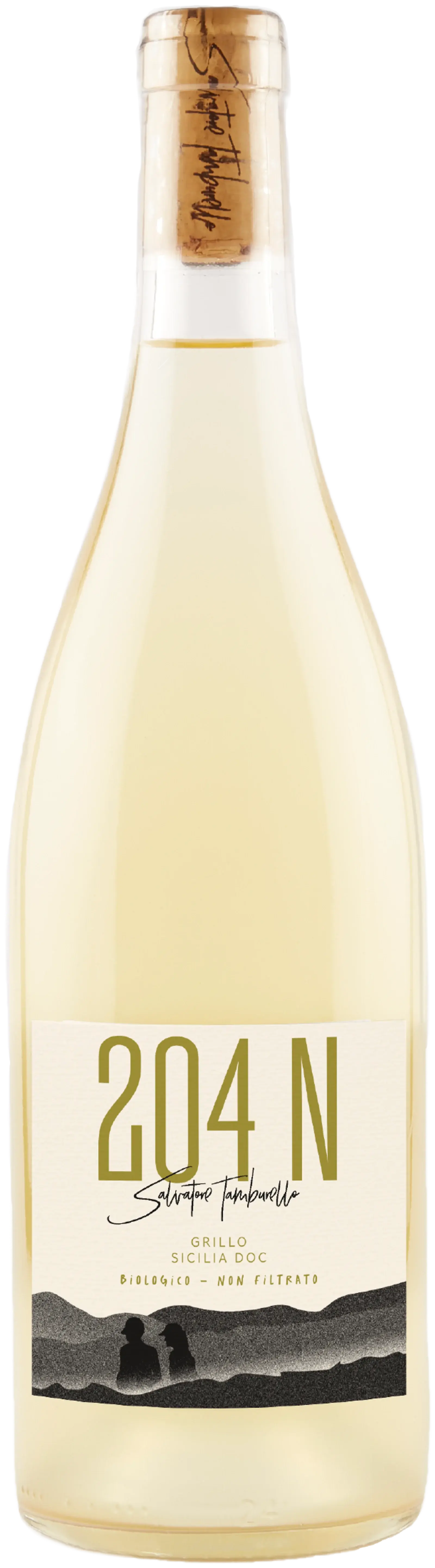
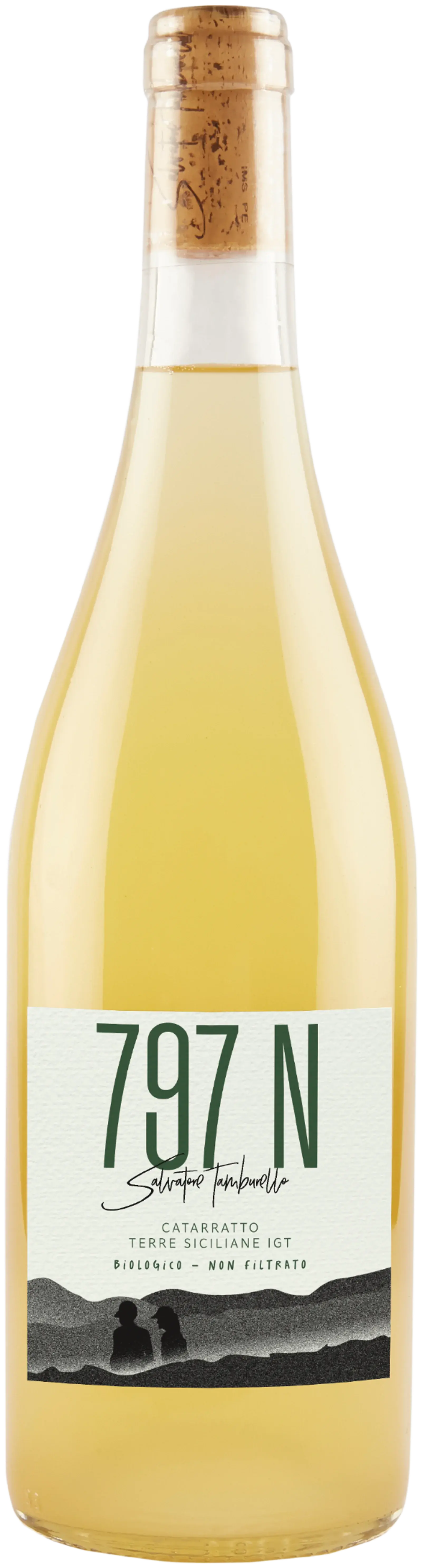
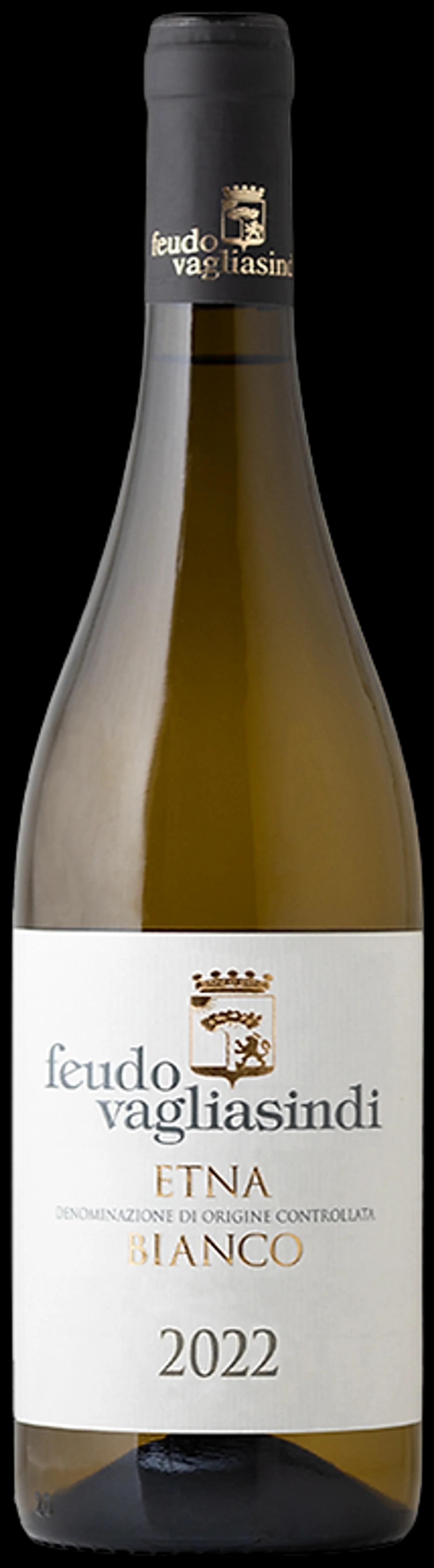
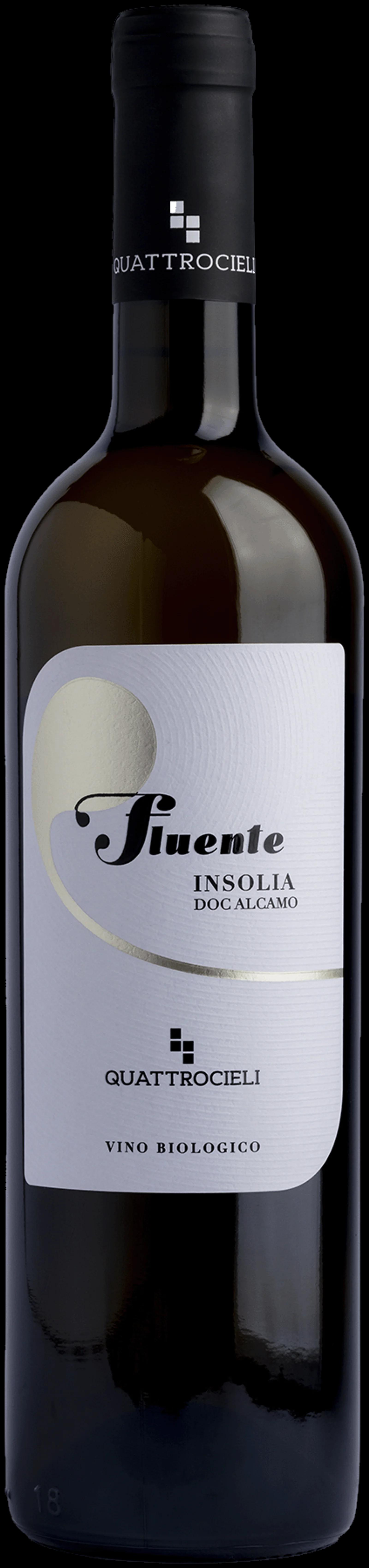
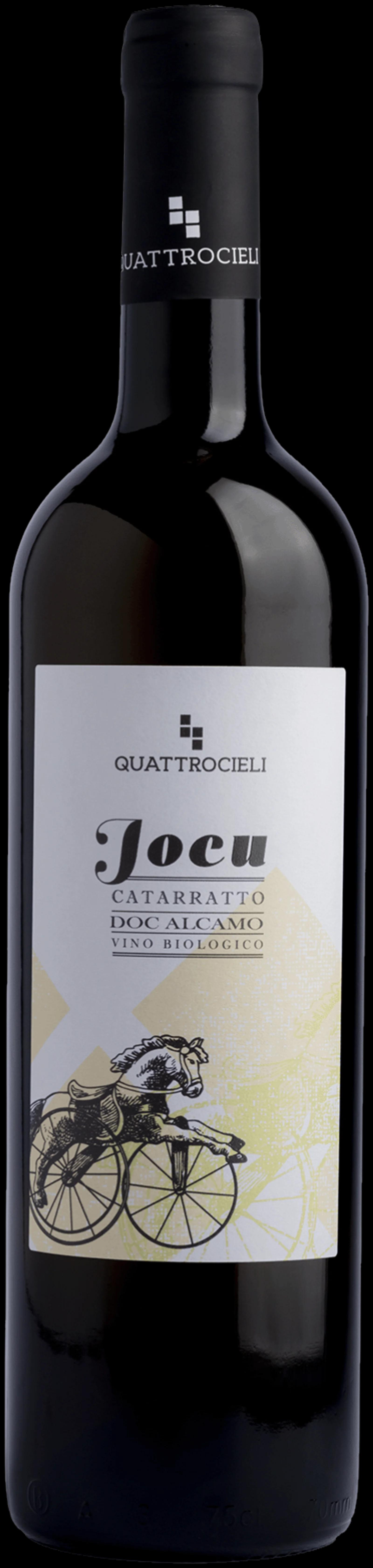
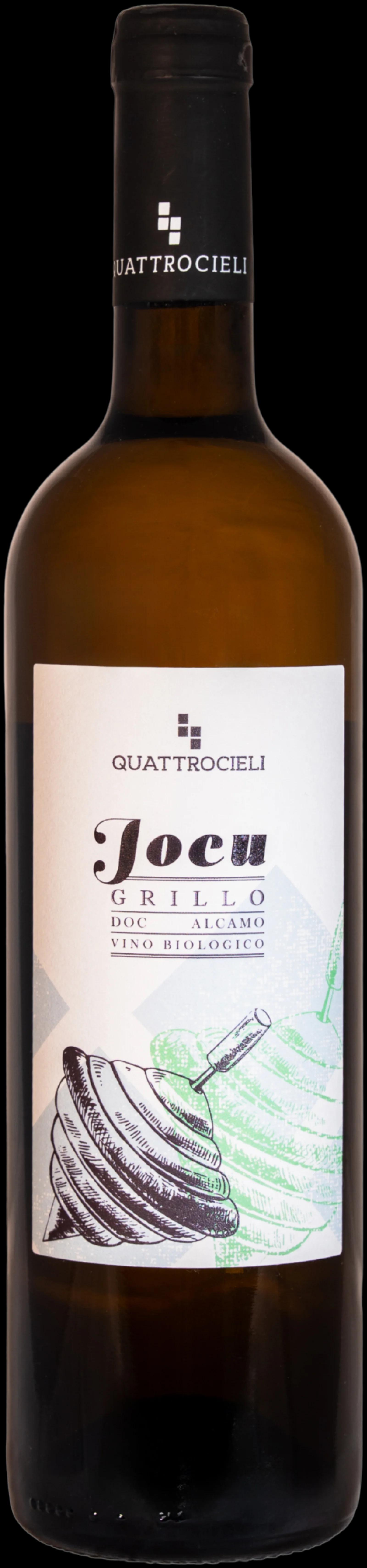
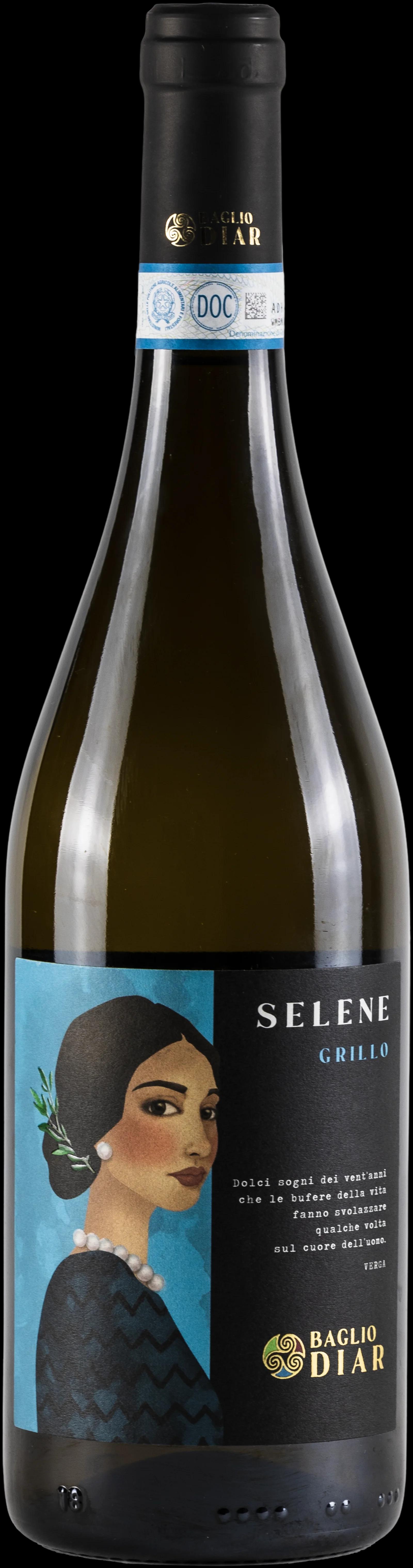
On the white side, Grillo, Catarratto, and Carricante are the main indigenous varieties. Grillo was historically used in Marsala production, but is now vinified as a dry, aromatic white in its own right. Catarratto is Sicily's most widely planted grape by volume, though much of it still ends up in anonymous blends. Carricante, grown primarily on Etna's eastern flank, produces some of the island's most mineral and cellar-worthy whites.
The Etna DOC, established in 1968, is the oldest on the island. It covers both the red Nerello-based wines and whites from Carricante, and distinguishes between the different contrade — individual lava-flow zones, analogous to Burgundy's climat system — that give each wine a distinct character.
Climate, altitude, and volcanic terroir
Sicily sits at the same latitude as northern Tunisia. Average summer temperatures in the interior exceed 35°C. Yet producers on Etna work at elevations between 400 and 1,000 metres above sea level, where diurnal temperature swings of 15–20°C are common in August and September. That gap between day and night temperature is what preserves acidity in grapes that would otherwise be flat and overripe at sea level.
The volcanic soils on Etna — basalt, ash, and pumice with almost no clay content — drain quickly and force vine roots deep in search of water and nutrients. Many of the old-vine Nerello Mascalese plots on the mountain are ungrafted, because phylloxera historically failed to establish itself in volcanic sand. Some of these vines are over 100 years old.
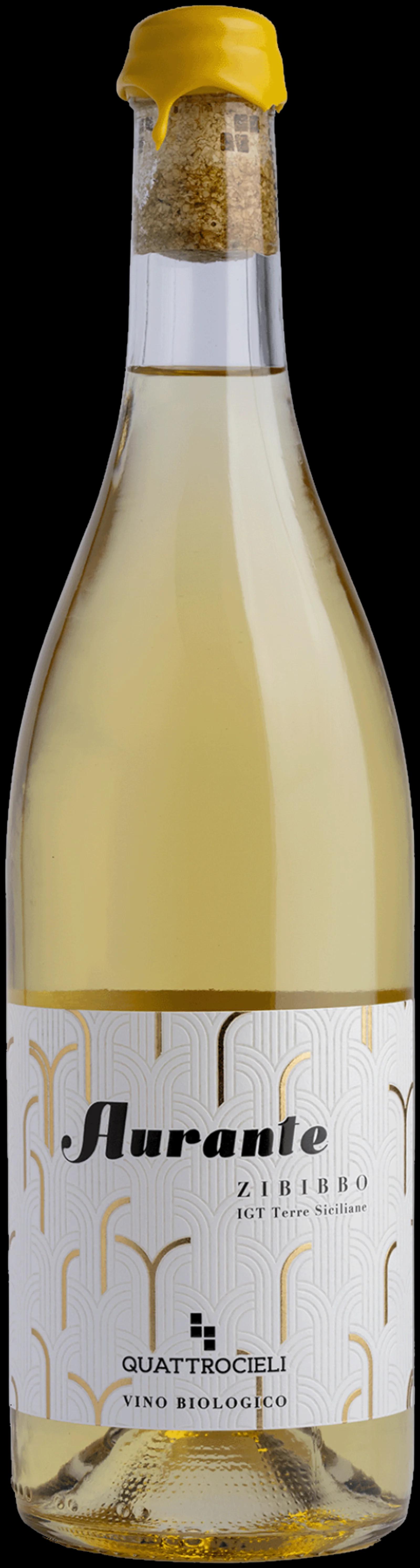
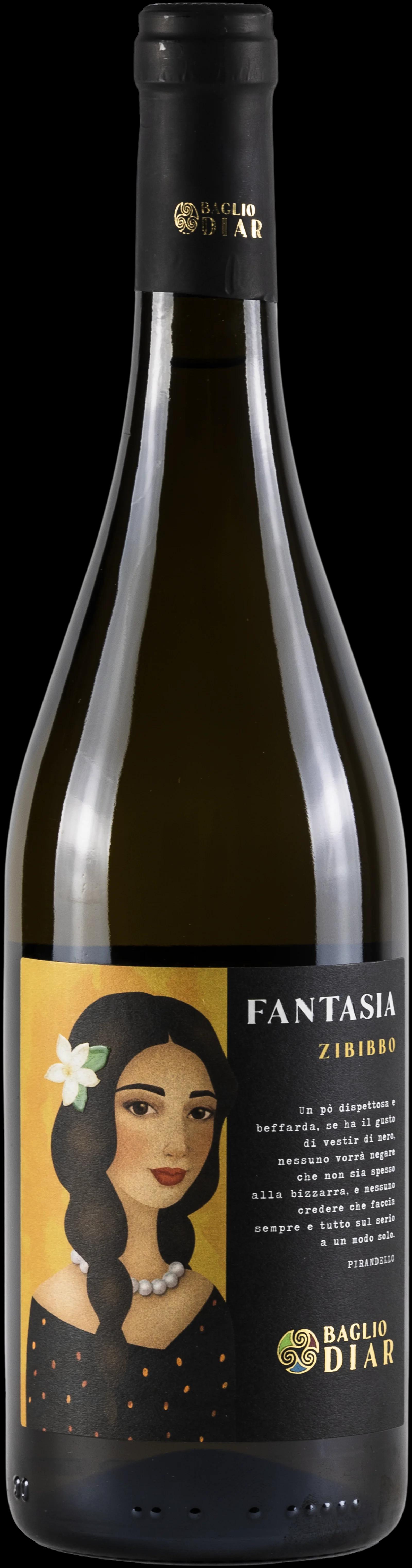
The western interior, around Agrigento and Caltanissetta, is hotter and drier. Soils here are predominantly limestone and clay. This is where Nero d'Avola achieves its most concentrated expressions. The coastal areas, including Marsala in the northwest and the island of Pantelleria to the southwest, are shaped by sea influence — Pantelleria's Zibibbo (Muscat of Alexandria) is used to produce Passito di Pantelleria, a sweet wine made from grapes dried in the sun after harvest.
How Sicilian producers work with Free Grape Society
Producers on Free Grape Society set their own prices. There is no importer margin added on top and no wholesaler taking a cut in the middle. The price shown on each wine page is the price the producer agreed to, shipped from their cellar directly to the buyer.
Before any Sicilian wine goes live on the platform, the producer sends samples to our Head of Product, who tastes every wine before it is listed. Independent wine experts on the platform Rate & Review individual wines they have personally tasted — those reviews appear on the wine page and on the expert's profile, and are not editorial endorsements from Free Grape Society.
This matters more in Sicily than in most other Italian regions, because the island's wine identity is still being defined. For decades, Sicilian wine meant cheap, high-alcohol bulk. The producers now working with altitude-grown fruit, indigenous varieties, and lower intervention are making a different argument. The wines on this page are the ones that argument is built on.
For a broader look at Italian wines on the platform, see wines from Italy. For Italian red wines specifically, Italian reds covers the full range from Nebbiolo in Piedmont to Nerello on Etna. Producers from other southern Italian regions can be found via Italian wineries, and mixed cases are available through Italian mixboxes.