Nero d'Avola: Sicily's bold red grape, from independent estate growers

Nero d'Avola wine is Sicily's most planted red variety, producing everything from approachable everyday reds to concentrated, structured bottles built to age. The producers below grow it across the island, from the sun-baked southeast to higher-altitude vineyards inland.

Deep colour, ripe dark fruit and a warm-climate structure that ranges from everyday drinking to serious age-worthy wine.

Color

Dropdown arrow

Type

Dropdown arrow

Country

Dropdown arrow

Region

Dropdown arrow

Grape

Dropdown arrow

Pairing

Dropdown arrow

Sort by

Sort arrow
Nero d'Avola

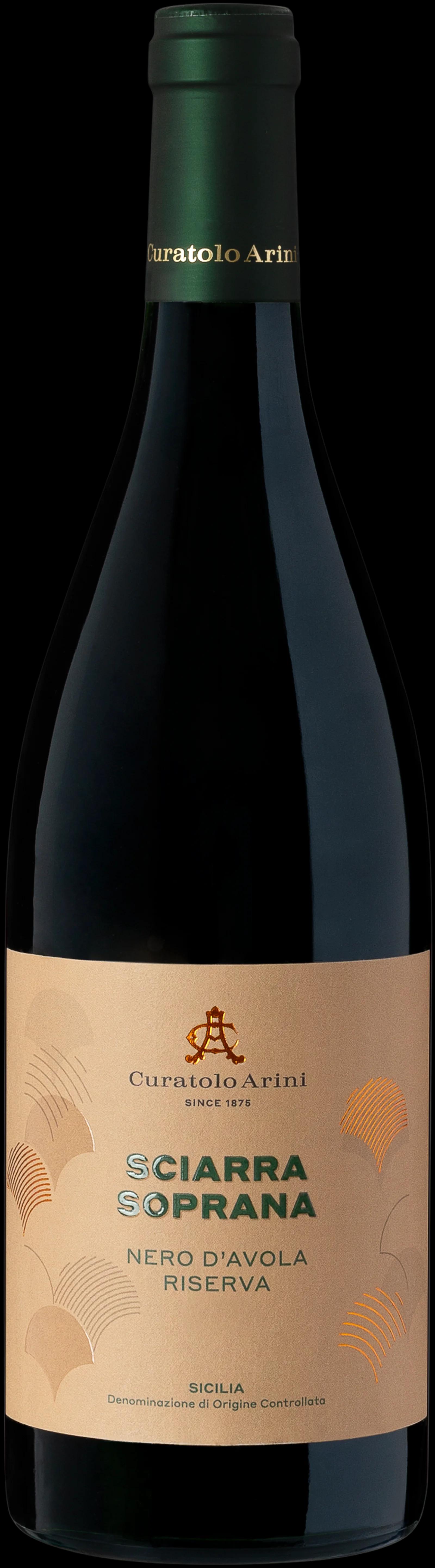
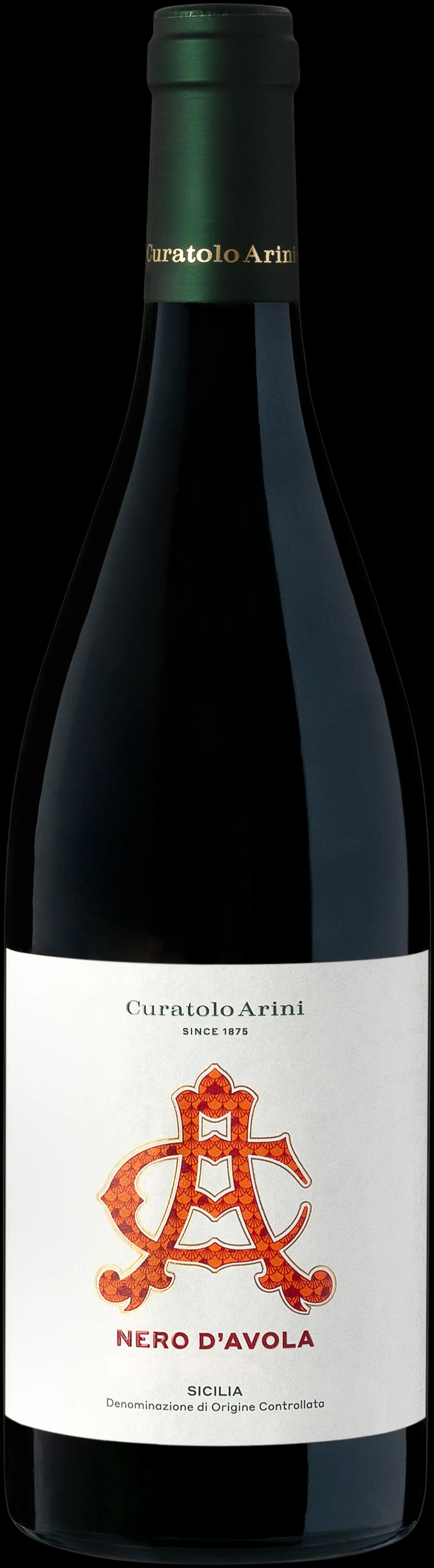
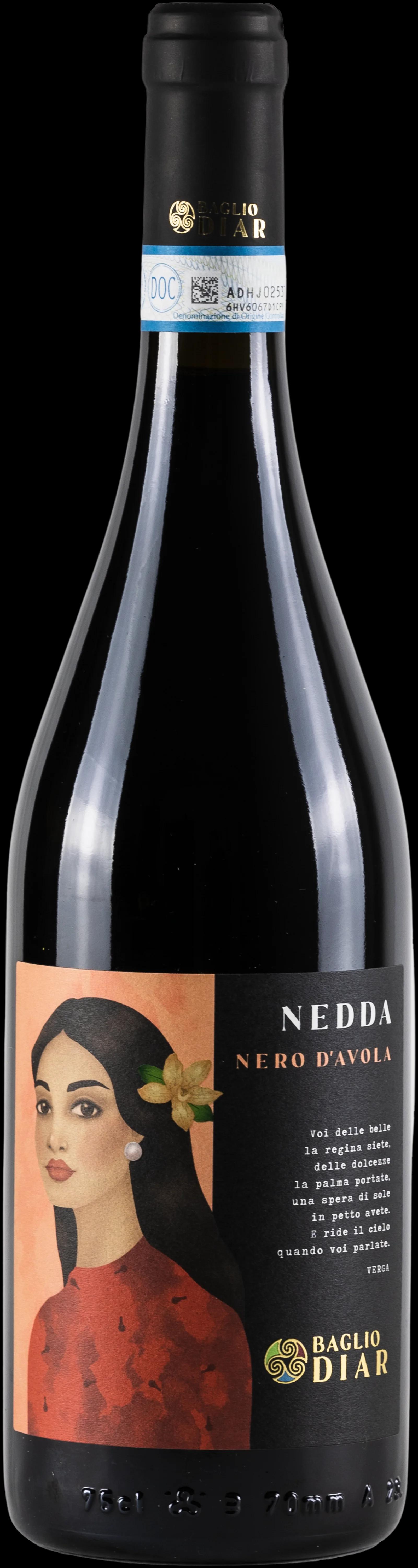
Nero d'Avola wines

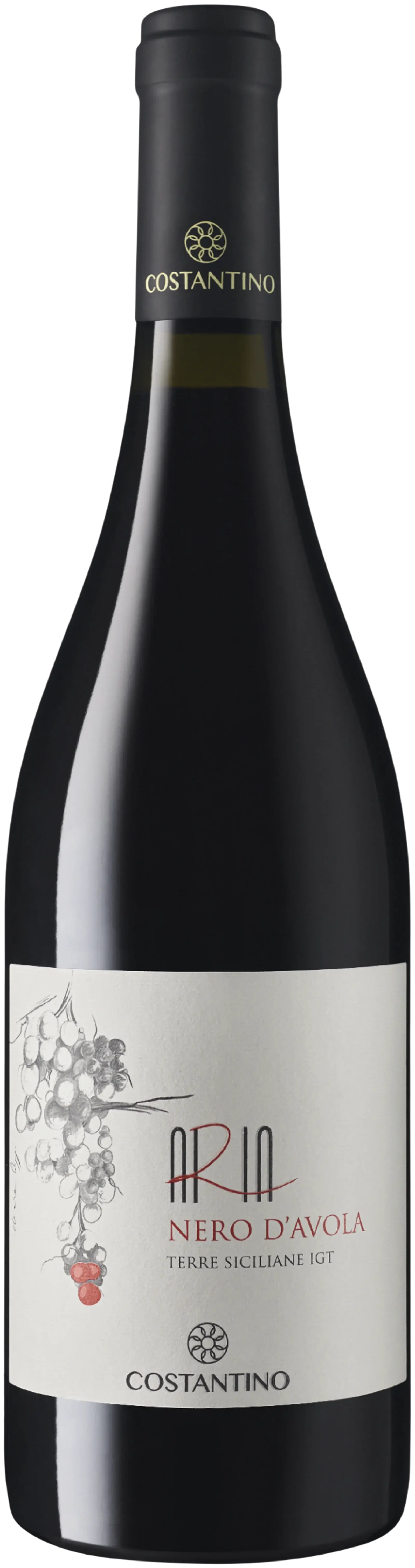
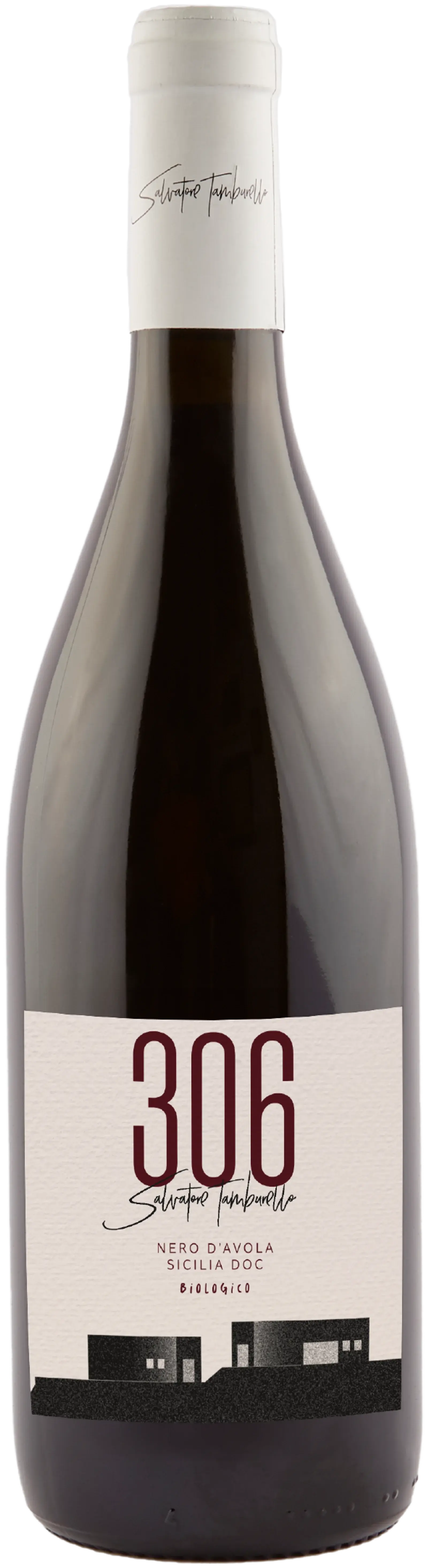
Nero d'Avola is native to southeastern Sicily, where the town of Avola in the province of Syracuse sits at its historical centre. The grape thrives in heat and dry conditions, building deep colour and tannin that softens with age or careful winemaking. Altitude and soil shift the style noticeably: lower coastal sites tend toward richness and power, while vineyards further inland or at height produce leaner, more aromatic wines. Each bottle here ships directly from the producer's own cellar, with no importer or warehouse in between.

Previous1 of 1Next

Nero d'Avola mixboxes

A producer's mixbox is six bottles put together as the recommendation they would make if you visited their cellar — often a range across styles or vintages that shows what the estate does across its range. For a grape like Nero d'Avola, that might mean tasting a younger, fruit-forward wine alongside a barrel-aged version from the same producer, where the difference in approach is immediately clear. Free Grape Society is a society of producers, independent experts and wine lovers, not a shop.

View all mixboxes

Wineries

The estates below all work with Nero d'Avola, but they sit in different parts of Sicily and work with different soils and elevations. Reading a producer's own notes gives a quick sense of why their approach differs from the next, and the wine-advice service is there if you would rather talk through the differences before choosing.

View all wineries

Wine experts

Nero d'Avola attracts strong opinions, which makes a second view useful before committing to a case. Independent wine experts review wines they have personally tasted, and their reviews appear on each wine page and on the expert's own profile. Several of the experts here have reviewed Nero d'Avola wines featured on this page, so you can read what they found before deciding.

View all wine experts

Frequently asked questions

How do I order Nero d'Avola wine on Free Grape Society?

Browse the wines on this page, add bottles to your basket, and check out using Klarna or card. Each wine ships directly from the producer's cellar in Sicily. Orders typically arrive within 4–14 days, with an average of around 8–9 days. Shipping is free, and there are no membership fees to join.

What happens if a bottle arrives broken or doesn't taste right?

Send a photo to Free Grape Society customer support within 7 days of delivery. We will arrange a replacement or a refund. Because producers ship directly, quality issues are handled with the producer's direct involvement. Shared responsibility is built into how FGS works.

Can I order Nero d'Avola from more than one producer in the same order?

Yes. You can add bottles from different producers to the same basket. Each producer ships their wines separately from their own cellar, so you may receive more than one delivery. Shipping is free from each producer, so there is no extra cost for ordering across estates.
How long does delivery take?

Average delivery is 8 to 9 days from order to door. The full range is 4 to 14 days depending on the producer's location and your delivery address. Wines ship directly from the producer's cellar, not from a central warehouse.

How do I choose between the different Nero d'Avola wines on this page?

The main variables are site and style. Wines from the hot, flat southeast tend to be richer and more full-bodied; those from higher elevations or inland tend to be more structured and aromatic. Producer notes on each wine page explain the winemaking choices. If you are unsure, the wine-advice service connects you with an independent expert who can make a specific recommendation.

What is the difference between an entry-level and an aged Nero d'Avola?

Younger, unoaked Nero d'Avola is typically approachable with fresh dark fruit and soft tannin. Barrel-aged or longer-macerated versions develop more structure, spice and complexity, and can improve in bottle for several years. Producer pages on Free Grape Society explain the winemaking behind each wine, so you can see which style fits what you are looking for.

Which Nero d'Avola wine expert can recommend something for me?

The independent wine experts listed on this page have reviewed Nero d'Avola wines personally. You can read their reviews on individual wine pages or on their expert profiles. To get a direct recommendation, use the wine-advice service — fill in a short form and an expert will respond with a specific suggestion based on what you are looking for.

Why don't you sell supermarket-brand Nero d'Avola wines?

Free Grape Society works with independent producers who bottle under their own name and set their own prices. Large-volume commercial Nero d'Avola is typically sourced from multiple growers, blended industrially and sold under retailer or brand labels, which removes the producer relationship the platform is built on. The wines here come from estates that grow, make and bottle their own wine.

Can I find Nero d'Avola wines that aren't available in standard retail?

Yes. Many of the producers on Free Grape Society do not distribute through supermarkets or national retail chains. They sell directly, which means some wines are only available here or at the winery itself. This is a structural feature of how the platform works rather than a marketing claim — smaller estates often have no other route to international buyers.

Where Nero d'Avola comes from and what makes it Sicilian

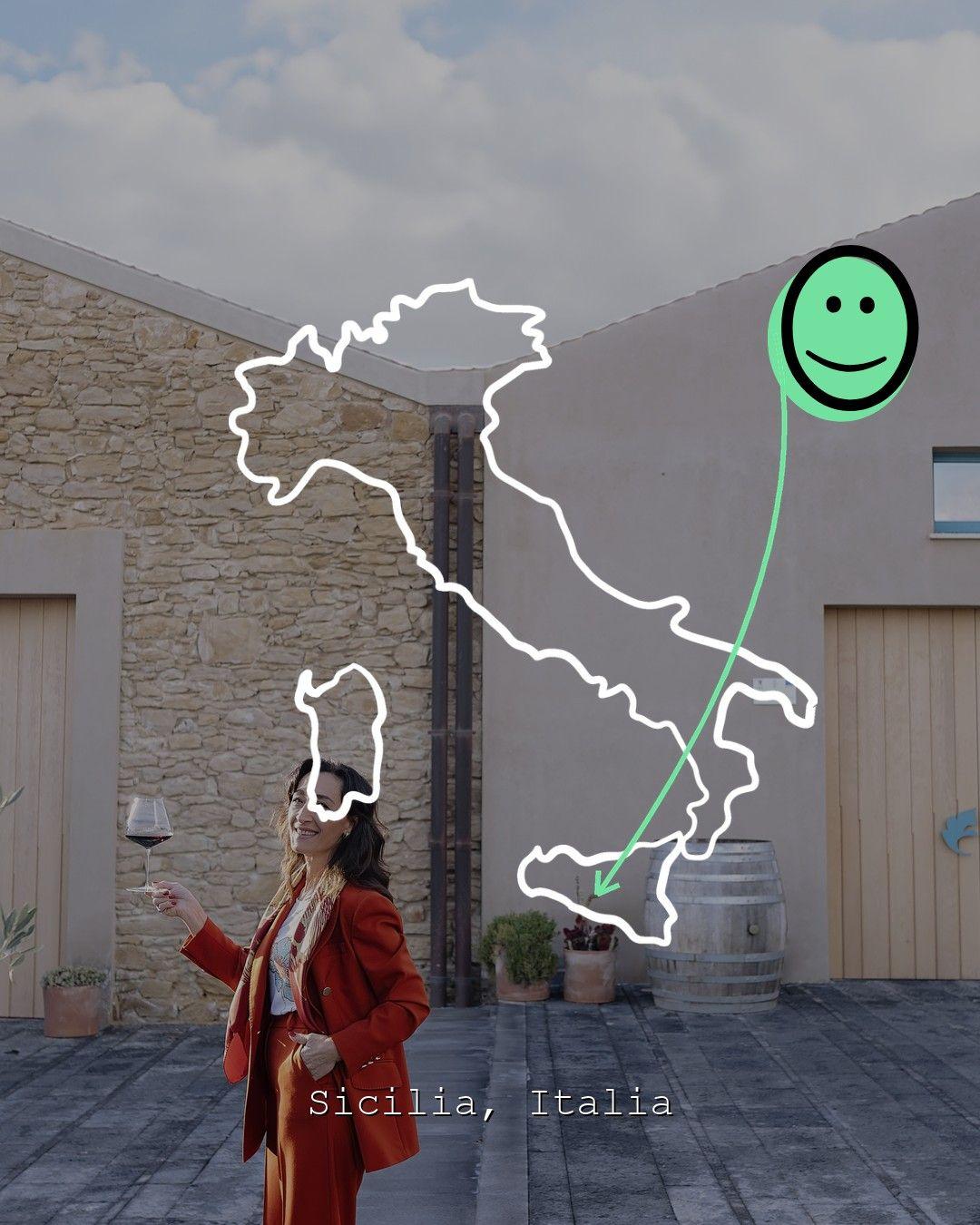
Nero d'Avola is native to Sicily, and the grape takes its name from the town of Avola in the south-eastern corner of the island near Syracuse. It is one of Italy's most widely planted red varieties and has been grown on the island for centuries, long before Sicilian wine gained serious attention outside Italy. The grape ripens late in Sicily's dry, sun-intense summers and produces wines with naturally deep colour and firm structure. Across the island it expresses differently: the lighter volcanic soils around Etna produce a leaner, more mineral style, while the clay-heavy flatlands of the south and west yield rounder, fuller wines. Most of the independent producers working with it today are making wines that let the grape speak for the place rather than smoothing it out with heavy oak. If you want to explore the range, the Sicily wines page gathers producers from across the island, and Italian red wines gives a broader view of what is growing alongside it.

How Nero d'Avola tastes, and what to drink it with

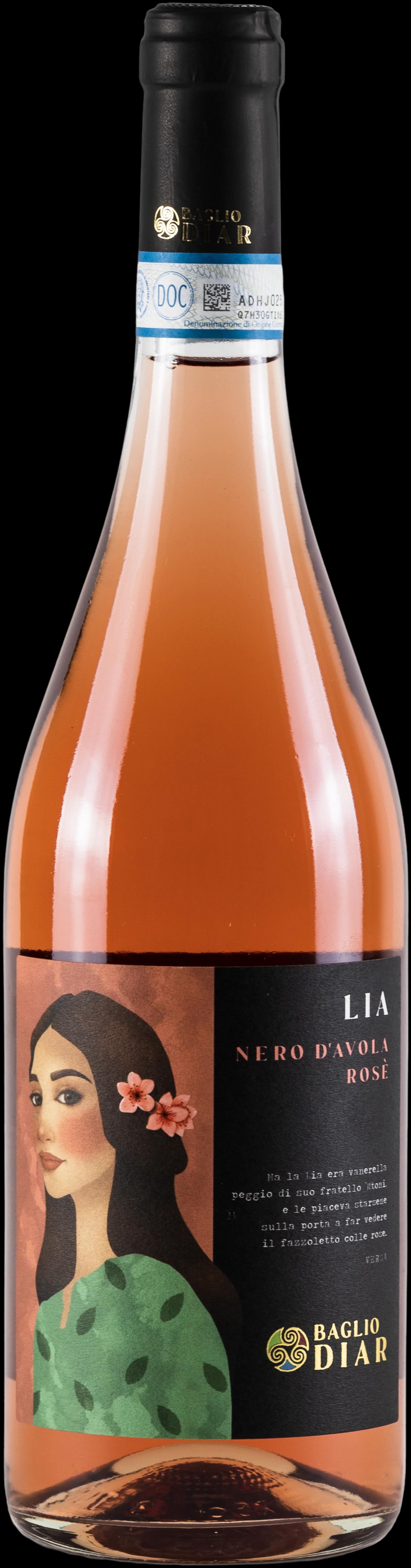
Nero d'Avola is a red grape with high natural sugar levels and correspondingly generous alcohol, though the wines vary considerably depending on where and how they are made. The characteristic profile runs toward dark cherry and plum, often with a herbal or savoury edge, and tannins that are present but not aggressive. In warmer, lower-altitude sites the wine can lean toward dried fruit and spice; in cooler or elevated sites it holds more freshness and red fruit character. The structure makes it a reliable match for meat-based dishes, particularly lamb, grilled beef, and the aubergine and slow-cooked tomato sauces central to Sicilian cooking. It also works well alongside aged cheeses. A small number of producers make a rosé from Nero d'Avola that shows a completely different, brighter side of the grape. For other structured Italian reds with a similar food-affinity profile, Sangiovese wines, Montepulciano wines and Aglianico wines are worth exploring.

Buying Nero d'Avola direct from independent Sicilian producers

Most Nero d'Avola sold through large retail channels comes from co-operatives or industrial producers and is blended to a consistent, commercially accessible style. The independent producers on Free Grape Society work at a different scale, and the wines they make often reflect a specific site, a family's approach to farming, or a conscious decision to work with lower yields and less intervention. On Free Grape Society, wines are tasted before listing and producers ship directly from their own cellars, with no importer or warehouse in between. That means the bottle arrives as the producer intended it. Free Grape Society is a society of producers, independent experts and wine lovers, not a shop. You can find the full range of Sicilian producers on the Sicily wineries page, and browse Nero d'Avola alongside other Sicilian varieties on the Sicily wines page. For producers across the rest of Italy working with equally expressive native varieties, the Italian wineries page is the broader starting point.