Where Aglianico comes from and why southern Italy shaped it
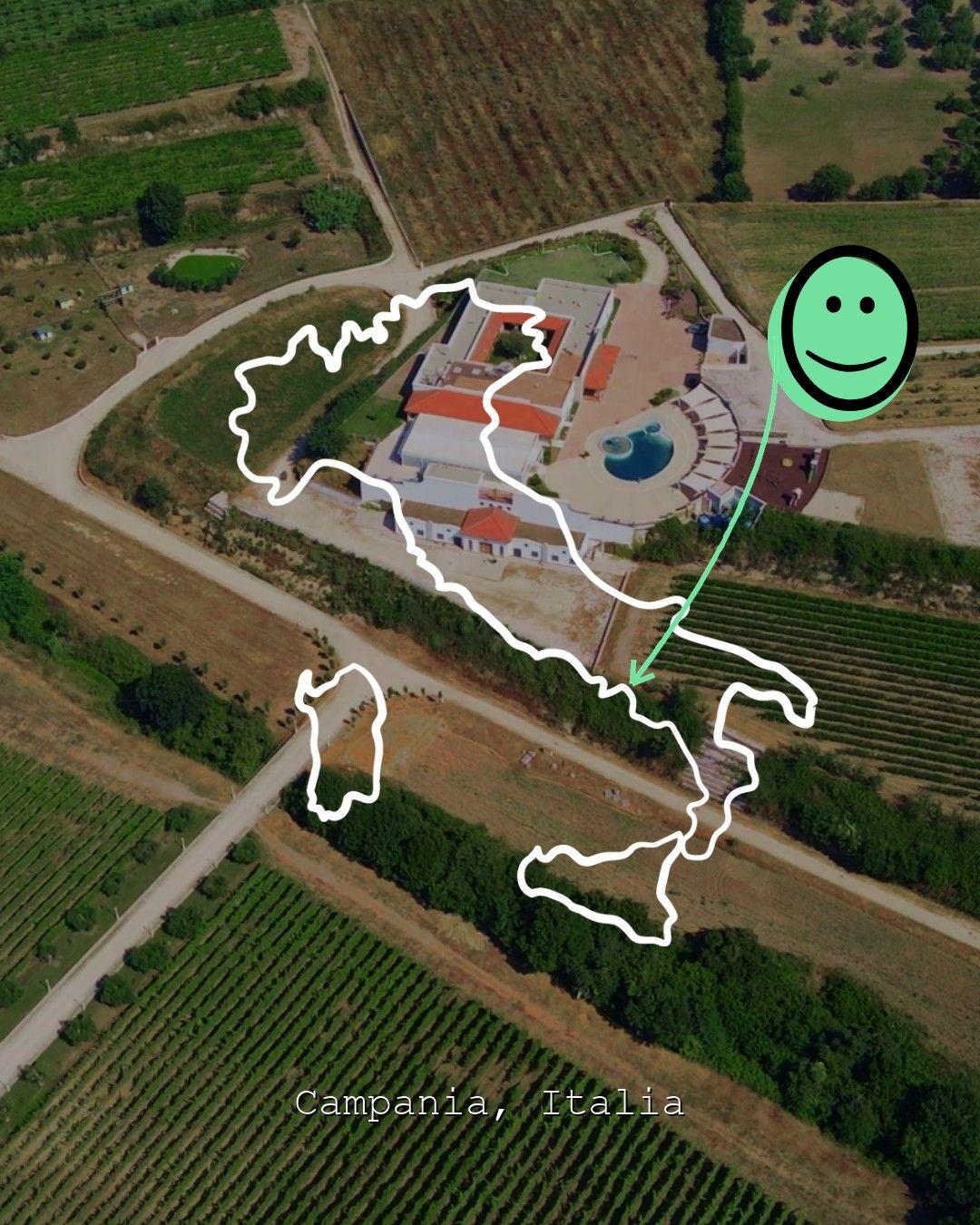
Aglianico is one of southern Italy's oldest cultivated grapes, grown across Campania and Basilicata for centuries before the Roman era. Its two benchmark expressions are Taurasi in Campania — the appellation most associated with the grape's prestige, often called the "Barolo of the south" — and Aglianico del Vulture in Basilicata, grown on the volcanic slopes of Mount Vulture, an extinct volcano whose mineral-rich soils give the wines a distinct earthy edge. The volcanic and clay-rich soils of these regions suit the grape's need for slow, even ripening, which is why Aglianico is typically harvested later than almost any other Italian red variety, often well into November. Growers working with Aglianico in Campania and across southern Italy tend to bottle it with long maceration and extended ageing, which is where its structured tannin and deep colour come from.
How Aglianico tastes and what to drink it with
Aglianico produces full-bodied red wines with firm, chewy tannin, high natural acidity, and a dark fruit profile that runs through black cherry, dried plum and iron. The acidity means the wines age well — a young Taurasi or Aglianico del Vulture can feel tight for several years before the tannins soften and the wine opens up. With age, the wines develop notes of leather, tobacco, dried herbs and volcanic mineral. Because the structure is substantial, Aglianico works best alongside food with similar weight: slow-cooked lamb, wild boar ragu, aged pecorino, and dishes with tomato-based sauces that echo the grape's natural acidity. It is less suited to delicate or lightly flavoured dishes. Producers who grow Aglianico alongside other southern Italian varieties like Nero d'Avola and Primitivo often describe it as the most demanding of the three — highest in acidity, most tannic, and the slowest to reveal itself.
Buying Aglianico wine directly from independent producers
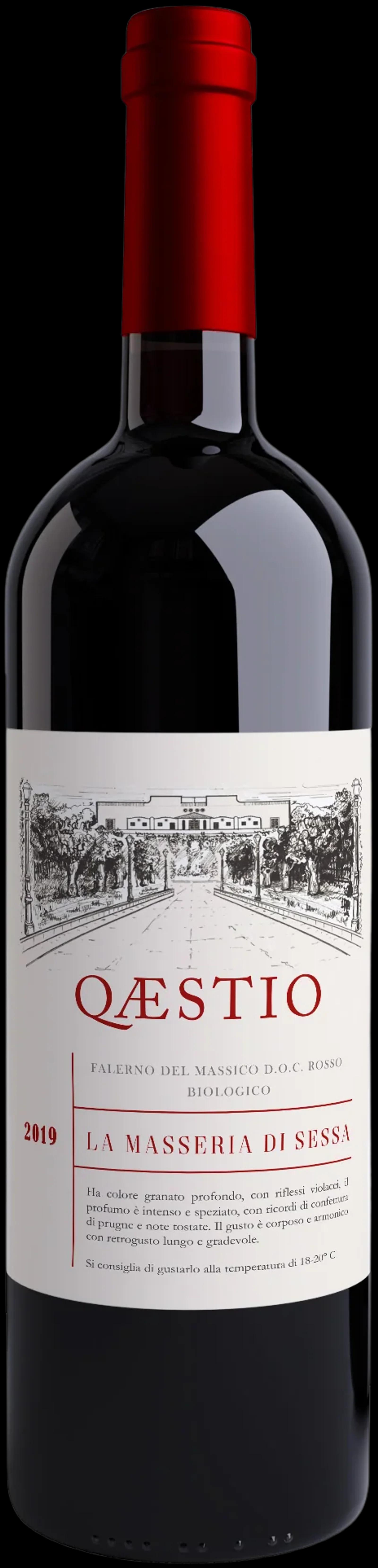
Aglianico remains relatively niche outside Italy, which means it rarely travels through conventional import channels in the same volume as more internationally recognised Italian reds like Sangiovese or Nebbiolo. That makes it a grape where buying directly from the producer matters — you reach wines that simply do not appear on supermarket shelves or in most retail catalogues. On Free Grape Society, wines tasted before listing ship directly from each producer's own cellar, with no importer or warehouse in between, which also means shorter time in transit and traceability back to a single estate. Free Grape Society is a society of producers, independent experts and wine lovers, not a shop — and for a grape like Aglianico, that structure is exactly how the best bottles reach the people who will appreciate them. If you want to explore related Italian red wines or producers working across the south, the Italian wineries and Campania wines pages are a good starting point.