Where Viognier comes from and how region shapes it
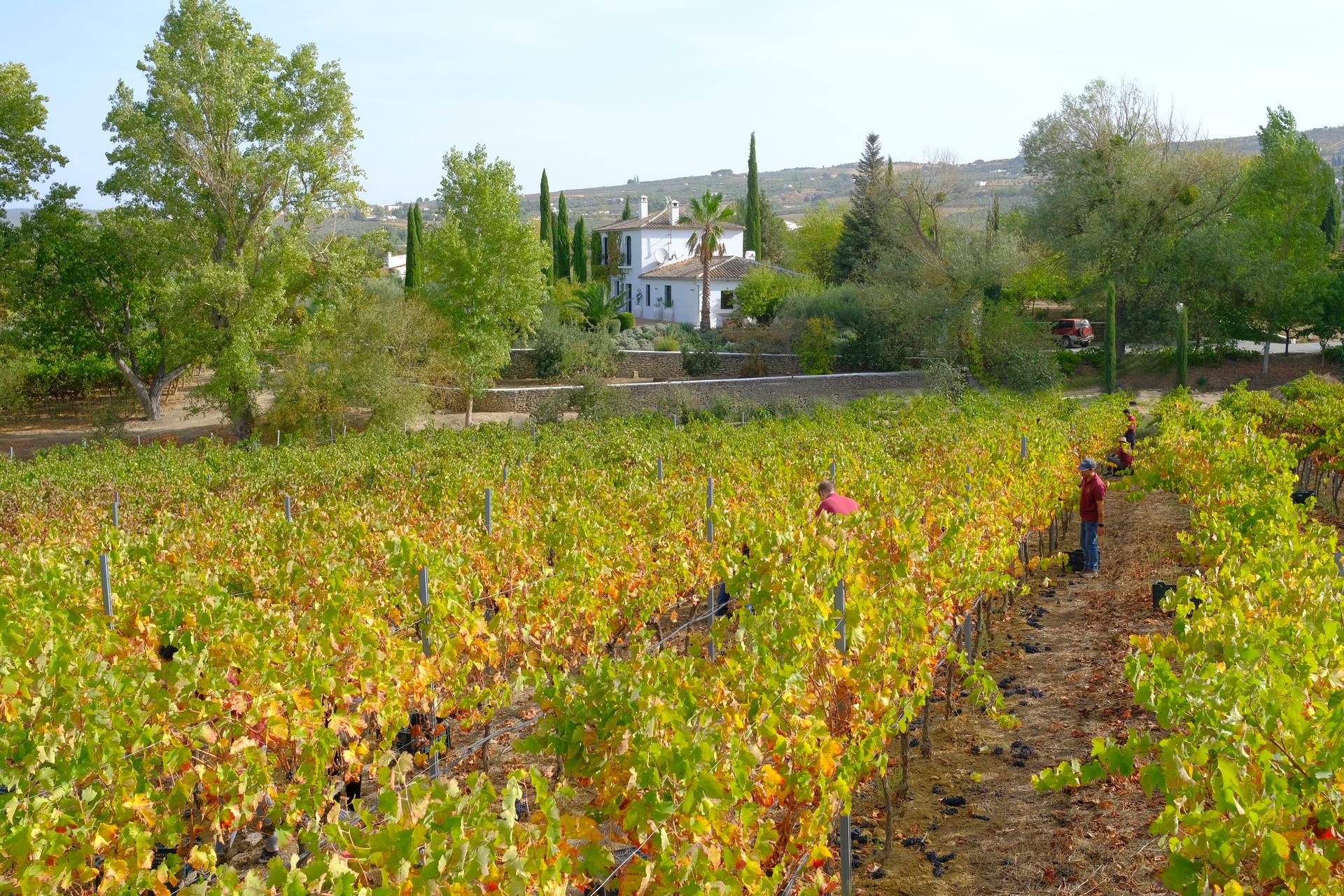
Viognier's heartland is the northern Rhône Valley, where it has been grown on the steep granite terraces of Condrieu and Château-Grillet for centuries. The grape nearly disappeared in the mid-twentieth century — by the 1960s only a handful of hectares remained planted — before a wave of growers in France and beyond recognised what it could do. Today it is grown across the Rhône Valley and Languedoc-Roussillon in France, but also further afield in the Rhône-style blends of Spain and in pockets of southern Italy. The grape is sensitive to site: it needs warmth to ripen fully but loses its defining perfume in excessive heat, which is why elevation and aspect matter as much as latitude. In cool years it can struggle to shed its green edge; in very warm ones the floral character collapses into flatness. That narrow window is what makes the wines from growers who understand their terroir worth seeking out.
How Viognier tastes, and what to drink it with
Viognier is one of the most recognisable white grapes by aroma alone. The signature is a combination of stone fruit — peach, apricot, sometimes white nectarine — and intense florals, particularly violet and orange blossom, with a texture that tends toward richness and low natural acidity. That low acidity is a defining structural fact: Viognier does not have the nerve of Riesling or the freshness of Sauvignon Blanc, and winemakers who harvest too late can end up with wines that feel heavy. The best examples balance the weight with careful timing and, in some cases, fermentation or élevage in large neutral oak or clay, which preserves the aroma without adding vanilla. Because of its weight and fragrance, Viognier matches well with dishes that need a wine with body: roasted chicken, pork with stone-fruit sauces, mildly spiced dishes, and lobster or crab where the fat in the dish holds the wine's richness in check. It also appears as a co-fermentation partner in some Syrah-based reds from the Rhône, where a small percentage of Viognier is pressed together with the red grapes to fix colour and add aromatic lift — a traditional northern Rhône technique.
Buying Viognier direct from independent producers
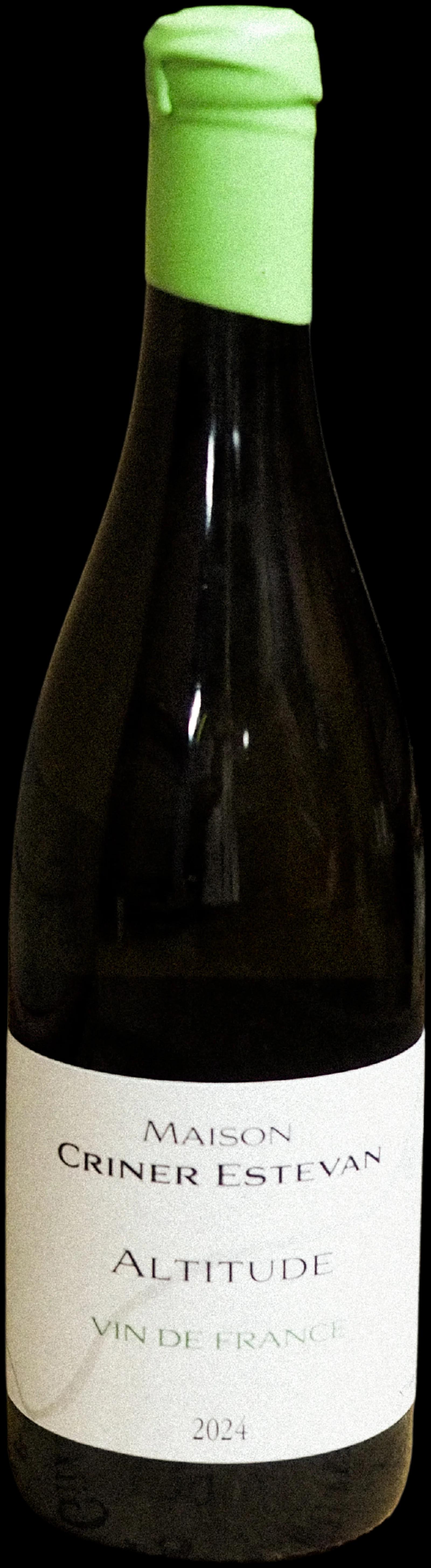
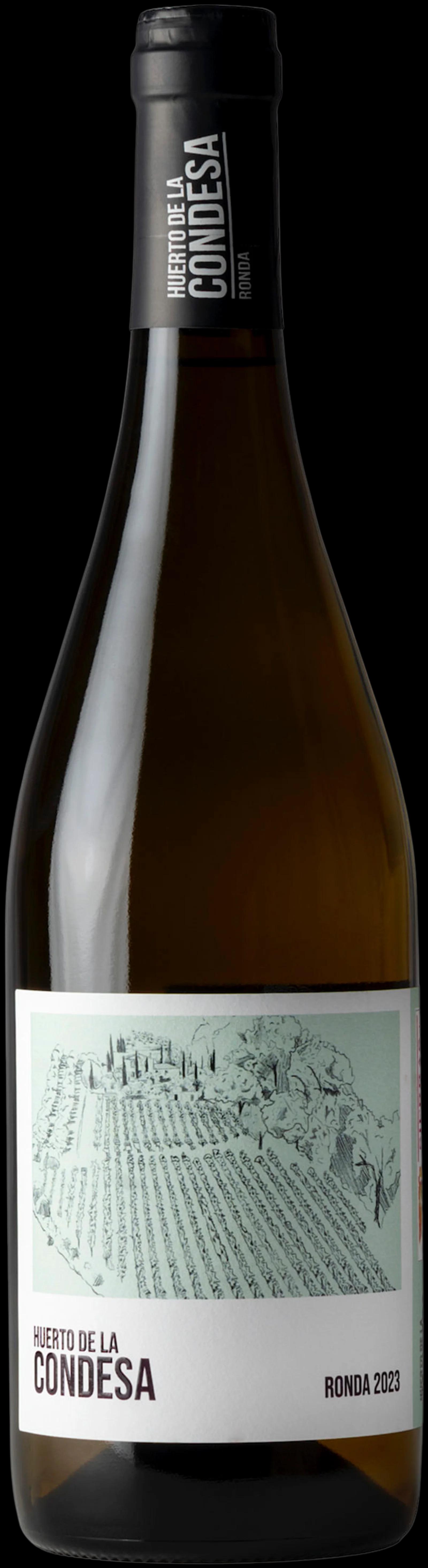
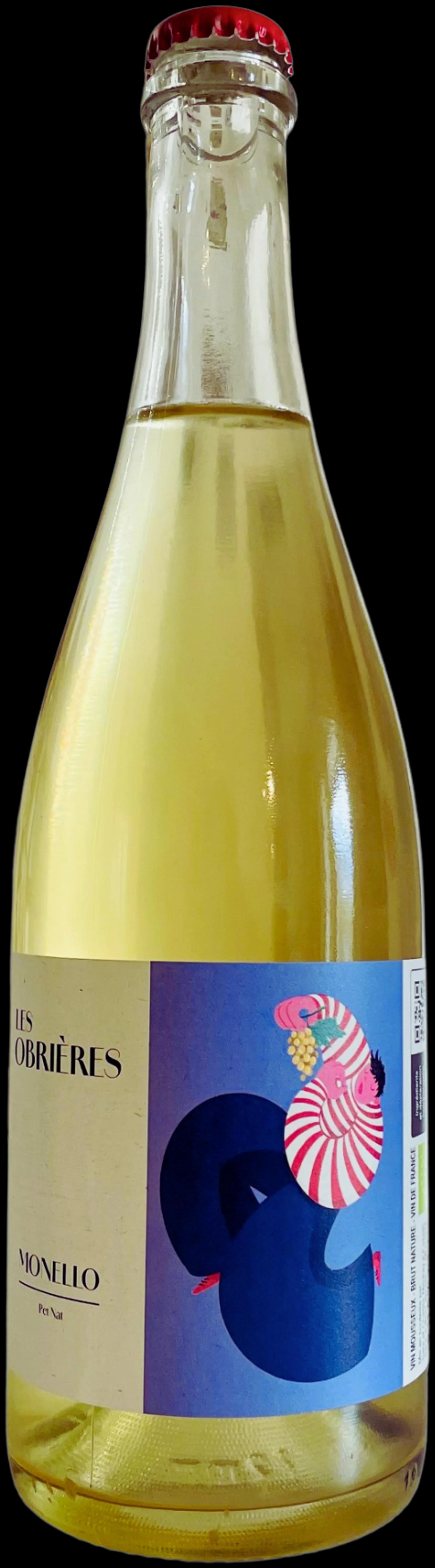
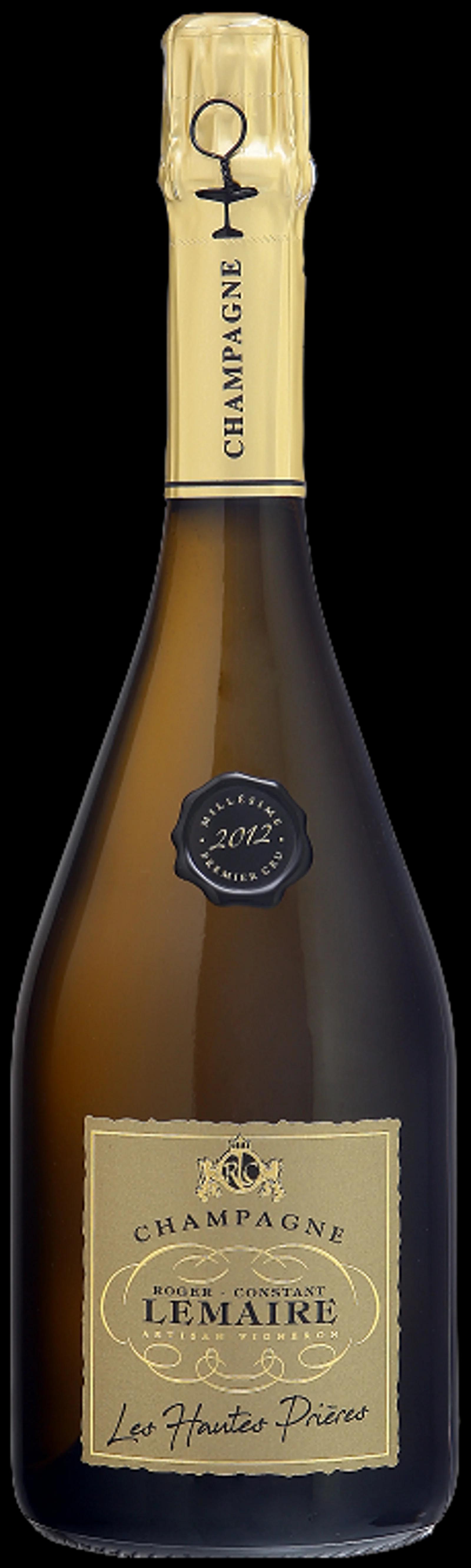
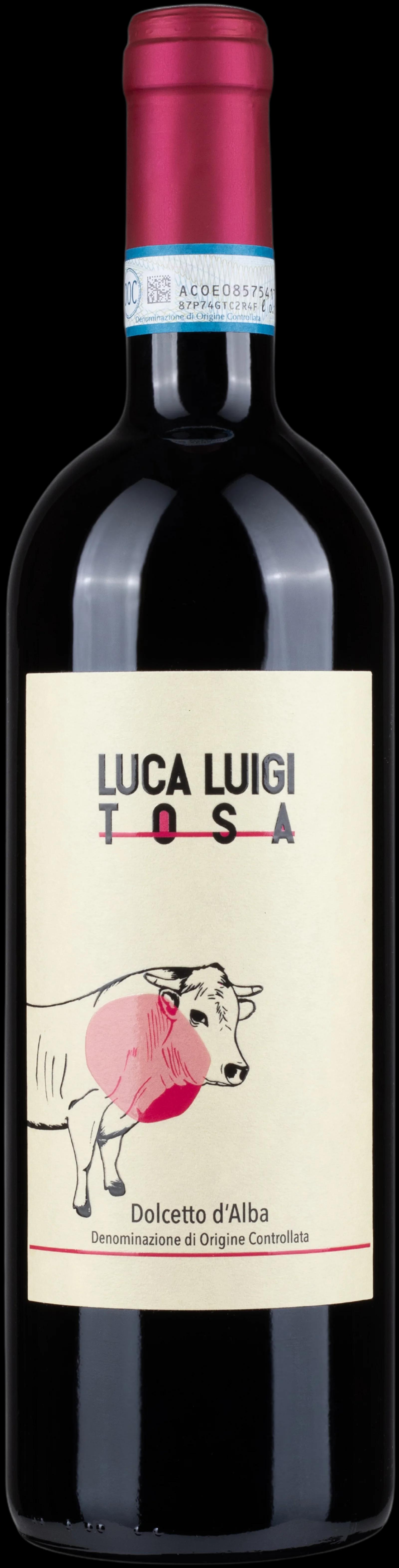
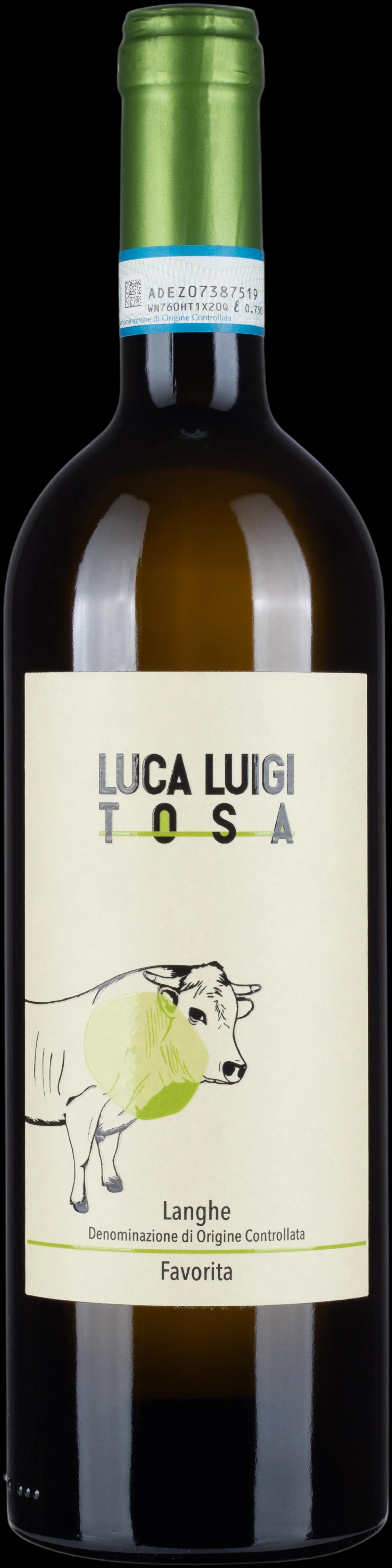
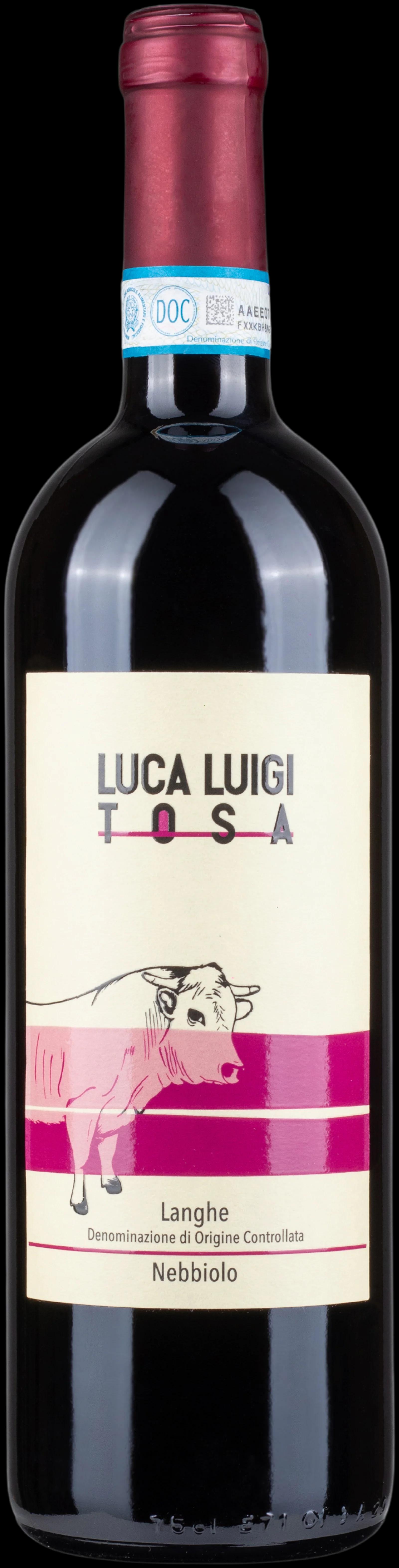
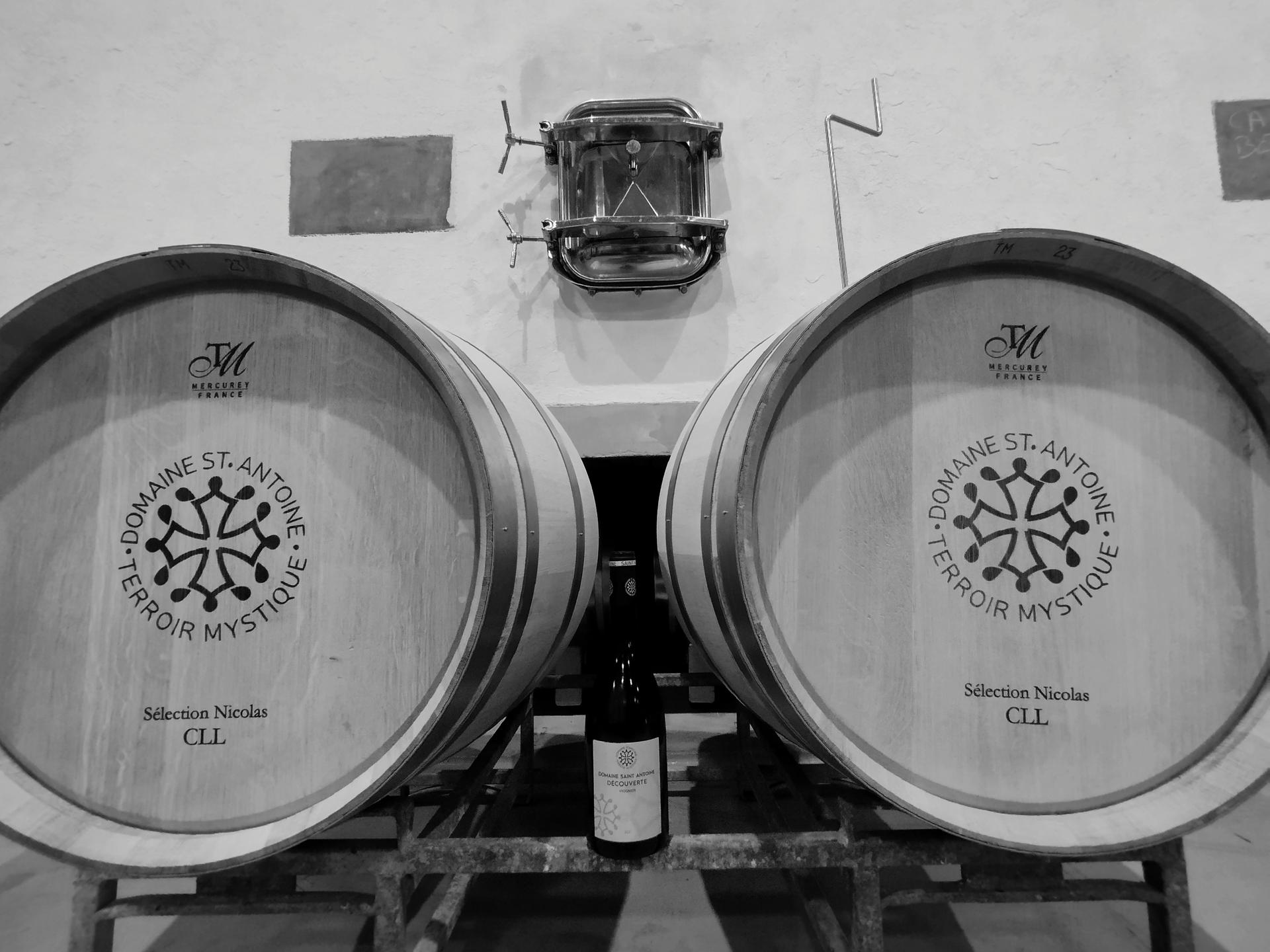
Most Viognier available through mainstream retail comes from large négociant bottlings or multinational brands, where the grape's individual character is smoothed into a recognisable but generic profile. The wines on this page come from independent growers who make their own decisions about when to pick, how to ferment, and how long to keep the wine before release — which is where the differences between a Languedoc Viognier, a Rhône Valley Viognier, and one from southern Spain become legible. On Free Grape Society, producers ship directly from their own cellar, with no importer or warehouse in between, which means the wine reaches you in the same condition it left the estate. Free Grape Society is a society of producers, independent experts and wine lovers, not a shop — and if you would like a recommendation before choosing, independent wine experts are available to advise.