Where Pecorino comes from and what makes it distinctive
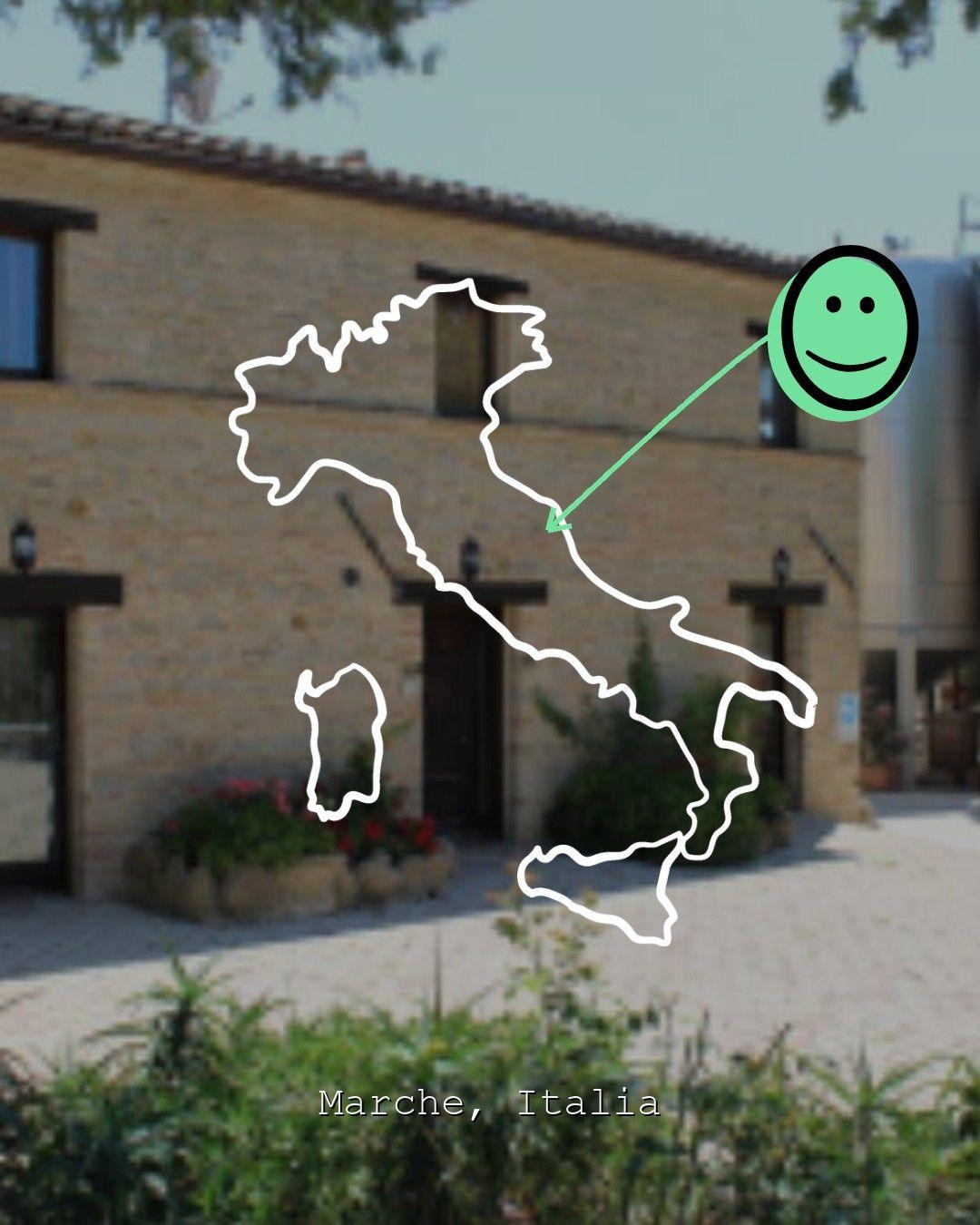
Pecorino is a white grape native to central Italy, grown primarily across Abruzzo, Marche, and Umbria. Despite sharing its name with the sheep's cheese, the connection is etymological rather than culinary — the grape likely earned the name because sheep (pecore) grazed the hillside vineyards where it once grew wild. For much of the twentieth century it was nearly forgotten, planted only in scattered plots and used mostly to add body to blends. A revival beginning in the 1980s and gathering pace through the 1990s brought it back into focus, and it is now one of central Italy's most distinctive white grapes. The variety ripens early, which in the warm, dry conditions of the Apennine foothills produces wines with naturally high alcohol and strong aromatic character. The soils across its heartland vary from clay to limestone, and that variation shows clearly in the wines — some are broad and textural, others lean and mineral.
How Pecorino tastes and what to drink it with
Pecorino wines are typically full-bodied for a white, with a firm backbone of acidity that keeps them fresh despite their weight. Aromas lean toward stone fruit — peach and apricot — alongside citrus peel, wild herbs, and sometimes an almond note on the finish. The combination of body and acidity makes Pecorino more food-friendly than many other full whites: it holds up well against rich fish dishes, pasta with cream or seafood, grilled vegetables, and mild cheeses. Because the grape is naturally aromatic, most producers vinify it in stainless steel to preserve that freshness, though some use brief oak contact to add texture. Compared to better-known Italian whites such as Verdicchio or Vermentino, Pecorino tends to be broader and richer, with more weight on the palate. It shares some character with Trebbiano from the same region but is generally more expressive and structured.
Buying Pecorino direct from independent producers
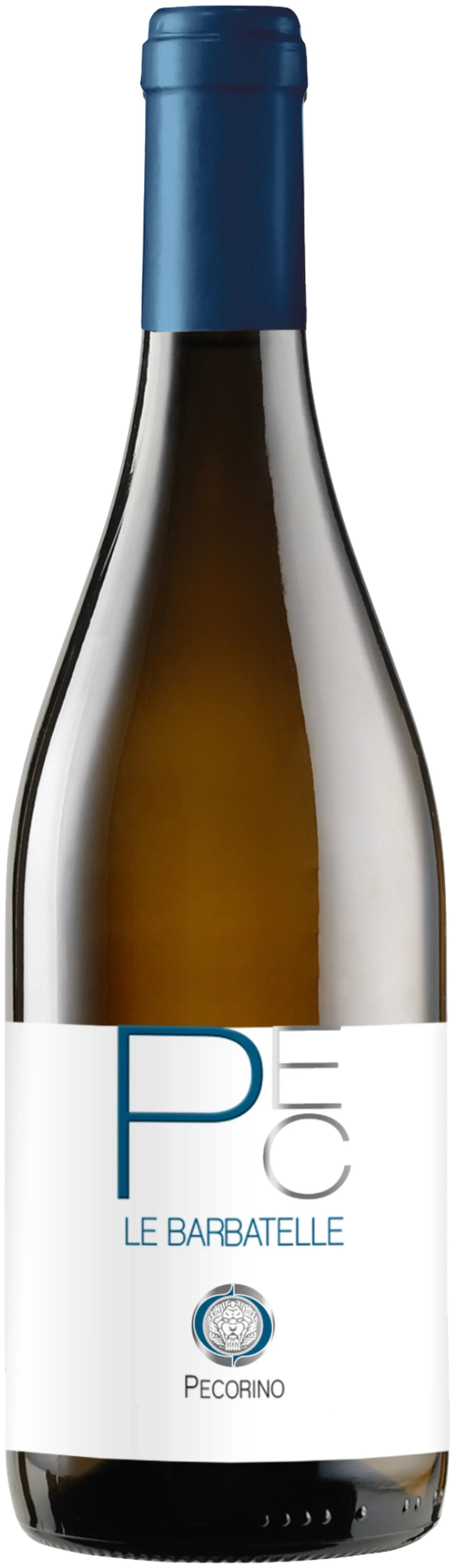
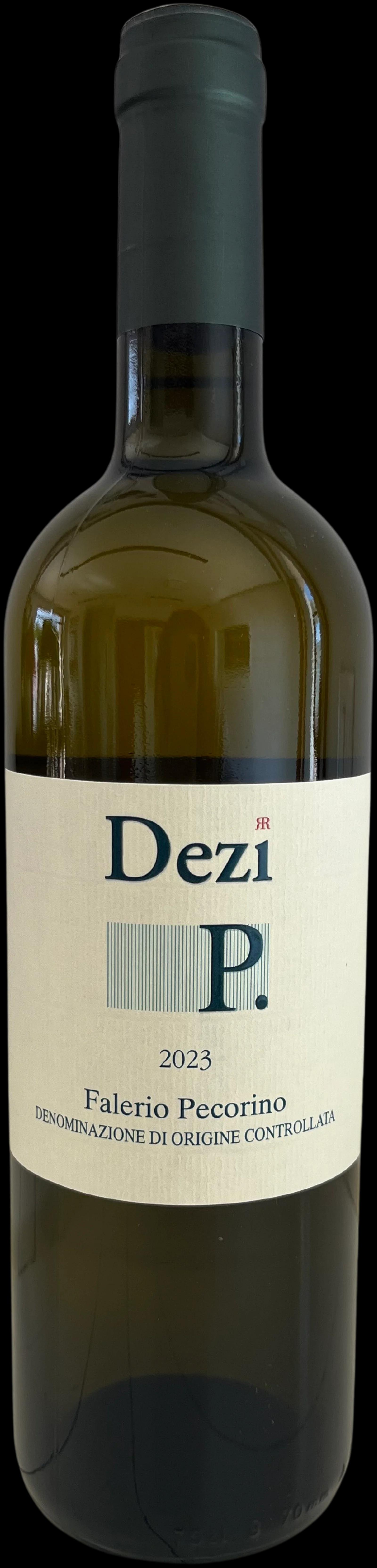
Most Pecorino on the market passes through importers and distributors before it reaches a shop shelf, which means the producer sets a price and the wine gains markup at each step. On Free Grape Society, producers ship Pecorino directly from their own cellars, with no importer or warehouse in between — so what you pay reflects the producer's own valuation of the wine, not a chain of margins. The independent growers working with this grape are mostly small estates in Marche, Abruzzo, and Umbria, producing limited volumes that rarely reach large retail. Wines are tasted before listing, and several are covered by independent expert reviews visible on each wine page. Free Grape Society is a society of producers, independent experts and wine lovers, not a shop — if you are unsure which Pecorino suits what you are cooking, the wine-advice service is there to help before you order. You can also explore other central Italian whites such as Grechetto or compare Pecorino against the broader range of Italian wines to find what works for your table.