Samling 88: the grape behind Austria's most distinctive whites

Samling 88 wine is rare outside Austria, where it was bred in the mid-twentieth century as a crossing of Riesling and Traminer. The producers below grow it close to its origins, in the cool river valleys and hillside sites where it expresses itself most clearly.

A cool-climate variety shaped by Niederösterreich, producing wines that range from crisp and mineral to richly textured.

Color

Dropdown arrow

Type

Dropdown arrow

Country

Dropdown arrow

Region

Dropdown arrow

Grape

Dropdown arrow

Pairing

Dropdown arrow

Sort by

Sort arrow
Sämling 88

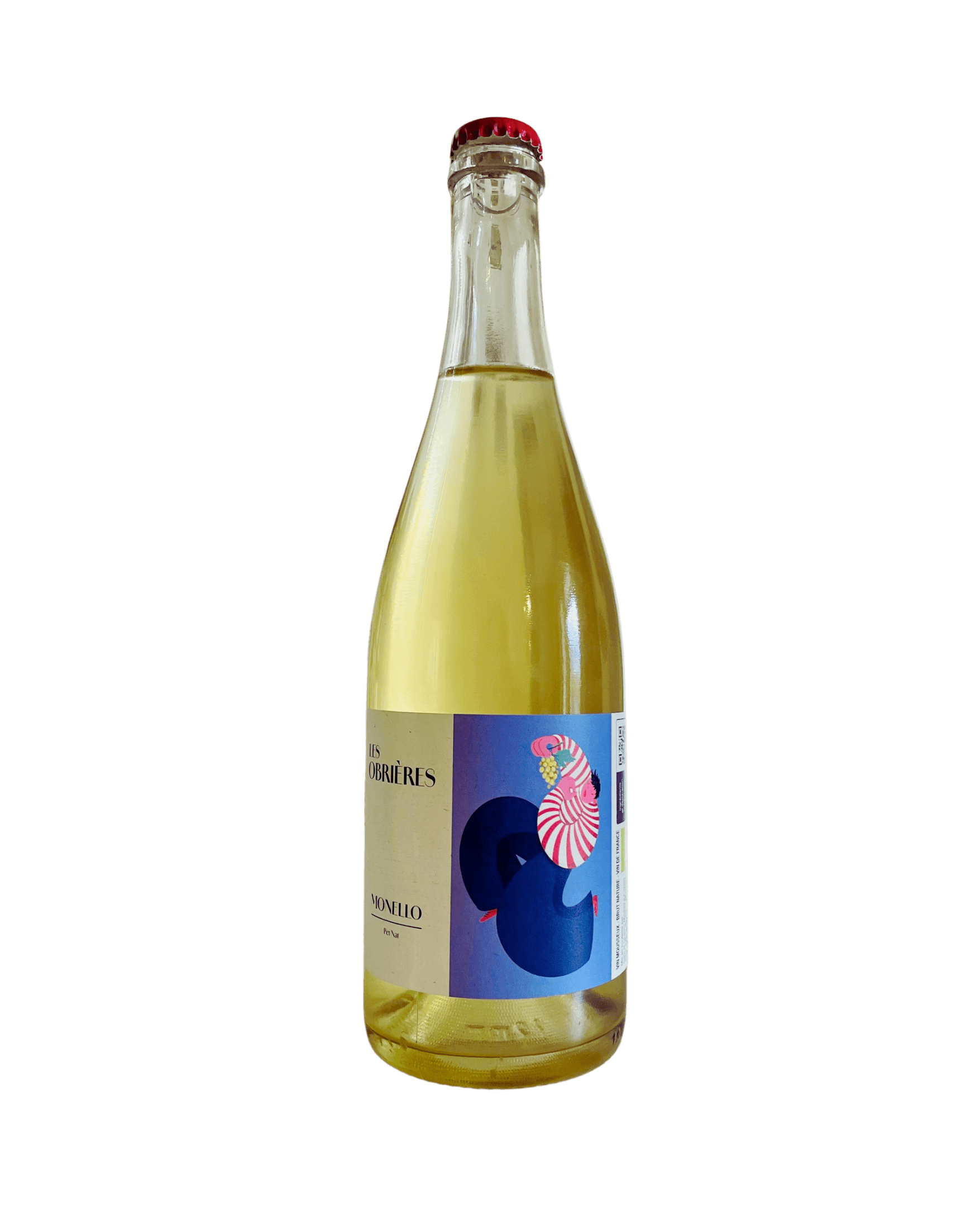
Samling 88 wines

Samling 88 was bred at the Klosterneuburg viticultural institute in Austria in the 1920s, a crossing of Riesling and Savagnin that went on to find its main home in the Steiermark and parts of Niederösterreich. Because it ripens relatively early and holds good natural acidity, it suits cool hillside sites well. The wines vary considerably depending on site and winemaking: some are lean and citrus-driven, others show the aromatic lift of their Traminer parentage. Each bottle below is shipped directly from the producer's own cellar, with no importer or warehouse in between.

2 of 2 wines

Previous1 of 1Next

Samling 88 wine cases

A wine case built around Samling 88 is a producer's own selection of six bottles — put together as the recommendation they would make if you came to the cellar. With a variety this closely tied to individual sites and winemaking choices, tasting across a producer's own range often reveals more than tasting the same grape from several different estates. Free Grape Society is a society of producers, independent experts and wine lovers, not a shop.

View all mixboxes

Wineries

The growers below work with Samling 88 in the regions where the grape has historically been planted — primarily in Austria, where it has the longest track record and where producers have developed the clearest sense of what it can do on specific sites. Reading a producer's own notes alongside their wines gives a good sense of how they think about the variety, and the wine-advice service is there if you would rather talk through the options before ordering.

View all wineries

Wine experts

Samling 88 is not widely reviewed outside specialist Austrian wine circles, which makes an independent view more useful than usual. Independent wine experts on Free Grape Society review wines they have personally tasted, and their notes appear on each wine page and on the expert's own profile. Several of the experts below have reviewed Samling 88 wines featured on this page, so you can read what they found before deciding.

View all wine experts

Frequently asked questions

How do I order Samling 88 wine on Free Grape Society?

Browse the wines above, add bottles to your cart, and check out. Each order ships directly from the producer's own cellar. Delivery takes between four and fourteen days, with an average of around eight to nine days. Shipping is free, and you can pay by card or Klarna.

What happens if a bottle arrives broken or doesn't taste right?

Send a photo to Free Grape Society customer support within 7 days of delivery. We will arrange a replacement or a refund. Because producers ship directly, quality issues are handled with the producer's direct involvement. Shared responsibility is built into how FGS works.

Can I order Samling 88 from more than one producer in the same order?

Yes. If you add wines from several producers, each producer ships their part of the order separately from their own cellar. You will receive separate deliveries, each arriving within the four-to-fourteen day window. There is no additional charge for ordering across producers.

How long does delivery take?

Average delivery is 8 to 9 days from order to door. The full range is 4 to 14 days depending on the producer's location and your delivery address. Wines ship directly from the producer's cellar, not from a central warehouse.

How do I choose between different Samling 88 wines?

The variety expresses itself differently depending on site and winemaking approach. Wines from cooler, hillside sites in Steiermark tend to be leaner and more mineral; those from warmer, flatter ground often show more of the Traminer influence — floral and slightly spiced. Reading the producer's own notes and any expert reviews on the wine page will help you find the style you are looking for.

How many producers on Free Grape Society work with Samling 88?

The number changes as new producers join the platform. All producers listed on this page grow Samling 88 and ship directly to buyers. Because the grape is primarily an Austrian variety, the producers here are concentrated in Austria's main white-wine regions. The producer pages give full detail on each estate and how they work.

Which Samling 88 wine expert can recommend something for me?

The independent wine experts on this page have experience with Austrian white wines, including Samling 88. You can read their reviews on the individual wine pages, or submit a question through the wine-advice form and an expert will respond with a personal recommendation based on what you are looking for.

Why don't you sell supermarket-brand Samling 88 wines?

Free Grape Society lists wines from independent producers who grow, make and bottle their own wine. Supermarket-range wines are typically produced at scale by large négociants or cooperatives rather than by the growers themselves. The producers here bottle under their own name from their own vineyards, which is a different thing entirely.

Can I find Samling 88 in a wine shop or supermarket?

Samling 88 is a minority variety even in Austria and is rarely stocked outside specialist Austrian wine importers in other countries. Most retail wine ranges focus on international varieties with broader name recognition. Buying directly from producers on Free Grape Society is one of the more reliable ways to find it outside Austria.

Where Samling 88 comes from and what it is

Samling 88 is a white grape variety bred in Austria, a cross developed at the Klosterneuburg viticultural college in the mid-twentieth century. It is grown primarily in the Austrian wine regions of Niederösterreich and Steiermark, where cool continental and alpine climates give the variety the slow ripening it needs to develop both aromatic lift and firm acidity. The name refers to its selection number from the breeding programme, and it occasionally appears under the synonym Frühroter Veltliner, though that name belongs to a separate variety and the two should not be confused. Samling 88 sits in a tradition of Austrian varietal experimentation that also produced grapes such as Neuburger and Roter Veltliner, varieties that rarely appear outside Austria but carry a distinct regional character precisely because of that rootedness.

How Samling 88 tastes and what to drink it with

Wines made from Samling 88 tend toward the aromatic and delicate end of the white wine spectrum. The grape produces wines with stone fruit notes, a gentle floral quality, and moderate to lively acidity, making them well suited to food. Because the variety ripens relatively early, harvest decisions matter: grapes picked earlier lean fresh and crisp, while those left longer on the vine develop more weight and a slightly honeyed texture. At the table, Samling 88 works naturally with lighter dishes: freshwater fish, poultry with herb sauces, young soft cheeses, and the kind of Austrian regional cooking, dumplings, mild vegetable dishes, cured meats, where the wine's acidity provides contrast without dominating. It also holds its own as an aperitif. For wines of a similar aromatic register from the same part of Europe, the Grüner Veltliner and Welschriesling pages show what independent Austrian growers are doing with the country's white wine traditions.

Buying Samling 88 directly from independent producers

Samling 88 is a variety you are unlikely to find in a supermarket or a large wine retailer, partly because it is grown in limited quantities and partly because the producers who work with it tend to be small estates bottling under their own name. That is exactly the kind of wine Free Grape Society is built around. Producers ship directly from their own cellars, with no importer or warehouse in between, which means the wine arrives as the grower intended and at a price that reflects what it actually costs to make rather than what distribution layers add. If you are new to Austrian white wines, the Austria wines page gives a broader picture of the country's regions and varieties, and the Niederösterreich wineries and Steiermark wineries pages let you explore the estates behind the bottles. Free Grape Society is a society of producers, independent experts and wine lovers, not a shop, and wines tasted before listing means the range reflects genuine quality rather than commercial availability.