Where Moscatel comes from and how place shapes it
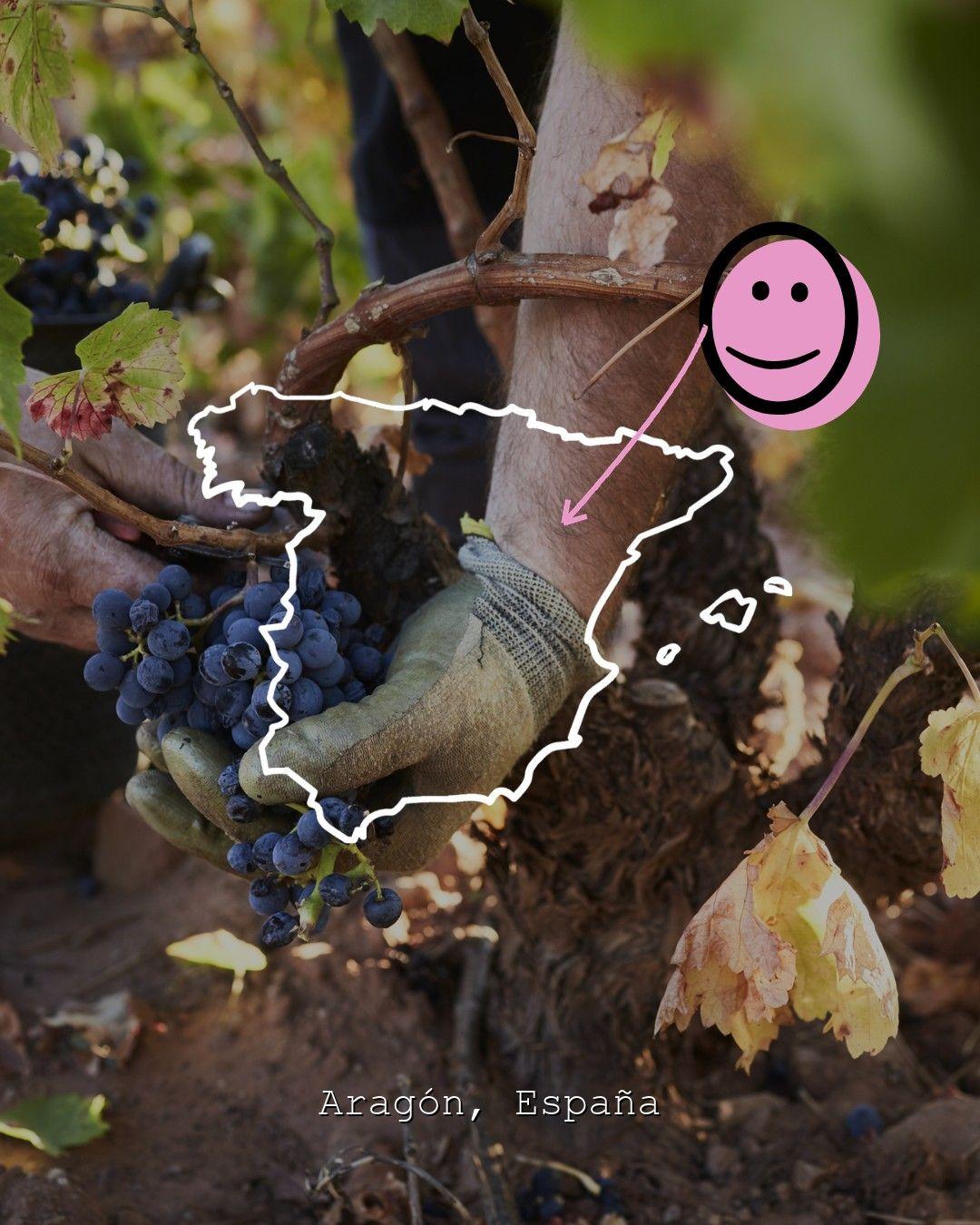
Moscatel is one of the oldest cultivated grape families in the world, with roots in the eastern Mediterranean that spread westward through centuries of trade. Today it is grown most prominently in Portugal and Spain, where it takes on distinct characters depending on where it sits. In Portugal's Alentejo, Moscatel produces rich, often fortified wines with a honeyed weight that reflects the region's warm, dry summers. Along the Spanish coast, particularly in Andalusia and Valencia, the grape yields everything from lightly sweet table wines to intensely concentrated dessert styles. The name itself is used loosely across the Iberian Peninsula — Moscatel de Setúbal, Moscatel de Alejandría and Moscatel de Grano Menudo are distinct varieties grouped under the same common name, each with its own aromatic profile and structural weight. In Galicia and parts of Castile and León, smaller plantings produce lighter, more fragrant expressions. The variety's instinct for aromatic intensity stays consistent wherever it grows; what changes is the sugar level, the body, and the decision to fortify or not.
How Moscatel tastes, and what to drink it with
Moscatel is unmistakably aromatic. The grape carries a persistent floral character — orange blossom, jasmine, and dried apricot appear across almost every style — alongside a natural sweetness that ranges from gentle and off-dry to dense and syrupy in the fully fortified versions. Still, dry Moscatel wines exist too, particularly from cooler sites in Moravia and parts of Alsace, where the variety's perfume is preserved without the sweetness. At the table, a lightly sweet Moscatel pairs well with soft cheeses, almond-based pastries, and fruit-forward desserts. The drier styles work alongside spiced dishes and fresh seafood, where their aromatic lift cuts through richness without overpowering. Fortified Moscatel — the kind made in the Portuguese tradition — is traditionally served slightly chilled with aged cheeses or on its own after a meal. The common thread across styles is that Moscatel rewards patience on the nose before the first sip: the perfume often tells you more than the first taste does.
Buying Moscatel direct from independent producers
Most Moscatel available in retail and supermarket channels comes from large co-operatives or blended commercial bottlings, where the grape's aromatic complexity is standardised rather than expressed in full. The producers on Free Grape Society work differently — they bottle their own fruit, often from old vines in Portugal and Spain, where Moscatel has been cultivated for generations. On Free Grape Society, producers ship directly from their own cellars, with no importer or warehouse in between, which means the wines arrive as the grower intended them. You can browse Moscatel wines from Andalusia, Valencia, and Alentejo, or explore producers across Portugal and Spain who work with the variety. Free Grape Society is a society of producers, independent experts and wine lovers, not a shop — and wines are tasted before listing, so what you find here has already passed through hands that know the grape.