What's in a Rhône Valley wine case
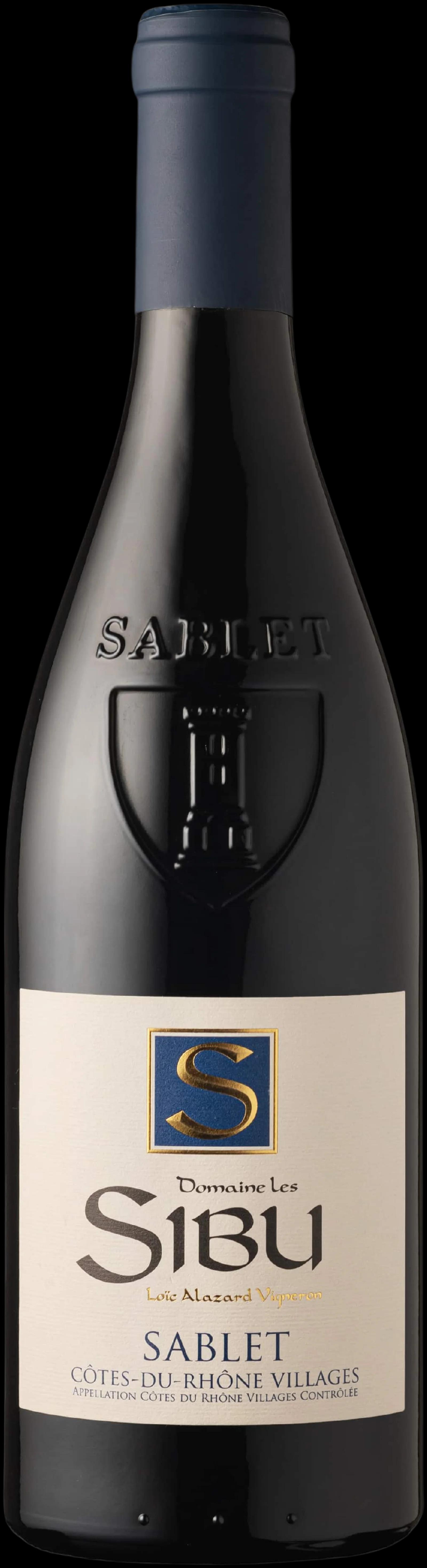
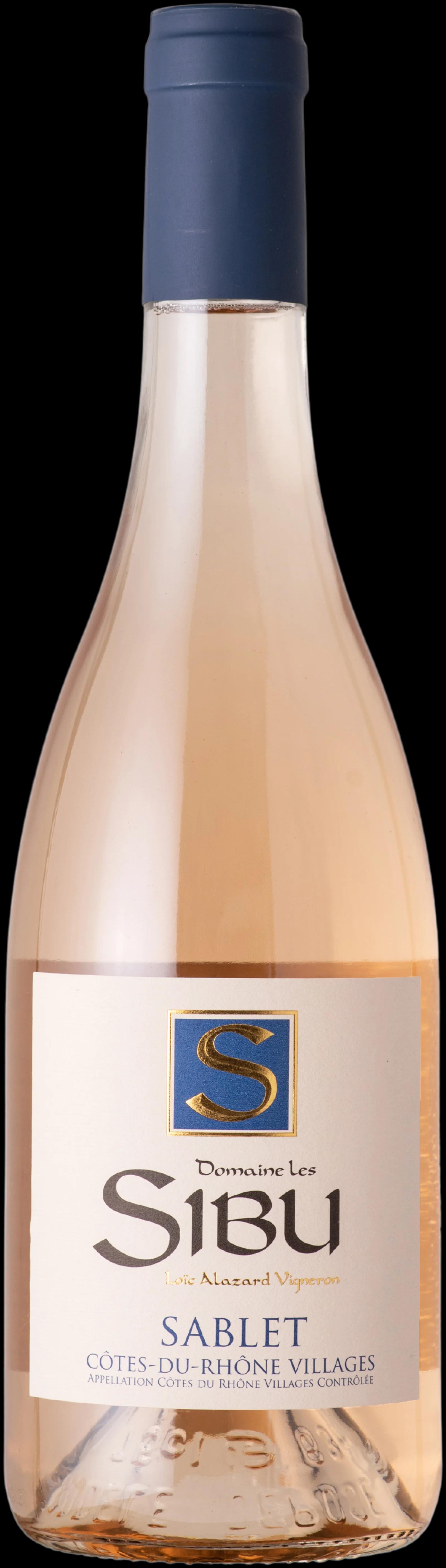
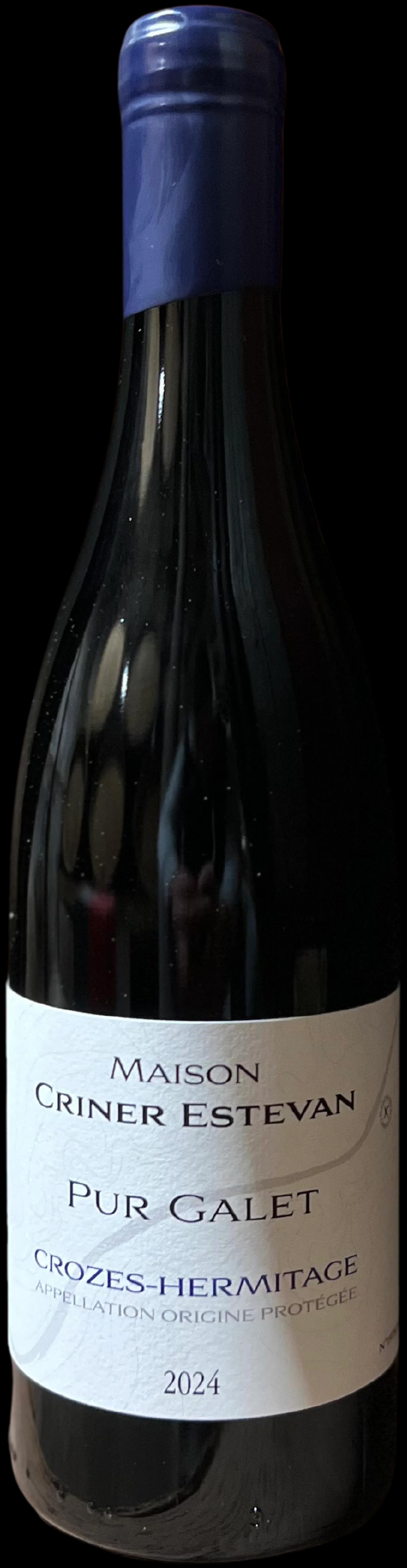
Every wine case on Free Grape Society comes from one producer: six bottles, not assembled from across different estates. For the Rhône Valley, that means a case reflects how one producer reads their own corner of a region that splits sharply between north and south. In the northern Rhône, Syrah dominates on steep granite terraces above the river, producing wines with density and a distinctive savoury character. In the south, the landscape opens into broader plains where Grenache Noir typically leads multi-variety blends, joined by Mourvèdre, Cinsault, and a long list of permitted grapes. A case from a Châteauneuf-du-Pape grower and a case from a Crozes-Hermitage estate are telling different stories about the same region, separated by roughly 150 kilometres of road and a shift from granite to clay and limestone. Reading a producer's six-bottle case shows how their range fits together — whether it leads with the appellation's best-known grape, ranges across styles, or introduces a wine that does not usually travel far from the cellar. Browse Rhône Valley wine cases or explore all French wine cases.
How Rhône Valley geography shapes six bottles from one estate
The Rhône Valley's internal geography gives each case a natural structure. Six bottles from a producer farming a single appellation might move through a range of styles — a white Viognier alongside several vintages of a red, or a lighter expression next to the cellar's most age-worthy wine. A case from a producer working across more than one appellation can work as a tour: a village-level wine sitting beside a cru bottling, so the difference between the two plots reads clearly side by side. Because the case always comes from one producer, it can show parts of their range where a buyer's attention might not first land. Grenache Noir is the dominant red variety in the south and can produce wines that drink well young or reward a few years in bottle depending on how the producer approaches élevage; a six-bottle case is a practical way to see that range without committing to a case of one wine. You can also explore the region's individual bottles under Rhône Valley wines, or look at producers directly on the Rhône Valley wineries page.
Getting to know the Rhône Valley through one grower
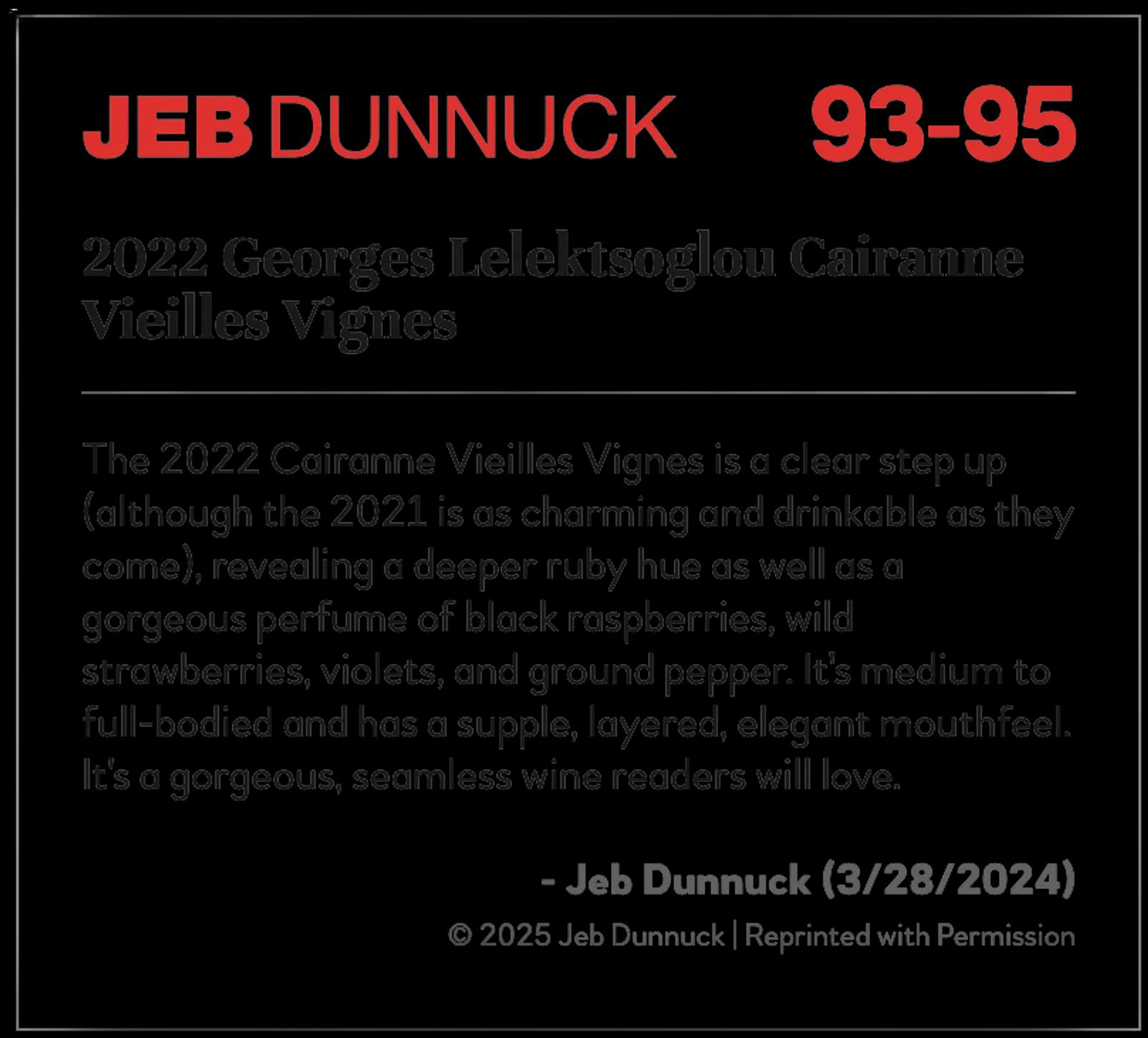
The Rhône Valley is long enough that producers in its northern and southern sections rarely know each other's vineyards well, and the grapes are almost entirely different between the two halves. Starting with one producer's case is a practical way to understand what the region actually means at ground level, rather than as a single category. In the northern Rhône, appellations such as Saint-Joseph and Crozes-Hermitage produce Syrah-based reds and small volumes of white wine from Marsanne and Roussanne on terraced slopes above the river. Further south, the appellation of Châteauneuf-du-Pape is built on a blend tradition where Grenache Noir provides the body and a range of supporting varieties contribute freshness, structure, or aromatic complexity depending on the producer's preference. Independent wine experts on Free Grape Society rate and review wines they have personally tasted, and those reviews appear on the wine page alongside the producer's own notes — so if an expert has reviewed bottles from a case you are considering, their track record is visible before you buy. You might also find a case from a producer whose wines appear in the Languedoc-Roussillon wine cases or the Loire Valley wine cases if you want to compare how France's other major regions approach the same format. Free Grape Society is a society of producers, independent experts and wine lovers — the cases here are direct from the growers who made them, shipped from the cellar with no warehouse in between.