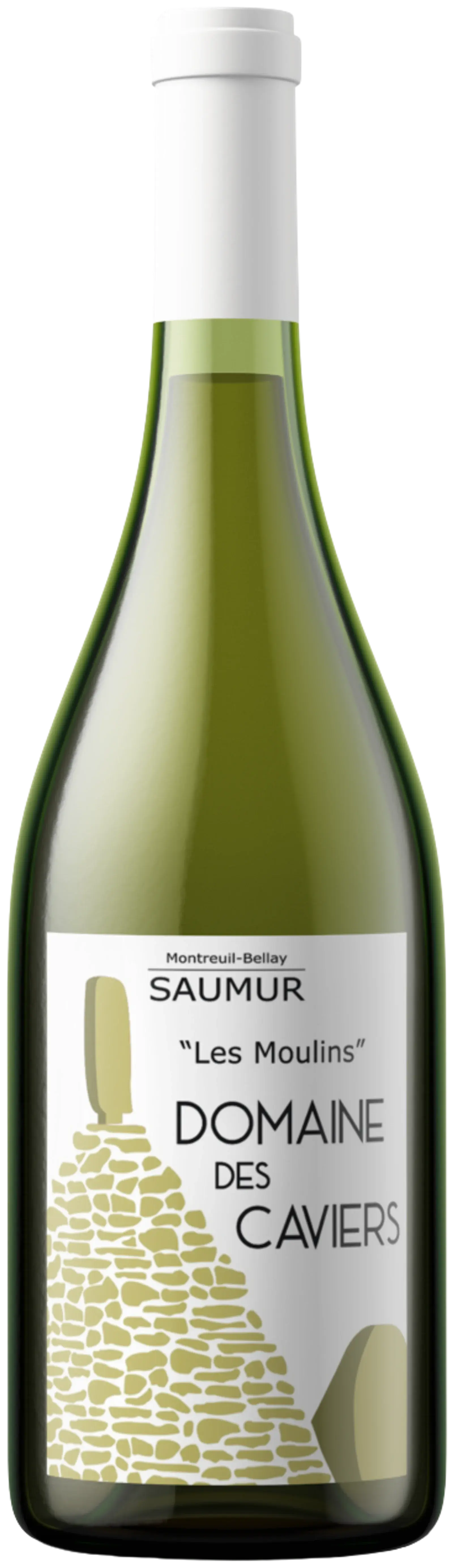
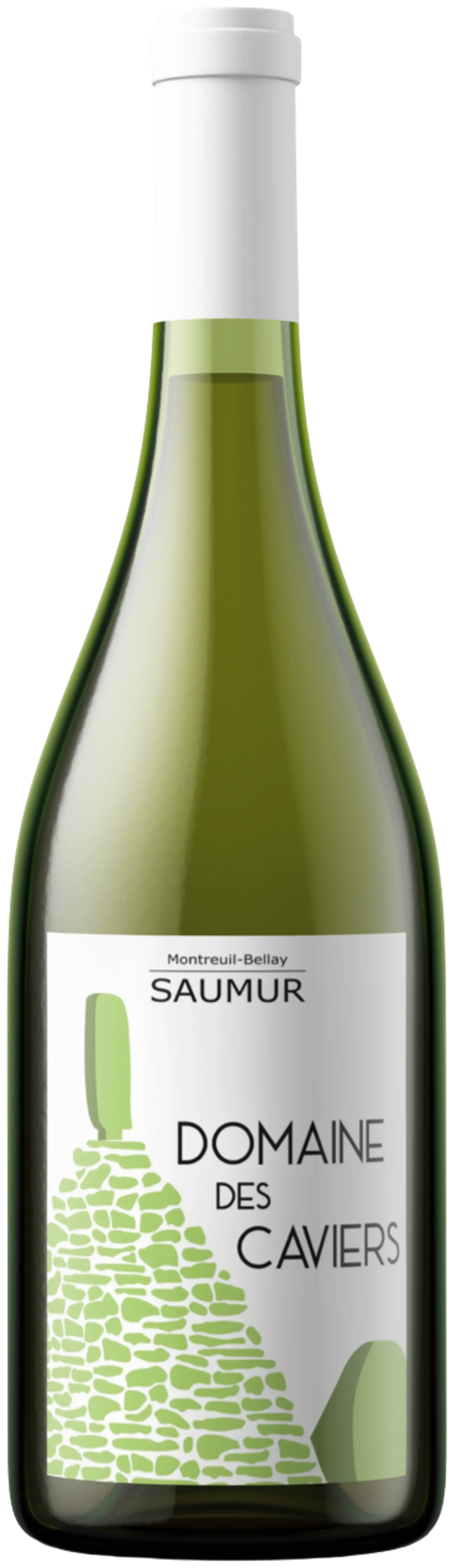
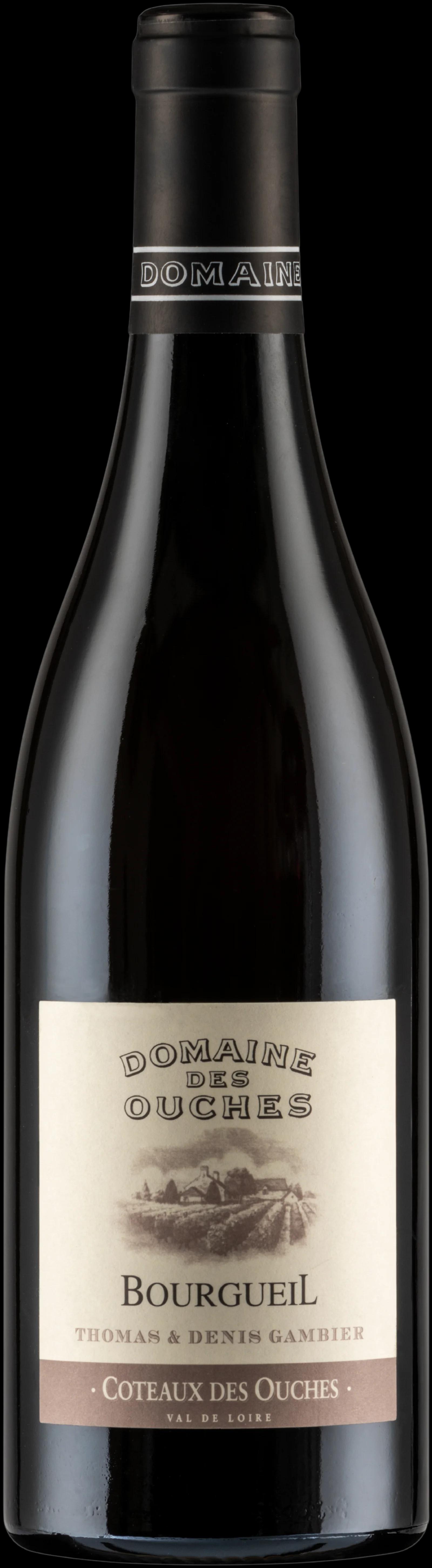
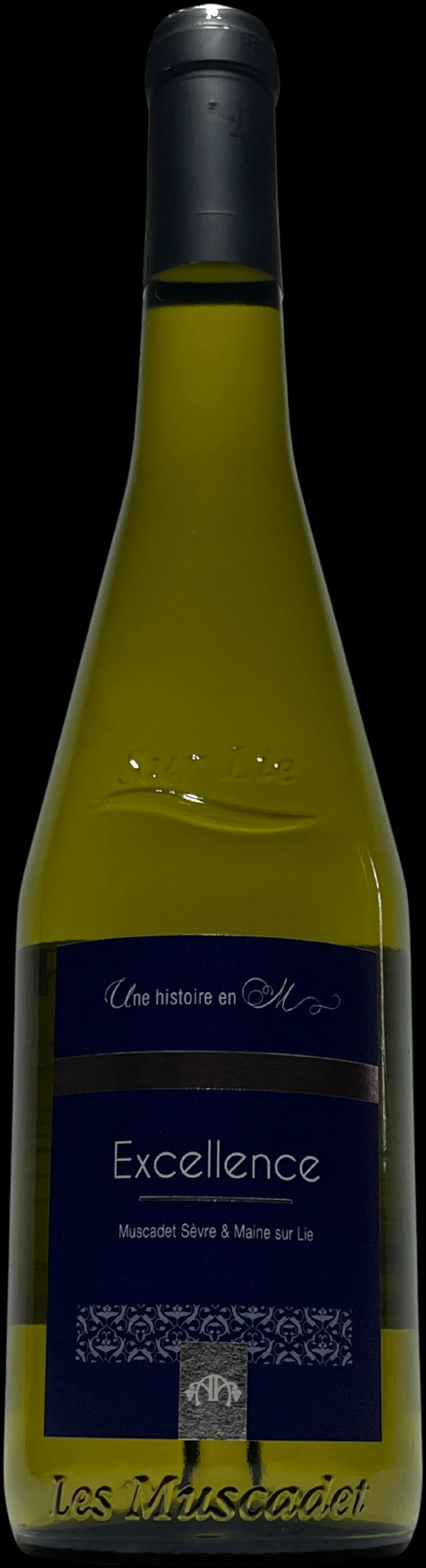
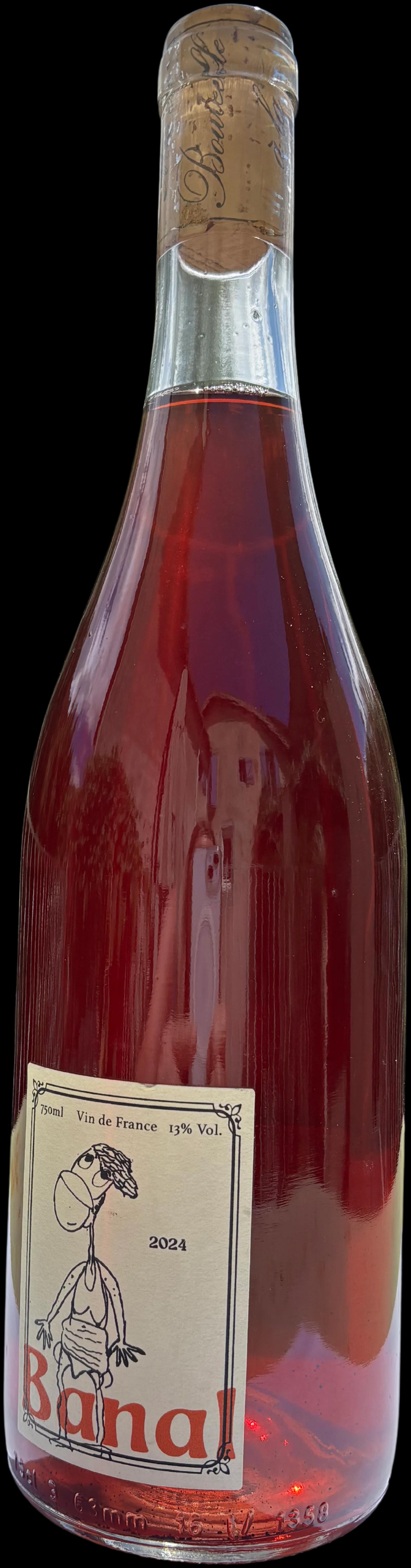
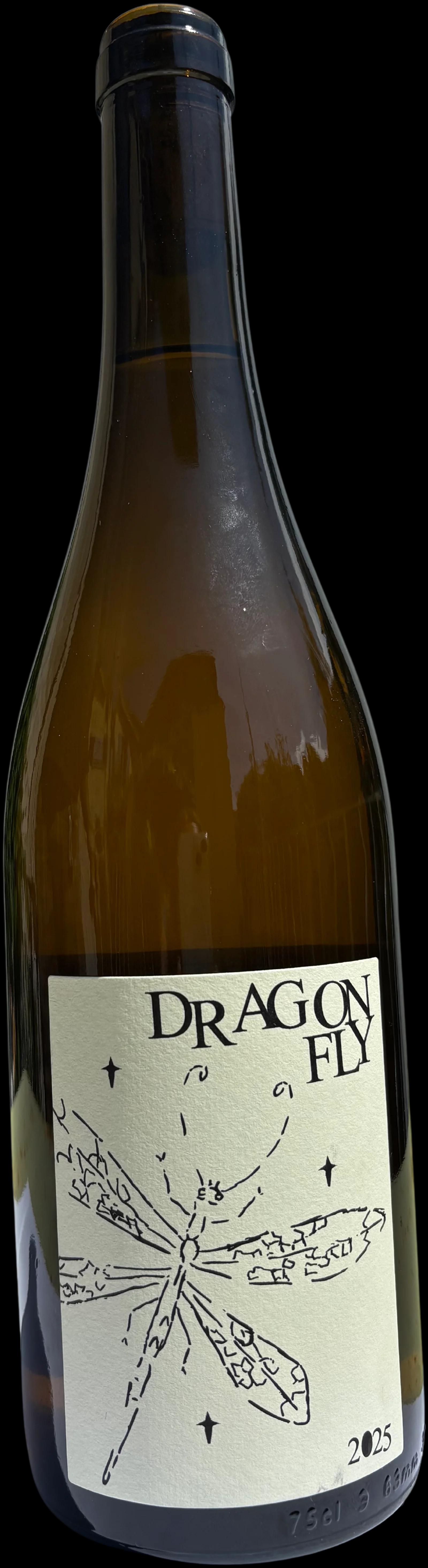
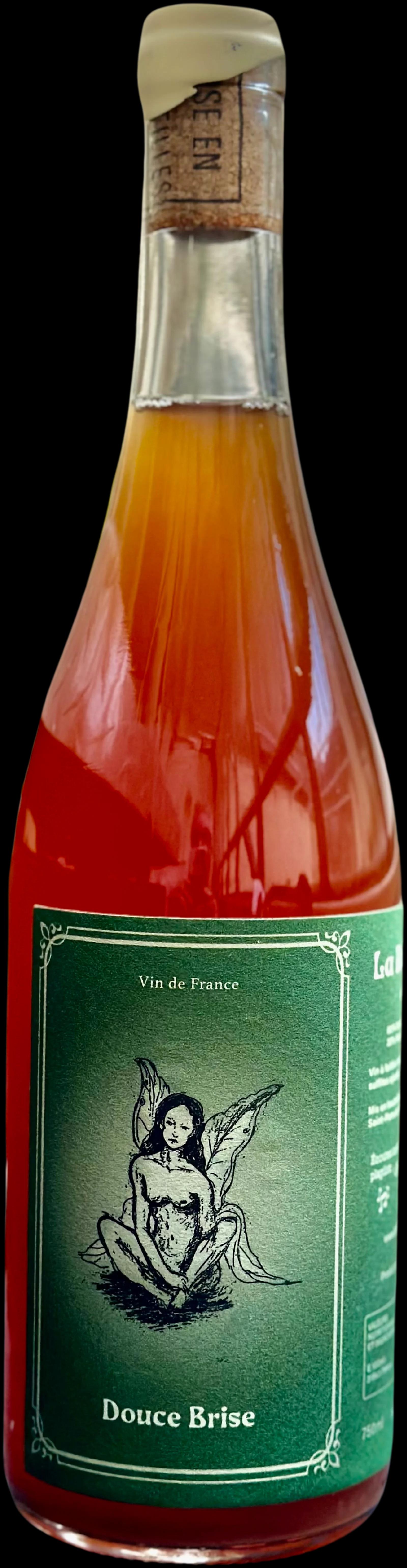
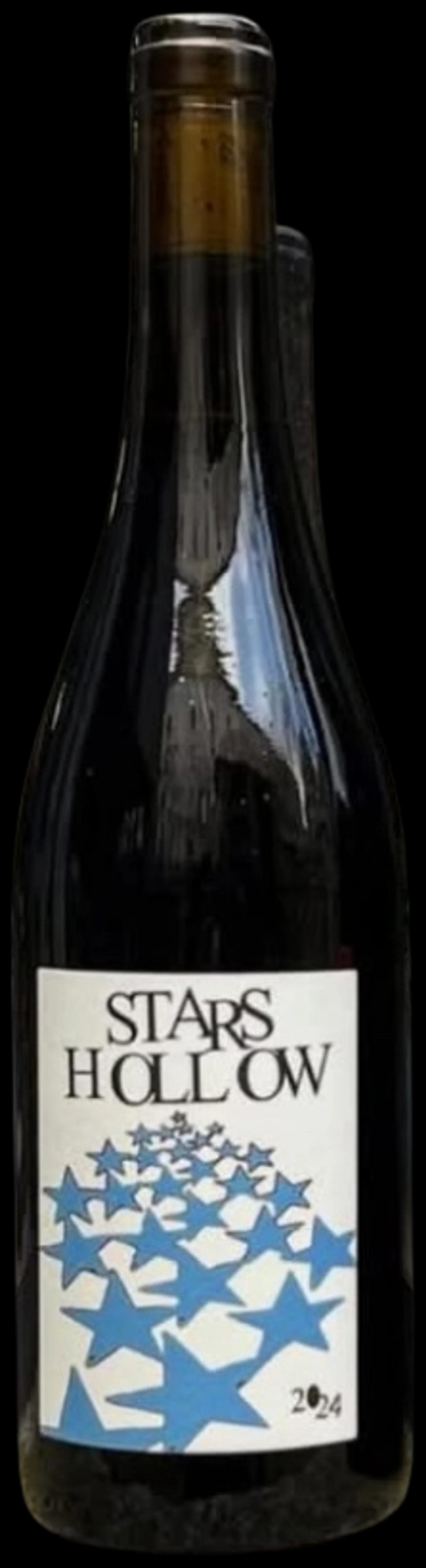
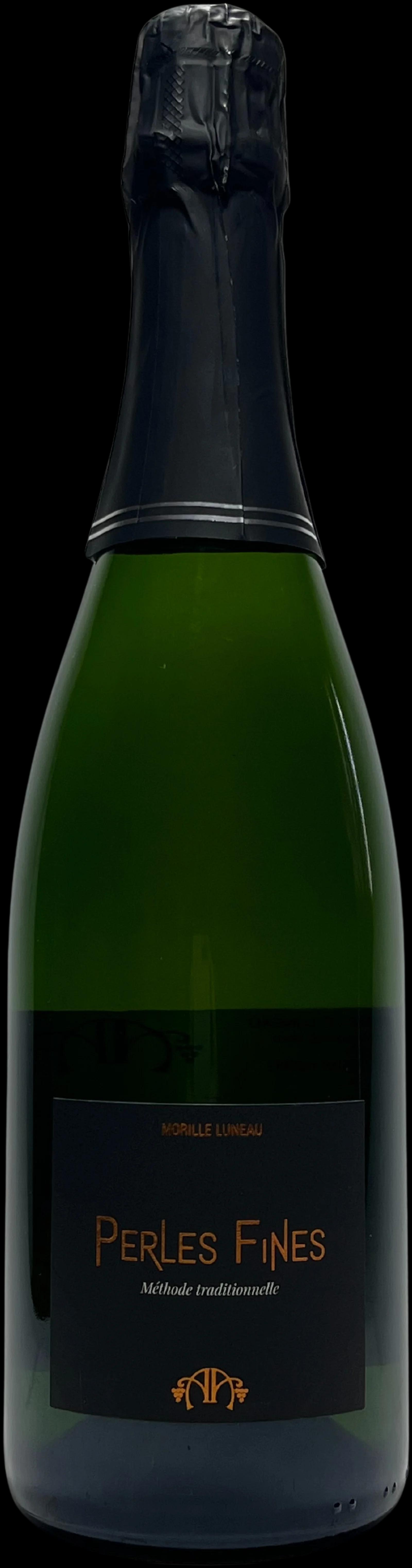
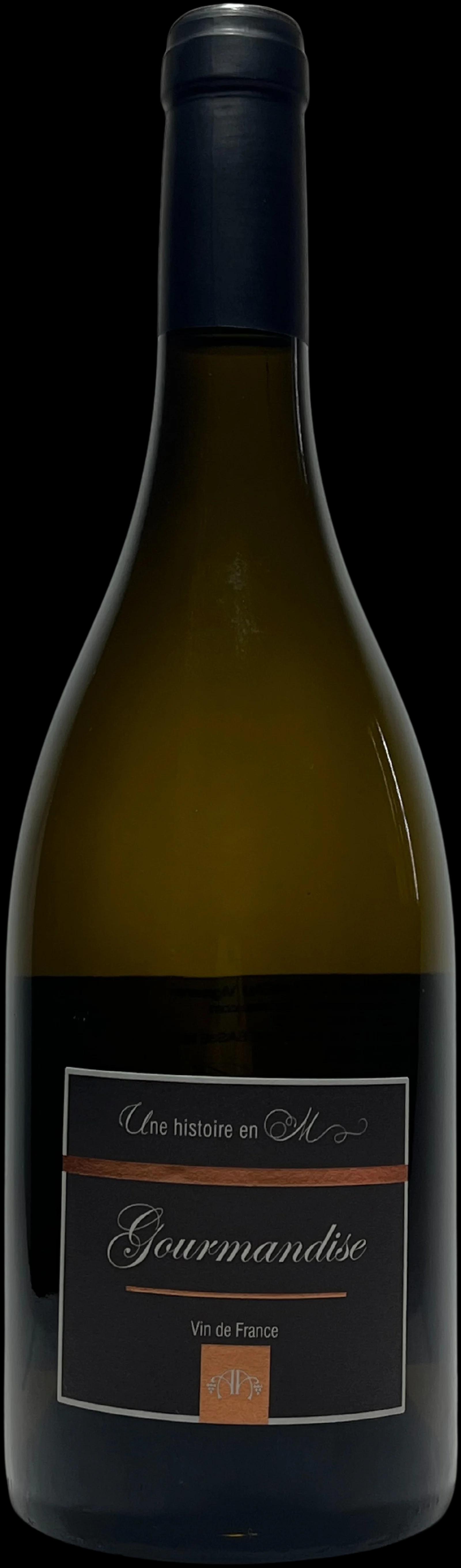
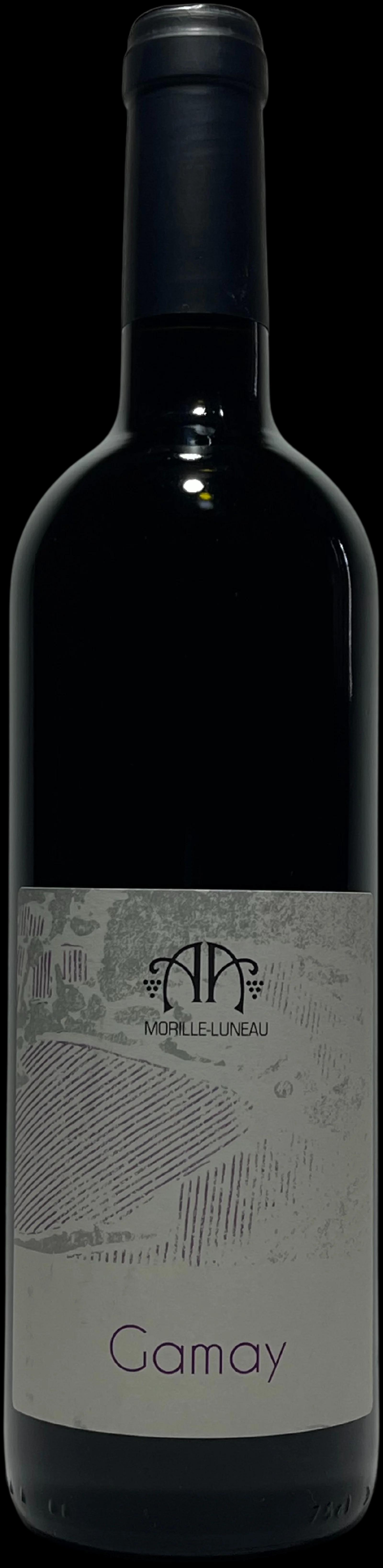
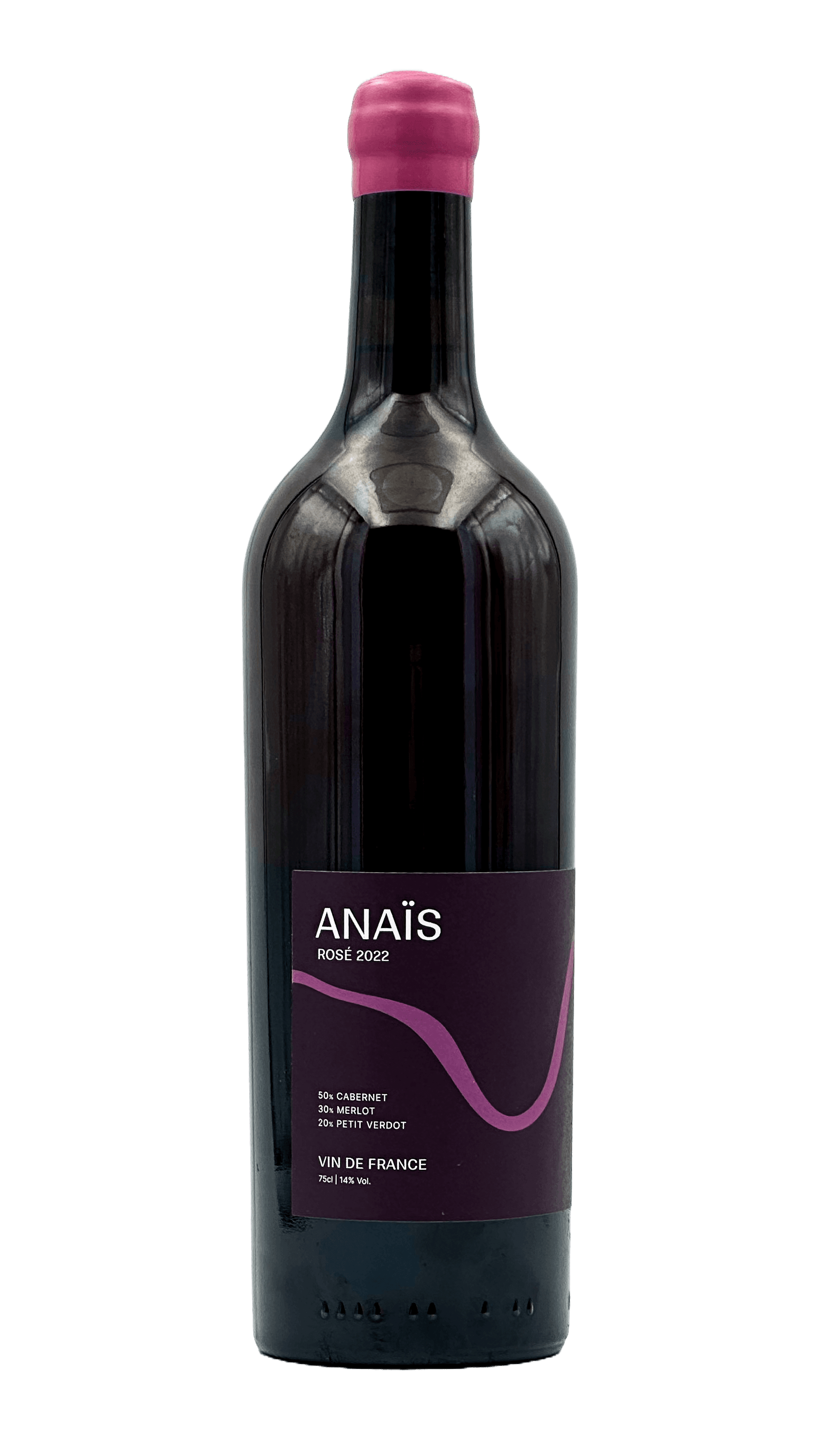
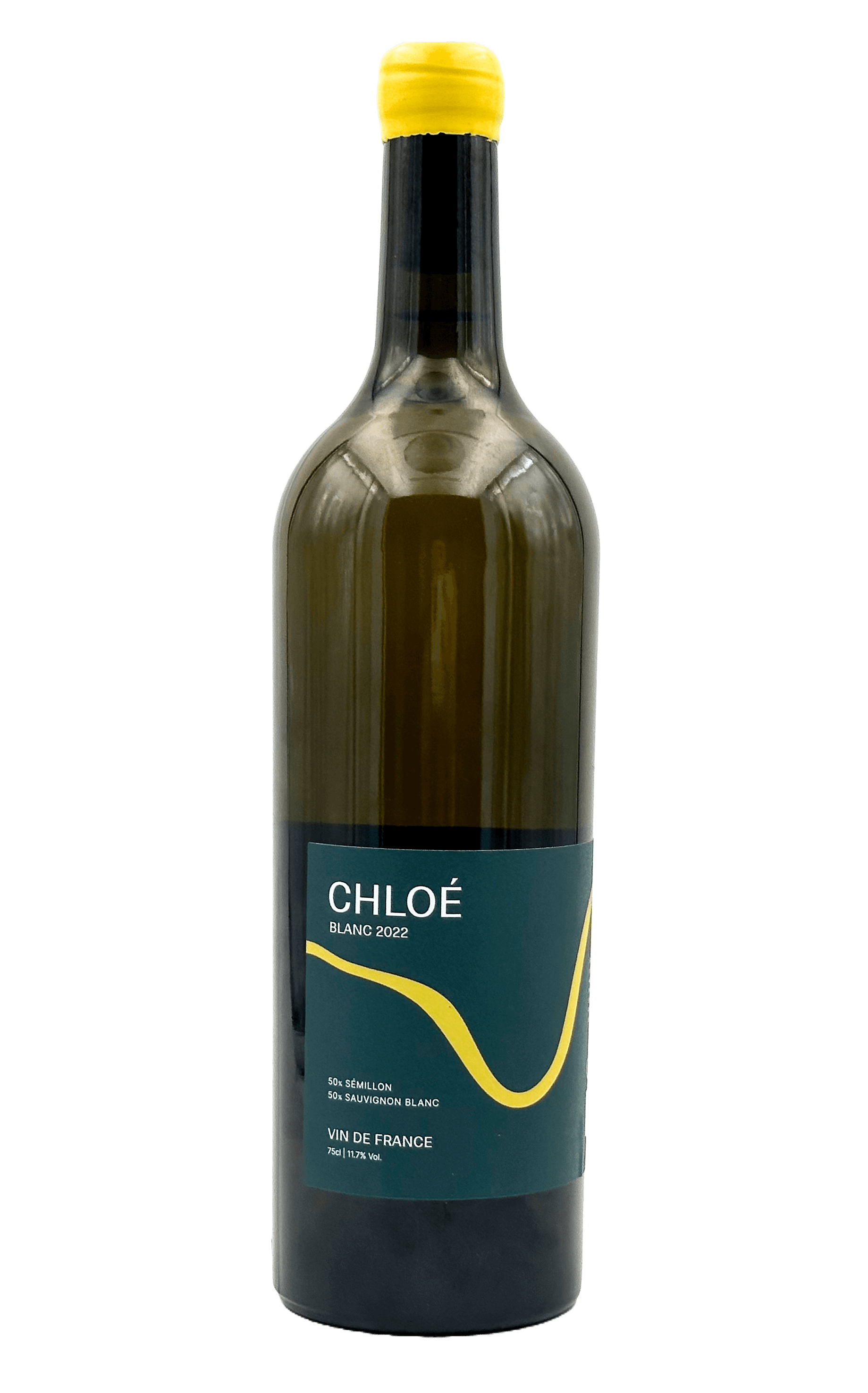
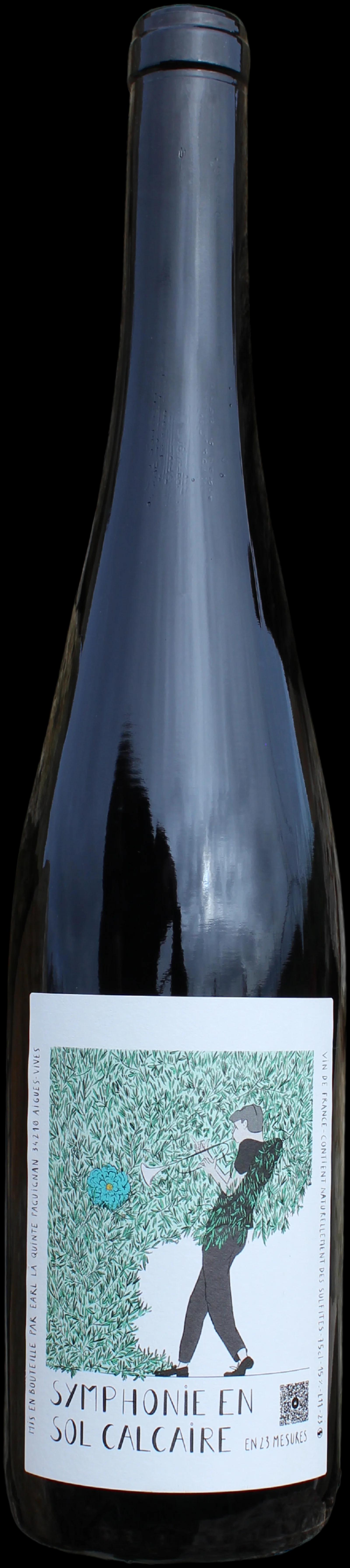
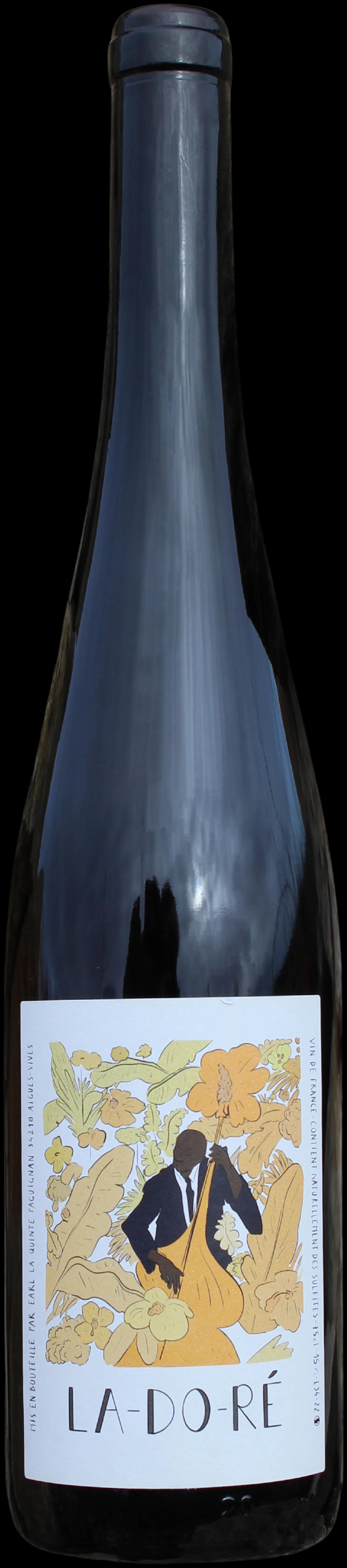
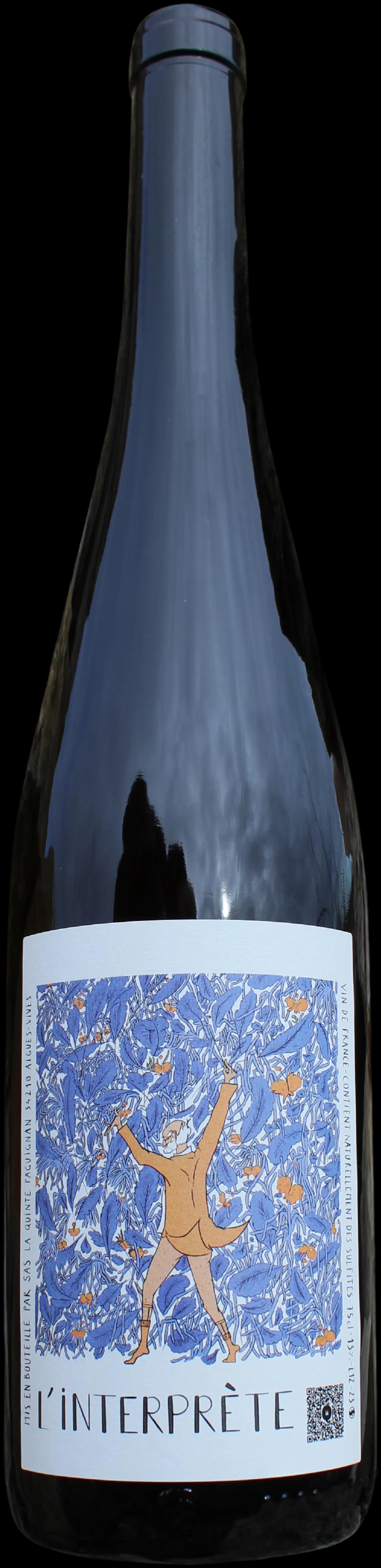
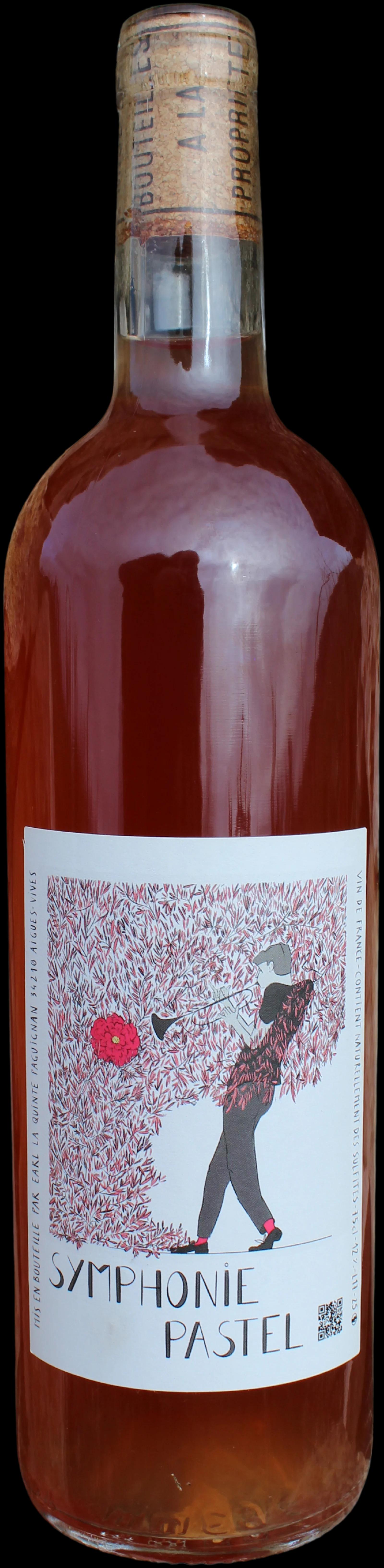
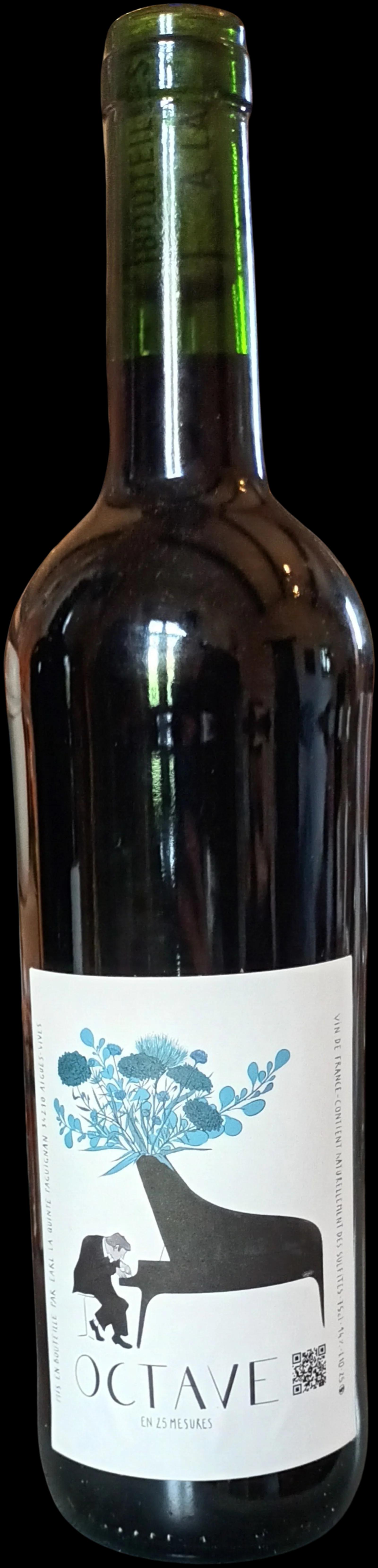
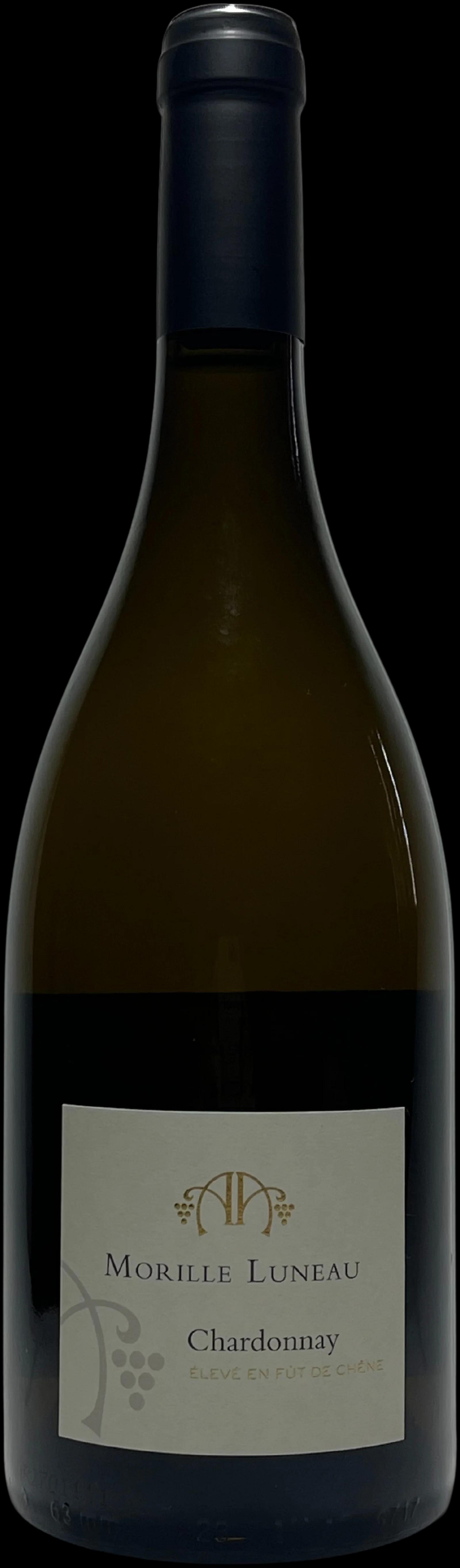
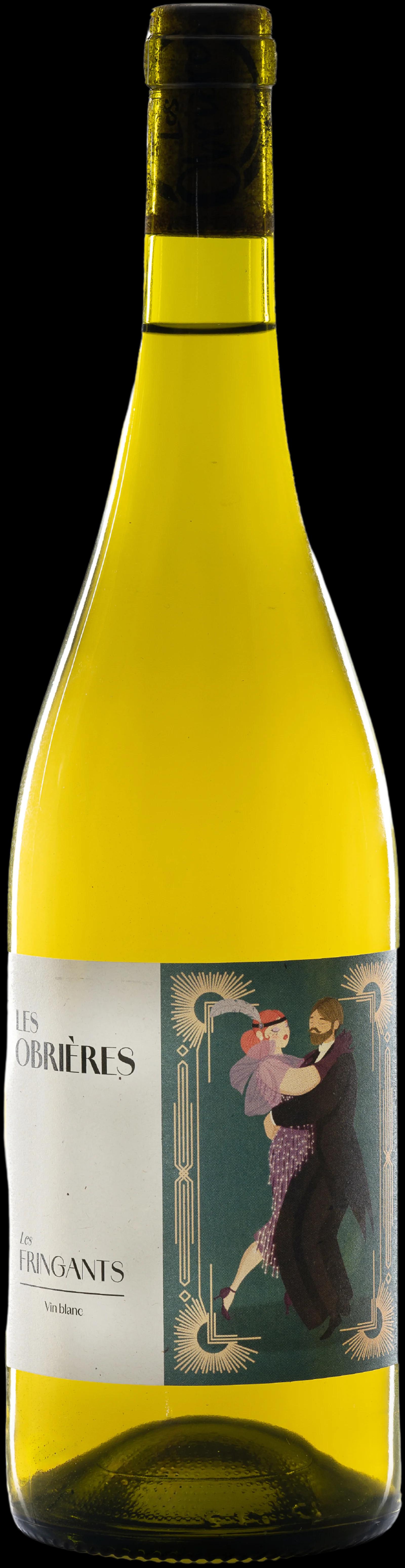
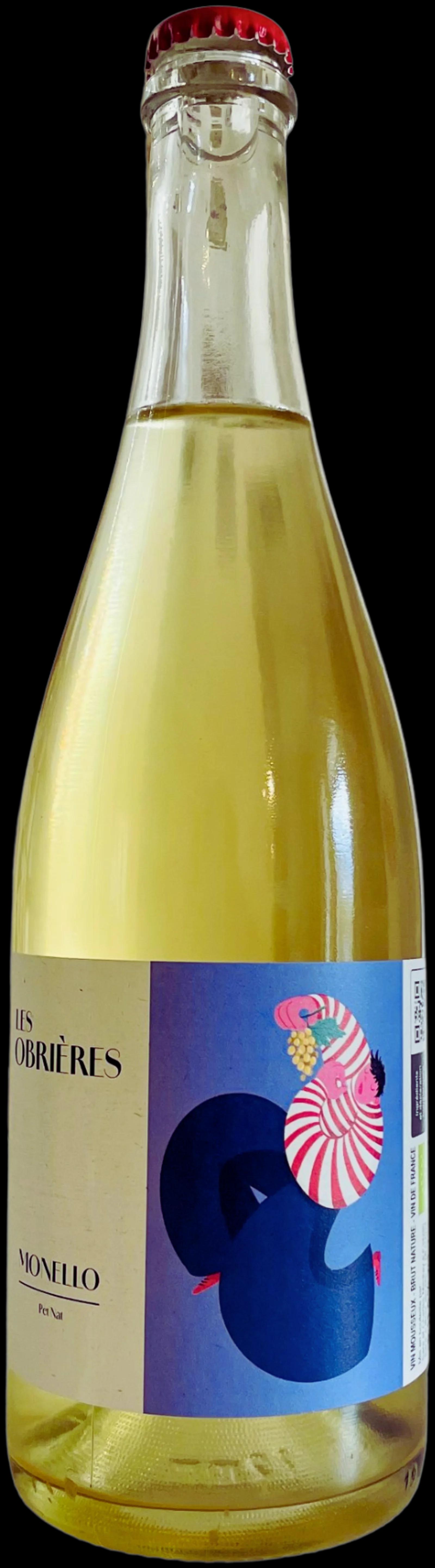
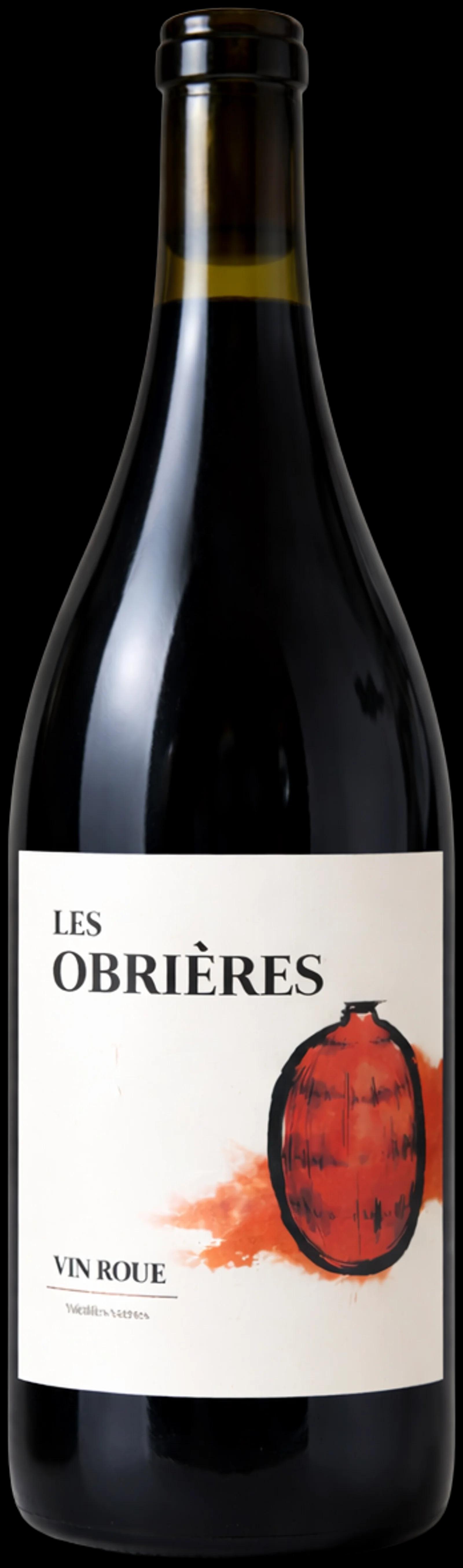
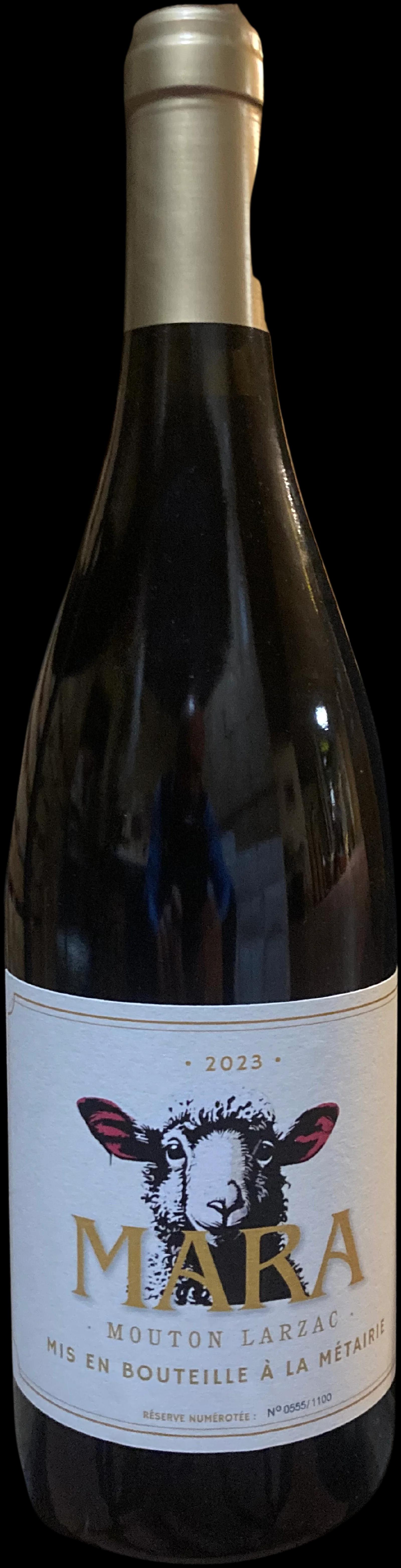
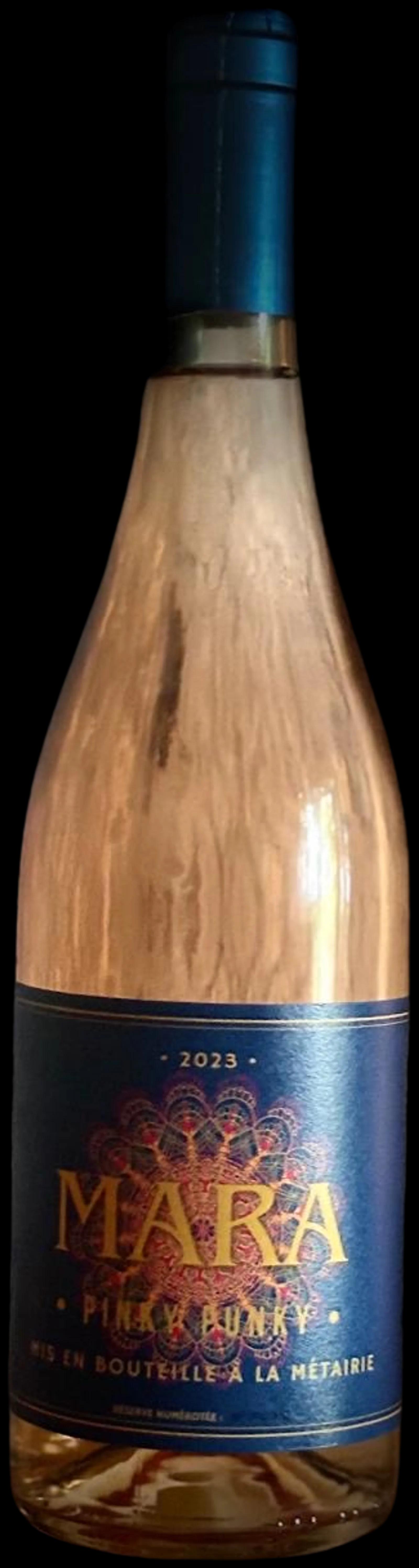
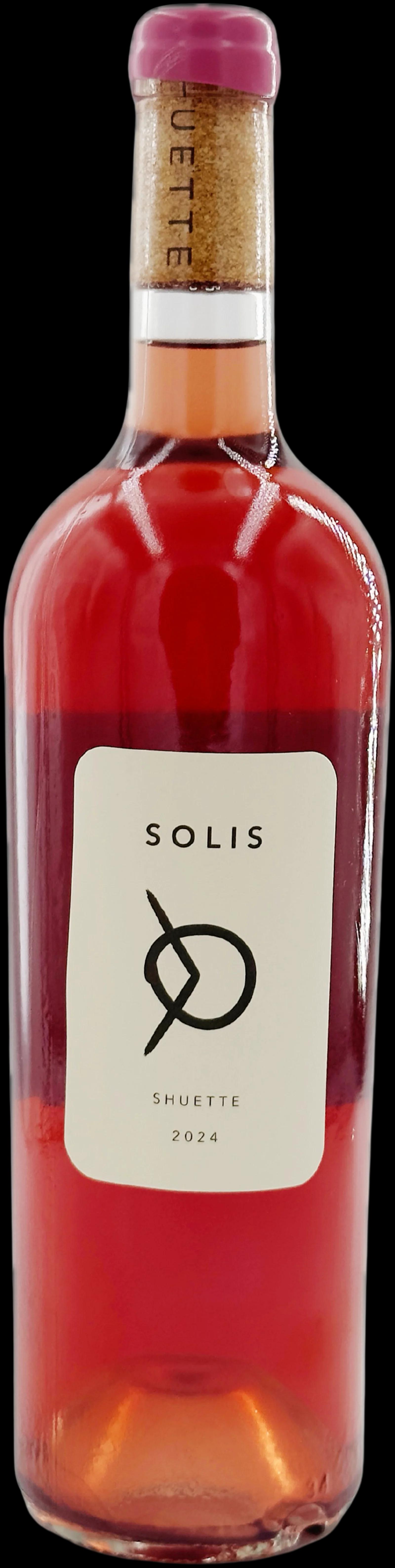
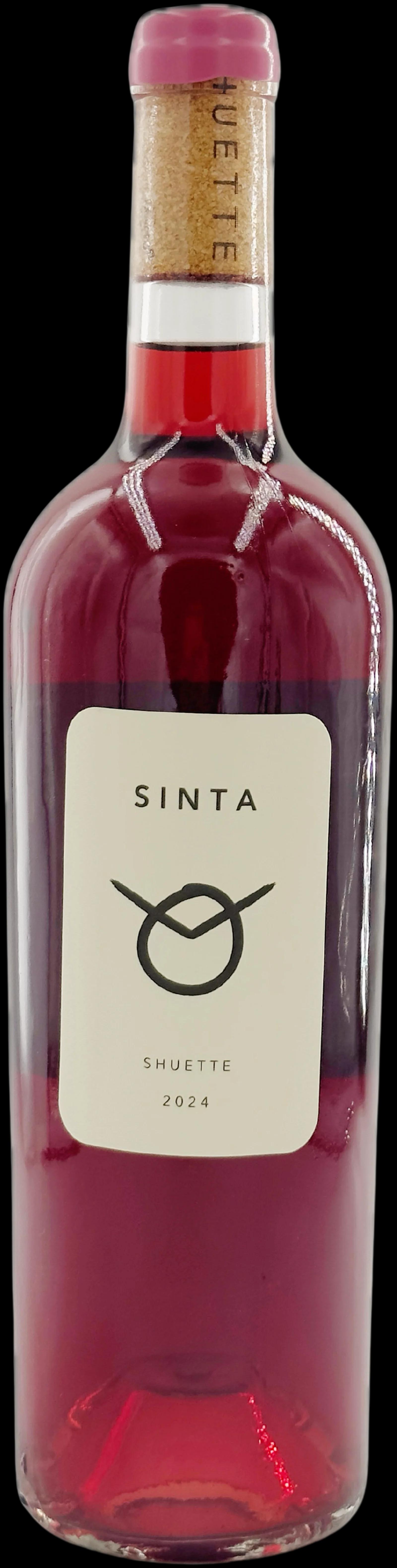
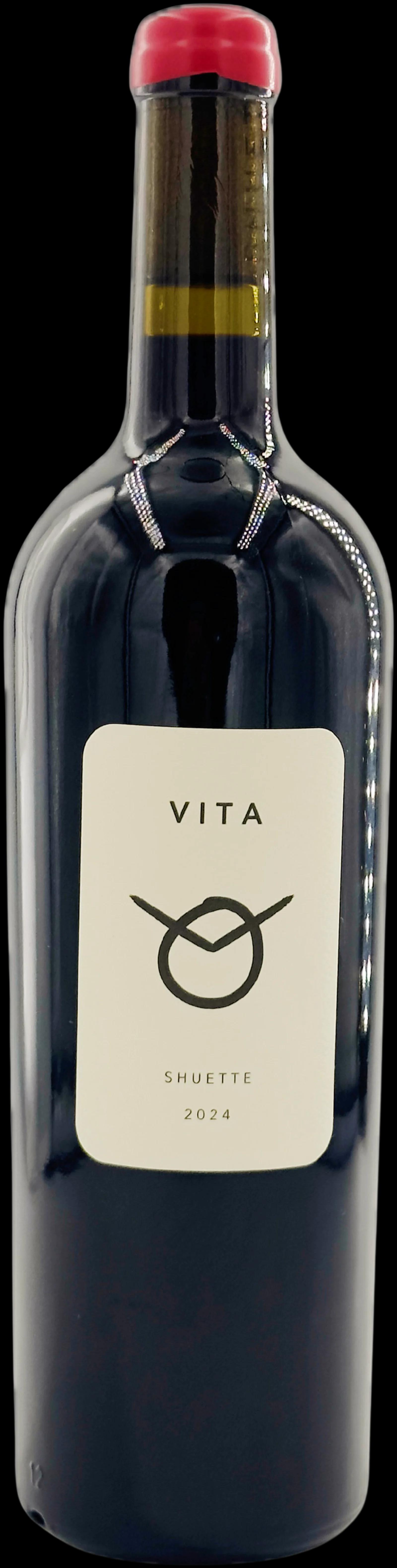
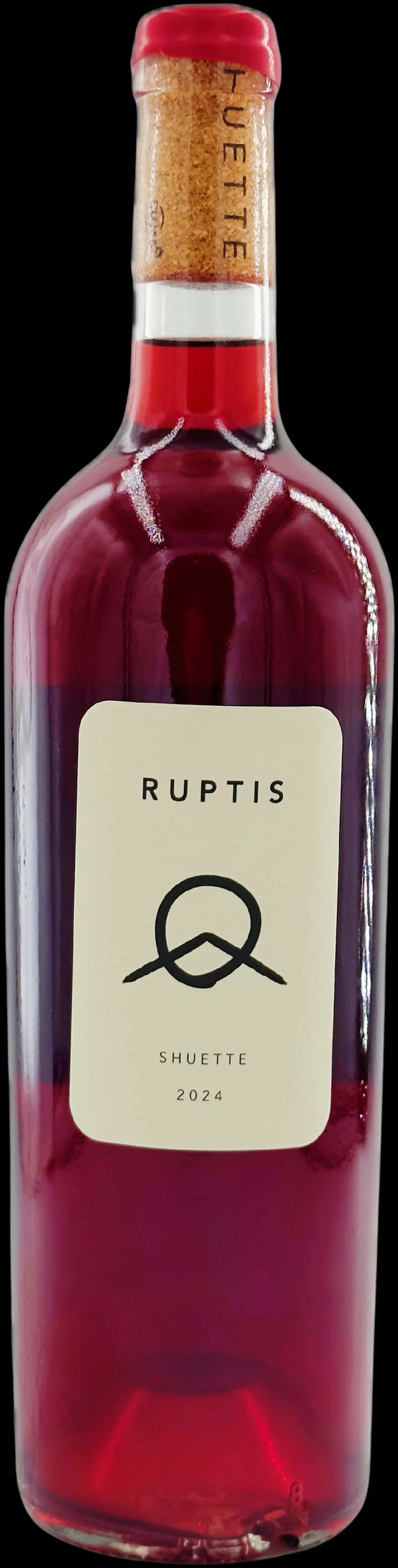
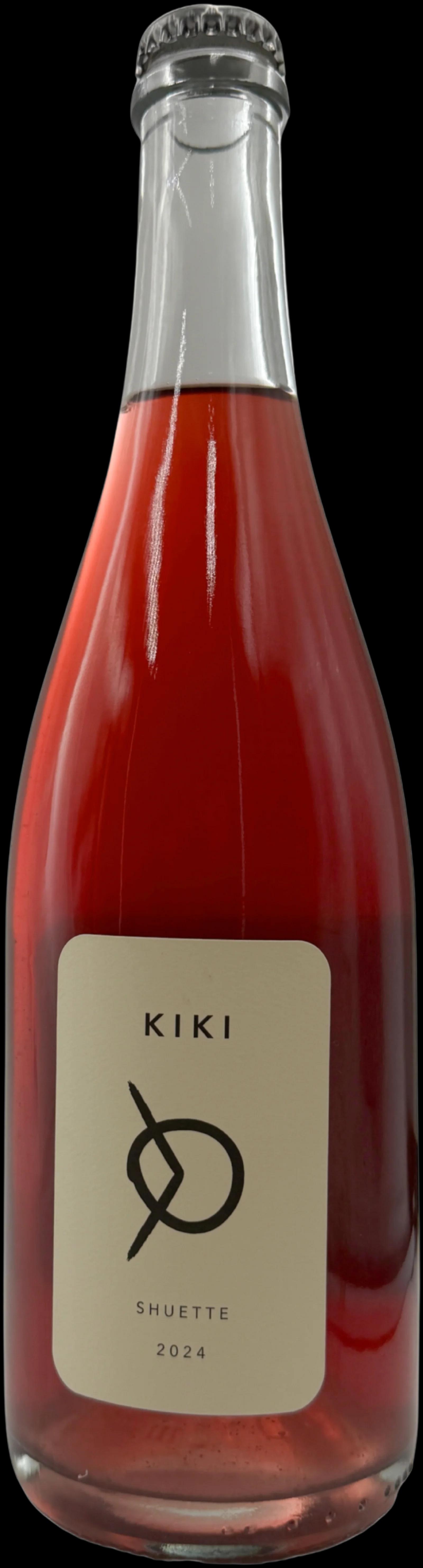
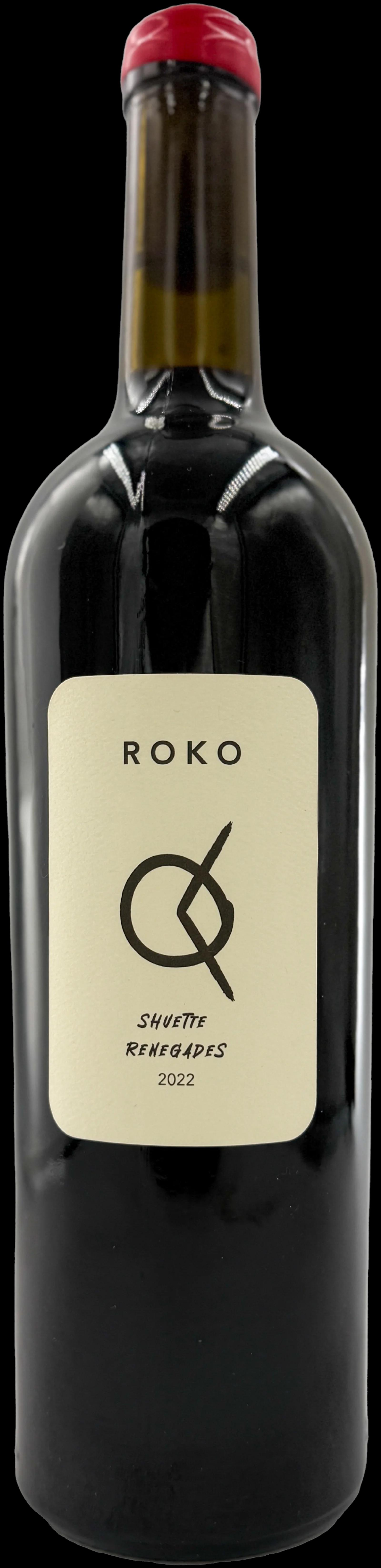
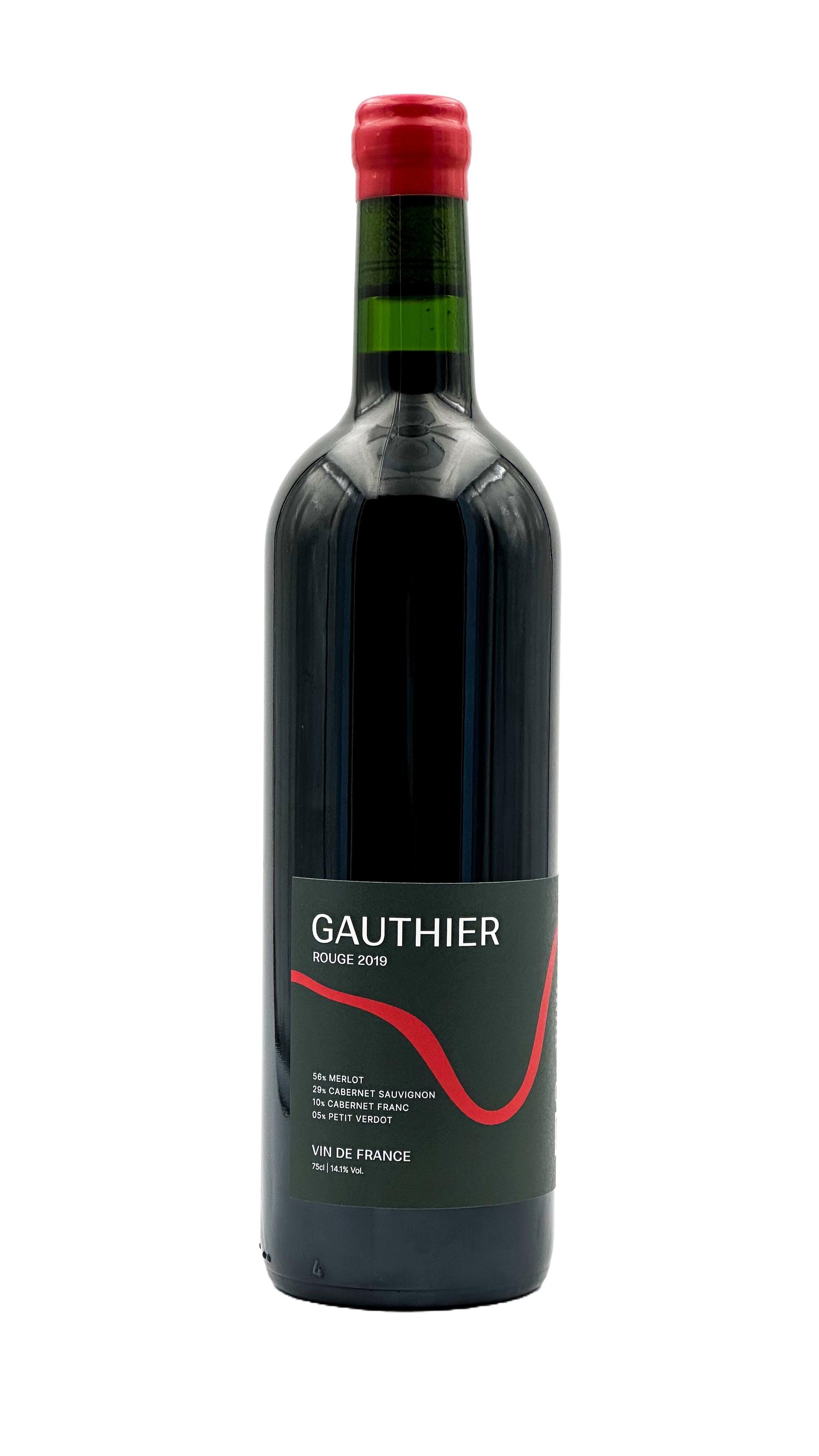
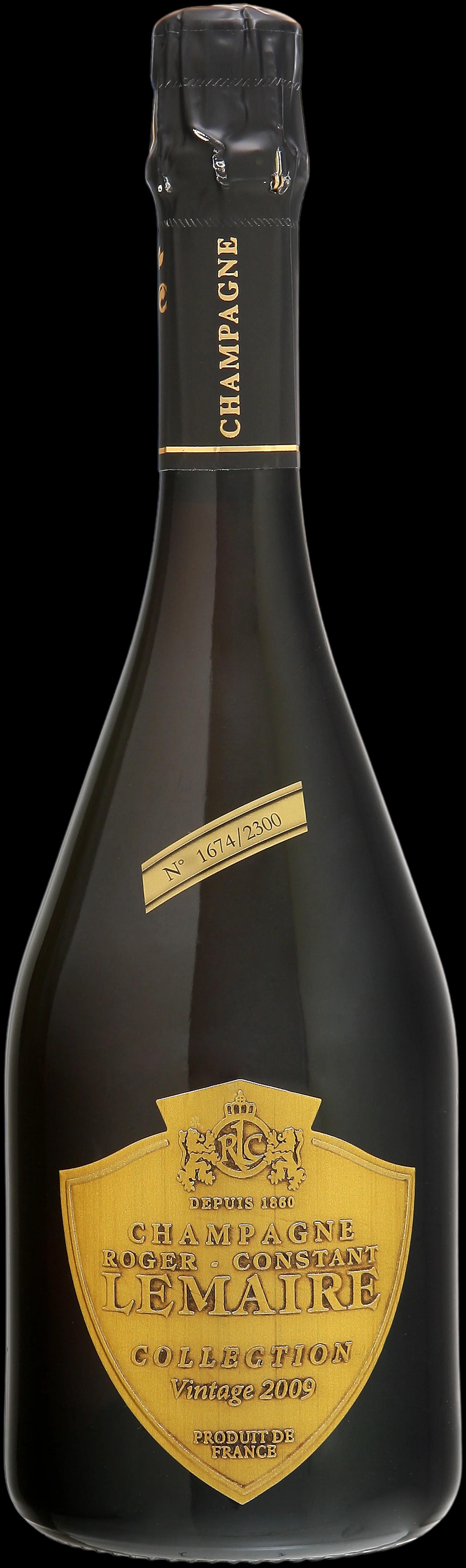
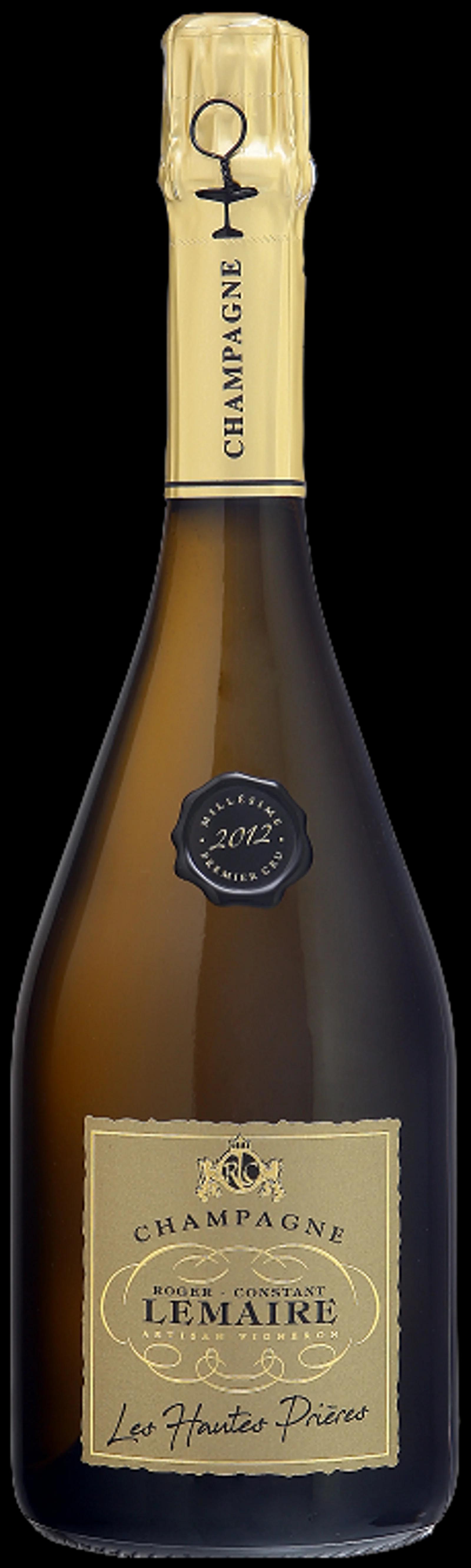
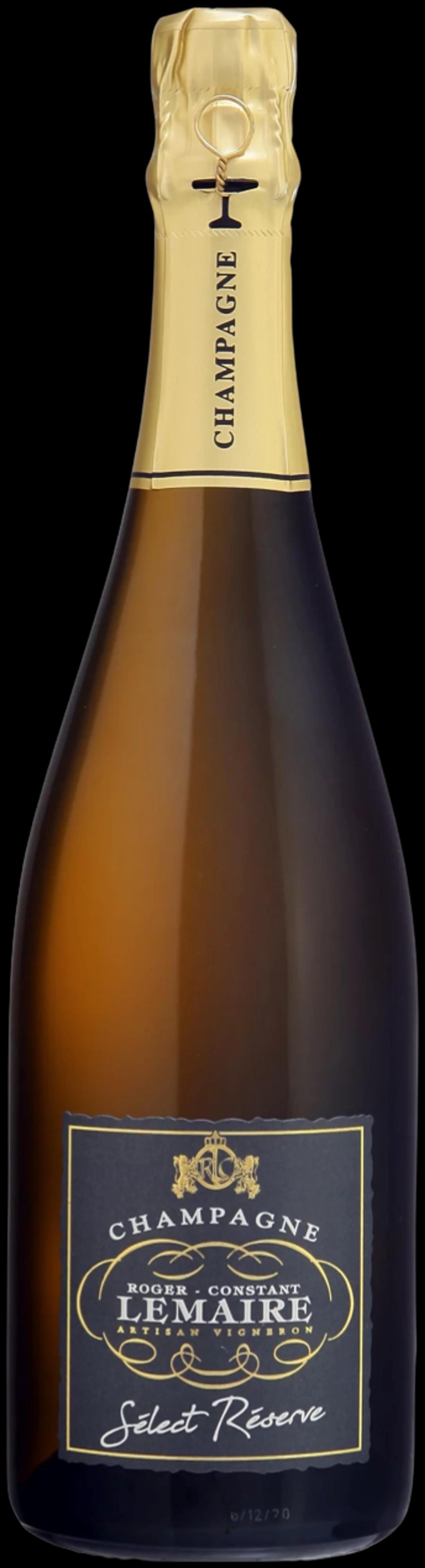
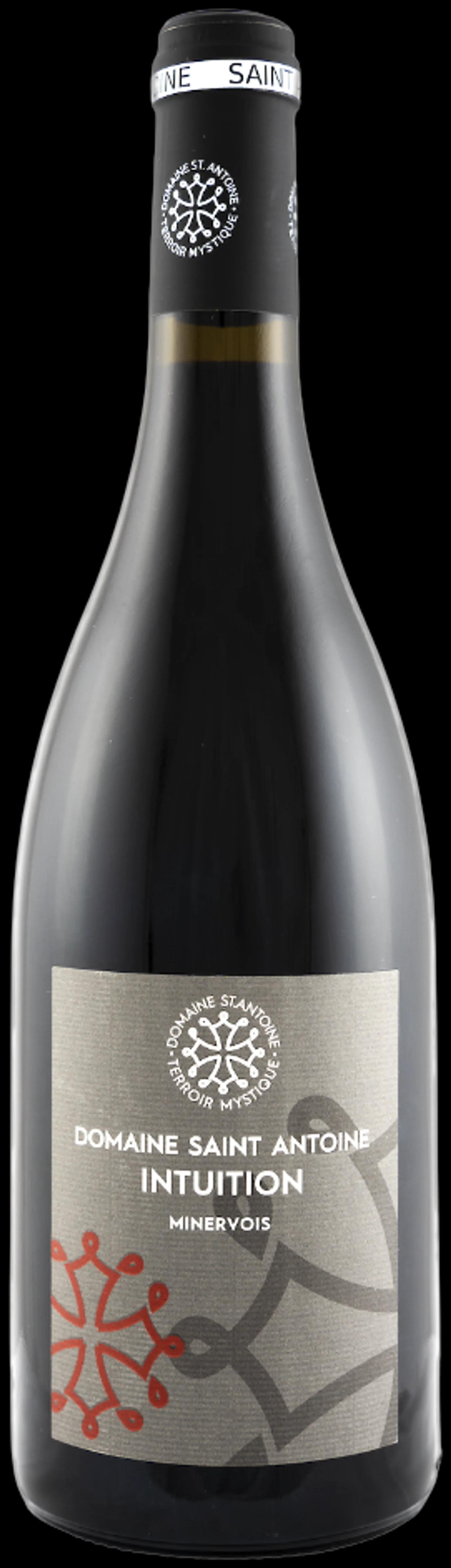
Six bottles from one French grower, chosen by the grower

A French wine case brings six bottles from one producer, composed by that grower to show the range of their estate. Browse cases from independent cellars across Champagne, Bordeaux, and beyond.

From Alsace to Languedoc-Roussillon, each case is a single producer's own selection.

Wine Colour

Dropdown arrow

Country (1)

Dropdown arrow

Region

Dropdown arrow

Price

Dropdown arrow

Sort by

Sort arrow
France

French wine cases

France organises its wine by region first and grape second, which means a case from Alsace and a case from the Rhône Valley can feel like two entirely different countries in the glass. Riesling and Pinot Gris dominate in the cool, continental north; Grenache, Syrah and Carignan take over as the ground warms toward the Mediterranean. Each case here reflects that geography, because it is one producer's own six-bottle read of the region they work in every day.

Previous1 of 2Next

French wines

Each case is six bottles from a single producer, composed by the grower as their own recommendation — not a retailer's mix of unrelated bottles. That keeps the case honest: what you learn from it belongs to one estate. A producer might walk you from a fresh, unoaked white through to a structured red from the same property, or show one grape across several plots. Free Grape Society is a society of producers, independent experts and wine lovers, not a shop. The producer ships the case directly from their own cellar, with no importer or warehouse in between.

View all wines from France

French wineries

The French producers on Free Grape Society are independent growers, most of them family-run, who farm and bottle their own wine. Their cases arrive as the producer packed them — no redistribution centre, no additional handling. If you want to know more about a specific estate before ordering, each producer has a profile page where you can read about how they work and which wines they make. The wine-advice service can also point you toward a case that suits what you are looking for.

View all wineries from France

Wine experts

Independent wine experts on Free Grape Society rate and review wines they have personally tasted. Their reviews appear on the individual wine pages and on each expert's own profile, so you can read what someone who knows the wine thinks before you order a case that includes it. Several of the experts below have reviewed wines from the French producers listed here. Experts review wines on their own initiative — they do not select which producers are listed or which cases are available.

View all wine experts

Frequently asked questions

How do I order a French wine case from Free Grape Society?

Choose a case from the French producers listed on this page and add it to your order. Each case contains six bottles selected by one producer from their own estate. Your order ships directly from that producer's cellar, so delivery time depends on where in France they are based. You can see the estimated delivery window on each case page before you buy.

What happens if a bottle arrives broken or doesn't taste right?

Send a photo to Free Grape Society customer support within 7 days of delivery. We will arrange a replacement or a refund. Because producers ship directly, quality issues are handled with the producer's direct involvement. Shared responsibility is built into how FGS works.

Can I order a French wine case alongside individual bottles from other producers?

Yes. A wine case and individual bottles can sit in the same order, but because each producer ships from their own cellar, items from different producers will arrive in separate deliveries. Each shipment comes directly from the producer who made the wine, so timing may vary slightly between parcels.

How long does delivery take?

Average delivery is 8 to 9 days from order to door. The full range is 4 to 14 days depending on the producer's location and your delivery address. Wines ship directly from the producer's cellar, not from a central warehouse.

How do I choose the right French wine case for my taste?

Start with the region. A case from Alsace tends to be white-led and aromatic; one from Bordeaux will likely include structured reds built on Cabernet Sauvignon or Merlot; a case from Languedoc-Roussillon often mixes Mediterranean grapes across styles. Each case page shows exactly what the six bottles are, so you can read the producer's own description of why they chose them before deciding.

How does Free Grape Society decide which French producers to work with?

Producers send samples, and those wines are tasted before any of them is listed. The process looks at how a producer works — whether they farm their own fruit and whether their prices are fair — as well as what is in the bottle. Independent wine experts then review individual wines and publish those reviews openly, so the assessment does not stop at listing.

Which French wine expert can recommend something for me?

The independent wine experts on Free Grape Society have personally tasted and reviewed a range of French wines listed on the platform. Browse the expert profiles below to find someone whose focus — whether Champagne, the Loire, or the southern appellations — matches what you are looking for, and read their published reviews before reaching out.

Why are French wine cases always 6 bottles from one producer?

Because a case is the producer's own recommendation, not a curated mix. Six bottles from one estate give you a coherent introduction to how that grower works — the grapes they favour, the styles they make, the decisions behind each bottle. Mixing producers across a single case would dissolve that logic. Every case on Free Grape Society is one cellar's own pick.

Can I buy French wine cases directly, without going through a wine merchant?

Yes. Free Grape Society connects you directly with independent French producers, so there is no importer, agent or merchant handling the wine between the cellar and your door. The producer sets their own price and ships the case themselves, which is different from buying through a traditional retail or distribution chain.

How a French winemaker composes a 6-bottle selection

A mixbox on Free Grape Society always contains exactly 6 bottles, all from one producer, composed by that producer as their own recommendation. This is not a curated assortment assembled by an algorithm or a buying team. The producer decides which wines represent their cellar. That might mean six different appellations, or six vintages of the same wine, or a deliberate progression from their lightest to their most structured label. In Bordeaux, a producer might build a selection around the difference between a Merlot-dominant Right Bank style and a Cabernet Sauvignon-dominant Left Bank structure. In Languedoc-Roussillon, a selection might move through Carignan, Grenache, and Syrah to show what the garrigue does to each variety differently. When the producer composes the box, the logic is theirs. That context does not exist when a retailer bundles six bottles from a warehouse shelf.

French wine regions and what they put in the box

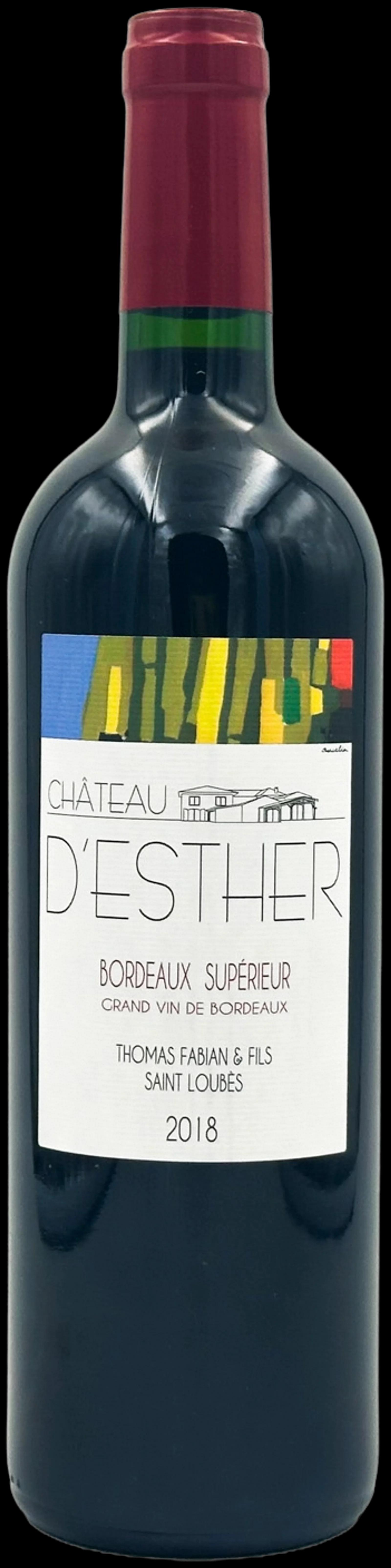
France's wine map is not uniform. Each region has its own grape rules, climate logic, and production culture, and these shape what a producer includes when building a 6-bottle selection. Champagne is built on a blending tradition: Chardonnay, Pinot Noir, and Pinot Meunier are typically used together, with the proportions defining a house style. A Champagne producer composing a mixbox is often showing different expressions of that blend. In the Loire Valley, Melon de Bourgogne dominates the western end while Cabernet Franc defines the Anjou and Touraine reds, meaning a Loire producer's selection can span styles that read almost like two different wine cultures. In Alsace, varieties are labeled by grape rather than by appellation, unlike almost every other French region, and a producer selection there typically foregrounds the grape character directly. Burgundy operates on a parcel system: a single village may contain dozens of named vineyards, each with different owners, and a producer composing a Burgundy box is usually showing the difference between those parcels, not just different grape varieties. The Rhône Valley divides into a northern corridor where Syrah works alone and a southern plateau where Grenache-based blends with Mourvèdre and Cinsault are the standard. A southern Rhône producer building a mixbox is typically demonstrating how those blending proportions shift across their range.

Reading a French wine label before the box arrives

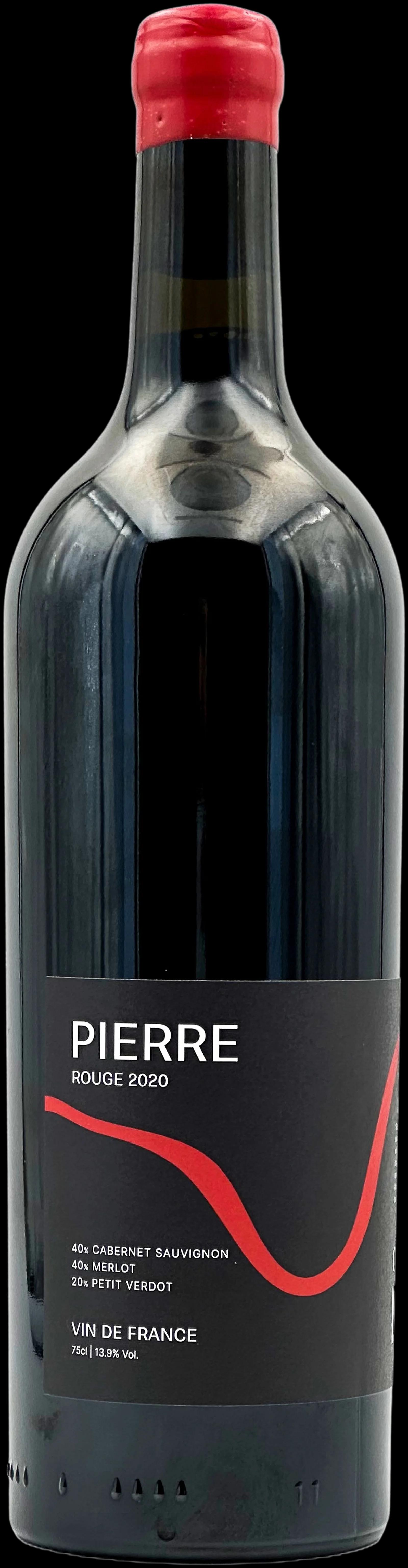
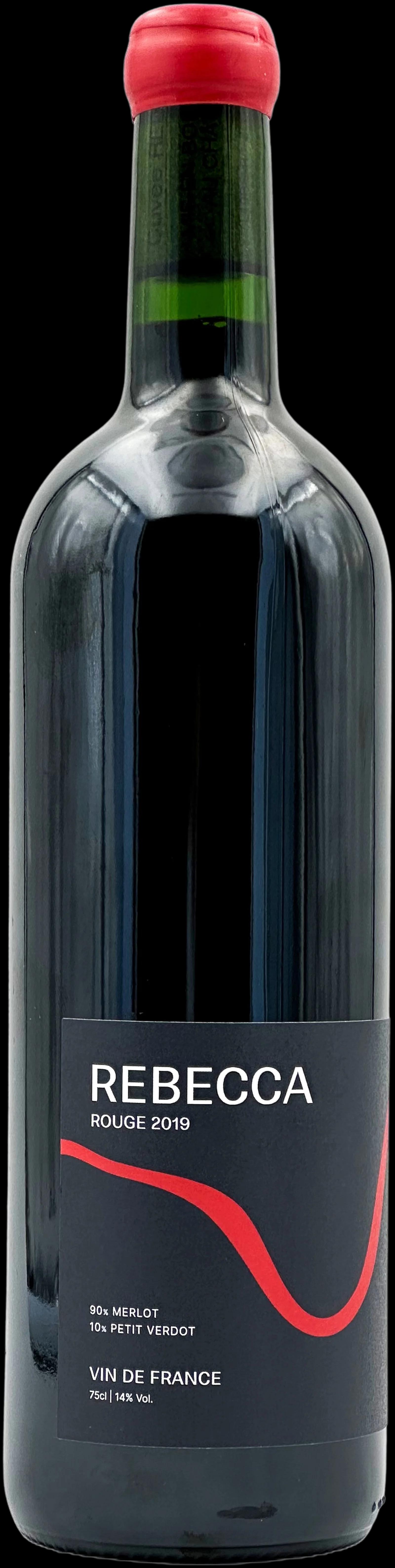
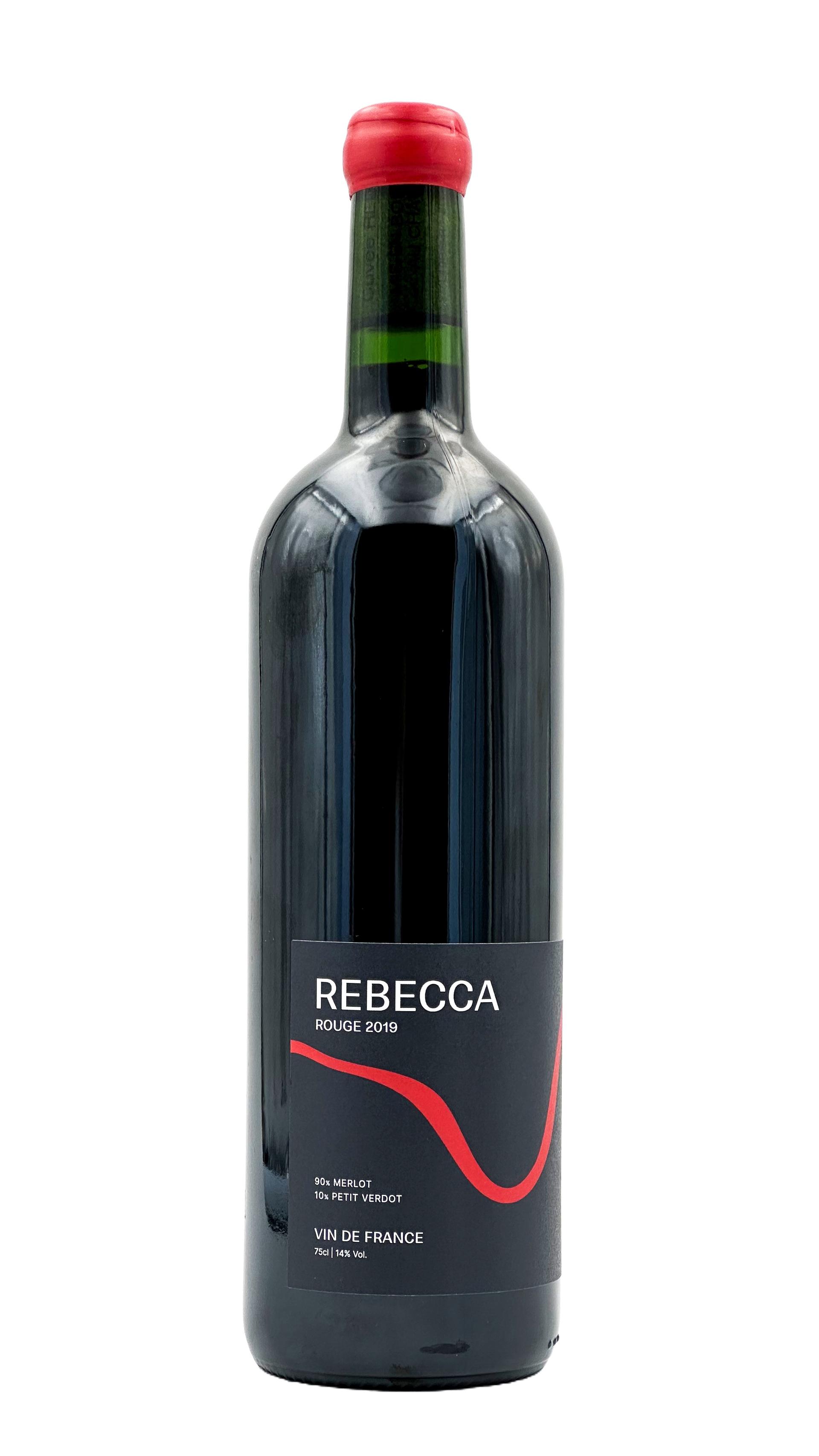
French labels are place-first, not grape-first. In most appellations, the law specifies which grapes are permitted, so the appellation name functions as an indirect grape indicator. A bottle labeled 'Pomerol' is Merlot-dominant by regulation. A bottle labeled 'Chablis' is Chardonnay by regulation. A bottle labeled 'Muscadet' is Melon de Bourgogne by regulation. Understanding this system makes the arrival of a French mixbox more readable. The appellation on each label tells you more than the style description ever would. French law also distinguishes between AOC (Appellation d'Origine Contrôlée), which enforces strict geographic and grape rules, and Vin de France, which allows producers to blend across regions and label by grape variety freely. Some of the most technically precise natural and low-intervention producers in France work under a Vin de France designation precisely because the appellation rules would restrict their methods or grape choices. That label tier is not a quality indicator in either direction. It is a regulatory choice.