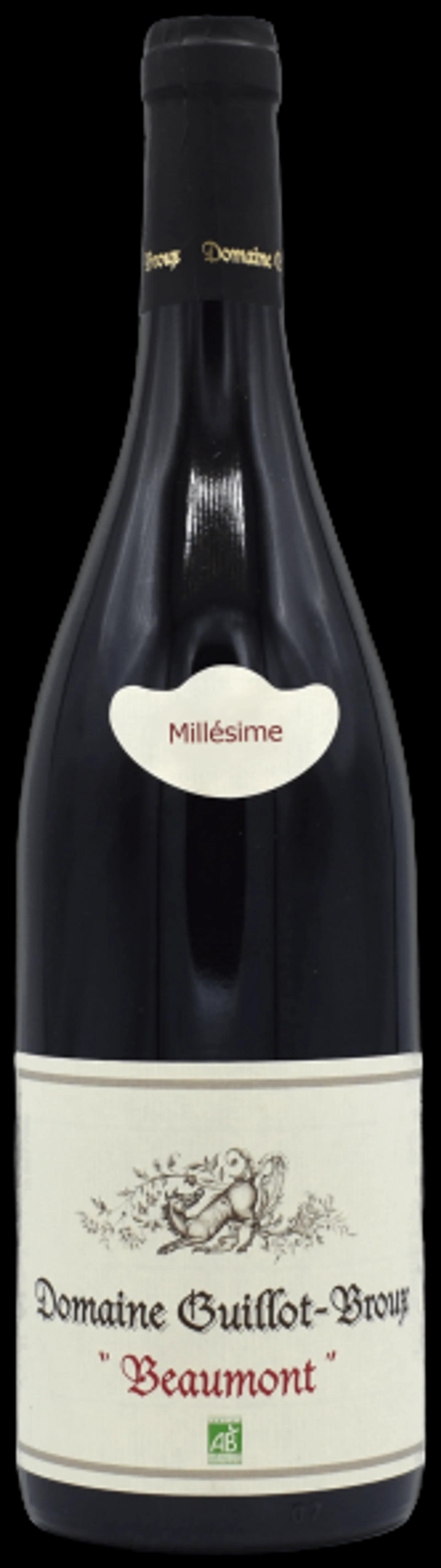
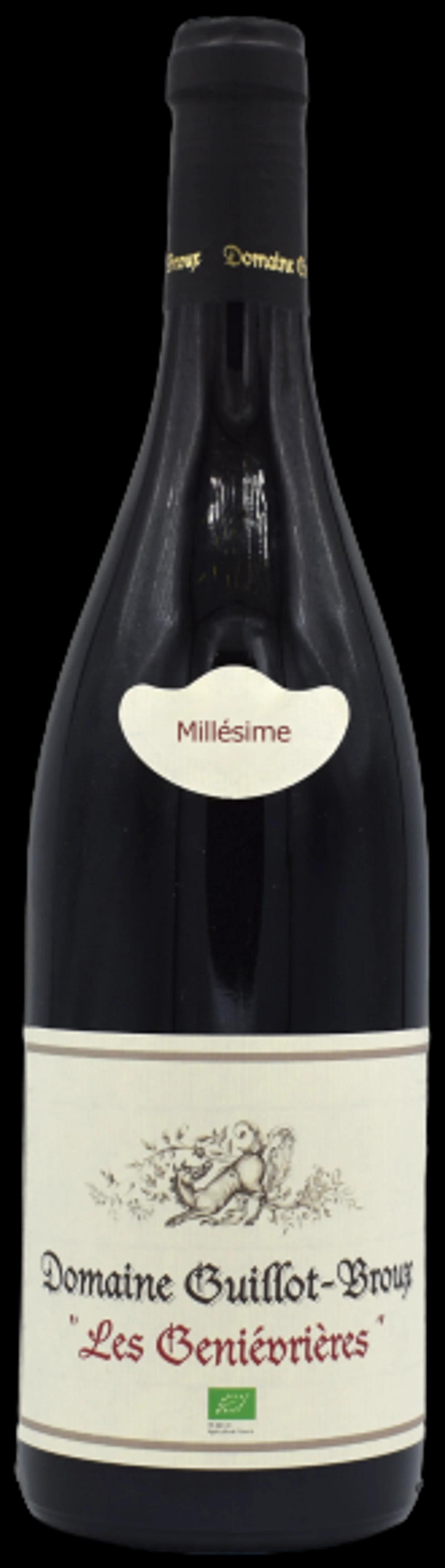
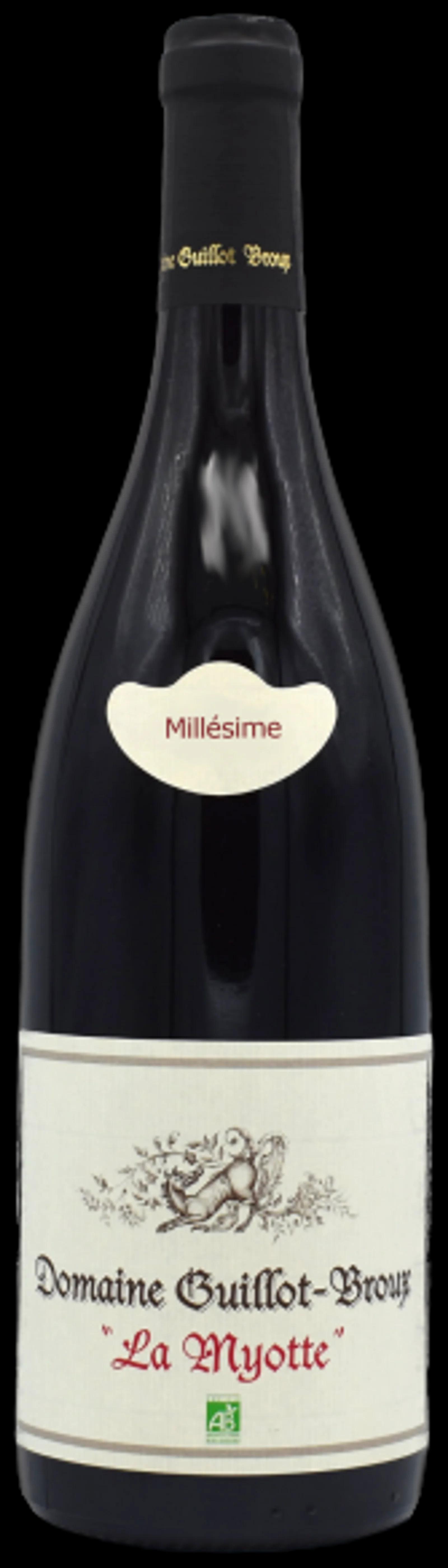
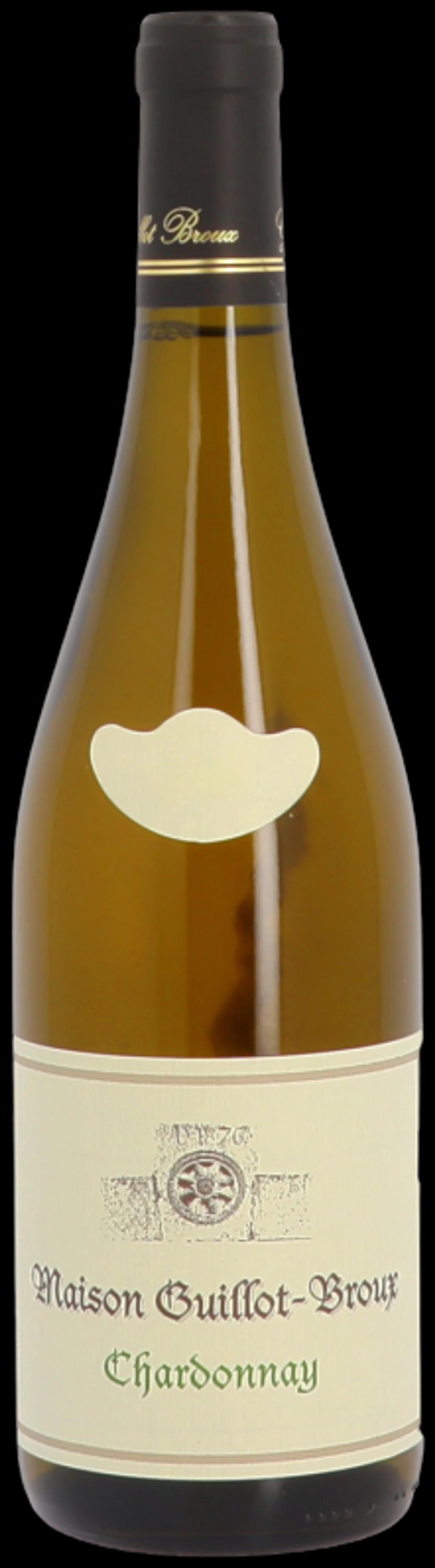


Burgundy wine cases: six bottles from one estate

A Burgundy wine case is six bottles from one producer, composed by the grower as their own recommendation across the appellations they work. Browse cases from independent estates in one of France's most parcel-specific regions.

Each case traces how a single Burgundy grower reads their own parcels — Pinot Noir, Chardonnay, or both, across the crus they farm.

Wine Colour

Dropdown arrow

Country

Dropdown arrow

Region (1)

Dropdown arrow

Price

Dropdown arrow

Sort by

Sort arrow
Bourgogne

Burgundy wine cases

A Burgundy wine case is always six bottles from one estate, put together by the grower as a single recommendation. Because Burgundy is built on small, named parcels rather than large blends, a case is a short, guided way to taste how one producer reads their own land — whether that means Pinot Noir across several village appellations, or Chardonnay from a single slope. On Free Grape Society, producers ship directly from their own cellar, with no importer or warehouse in between.

Burgundy wines

The individual bottles behind these cases span Burgundy's full range — Pinot Noir on the limestone slopes of the Côte d'Or, Chardonnay running south through the Mâconnais, Gamay in Beaujolais to the region's southern edge. Village, premier cru and grand cru labels mark increasingly specific vineyard sites, so a single wine's name tells you a great deal about where and how it was grown. Browse bottles from the same independent growers who compose the cases here.

View all wines from Bourgogne

Burgundy producers

Burgundy's producers are often small domaines — families farming a handful of parcels across several villages, working by hand because the plots are too fragmented for anything else. That closeness to the land is what makes a grower's own six-bottle selection meaningful: it reflects real choices about which wines represent them best. Free Grape Society is a society of producers, independent experts and wine lovers, not a shop, and the growers here set their own terms. See the estates behind the cases on the Burgundy producers page.

View all wineries from Bourgogne

Wine experts

Independent wine experts on Free Grape Society rate and review wines they have personally tasted, and several have reviewed wines from the Burgundy producers listed here. Their notes are visible on the individual wine page and on each expert's own profile, so you can read a track record before you decide. Experts provide recommendations and reviews — they do not select which wines are listed.

View all wine experts

Frequently asked questions

How do I order a Burgundy wine case?

Choose a case from the listing, add it to your basket, and complete checkout with Klarna or card. The producer ships the six bottles directly from their cellar to your door. Delivery takes between 4 and 14 days depending on where you are. Free shipping is included.

What happens if a bottle arrives broken or doesn't taste right?

Send a photo to Free Grape Society customer support within 7 days of delivery. We will arrange a replacement or a refund. Because producers ship directly, quality issues are handled with the producer's direct involvement. Shared responsibility is built into how FGS works.

What is included in a Burgundy wine case?

Every case contains exactly six bottles from one producer, composed by that grower as their own recommendation. The line-up varies by estate — some producers span several village appellations, others focus on a single cru or grape — but the six bottles always come from the same cellar and are chosen by the person who made them.

How long does delivery take?

Average delivery is 8 to 9 days from order to door. The full range is 4 to 14 days depending on the producer's location and your delivery address. Wines ship directly from the producer's cellar, not from a central warehouse.

How do I find the right Burgundy case for me?

Read the producer's description and the wines in their case before buying. If you are unsure whether a case suits your taste — whether you prefer Pinot Noir over Chardonnay, or village-level wines over something more structured — you can fill in a question for a wine expert on the wine or producer page and get a personal recommendation.

How does Free Grape Society choose which Burgundy producers offer cases?

We work directly with producers before listing them. They send samples, and those wines are tasted before anything goes live. The grower then composes their own six-bottle case. Independent wine experts add their own ratings and reviews once wines are listed, building a public track record you can read on each wine page.

Which Burgundy wine expert can recommend something for me?

Several independent wine experts on Free Grape Society have tasted and reviewed Burgundy wines. Visit any wine or producer page to see their notes, or fill in the question form to ask an expert directly. They know the region well and can point you toward a case that fits what you are looking for.

Why are Burgundy wine cases always 6 bottles from one producer?

Because a case composed by one grower is a real recommendation, not an assortment. The producer knows their own wines and chooses six bottles that represent how they work — across their parcels, their appellations, or their approach to a single grape. Mixing across producers would remove that point of view entirely.

Can I buy a Burgundy wine case if I usually shop at a wine merchant or supermarket?

Yes. The main difference is that on Free Grape Society you are buying directly from the producer rather than through an importer, agent, or retailer. The producer sets the price, ships from their own cellar, and remains the point of contact for what they make. There is no retail mark-up added along the way.

What's in a Burgundy wine case

A Burgundy wine case from Free Grape Society is six bottles from one estate, composed by the grower as a single recommendation. That matters in a region where the same grape grown on neighbouring parcels can taste markedly different: the grower who farms those parcels knows which bottles, taken together, say something coherent about their cellar and the ground they work. A case from a domaine on the Côte de Nuits will read very differently from one composed by an estate in the Mâconnais or the Côte Chalonnaise, because the soils, the altitudes and the grapes they favour all shift as you move through the region. Rather than browsing bottle by bottle, a case gives you a short, guided route into one producer's range before you commit further. You can also explore Burgundy wines individually, or compare cases from Champagne, the Loire Valley and the Rhône Valley if you want to range more widely across France.

How Burgundy producers compose their six bottles

Because every case stays with one estate, the line-up reflects how that particular producer thinks. A domaine farming several villages might use the six bottles to walk you across their appellations: a village Bourgogne rouge alongside a premier cru from a named vineyard, with a white from a different parcel altogether. A smaller holding focused on a single appellation might instead show you one place across two or three vintages, or contrast a younger vine cuvée with a parcel-selection from older vines. Neither approach is more correct; what they share is that the producer, not an intermediary, chose the selection and shipped it directly from their own cellar. Reading the six bottles together tells you more about the estate than any one bottle could on its own. Producers across all of France and all wineries in Burgundy are listed with their full profiles so you can research the grower before you order.

Getting to know Burgundy through one grower

Burgundy can be an intimidating region to navigate. The appellation system runs from broad regional labels up through village names to precisely mapped premier cru and grand cru vineyards, and prices across that hierarchy can vary considerably for wines made from the same two grapes: Pinot Noir for reds and Chardonnay for whites. Starting with a single producer's case cuts through that complexity. You learn one cellar's house style, how they handle oak, how ripe they pick, whether they favour precision or weight, before you branch out. Independent wine experts on Free Grape Society rate and review wines they have personally tasted, so the pages for Burgundy wines carry a growing body of notes that can help you decide which estate's approach suits you. Once you have a grower in mind, you can also browse their individual bottles in France's wine listings or look at cases from other French regions such as Alsace and Bordeaux to see how Burgundy producers compare.