The producers of Burgundy
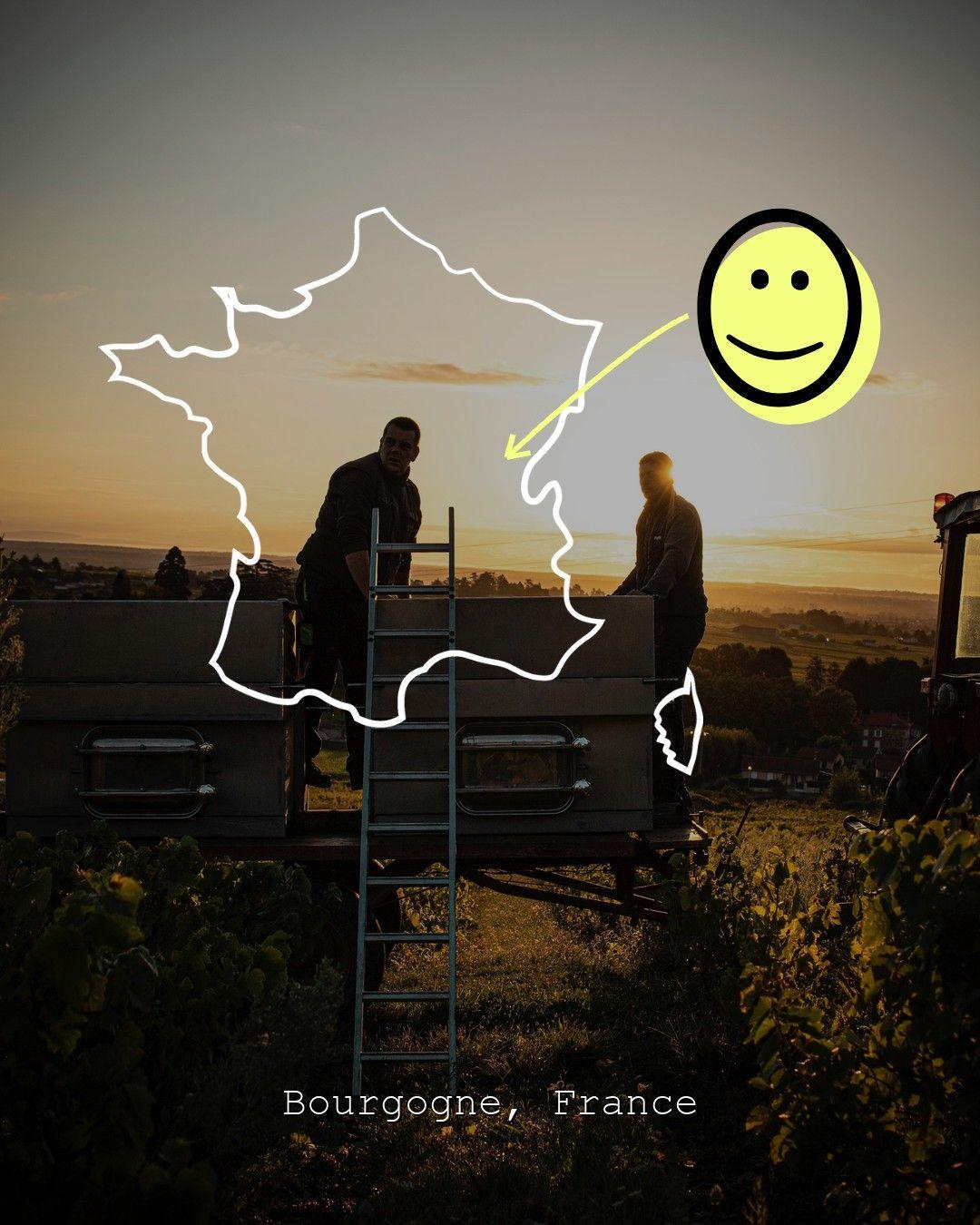
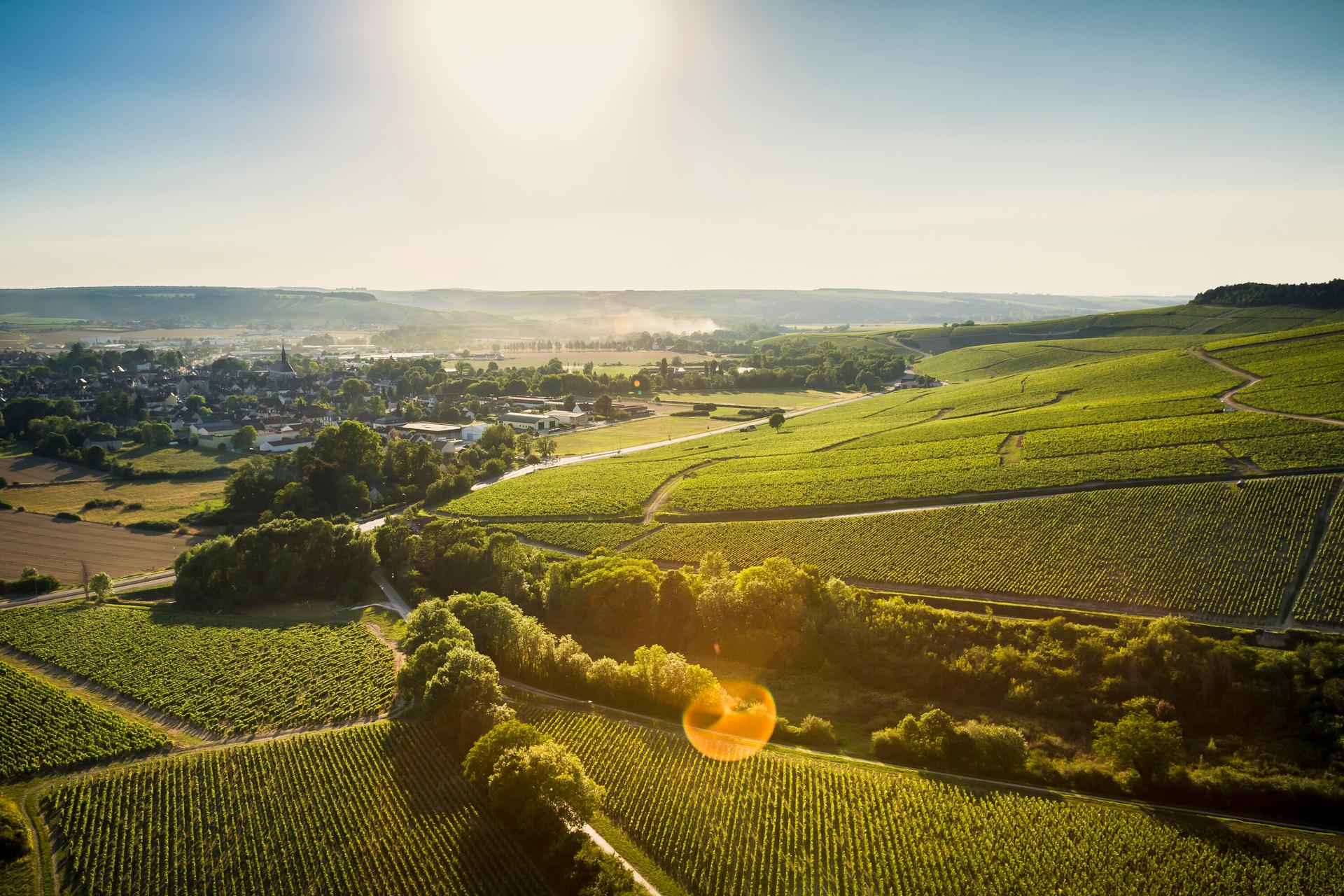
Burgundy's estates are among the smallest in France. Holdings here are measured in rows rather than hectares, and the same family name may farm parcels scattered across a dozen different villages and appellations. This fragmentation is historical: after the French Revolution, vineyards that had belonged to the Church were divided and subdivided across successive generations, leaving today's domaines with narrow strips of land in several places at once. That structure means a grower in Gevrey-Chambertin might also tend vines in Chambolle-Musigny and Morey-Saint-Denis, each parcel behaving differently despite sitting on the same ridge. The result is that producer identity matters enormously here. Two bottles from the same appellation can taste quite different depending on who made them, which is why knowing the grower behind a Burgundy wine tells you more than knowing the village. Most of the independent estates on this page are family-run, with winemaking decisions made by the people who also prune the vines. You can browse all Burgundy wineries directly or widen the search to all French producers.
How we choose our producers
We work directly with the growers behind the wines, so we get to know how they farm and what they charge before a single bottle is listed. Producers send samples, and those samples are tasted before a wine is listed, which means the decision rests on what is in the glass rather than on a label or a reputation. We look for pricing that reflects the work in the vineyard without the mark-ups that importers and warehouses add, and we keep the relationship direct so the grower sets their own terms. For Burgundy, that means small domaines who sell at prices that reflect their actual parcel size and yield rather than the speculative premiums that surround the region's most famous names. Once a wine is listed, independent wine experts rate and review individual bottles, building a public track record that buyers can read on the wine page. We do not try to carry the full output of a region: we list wines tasted before listing, from producers we have a direct relationship with.
Winemaking traditions in Burgundy
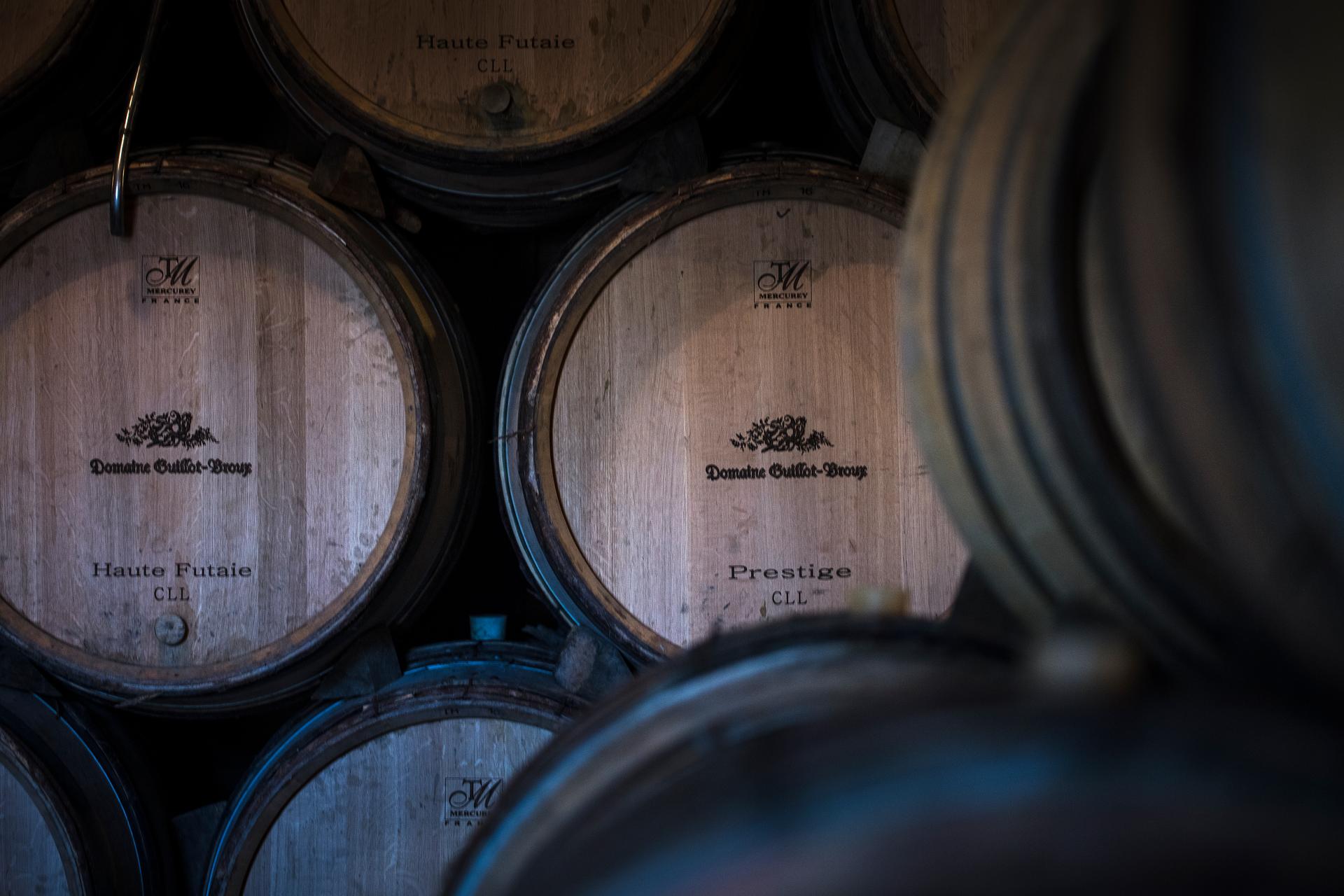
Burgundy's cellar traditions are as specific as its vineyard map. Whole-cluster fermentation, where the stems are left intact rather than separated from the grapes before fermentation, divides producers here more than almost any other single decision: some use none, others use all, and the choice shapes the structure of the finished wine in ways that show clearly in the glass. For white wines, the debate centres on oak — how much new barrel, how long, and whether to stir the lees that settle after fermentation. Both questions have no fixed answer; they are made vintage by vintage and parcel by parcel. What does hold across most serious Burgundy estates is a preference for minimal intervention: the philosophy is that the vineyard should speak, and the cellar should stay out of the way. That closeness between site and bottle is what makes Burgundy so compelling to taste across producers, and why the same appellation can offer a wide range of expressions. Explore Burgundy wines, producer-composed Burgundy wine cases, or widen your search to wines from France and French wine cases.