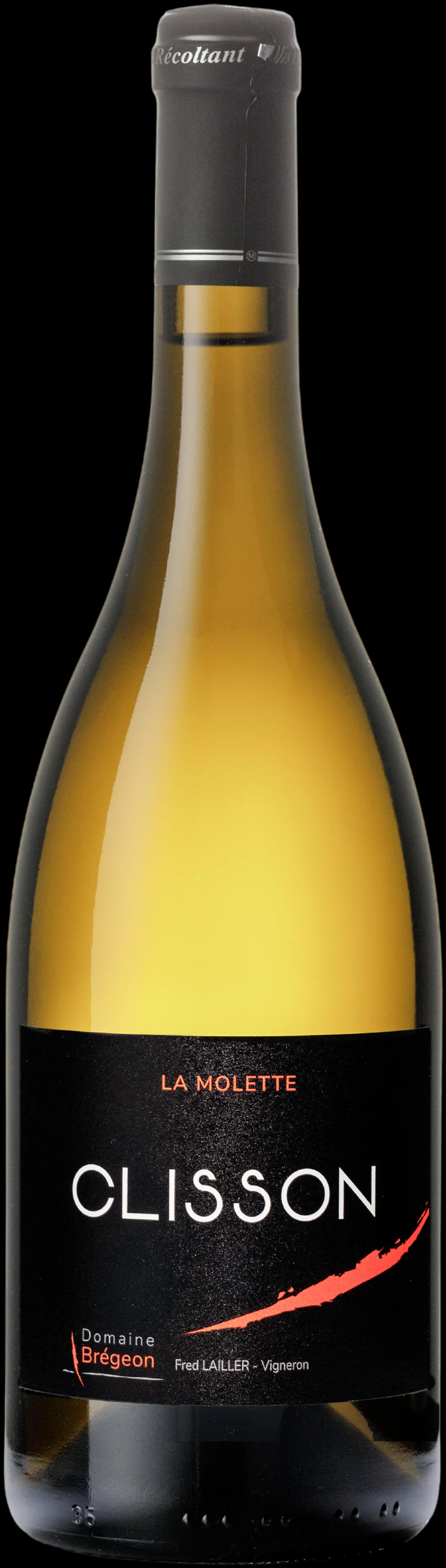
Melon de Bourgogne in the Loire Valley
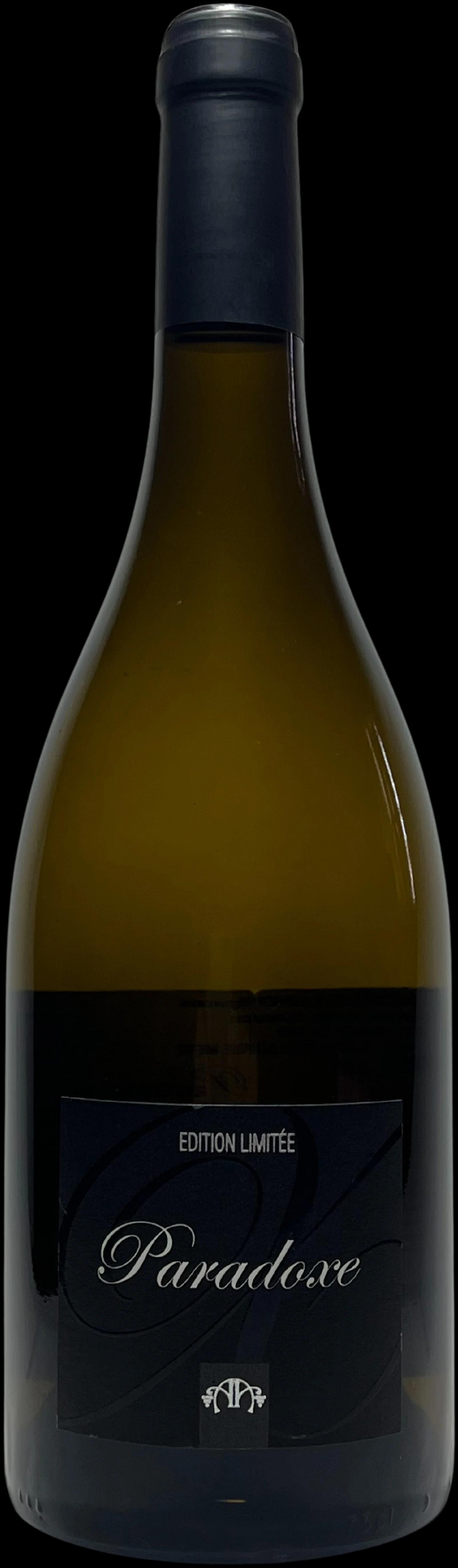
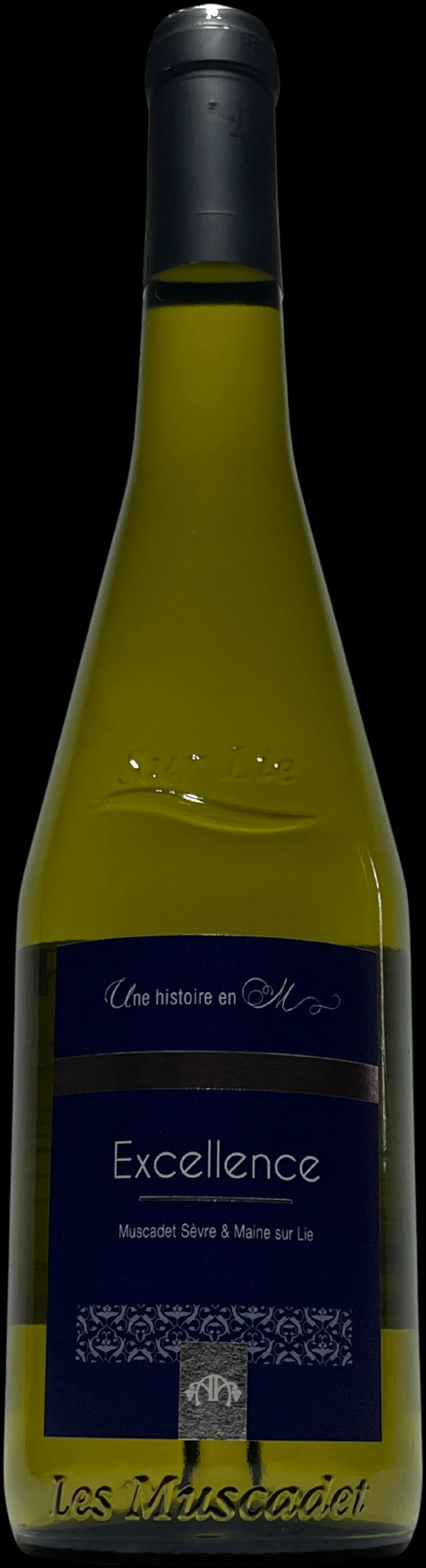
Melon de Bourgogne is, in practice, a Loire grape. It dominates the Muscadet appellation in the western Loire, planted predominantly on gneiss, granite, and gabbro soils around the Sèvre et Maine river system. The grape originated in Burgundy — hence the name — but was largely abandoned there after the catastrophic winter of 1709 wiped out much of the region's vineyards. Muscadet replanted aggressively with Melon de Bourgogne because of its early budding and frost resistance, and the variety has been associated with the Loire's Atlantic coastline ever since. Today, Melon de Bourgogne grown outside the Loire is rare enough to be the exception rather than the rule. Within France, it accounts for roughly 12,000 hectares of planted surface, almost all of it in the Muscadet zone. The grape's thin skin and high natural acidity make it particularly sensitive to the timing of harvest: picked too early, it produces aggressively lean wines with little texture; picked at full phenolic maturity, it can carry significant depth without losing the structural tension the variety is known for. Producers who vinify with extended lees contact — often nine months or more, under the sur lie designation — develop a yeasty, brioche-like complexity alongside the grape's salt-mineral baseline. The Loire Valley is the only place where this combination of Atlantic climate, specific schist-and-gneiss geology, and a century-long winemaking culture built around this single variety has produced a defined, recognizable style.
How French Melon de Bourgogne compares to other French white grapes
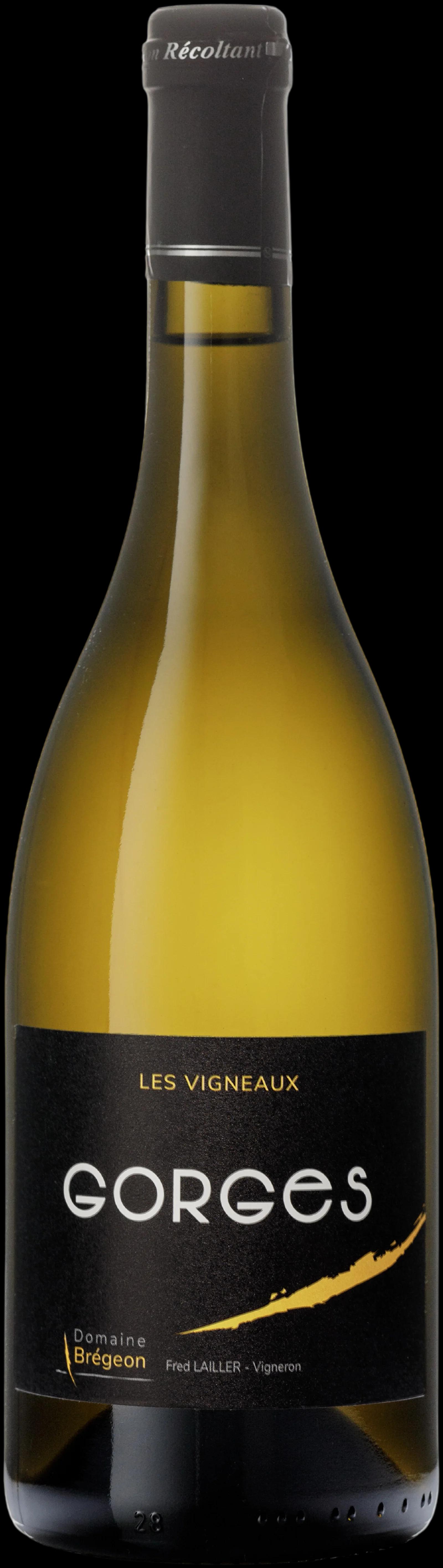
Melon de Bourgogne sits outside the stylistic cluster that defines most French white wine. Chardonnay from Burgundy is built on oxidative winemaking, malolactic conversion, and varying degrees of oak. Alsace whites — Riesling, Pinot Gris, Gewurztraminer — are aromatic-variety wines shaped by a continental climate and volcanic Vosges soils. Melon de Bourgogne by contrast is a reductive, non-aromatic variety, typically vinified in neutral vessels, whose character comes almost entirely from where it grows and how long it sits on lees rather than from varietal aromatics or oak influence. It produces no natural perfume the way aromatic grapes do. What it does produce is a precise, high-acid, low-alcohol framework — typically 11.5 to 12.5% ABV in classic vintages — that makes it structurally different from most other white grapes cultivated in France. The sur lie aging method, formalized under the Muscadet Sèvre et Maine sur lie designation, is one of the few appellation-level rules in France that specifies a minimum lees contact period as a quality criterion rather than just a regional grape list. Producers working outside the standard Muscadet appellation, in the newer cru communaux system — Clisson, Gorges, Le Pallet, and others — are producing single-village wines with longer minimum aging requirements, some exceeding 18 months on lees. These wines age significantly longer than standard Muscadet and represent a distinct stylistic tier within the same grape and the same region. No other French white grape has developed a comparable appellation-within-appellation cru structure based primarily on lees-aging time as a differentiator.
How producers on Free Grape Society work with this grape
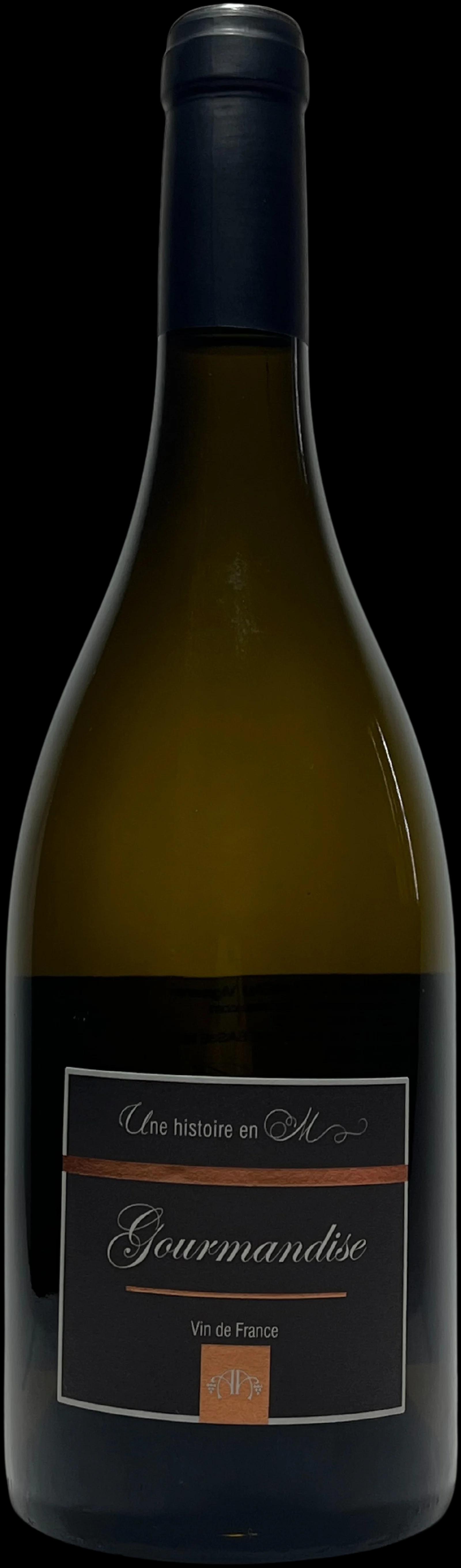
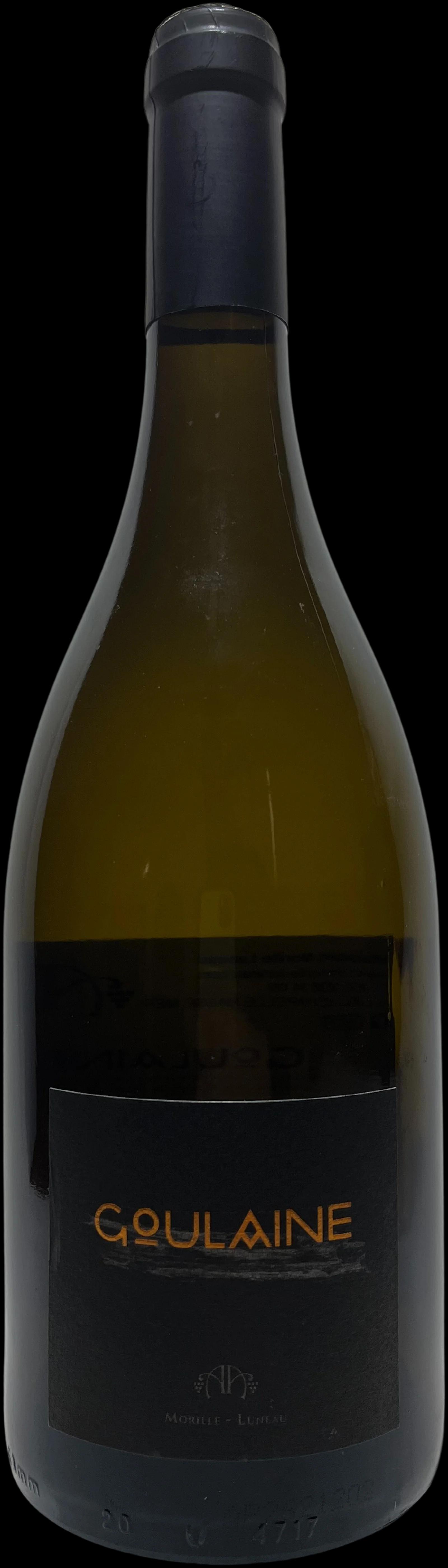
The producers listing Melon de Bourgogne on Free Grape Society are working from within the Loire's Atlantic zone, where the grape has the deepest rooting. Most are single-estate operations; Muscadet has historically been dominated by négociants, but the shift toward domaine-bottled wines has accelerated since the 2000s. A bottle of wine typically changes hands three times before it reaches you through conventional retail channels. Here it changes hands once, shipped directly from the producer's cellar. Producers, independent wine experts, and wine lovers participate on the same platform, on the same terms — the producer sets the price, the expert reviews the wine independently, and no importer or wholesaler sits in between. For a grape category like Melon de Bourgogne, where retail margins have historically compressed producer returns, that structure matters. The wines listed here are tasted before going live on the platform. You can also read independent expert reviews on individual bottles before buying. For related styles from the same country, see French white wines or Cabernet Franc from France for a different expression of Loire viticulture. For Melon de Bourgogne as a grape category across all origins, see the Melon de Bourgogne grape page.