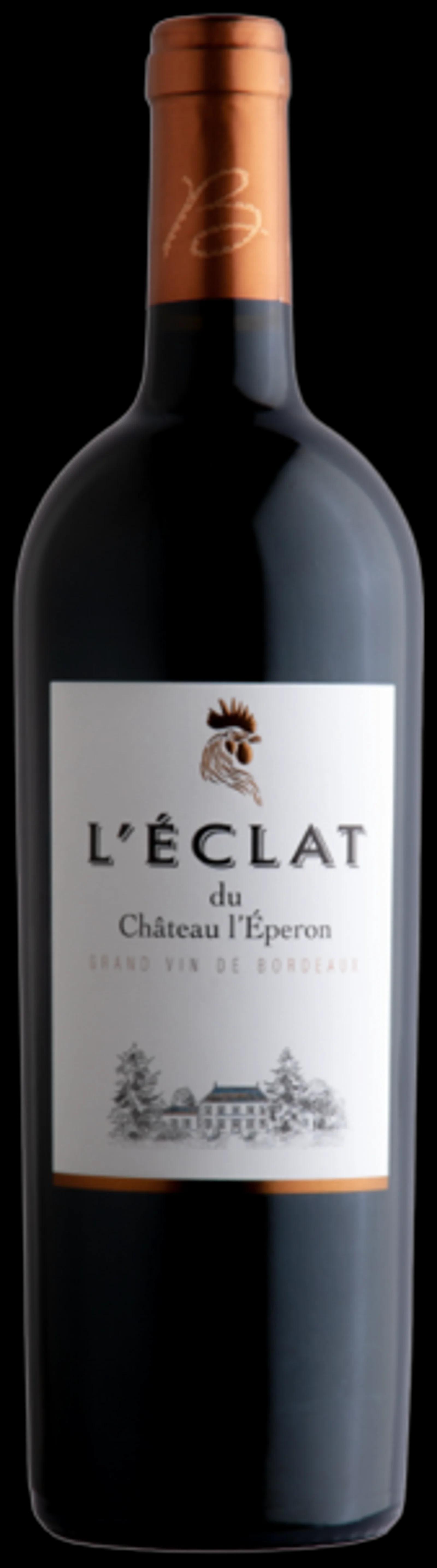
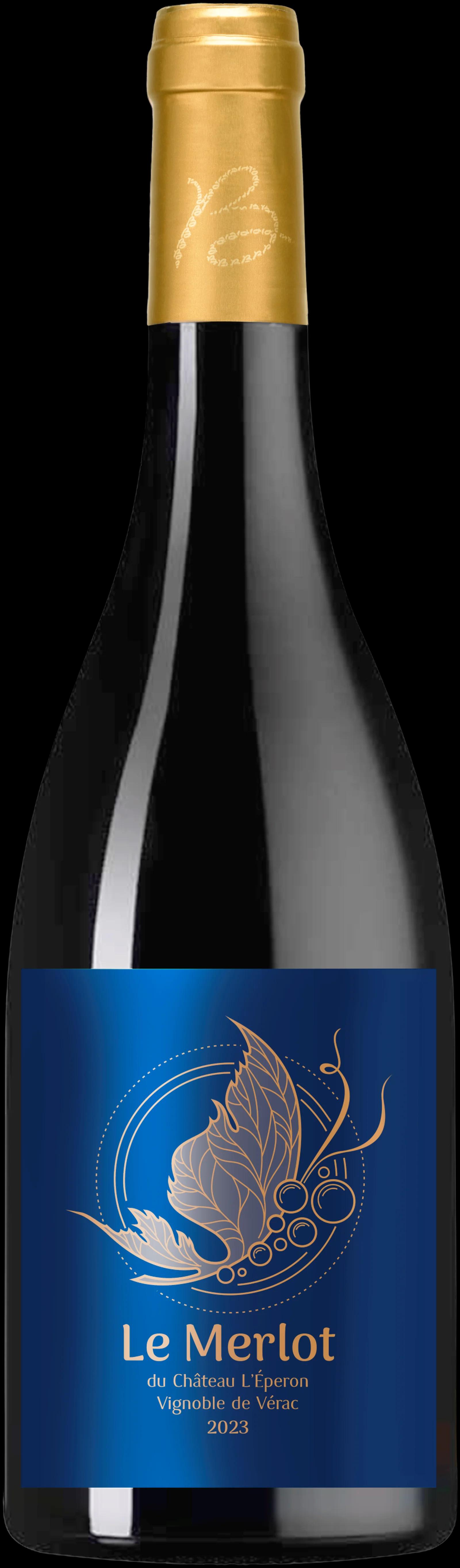
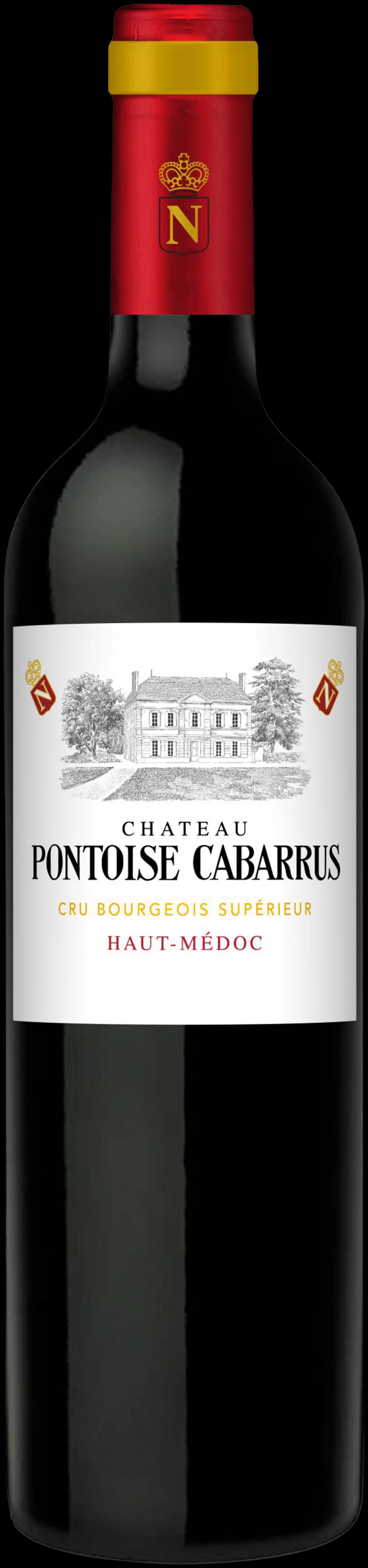
Merlot in France — where the grape actually comes from
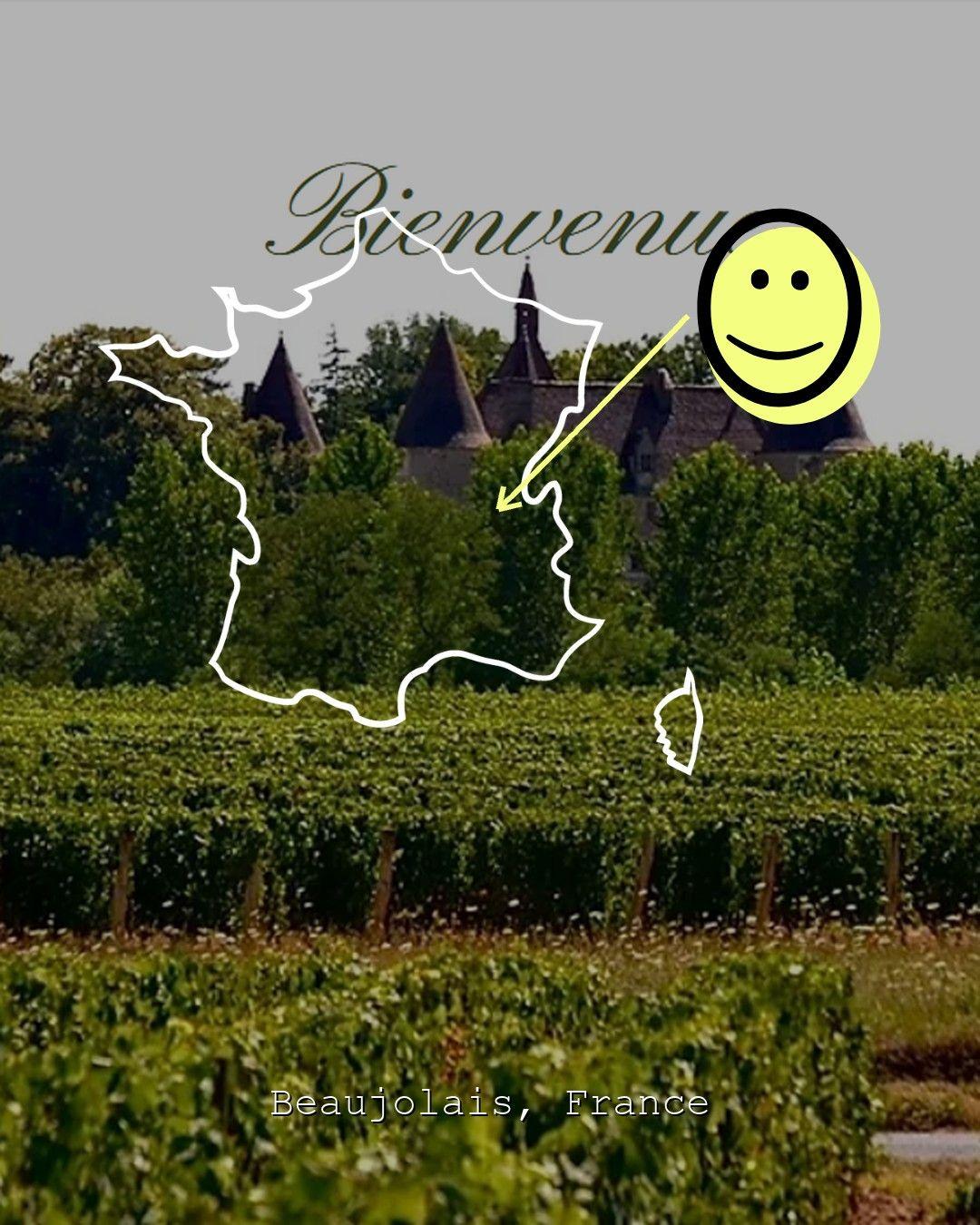
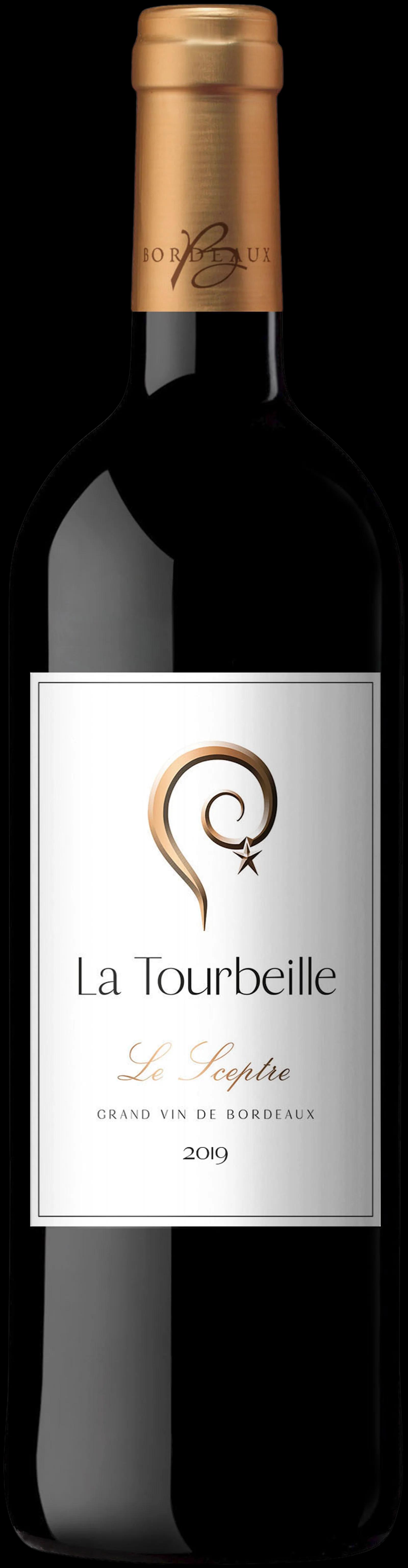
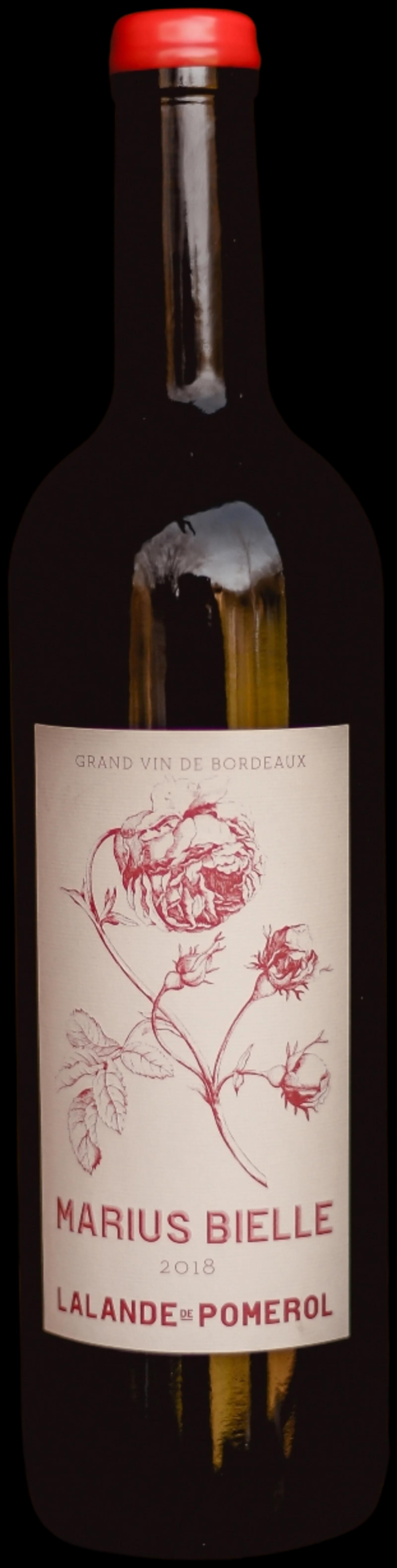
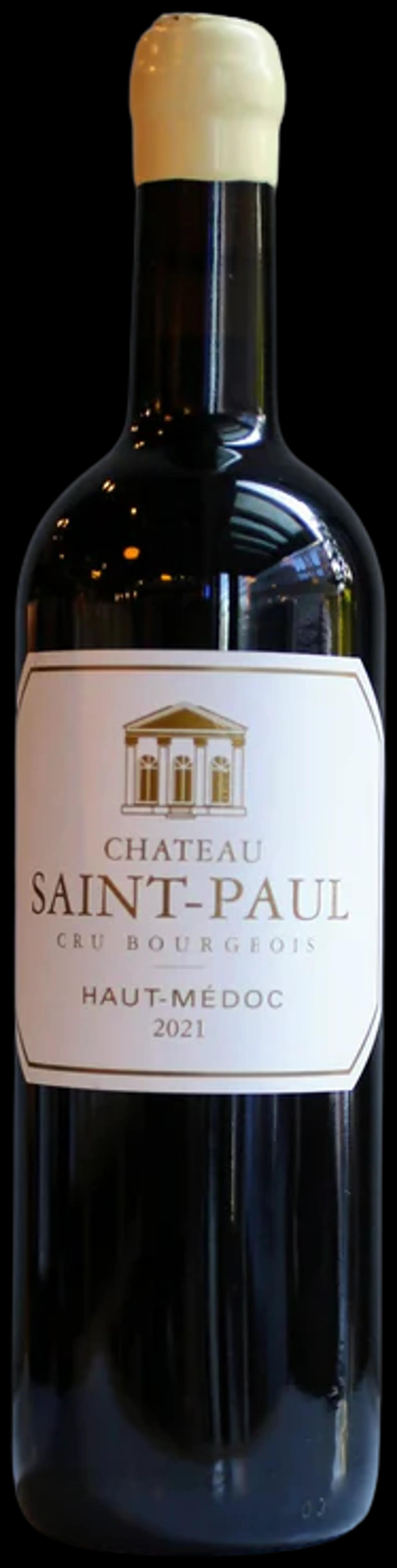
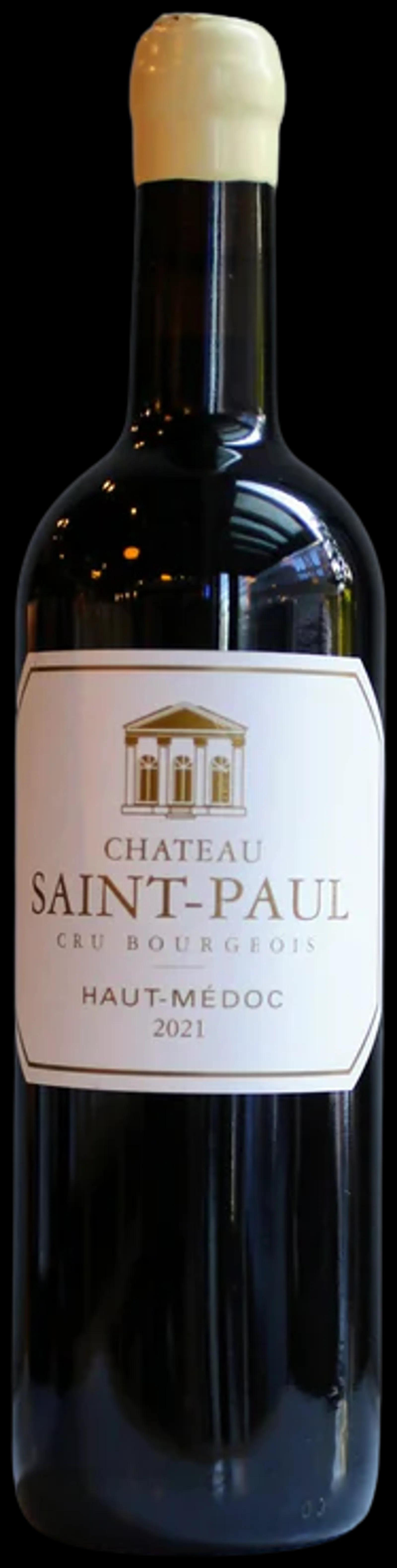
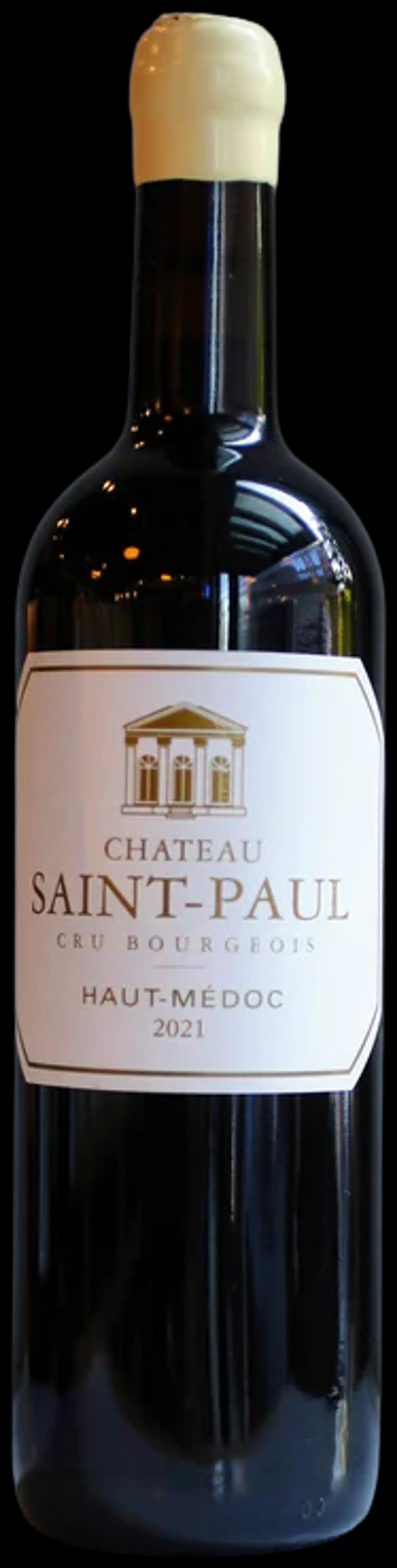
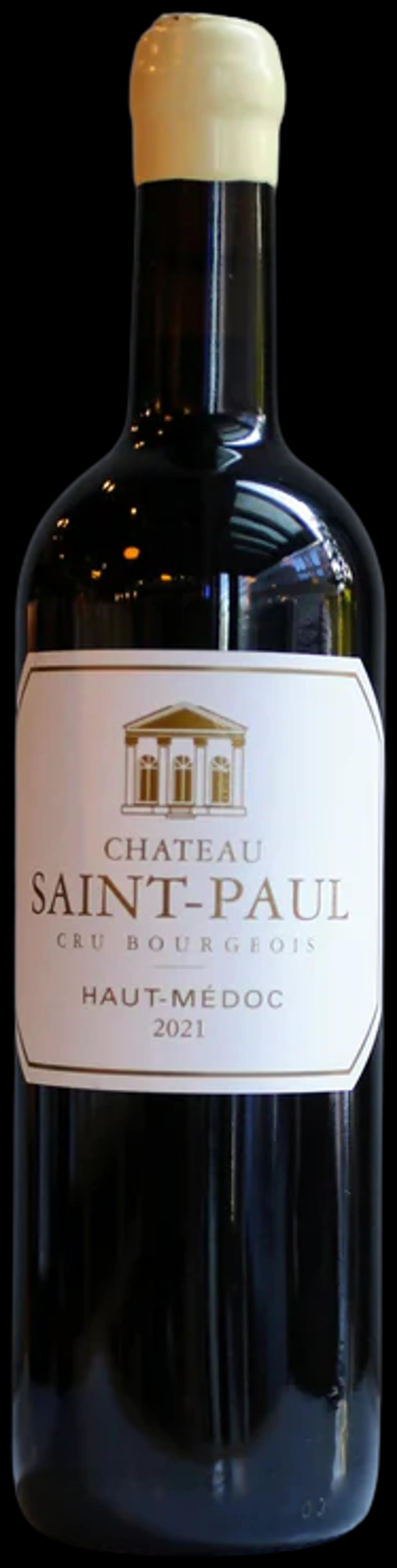
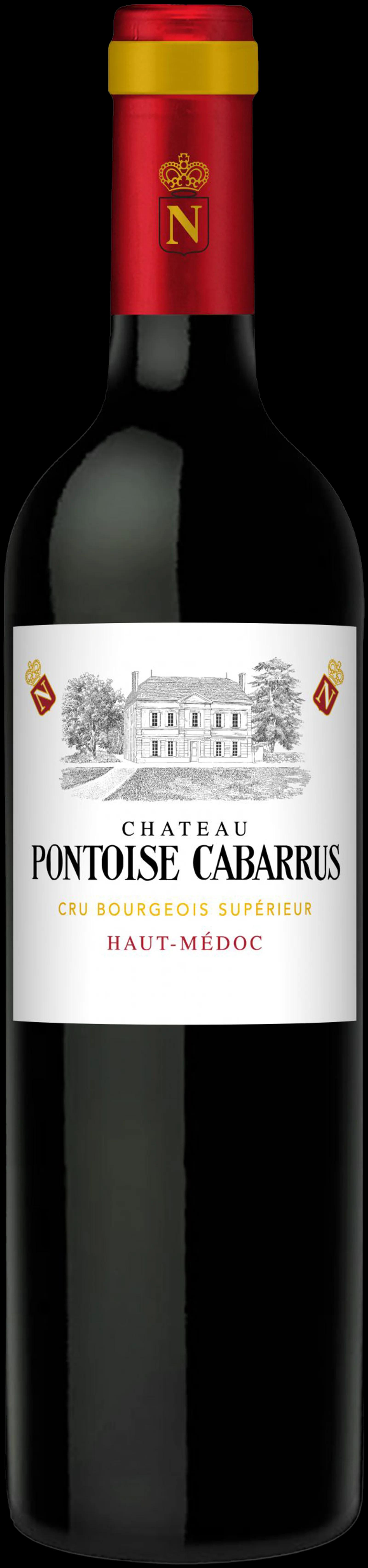
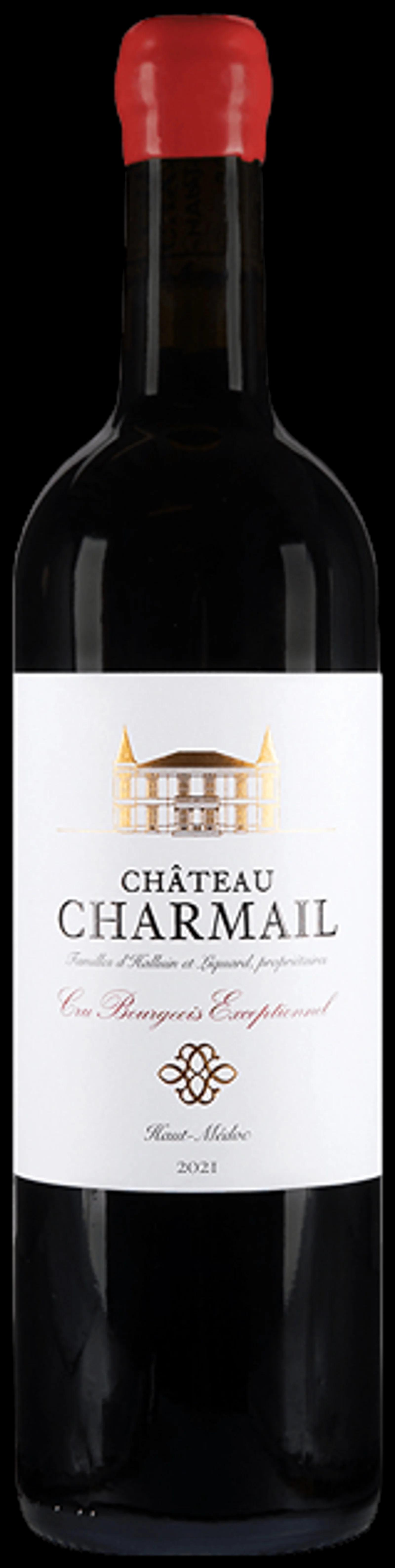
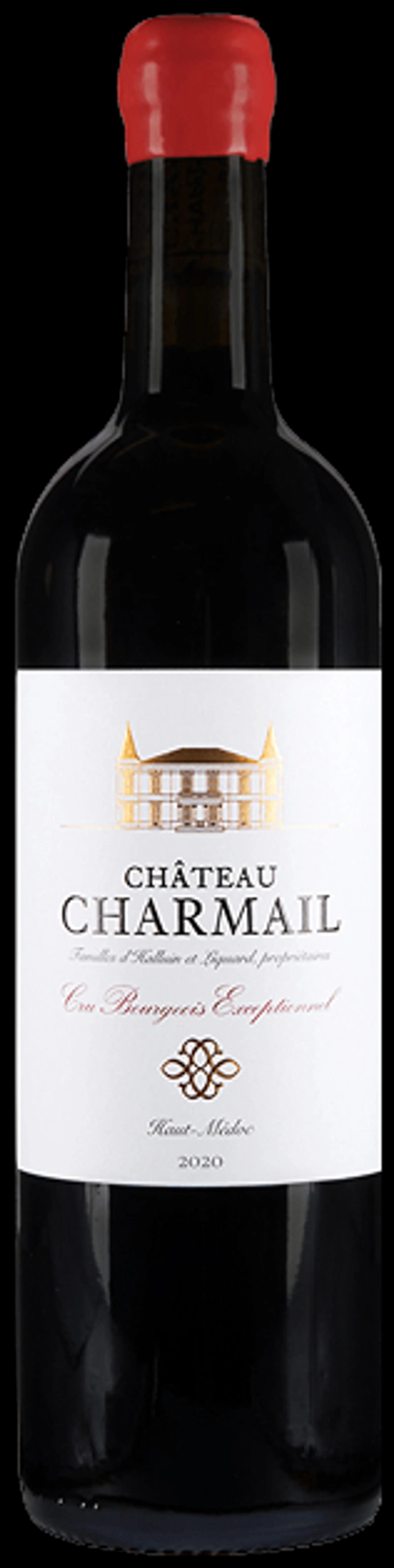
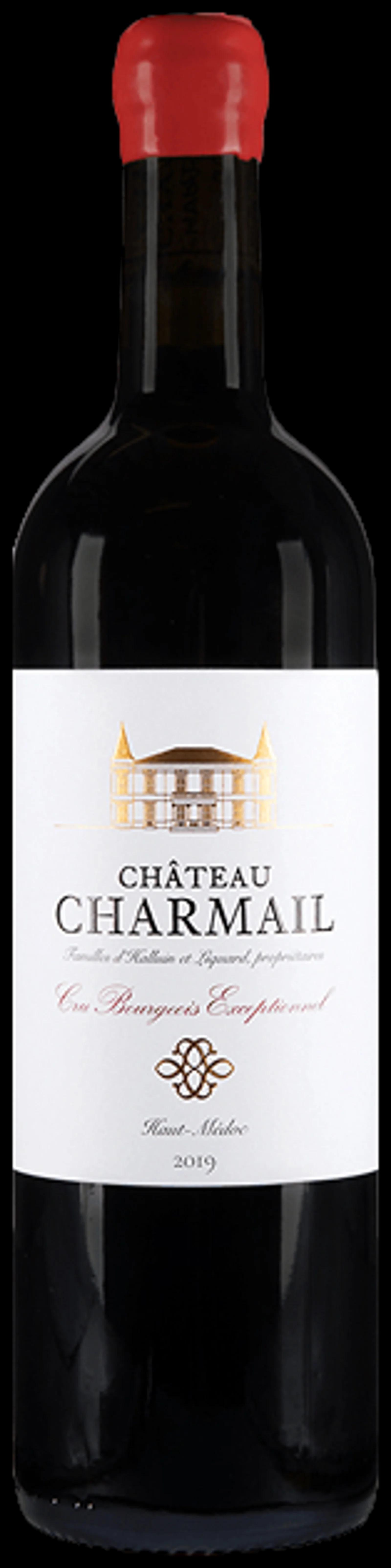
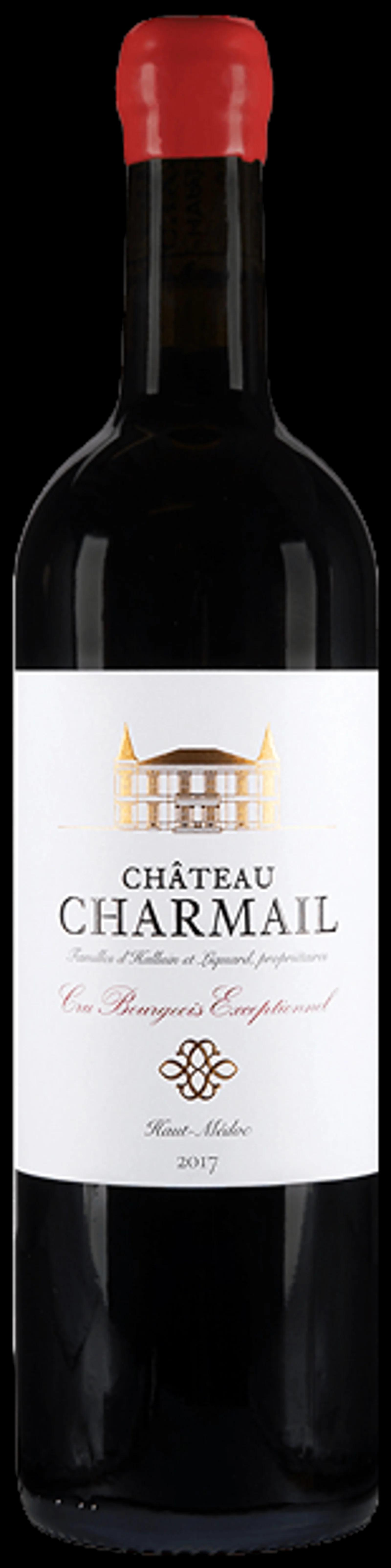
Merlot is not a grape that arrived in France from somewhere else. It is native to the Gironde, and Bordeaux remains the reference point for how it grows and what it produces. On the Right Bank — Saint-Émilion, Pomerol, Fronsac — Merlot is the dominant variety, often exceeding 80% of a blend or planted as a single varietal. The soils here are clay-heavy, which suits Merlot's root system and slows water stress during dry summers. That clay retention is a structural reason why Right Bank Merlot tends toward fuller body and softer tannin compared to Cabernet Sauvignon-driven blends from the Left Bank. Altitude is low — most Bordeaux vineyards sit below 100 metres — but aspect and drainage create meaningful variation within a few kilometres. In Languedoc-Roussillon, Merlot appears as a varietal wine more often than in Bordeaux, where it is almost always blended. The warmer, drier Mediterranean climate pushes ripeness faster, producing wines with darker fruit concentration and lower acidity than their Bordeaux counterparts. These are structurally different expressions of the same grape — not better or worse, but shaped by different conditions.
How French Merlot compares — Bordeaux blends versus single-variety expressions
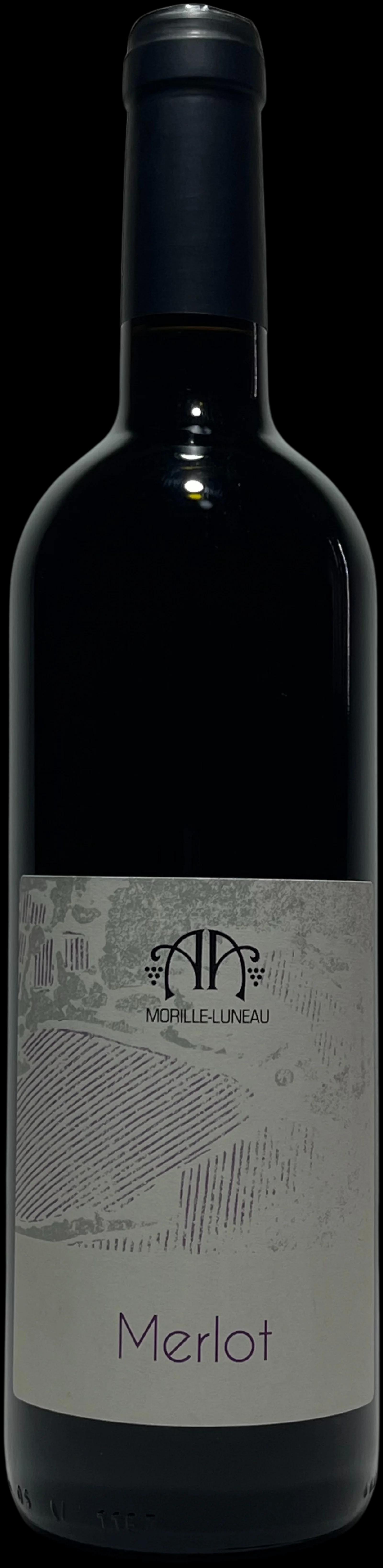
In Bordeaux, Merlot rarely appears alone on a label. It is blended with Cabernet Franc, Cabernet Sauvignon, and sometimes Petit Verdot or Merlot's close relative Malbec. The blend logic is practical: Merlot ripens 1–2 weeks earlier than Cabernet Sauvignon, so a cold snap or harvest rain affects the two varieties differently. Blending across parcels spread this risk across the estate. What Merlot contributes to a Bordeaux blend is specific: mid-palate weight, plum and red fruit character, and tannins that soften sooner than Cabernet. Aged Merlot-dominant wines from Pomerol can take 8–15 years to reach structural balance, which contradicts the common perception of Merlot as an early-drinking grape. Outside Bordeaux, producers in the Loire Valley and Languedoc are releasing Merlot as a single-variety wine with shorter ageing curves. These wines are tasted before listing on Free Grape Society, and independent wine experts review individual bottles on the platform. Producers set their own prices — no importer, no wholesaler margin added on top. The price reflects what the producer agreed to, not what a distribution chain adds afterwards. To compare French Merlot with Italian expressions of the same grape, see Merlot from Italy. For a broader look at red wines from France, the range spans Bordeaux blends through to single-variety Rhône and Loire bottlings.
Styles of Merlot from France — what shapes the variation
French Merlot is not a single style. Three production decisions create most of the variation between bottles. First, oak contact: Bordeaux châteaux typically age Merlot in 225-litre barriques for 12–18 months, which adds structure and integrates tannin. Producers working in Languedoc or the Rhône Valley sometimes use larger-format oak or no new oak at all, preserving more primary fruit. Second, yield: lower-yielding vines in clay-dominant soils concentrate extract and produce more structured wines. Higher-yield Merlot — common in appellations without strict yield controls — results in lighter, less complex wine. Third, harvest timing: Merlot loses acidity quickly as it ripens. Producers who harvest early retain freshness and structure; those who wait for full phenolic ripeness get richer, heavier wine with less tension. These decisions are made by the individual producer, which is why two bottles labelled Merlot from the same region can taste structurally different. For all wines from France, the range across regions is wider than any single variety suggests. Producers choosing to list on Free Grape Society do so on their own terms — they own their shelf, set their price, and are not selected by an inhouse buyer with quarterly targets. That structure is different from retail, and it is why the catalogue here includes producers who do not appear in standard distribution.