Cabernet Franc: Loire's great red, grown from Bordeaux to Friuli

Cabernet Franc wine ranges from pale, aromatic reds with a distinctive herbal edge to richer, structured styles, depending on where and how it is grown. The producers below grow it across France, Italy and beyond.

A grape that shifts from cool, leafy and precise in the Loire to fleshy and sun-warmed further south.

Color

Dropdown arrow

Type

Dropdown arrow

Country

Dropdown arrow

Region

Dropdown arrow

Grape

Dropdown arrow

Pairing

Dropdown arrow

Sort by

Sort arrow
Cabernet Franc

Cabernet Franc wines

Cabernet Franc is one of the parent grapes of Cabernet Sauvignon, though it ripens earlier and sits more comfortably in cooler soils. In the Loire Valley it found its clearest expression: the reds of Chinon, Bourgueil and Saumur-Champigny are built on it almost entirely, and they are among the most food-friendly wines in France — firm but not heavy, aromatic and direct. On Free Grape Society, each bottle ships directly from the grower's own cellar, with no importer or warehouse in between.

Showing 1–33 of 46 wines

Previous1 of 2Next

Cabernet Franc mixboxes

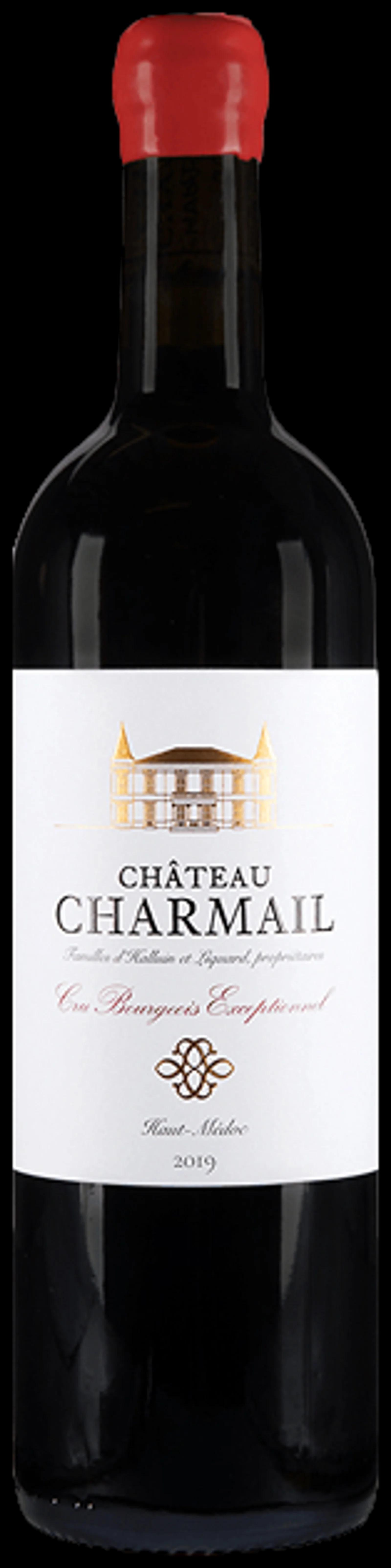
A mixbox brings together six bottles from a single producer — their own selection, put together as the recommendation they would make if you came to the cellar. With Cabernet Franc, that often means following one estate across its different parcels or seeing how a single vineyard changes between vintages. Free Grape Society is a society of producers, independent experts and wine lovers, not a shop — and a mixbox is one of the more direct ways to get to know a grower's whole range.
View all mixboxes

Wineries

The growers below work with Cabernet Franc across some very different terroirs — from the tuffeau soils of Chinon to the gravel and clay of Bordeaux's Right Bank, where it shares ground with Merlot. Reading a producer's own notes is usually the quickest way to understand how their site shapes the wine. The wine-advice service is there if you would rather talk through the differences before choosing.

View all wineries

Wine experts

Independent wine experts review wines they have personally tasted, and their notes are visible on each wine page and on the expert's own profile. Several of the experts below have reviewed Cabernet Franc wines featured on this page, so you can read what they found before deciding.

View all wine experts

Frequently asked questions

How do I order Cabernet Franc wines on Free Grape Society?

Browse the wines listed on this page and add bottles to your cart. Each wine ships directly from the producer's own cellar. Your order can include bottles from more than one producer, and each producer ships their part of the order separately. Free shipping is included, and payment is handled securely through Klarna or card.

What happens if a bottle arrives broken or doesn't taste right?

Send a photo to Free Grape Society customer support within 7 days of delivery. We will arrange a replacement or a refund. Because producers ship directly, quality issues are handled with the producer's direct involvement. Shared responsibility is built into how FGS works.
Can I order Cabernet Franc from more than one producer at once?

Yes. You can add wines from different producers to the same order. Because each producer ships directly from their own cellar, you will receive separate deliveries — one per producer. There are no hidden handling fees, and free shipping applies to each.
How long does delivery take?

Average delivery is 8 to 9 days from order to door. The full range is 4 to 14 days depending on the producer's location and your delivery address. Wines ship directly from the producer's cellar, not from a central warehouse.

How do I choose between the different styles of Cabernet Franc on this page?

The main split is between cooler-climate Loire styles — lighter, more aromatic, with a characteristic leafy or violet note — and warmer-climate versions from Bordeaux, Italy or southern France, which tend to be fuller and rounder. The producer's own tasting notes will tell you which direction their wine leans. If you are unsure, the wine-advice service connects you with an independent expert who can help you choose.

What makes the Cabernet Franc selection on Free Grape Society different from what I find in shops?

The producers on this page are independent growers who bottle their own wine. Most are small estates that do not export widely and are rarely available through retail channels in most countries. Because they sell and ship directly through Free Grape Society, you are buying from the person who made the wine, not from a warehouse that has held it for months.

Which Cabernet Franc wine expert can recommend something for me?

Several independent wine experts on Free Grape Society have reviewed Cabernet Franc wines and can answer questions about the grape and its producers. Browse the experts section on this page to read their profiles and see which wines they have covered. You can submit a question directly from any expert's profile.

Why don't you sell supermarket-brand Cabernet Franc wines?

Free Grape Society lists wines from independent producers who grow their own grapes and bottle under their own label. Supermarket-brand wines are typically produced at scale by large négociants or co-operatives and sold through retail distribution chains — the opposite of what Free Grape Society is built around. The point is a direct relationship between the grower and the person drinking the wine.

Is Cabernet Franc available through retailers or wine shops in most countries?

Wines from small independent Cabernet Franc producers are rarely widely distributed. In most European markets, retail and specialist wine shops tend to stock larger négociant labels or well-known châteaux. Estate-bottled Cabernet Franc from smaller Loire or Right Bank growers typically reaches buyers only through direct sales or platforms like Free Grape Society that remove the importer and distributor steps.

Where Cabernet Franc comes from and how region shapes it

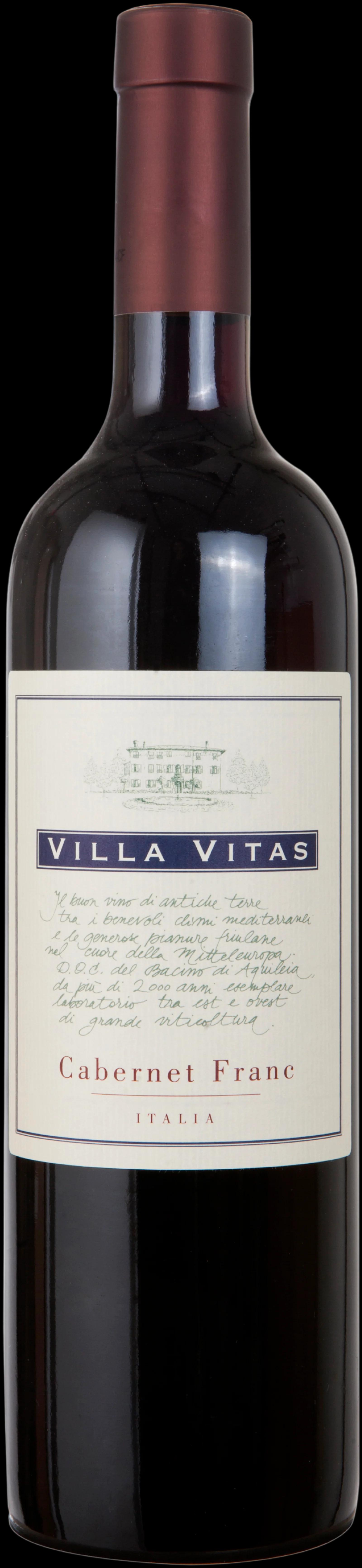
Cabernet Franc is one of the oldest Bordeaux varieties, and its oldest confirmed home is the Loire Valley, where it has been grown for centuries in appellations such as Chinon, Bourgueil and Saumur-Champigny. It ripens earlier than Cabernet Sauvignon, which made it valuable in cooler Atlantic climates where the latter could not fully ripen. In Bordeaux itself, Cabernet Franc plays a supporting role on the Left Bank but becomes a lead variety on the Right Bank, particularly in Saint-Émilion and Pomerol, where the clay soils favour earlier-ripening grapes. Outside France, it has found a strong second home in Friuli Venezia Giulia in northeastern Italy, where it is often vinified as a single-variety wine with a distinctly herbaceous, pencil-shaving character. You will also find it across Bordeaux, the Loire Valley and Friuli Venezia Giulia, as well as in smaller plantings across Tuscany, Lombardy and Southwest France. The same grape tastes quite different depending on where it grows: cooler sites in the Loire tend toward red fruit, graphite and a fresh herbal edge, while warmer sites in Bordeaux and Italy push toward darker fruit and a rounder structure.

How Cabernet Franc tastes, and what to drink it with

Cabernet Franc sits between Cabernet Sauvignon and Merlot in weight, with medium tannin, lively acidity and an aromatic signature that is easy to recognise once you know it: red and dark cherry, violet, and a leafy, pencil-shaving quality that wine professionals often describe as a defining varietal trait. In cool-climate versions from the Loire it can be almost mineral and tightly wound when young, softening with a few years in bottle. In warmer expressions from Bordeaux blends or Italian interpretations, the herb note recedes and darker fruit comes forward. This range makes it one of the more food-friendly red varieties: the acidity cuts through rich dishes, while the moderate tannin does not overwhelm lighter proteins. It works particularly well alongside duck, lamb, grilled vegetables and mushroom-based dishes. Wines made from Cabernet Franc also appear in rosé, and in the Loire the grape is used for sparkling wines under the Saumur appellation. If you are exploring the variety by region, the red wines from France and red wines from Italy pages both carry Cabernet Franc-based bottles from independent producers.

Buying Cabernet Franc direct from independent producers

Most Cabernet Franc sold through conventional retail comes blended into a regional label, where the variety is rarely named and the grower behind it is invisible. On Free Grape Society, producers ship wines directly from their own cellars, with no importer or warehouse in between, which means you can read who made the wine, where the vineyard sits and how the wine was raised before you order. Wines tasted before listing means the range covers verified expressions of the grape across its main regions: Loire, Bordeaux, Friuli and beyond. Independent wine experts also review wines they have personally tasted, and their notes are visible on each wine page and on the expert's own profile, so you have more than one view to draw on. The Loire Valley wineries and Bordeaux wineries pages are good starting points if you want to explore producers by region, and the Friuli Venezia Giulia wineries page covers the Italian side of the variety. Free Grape Society is a society of producers, independent experts and wine lovers, not a shop — joining is free for everyone, and the producers set their own prices.