Where Cabernet Franc comes from and how region shapes it
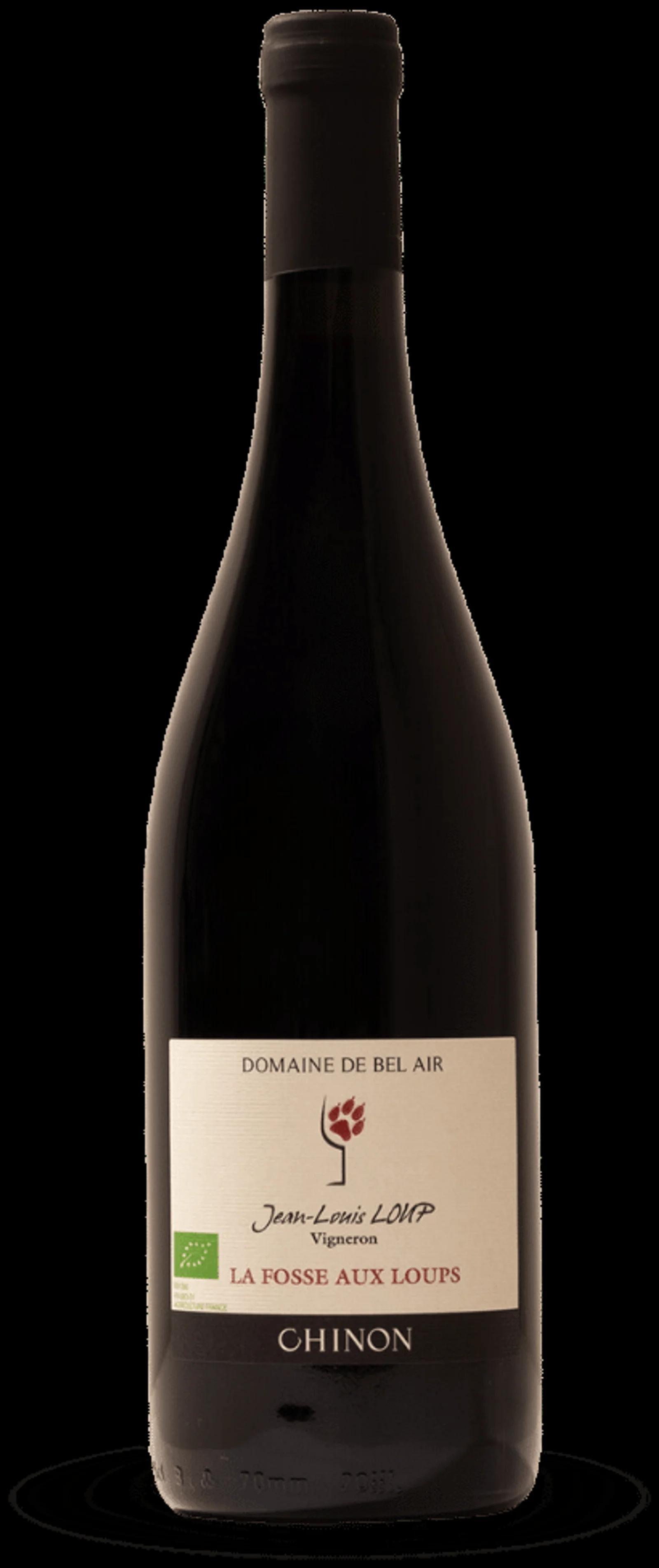
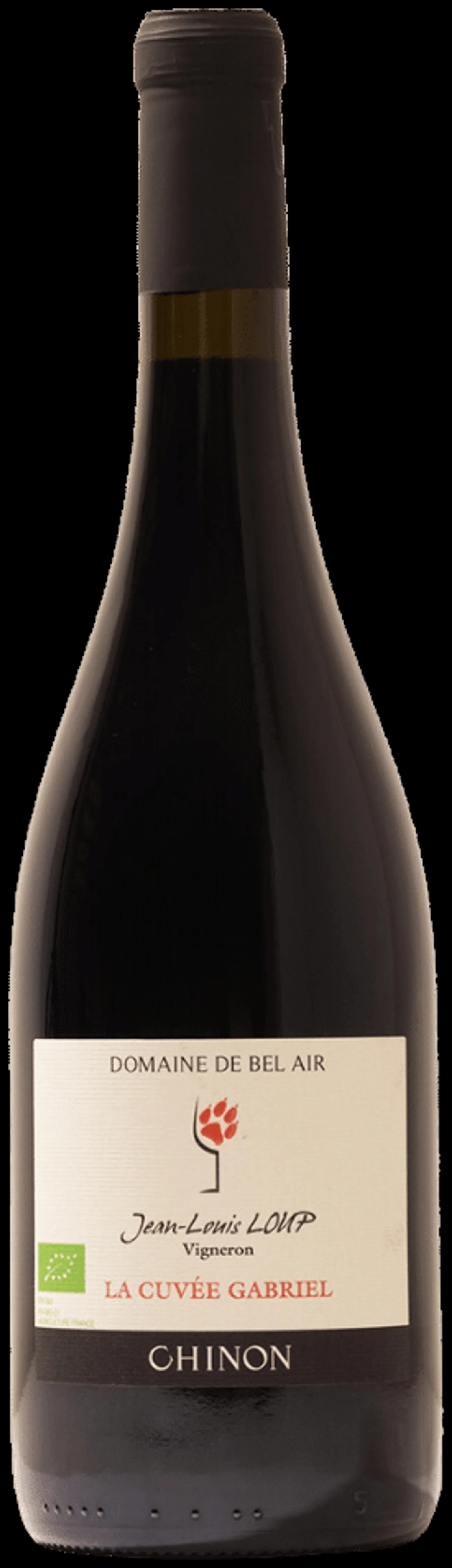
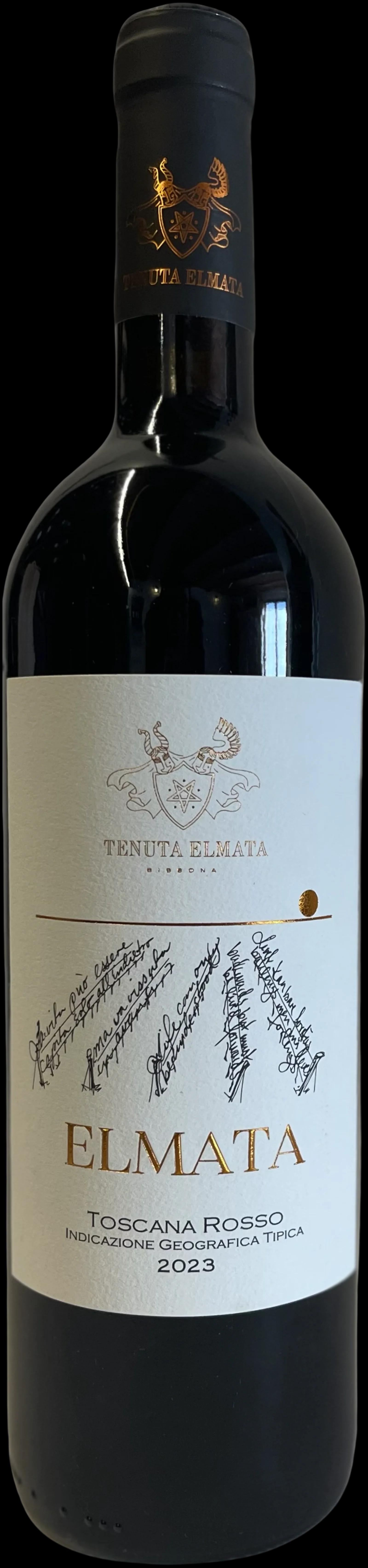
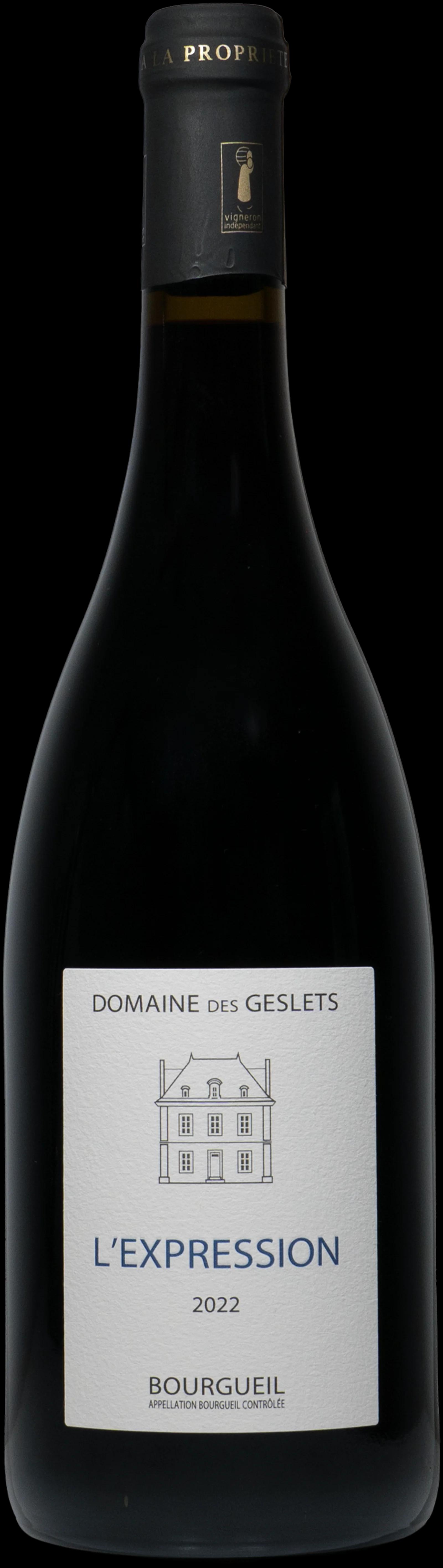
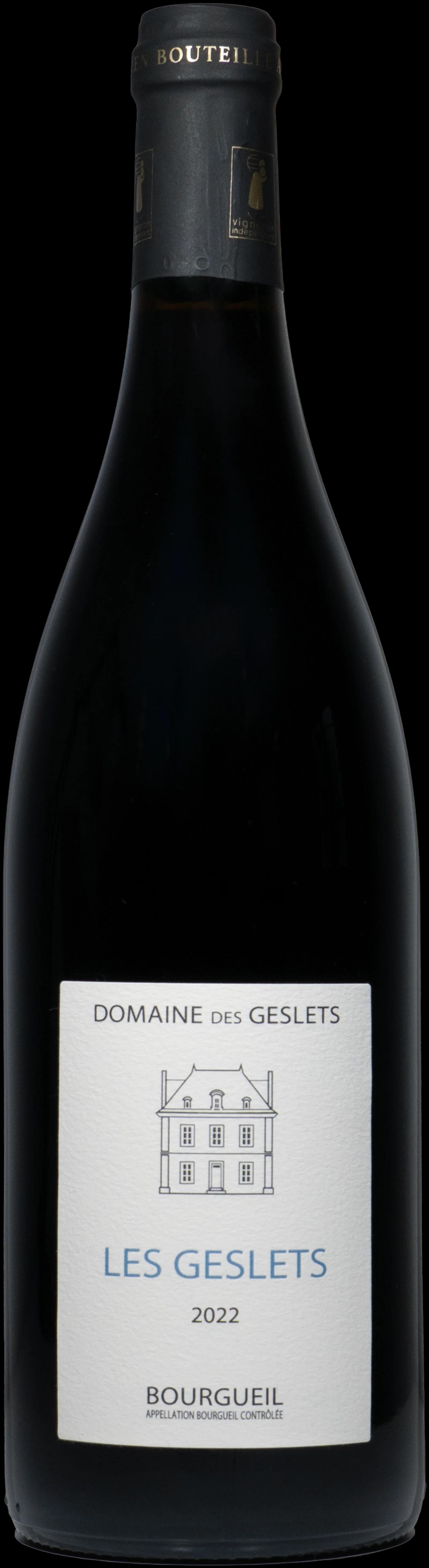
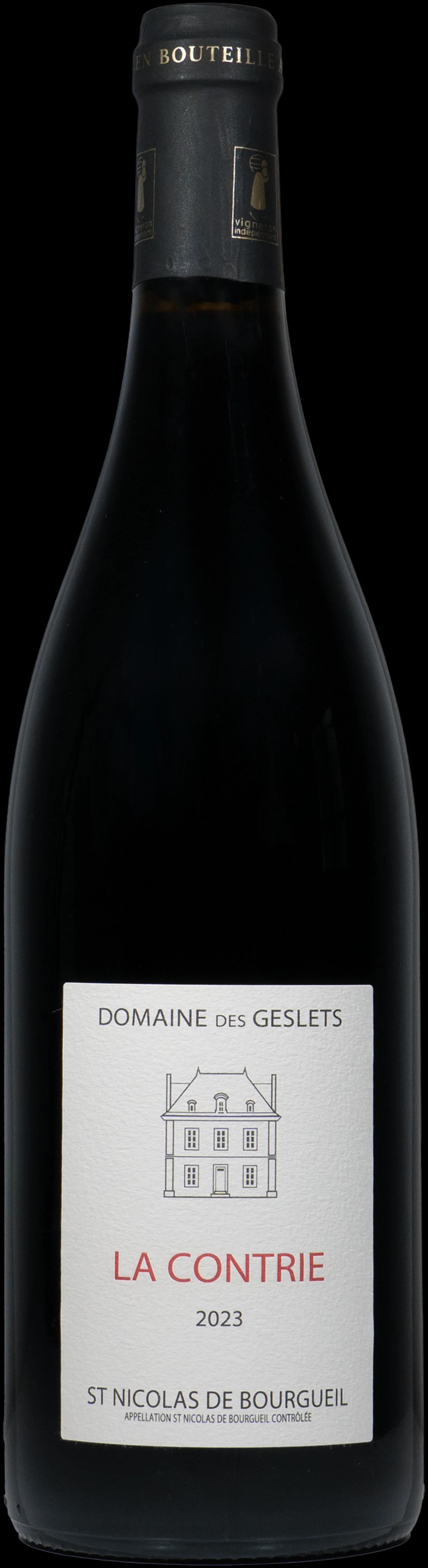
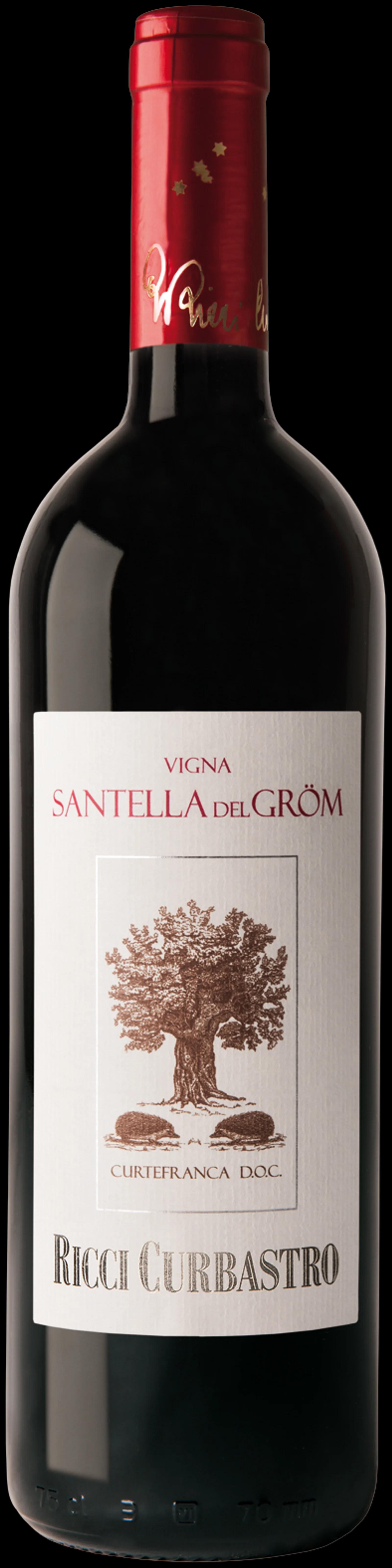
Cabernet Franc is one of the oldest Bordeaux varieties, and its oldest confirmed home is the Loire Valley, where it has been grown for centuries in appellations such as Chinon, Bourgueil and Saumur-Champigny. It ripens earlier than Cabernet Sauvignon, which made it valuable in cooler Atlantic climates where the latter could not fully ripen. In Bordeaux itself, Cabernet Franc plays a supporting role on the Left Bank but becomes a lead variety on the Right Bank, particularly in Saint-Émilion and Pomerol, where the clay soils favour earlier-ripening grapes. Outside France, it has found a strong second home in Friuli Venezia Giulia in northeastern Italy, where it is often vinified as a single-variety wine with a distinctly herbaceous, pencil-shaving character. You will also find it across Bordeaux, the Loire Valley and Friuli Venezia Giulia, as well as in smaller plantings across Tuscany, Lombardy and Southwest France. The same grape tastes quite different depending on where it grows: cooler sites in the Loire tend toward red fruit, graphite and a fresh herbal edge, while warmer sites in Bordeaux and Italy push toward darker fruit and a rounder structure.
How Cabernet Franc tastes, and what to drink it with
Cabernet Franc sits between Cabernet Sauvignon and Merlot in weight, with medium tannin, lively acidity and an aromatic signature that is easy to recognise once you know it: red and dark cherry, violet, and a leafy, pencil-shaving quality that wine professionals often describe as a defining varietal trait. In cool-climate versions from the Loire it can be almost mineral and tightly wound when young, softening with a few years in bottle. In warmer expressions from Bordeaux blends or Italian interpretations, the herb note recedes and darker fruit comes forward. This range makes it one of the more food-friendly red varieties: the acidity cuts through rich dishes, while the moderate tannin does not overwhelm lighter proteins. It works particularly well alongside duck, lamb, grilled vegetables and mushroom-based dishes. Wines made from Cabernet Franc also appear in rosé, and in the Loire the grape is used for sparkling wines under the Saumur appellation. If you are exploring the variety by region, the red wines from France and red wines from Italy pages both carry Cabernet Franc-based bottles from independent producers.
Buying Cabernet Franc direct from independent producers
Most Cabernet Franc sold through conventional retail comes blended into a regional label, where the variety is rarely named and the grower behind it is invisible. On Free Grape Society, producers ship wines directly from their own cellars, with no importer or warehouse in between, which means you can read who made the wine, where the vineyard sits and how the wine was raised before you order. Wines tasted before listing means the range covers verified expressions of the grape across its main regions: Loire, Bordeaux, Friuli and beyond. Independent wine experts also review wines they have personally tasted, and their notes are visible on each wine page and on the expert's own profile, so you have more than one view to draw on. The Loire Valley wineries and Bordeaux wineries pages are good starting points if you want to explore producers by region, and the Friuli Venezia Giulia wineries page covers the Italian side of the variety. Free Grape Society is a society of producers, independent experts and wine lovers, not a shop — joining is free for everyone, and the producers set their own prices.