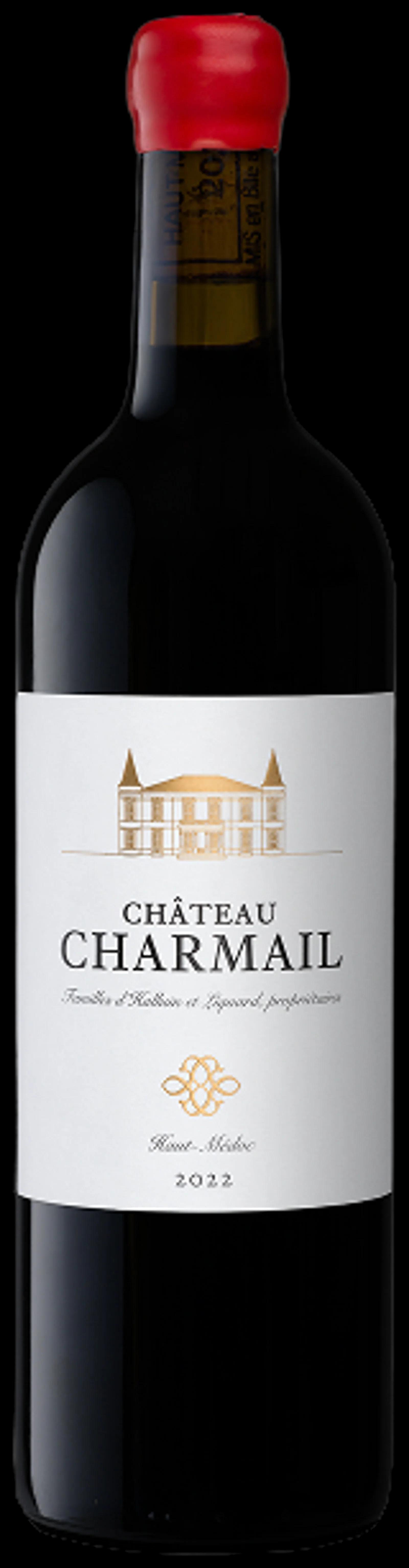
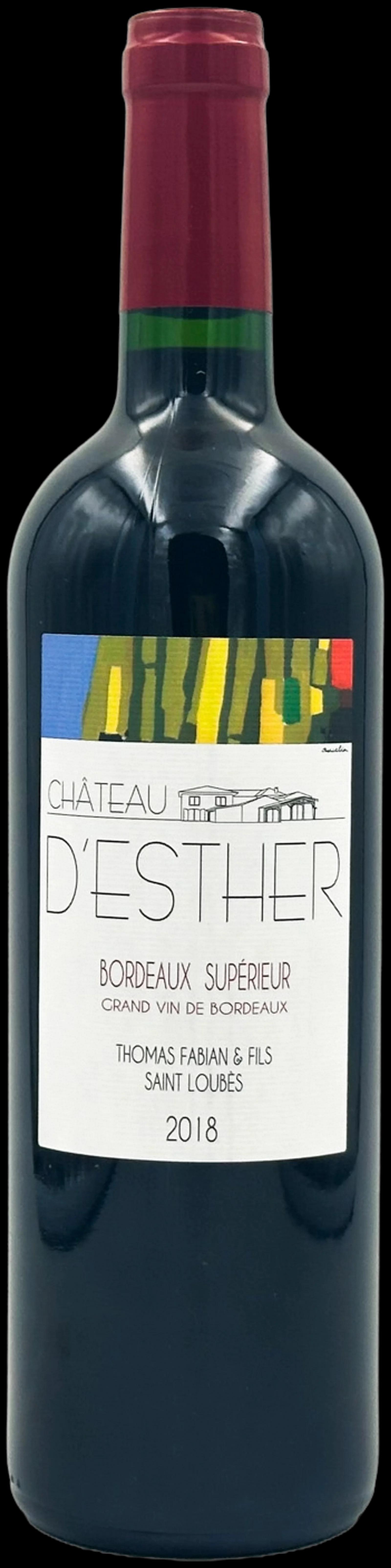
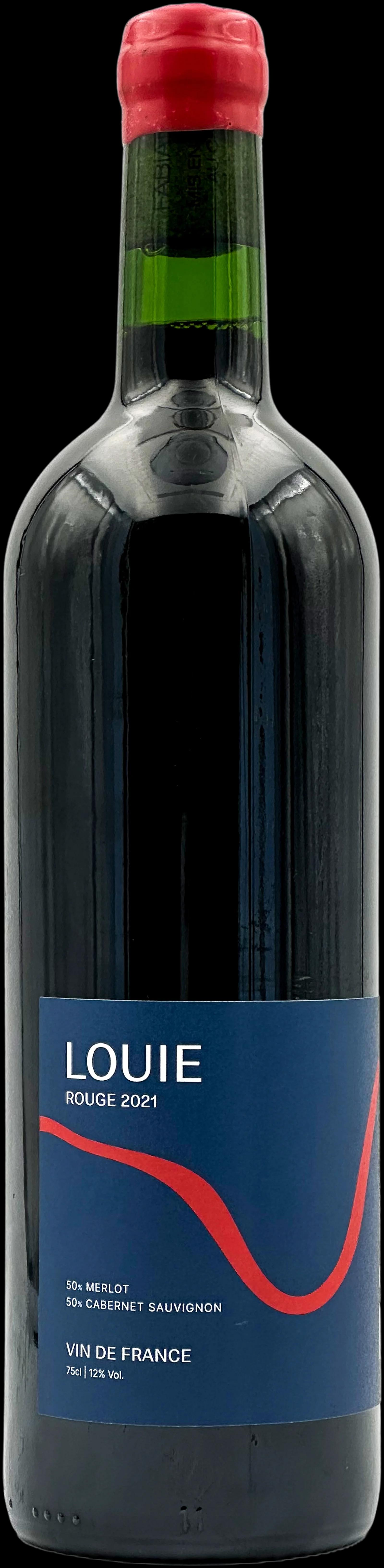
Bordeaux appellations and what they mean for the producer
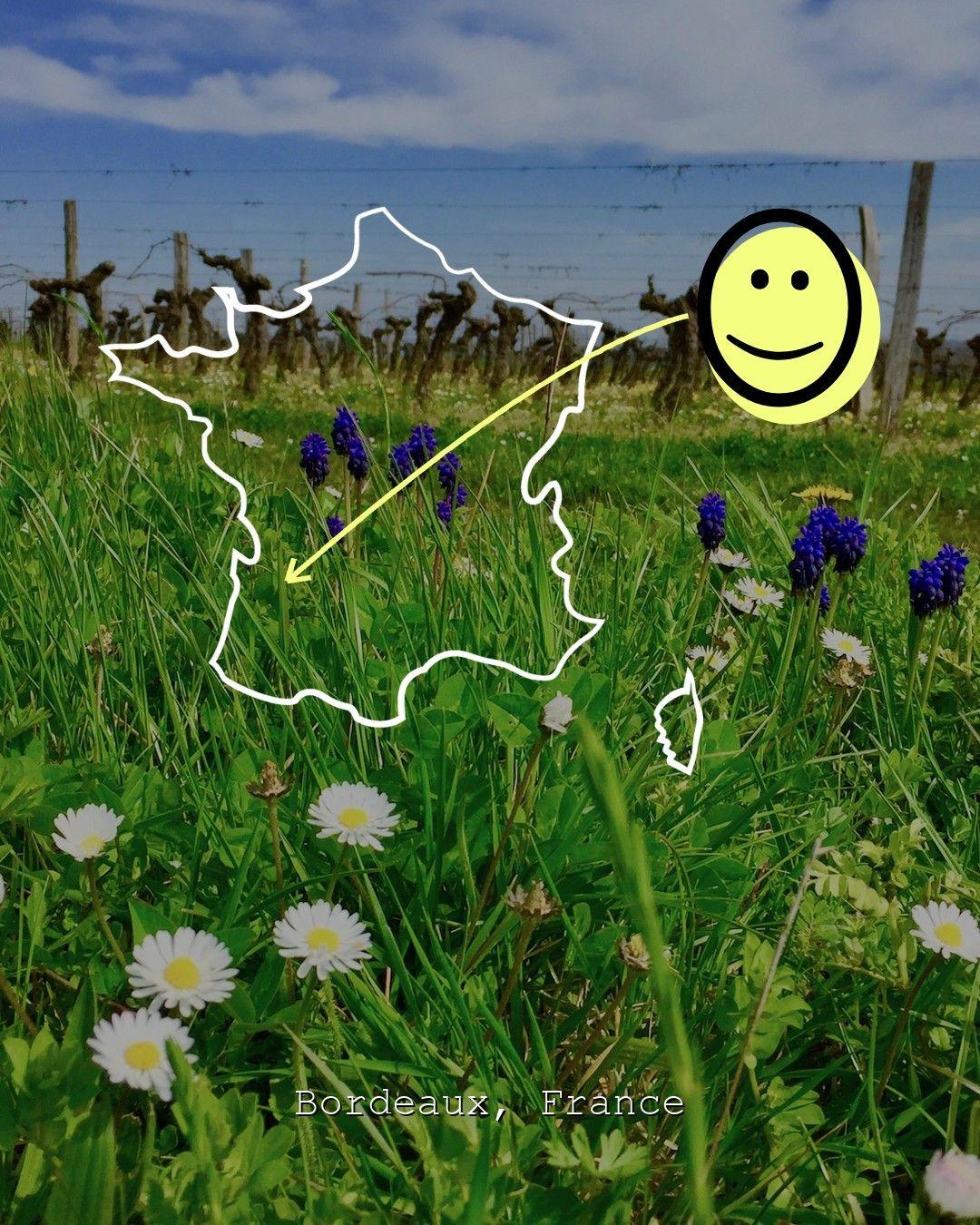
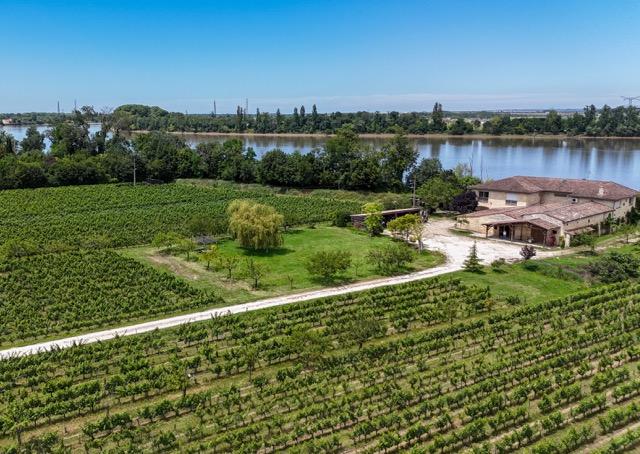
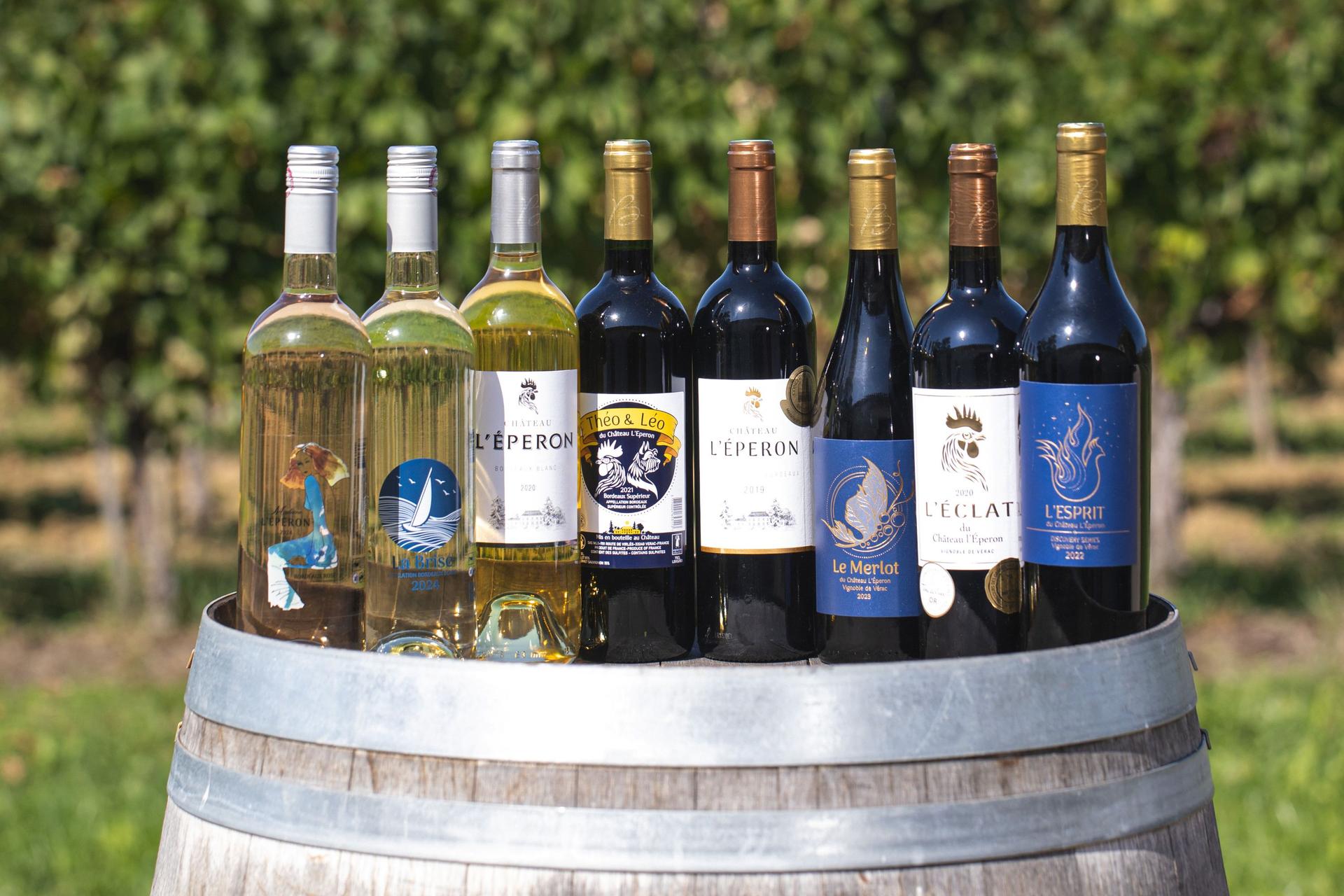
Bordeaux is not one region with one style. It is a patchwork of 65 appellations spread across the left and right banks of the Gironde estuary, each with its own permitted grapes, yields, and classification rules. The left bank — Médoc, Haut-Médoc, Pessac-Léognan — is built on Cabernet Sauvignon. The right bank — Saint-Émilion, Pomerol, Fronsac — runs predominantly on Merlot and Cabernet Franc. Those are not stylistic preferences. They are geological outcomes: Cabernet Sauvignon performs on the free-draining gravels of the left bank; Merlot suits the clay-rich soils of the right. Entre-Deux-Mers, the large triangle between the Garonne and the Dordogne, produces most of Bordeaux's dry white wine, with Sauvignon Blanc and Sémillon as the dominant varieties. The 1855 Classification ranked 61 châteaux based on price reputation at the time — and has been revised exactly once since, in 1973, when Mouton Rothschild moved from second to first growth. Producers outside that classification system have no path to entry regardless of quality, which is one reason the most interesting value in Bordeaux today often comes from appellations like Côtes de Bordeaux, Bourg, and Blaye, where smaller family estates operate without the classification overhead.
What independent Bordeaux producers work with that the châteaux don't
The Bordeaux négociant system was built in the 18th century to connect inland producers with international shipping merchants based in the city. That structure still moves the majority of Bordeaux volume today. A producer sells to a négociant, the négociant assembles and distributes, and the margin is split accordingly — sometimes across three or four intermediary steps before the wine reaches a retailer. Independent producers on Free Grape Society sell without that chain. The price you see is the price the producer agreed to, not a price adjusted for wholesaler margin and importer commission. That structural difference matters most at the lower and middle price points, where négociant overhead compresses what a small estate can realistically earn per bottle. Several of the estates represented here are too small to attract serious négociant interest and have chosen direct-channel distribution as a result. Their wines sit outside the standard Bordeaux retail pipeline — which means they are not available in the same places that carry the classified châteaux. For dry white Bordeaux, look at producers working with Sauvignon Blanc in Entre-Deux-Mers. For structured reds with right-bank character, Merlot-dominant blends from smaller Pomerol and Fronsac estates represent appellations where château recognition matters less than what is in the glass.
How Bordeaux producers are listed on Free Grape Society
Free Grape Society is not a shop that has purchased stock from Bordeaux producers. It is a platform that Bordeaux producers use to sell directly. The producer sets the price, controls which wines are listed, and ships from their own cellar. No buyer with quarterly targets is approving their assortment. No chain is defending shelf space. Quality vetting works like this: producers send samples to our Head of Product, who tastes every wine before it goes live. Independent wine experts then Rate and Review individual wines on the platform — their assessments are visible on the wine page and on the expert's own profile, based on wines they have personally tasted. That combination of pre-listing tasting and ongoing expert review is the only filtering mechanism. The catalogue is not curated by a committee. It is shaped by the producers who choose to be here and the experts who choose to review what they find. Bordeaux mixboxes, where available, are composed by the producer as their own selection — six bottles, from one estate. You can also browse the full range of French wines or filter directly by grape across the Cabernet Franc, Petit Verdot, and Merlot pages.