The producers of the Loire Valley
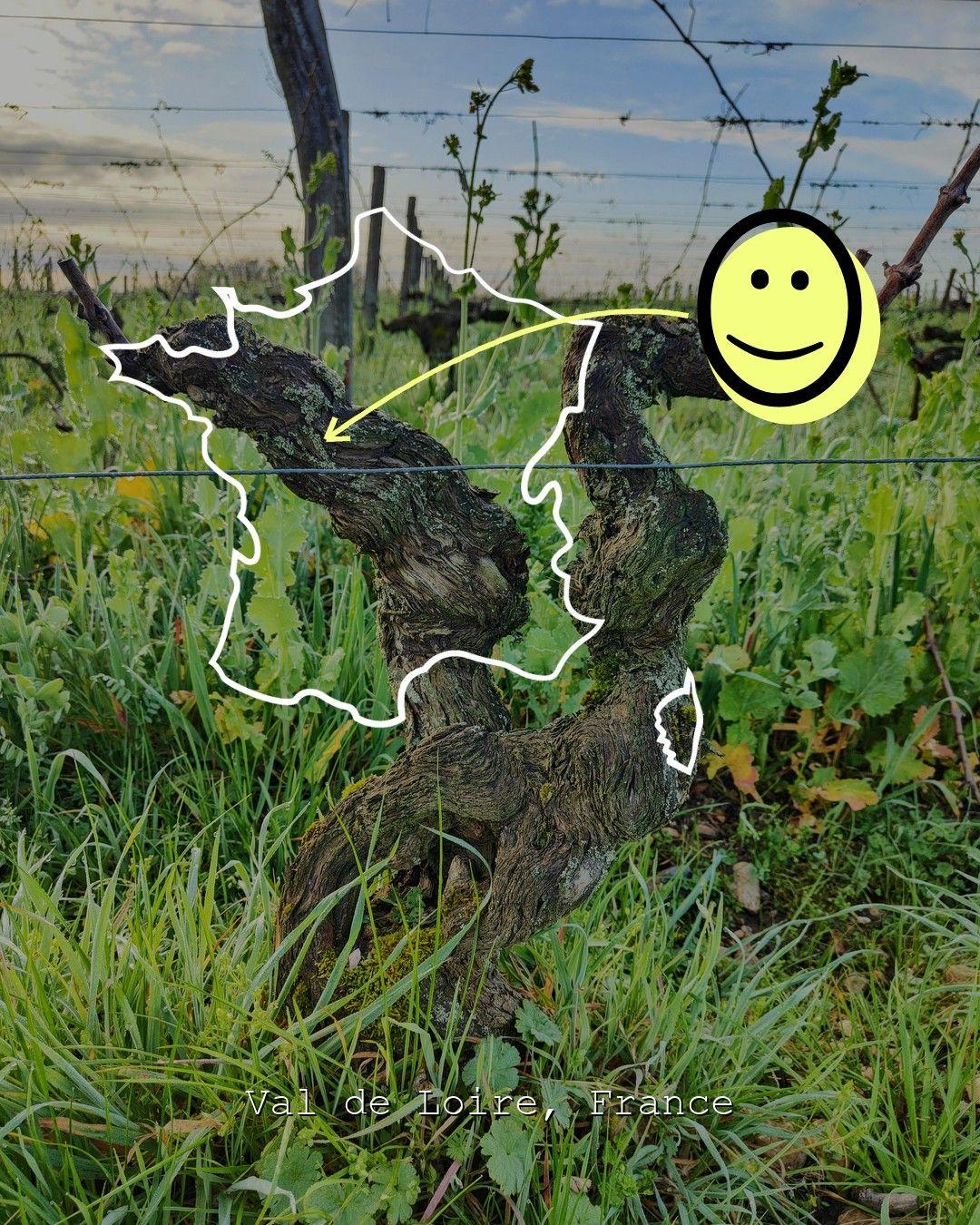
The Loire Valley stretches roughly 1,000 kilometres from the Atlantic coast inland toward the Massif Central, and the producers working along it are as varied as the river itself. In the west, around Muscadet, growers farm Melon de Bourgogne on granite and gneiss soils and age their wines on the lees for months before release. Further east, Anjou and Saumur are home to estates built around Chenin Blanc and Cabernet Franc, two grapes that define the middle Loire's character more than any others. Touraine widens the picture again: Gamay, Côt, and Sauvignon Blanc all find a footing there. In the far east, Sancerre and Pouilly-Fumé have made Sauvignon Blanc their calling card on flinty and limestone soils that give the grape its most mineral expression. What connects producers across this long, fragmented region is scale: most estates are family-run, farming their own parcels and making decisions in the cellar without a marketing department behind them. Free Grape Society works directly with these growers, so they set their own prices and ship from their own cellars, with no importer or warehouse adding a layer in between.
How we choose our producers
We work directly with the growers themselves, which means getting to know how they farm and what they charge before any wine appears on the platform. Producers send samples, and those samples are tasted before a wine is listed, so the decision rests on what is actually in the glass rather than on a label or a regional reputation. We look for pricing that reflects the work in the vineyard without the mark-up that importers, agents, and large warehouses add, and we keep the relationship direct so the grower controls their own terms. Once wines are listed, independent wine experts rate and review individual bottles, building a track record that buyers can read on the wine page. The Loire Valley rewards this approach: it is a region where the grower's hand matters enormously, and where the same appellation can produce wines that taste nothing alike depending on who farmed the vines and how long the wine spent ageing. We do not try to carry the full output of the region — we list wines tasted before listing, from producers we have a direct working relationship with. You can browse all Loire Valley wineries here, or explore producers from France more broadly.
Winemaking traditions in the Loire Valley
The Loire's winemaking traditions are tied closely to its geography. Muscadet's sur lie ageing — leaving the wine on its spent yeast through the winter — developed as a practical way to protect a neutral grape from oxidation and add texture without oak. The result is a style so particular to the region that it is now regulated by appellation rules. In Anjou and Saumur, Chenin Blanc has been farmed for centuries and can be made in every direction: bone dry, off-dry, sparkling as Crémant de Loire or Saumur Mousseux, and as late-harvest sweet wines when autumn fog encourages noble rot. That range in a single grape is unusual anywhere in Europe. Cabernet Franc in Chinon, Bourgueil, and Saumur-Champigny is typically handled with less new oak than its Bordeaux cousin, producing lighter, more aromatic reds that reflect the region's cooler growing season. The Loire was also an early centre for what became known as natural wine, partly because its growers were already farming modest yields on varied soils and had less incentive to intervene heavily in the cellar. Many producers working the region today continue in that direction. You can explore Loire Valley wines, browse Loire Valley wine cases, or look at white wines from France and red wines from France to find bottles from growers across the region.