Cabernet Franc — Loire to the world, direct from the cellar

Cabernet Franc wines from growers who control their own production. Tasted before listing. No industrial labels.

From lean and herbaceous to rich and structured, estate-bottled.

Color

Dropdown arrow

Type

Dropdown arrow

Country

Dropdown arrow

Region

Dropdown arrow

Grape

Dropdown arrow

Pairing

Dropdown arrow

Sort by

Sort arrow
Cabernet Franc

Cabernet Franc wines

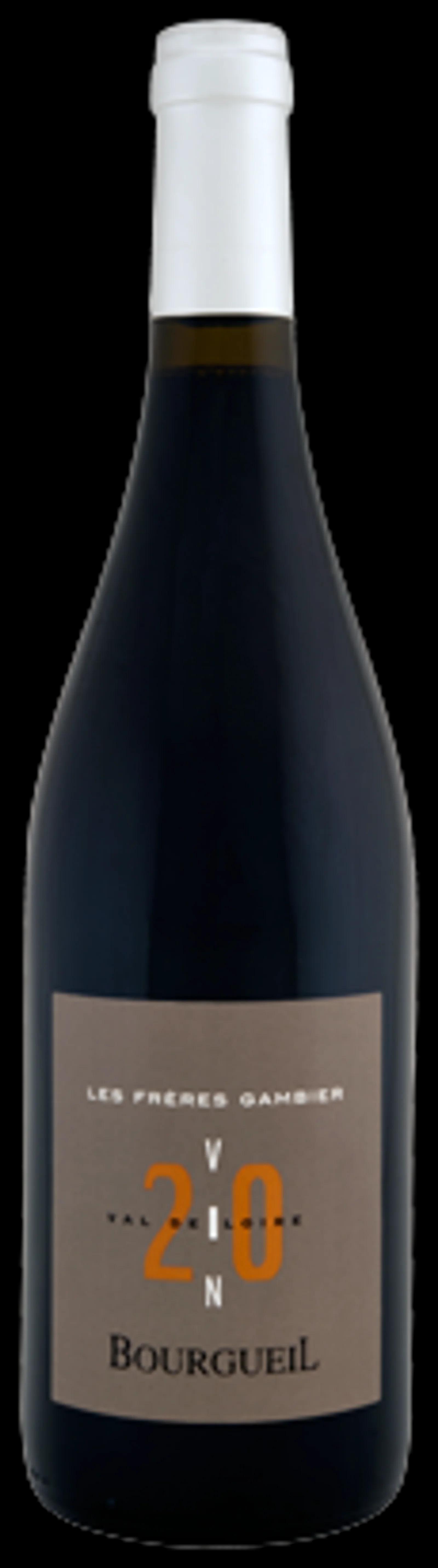
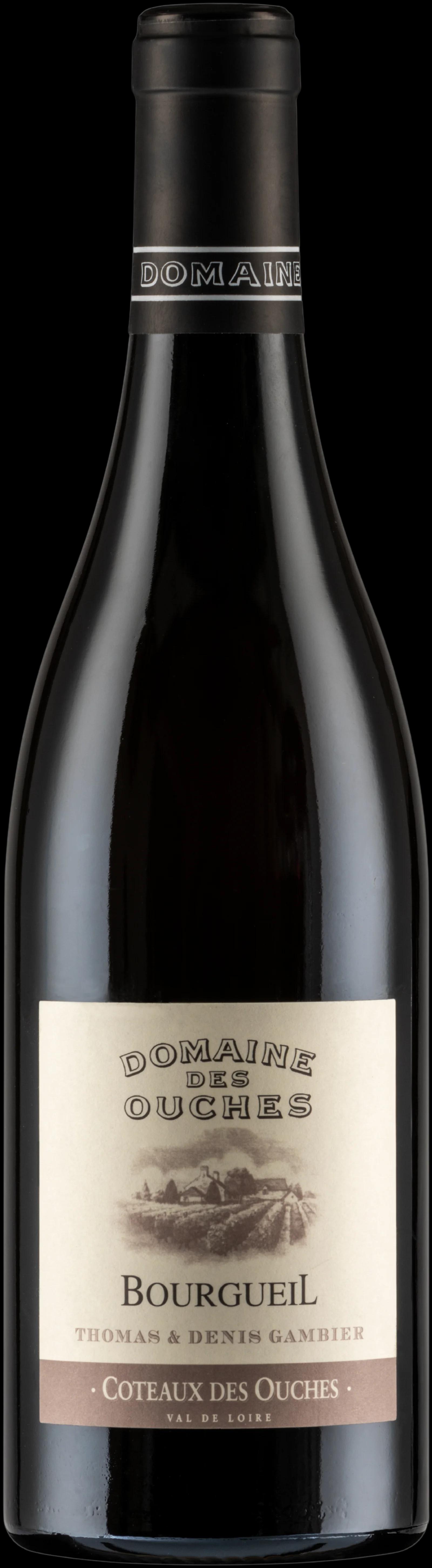
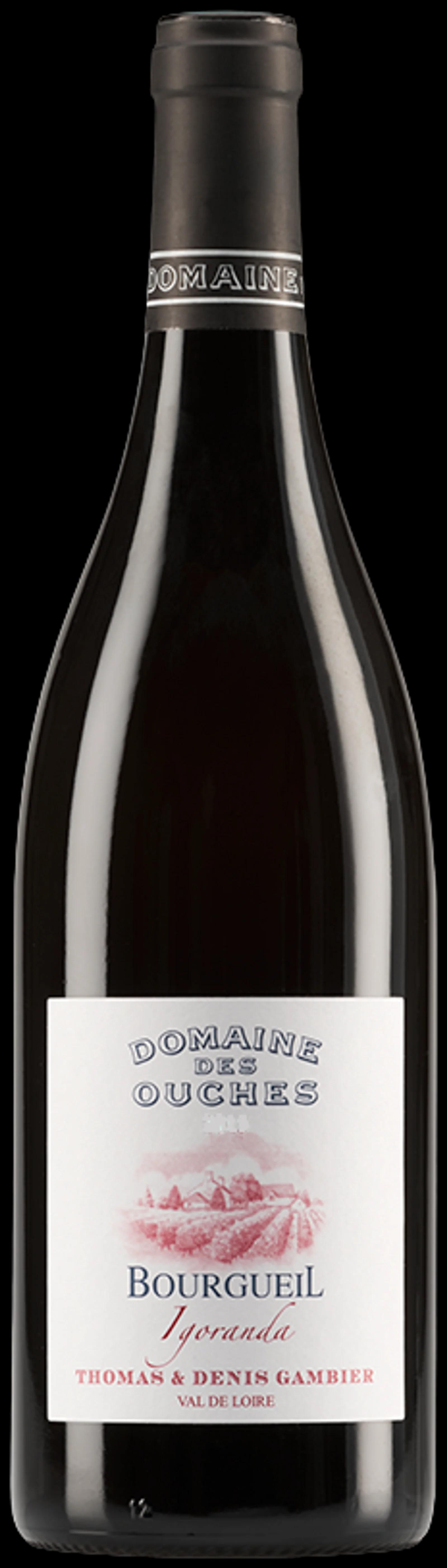
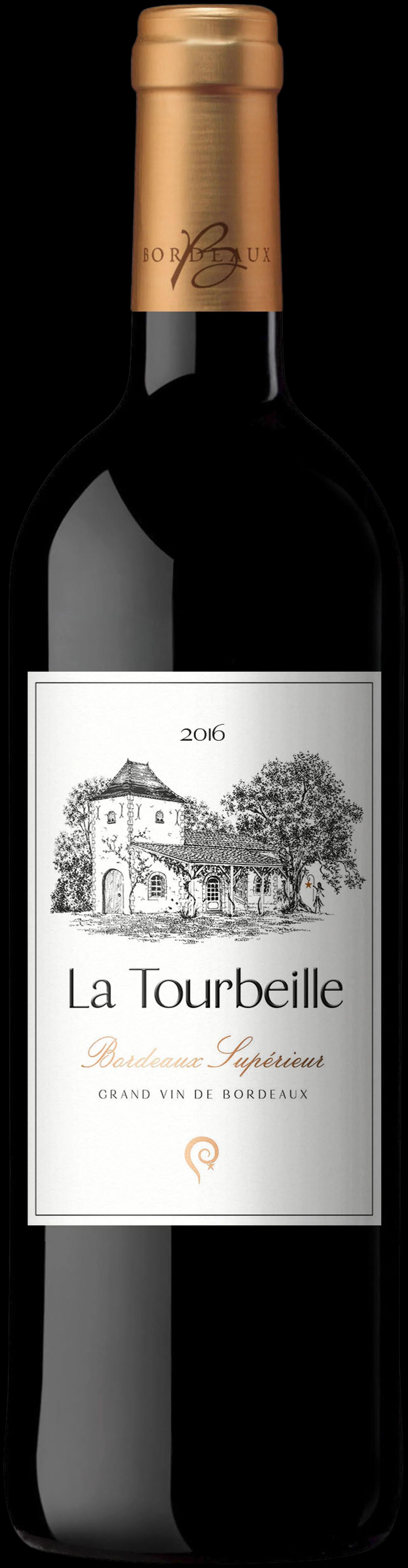
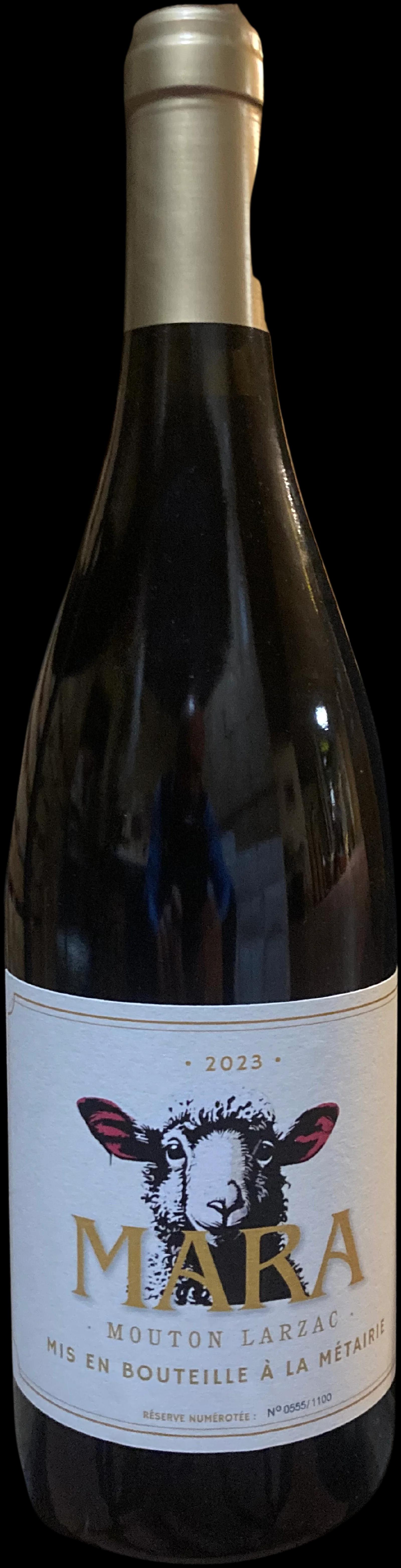
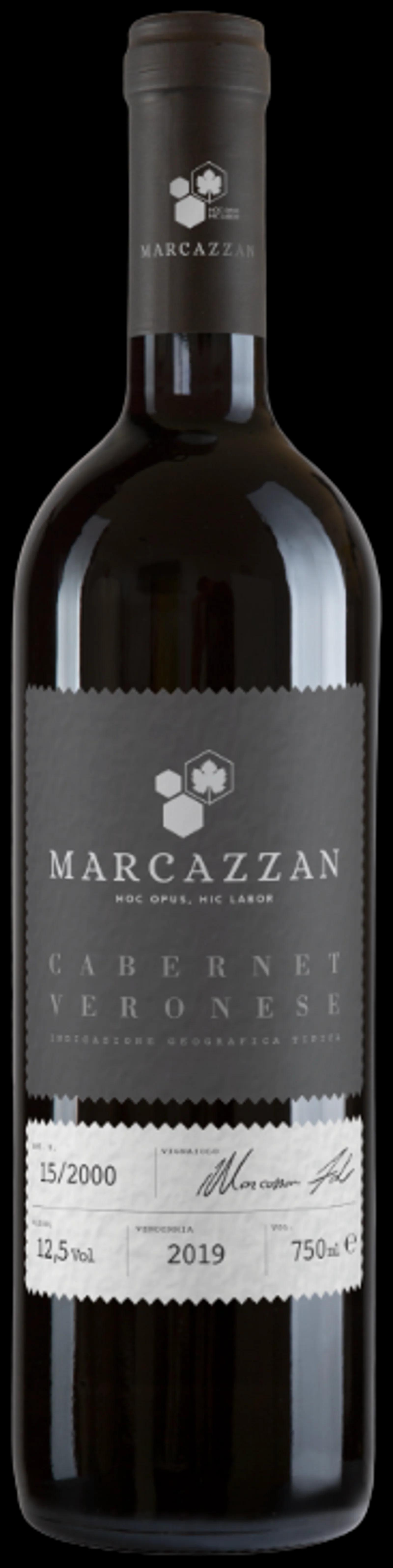
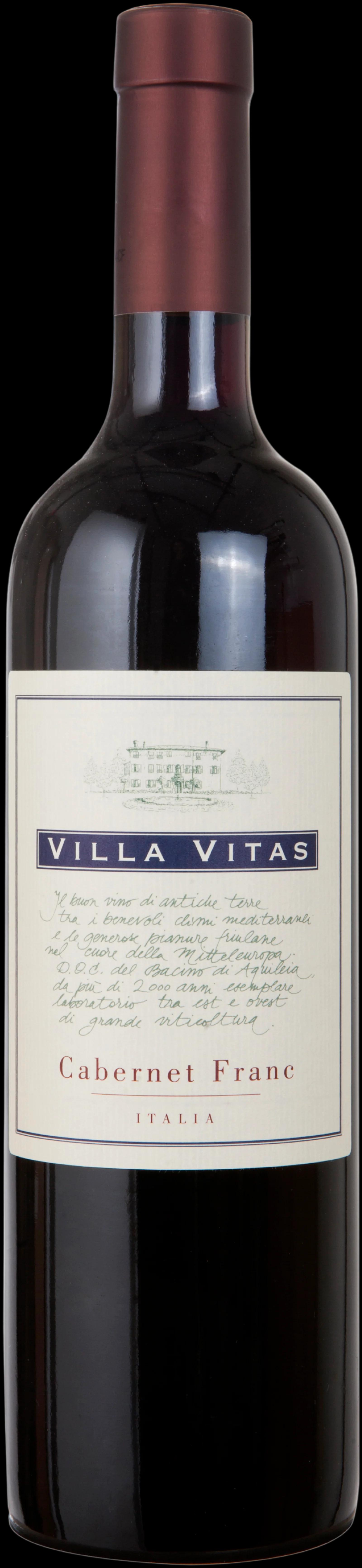
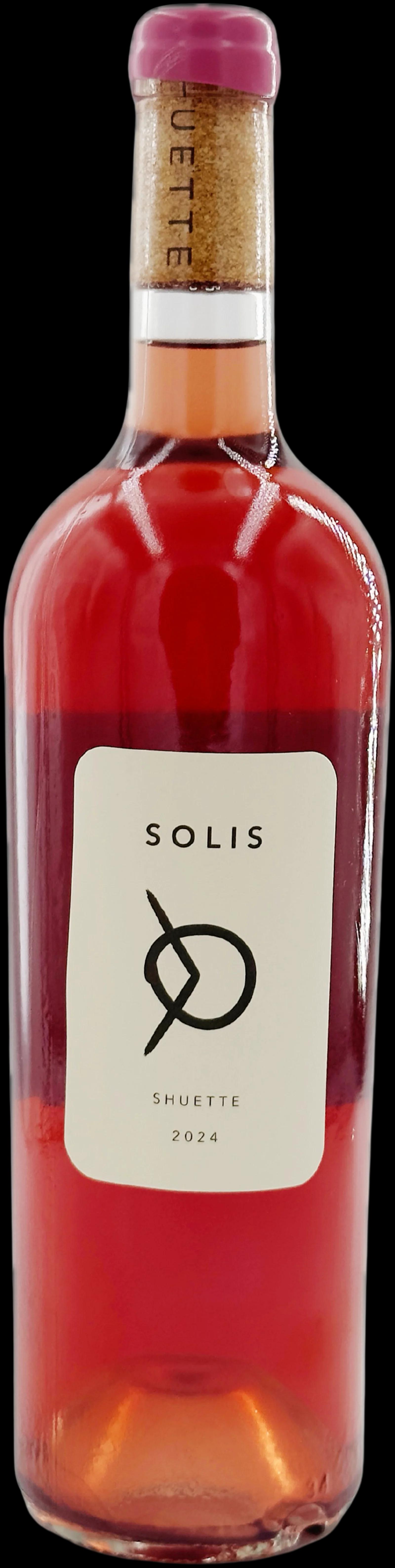
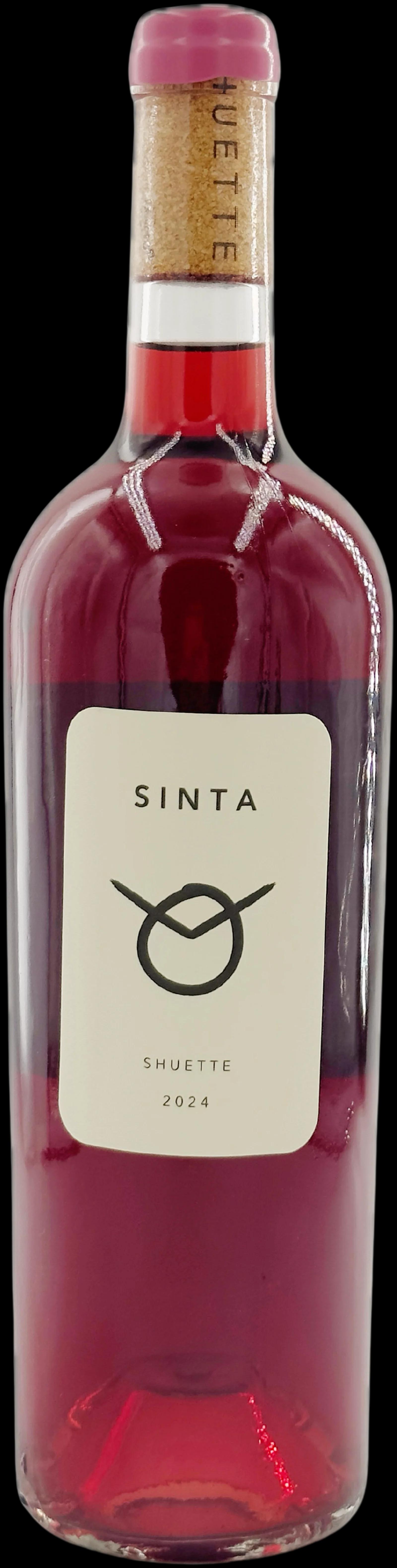
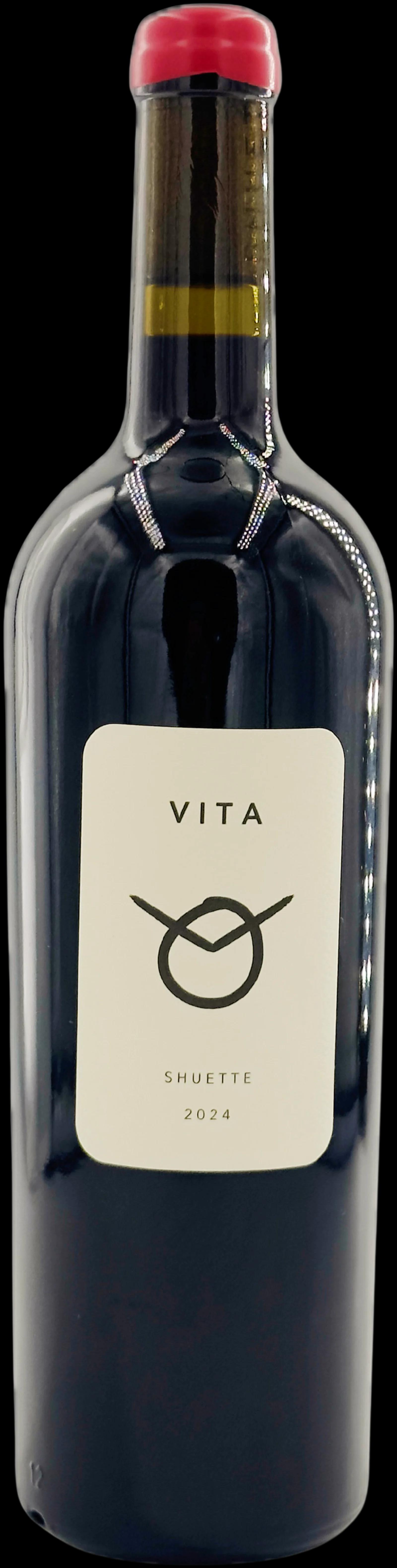
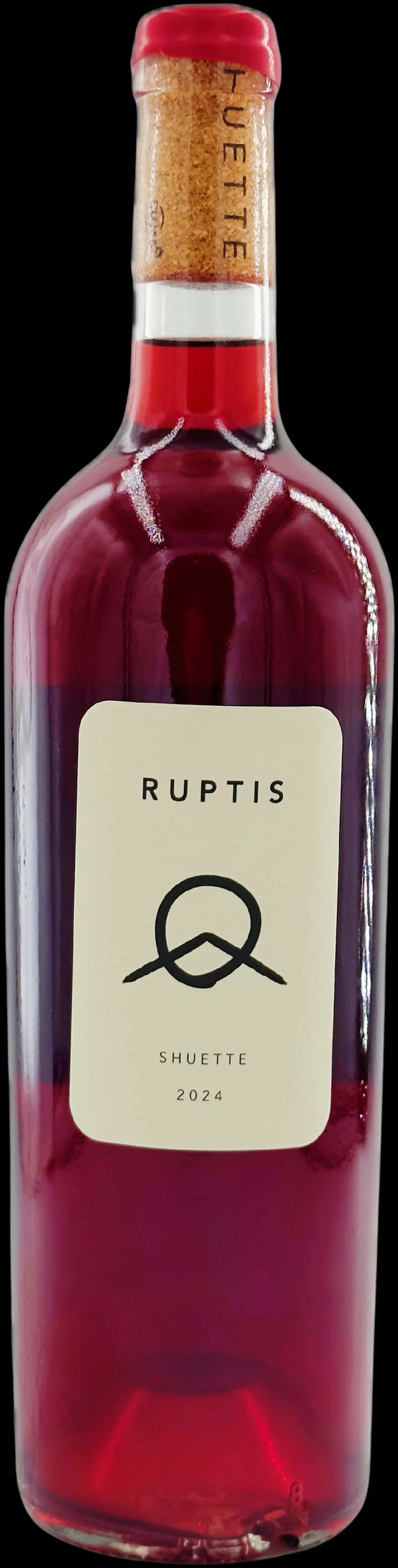
Cabernet Franc is the parent grape of Cabernet Sauvignon, yet it rarely gets that billing. In the Loire Valley it produces Chinon, Bourgueil, and Saumur-Champigny — wines built around graphite, red fruit, and a distinct green herb edge. In Saint-Émilion it blends behind Merlot. As a standalone variety, it rewards producers who let the grape speak rather than correct it. The wines below come from producers who bottle under their own name.

Previous1 of 2Next

Cabernet Franc mixboxes

A mixbox on Free Grape Society is six bottles from a single producer. On this page, between three and six of those six bottles are Cabernet Franc. The remaining bottles, if any, are wines the producer chose to give context to the grape within their own range. When a producer works exclusively with Cabernet Franc, the entire box can be Cabernet Franc. The producer composes the box. No one else decides what goes in it.

View all mixboxes

Wine experts

Cabernet Franc produces a wide range of expressions depending on where it is grown. Producers in cooler climates tend toward leaner, more savory styles. Those in warmer regions push toward riper fruit and rounder structure. The estates listed here represent that range. Each was quality-vetted before going live on the platform. Producers who bottle under their own name and ship from their own cellar are the core of what Free Grape Society lists.

View all wine experts

Cabernet Franc producers

Independent wine experts on Free Grape Society rate and review wines they have personally tasted. Their reviews appear on the wine page and on the expert's own profile. Several of the experts below have reviewed Cabernet Franc wines featured on this page. Reviewing is their own decision. No expert is assigned wines to cover, and no expert's presence here implies they have shaped which producers are listed.

View all wineries

Frequently asked questions

How do I order Cabernet Franc wines on Free Grape Society?

Browse the wines listed on this page, add bottles to your basket, and check out. Each bottle ships directly from the producer's cellar to your door. Orders from different producers are dispatched separately, so you may receive more than one delivery if you order from multiple estates.

What happens if a bottle arrives broken or doesn't taste right?

Send a photo to Free Grape Society customer support within 7 days of delivery. We will arrange a replacement or a refund. Because producers ship directly, quality issues are handled with the producer's direct involvement. Shared responsibility is built into how FGS works.

Can I order Cabernet Franc from more than one producer at once?

Yes. You can add wines from different producers to the same order. Each producer ships their own wines independently, so deliveries arrive separately. There is no minimum order beyond the individual producer's own requirements, and shipping is free.

How long does delivery take?

Average delivery is 8 to 9 days from order to door. The full range is 4 to 14 days depending on the producer's location and your delivery address. Wines ship directly from the producer's cellar, not from a central warehouse.

How do I choose between different Cabernet Franc wines and styles?

Start with climate and region. Loire Valley Cabernet Franc — Chinon, Bourgueil, Saumur-Champigny — tends to be lighter, more aromatic and herbaceous. Italian or warmer-climate versions are generally fuller and darker. If you are unsure, the independent wine experts on the platform can point you toward a style that fits what you are looking for.

Is Cabernet Franc always a single-varietal wine, or is it used in blends?

Both. In the Loire Valley it is almost always bottled on its own. In Bordeaux it is most commonly a blending grape, adding lift and perfume to Merlot-dominated wines. You will find examples of both styles among the producers listed here — the wine page for each bottle will tell you what is in it.

Which Cabernet Franc wine expert can recommend something for me?

The independent wine experts listed on this page have reviewed wines they have personally tasted, including Cabernet Franc from several of the producers here. Browse their profiles to read their tasting notes, or contact one directly through Free Grape Society to ask for a recommendation based on your own taste and budget.

Why don't you sell supermarket-brand Cabernet Franc wines?

Free Grape Society only lists wines from independent producers who make and bottle their own wine. Supermarket-label wines are typically blended and bottled by large négociants or industrial producers — the opposite of what the growers here do. Every wine on the platform comes from the estate whose name is on the label.

How is buying Cabernet Franc here different from buying it in a wine shop?

In most wine shops and supermarkets, wine passes through importers, agents and distributors before it reaches the shelf. On Free Grape Society, the producer ships directly to you. That means a shorter supply chain, prices set by the producer themselves, and wines that often never appear in conventional retail at all.

Where Cabernet Franc grows and what it becomes

Cabernet Franc is the parent grape of Cabernet Sauvignon and Merlot — both of which now overshadow it commercially despite owing their existence to it. Its oldest documented presence is in the Basque region, but it found its clearest identity in the Loire Valley, where it produces the benchmark expressions: Chinon, Bourgueil, and Saumur-Champigny. These are cool-climate wines, typically lighter in body than Bordeaux reds, with firm acidity and a pronounced herbal edge that warmer sites suppress. In Bordeaux, Cabernet Franc plays a supporting role in most left-bank blends but takes center stage on the right bank — most famously in Saint-Émilion, where estates such as Cheval Blanc have built their reputations on it. Outside France, meaningful plantings exist in northeastern Italy, particularly in Friuli and Alto Adige, where it is often vinified as a single-varietal red with more concentration than its Loire counterparts. Smaller but growing volumes come from Spain and central Europe. The grape ripens unevenly in very warm years, which is one reason it tends to perform best where the growing season is long but not hot.

The character of Cabernet Franc across climates

Cabernet Franc's signature is structural rather than fruit-driven. The Loire expressions lead with red fruit — raspberry, sour cherry, strawberry — undercut by graphite, violet, and a green herb note that ranges from pleasant to prominent depending on ripeness. In warmer sites, the herbal character recedes and plum, dark cherry, and tobacco move forward. Tannins are moderate, rarely coarse. Acidity stays high regardless of origin, which is why the grape ages well and sits comfortably alongside food without needing richness to balance it. Compared with Merlot, Cabernet Franc is leaner and more aromatic. Compared with Cabernet Sauvignon, it is earlier-ripening, softer in tannin, and more perfumed. It also appears as a rosé — Loire rosés made from Cabernet Franc are among the drier, more gastronomic styles in that category. Growers who control their own production and bottle under their own name tend to handle Cabernet Franc with more precision than large négociant operations, because the grape exposes decisions at every stage: harvest timing, extraction, and oak use all leave visible marks on the finished wine. Related grapes worth exploring: Gamay for cool-climate red character, and Syrah for another aromatic red that performs differently across latitudes.

How Cabernet Franc wines are selected on Free Grape Society

Every Cabernet Franc wine listed on Free Grape Society is tasted by our Head of Product before it goes live. Producers send samples; nothing is added to the catalogue without that step. Independent wine experts on the platform then Rate and Review individual wines they have personally tasted — those reviews are visible on the wine page and on the expert's own profile, so the track record is transparent and tied to a named person, not an anonymous score. The estates listed here are growers who control their own production and ship directly from their own cellars. No bottles move through an importer's warehouse or a wholesaler's logistics chain before reaching you. That matters for Cabernet Franc specifically, because the grape is sensitive to storage and handling — the herbal and floral notes that define the best Loire expressions are among the first things to degrade in poor conditions. Producers on Free Grape Society set their own prices. There is no importer margin or wholesale markdown built into what they charge, and no buyer with quarterly targets deciding what volume of which appellation gets listed. If a producer from Chinon or Friuli wants to be here, they apply, send samples, and — if the wine holds up — they list on equal terms with every other producer on the platform.