What makes a wine red — and what shapes its character
A wine is red because its juice ferments in contact with the grape skins. The skins carry both the colour pigments and the tannins, so the longer that contact lasts, the deeper the colour and the firmer the structure. A few days of skin contact produces something soft and fruit-forward; two weeks or more builds a wine with the spine to age. Grape choice is just as important as time. Pinot Noir stays pale and silky even after extended maceration, while Syrah and Cabernet Sauvignon push colour, tannin, and concentration further. Temperature during fermentation also matters: cooler ferments preserve fresh fruit; warmer ones extract more structure. The result is a colour category that runs from translucent ruby to near-opaque purple, and from wines you open the same evening to wines that need a decade in the cellar before they show what they are.
Grapes and regions behind red wine
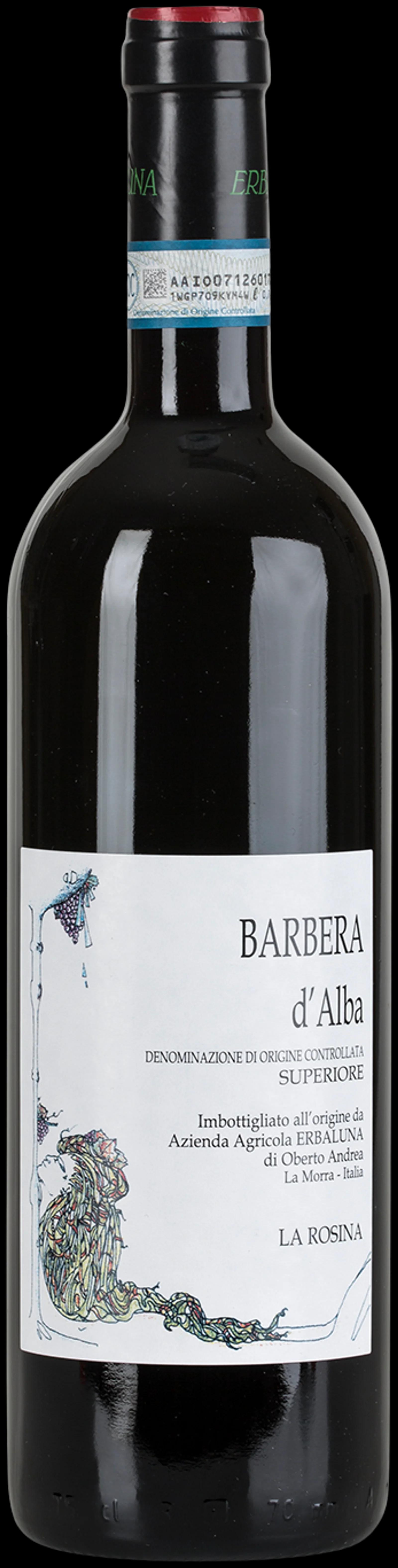
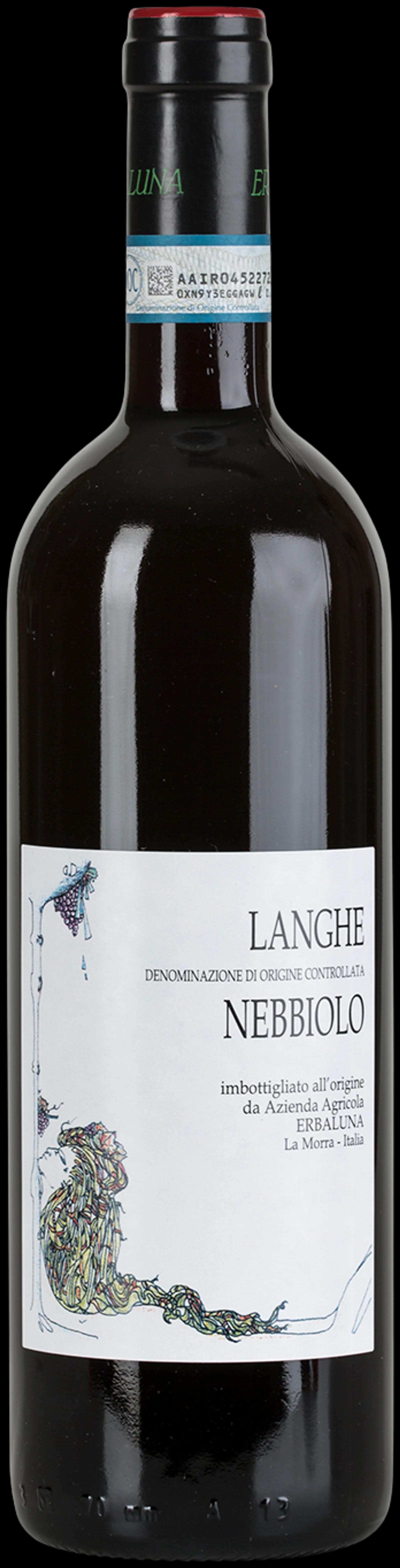
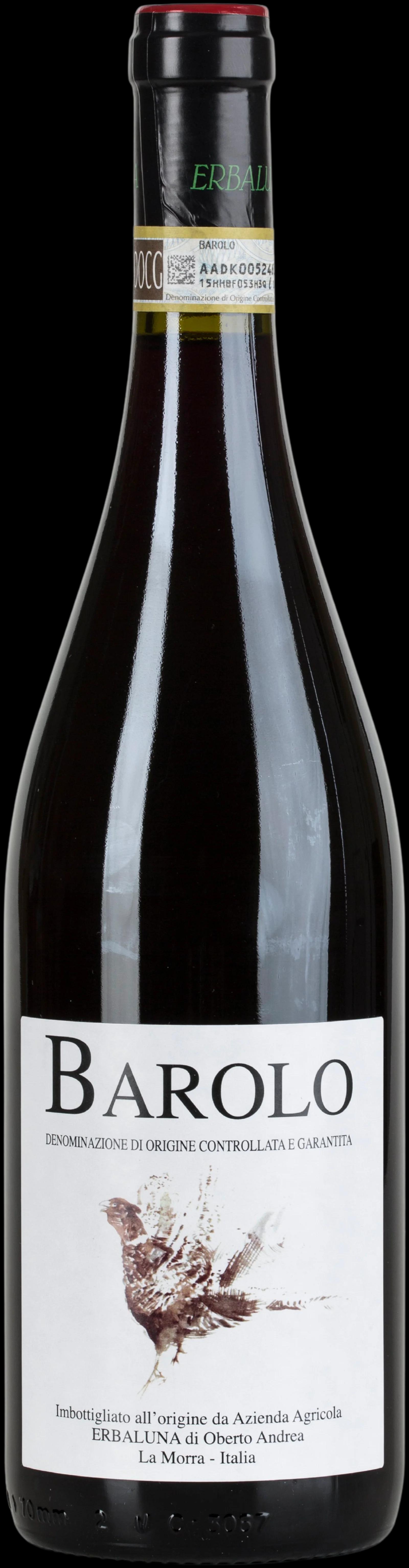
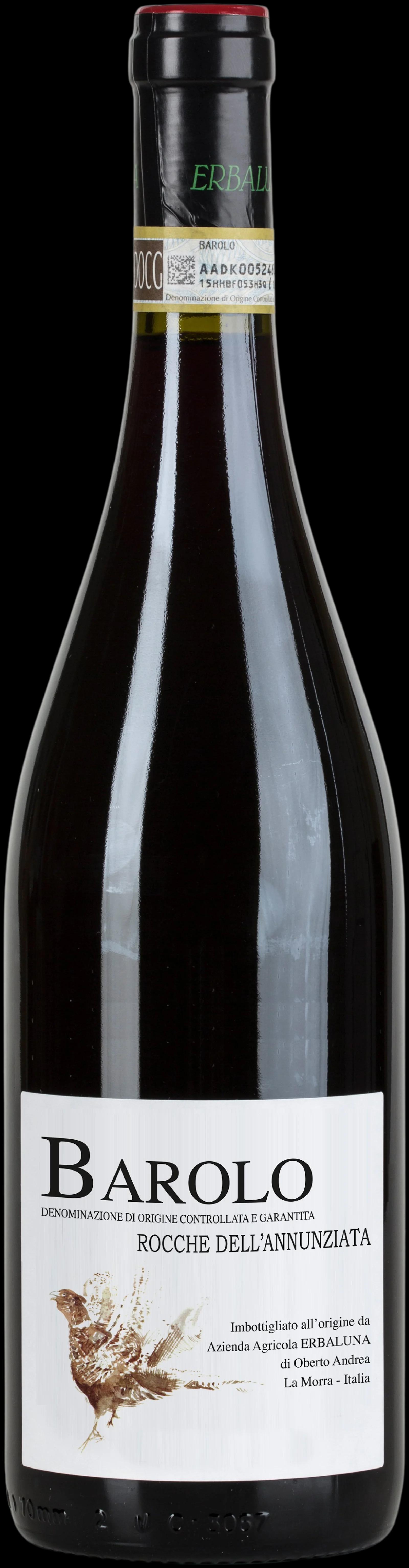
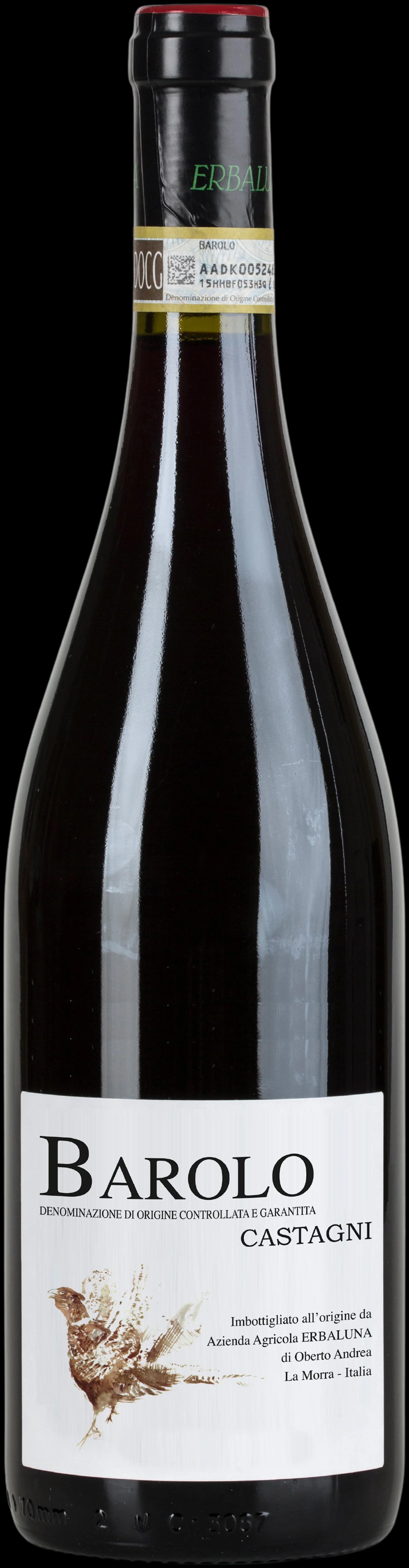
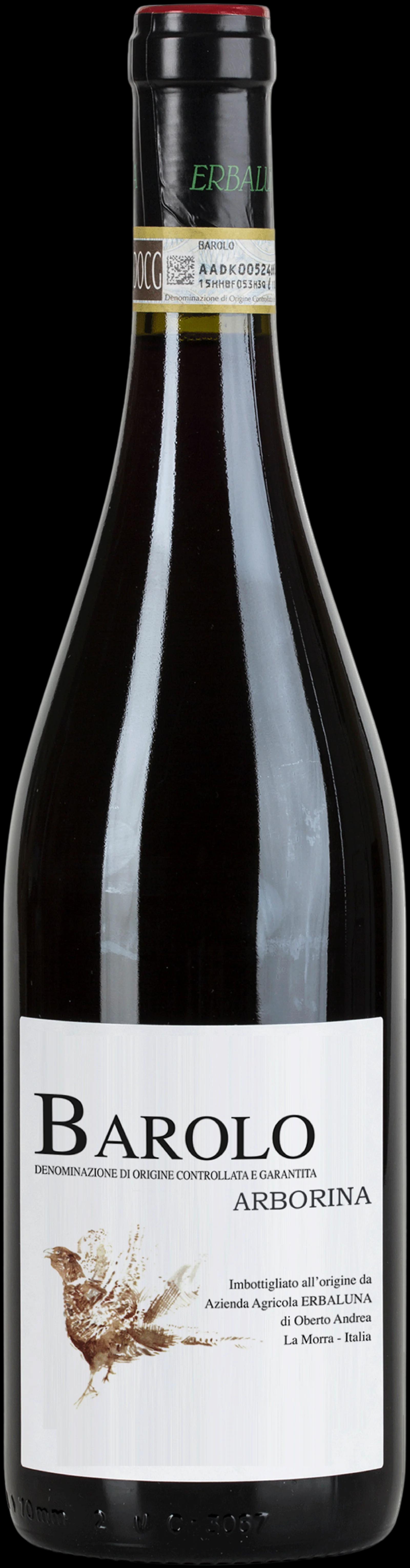
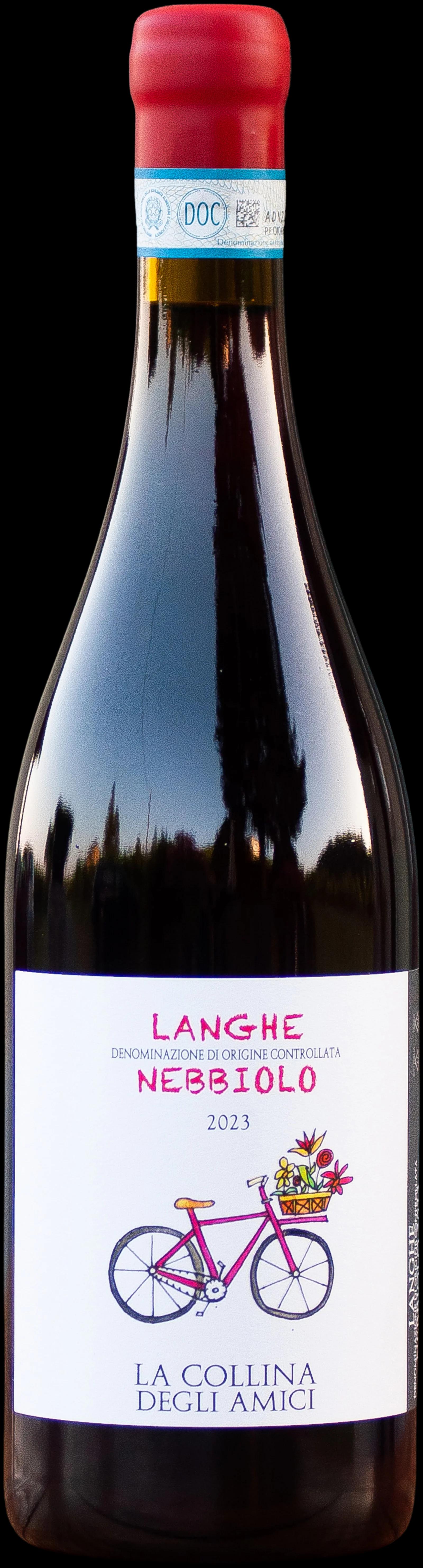
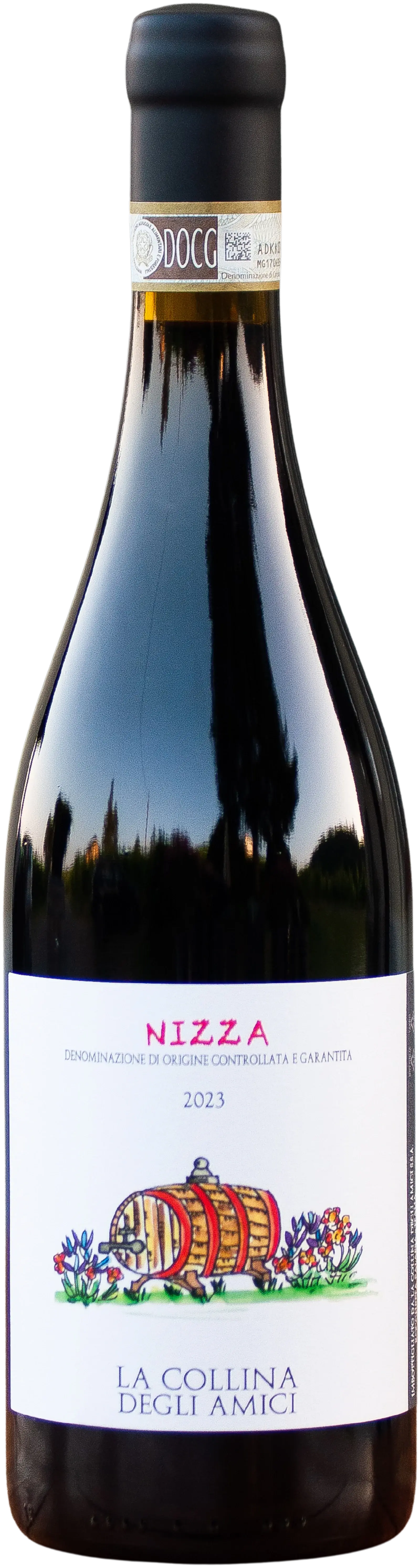
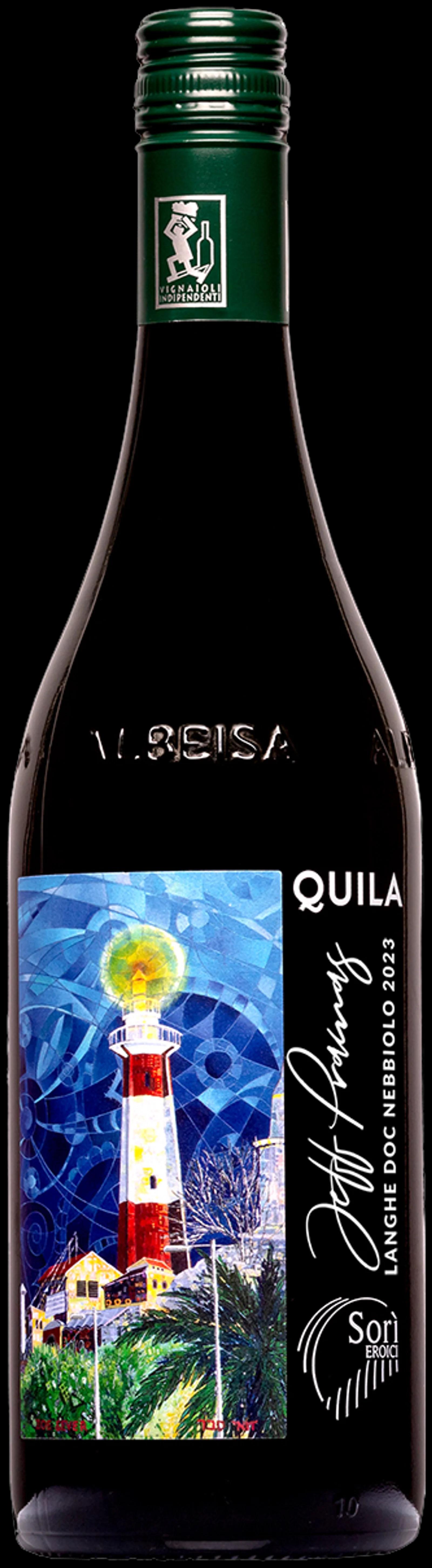
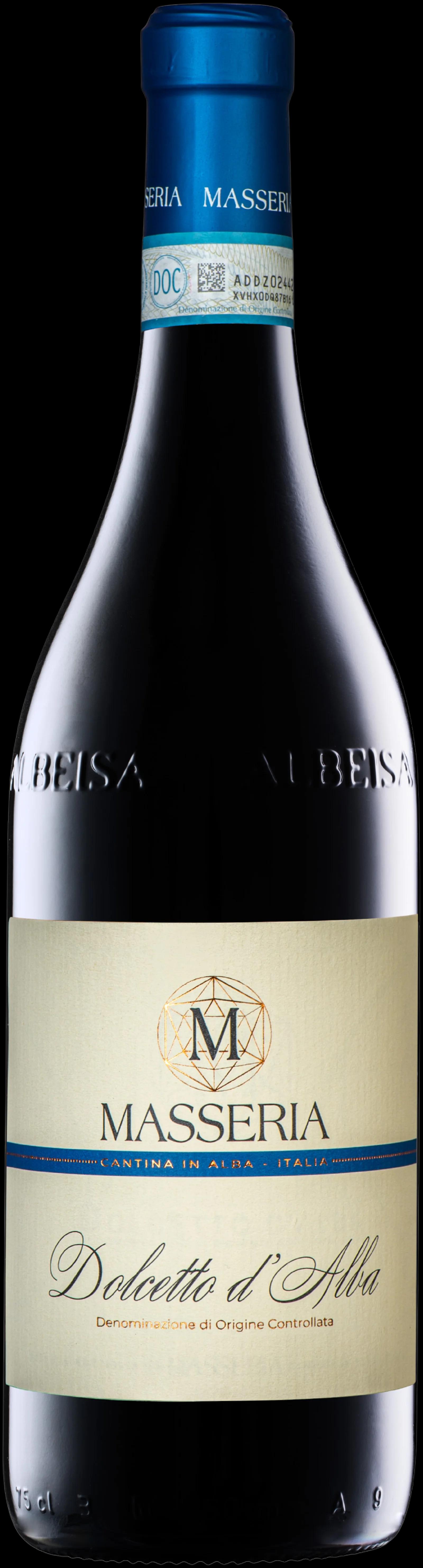
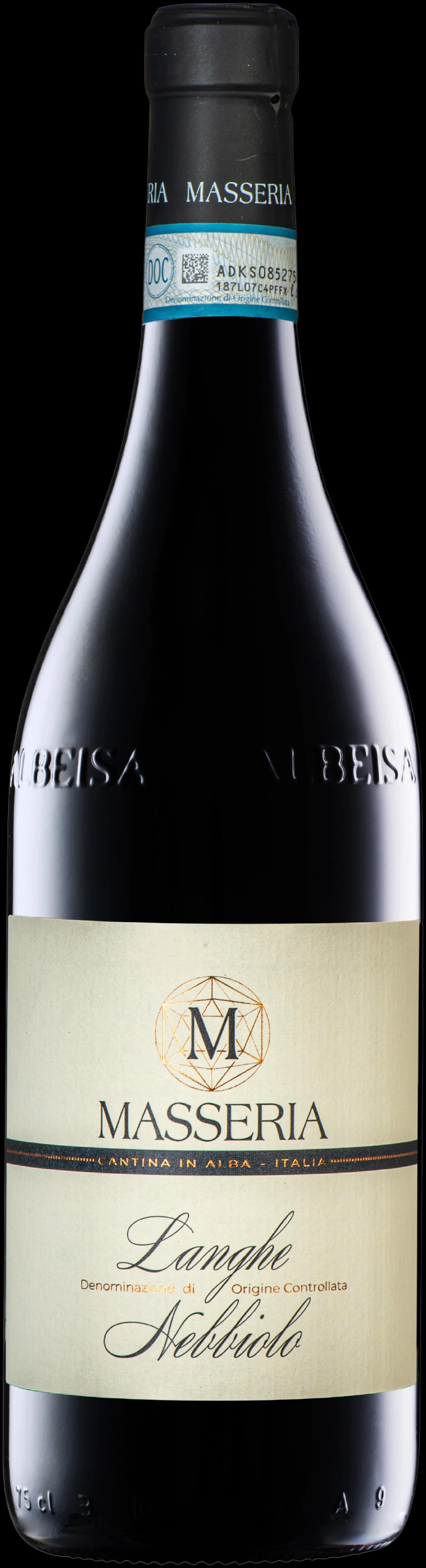
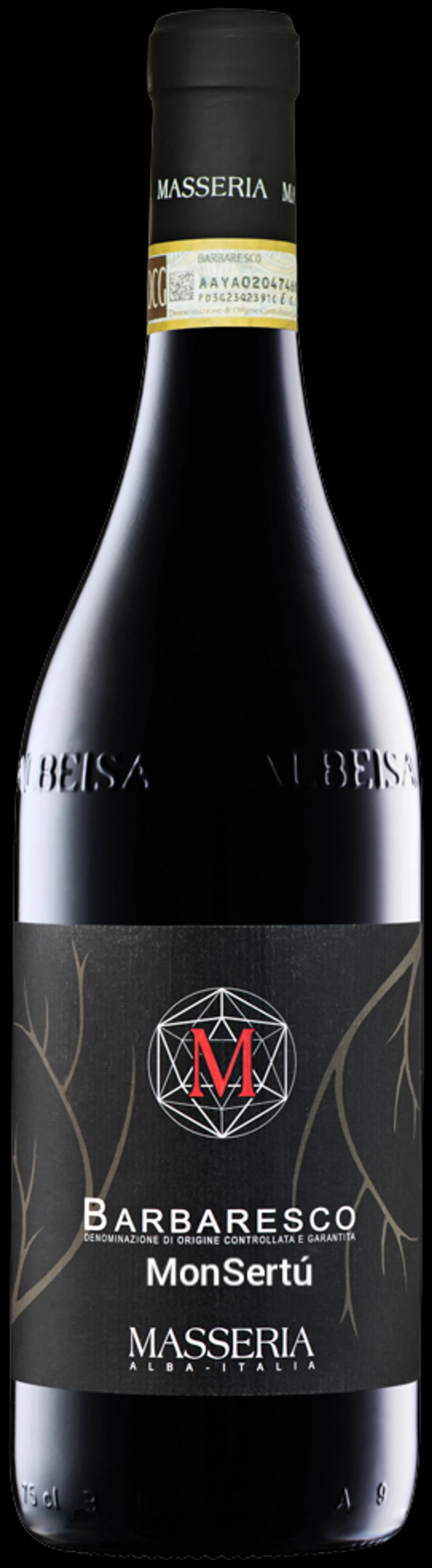
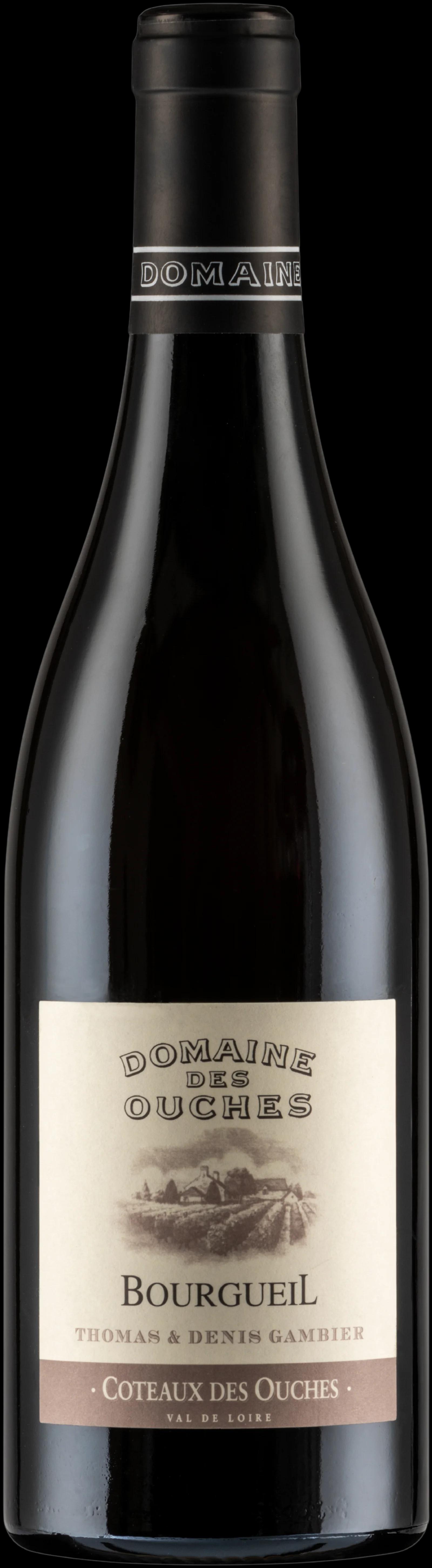
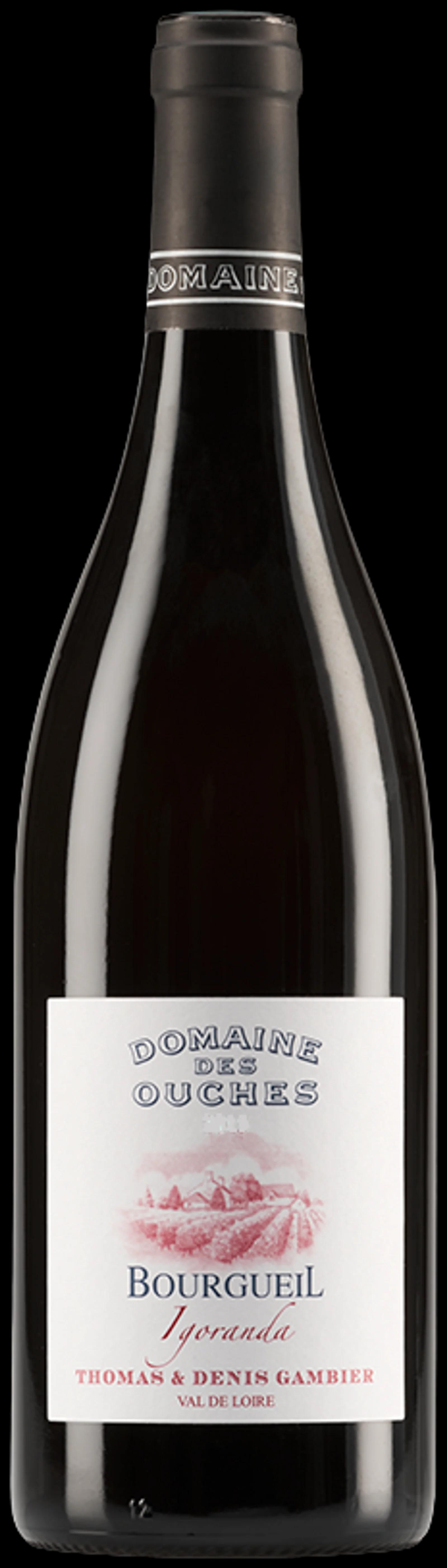
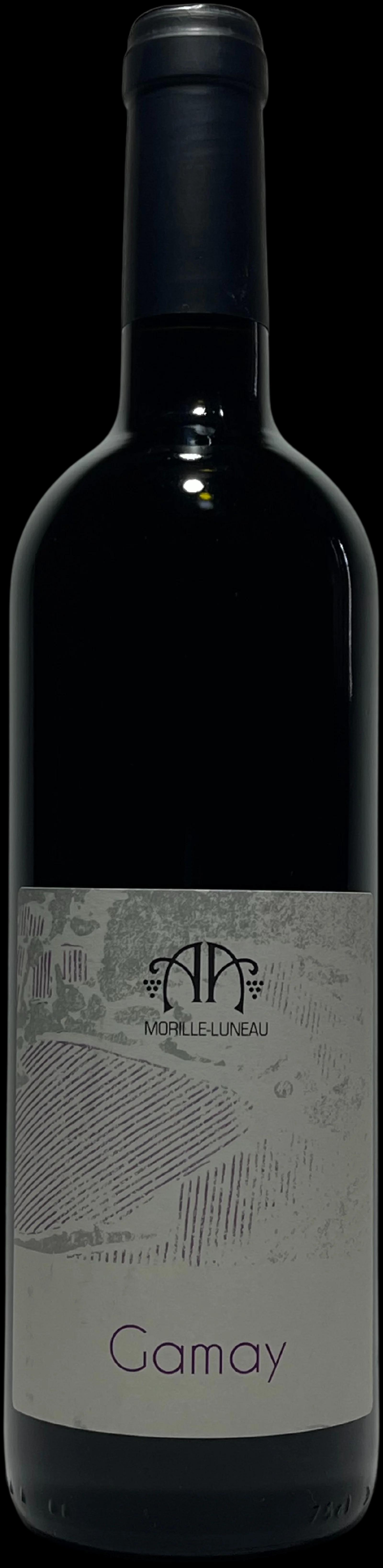
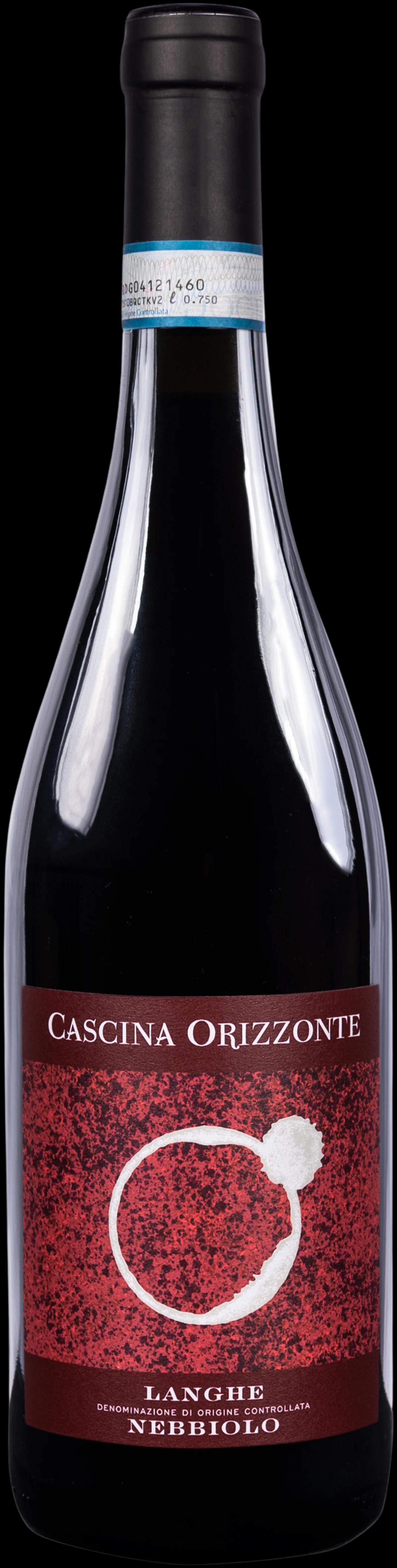
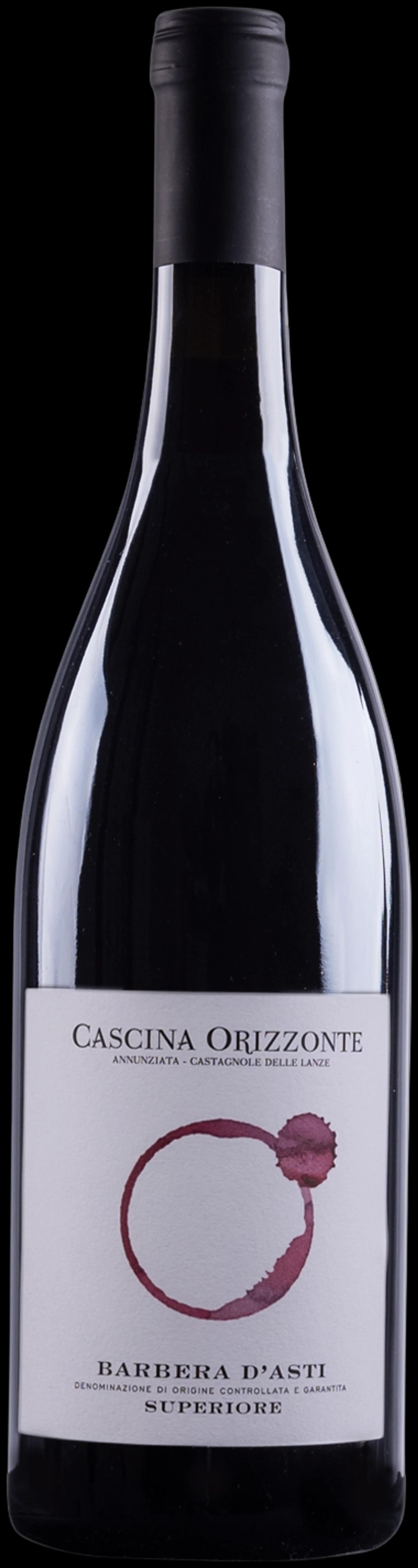
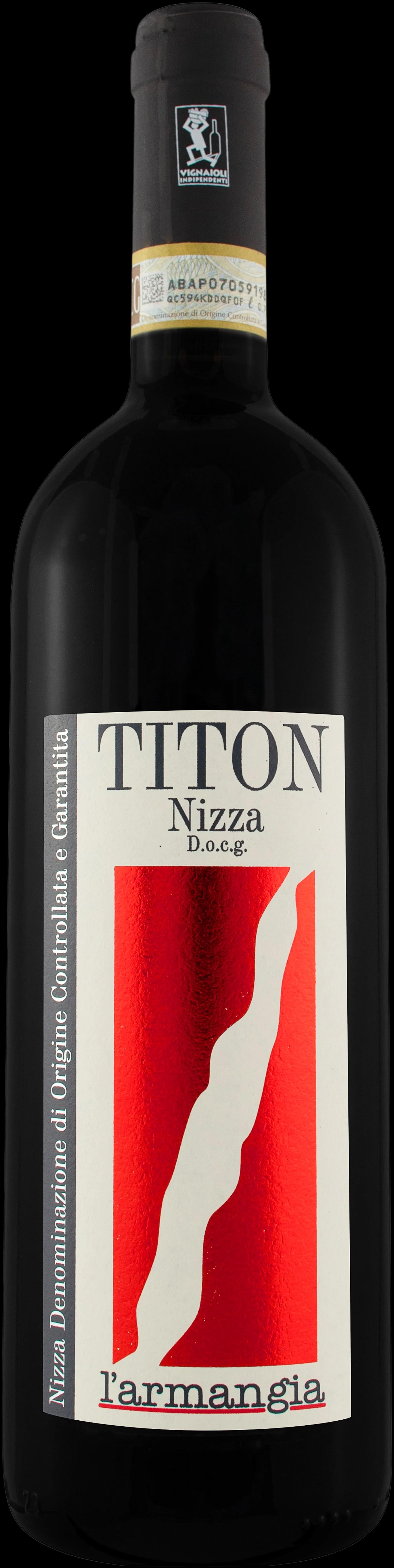
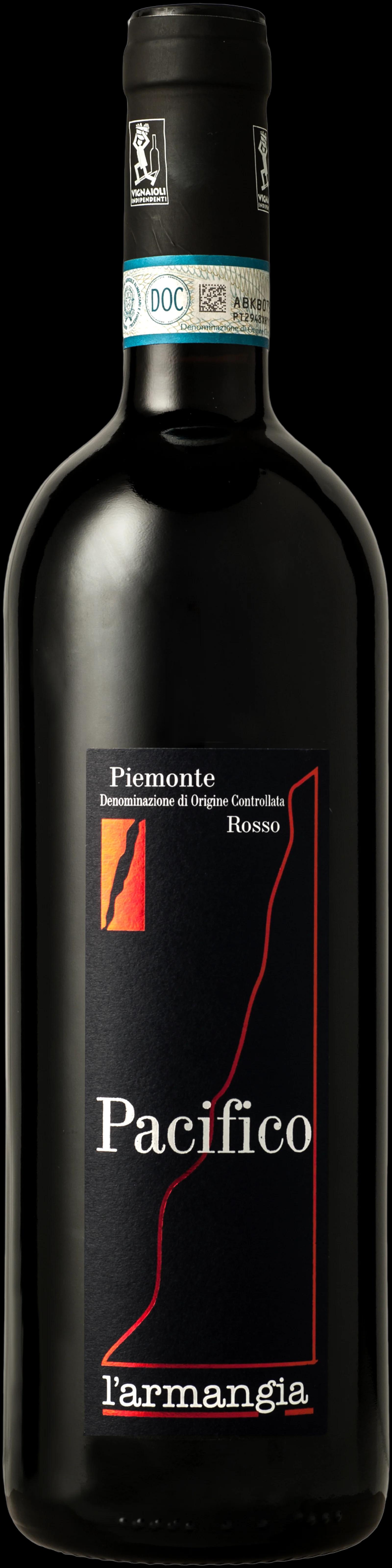
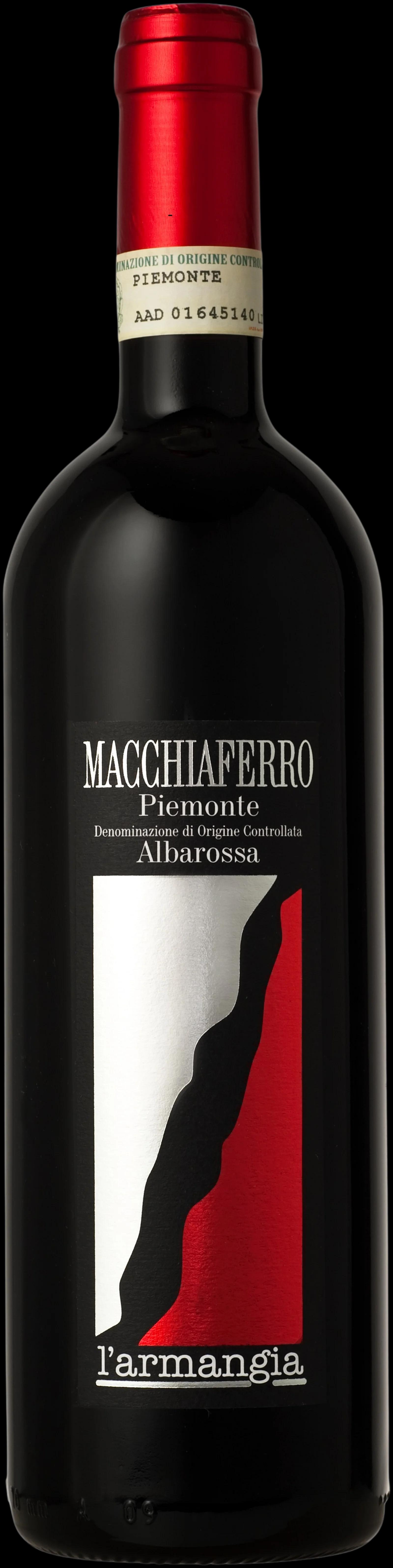
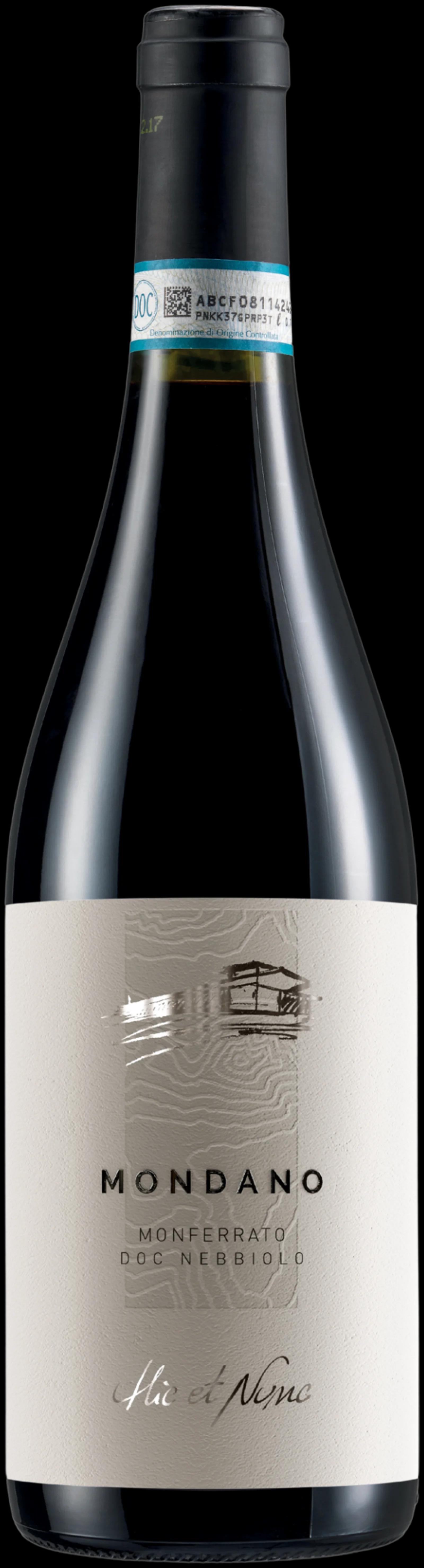
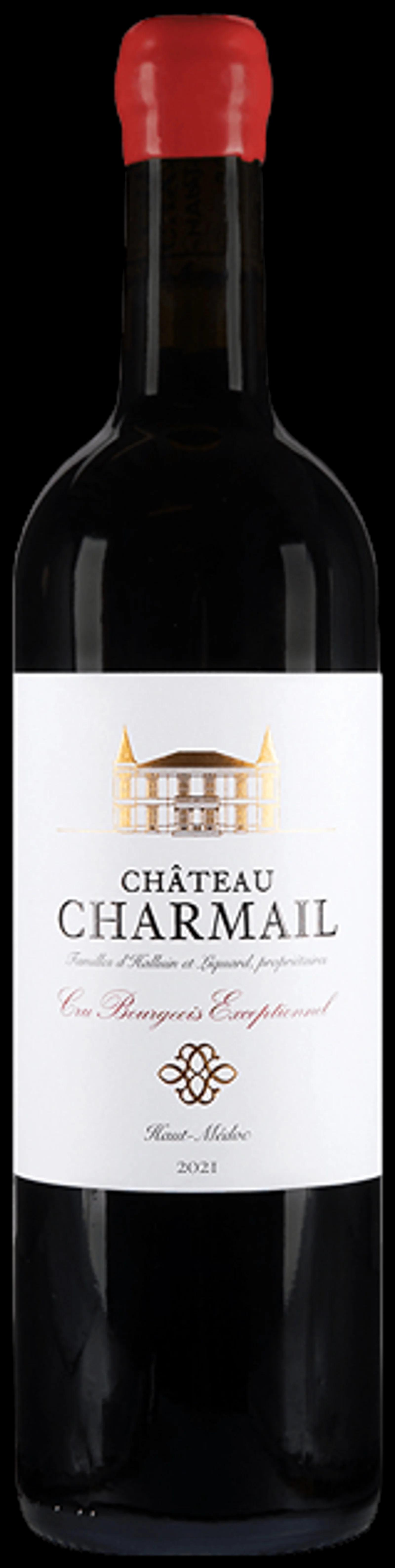
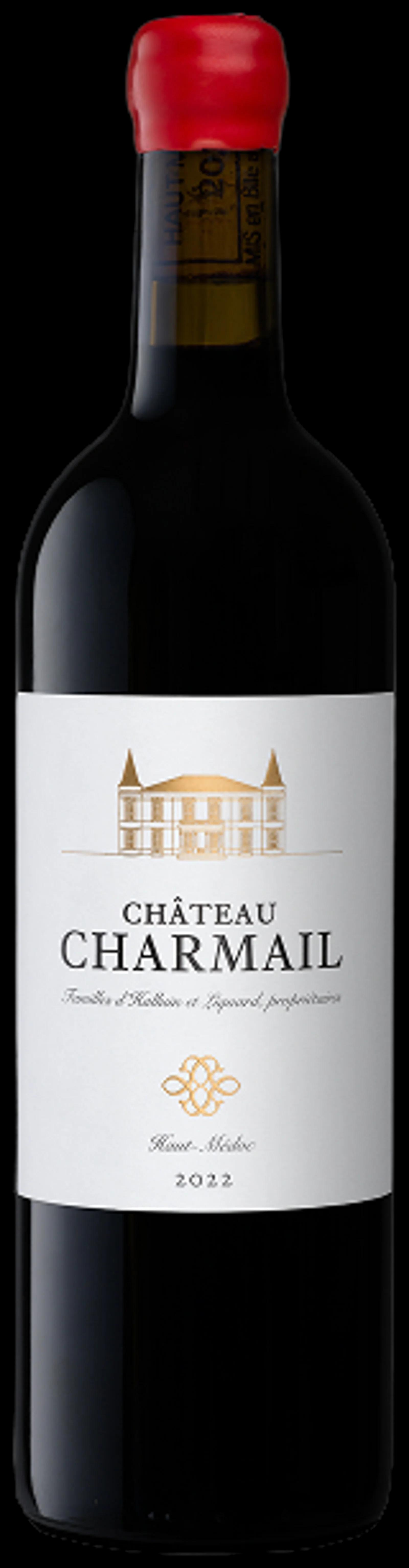
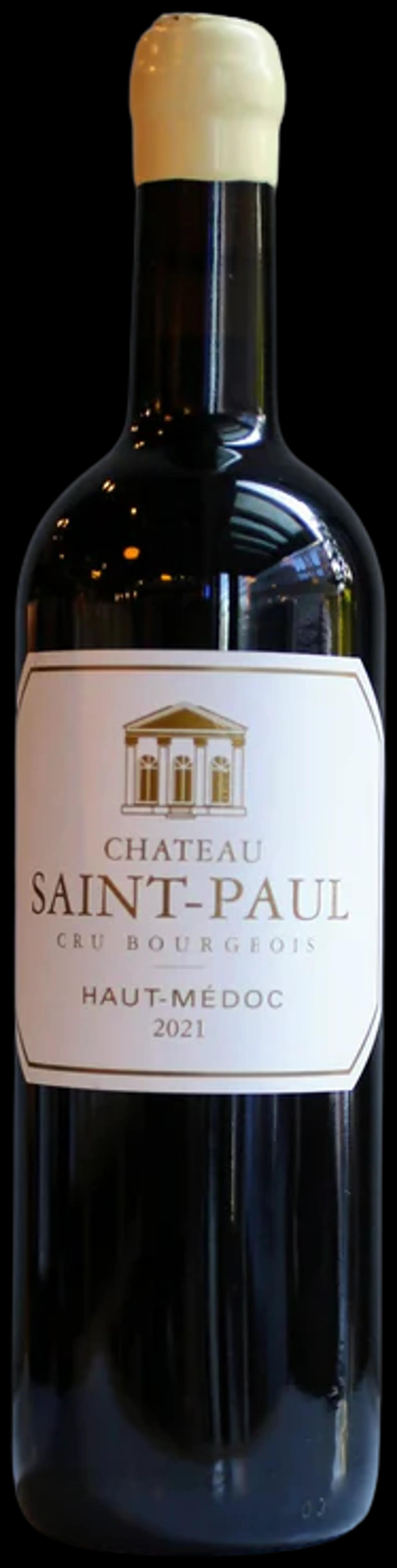
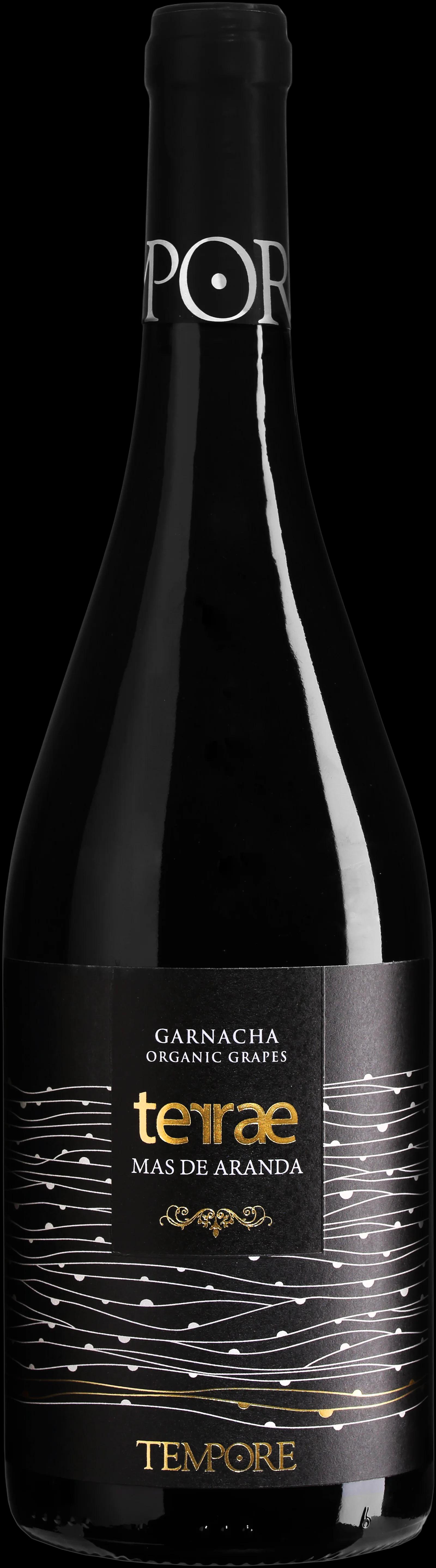
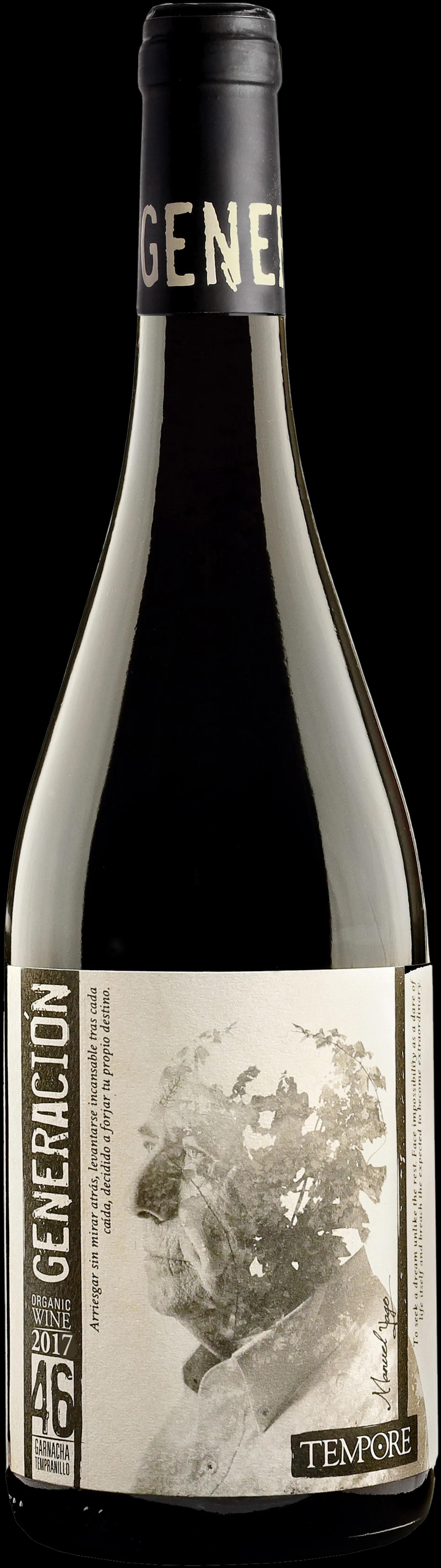
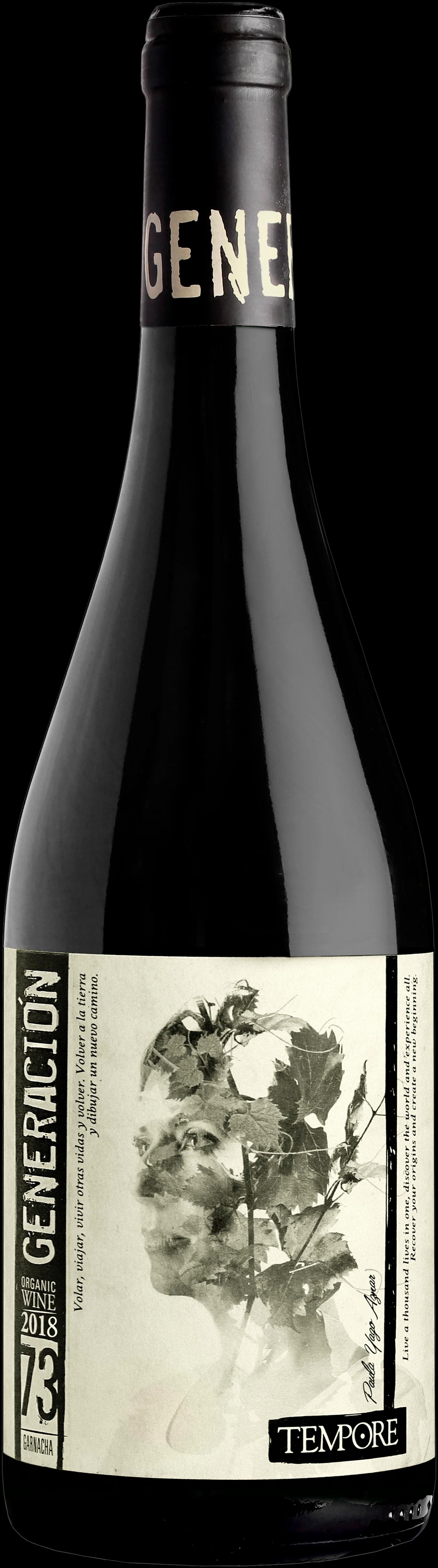
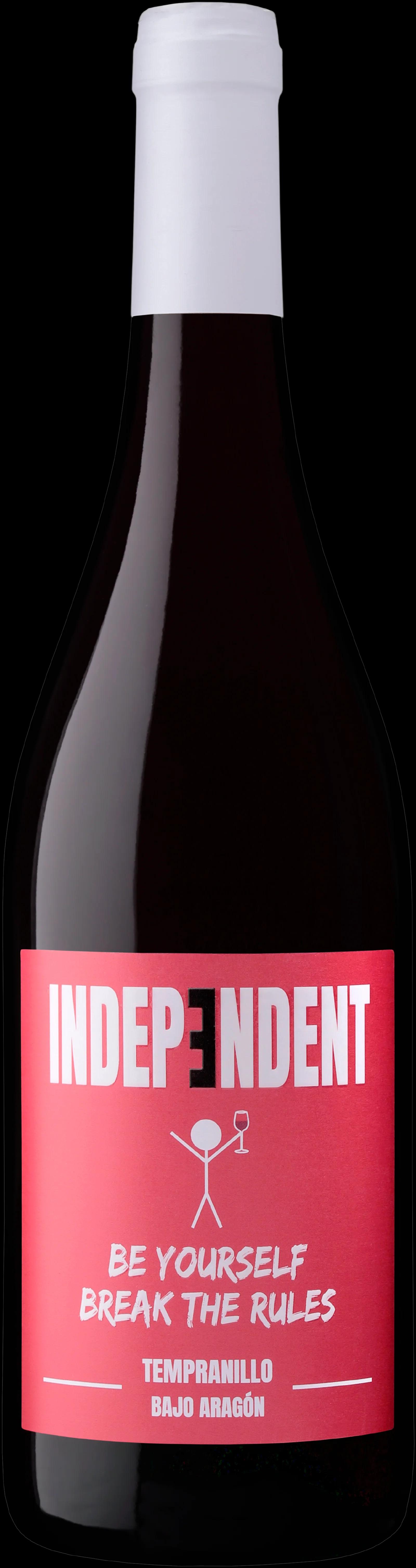
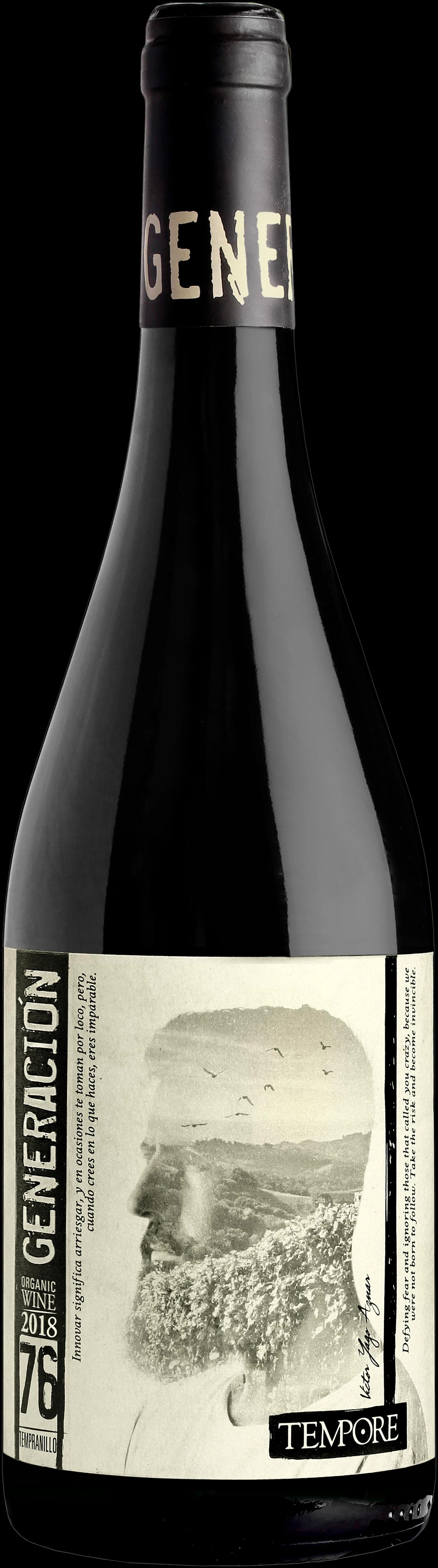
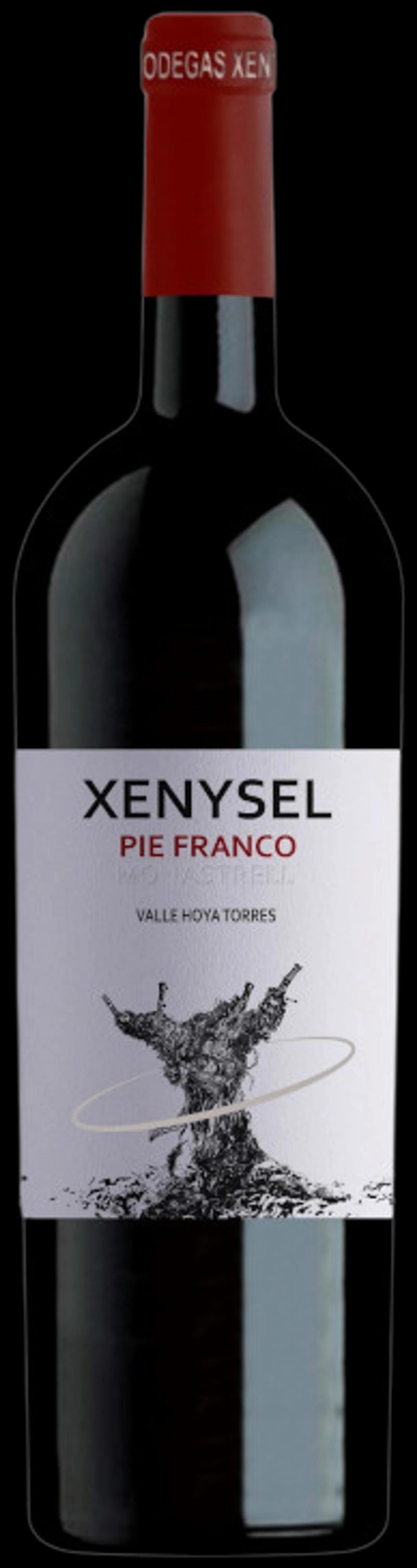
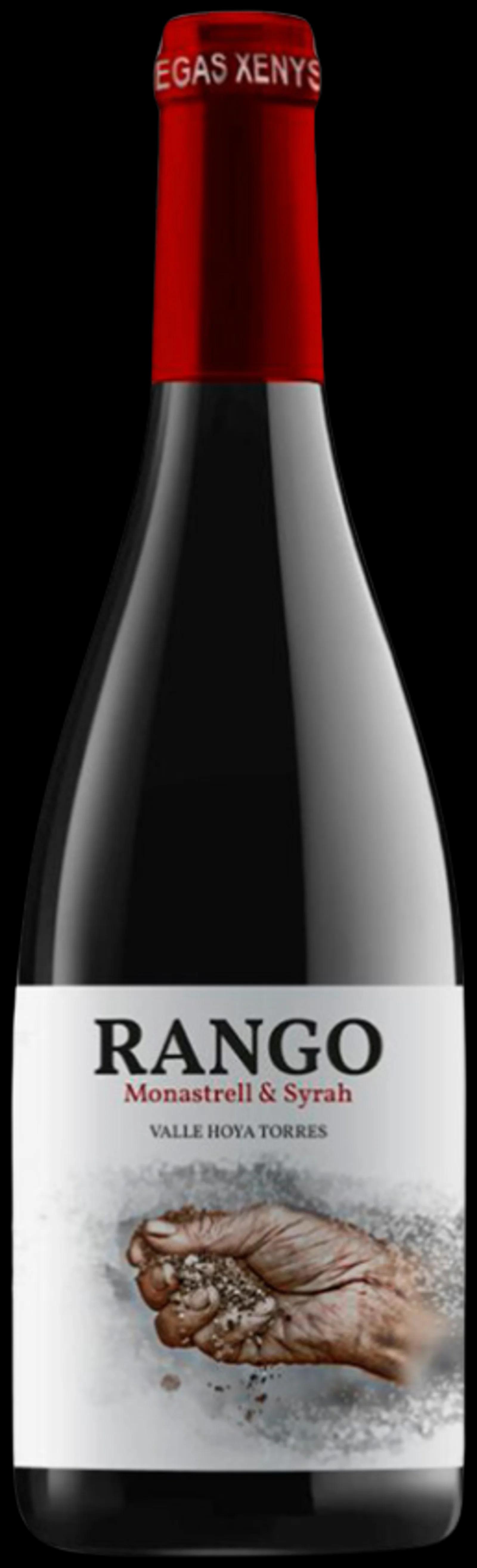
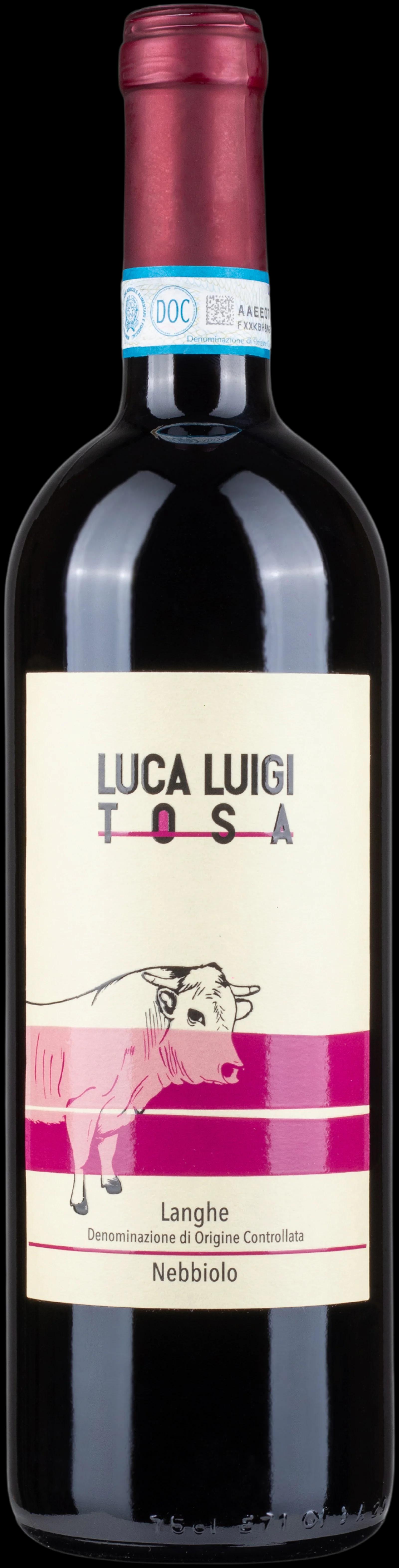
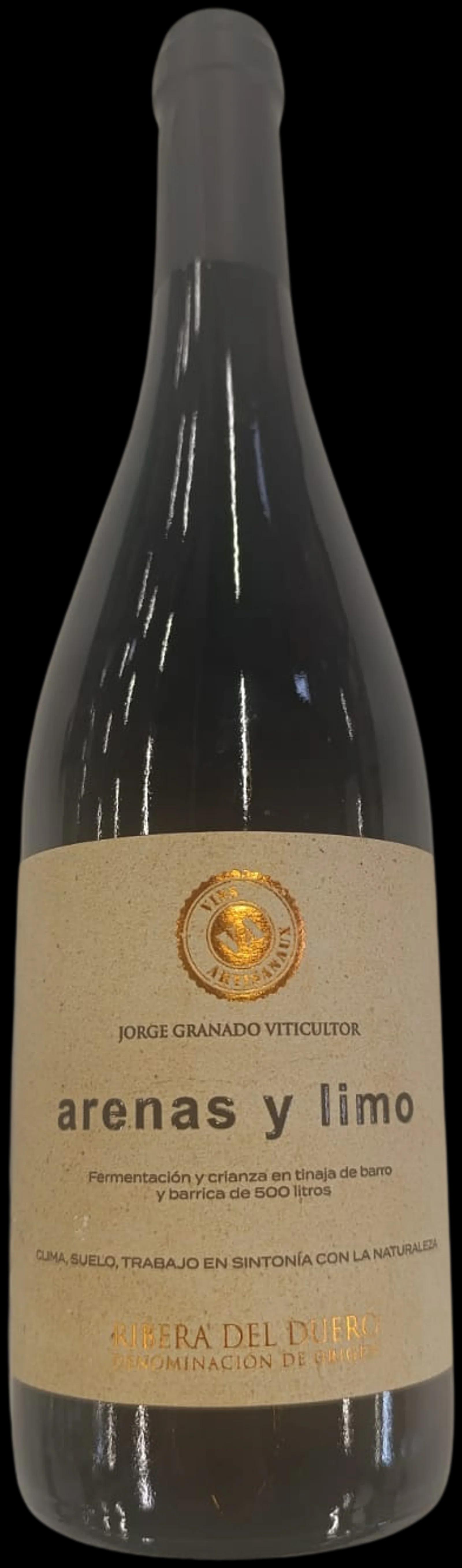
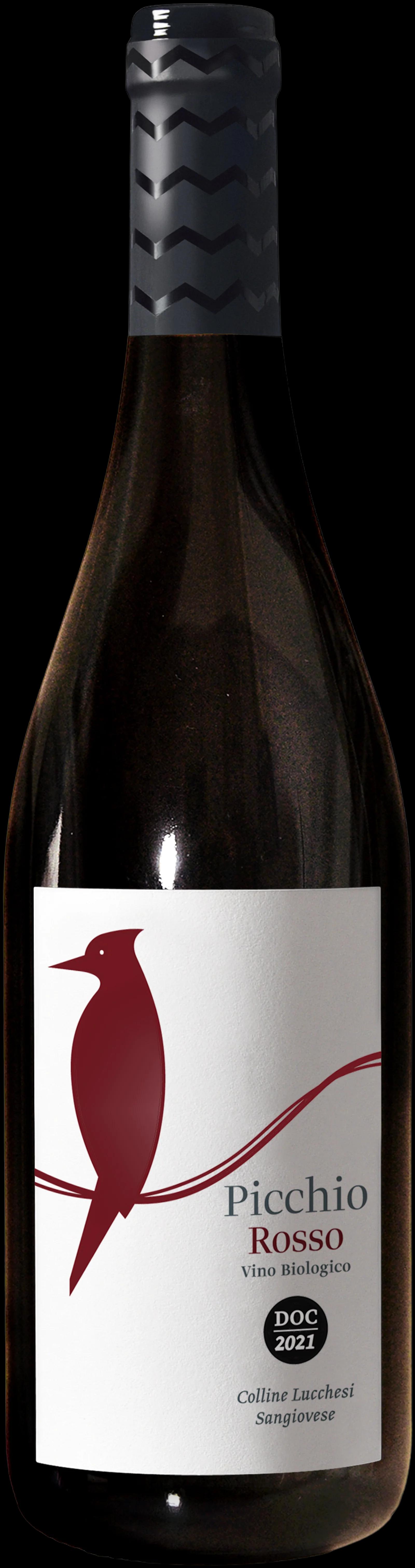
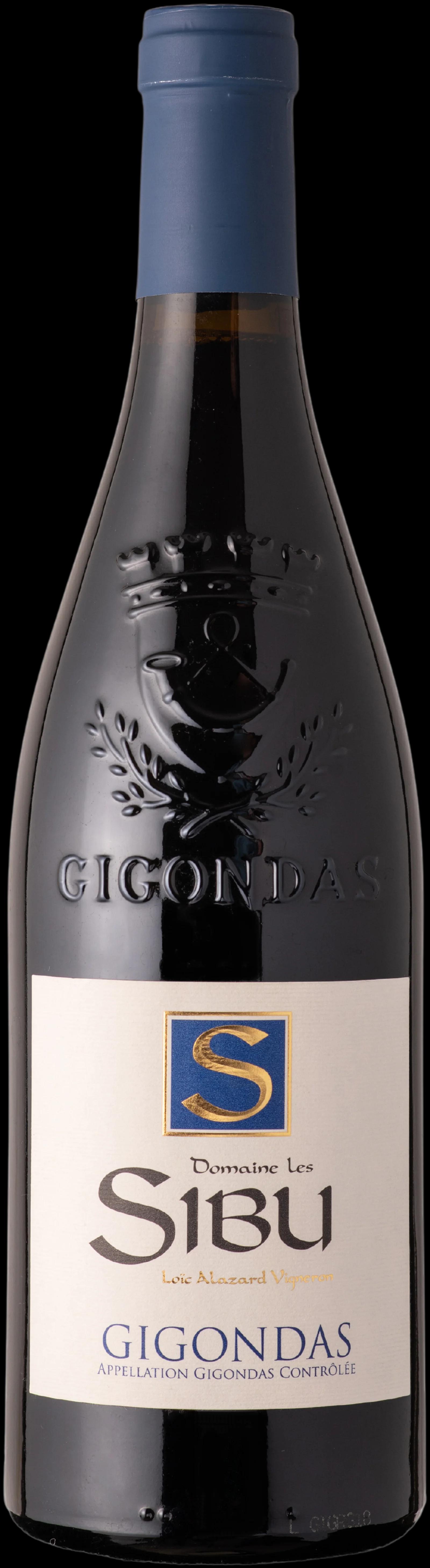
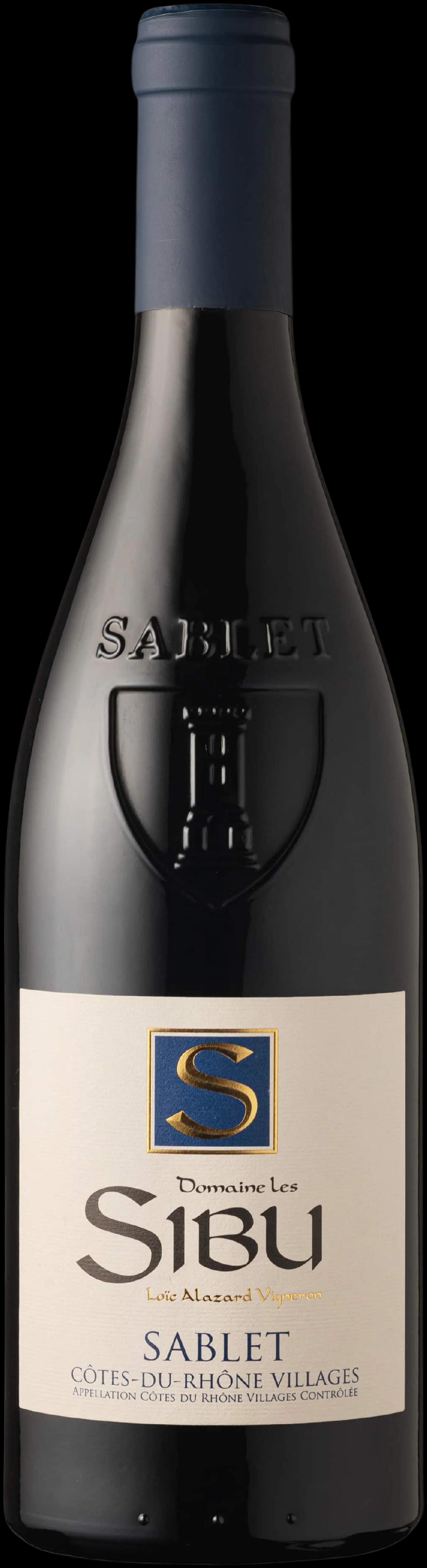
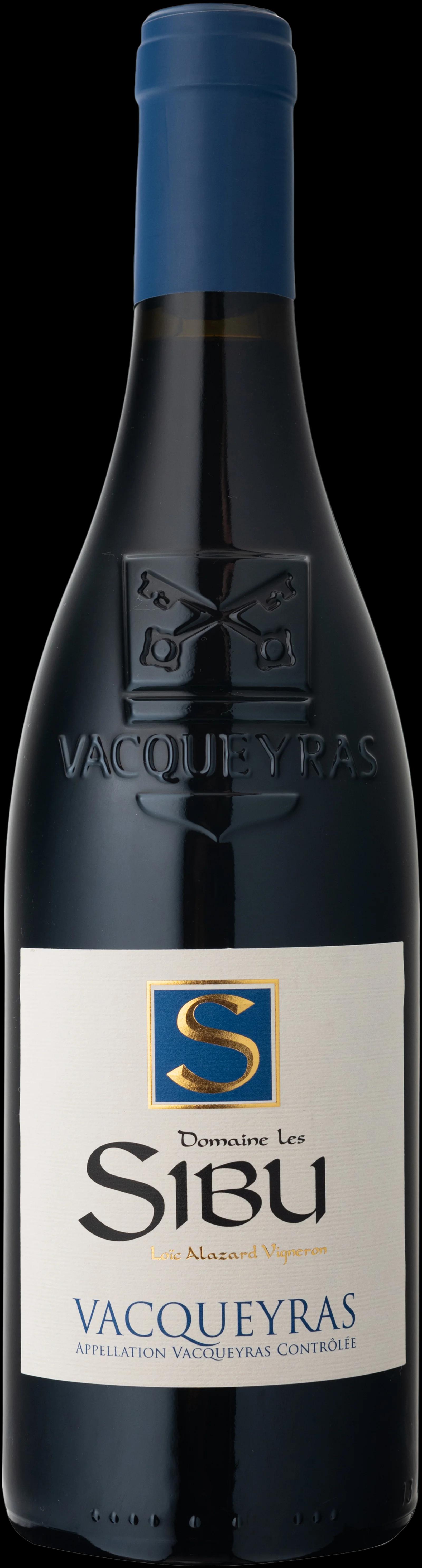
Red wine is grown almost everywhere wine is made, but certain grapes and regions define the range. In Italy, Nebbiolo in Piedmont produces wines of pale colour, firm tannin, and extraordinary longevity; Sangiovese in Tuscany gives a high-acid, savoury style that pairs naturally with food. In Spain, Tempranillo anchors Rioja and Castile and León, while Garnacha thrives on the old vines of Aragón and Monastrell dominates the sun-baked soils of Valencia and Murcia. France spans the structured Cabernet Sauvignon-led blends of Bordeaux, the terroir-driven Pinot Noir of Burgundy, the Grenache and Syrah blends of the Rhône Valley, and the fruit-forward Gamay of Beaujolais. Germany produces Spätburgunder — Pinot Noir — in Baden and the Pfalz that can rival Burgundy for refinement. On Free Grape Society, every one of these comes directly from the producer who grew and made it — no importer or agent warehouse in between.
How to choose a red wine — by structure and taste
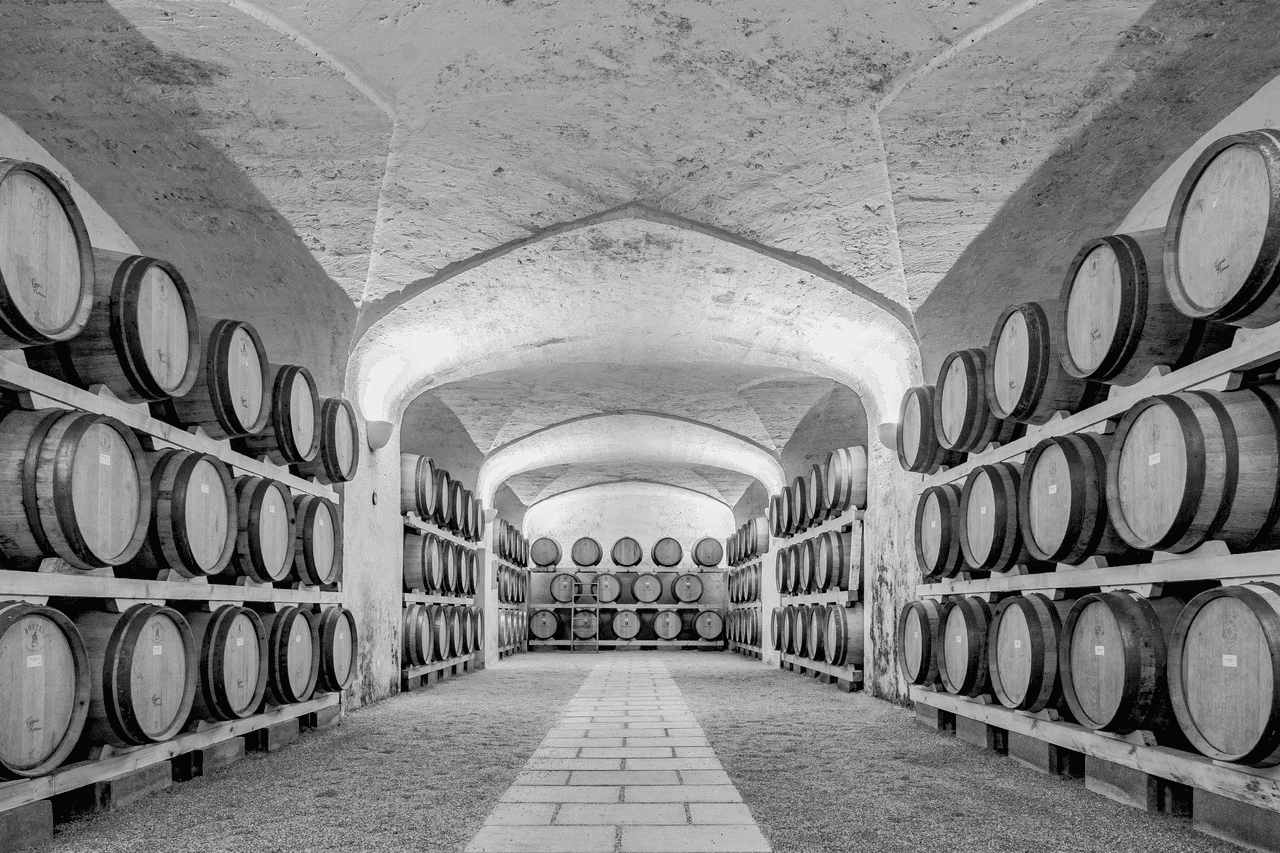
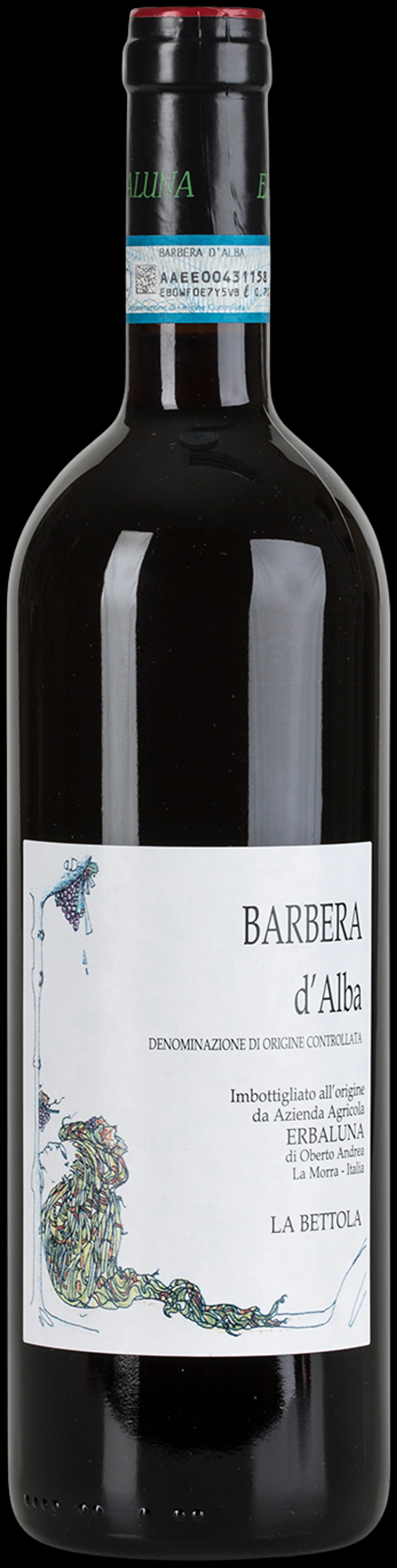
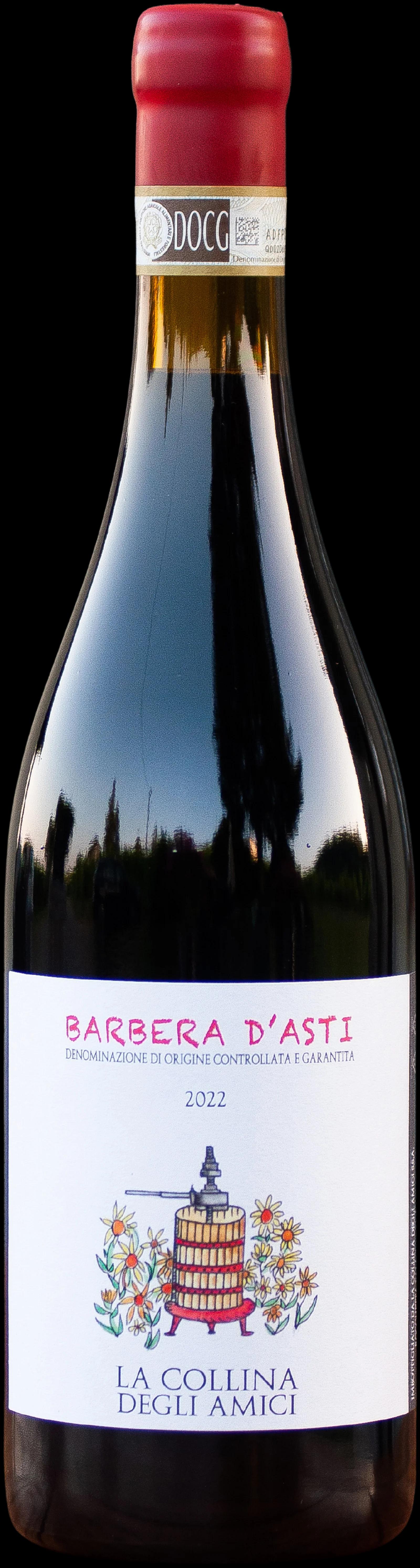
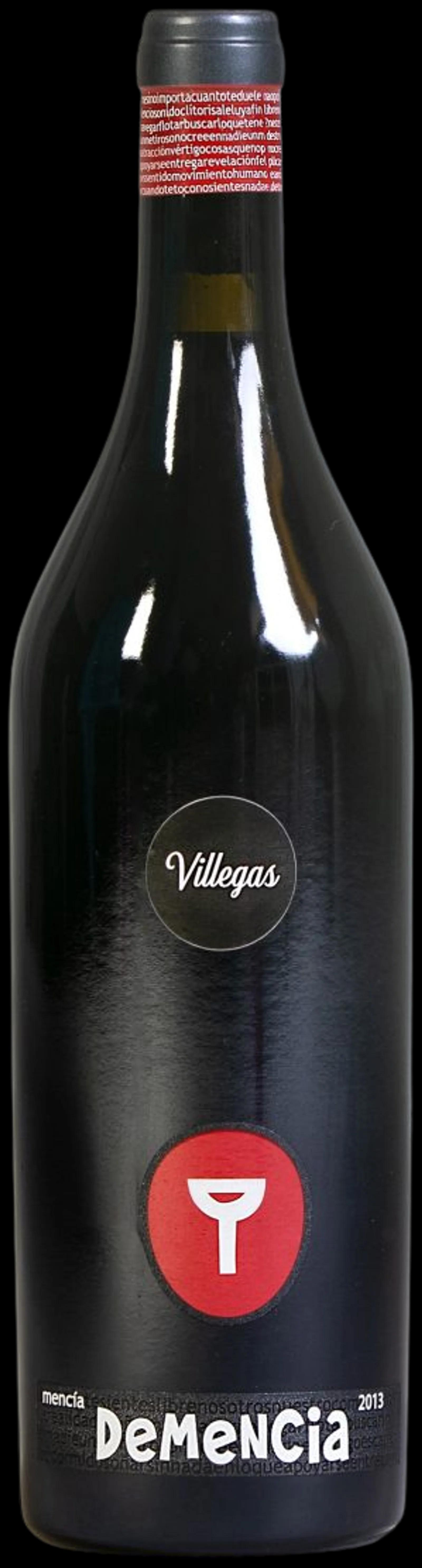
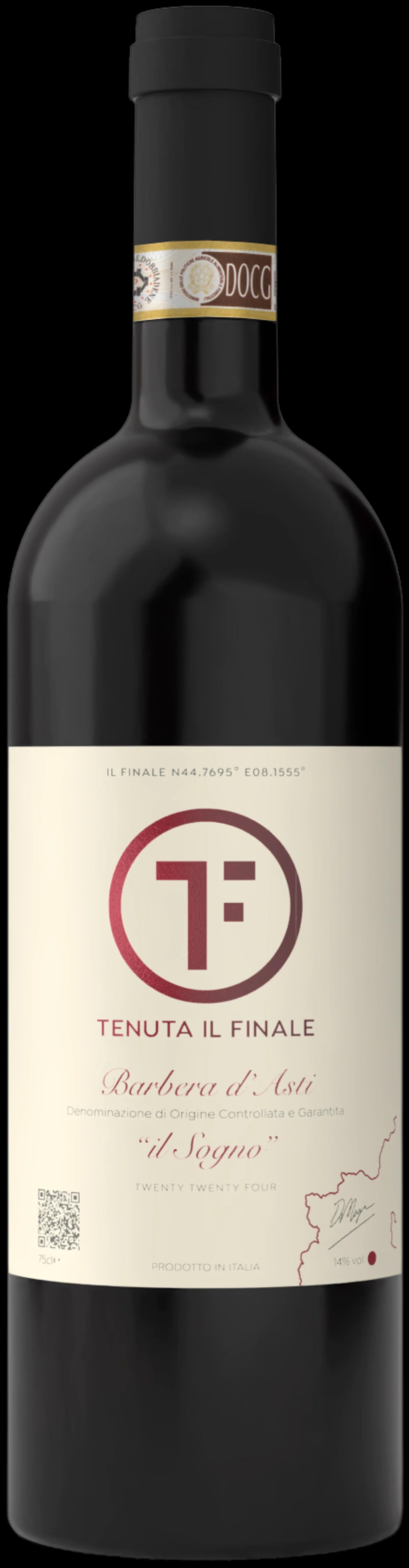
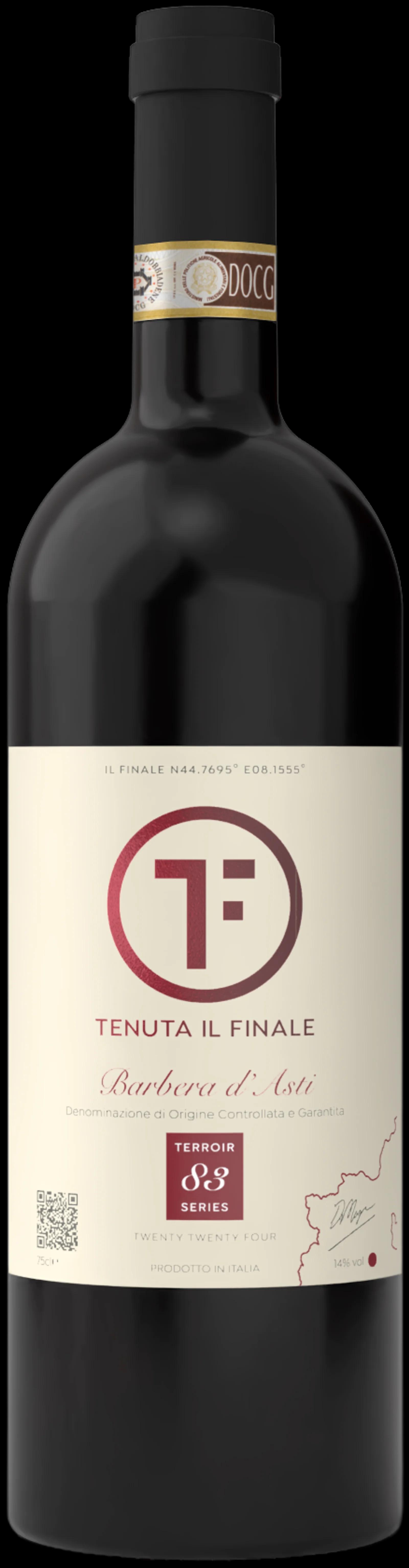
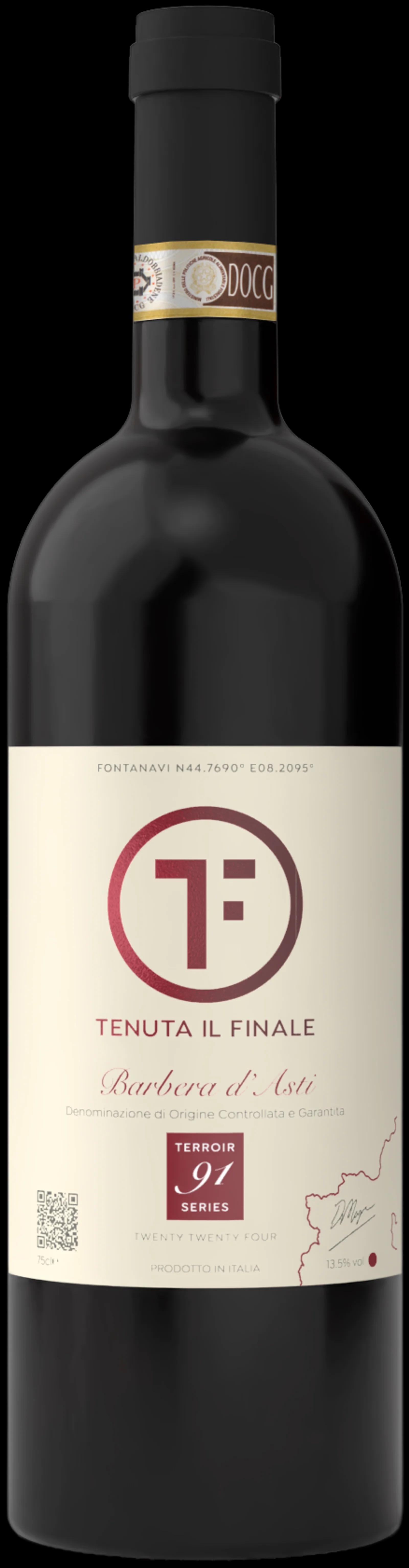
Start with structure, not with country. The two axes that matter most are tannin and acidity. High tannin means grip and dryness on the finish — wines like Nebbiolo, Cabernet Sauvignon, and Mencia sit here. Lower tannin means smoother, softer texture — Pinot Noir, Gamay, and Barbera are examples. High acidity keeps a wine fresh and food-friendly; lower acidity makes it feel rounder and more generous. Climate shapes both: cooler regions (Burgundy, Beaujolais, Germany) give more acidity and less alcohol; warmer regions (southern Italy, inland Spain, the southern Rhône) give more body and riper tannin. If you want to explore by origin rather than structure, the individual bottle pages let you filter by country and region. If you would rather receive a considered set across complementary styles, the red wine cases bring together bottles chosen to show that range — packed and shipped directly from the producer's own cellar. Free Grape Society is a society of producers, independent experts, and wine lovers, not a shop. Wines are tasted before listing.