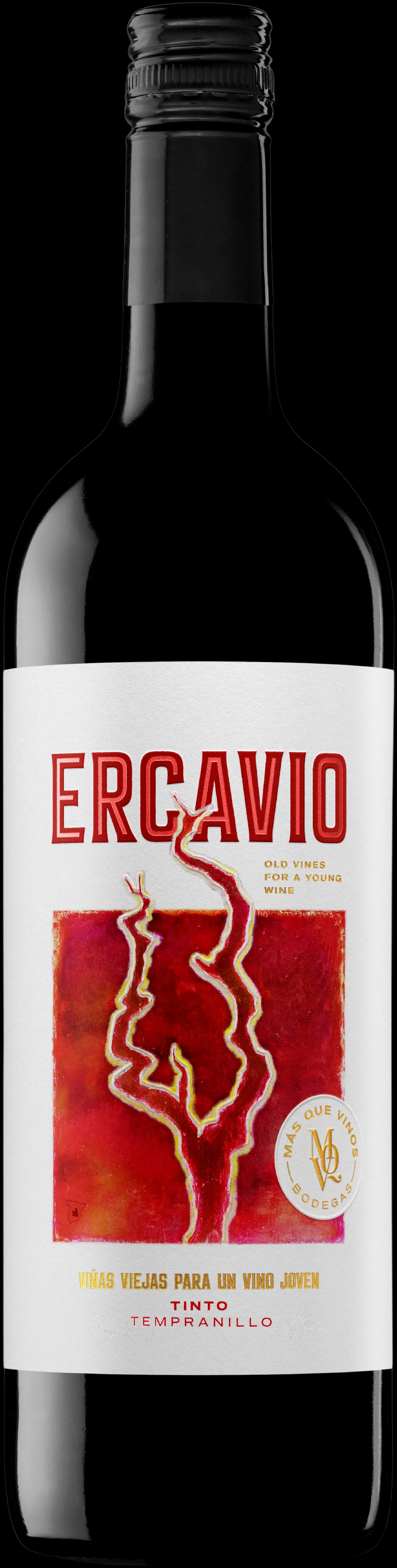
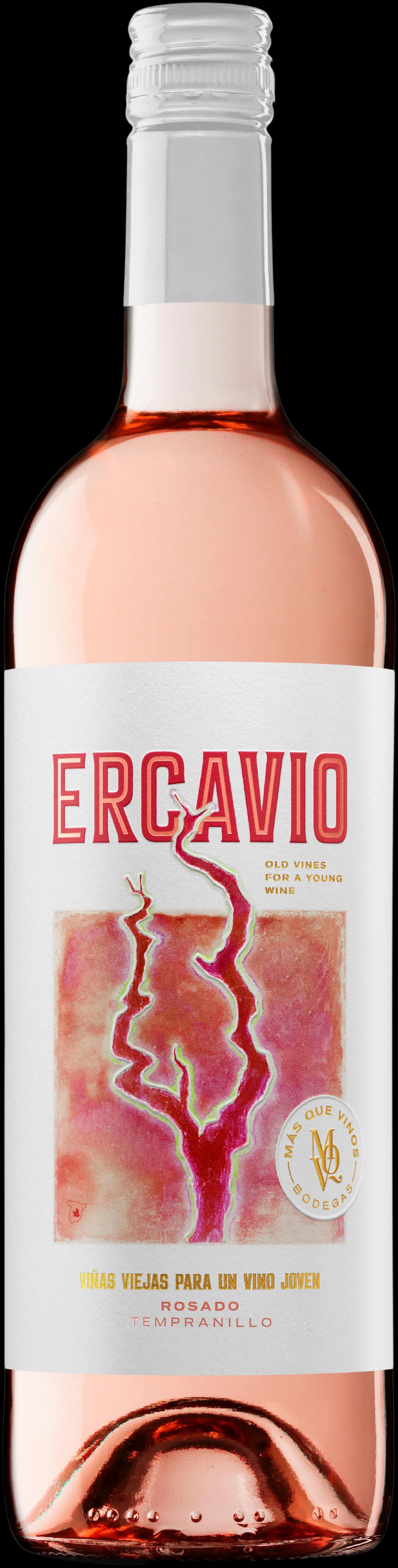
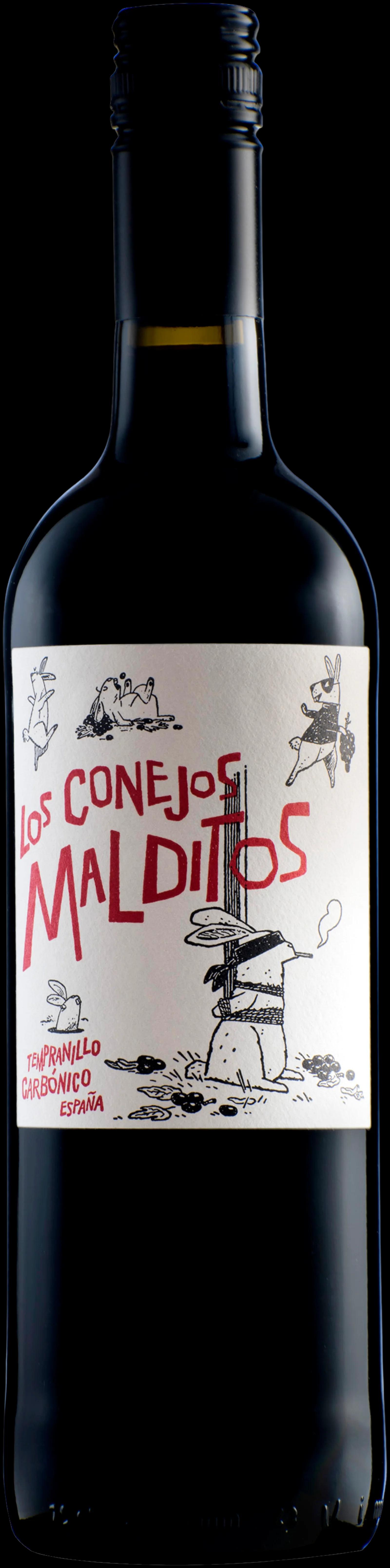
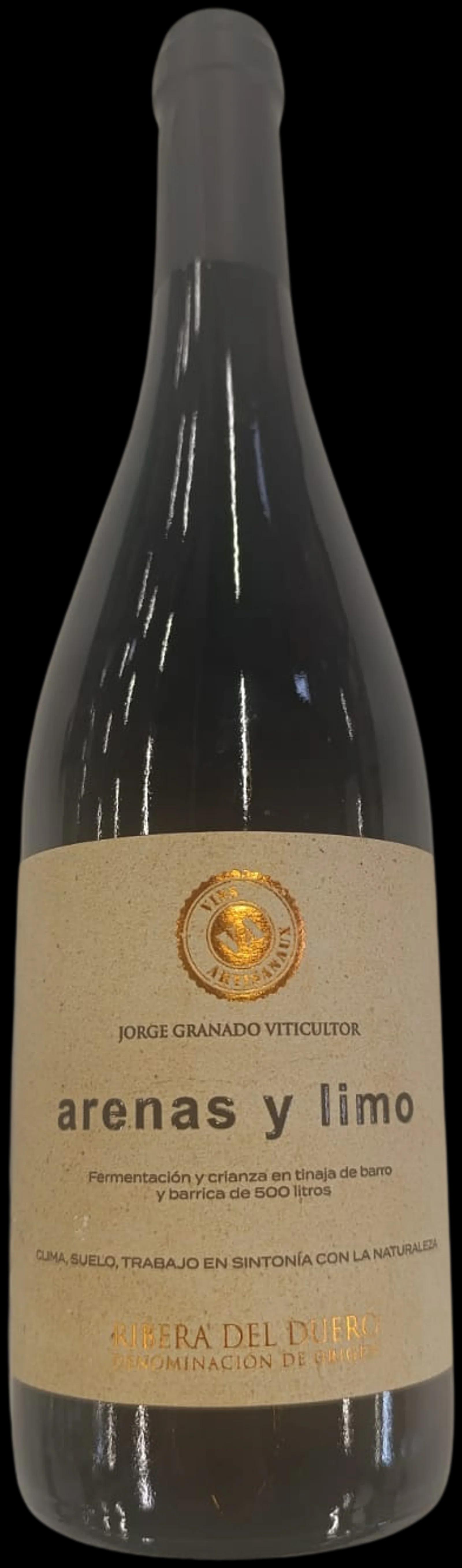
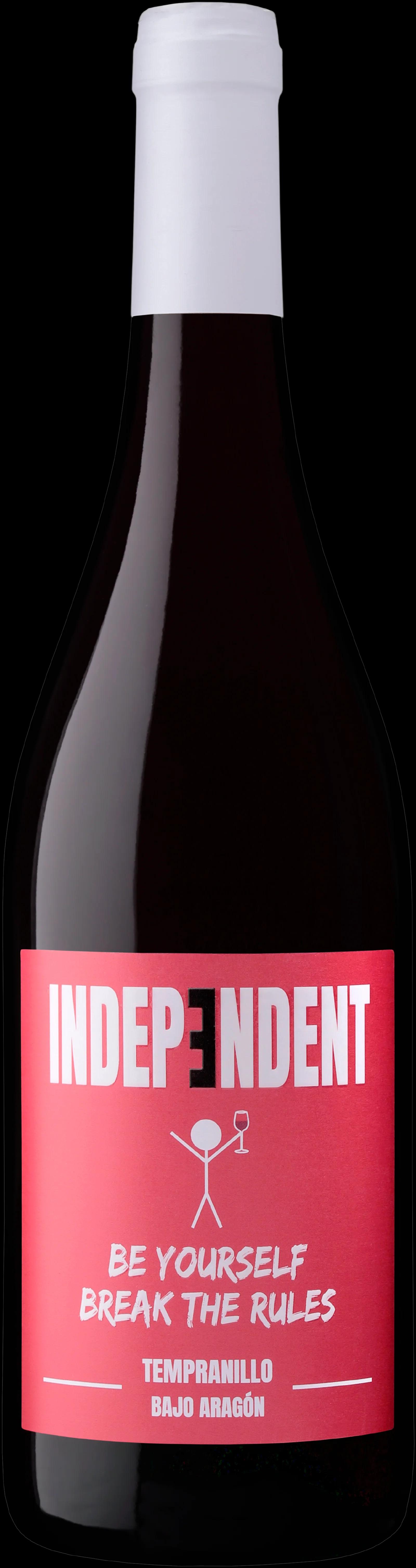
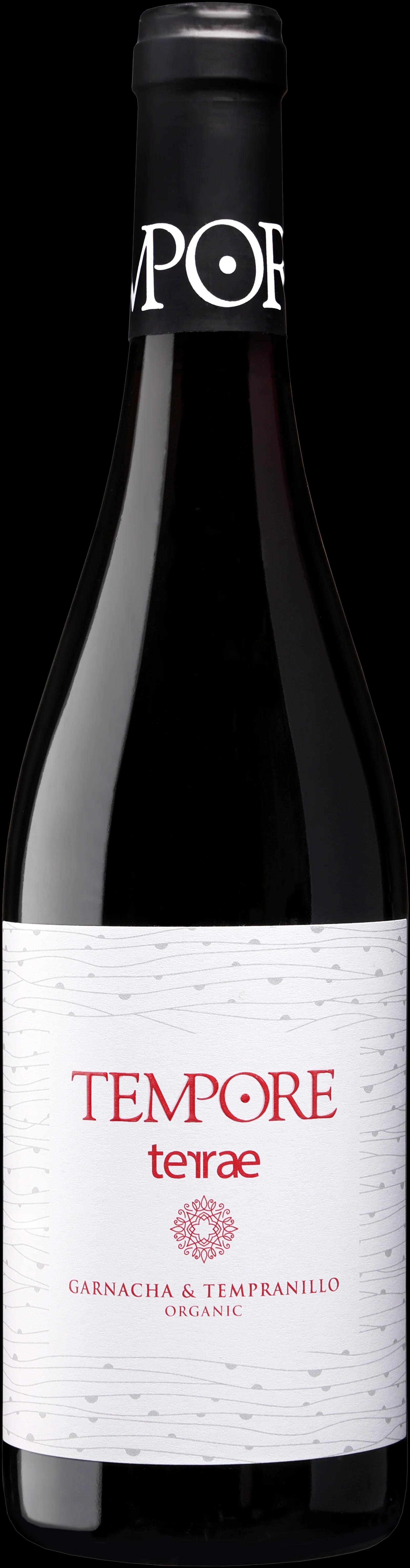
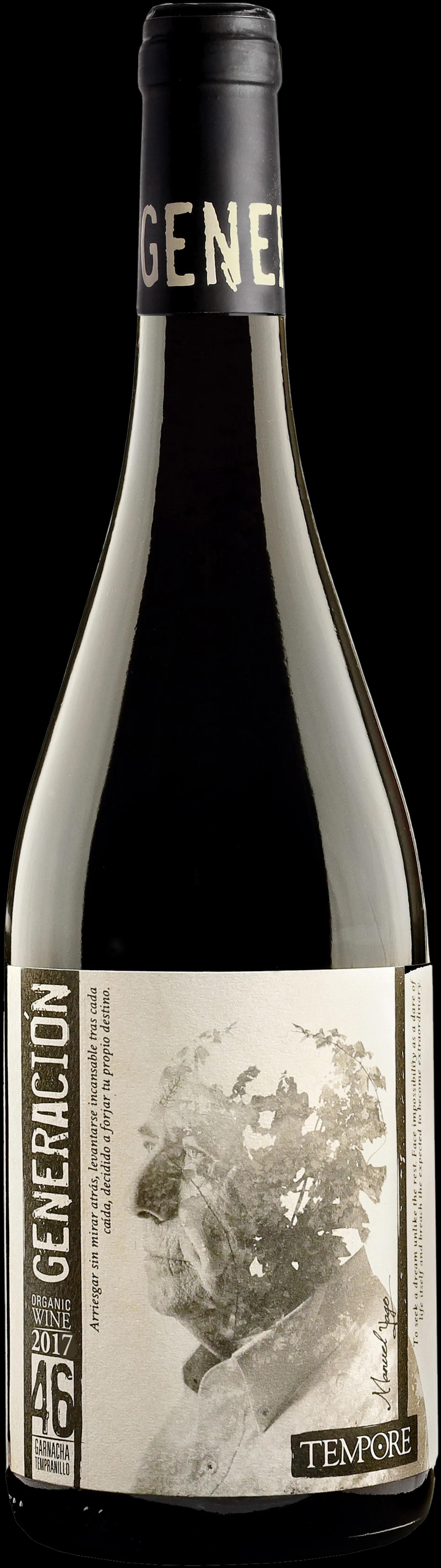
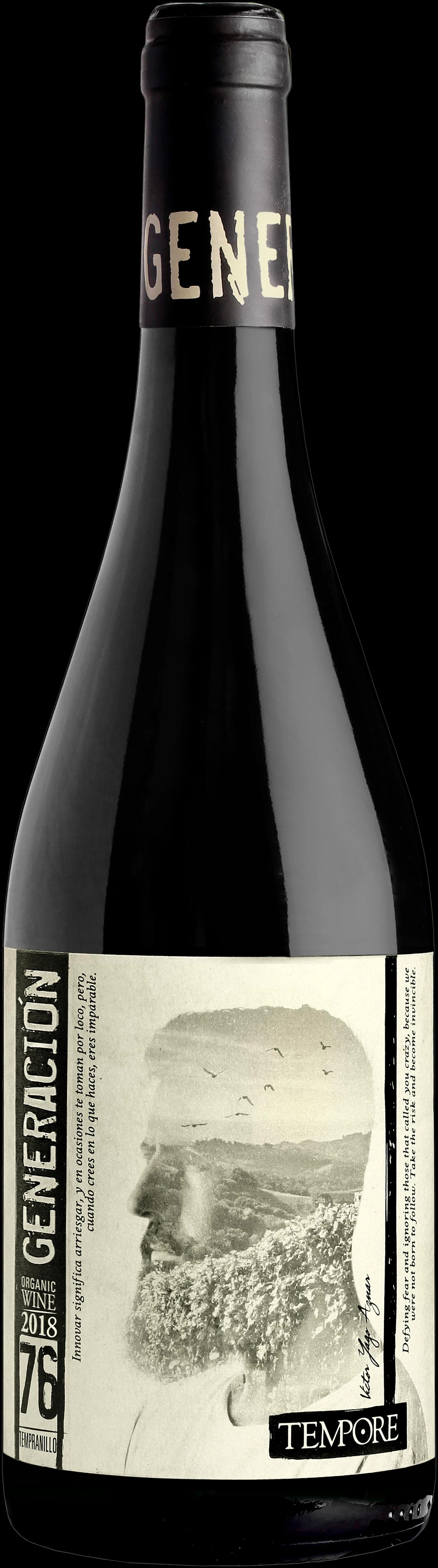
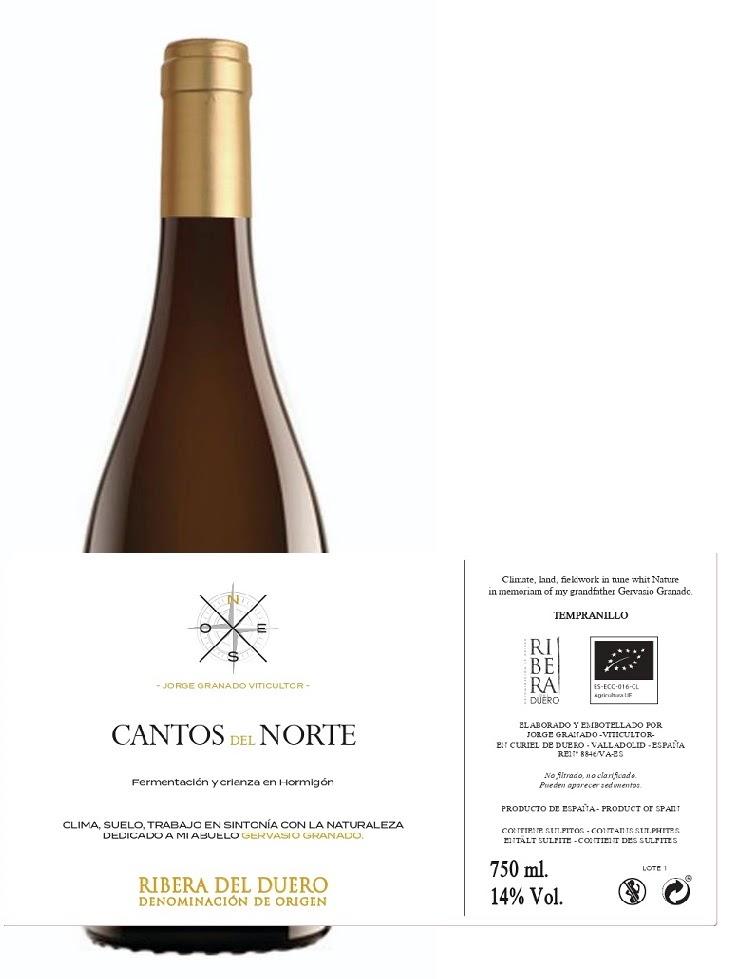
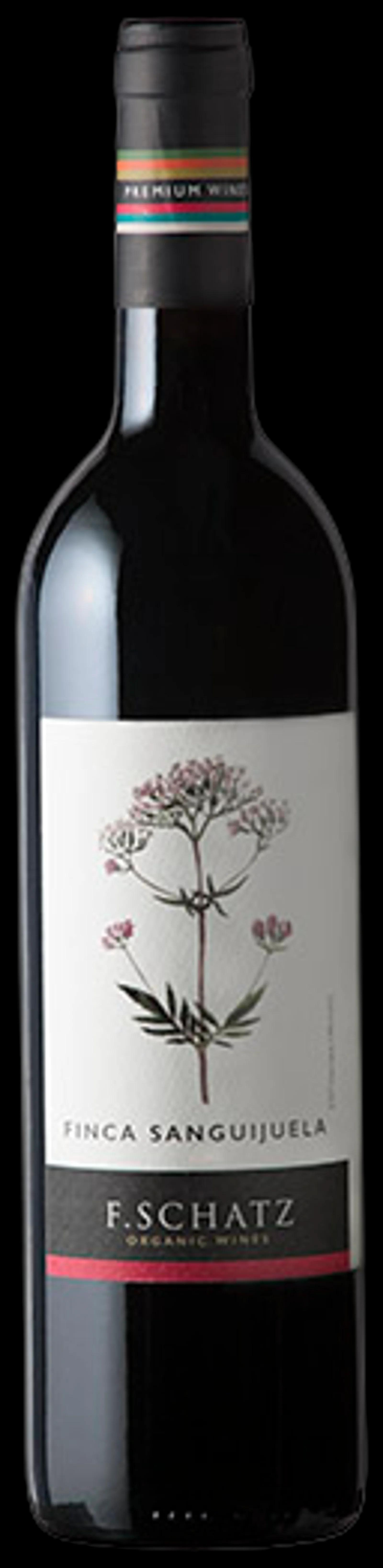
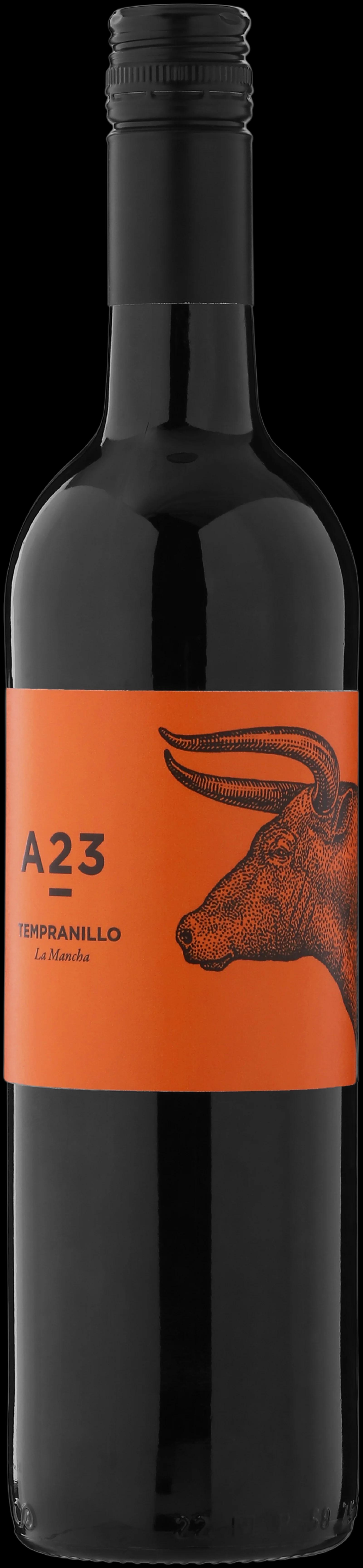
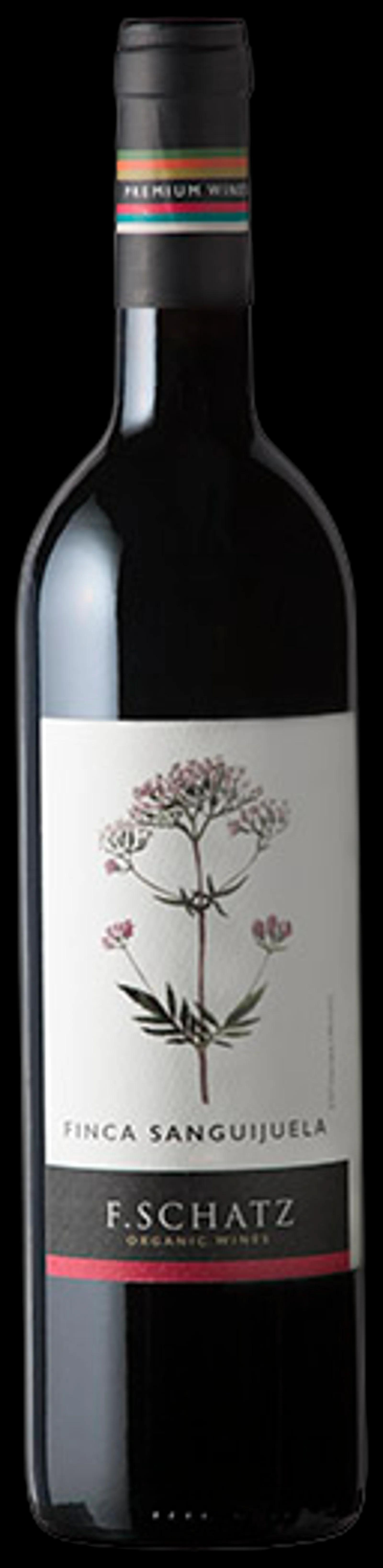
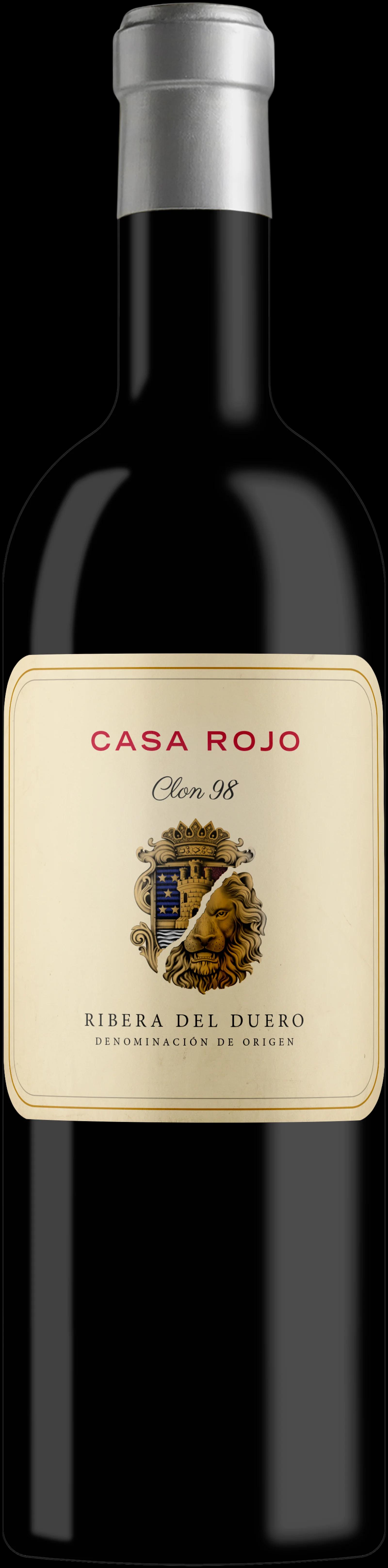
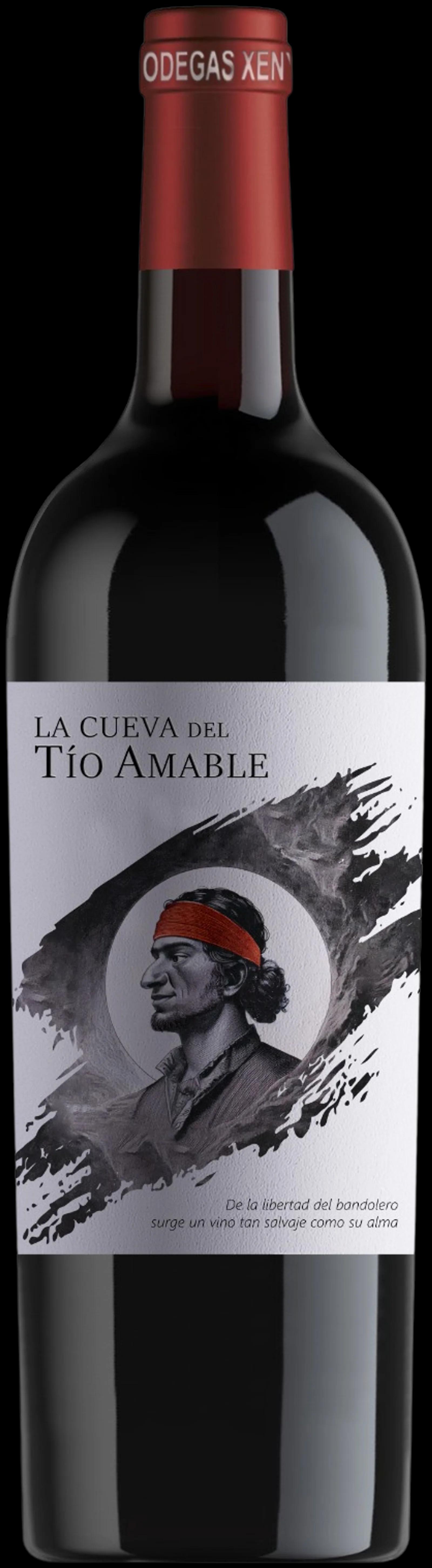
Tempranillo wines from estate-bottling Spanish producers

Tempranillo from producers who own their fruit and bottle under their own name. Tasted before listing.
From Rioja to Ribera del Duero, direct from the cellar.

Color

Dropdown arrow

Type

Dropdown arrow

Country

Dropdown arrow

Region

Dropdown arrow

Grape

Dropdown arrow

Pairing

Dropdown arrow

Sort by

Sort arrow
Tempranillo

Tempranillo wines

Tempranillo is Spain's most widely planted red variety. It goes by different names depending on where it grows: Tinto Fino in Ribera del Duero, Cencibel in Castilla-La Mancha, and Ull de Llebre in Catalonia. Each region pulls a different character from the same grape. The Tempranillo wines on this page come from growers who control their own production and ship directly from their cellar.

Previous1 of 1Next

Tempranillo mixboxes

A mixbox on Free Grape Society is six bottles from one producer. On a grape page, between three and six of those six bottles are Tempranillo. The remaining bottles, if any, are chosen by the producer to show the grape in the context of their own range. When a producer works exclusively with Tempranillo, all six bottles can be the grape. The producer composes the box, not a buyer.

Wine experts

The estates listed below have gone through quality vetting before appearing on Free Grape Society. Every wine is tasted by our Head of Product before it goes live. Producers who bottle under their own name and ship from their own cellar are the ones you find here. No importer, no wholesaler. The price you see is the price the producer agreed to.

Tempranillo producers

Independent wine experts on Free Grape Society rate and review wines they have personally tasted. Their reviews are visible on the wine page and on the expert's own profile. Several of the experts listed below have reviewed Tempranillo wines featured on this page. Their recommendations reflect their own judgment, not a platform-approved list.

Frequently asked questions

How do I order Tempranillo wines on Free Grape Society?

Browse the wines above, add bottles to your cart, and check out in one transaction. Each listing shows the producer, region, and vintage. Wines ship directly from the producer's cellar. No account is required to browse. Delivery averages 8 to 9 days from order to door.

What happens if a bottle arrives broken or doesn't taste right?

Send a photo to Free Grape Society customer support within 7 days of delivery. We will arrange a replacement or a refund. Because producers ship directly, quality issues are handled with the producer's direct involvement. Shared responsibility is built into how FGS works.

Can I order Tempranillo wines from more than one producer at once?

Yes. You can add wines from multiple producers to your cart and pay once at checkout. Each producer ships their wines separately, so you may receive more than one delivery from a single order. There is no minimum order quantity per producer.

How long does delivery take?

Average delivery is 8 to 9 days from order to door. The full range is 4 to 14 days depending on the producer's location and your delivery address. Wines ship directly from the producer's cellar, not from a central warehouse.

How do I find the right Tempranillo for me among all the listings?

Filter by region to narrow the field. Rioja and Ribera del Duero are the two most distinct expressions: Rioja leans toward oak-driven structure, Ribera toward darker fruit and firmer tannin. Wine expert reviews visible on each wine page can help you decide between producers you are not yet familiar with.

What styles of Tempranillo are available on Free Grape Society?

The range runs from younger, fruit-forward styles with limited oak contact to Reserva and Gran Reserva wines that have spent several years in barrel and bottle before release. Producers from Rioja, Ribera del Duero, Toro, and Castilla-La Mancha are all represented. Regional differences in soil and altitude translate into measurably different styles.

Which wine expert can recommend a Tempranillo for me?

Several experts on Free Grape Society have reviewed Spanish wines, including Tempranillo from Rioja and Ribera del Duero. Browse the expert profiles in the section below. You can view each expert's review history to find one whose palate and regional knowledge aligns with what you are looking for.

Why don't you sell Tempranillo from supermarket brands?

Supermarket Tempranillo is made to a price point and moved through wholesale chains. The bottles on Free Grape Society come from producers who own their vines, make every decision in the cellar themselves, and ship directly to you. A bottle from a large commercial brand changes hands three or four times before it reaches the shelf. Here it changes hands once.

How does Tempranillo on Free Grape Society differ from what is available in UK or European retail?

Retail carries the major commercial Rioja labels at high volume. The producers on Free Grape Society tend to work at smaller scale, often below the volume threshold that retail distribution requires. Many of these wines are not available through any high-street retailer or online wine club. Direct-from-cellar is the only practical route to them.

Where Tempranillo grows and what that means for style

Tempranillo is Spain's most widely planted red grape, but the name covers a range of styles that can feel like different grapes entirely. In Rioja, it is the backbone of wines aged in oak for months to decades, with traditional producers still reaching for American barrels and modern ones shifting toward French. In Castile and León, it goes by Tinto Fino and Tinto del País, producing wines from Ribera del Duero with a firmer tannic structure and higher elevation character than most Rioja. In Castilla La Mancha and Aragon, it tends toward earlier-drinking expressions, often at lower price points. Outside Spain, it appears in Portugal as Aragonez and Tinta Roriz, most notably as a blending partner in Douro reds and a standalone in Alentejo. These are not marketing variations of the same wine. Altitude, soil type, and producer approach create genuinely different results from the same grape.

The growers who control their own production — bottling under their own name rather than selling to cooperatives — are the ones whose wines tend to reflect place most clearly. Cooperatives dominate Tempranillo volume. Estate-bottled wines from producers who own their fruit are the minority, and that minority is where the most distinct expressions sit.

How Tempranillo is vinified and aged

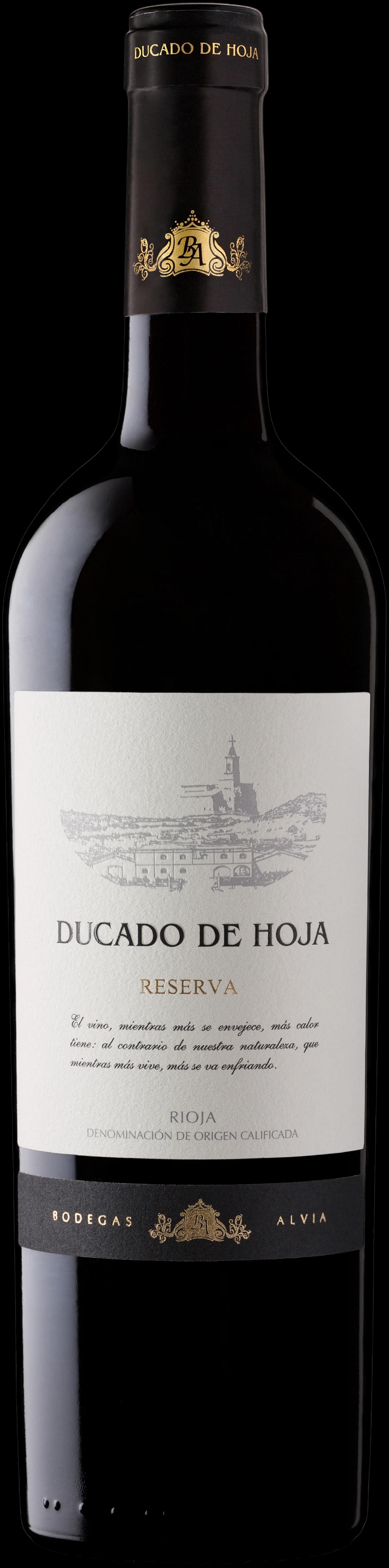
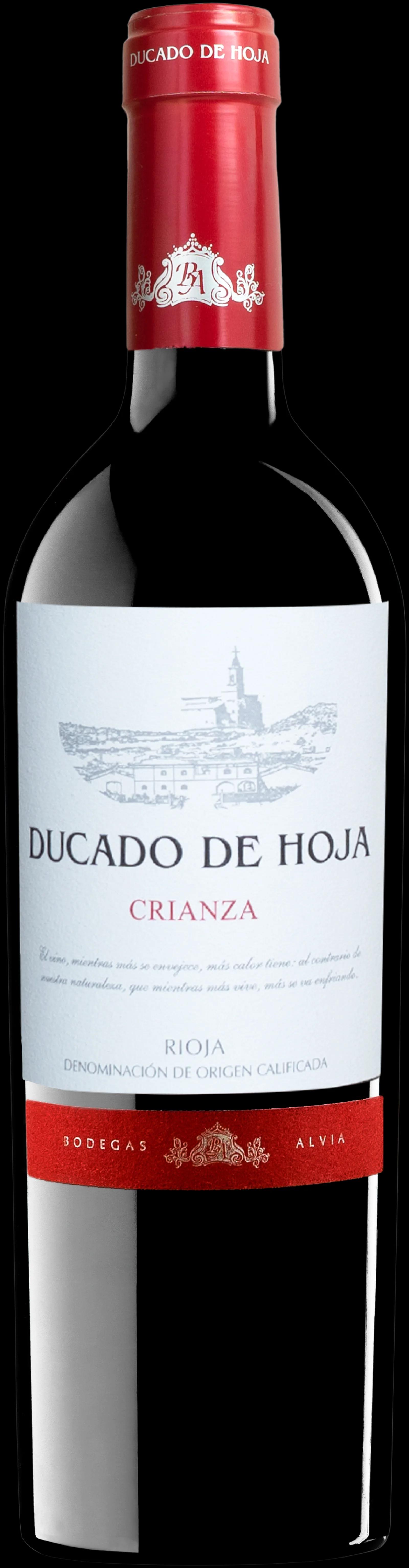
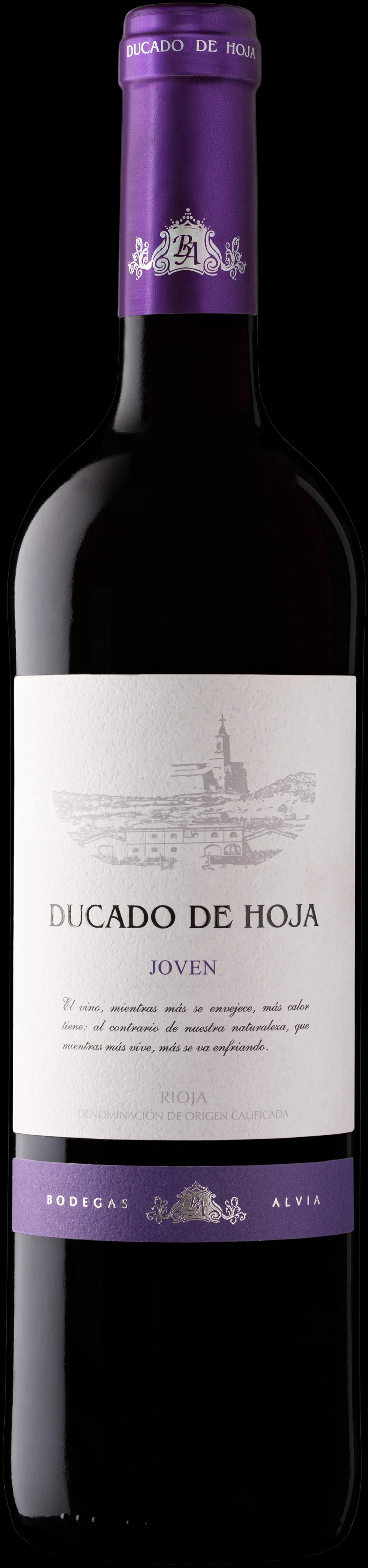
Tempranillo has moderate natural acidity and tannin, which makes it one of the most oak-adaptable red grapes in Europe. The Spanish classification system in Rioja and Ribera del Duero is built around ageing time rather than vineyard origin: Joven (little or no oak), Crianza (minimum one year oak, one in bottle), Reserva (minimum one year oak, two total), Gran Reserva (minimum two years oak, three total). These are regulatory minimums, not style guarantees — a producer can exceed them or work at the lower end.

Some producers in Rioja are moving away from the classification labels entirely, preferring single-vineyard designations that point to soil and altitude rather than ageing duration. This shift mirrors what happened in Burgundy decades ago, and it reflects a broader debate inside the appellation about whether place or time in barrel is the more meaningful signal to a buyer.

Tempranillo blends well with Garnacha, Graciano, and Mazuelo in Rioja, and with Mencía in some northern Spanish appellations. As a standalone, it is also bottled unblended by smaller estates seeking to show varietal purity. No single vinification approach defines it — which is part of what makes producer choice the most important variable when selecting a bottle.

How Free Grape Society lists Tempranillo producers

No buyer with quarterly targets. No chain defending shelf space. Every producer on Free Grape Society chose to be here, and every wine they list was tasted by our Head of Product before going live. That process applies to Tempranillo the same as every other grape.

Producers send samples. The wines are tasted. Those that pass quality review are listed. Producers set their own prices — Free Grape Society does not negotiate margins downward to hit a retail price point. The price you see reflects what the producer agreed to, not what a wholesaler needed to clear.

Independent wine experts on the platform Rate and Review individual Tempranillo wines they have personally tasted. Those reviews appear on the wine page and on the expert's profile, giving you a track record to evaluate rather than a badge to trust. Producers who bottle under their own name and ship from their own cellar are the ones who appear here — not brands assembled from purchased bulk wine. If you want to compare styles between Rioja Reserva, Ribera del Duero, and Castilla La Mancha expressions, the producer notes and expert reviews on each wine page give you the most direct way to do that. You can also browse the full Spanish wine range or go directly to red wines from Spain to see what else sits alongside Tempranillo.