Pinot Nero: Italy's cool-climate expression of the world's most demanding grape

Pinot Nero wine in Italy is grown where altitude and cooler air slow ripening enough to preserve the grape's signature perfume and fine tannin. The producers below work the variety across the north, each shaped by a different combination of soil, elevation and tradition.

From Trentino-Alto Adige to Oltrepò Pavese, thin-skinned and site-sensitive in every bottle.

Color

Dropdown arrow

Type

Dropdown arrow

Country

Dropdown arrow

Region

Dropdown arrow

Grape

Dropdown arrow

Pairing

Dropdown arrow

Sort by

Sort arrow
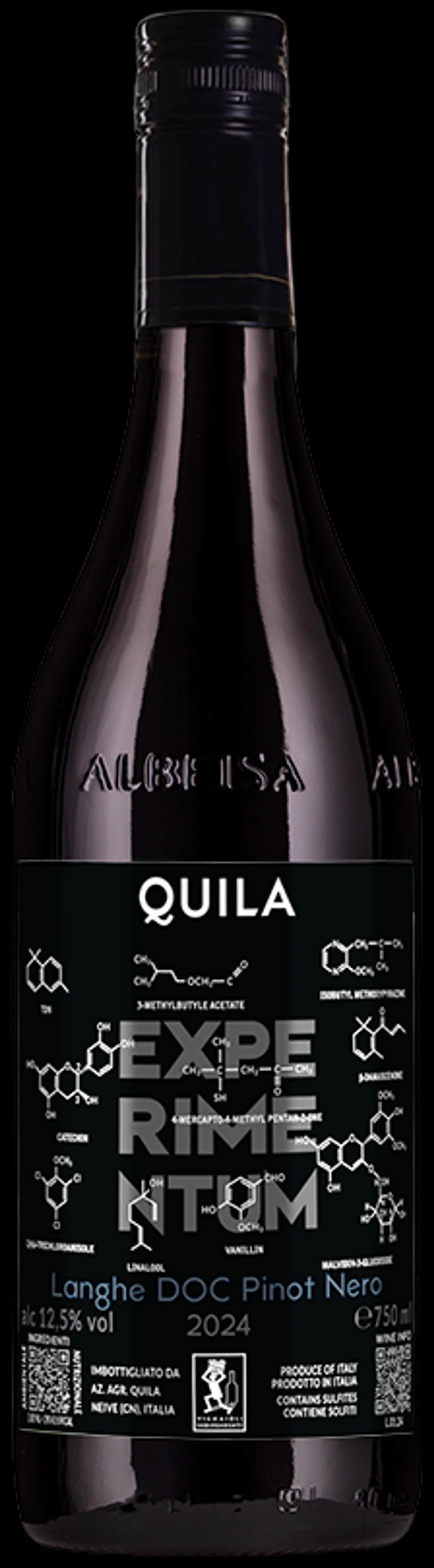
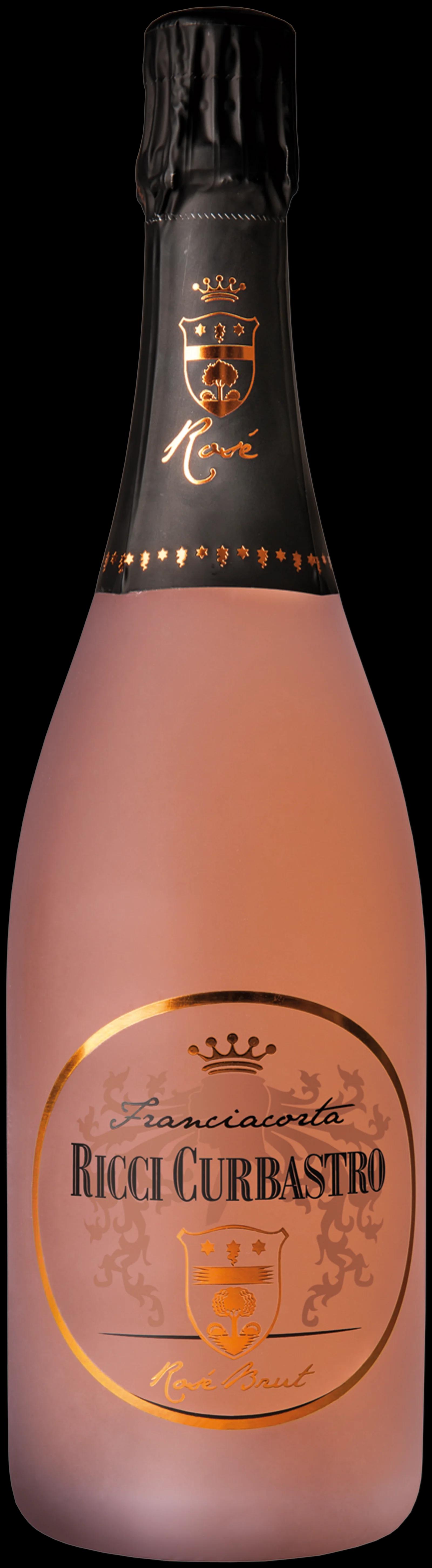
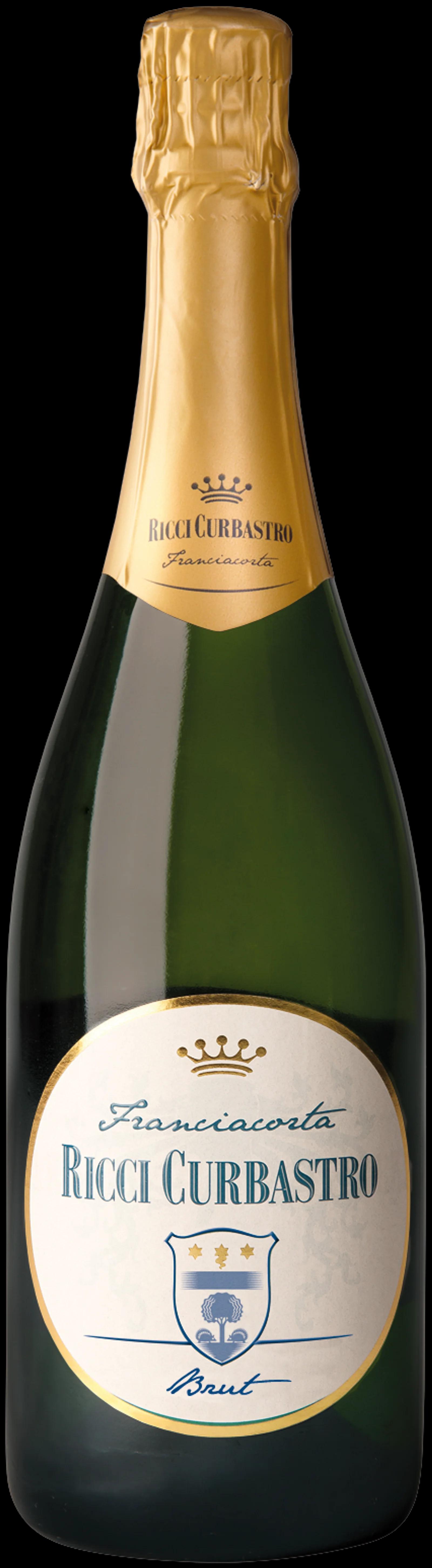
Pinot Nero

Pinot Nero wines

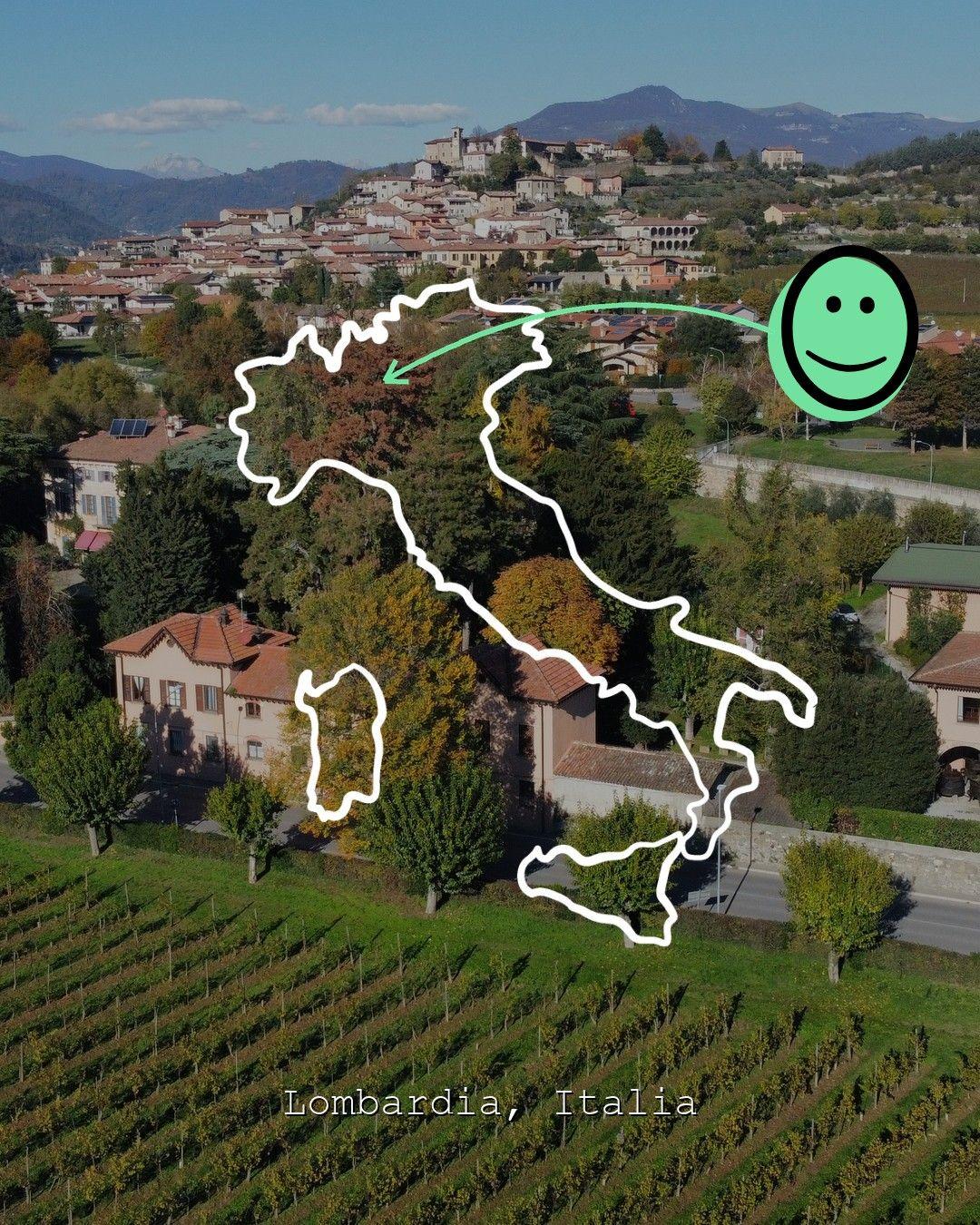
Pinot Nero is the Italian name for Pinot Noir, and in Italy it is almost entirely a northern grape. Trentino-Alto Adige and Lombardy's Oltrepò Pavese account for most of the planting, with altitude doing the work that latitude alone cannot: keeping the growing season long and the nights cool enough for the variety to hold its acidity. The same grape grown fifty metres lower in the same valley can taste noticeably heavier. Each bottle on this page ships directly from the producer's own cellar, with no importer or warehouse in between.

10 of 10 wines

Previous1 of 1Next

Pinot Nero wine cases

A Pinot Nero mixbox is a producer's own selection of six bottles, assembled as the recommendation they would make if you visited the estate in person. With a grape this sensitive to site, that often means tasting one grower's interpretation across a couple of vintages or neighbouring parcels — small differences that are easier to read when the bottles sit side by side. Free Grape Society is a society of producers, independent experts and wine lovers, not a shop.

View all mixboxes

Wineries

The growers below all work with Pinot Nero, but they come from meaningfully different places within Italy's north — some from the volcanic and alpine soils of Alto Adige, others from the Po Valley edge of Lombardy, where the Apennines begin to influence the air. A producer's own story is often the clearest guide to why their wine tastes the way it does, and the wine-advice service is there if you would rather talk through the differences before choosing.

View all wineries

Wine experts

Pinot Nero divides opinion precisely because it changes so much depending on where and how it is grown, which makes a second perspective worth having. Independent wine experts review wines they have personally tasted, and their notes appear on each wine page and on the expert's own profile. Several of the experts below have reviewed Pinot Nero wines featured on this page, so you can read what they found before deciding.

View all wine experts

Frequently asked questions

How do I order Pinot Nero wines on Free Grape Society?

Browse the wines on this page and add bottles to your cart. Each wine ships directly from the producer's cellar in Italy, so your order may arrive in separate deliveries if you buy from more than one grower. Delivery typically takes between four and fourteen days, with an average of around eight to nine days. Payment is handled securely by Klarna or card.

What happens if a bottle arrives broken or doesn't taste right?

Send a photo to Free Grape Society customer support within 7 days of delivery. We will arrange a replacement or a refund. Because producers ship directly, quality issues are handled with the producer's direct involvement. Shared responsibility is built into how FGS works.

Can I order Pinot Nero from more than one producer in the same order?

Yes. You can add wines from different producers to a single order and pay once. Because each producer ships from their own cellar, the bottles will arrive in separate parcels, each dispatched independently. Free shipping applies to every order.

How long does delivery take?

Average delivery is 8 to 9 days from order to door. The full range is 4 to 14 days depending on the producer's location and your delivery address. Wines ship directly from the producer's cellar, not from a central warehouse.

How do I choose between the different Pinot Nero wines on this page?

Start with region: Alto Adige and Trentino tend toward a more alpine, floral style, while Oltrepò Pavese and Franciacorta in Lombardy often produce a slightly fuller expression. If you are unsure, the wine-advice service connects you with an independent expert who can match a specific bottle to what you are looking for.

How does Free Grape Society decide which Pinot Nero producers to work with?

Wines are tasted before listing by Free Grape Society's Head of Product. The focus is on independent producers who grow and bottle their own fruit, working the variety in regions where climate and soil give it a real chance to express itself. You will not find supermarket-sourced or negociant labels here.

Which Pinot Nero wine expert can recommend something for me?

Several independent wine experts on Free Grape Society have reviewed Pinot Nero wines and can help you choose. Fill in the advice form on this page and an expert will respond with a specific recommendation based on your taste, the occasion, and what you would like to spend.

Why don't you sell supermarket-brand Pinot Nero wines?

Supermarket Pinot Nero is typically produced at scale from bought-in grapes, blended to a consistent house style and priced to compete on margin rather than on character. The producers on Free Grape Society grow and bottle their own fruit, which means every bottle reflects a specific place, season and grower decision rather than a category average.

Can I find Pinot Nero in Italian wine shops or online retailers?

Italian Pinot Nero from small independent producers rarely reaches general retail outside Italy. Most of it is sold directly from the estate or through specialist importers who take a cut at every step. On Free Grape Society, the producer ships to you directly, which means the wine that reaches you is the same wine the grower sells at the cellar door.

Where Pinot Nero comes from and how region shapes it

Pinot Nero is the Italian name for one of Europe's oldest cultivated red grapes, grown in Burgundy since at least the medieval period and documented in French royal records from the fourteenth century. In Italy, it found its most consistent home in the Alto Adige, where the cool Alpine air and well-drained soils let it ripen slowly and hold its characteristic finesse. Further south it appears in Lombardy, where it plays a structural role in Franciacorta, and in Piedmont, where it is grown in smaller volumes alongside the region's more famous varieties. The same grape is called Pinot Noir in France, Spätburgunder in Germany, and Pinot Nero in Italy — the name shifts, but the variety is the same thin-skinned, climate-sensitive plant. What changes substantially is the wine: a bottle from Burgundy tends toward pale colour, high acidity and red-fruit precision, while one from a warmer Italian hillside can carry more body and darker fruit. The contrast is not a matter of quality but of place, which is why tasting across regions is one of the more instructive things you can do with this grape.

How Pinot Nero tastes, and what to drink it with

Pinot Nero is thin-skinned, which means it produces wines with relatively low tannin, naturally high acidity, and a translucent ruby colour that can mislead anyone expecting a darker glass. The aromas are typically in the red-fruit register — cherry, raspberry, redcurrant — with floral and earthy notes that deepen with age and vary with site. Because the tannins are soft, the wine rarely overpowers food, which makes it one of the more versatile reds at the table. It pairs well with duck, game birds, mushroom dishes, and aged cheeses, and it is one of the few red wines that works comfortably alongside salmon and other oily fish. If you want to understand why the grape divides opinion — some find it compelling, others find it light — a useful experiment is to taste one bottle from a cooler climate, such as Trentino South Tyrol, alongside one from a warmer site, such as Sicily. The structural difference tells you more about the grape than any description can.

Buying Pinot Nero direct from independent producers

Most Pinot Nero on the European market passes through importers and distributors before it reaches a shop or restaurant, which adds cost and distance between the winemaker's decision and the bottle you open. On Free Grape Society, producers ship directly from their own cellars — no importer, no warehouse, no intermediate margin. That means the price reflects what the producer has chosen to charge, and the wine travels fewer hands from harvest to your door. The producers on this page are independent growers who bottle their own Pinot Nero, most working in small volumes where attention to individual vineyard blocks is possible. Wines are tasted before listing, and independent wine experts add their own reviews on an ongoing basis — their notes are visible on each wine page and on the expert's own profile. Free Grape Society is a society of producers, independent experts and wine lovers, not a shop. If you want a second opinion before choosing, the wine-advice service connects you with an expert directly. You can also explore the broader red-wine range across Italy, France and Germany, or look at Nebbiolo, Sangiovese and Gamay if you are drawn to lighter-structured reds from independent growers.