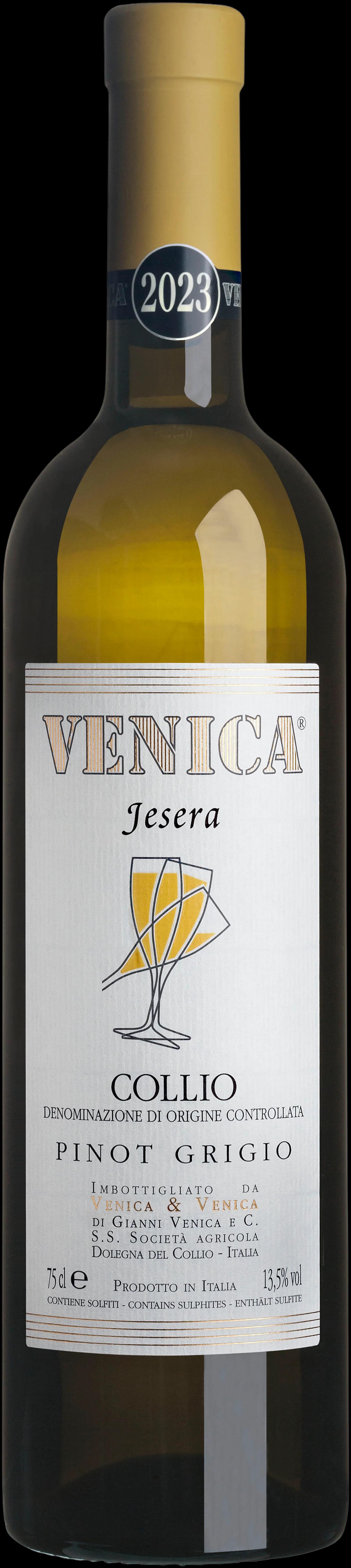
Pinot Grigio wine: from the Alto Adige to Alsace, from independent growers

Pinot Grigio wine ranges from crisp and neutral to richly textured and amber-hued, shaped almost entirely by where and how it is made. The producers below grow it across northern Italy, Alsace, Austria and beyond.

A white grape that shifts from lean and mineral to full and golden depending on where it grows.

Color

Dropdown arrow

Type

Dropdown arrow

Country

Dropdown arrow

Region

Dropdown arrow

Grape

Dropdown arrow

Pairing

Dropdown arrow

Sort by

Sort arrow
Pinot Grigio

Pinot Grigio wines

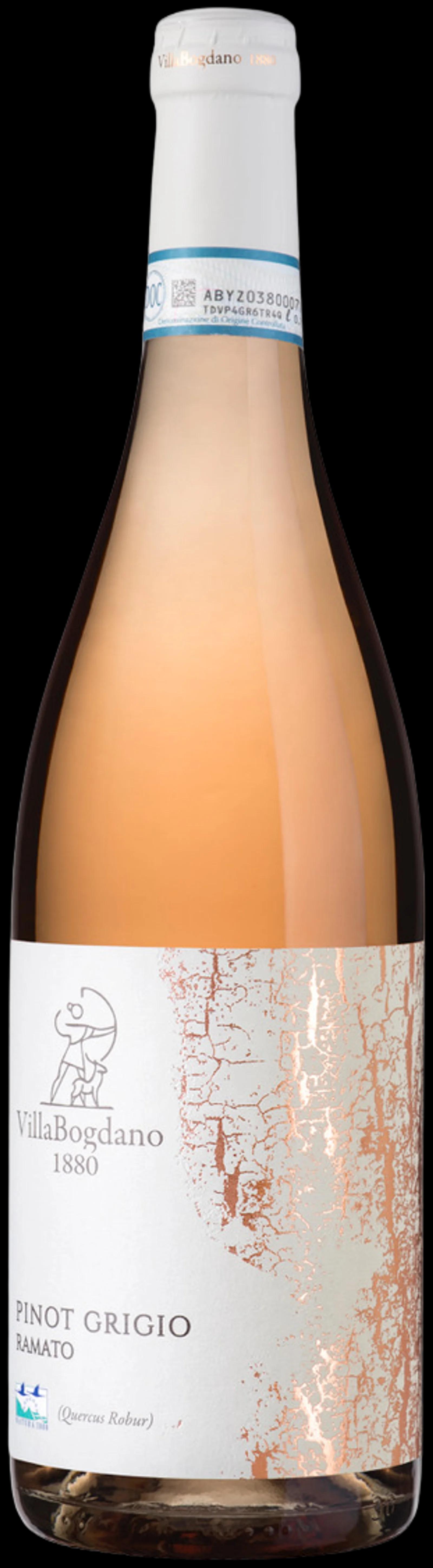
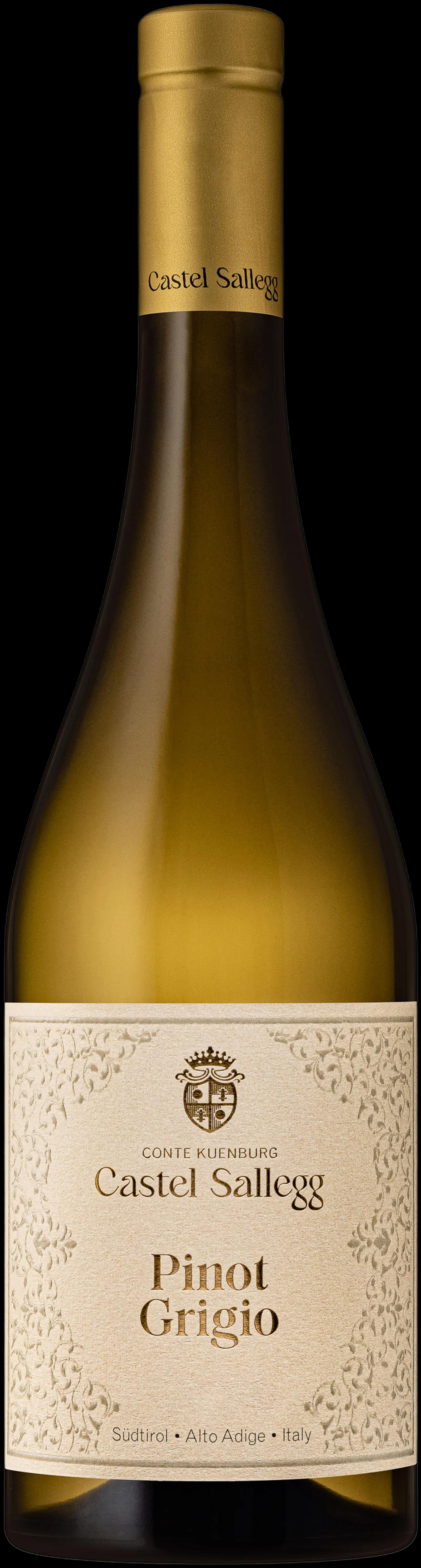
Pinot Grigio and Pinot Gris are the same grape — the name changes at the border. In northern Italy, particularly in Friuli Venezia Giulia and Trentino-Alto Adige, it is typically made light, dry and high in acidity. Cross into Alsace and the same variety produces something quite different: fuller in body, lower in acidity, sometimes off-dry, and far more aromatic. On Free Grape Society, each bottle is shipped directly from the grower's own cellar, with no importer or warehouse in between.

Previous1 of 1Next

Pinot Grigio wine cases

A wine case here is a producer's own selection of six bottles, put together as the recommendation they would make if you visited their cellar. With a grape that expresses itself so differently by region, a case built around one producer's Pinot Grigio or Pinot Gris is often the clearest way to understand what that grower is trying to do — whether they are chasing freshness, texture, or something in between. Free Grape Society is a society of producers, independent experts and wine lovers, not a shop.

View all mixboxes

Wineries

The growers below work with Pinot Grigio or Pinot Gris across a wide spread of regions — from the steep, cool slopes of the Alto Adige to lower-lying sites in the Veneto and the volcanic soils of Sicily. Reading a producer's own notes is the quickest way to see where their priorities lie, and the wine-advice service is there if you want a recommendation before choosing.

View all wineries

Wine experts

Independent wine experts on Free Grape Society review wines they have personally tasted, and those reviews appear on each wine page and on the expert's own profile. Pinot Grigio divides opinion — the gap between a neutral bulk version and a serious Friuli bianco is wide — so an expert's view can be a useful anchor. Several of the experts below have reviewed Pinot Grigio wines featured on this page.

View all wine experts

Frequently asked questions

How do I order Pinot Grigio wine on Free Grape Society?

Browse the wines above and add bottles to your cart. Each wine ships directly from the producer's own cellar. Your order can include bottles from more than one producer, and each will be dispatched separately from its source. Free shipping applies, and payment is handled securely by Klarna or card.

What happens if a bottle arrives broken or doesn't taste right?

Send a photo to Free Grape Society customer support within 7 days of delivery. We will arrange a replacement or a refund. Because producers ship directly, quality issues are handled with the producer's direct involvement. Shared responsibility is built into how FGS works.

Can I order Pinot Grigio from more than one producer in the same order?

Yes. You can combine bottles from different producers in one checkout. Because each producer ships directly from their own cellar, the bottles will arrive in separate deliveries — one per producer. Delivery typically takes between four and fourteen days from dispatch.

How long does delivery take?

Average delivery is 8 to 9 days from order to door. The full range is 4 to 14 days depending on the producer's location and your delivery address. Wines ship directly from the producer's cellar, not from a central warehouse.

How do I choose between all the different styles of Pinot Grigio?

The most useful split is regional: northern Italian Pinot Grigio (particularly from Friuli and Alto Adige) tends to be drier, more mineral and higher in acidity, while Alsatian Pinot Gris runs fuller in body and more aromatic, sometimes with a touch of residual sugar. Austrian Grauburgunder sits somewhere between. Reading each producer's own notes is a good starting point, and a wine expert can help narrow it down if you are unsure.

How does Free Grape Society choose which Pinot Grigio producers to work with?

Free Grape Society works with independent producers who make and bottle their own wines. Wines are tasted before listing by Free Grape Society's Head of Product. The focus is on growers who have a clear point of view — whether that is chasing freshness in the Alto Adige, making skin-contact Pinot Grigio in Friuli, or producing richly textured Pinot Gris in Alsace.

Which Pinot Grigio wine expert can recommend something for me?

The wine experts listed on this page have reviewed Pinot Grigio and Pinot Gris wines personally. You can read their reviews on individual wine pages and on each expert's profile. If you want a personal recommendation, use the wine-advice form to describe what you are looking for — an independent expert will respond directly.

Why don't you sell supermarket-brand Pinot Grigio wines?

Supermarket Pinot Grigio is typically made in very large volumes from bought-in grapes, blended for consistency and low price. The producers on Free Grape Society grow their own fruit, bottle under their own label, and ship from their own cellar. The wines reflect the decisions of a specific grower in a specific place — that is a different product entirely.

How is buying Pinot Grigio on Free Grape Society different from buying it in a shop?

Most Pinot Grigio sold in shops has passed through an importer, a distributor and a retailer before it reaches the shelf. On Free Grape Society, the producer ships directly to you. That removes several layers of handling and margin, which means the price you pay goes further toward the wine itself — and toward the grower who made it.

Where Pinot Grigio comes from and how region shapes it

Pinot Grigio is a colour mutation of Pinot Noir, and its heartland sits in northeastern Italy, particularly in Friuli Venezia Giulia, Trentino-South Tyrol and the Veneto. In these regions the grape has two very different identities. The light, crisp, early-picked style made for easy drinking is one; the other is the richer, fuller expression from Friuli, where longer skin contact and later harvesting produce wines with real texture and depth. The same grape in Alsace, where it travels under the name Pinot Gris, shifts again — rounder, more aromatic, sometimes with residual sugar, shaped by the region's continental warmth and dry autumns. In Austria, it appears as Grauburgunder alongside Grüner Veltliner as the dominant whites, and producers in Lombardy and Sicily make it in styles that reflect those regions' distinct climates. The variety is thin-skinned and ripens relatively early, which means site selection and harvest timing drive much of what ends up in the glass.

How Pinot Grigio tastes, and what to drink it with

At its lightest, Pinot Grigio is pale-coloured, high in acidity, low in tannin, and built around citrus, green apple and a clean mineral finish — a structure that makes it one of the more food-flexible white wines. Richer expressions from Friuli or from producers working with extended skin contact take on a copper or amber tint, with stone fruit, white pepper and a slightly grippy texture from phenolics. That broader stylistic range means the grape works across a wide table: the lighter styles sit well with seafood, grilled fish, soft fresh cheeses and simply dressed salads; the fuller, textured versions hold their own beside poultry, cured meats, or aged sheep's milk cheese. Orange-style Pinot Grigio, made with the skins left in longer, pairs well with dishes that have enough weight to meet the wine's tannin. The white wines and orange wines pages show the broader context if you are exploring beyond a single grape.

Buying Pinot Grigio direct from independent producers

Most Pinot Grigio on supermarket shelves comes from large-volume producers working at industrial scale in the Veneto, where the appellation rules allow high yields and early picking. The wines are consistent, inexpensive and deliberately neutral. What independent producers make from the same grape is a different conversation entirely. On Free Grape Society, wines tasted before listing come directly from the grower's own cellar, with no importer or warehouse in between — the producer ships to your door, and the price reflects that. You will find growers from Friuli's quality heartland alongside producers in Piedmont, Tuscany, France and Austria who treat the grape as something worth making carefully. Free Grape Society is a society of producers, independent experts and wine lovers, not a shop — and the Pinot Grigio selection here reflects what independent growers across Europe choose to put their name on.