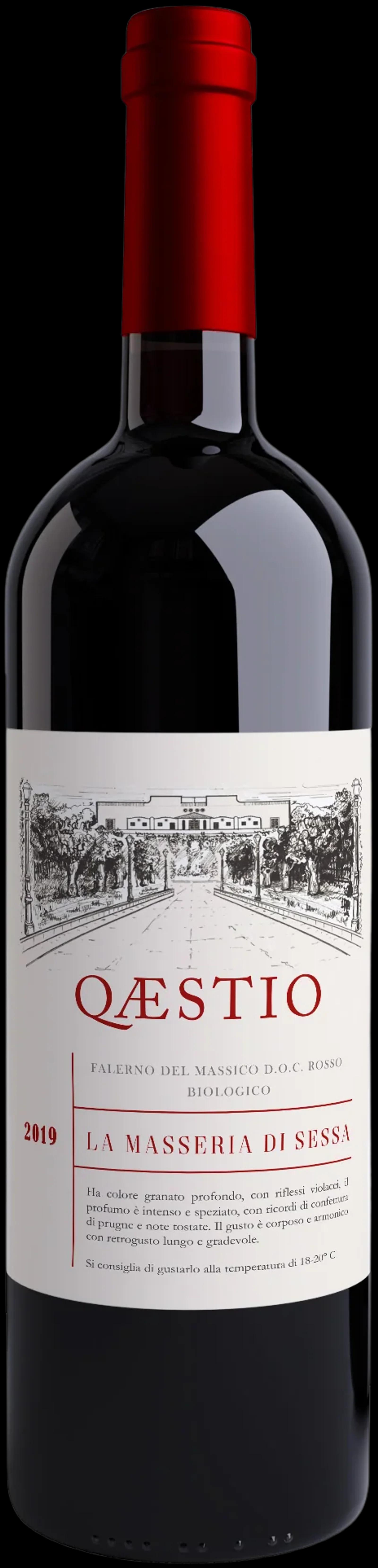
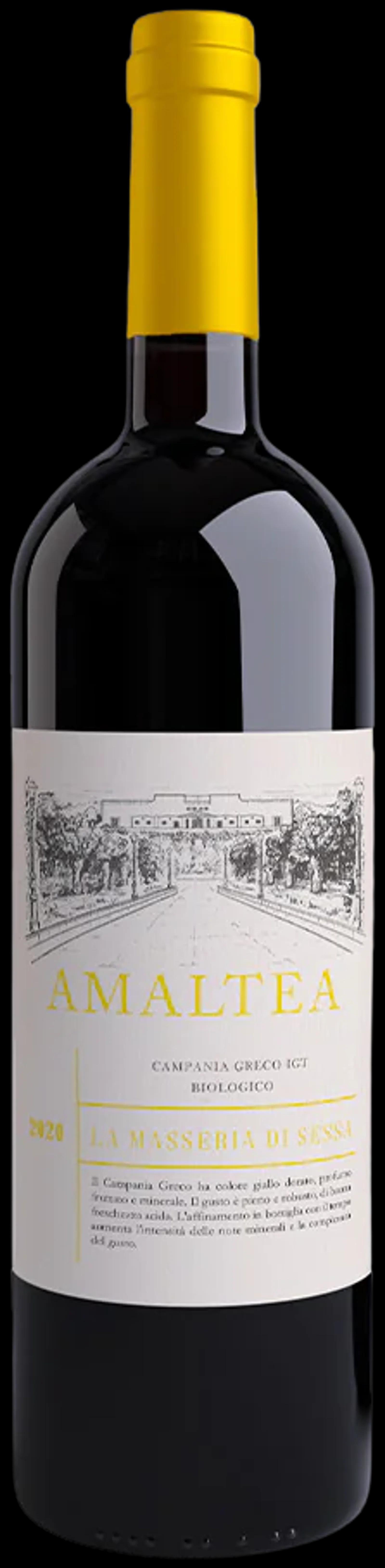
The producers of Campania
Campania's winemakers work in one of Italy's most geographically varied wine regions, stretching from the volcanic soils around Vesuvius to the limestone ridges of the Apennines further inland. The region's independent producers tend to be small, often family-run estates that have farmed the same ground across generations. What unites them is a commitment to the native grapes that grow here and nowhere else in the world: Aglianico on the high ground of Irpinia and Sannio, Fiano and Greco producing white wines of real structure and length, Falanghina on the coastal plains. These are not grapes that have spread internationally the way Sangiovese or Nebbiolo have — they belong to this specific stretch of southern Italy, and the producers working them are the reason they survive. Exploring Campanian producers means moving between very different terroirs: volcanic ash, clay, limestone, altitude. A grower in Taurasi farms Aglianico at 400 to 700 metres on iron-rich soils; a producer on the Phlegraean Fields works volcanic ground that has been cultivated since antiquity. Browse Campania wineries or explore producers across all of Italy.
How we choose our producers
We work directly with the growers behind the wines, getting to know how they farm and what they charge before a single bottle is listed. Producers send samples, and those samples are tasted before a wine is listed, which means the decision rests on what is in the glass rather than on a reputation or a label. We look for pricing that reflects the work in the vineyard without the mark-ups that importers and warehouses add, and we keep the relationship direct so the grower sets their own terms. In a region like Campania, where small estates dominate and distribution has historically been fragmented, this matters: many of these producers have had limited reach outside southern Italy, and a direct relationship is often the most honest route to their wines. Once a wine is listed, independent wine experts rate and review individual bottles, building a public track record that buyers can read on the wine page. We do not try to carry the full output of a region: we list wines tasted before listing, from producers we have a direct relationship with.
Winemaking traditions in Campania
Campania has been producing wine longer than almost anywhere in Europe. Greek settlers brought viticulture to this coastline before Rome existed, and the region's attachment to its own grape varieties reflects that deep continuity. Aglianico — the name is thought to derive from Hellenico, meaning Greek — is one of Italy's oldest documented varieties, producing Taurasi DOCG wines that require long ageing and reward patience. Fiano di Avellino and Greco di Tufo, both DOCG, are white wines with genuine complexity: Fiano tends toward texture and mineral length, Greco toward a firmer, more aromatic structure. Falanghina, grown near the coast and on the Phlegraean Fields, is lighter and more immediate. The volcanic soils around Vesuvius support the Lacryma Christi designation, where Piedirosso and Aglianico grow on ground that drains freely and retains heat. Many Campanian producers work organically or close to it, partly because the soils and climate allow it and partly because the estates are small enough for hands-on farming. For context on what grows alongside Campania within Italian wine, the Aglianico grape page, Piedirosso, and Fiano-adjacent whites listed under Italian wines offer useful reference points. You can also explore cases from producers across Italian mixboxes or the Sicilian producers working in a similarly warm, volcanic southern Italian context.