Piedirosso: the red grape of Campania, grown on volcanic soils above the Bay of Naples

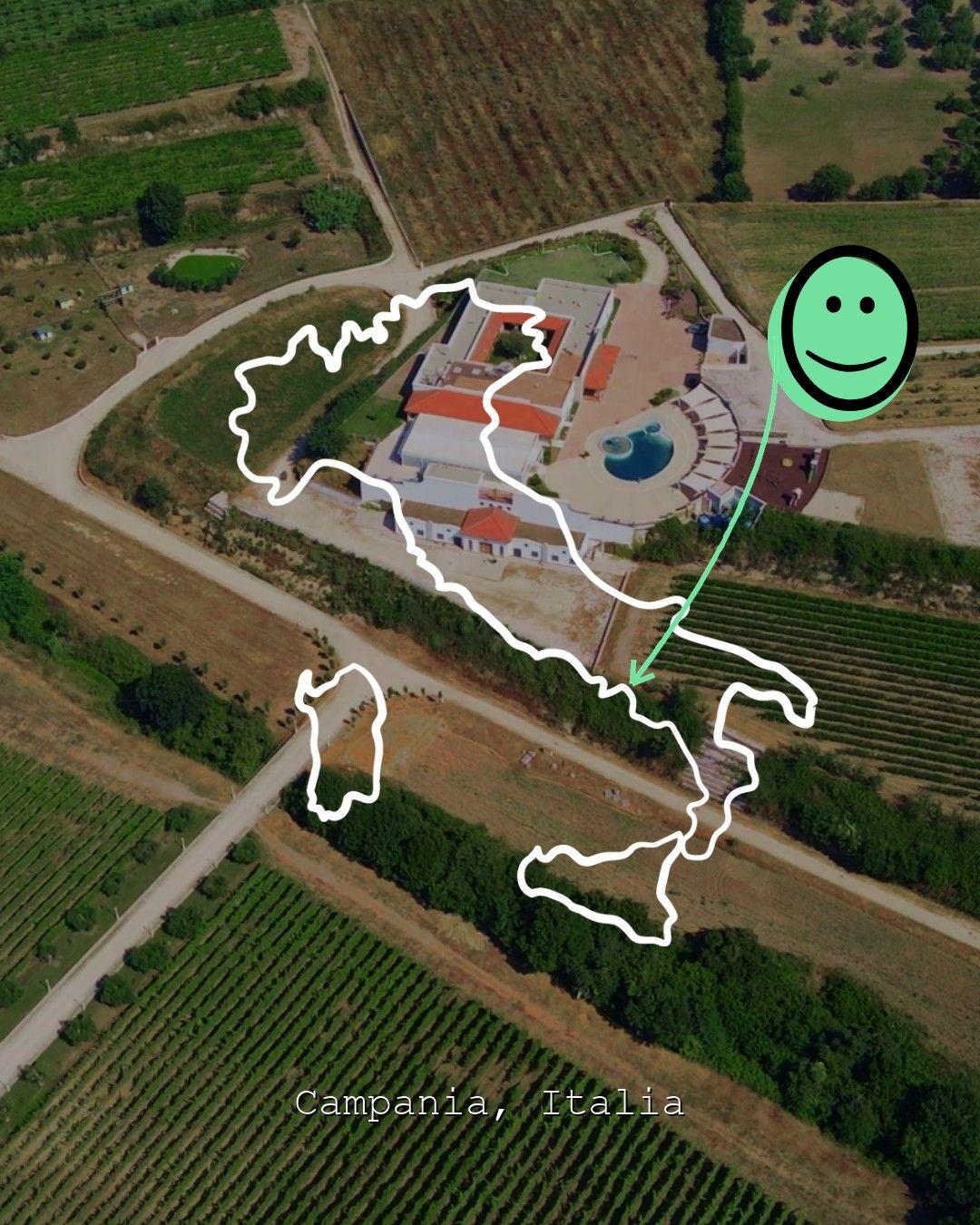
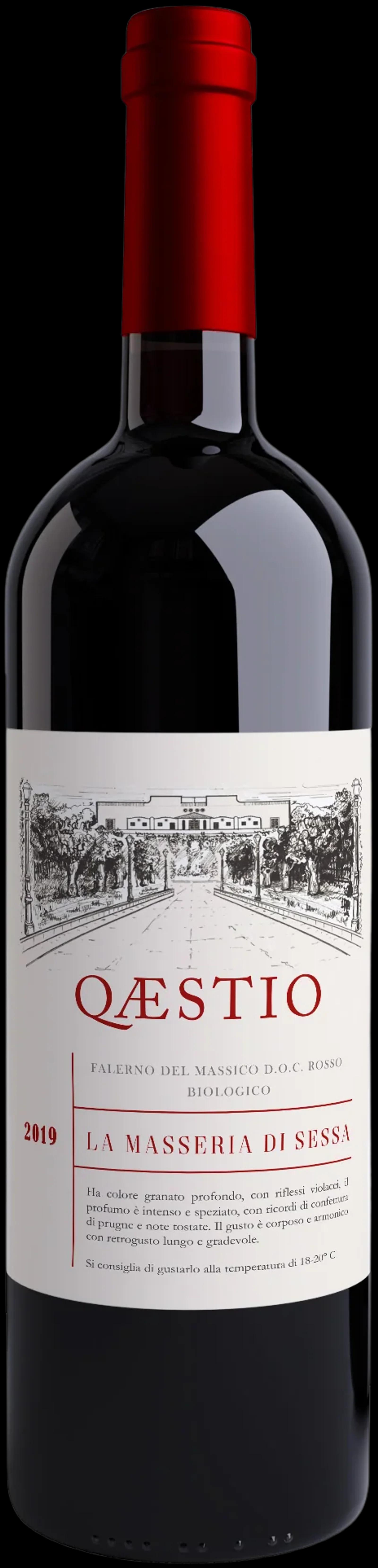
Piedirosso wine is one of southern Italy's most distinctive reds: low in tannin, high in acidity, with a character that comes directly from the volcanic soils where it grows. The producers below grow it in Campania, close to where it has been cultivated for centuries.

A grape of place — light-bodied, fresh, and tied to the slopes of Vesuvius and the Campi Flegrei.

Color

Dropdown arrow

Type

Dropdown arrow

Country

Dropdown arrow

Region

Dropdown arrow

Grape

Dropdown arrow

Pairing

Dropdown arrow

Sort by

Sort arrow
Piedirosso

Piedirosso wines

Piedirosso has been grown in Campania since antiquity — Pliny the Elder recorded a grape by that name growing near Naples, and the variety takes its name from the red-footed starling whose legs its stem resembles. Today it grows mainly on the volcanic soils around Vesuvius and in the Campi Flegrei, a landscape of craters and thermal vents west of Naples. That geology gives the wines their grip and their minerality. On Free Grape Society, each bottle is shipped directly from the grower's own cellar, with no importer or warehouse in between.

Previous1 of 1Next

Piedirosso wine cases

A wine case here is a producer's own selection of six bottles — the recommendation they would make if you came to their cellar. With a grape as site-specific as Piedirosso, that usually means tasting one estate across different expressions or parcels, where the volcanic soils and altitude show clearly from one bottle to the next. Free Grape Society is a society of producers, independent experts and wine lovers, not a shop.

View all mixboxes

Wineries

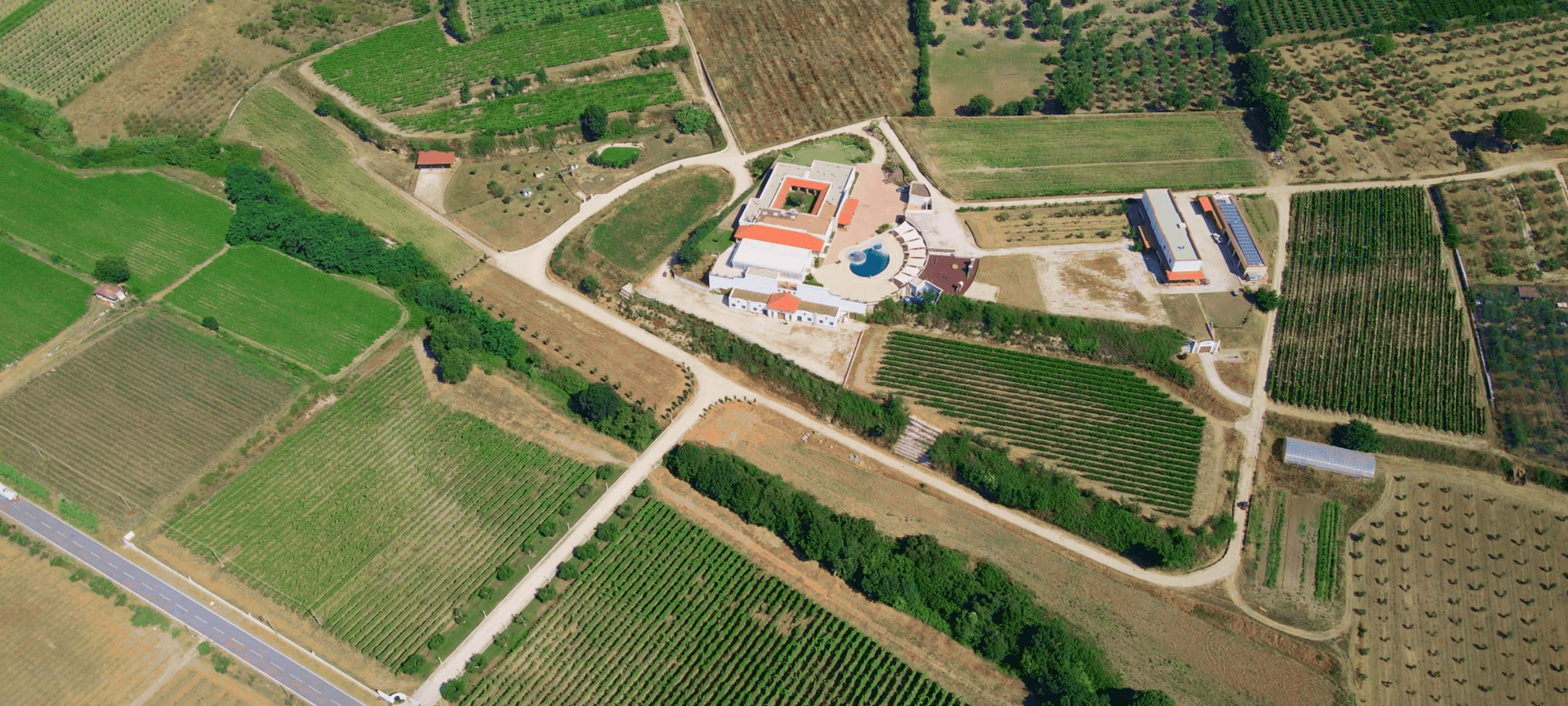
The growers below all work with Piedirosso in Campania, but they sit in different corners of the region — some on the steep terraces of Vesuvio, others on the ancient volcanic fields of the Campi Flegrei or the islands of Ischia and Procida. Reading a producer's own notes is often the quickest way to understand what shapes their wines, and the wine-advice service is there if you would rather talk it through before ordering.

View all wineries

Wine experts

Piedirosso is not a grape that attracts a large critical following, which makes an independent view genuinely useful. Independent wine experts review wines they have personally tasted, and their reviews are visible on each wine page and on the expert's own profile. Several of the experts below have reviewed Piedirosso wines featured on this page, so you can see what they thought before deciding.

View all wine experts

Frequently asked questions

How do I order Piedirosso wine from Free Grape Society?

Browse the wines on this page, add bottles to your basket and check out. Each bottle is shipped directly from the producer's own cellar to your door. Delivery takes an average of eight to nine days, within a four-to-fourteen-day window depending on where the producer is based. Payment is by card or Klarna.

What happens if a bottle arrives broken or doesn't taste right?

Send a photo to Free Grape Society customer support within 7 days of delivery. We will arrange a replacement or a refund. Because producers ship directly, quality issues are handled with the producer's direct involvement. Shared responsibility is built into how FGS works.

Can I order Piedirosso wines from more than one producer in a single order?

Yes. You can add wines from different producers to the same basket. Each producer ships their own bottles separately, so you may receive more than one delivery if your order spans multiple estates. Shipping is free regardless of how many producers are included.

How long does delivery take?

Average delivery is 8 to 9 days from order to door. The full range is 4 to 14 days depending on the producer's location and your delivery address. Wines ship directly from the producer's cellar, not from a central warehouse.

How do I choose between the different Piedirosso wines on this page?

Start with where the wine is grown. Piedirosso from the slopes of Vesuvio tends to be a little more structured than wines from the Campi Flegrei or the islands, where the soils are older and the sea influence is stronger. Reading the producer's own notes on each wine page is a reliable way to find your footing, and you can ask one of the independent wine experts on the platform if you want a second view.

Is Piedirosso always a red wine, or does it come in other styles?

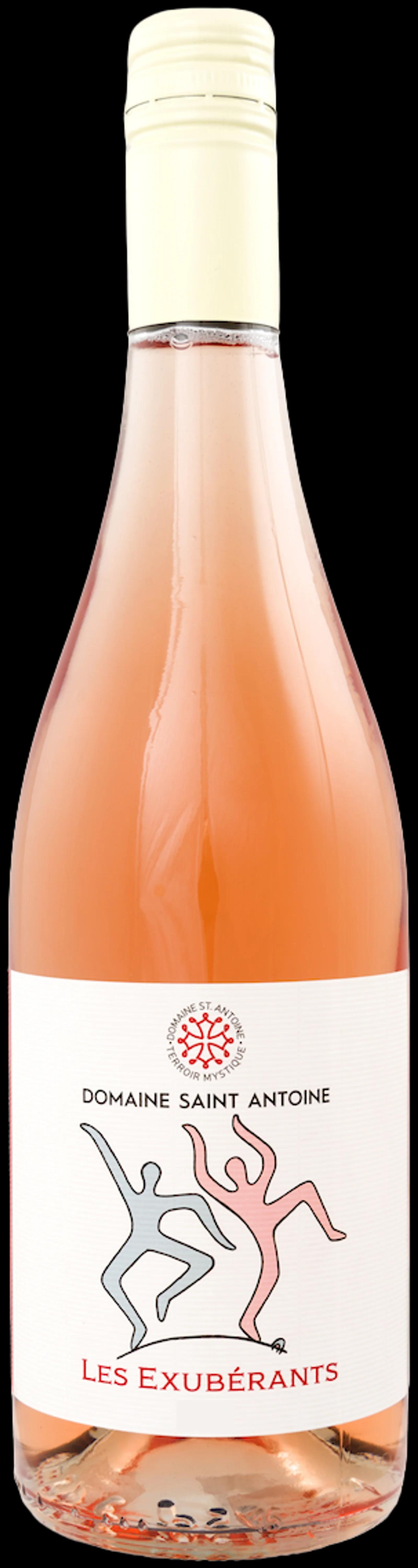
Piedirosso is almost always vinified as a red, though a small number of Campanian producers make a rosé from it. It is rarely used for sparkling wine. The still red version ranges from light and fresh, for early drinking, to wines with more concentration when yields are low and the site is volcanic and well-exposed. It is occasionally blended with Aglianico, which adds structure.

Which Piedirosso wine expert can recommend something for me?

The independent wine experts on this page have personal experience with wines from Campania, including Piedirosso. You can read their reviews on the wine pages themselves, or use the wine-advice service to ask a question directly. An expert will respond with a recommendation based on what you are looking for.

Why don't you sell supermarket-brand Piedirosso wines?

Free Grape Society works only with independent producers who bottle their own wine. Supermarket-label wines are typically blended and bottled by large commercial houses, with no direct connection to a specific grower or site. The producers on this page grow Piedirosso themselves, and their names are on the label.

Can I buy Piedirosso wine from a shop or supermarket in northern Europe?

Rarely. Piedirosso is a regional Campanian grape with a small production base, and most bottles are consumed locally in southern Italy. It does not travel well through conventional import and distribution channels, which means it almost never reaches northern European retail shelves. Ordering directly from the producer is the practical route.

Where Piedirosso comes from and what makes it distinctly Campanian

Piedirosso is a red grape variety native to Campania in southern Italy, where it has been cultivated since antiquity. Its name, meaning 'red foot', refers to the reddish colour of the grape's stem, which resembles the legs of a pigeon. The variety is grown primarily around Naples and the Phlegraean Fields, on the volcanic soils of the Campi Flegrei DOC, and across the island of Ischia, where the combination of mineral-rich volcanic earth and sea winds gives the wines a character that is difficult to replicate elsewhere. It also plays a supporting role in Campanian wines alongside Aglianico, which tends to take the structural, age-worthy end of the region's reds. Piedirosso produces wines that are lighter and fresher by comparison — approachable young but still rooted in the same volcanic terroir that defines the region. Producers working with the grape typically farm small plots, and the variety has seen renewed interest among growers committed to preserving indigenous southern Italian varieties.

How Piedirosso tastes, and what to drink it with

Piedirosso wines are generally light to medium in body, with relatively soft tannins and lively acidity. Aromatically, they tend toward red cherry, pomegranate, and fresh herbs, often with a mineral or smoky undercurrent that reflects the volcanic soils where the vine is most at home. The grape rarely produces wines with the density or extract of Aglianico or Nebbiolo, but that is not what it is for — Piedirosso is a grape of freshness and drinkability rather than cellar weight. That character makes it a natural match for the food culture of Naples and the surrounding coast: grilled fish, seafood pasta, pizza from a wood-fired oven, mozzarella. It also pairs well with lighter meat dishes and vegetable-based preparations where a heavy red would overpower. If you are exploring Italian red wines beyond the better-known names, Piedirosso is a grape that rewards curiosity — specific in origin, honest in style, and best drunk with food in front of you.

Buying Piedirosso direct from independent producers

Most Piedirosso is made by small family estates in Campania, not by large négociants or international wine groups, which means it rarely reaches mainstream retail channels outside Italy. On Free Grape Society, wines tasted before listing are shipped directly from each producer's own cellar, with no importer or warehouse adding cost or time between the grower and your door. That direct route matters more for a grape like Piedirosso than for well-distributed varieties — it is how wines from a single volcanic hillside near Naples can arrive at a table in northern Europe at all. Independent wine experts review wines they have personally tasted, and their notes are visible on each wine page and on the expert's own profile, which can help when navigating a grape that most buyers are encountering for the first time. Free Grape Society is a society of producers, independent experts and wine lovers, not a shop. If you want to explore further into southern Italian varieties, the Aglianico and Nero d'Avola pages cover two other grapes from the same part of the peninsula, while the Sicily and Campanian wines pages show the regional context these producers work within.