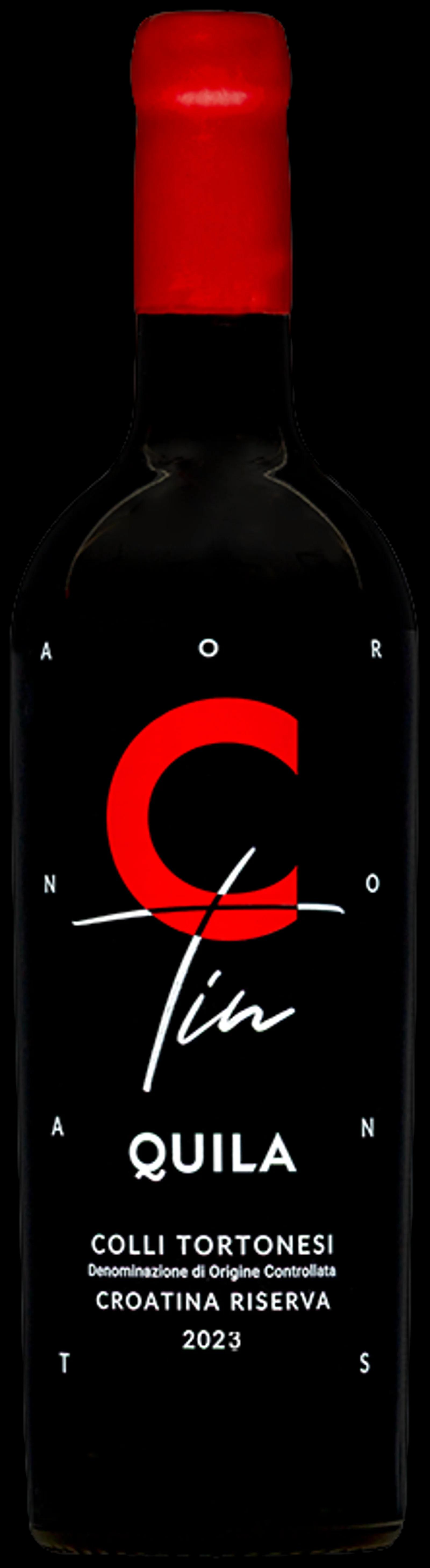
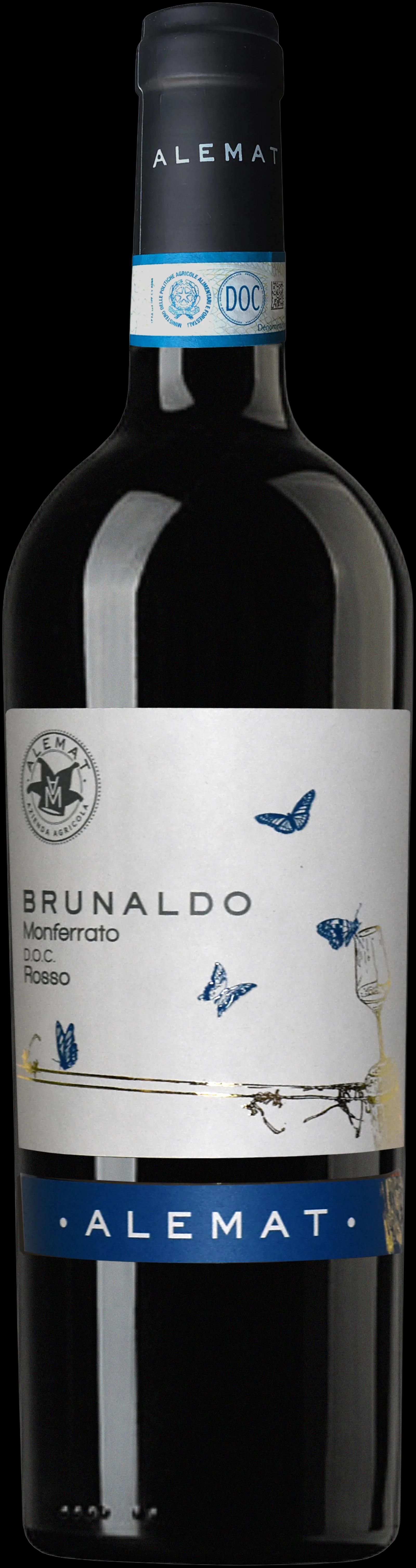
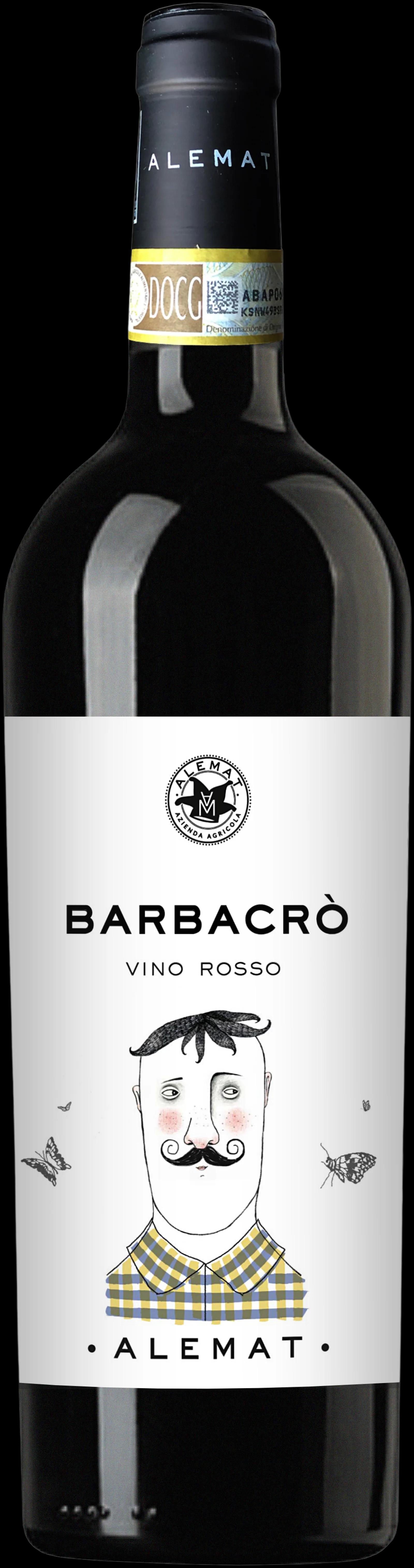







Croatina: a dark, tannic red grown across Lombardy and Piedmont

Croatina wine is a firm, deeply coloured red native to northern Italy, producing everything from everyday blending grapes to serious single-variety bottles. The producers below grow it across its traditional heartland in Lombardy and Piedmont.

From Oltrepò Pavese to the hills of Asti, a grape that blends structure with earthy, brambly fruit.

Color

Dropdown arrow

Type

Dropdown arrow

Country

Dropdown arrow

Region

Dropdown arrow

Grape

Dropdown arrow

Pairing

Dropdown arrow

Sort by

Sort arrow
Croatina

Croatina wines

Croatina is native to the Oltrepò Pavese in Lombardy, where it has been grown for centuries under the local name Bonarda — though it is botanically distinct from the Bonarda cultivated in Emilia-Romagna. It produces wines with deep colour, firm tannin, and a characteristic brambly, earthy quality that makes it well suited to both blends and single-variety bottlings. On Free Grape Society, each bottle ships directly from the producer's own cellar, with no importer or warehouse in between.

Previous1 of 1Next

Croatina wine cases

A producer's own selection of six bottles is often the clearest way to understand how a grape like Croatina can differ between estates — one grower might make it fresh and lightly sparkling in the frizzante style common to Oltrepò Pavese, another structured and dry for longer ageing. Free Grape Society is a society of producers, independent experts and wine lovers, not a shop.

View all mixboxes

Wineries

The growers working with Croatina tend to be rooted in specific subzones of Lombardy and Piedmont, where the grape has distinct local identities and winemaking traditions. Reading a producer's own notes is a straightforward way to understand how they approach it, and the wine-advice service is there if you would rather talk through the options before choosing.

View all wineries

Wine experts

Croatina is not one of the most widely reviewed grapes among international critics, which makes independent expert opinion particularly useful here. Independent wine experts review wines they have personally tasted, and their notes are visible on each wine page and on the expert's own profile. Several of the experts below have reviewed Croatina wines featured on this page.

View all wine experts

Frequently asked questions

How do I order Croatina wine on Free Grape Society?

Browse the Croatina wines above, add bottles to your cart, and complete checkout using Klarna or card. Each bottle ships directly from the producer's cellar to your door. Free shipping is included, and delivery typically takes between four and fourteen days depending on where the producer is based.

What happens if a bottle arrives broken or doesn't taste right?

Send a photo to Free Grape Society customer support within 7 days of delivery. We will arrange a replacement or a refund. Because producers ship directly, quality issues are handled with the producer's direct involvement. Shared responsibility is built into how FGS works.

Can I order Croatina from more than one producer in the same order?

Yes. You can add bottles from different producers to the same cart. Because each producer ships directly from their own cellar, you may receive separate deliveries, each arriving within the standard four-to-fourteen-day window. Payment is handled in one transaction at checkout.

How long does delivery take?

Average delivery is 8 to 9 days from order to door. The full range is 4 to 14 days depending on the producer's location and your delivery address. Wines ship directly from the producer's cellar, not from a central warehouse.

How do I choose between different Croatina wines?

Croatina is made in several styles — frizzante (lightly sparkling), still and fresh for early drinking, and fuller, more structured reds meant for ageing. The producer's own notes on each wine page explain how they approach it. If you are unsure, the wine-advice service connects you with an independent expert who can help you choose based on what you enjoy.

Is Croatina the same grape as Bonarda?

It depends on the region. In Oltrepò Pavese, Croatina is often labelled Bonarda, which causes confusion because Bonarda Piemontese is a separate variety grown in Piedmont. The grape on this page — Croatina — is the one behind the dark, tannic reds of the Oltrepò Pavese. Producer pages note which variety is used and where it is grown.

Which wine expert can recommend a Croatina for me?

The wine experts on Free Grape Society are independent specialists, not platform employees. They review wines they have personally tasted and publish those reviews on the wine page and their own profile. Browse the experts listed on this page, read their reviews, and use the advice service to ask a direct question about Croatina before you buy.

Why don't you sell supermarket-brand Croatina wines?

Free Grape Society lists wines from independent producers who grow, make, and bottle their own wine. Supermarket own-label and large commercial brands are produced at industrial scale by negociants who buy in bulk — a different supply chain and a different product. The wines here come from growers with a direct relationship to the grape and the place.

Can I find Croatina in a wine shop or supermarket?

Croatina is a native Italian variety with limited international distribution. Outside Italy it rarely reaches general retail, and even in specialist wine shops the selection is typically narrow. Buying directly from producers via Free Grape Society gives access to estates that do not work with importers or distributors in most markets.

Where Croatina comes from and what it produces

Croatina is a red grape native to northern Italy, grown mainly in Oltrepò Pavese in Lombardy and in the Colli Piacentini zone of Emilia-Romagna. Despite its name, it has no documented connection to Croatia — the origin of the label is unclear, though it may refer to a village in the Pavia hills. The grape produces deeply coloured, tannic wines with high acidity and a characteristic bitter finish, often showing dark cherry, blackberry, and a hint of violet. In Oltrepò Pavese it appears both as a varietal wine and in blends, frequently alongside Barbera and Bonarda Piemontese. It is also used in some Novara-area blends in Piedmont, where it adds structure and colour. The combination of acidity and tannin means Croatina ages well — bottles from good producers can soften and develop over several years without losing their grip.

How Croatina tastes, and what to drink it with

A well-made Croatina wine is deeply coloured and structured, with firm tannins that can feel grippy in youth. The flavour profile tends toward dark fruit — black cherry, plum, blackcurrant — with an earthy, sometimes peppery edge and the bitter almond finish that the grape is known for. It is food-friendly precisely because of that bitterness and acidity: it cuts through fat and richness in the way that Barbera or Dolcetto do. It works well with cured meats, hard aged cheeses, braised meat, and northern Italian pasta dishes built around rich ragù. If the bottle has been aged a few years, the tannins settle and the fruit opens up, making it a good match for mushroom-based dishes too. Croatina also appears in lightly sparkling (frizzante) versions in Emilia-Romagna, which are served young and cool — a regional style quite different from the structured reds of Oltrepò.

Buying Croatina direct from independent producers

Croatina remains one of the less widely exported Italian red grapes, which means most of what reaches northern European markets comes through large distributors handling volume rather than estate wines. On Free Grape Society, producers ship directly from their own cellars, with no importer or warehouse handling the wine between bottling and your door. That matters for a grape like Croatina, where the interesting bottles — the ones made with care about site and harvest date — are often produced in small quantities that do not enter conventional distribution channels. If you want to explore further, the Lombardy wines and Piedmont wines pages show more from those regions, and the Italian red wines page covers the wider range of Italian reds available through Free Grape Society. Independent wine experts on the platform review wines they have personally tasted, and their notes appear on the wine page and on the expert's own profile — a useful reference point when you are choosing between producers.