Where Pinot Meunier comes from and why Champagne defines it
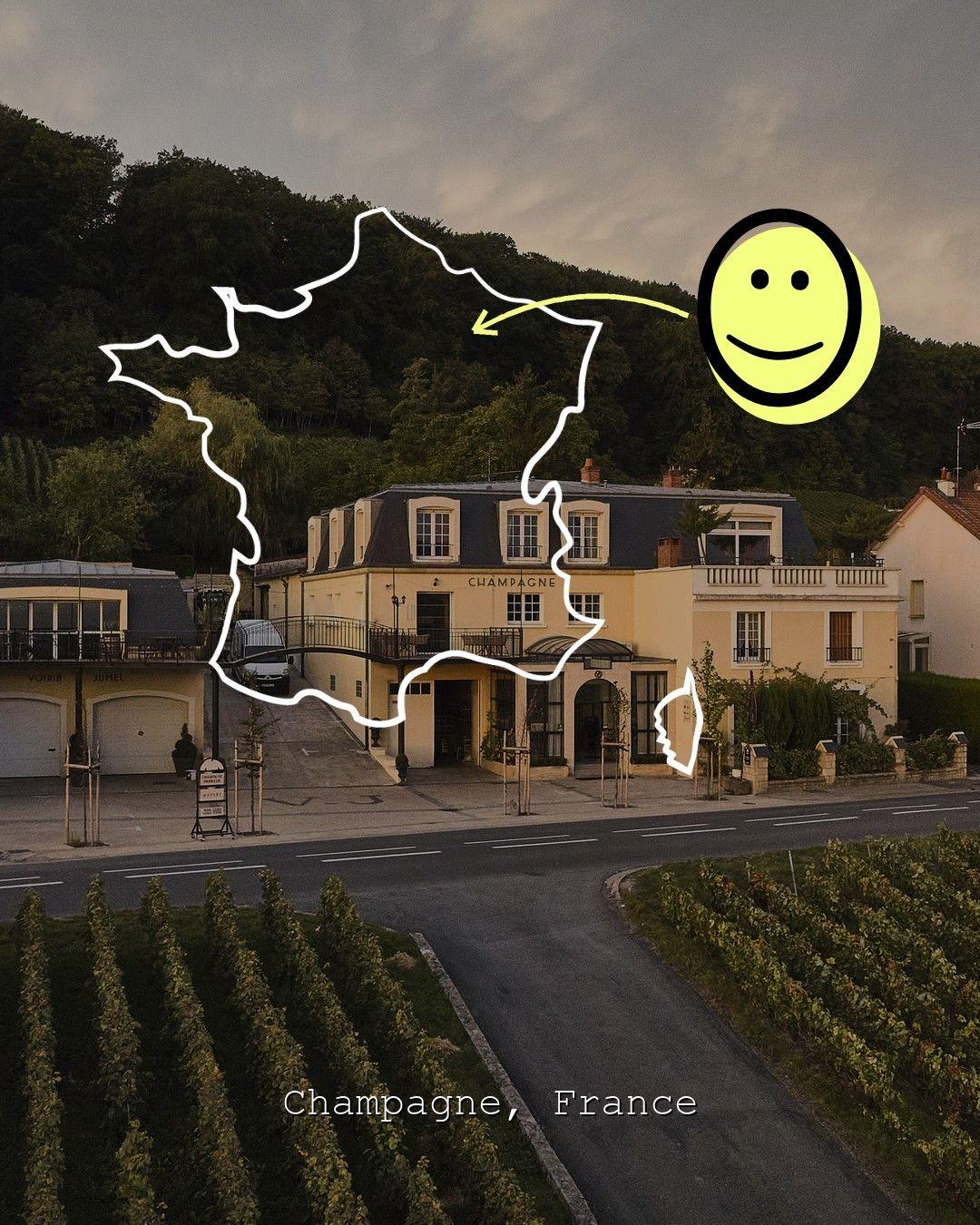
Pinot Meunier is above all a Champagne grape. It is the most widely planted variety in the Champagne appellation, grown across the cooler, clay-heavy soils of the Vallée de la Marne where Pinot Noir struggles to ripen reliably. The grape buds late and ripens early, which makes it more frost-resistant than its siblings and well-suited to the region's marginal northern climate. For most of Champagne's modern history it was treated as a blending component — valued for the fresh fruit and early drinkability it adds to a cuvée — while Pinot Noir and Chardonnay took the prestige billing. That has shifted. A generation of growers, particularly in the récoltant-manipulant movement, began bottling Pinot Meunier as a single-variety wine, and those bottles showed that the grape has genuine character of its own: red fruit, spice, a slightly earthy depth, and a roundness that makes the wines approachable without sacrificing complexity. Outside Champagne, the grape appears in Burgundy and parts of Germany under the name Schwarzriesling, where it is made as a still red, typically lighter-bodied and brighter than Pinot Noir from the same region.
How Pinot Meunier tastes and what to eat with it
Pinot Meunier wines share a recognisable profile whether still or sparkling: red and black fruits — strawberry, raspberry, blackcurrant — alongside notes of spice, brioche in sparkling examples with age, and an earthy, sometimes floral edge. The grape has higher natural acidity than Merlot but sits softer on the palate than Pinot Noir at its most structured. In a sparkling context that acidity reads as freshness and cut; in still wines it keeps the fruit lively. At the table, Pinot Meunier sparkling wines are versatile — they work alongside cured charcuterie, soft cheeses, roast chicken, and fish with some richness, such as sea bass or baked salmon. Still Schwarzriesling from Germany pairs naturally with lighter meat dishes, mushroom-based pasta, and Alsatian-style tarts. If you are exploring the grape across its expressions, comparing a blanc de noirs Champagne built on Pinot Meunier with a still version from a German grower is one of the more instructive side-by-side tastings you can do — the same structural DNA reads very differently in each format. Wines from the broader family are on the red wines from France and German wines pages.
Buying Pinot Meunier direct from independent producers
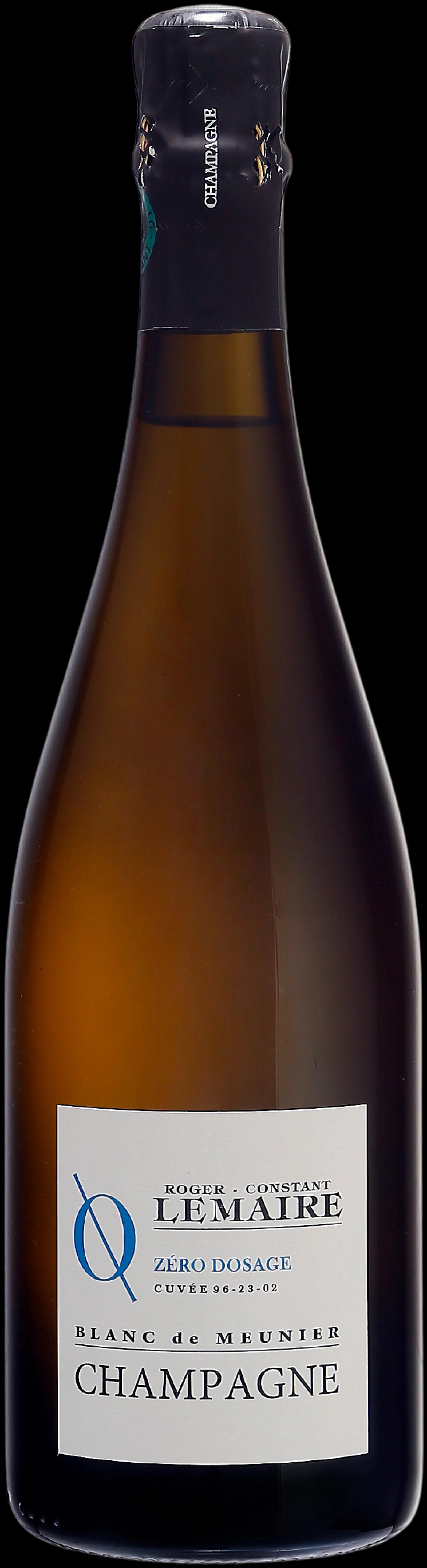
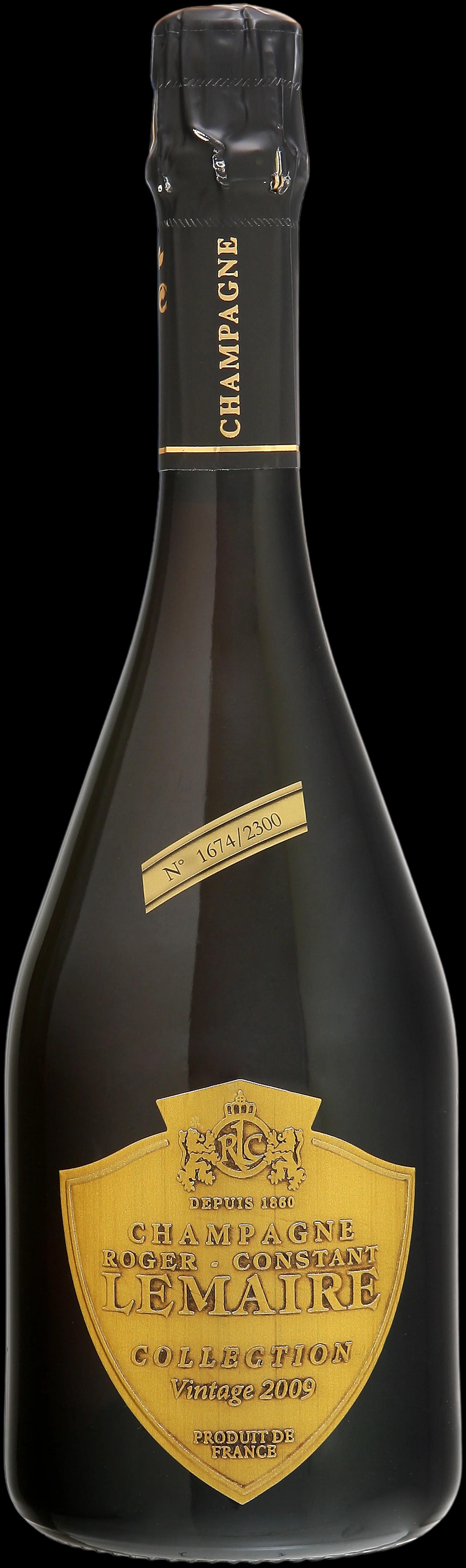
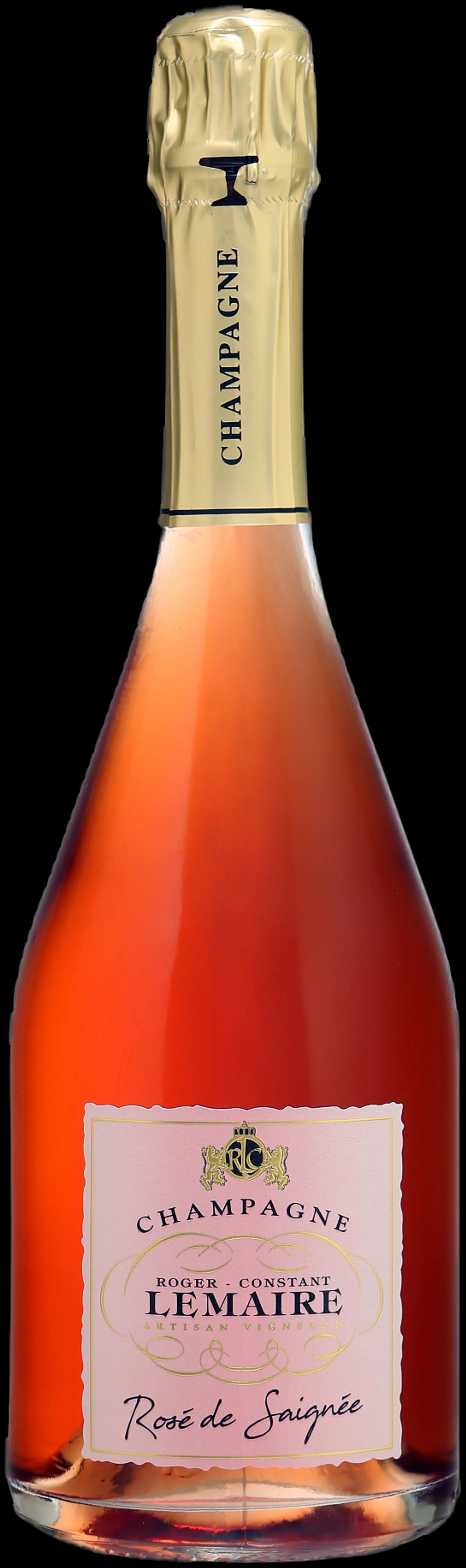
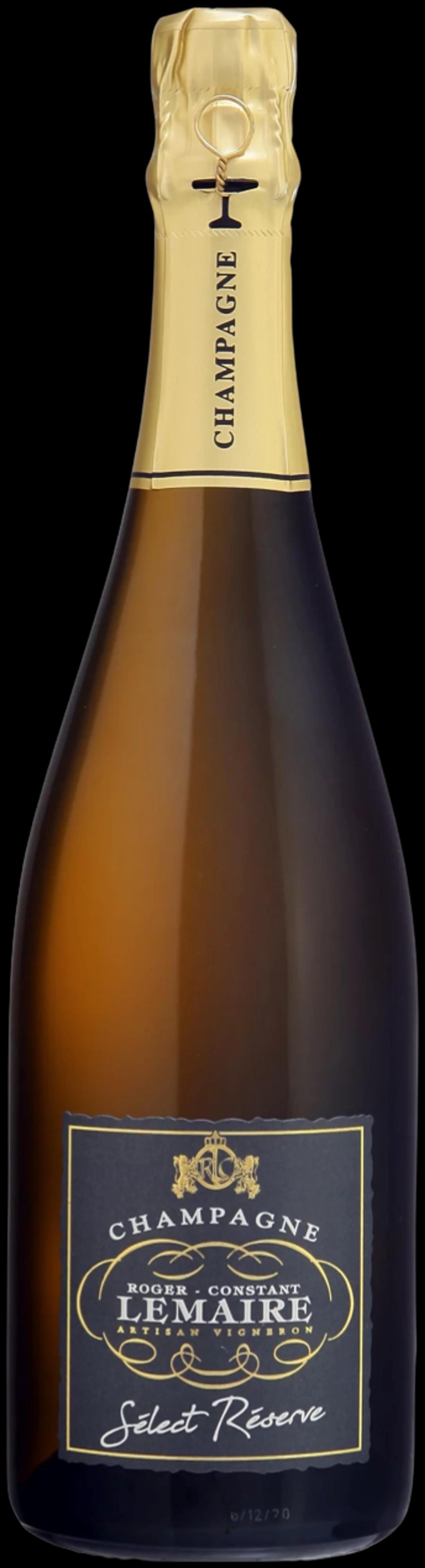
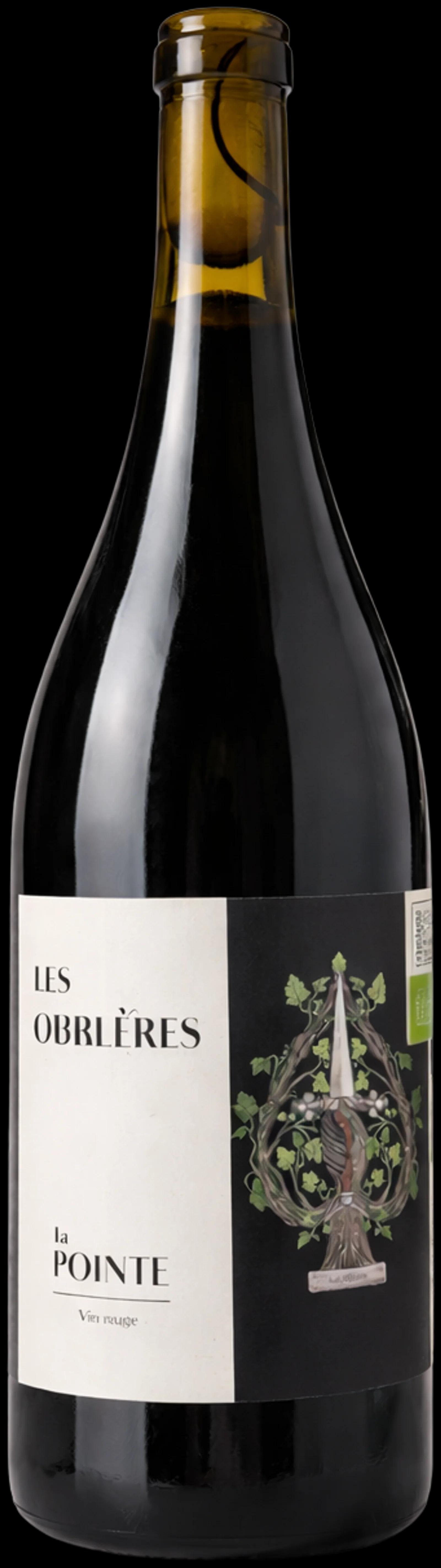
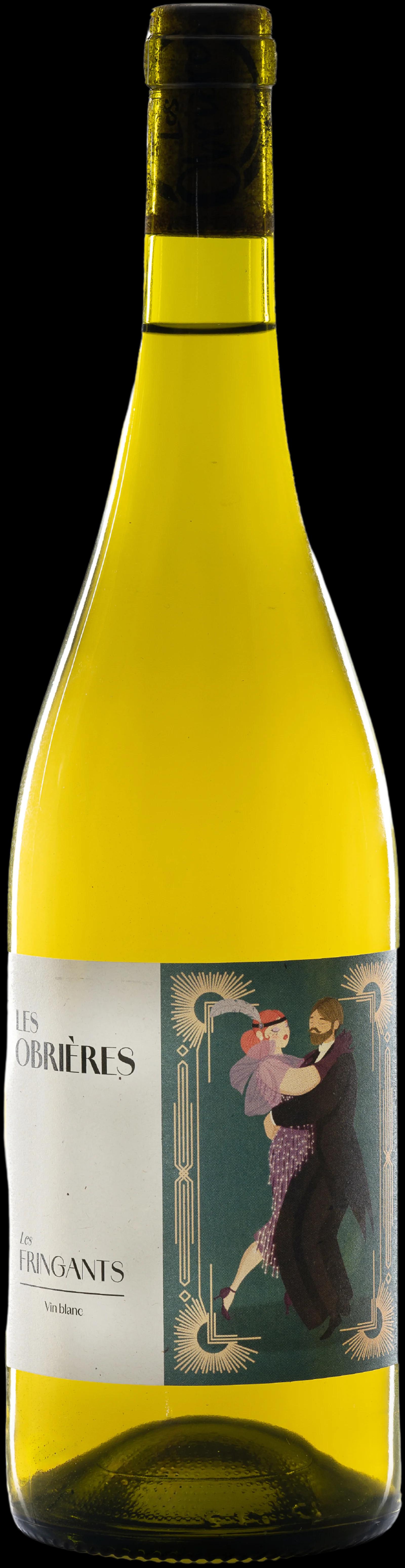
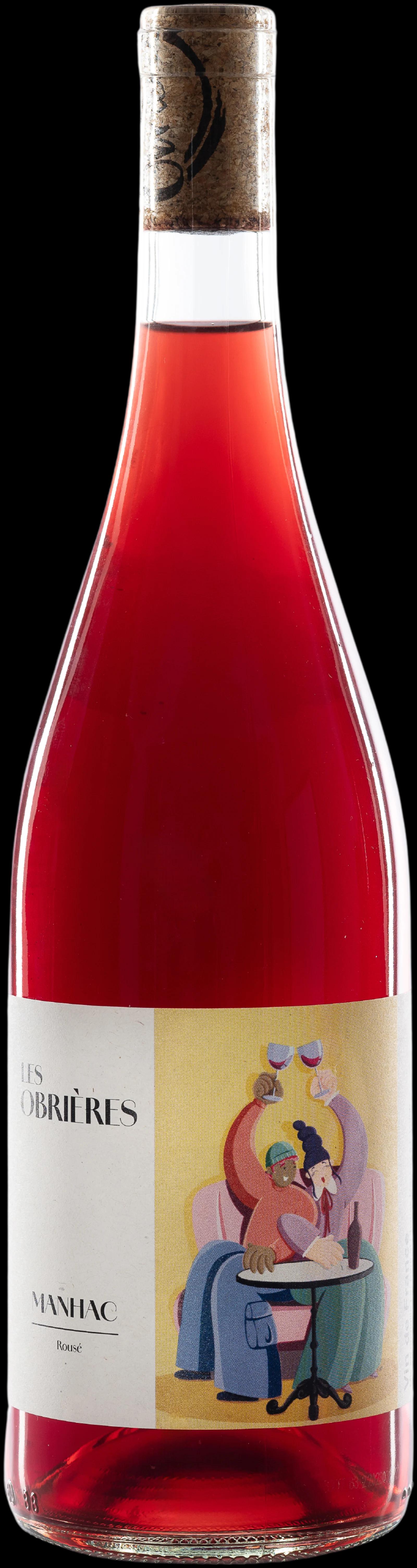
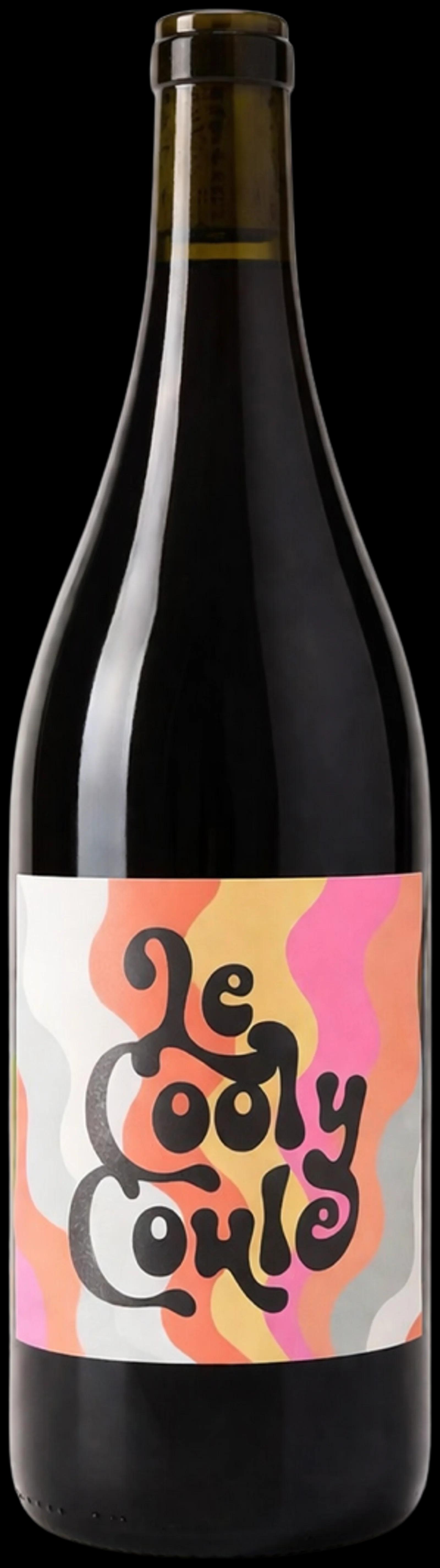
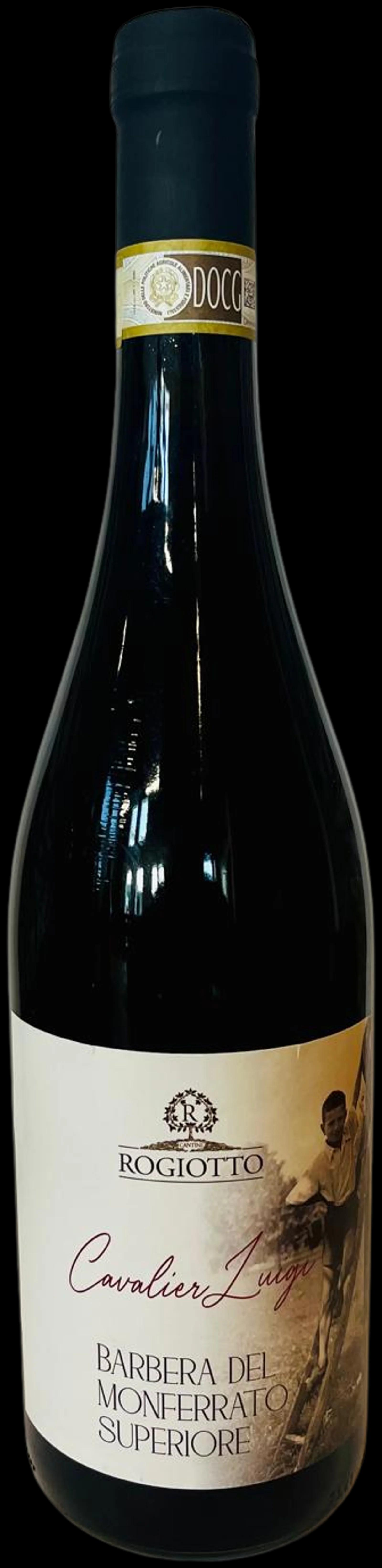
Most Pinot Meunier you encounter in retail is part of a large-house blend, which is precisely why the bottles on this page are worth your attention. The growers here bottle the variety themselves — either as a mono-cépage still wine or as a sparkling wine carrying Pinot Meunier as the dominant or sole grape — and they ship directly from their own cellars, with no importer or warehouse in between. That direct relationship means the wines you receive are the same bottles the producer packs and dispatches, and it makes questions about vintage, disgorgement date, or winemaking approach easy to answer. Wines tasted before listing are a baseline on Free Grape Society, and independent wine experts add their own ratings and reviews on top of that. If you want a second view before choosing between a Meunier-led Champagne and a still Schwarzriesling, the wine-advice service is there for exactly that. Free Grape Society is a society of producers, independent experts and wine lovers — not a shop. Producers from Champagne and Germany feature on this page; if you want to explore the wider range of growers, the all wineries page is a good place to start.