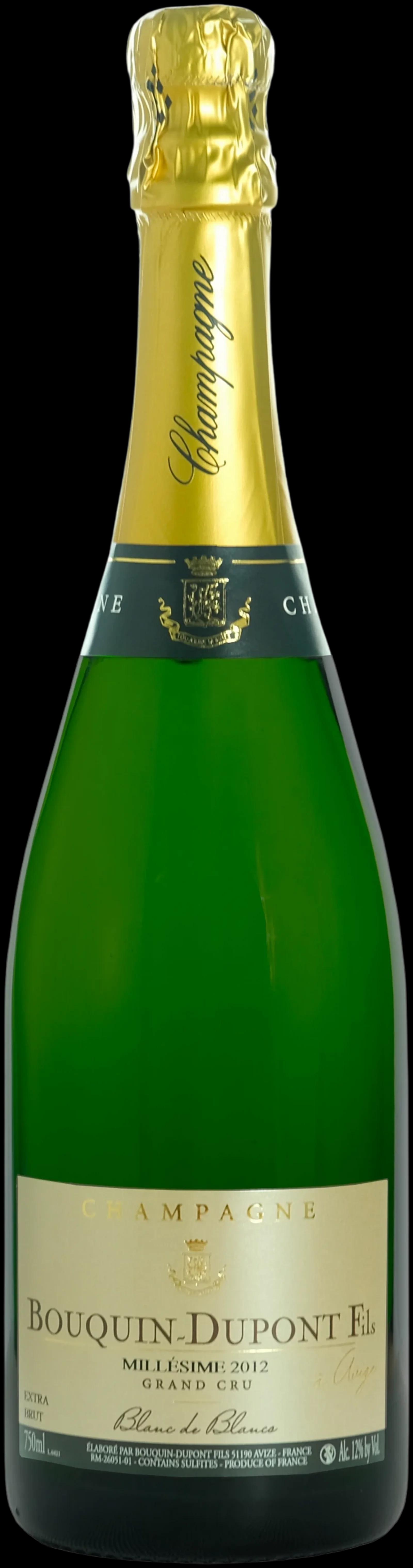
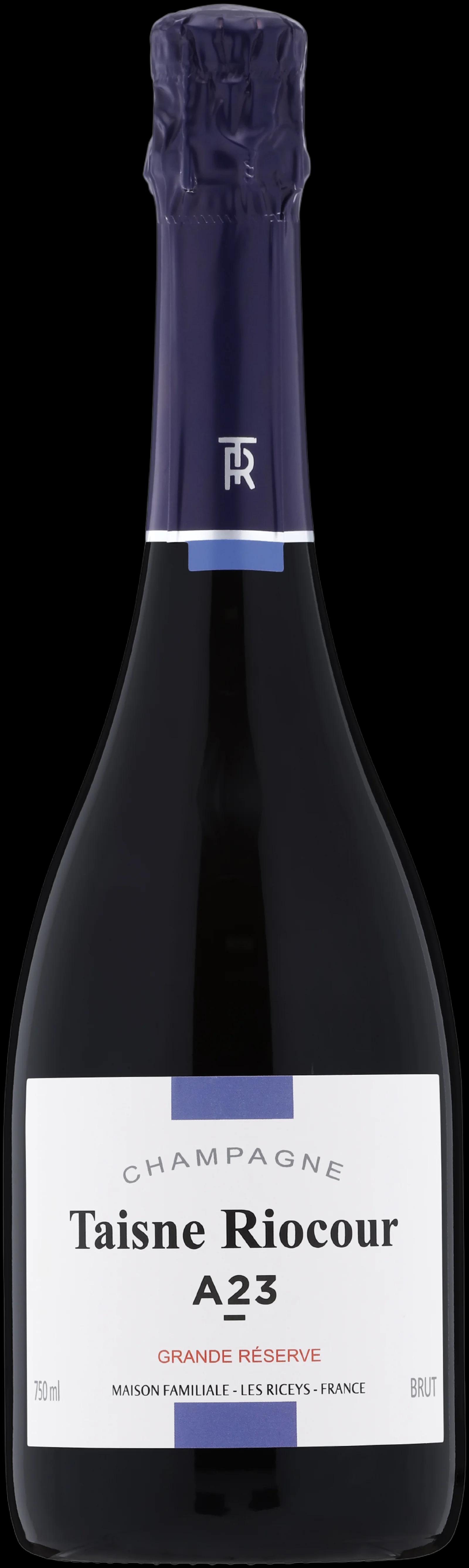
Appellations and grape varieties of Champagne
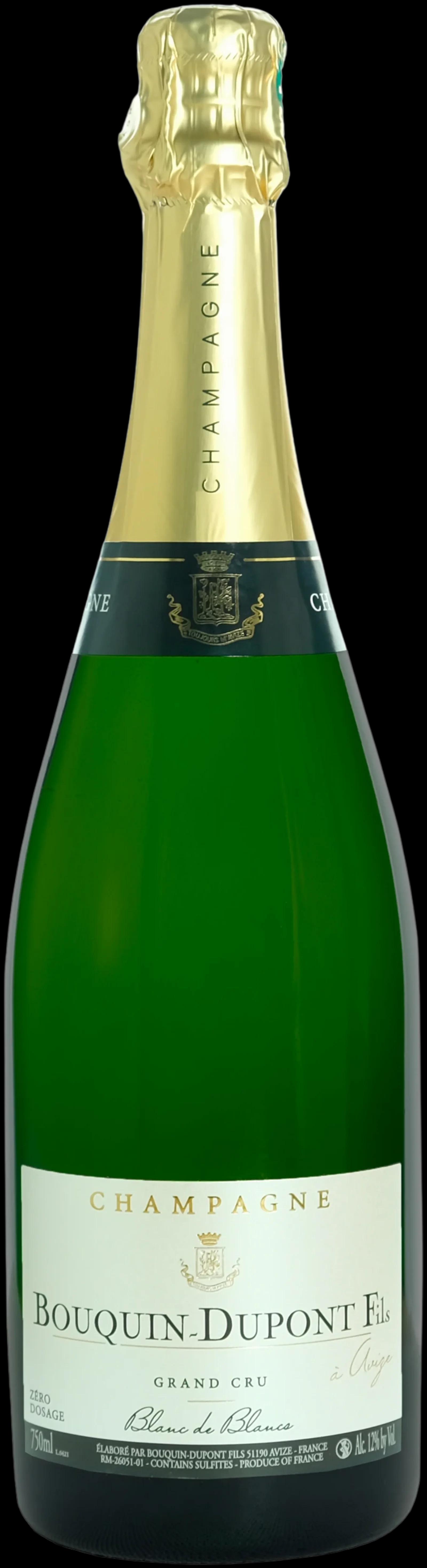
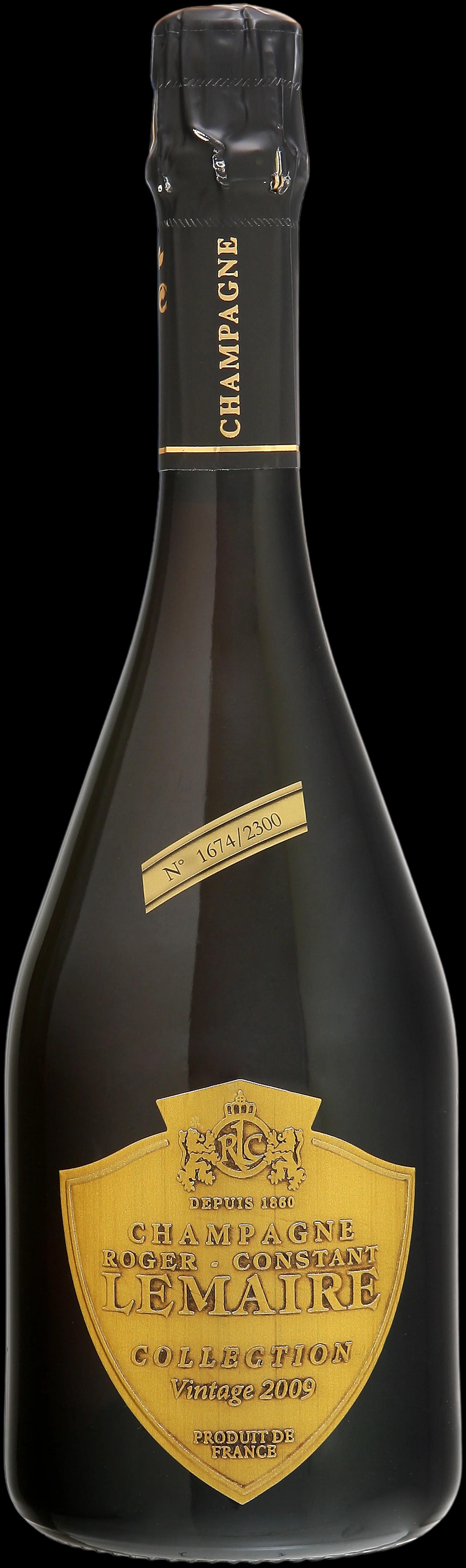
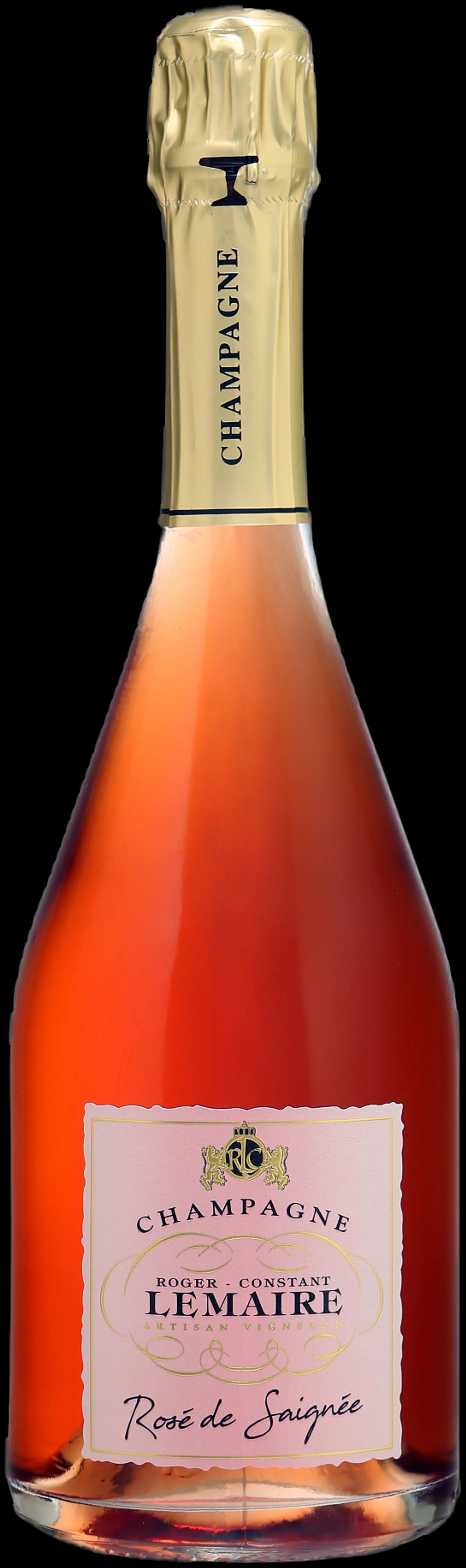
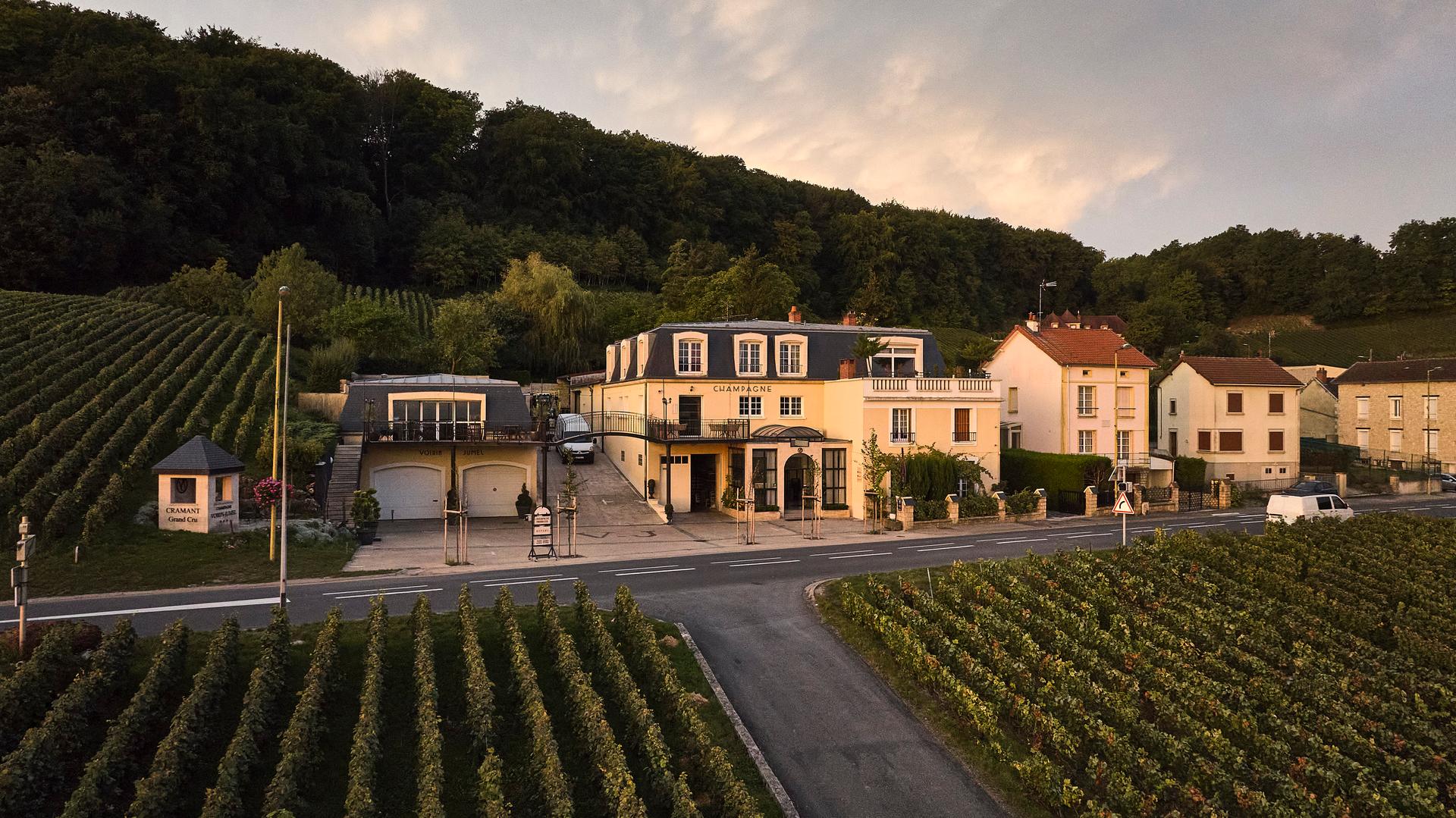
Champagne is a single AOC covering roughly 34,000 hectares across five main sub-zones: Montagne de Reims, Vallée de la Marne, Côte des Blancs, Côte de Sézanne, and Aube. Each has a distinct soil profile and dominant grape. Montagne de Reims is the heartland of Pinot Noir, which provides structure and red-fruit character to most blends. Côte des Blancs is almost entirely Chardonnay, planted on Belemnite chalk — a specific fossil-rich substrate that delivers high acidity and fine minerality. Vallée de la Marne is Meunier country, a grape rarely found outside Champagne, valued for early ripening in this cooler, clay-heavy valley floor. Three grapes dominate by law — Pinot Noir, Chardonnay, and Meunier — but four additional varieties are permitted in small quantities: Pinot Blanc, Pinot Gris, Arbane, and Petit Meslier. Blanc de Blancs means 100% Chardonnay. Blanc de Noirs means white wine made exclusively from red-skinned grapes, most often Pinot Noir. Rosé Champagne can be made by brief skin contact or, uniquely in French AOC law, by blending still red wine into the base cuvée before secondary fermentation. Non-vintage Champagne accounts for roughly 80% of all production; it is a blended style designed to maintain a consistent house character across harvests. Vintage Champagne, by contrast, is declared only in years the producer judges strong enough to stand alone — typically no more than three or four times per decade for most houses.
How Champagne is made — and what it costs to make it
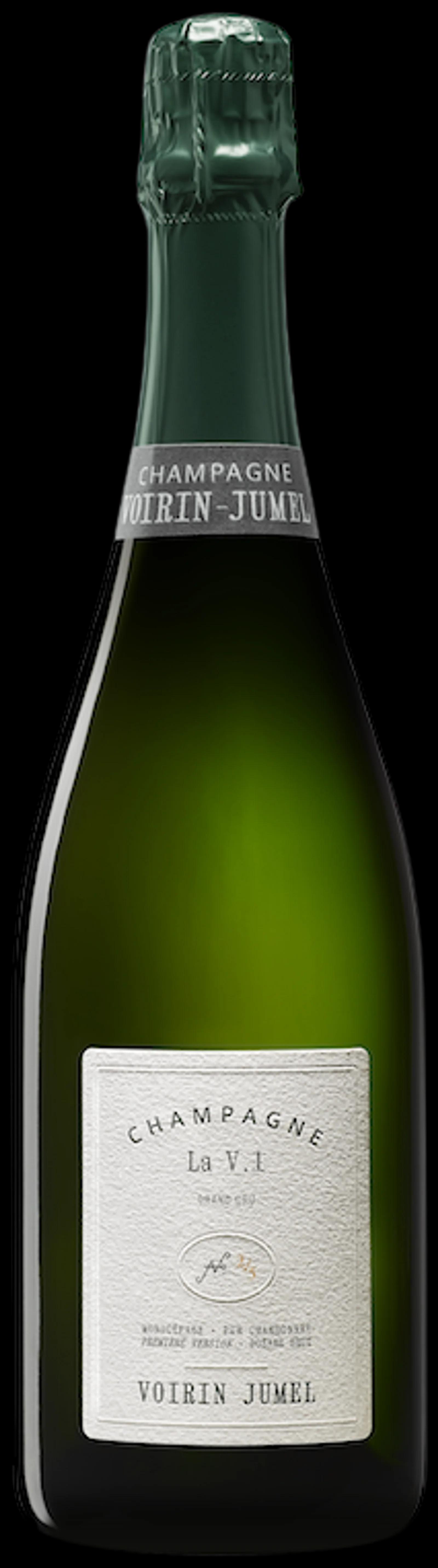
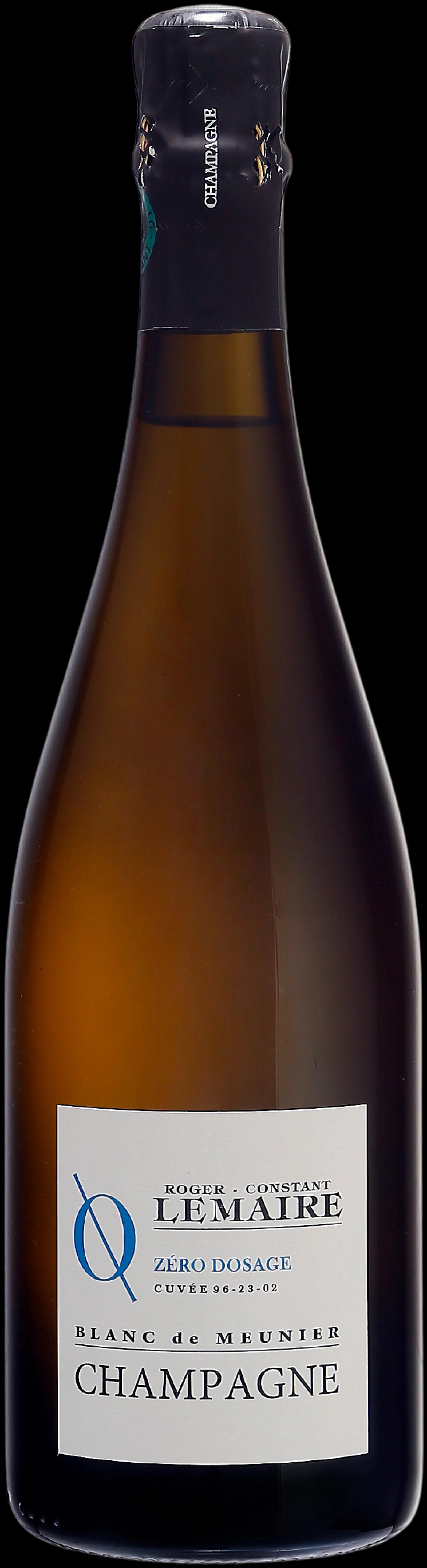
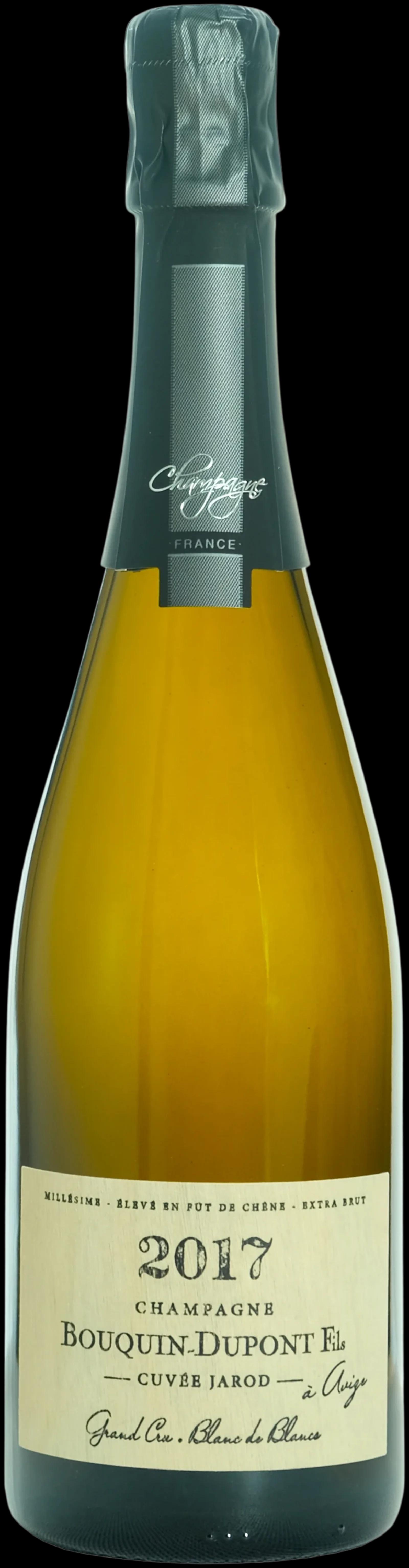
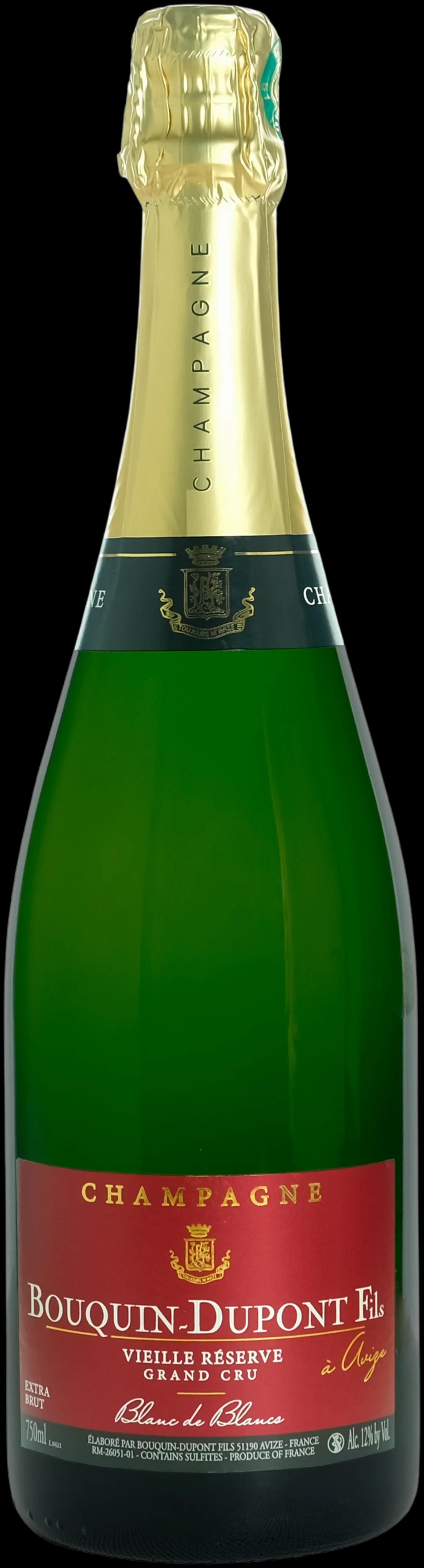
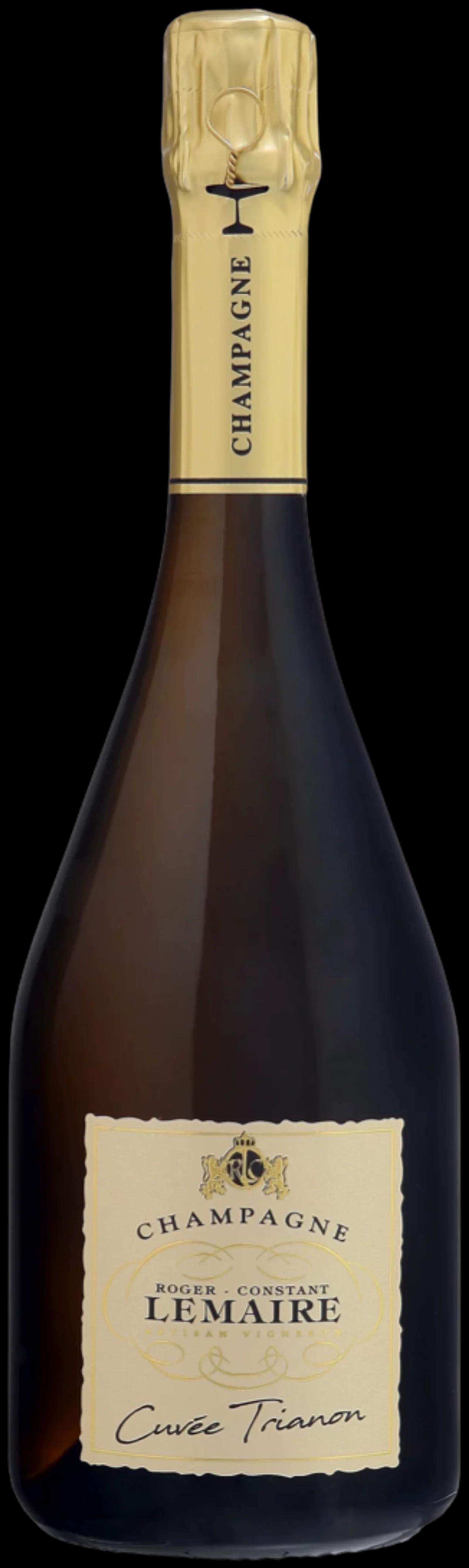
The méthode traditionnelle requires two fermentations. The first creates a dry base wine. The second happens inside the sealed bottle after the addition of a liqueur de tirage — a mixture of wine, sugar, and yeast. CO₂ produced during that second fermentation cannot escape, so it dissolves into the wine. After fermentation, bottles rest on their lees (dead yeast cells) for a legally required minimum: 15 months for non-vintage, 36 months for vintage. Many growers and independent estates age for significantly longer — three to five years on lees is common among quality-focused producers. This extended contact is what gives Champagne its characteristic brioche and autolytic complexity. After ageing, sediment is collected in the neck through riddling (remuage), then disgorged. A dosage — a small amount of wine and sugar — is added before final corking to determine the style: from Brut Nature (zero dosage) to Demi-Sec (noticeably sweet). Land in premier cru and grand cru villages now trades above €1 million per hectare. That cost is structural. It is one reason independent grower-producers, who already own their vineyards, can price their wines more competitively than négociant houses that must buy grapes on contract. The wines on this page come from producers who grow their own fruit, make their own wine, and ship directly. Not from a warehouse in the Netherlands — from the cellar.
Independent producers versus the négociant model
For most of the twentieth century, Champagne was dominated by large négociant-manipulants (NM): houses that buy grapes from hundreds of growers, blend at scale, and sell under a single brand. That model built global recognition but concentrated margin in the négociant, not the grower. Since the 1990s, a parallel category has grown: the récoltant-manipulant (RM), a grower who vinifies and markets their own wine. Today there are roughly 2,000 active grower-Champagne producers. Most are small; many farm fewer than five hectares. The RM category is what makes Champagne interesting for wine buyers who want to understand where a wine comes from. A grower in a premier cru village in Montagne de Reims makes a wine that reflects that specific soil, that specific harvest year, that family's approach to dosage and ageing — not a cross-regional blend calibrated for consistency. Récoltants typically appear in independent wine shops and direct-sale channels rather than supermarket listings, not because their wines are rare, but because their production volumes do not fit the buying structures of large retail chains. Free Grape Society is built so the producer earns more and you pay less at the same time. That works when no one sits between you. For broader context on white wines from France or to compare with still wines from other French regions, both pages are worth browsing alongside what is listed here. Those looking at sparkling options from different origins can also explore mixboxes from France for tasting sets that include producer-composed selections.