Where Gutedel comes from and how region shapes it
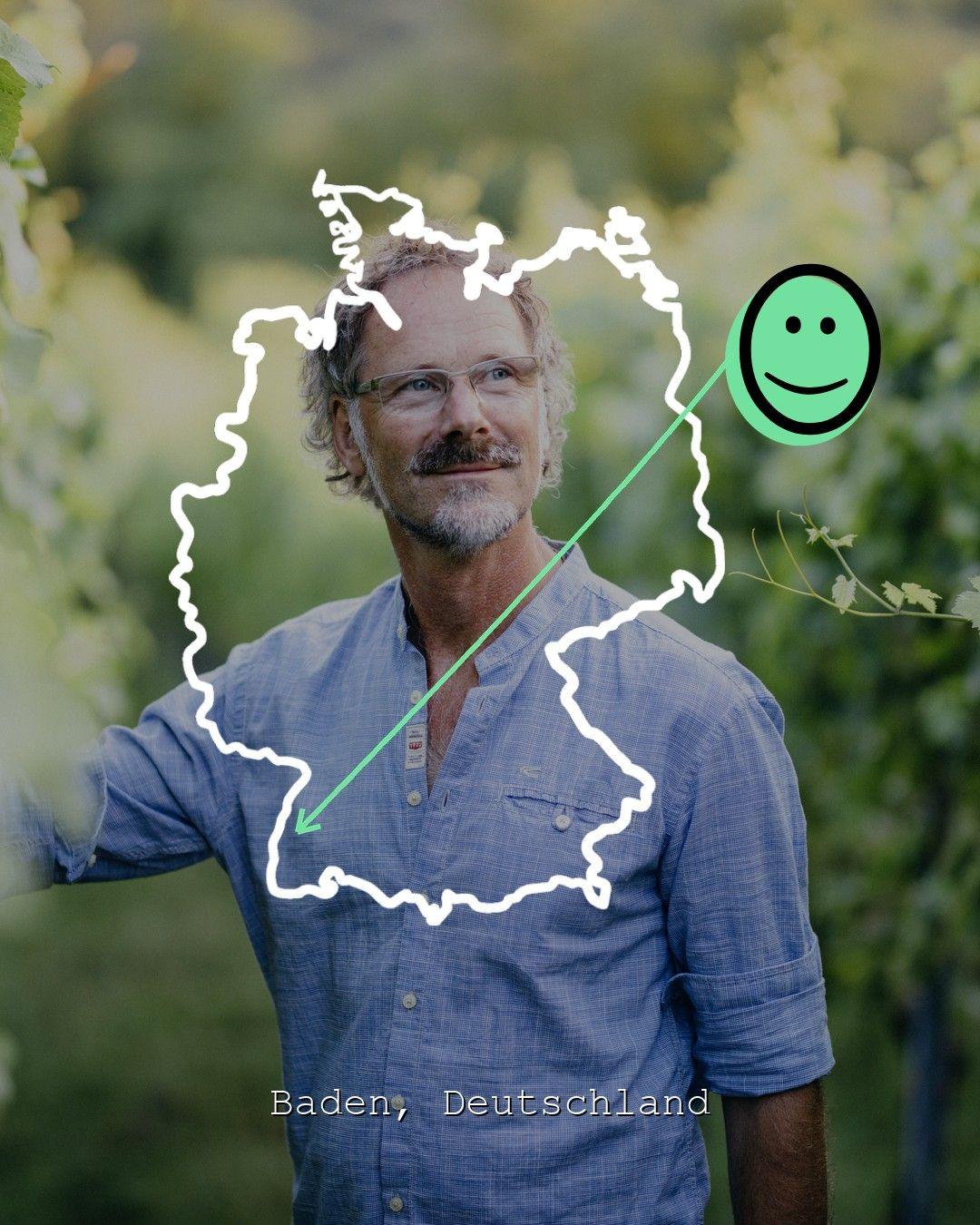
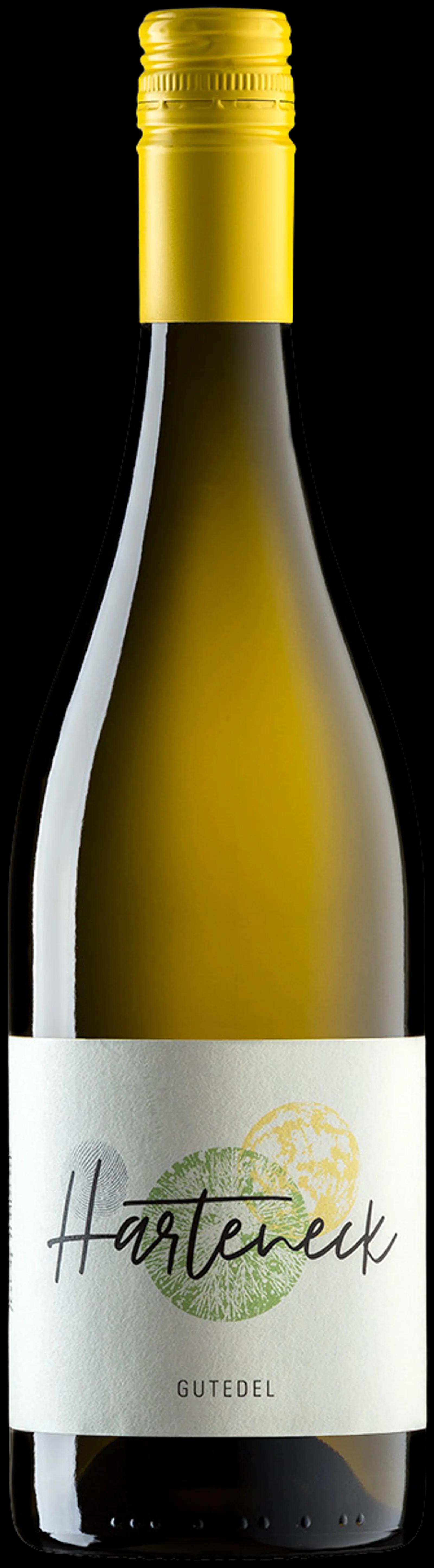
Gutedel is one of Europe's oldest cultivated grape varieties, with roots traced back thousands of years to the Near East. Today its most concentrated plantings sit in the Markgräflerland, the southernmost stretch of Baden in Germany, where it has been grown since the late eighteenth century and where it still defines the local wine culture. Across the border in Switzerland and France's Alsace, the same grape is called Chasselas, and it produces wines that sit noticeably apart in style: Swiss Chasselas is known for its mineral restraint and low tannin, while the German Gutedel tends toward soft, early-drinking whites with gentle acidity. Climate is the main lever. In Baden's warm southern pocket, sheltered by the Black Forest and open to Alpine air, the grape ripens reliably but retains freshness. Move it to a cooler site and the wine becomes leaner and more nervy. That sensitivity to place is part of what makes it interesting to growers who work carefully with it — the same variety, read differently by soil and aspect. You will find wines from the broader German white wine tradition on the German wines and Baden wines pages.
How Gutedel tastes, and what to drink it with
Gutedel produces light, dry white wines with relatively low alcohol and soft acidity. The typical profile runs toward mild stone fruit, a faint nuttiness, and a clean, undemanding finish — it is one of the gentler grapes in the European canon, and winemakers often describe it as a wine that gets out of the way of food rather than competing with it. That makes it well suited to dishes where freshness matters: white asparagus, river fish, fresh cheeses, and lighter vegetable-based cooking. Because it is thin-skinned and neutral in aroma, some producers work it as a skin-contact orange wine, where the texture becomes the point rather than the fruit. Others vinify it in old wood to add subtle roundness without oak flavour. It is rarely a grape for long cellaring — most Gutedel is made to be drunk young, within two or three years of harvest, when its subtle charm is at its clearest. If you are exploring lighter white wines from independent German producers, Gutedel is a useful reference point alongside Riesling and Silvaner, two other varieties that reward attention to site and season.
Buying Gutedel direct from independent producers
Gutedel rarely appears in supermarkets or large retail channels outside its home region, which means finding a good bottle through conventional distribution is genuinely difficult. On Free Grape Society, the producers who grow it ship directly from their own cellars, with no importer or warehouse in between — so the wine arrives as the grower intended, without spending months in a distribution chain. The growers working with this variety tend to be small estates in Baden who have grown it for generations and who treat it with the same seriousness they give to other varieties. Wines tasted before listing, and the independent experts on the platform have reviewed a number of bottles from this page, so their notes are there if you want a second view before choosing. Free Grape Society is a society of producers, independent experts and wine lovers, not a shop — joining is free, and you can browse the full range of German wines or look at white wines from Germany if you want to place Gutedel alongside what else the country produces.