

Friulano: the white grape that defines Friuli Venezia Giulia

Friulano wine is the signature white of north-east Italy, grown by independent producers across the hills and plains of Friuli Venezia Giulia. The bottles below come directly from the growers who make them.

Dry, textural and quietly bitter at the finish — a variety built for the table.

Color

Dropdown arrow

Type

Dropdown arrow

Country

Dropdown arrow

Region

Dropdown arrow

Grape

Dropdown arrow

Pairing

Dropdown arrow

Sort by

Sort arrow
Friulano

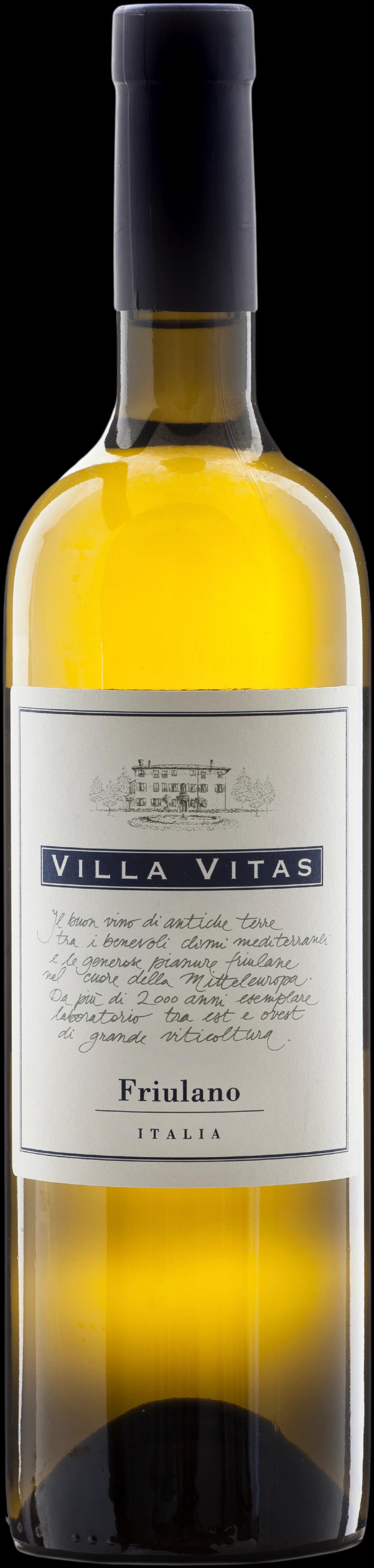
Friulano wines

Friulano was long known as Tocai Friulano until a 2007 EU ruling required the name change, settling a long dispute with Hungary over the word Tokay. The grape itself stayed exactly as it was: a variety that ripens reliably on the Collio and Colli Orientali hillsides and on the gravelly Grave plains, producing wines that are dry and full-bodied with a characteristic almond bitterness at the finish. On Free Grape Society, each bottle is shipped directly from the producer's own cellar, with no importer or warehouse in between.

Previous1 of 1Next

Friulano wine cases

A Friulano wine case is a producer's own selection of six bottles — the recommendation they would make if you visited their cellar. In a region as varied as Friuli, that might mean tasting the same grape from different subzones side by side, from the iron-rich soils of Colli Orientali to the limestone and marl of the Collio hills. Free Grape Society is a society of producers, independent experts and wine lovers, not a shop.

View all mixboxes

Wineries

The producers below work across Friuli Venezia Giulia, a region that has shaped Italian white wine more than its modest size might suggest. Several also make wines from Pinot Grigio, Ribolla Gialla and local red varieties, so their full range is worth exploring once you have found a grower you trust. The wine-advice service is there if you would rather talk through the options before choosing.

View all wineries

Wine experts

Friulano does not attract the same critical attention as Barolo or Brunello, which means the independent experts who review it tend to be specialists with a genuine affinity for north-east Italian whites. Independent wine experts review wines they have personally tasted, and their notes appear on each wine page and on the expert's own profile. Several of the experts below have reviewed Friulano wines featured on this page.

View all wine experts

Frequently asked questions

How do I order Friulano wine on Free Grape Society?

Browse the Friulano wines on this page, add a bottle to your basket and check out. Each wine is shipped directly from the producer's cellar to your door. Free shipping is included, and you can pay with Klarna or card. Delivery takes between 4 and 14 days depending on where the producer is located.

What happens if a bottle arrives broken or doesn't taste right?

Send a photo to Free Grape Society customer support within 7 days of delivery. We will arrange a replacement or a refund. Because producers ship directly, quality issues are handled with the producer's direct involvement. Shared responsibility is built into how FGS works.

Can I order Friulano wines from more than one producer in the same order?

Yes. You can add wines from different producers to the same basket. Each producer ships their own wines separately, so you may receive more than one delivery. All shipments include free shipping, and you will get a tracking update for each one.

How long does delivery take?

Average delivery is 8 to 9 days from order to door. The full range is 4 to 14 days depending on the producer's location and your delivery address. Wines ship directly from the producer's cellar, not from a central warehouse.

How do I choose between the different Friulano wines on this page?

The main differences come from where in Friuli the wine is grown. Collio and Colli Orientali wines tend to be more aromatic and structured, grown on hillside soils of marl and sandstone. Friuli Grave wines, from the gravelly plains, are often rounder and slightly lighter. Reading the producer's own notes is a good starting point, and the wine-advice service is there if you want a recommendation.

Is Friulano only grown in Friuli?

Friulano is grown mainly in Friuli Venezia Giulia, where it is the most planted white variety. Small amounts are grown across the border in Slovenia and in Veneto, where it appears in the Lison DOC. Outside north-east Italy it is uncommon, which is part of what makes it a grape worth seeking out from producers who focus on it seriously.

Which Friulano wine expert can recommend something for me?

The wine experts on this page are independent specialists who have tasted and reviewed wines, including Friulano from Friuli Venezia Giulia. Browse their profiles to read their notes, or use the wine-advice form to ask a specific question. An expert will respond with a personal recommendation based on what you are looking for.

Why don't you sell supermarket-brand Friulano wines?

Free Grape Society connects buyers directly with independent producers who grow and bottle their own grapes. Supermarket-label wines are typically produced by large commercial wineries under contract and sold through distribution chains. The producers on this page own their vineyards, make their own decisions in the winery, and ship their wines themselves — that is a different product.

Can I find Friulano in regular wine shops or supermarkets?

Friulano has limited distribution outside Italy. In most European markets it rarely reaches supermarket shelves, and specialist wine retailers carry it inconsistently. Buying directly from a producer in Friuli is often the most reliable way to find a well-made bottle, particularly from smaller estates that do not export through traditional channels.

Where Friulano comes from and what makes it distinct

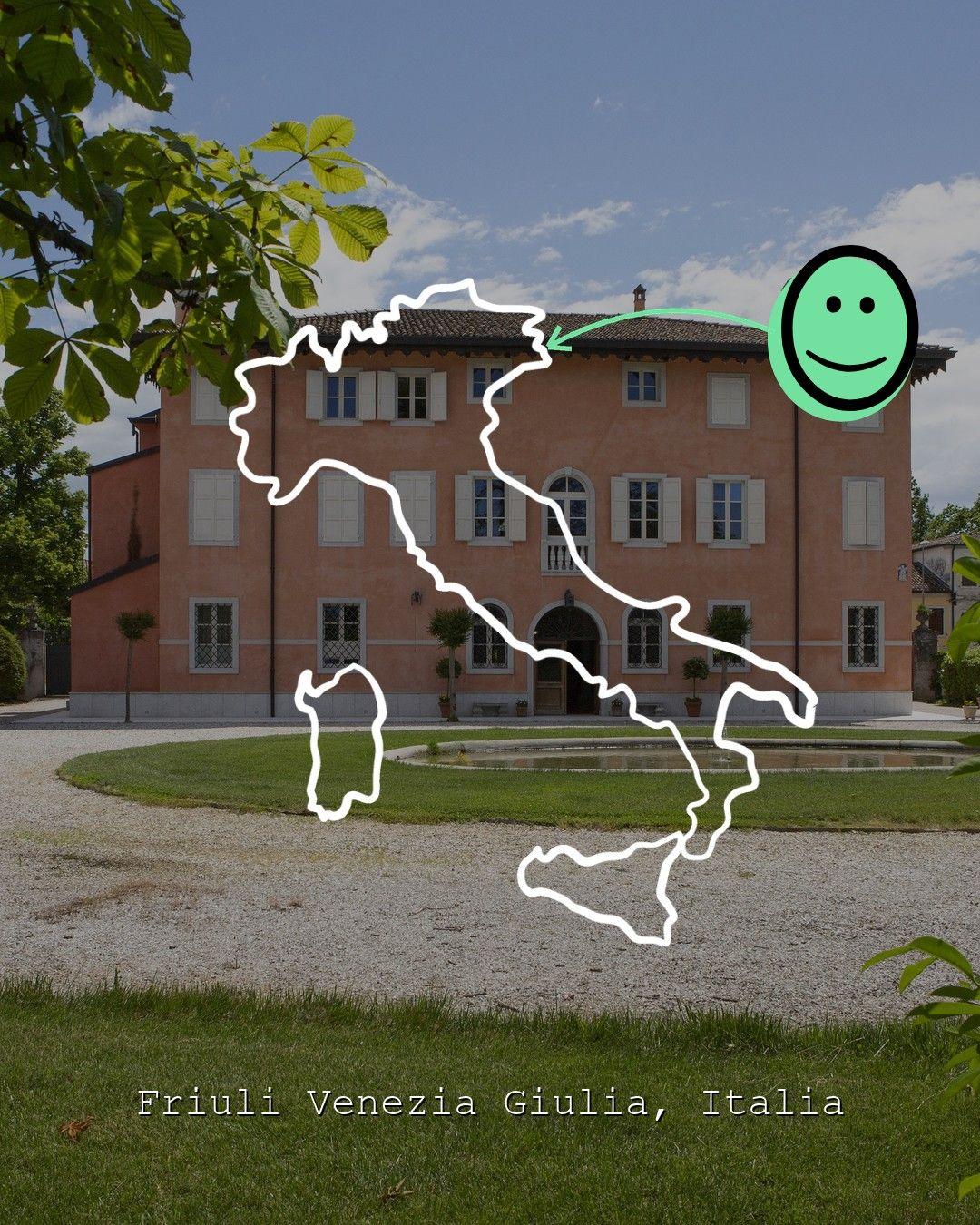
Friulano is native to the far north-east of Italy, where it has been grown for centuries in Friuli Venezia Giulia. For much of the twentieth century it was sold under the name Tocai Friulano, but a European ruling in 2007 required Italy to drop the Tocai name to avoid confusion with Hungary's Tokaj wines. The grape kept its character. It produces still, dry white wines with a faintly bitter finish — a trait locals describe as the mandorla, or almond note — and a body that sits between the lightness of Pinot Grigio and the weight of Chardonnay. It is genetically related to Sauvignonasse, a grape grown in Chile and occasionally confused with Sauvignon Blanc, though the two taste quite different. Friulano is rarely found outside north-east Italy in significant volume, which is part of what makes it interesting: it is tied closely to its home region in a way that international varieties are not.

How Friulano tastes, and what to drink it with

The wines are typically pale gold, with aromas of white flowers, green almond, fresh herbs and sometimes a hint of hay. On the palate, the acidity is moderate rather than sharp, and the texture tends toward roundness without needing oak to achieve it — most Friulano is fermented and aged in steel or neutral vessels to keep the fruit clean and the bitter finish intact. That slight bitterness at the end makes it one of the more food-friendly Italian whites: it cuts through the fat in a plate of cured meats, holds its own against the richness of a risotto made with local Montasio cheese, and works well alongside delicate fish dishes. It is also a natural companion for white asparagus, which is grown in the same corner of Italy. If you are exploring the broader range of north-east Italian whites, the Veneto wines and Trentino-South Tyrol wines pages are worth a look alongside Friuli, as the three regions share a climate and some grape varieties while producing noticeably different wines.

Buying Friulano direct from independent producers

Because Friulano is so closely identified with one region, the producers who grow it are almost all small, family-run estates in or around Friuli Venezia Giulia. On Free Grape Society, each bottle is shipped directly from the producer's own cellar, with no importer or warehouse in between — the wine travels from where it was made to your door. Wines are tasted before listing, so what you see on the page reflects what is actually in the bottle. If you want to explore the region more broadly, the Friuli Venezia Giulia mixboxes bring together a producer's own selection of six bottles, often mixing Friulano with other local whites like Ribolla or Malvasia Istriana. Free Grape Society is a society of producers, independent experts and wine lovers, not a shop — the producers set their own prices and decide what they want to share.