Where Greco comes from and what region does to it
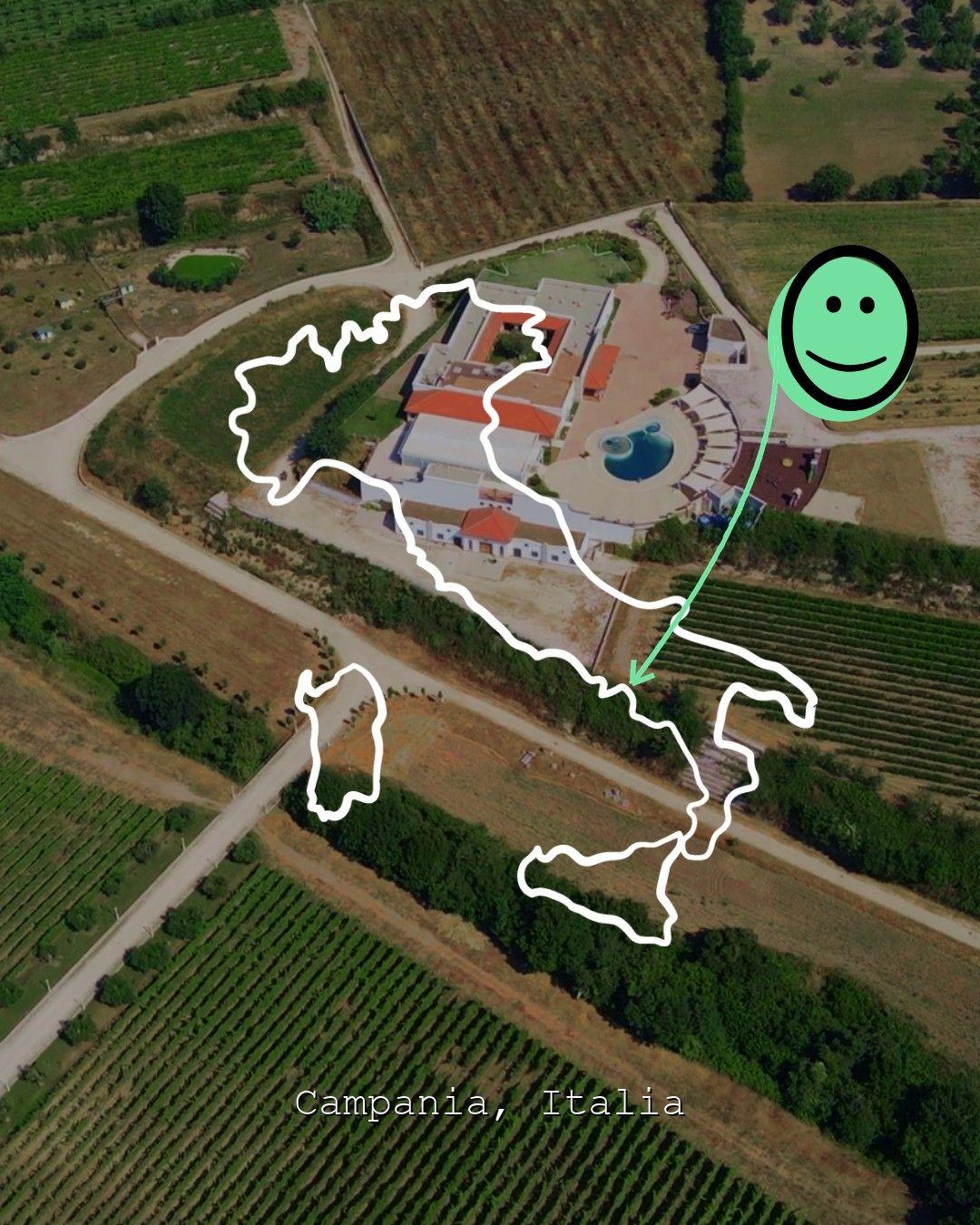
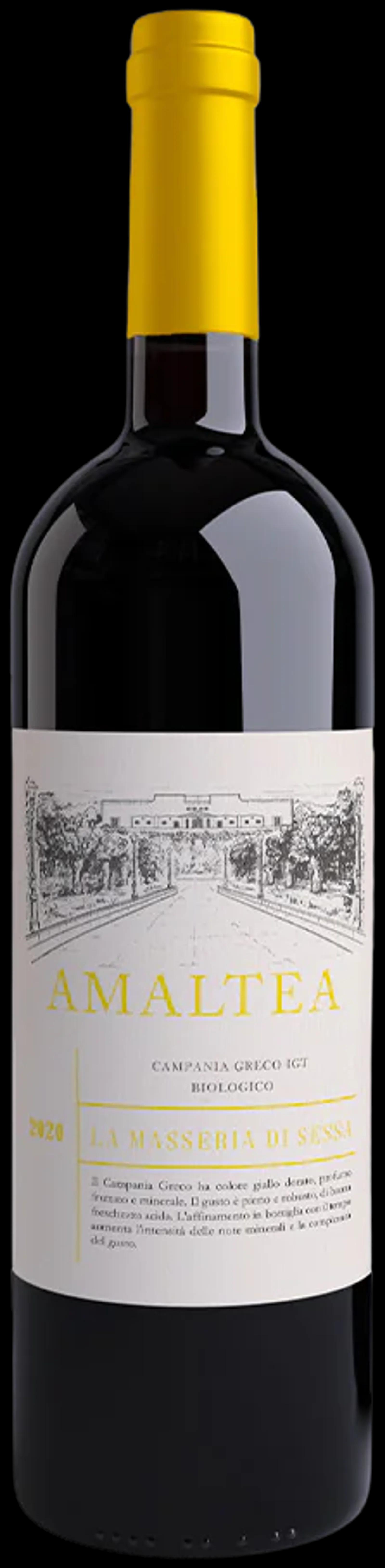
Greco is one of southern Italy's oldest white grapes, with roots that run deep in Campania and Calabria. Its most celebrated expression is Greco di Tufo, grown on the volcanic soils around the town of Tufo in Campania, where the grape produces wines of real structure: high in natural acidity, full in body, and marked by a savoury mineral edge that sets them apart from most Italian whites. The same variety also appears in Calabria under its own appellations, and growers work with it across Sicily and further south. Away from the volcanic centre, the wines shift in character — sometimes rounder, sometimes more aromatic — but the grape's thick skin and resistance to heat are consistent, which is part of why it has survived so long in the Italian south. For a useful comparison, Grechetto is a separate variety that shares a name prefix but is grown in Umbria and Lazio and produces a lighter, nuttier style of white.
How Greco tastes, and what to drink it with
Greco wines are typically full-bodied whites with firm acidity and a textural grip that is uncommon in warmer-climate Italian whites. The aromas tend toward stone fruit — peach, apricot — alongside floral notes and a characteristic smoky or mineral quality that comes through particularly on Tufo's volcanic soils. The finish is often bitter in the best sense: clean and long, with an almond edge. That structure makes Greco a reliable partner for food. It holds its own alongside grilled fish and seafood, works well with dishes built around olive oil and herbs, and is substantial enough for pasta with shellfish or light meat sauces. If you are exploring southern Italian whites alongside it, Fiano from the same region or Vermentino from further afield give a useful point of contrast.
Buying Greco direct from independent producers
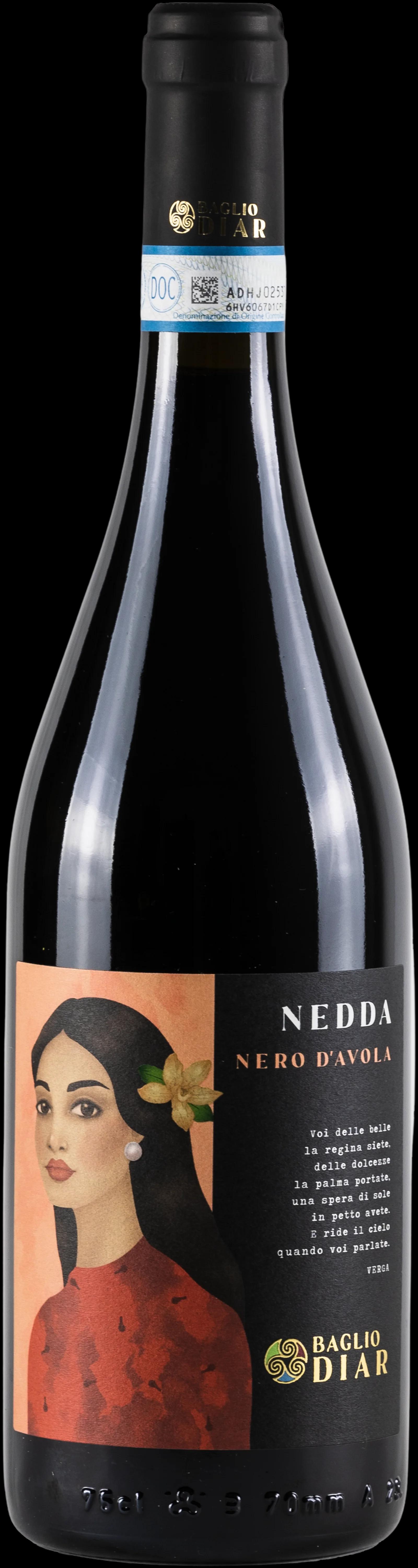
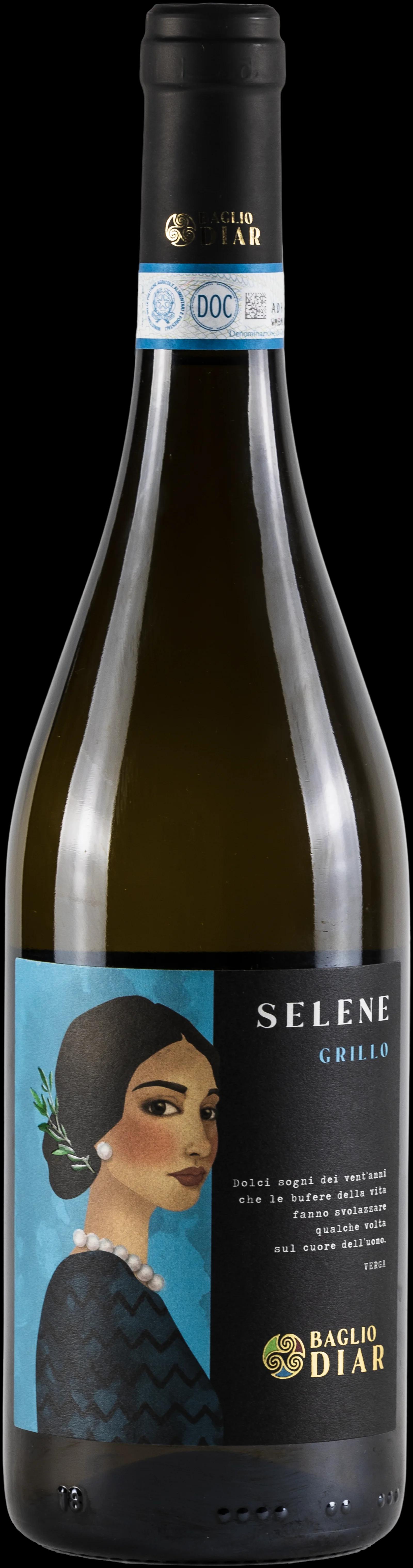
Greco is produced predominantly by smaller, family-run estates in southern Italy — the kind of producers who are rarely found in supermarkets or large distribution networks. On Free Grape Society, producers ship directly from their own cellars, with no importer or warehouse in between, which means the wine arrives as the grower intended and the price reflects the producer's own decision rather than a chain of intermediaries. The growers on this page work in Campania, Sicily, and other parts of the Italian south. Wines are tasted before listing, and independent wine experts add their own reviews to wines they have personally tried, visible on each wine's page. If you want to explore the wider Italian white range, the Italian wines page and the white wines section cover the full selection from independent Italian producers. Free Grape Society is a society of producers, independent experts and wine lovers — not a shop.