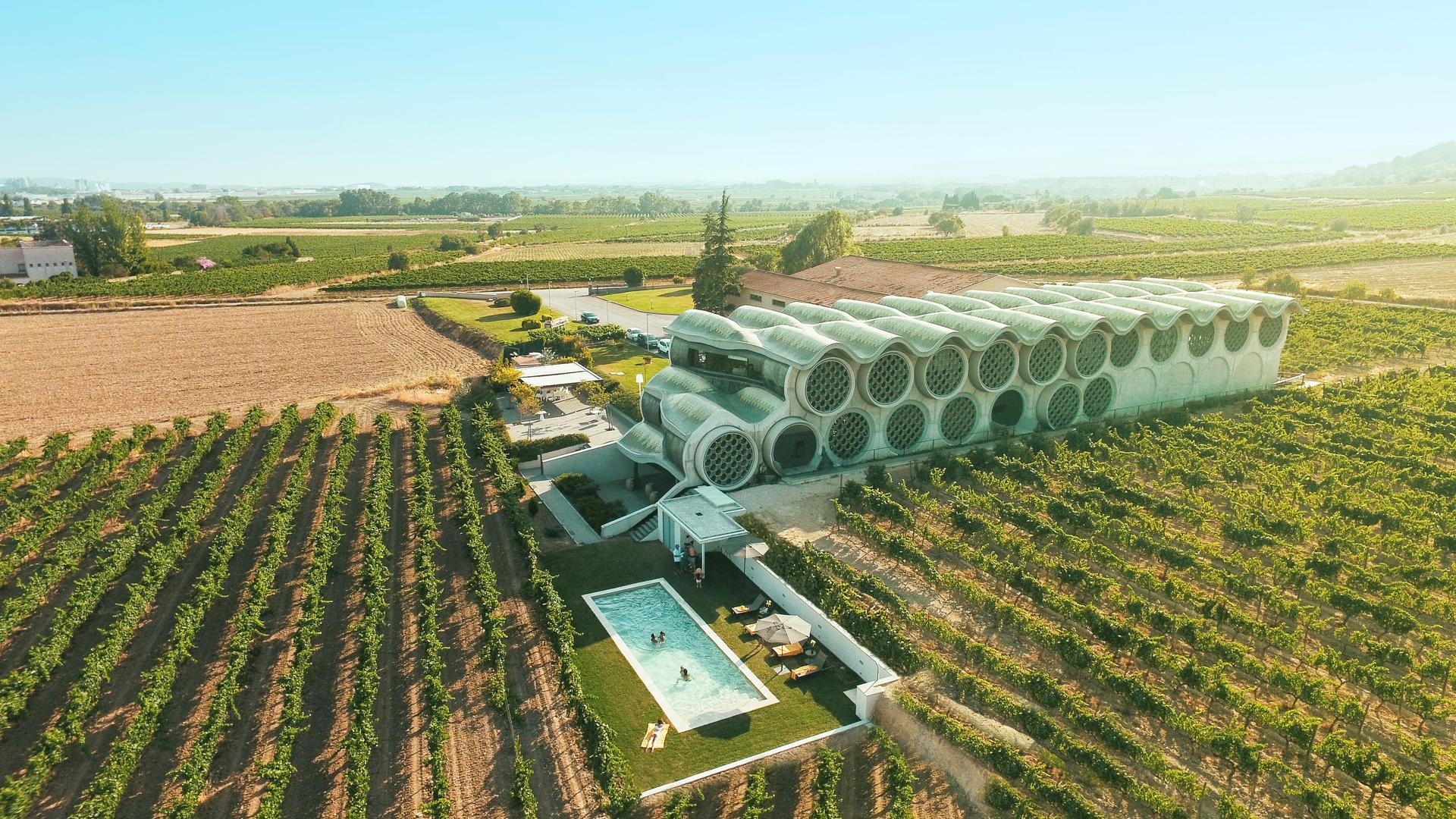
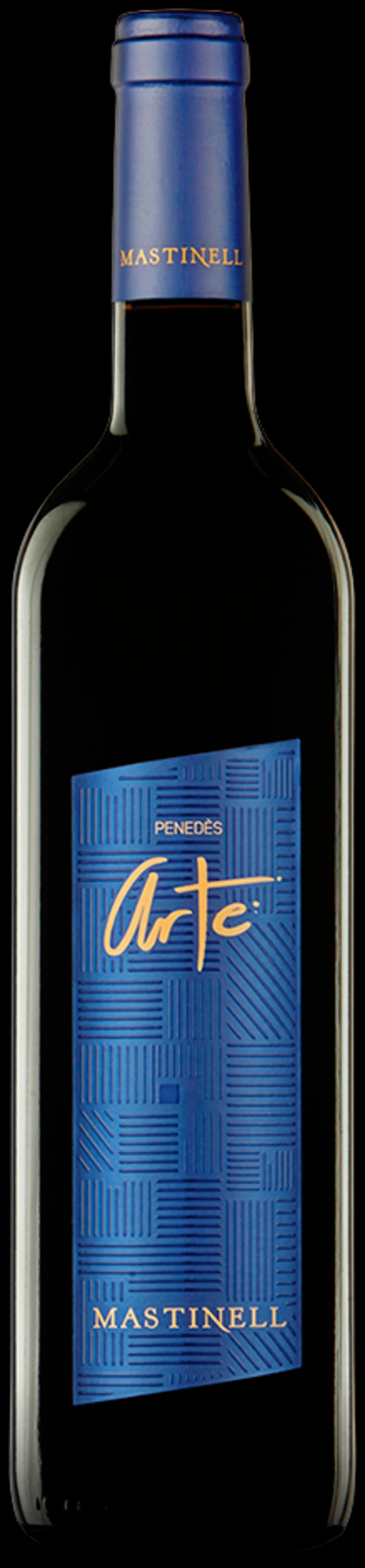
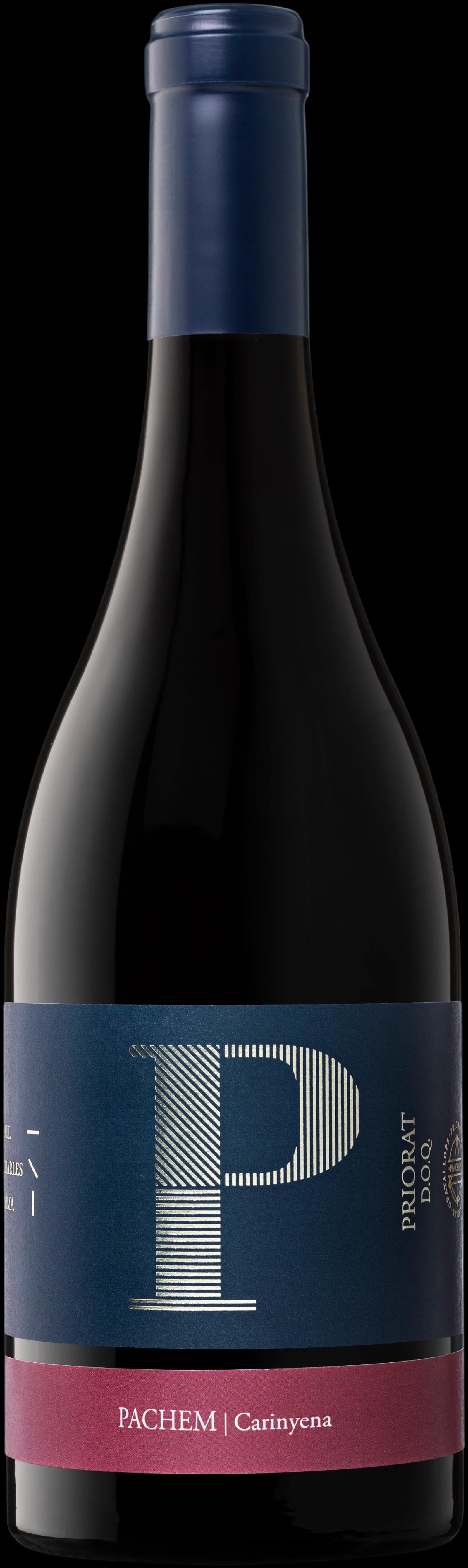
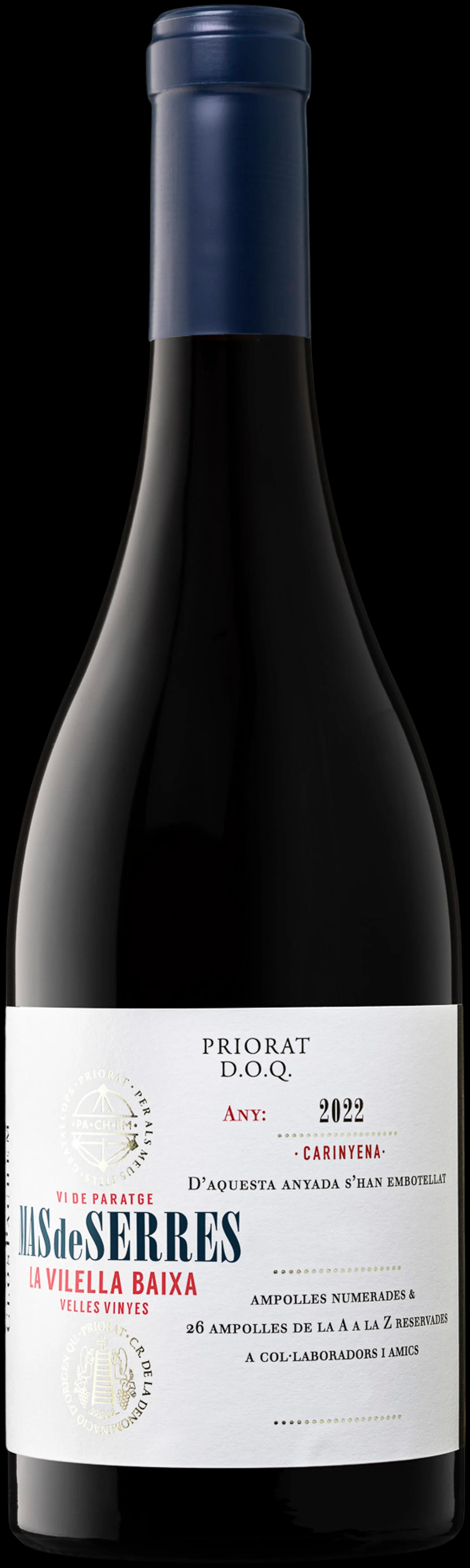
Independent wineries of Catalonia, from the coast to the Pyrenees

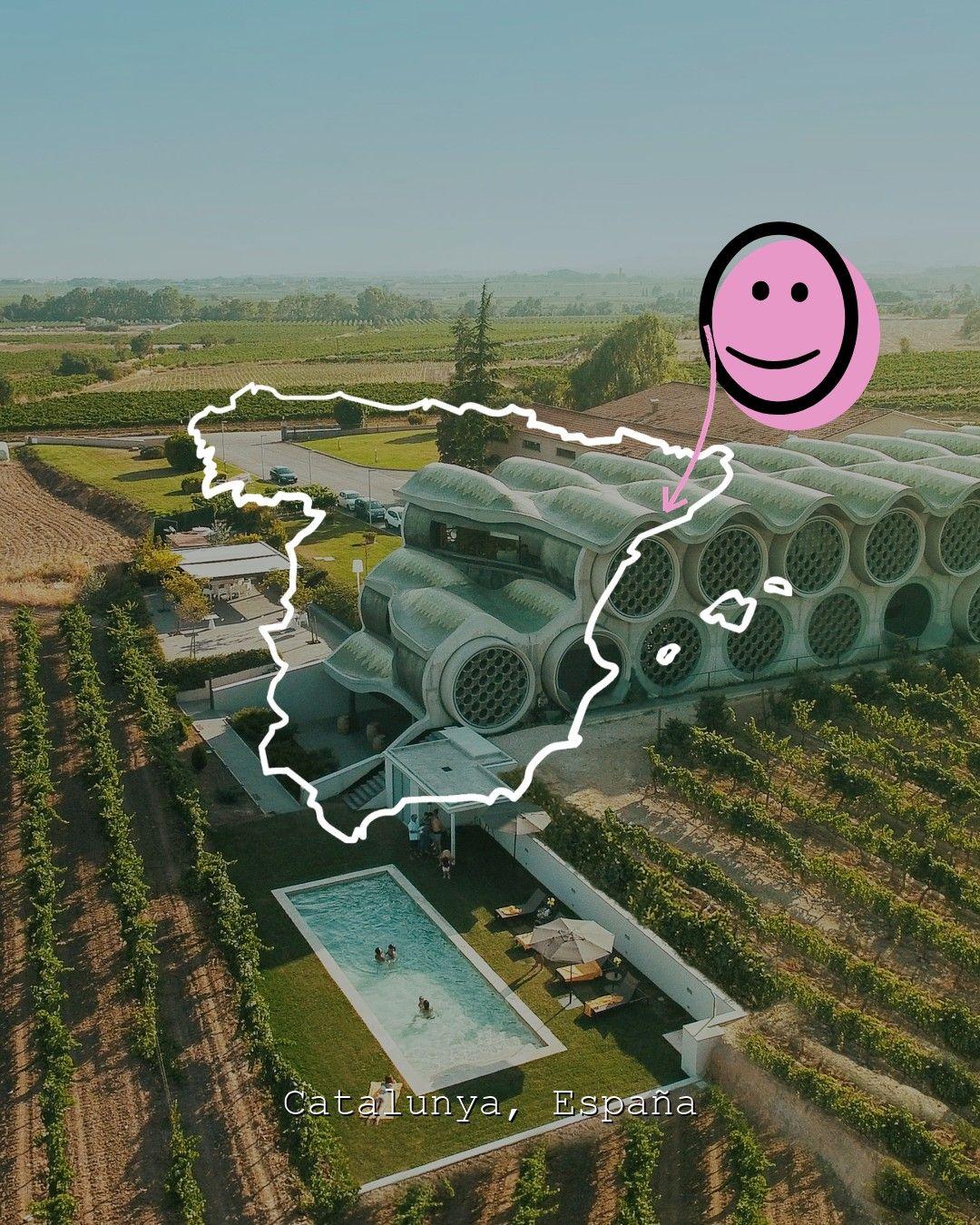
Catalonia wineries range from generations-old family domaines to younger growers reinterpreting native varieties across a region that stretches from the Mediterranean coast to the foothills of the Pyrenees. Browse the independent producers listed on Free Grape Society.

Family estates and small growers working Catalonia's diverse appellations, from Penedès to Priorat.

Country

Dropdown arrow

Region (1)

Dropdown arrow

Production Volume

Dropdown arrow

Sort by

Sort arrow
Catalonia

Catalonia wineries

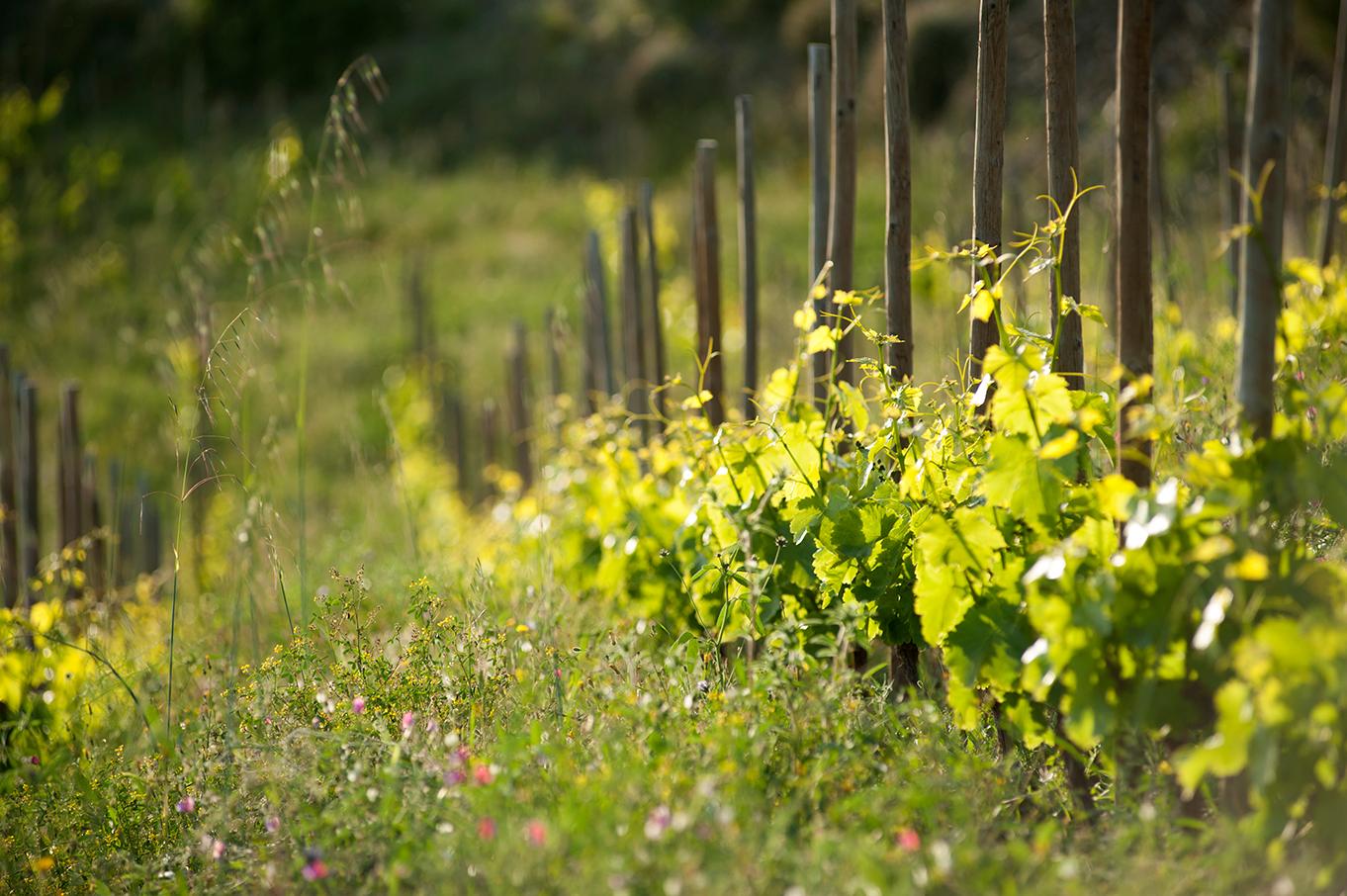
Catalonia's producers are as varied as its appellations. In Priorat, small estates farm old Garnacha and Cariñena vines on steep llicorella slate, while in Penedès growers work across a wide altitude range that stretches from the coast to over 800 metres inland. Many of the producers here are family-run, with holdings that have passed through several generations. On Free Grape Society, producers sell and ship directly from their own cellar, with no importer or warehouse in between, so the grower remains the point of contact for every bottle they make.

Previous1 of 1Next

Catalan wines

Several Catalan producers also offer a wine case: six bottles from their own cellar, put together as a single recommendation rather than mixed across estates. It is a practical way to taste a grower's range in one order — the selection is the producer's own, chosen to show how their vineyards and varieties read across a handful of bottles. Browse [Catalonia wine cases](/mixboxes/spain) or explore [all Spanish wine cases](/mixboxes/spain).

View all wines from Catalonia

Wine experts

Independent wine experts on Free Grape Society rate and review wines they have personally tasted. Their reviews appear on the wine page and on each expert's own profile, building a public track record that buyers can read before choosing. Several of the experts below have reviewed wines from Catalan producers listed on Free Grape Society.

View all wine experts

Frequently asked questions

How do I buy directly from a Catalonia winery on Free Grape Society?

Browse the Catalan producers listed here and open any winery profile to see their wines. Add bottles to your cart and check out — the producer ships the order directly from their own cellar. Payment is handled securely via Klarna or card, and free shipping is included. Delivery takes between 4 and 14 days depending on the producer's location.

What happens if a bottle arrives broken or doesn't taste right?

Send a photo to Free Grape Society customer support within 7 days of delivery. We will arrange a replacement or a refund. Because producers ship directly, quality issues are handled with the producer's direct involvement. Shared responsibility is built into how FGS works.

Do I need an account to order from a Catalan winery?

Joining Free Grape Society is free. Creating an account lets you save favourites, track your orders, and ask a wine expert for a recommendation before you buy. You can browse all Catalan wineries and their wines without an account, but you will need to register to place an order.

How long does delivery take?

Average delivery is 8 to 9 days from order to door. The full range is 4 to 14 days depending on the producer's location and your delivery address. Wines ship directly from the producer's cellar, not from a central warehouse.

How do I find the right Catalan producer for what I am looking for?

Start by thinking about the style you want — a structured red from Priorat, a fresh white from a coastal appellation, or something from a grower working with native varieties. Each winery profile on Free Grape Society includes a short introduction to the estate, the wines they make, and any expert reviews. You can also ask a wine expert directly if you want a personal recommendation for a specific occasion or food pairing.

What kinds of producers are listed from Catalonia?

The Catalan producers on Free Grape Society are independent — family estates, small domaines, and growers who own and farm their own vineyards. You will not find large commercial wineries or cooperative-blended bottles here. The range covers the region's main appellations, from the slate-terraced estates of Priorat to the broader plantings of Penedès and the emerging appellations further inland.

Which Catalonia wine expert can recommend something for me?

Several independent wine experts on Free Grape Society have tasted and reviewed wines from Catalan producers. Open any expert's profile to read their reviews and see their tasting track record. If you want a personal recommendation — for a producer, a style, or a specific occasion — you can submit a question through the wine expert form and an expert will reply directly.

Why don't you carry every wine from every Catalonia producer you work with?

Free Grape Society lists wines tasted before listing, from producers we have a direct relationship with. Not every bottle a producer makes goes through that process, and some wines are only available in limited quantities or for specific markets. What you see on the page is the range we have tasted and can stand behind — not a complete catalogue of every producer's output.

Can I buy Catalan wines that I can't find at a wine merchant?

Yes. Because Free Grape Society works directly with independent producers, many of the wines here are not distributed through traditional retail or import channels. Small family estates in Catalonia rarely reach wine merchants outside Spain. Buying through Free Grape Society is often the only way to access these bottles outside the producer's own cellar.

The producers of Catalonia

Catalonia sits in the north-east corner of Spain, where the Pyrenees and the Mediterranean shape growing conditions that differ markedly from the meseta further inland. The region is home to a spread of independent producers working across a range of altitudes and soils, from coastal vineyards to inland plateaus where cooler nights lengthen the growing season. Penedès is the largest appellation and the base for many of the region's growers, but Priorat, Montsant, Conca de Barberà, Terra Alta, and Empordà each have their own character and their own set of producers working within them. Garnacha and Cariñena are the backbone of many Catalan reds, while white varieties including Macabeo, Parellada, and Xarel·lo have shaped the region's sparkling tradition. Newer generations of growers have also introduced international varieties and revived older indigenous ones, adding range to what the region can offer. Browsing Catalan producers or comparing them with those working in Aragon or Valencia gives a sense of how the north-east of Spain reads across its different terrains.

How we choose our producers

We work directly with the growers behind the wines, so we get to know how they farm and what they charge before a single bottle is listed. Producers send samples, and those samples are tasted before a wine is listed, which means the decision rests on what is in the glass rather than on a label or a reputation. We look for pricing that reflects the work in the vineyard without the mark-ups that importers and warehouses add, and we keep the relationship direct so the grower sets their own terms. Once a wine is listed, independent wine experts rate and review individual bottles, building a public track record that buyers can read on the wine page. We do not try to carry the full output of a region: we list wines tasted before listing, from producers we have a direct relationship with. The same approach applies whether a grower works in Penedès or in a smaller appellation like Priorat, and it applies equally to producers in other Spanish regions such as Rioja or Galicia.

Winemaking traditions in Catalonia

Catalonia has one of the longest winemaking histories in Spain, with evidence of vine cultivation going back to the ancient Greeks and Phoenicians along the Costa Brava. The region became closely associated with sparkling wine production after growers in Penedès began adapting the traditional method in the nineteenth century, using the local white trio of Macabeo, Parellada, and Xarel·lo to produce wines that now fall under the Cava denomination — though that denomination spans a wider geography beyond Catalonia itself. Priorat tells a different story: its llicorella soils, a dark slate and quartz mix, force vine roots deep for moisture, producing low yields and concentrated wines from old Garnacha and Cariñena vines. The appellation lost most of its vineyards during the twentieth century and was largely rebuilt from the 1980s onward by a small group of growers, many of whom are still working today. Terra Alta, to the south-west, is drier and windier, with Garnacha Blanca playing a leading role in its whites. Exploring Catalan wines alongside those from Castile and León or Andalusia shows how much Spain's regional traditions diverge, and browsing Spanish wines as a whole gives a fuller picture of the country's range.