The producers of Valencia
Valencia sits on Spain's eastern Mediterranean coast, where the climate shifts noticeably as you move inland from the sea. Closer to the coast, warm days and mild nights suit aromatic whites and rosés; further inland, the altitude of the Utiel-Requena plateau brings cooler nights that help reds hold their freshness. The region covers three denominations of origin — Valencia, Utiel-Requena and Alicante — and the producers working across them are as varied as the terrain. Some estates have farmed the same vineyards for generations, growing the indigenous Monastrell and Bobal alongside international varieties; others are newer projects drawn to the region's combination of old vines, affordable land and a climate that rarely disappoints at harvest. The independent wineries listed on Valencia wineries share direct responsibility for everything from the vine to the shipment — no importer or warehouse sits between a producer and the buyer.
How we choose our producers
We work directly with the growers themselves, which means understanding how they farm and what they charge before a single wine is listed. Producers send samples, and those samples are tasted before a wine is listed — the decision rests on what is in the glass, not on a label or a regional reputation. We look for pricing that reflects the actual work in the vineyard without the mark-ups that importers and warehouses typically add, and we keep the relationship direct so producers set their own terms. Valencia's wineries range from small family estates on the Utiel-Requena plateau to coastal operations farming Moscatel along the sea, and that diversity is reflected in the selection. Once a wine is listed, independent wine experts rate and review individual bottles, building a public record that buyers can read on the wine page. We list wines tasted before listing, from producers we have a direct relationship with — not every wine from every estate in the region.
Winemaking traditions in Valencia
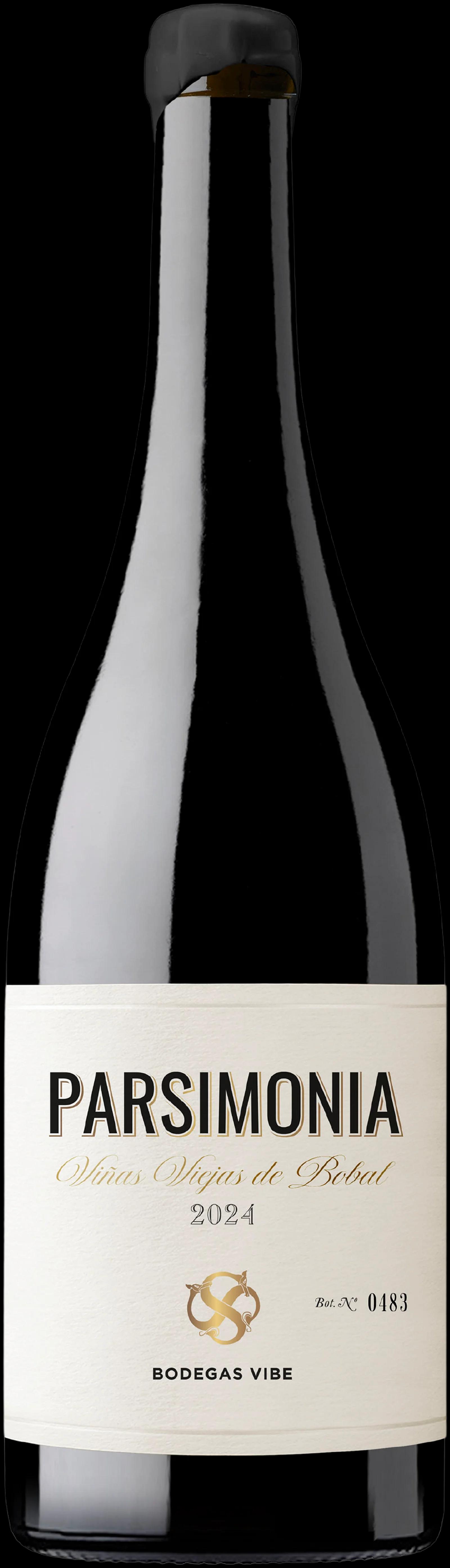
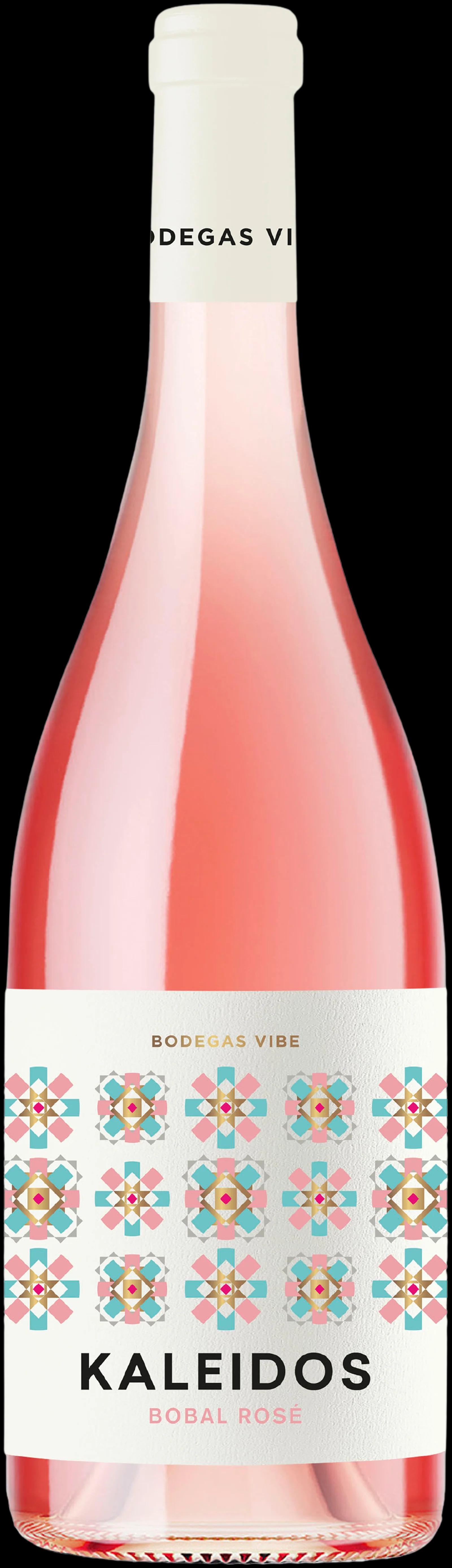
Two grapes define Valencia's winemaking identity more than any others. Monastrell — known as Mourvèdre in France — thrives in the drier, stonier soils of Alicante, producing dense reds with dark fruit and a firm structure that softens with age. Bobal is the workhorse of Utiel-Requena, one of Spain's most widely planted indigenous varieties, and a grape that has been quietly reassessed over the past two decades: old-vine Bobal, grown at altitude on its own roots, can produce wines with genuine complexity and a freshness that contradicts its hot-climate reputation. Moscatel de Alejandría has long been harvested along Valencia's coast for sweet wines and raisins, though some producers now use it to make dry and off-dry whites of real aromatic interest. Winemakers working across Spanish wines increasingly look to Valencia for these indigenous varieties, alongside Garnacha, Monastrell and the region's emerging expressions of Tempranillo. For a broader picture of what independent estates across Spain are producing, the Spanish wineries and Murcia wineries pages offer a useful comparison with Valencia's southern neighbour.