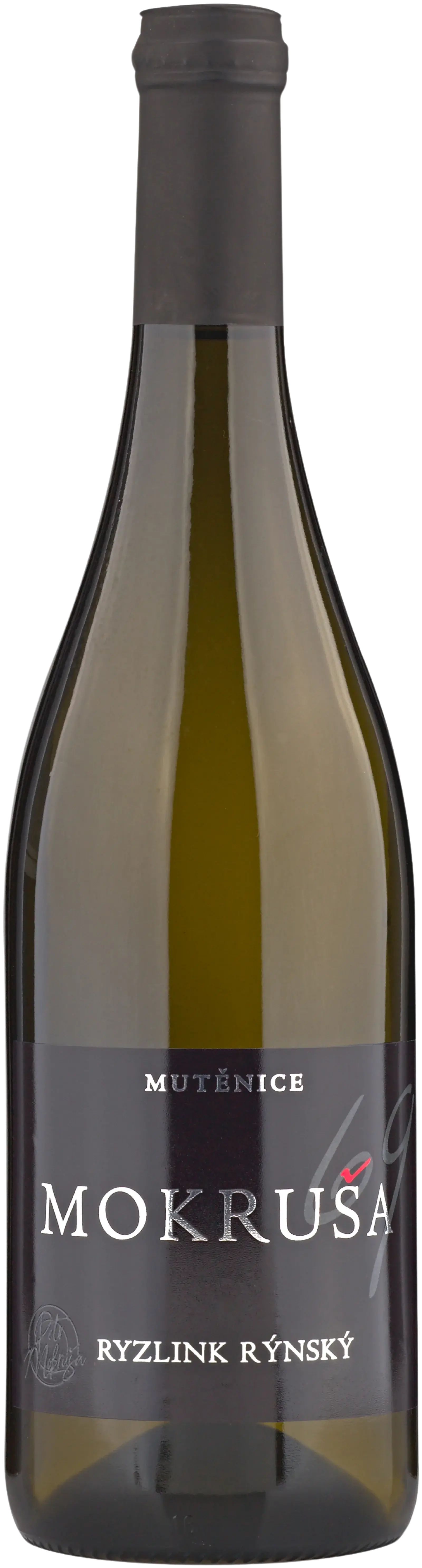
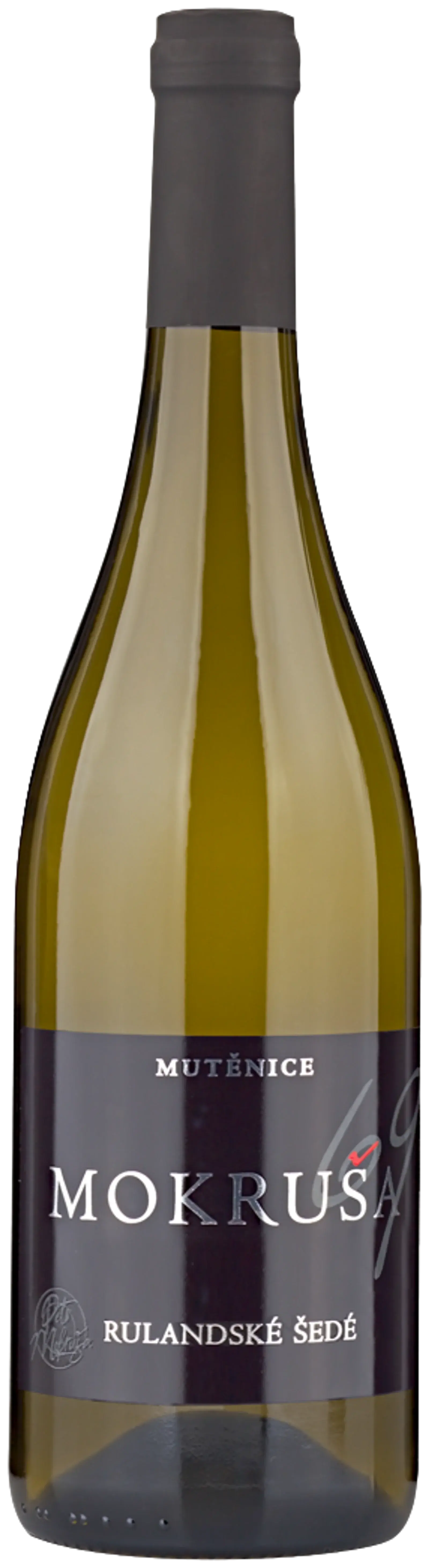
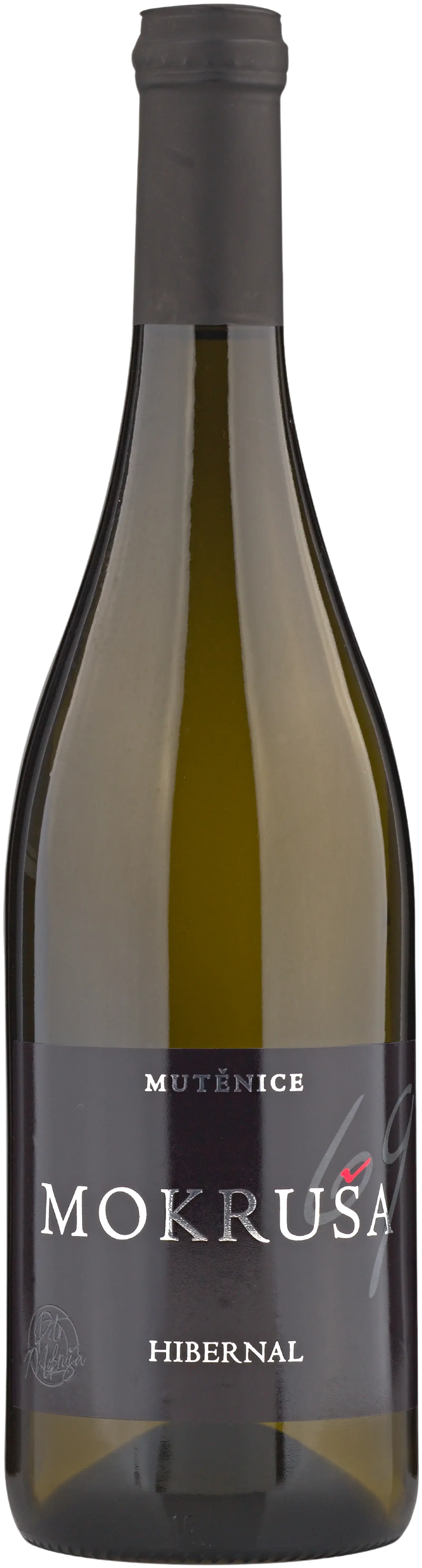
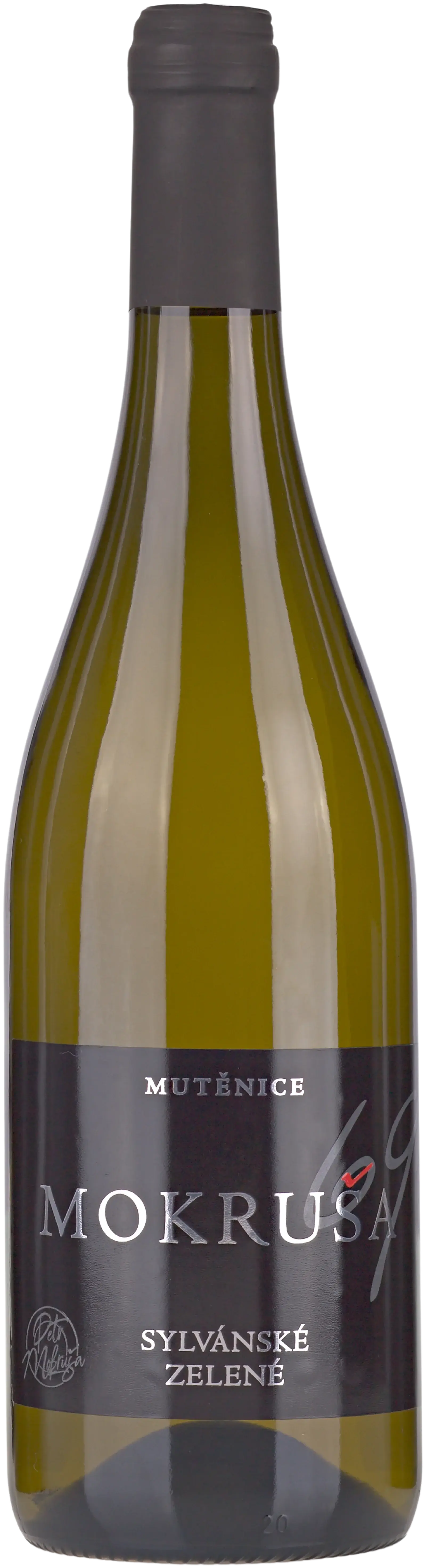
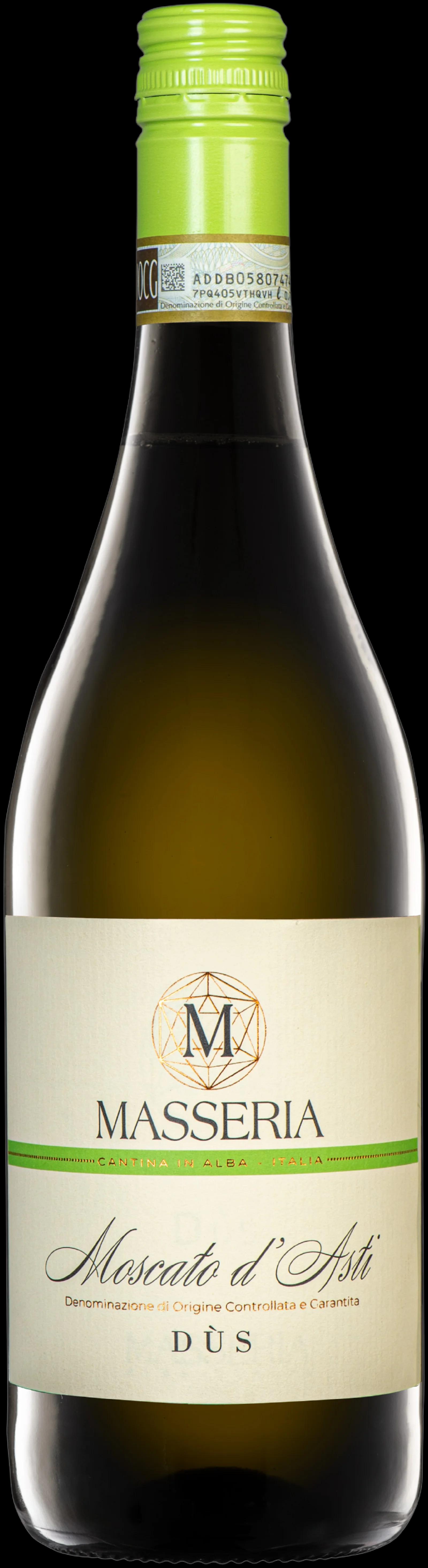
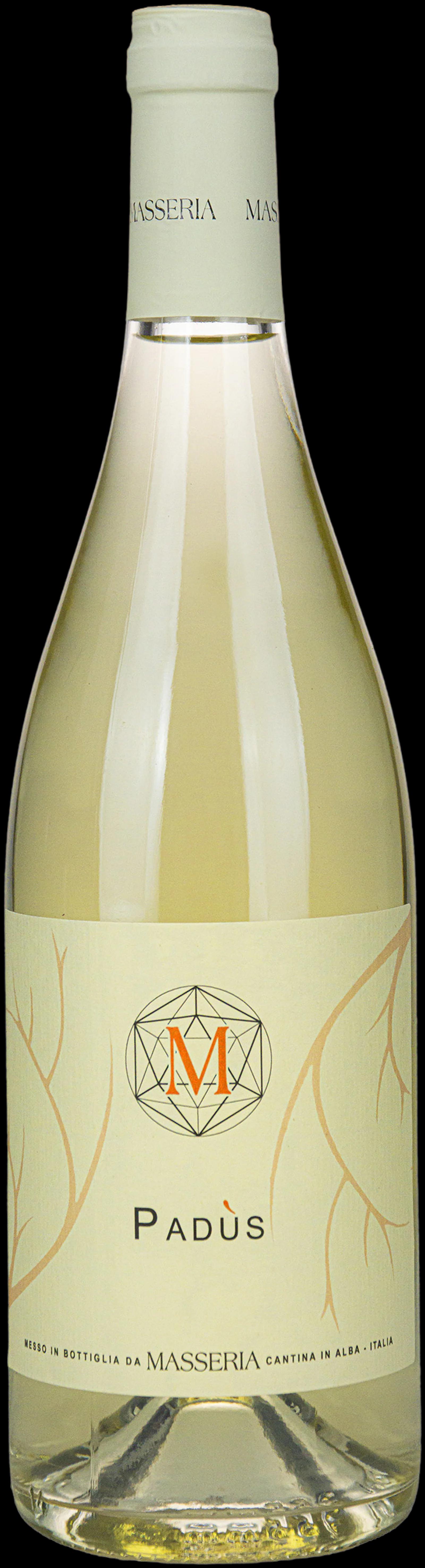
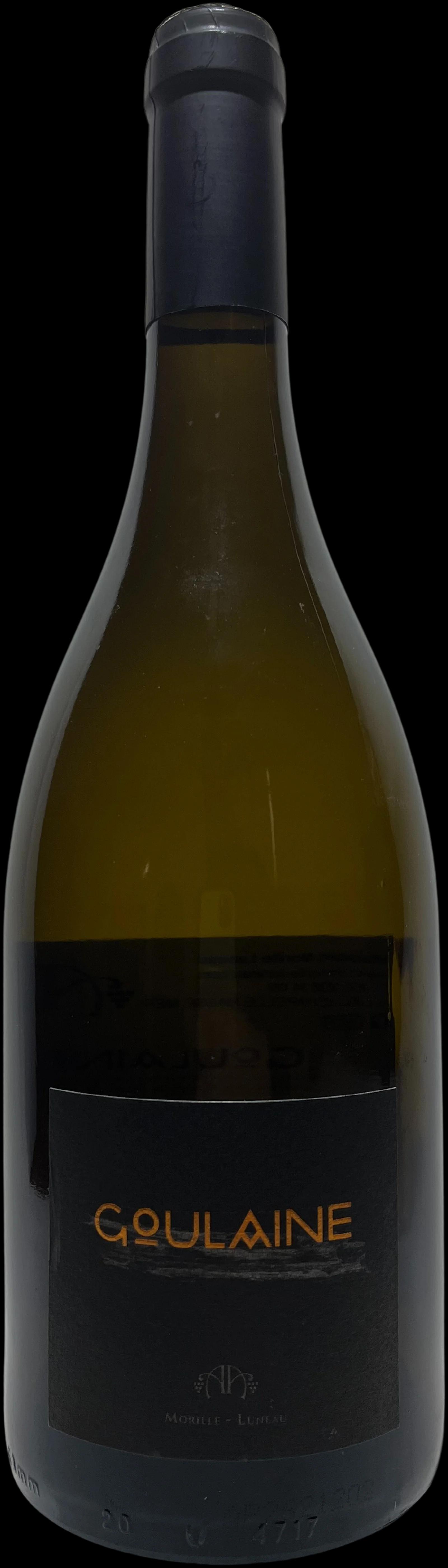
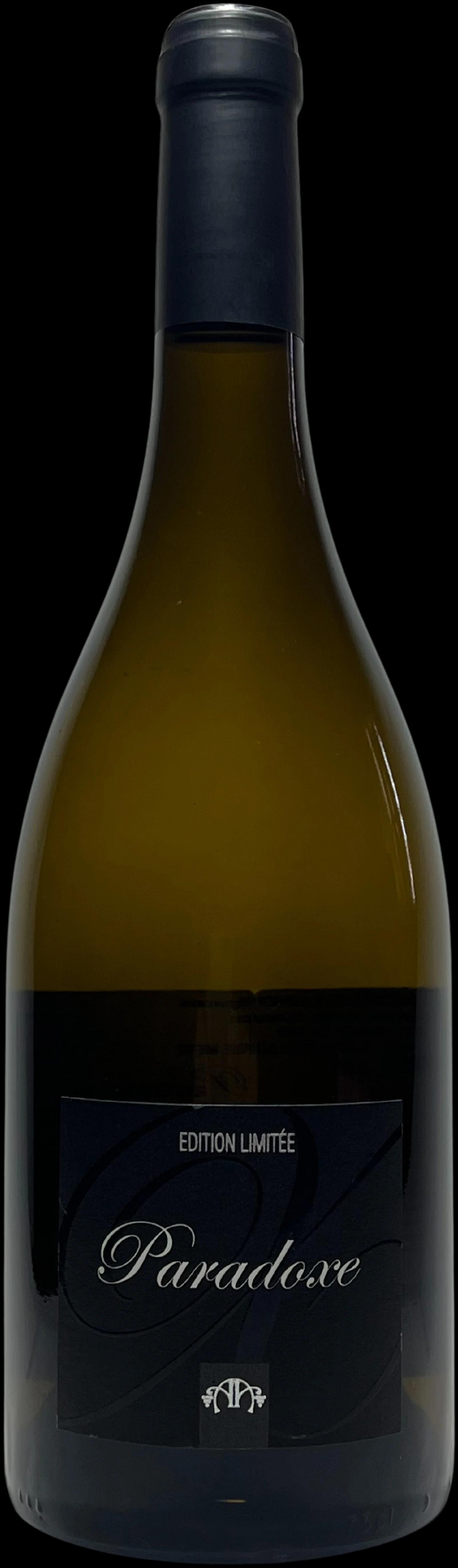
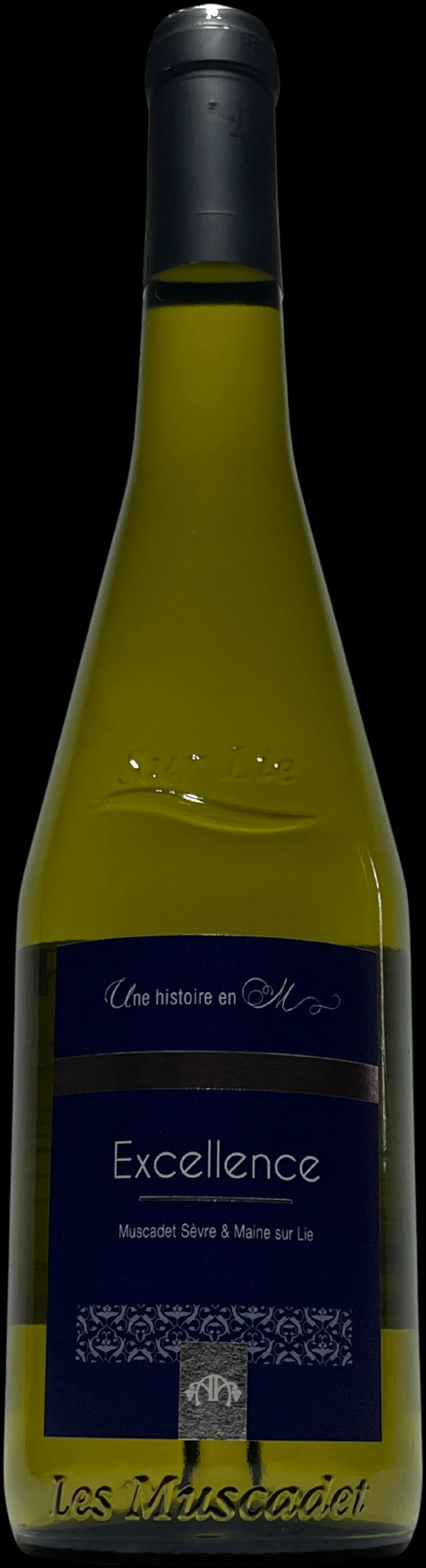
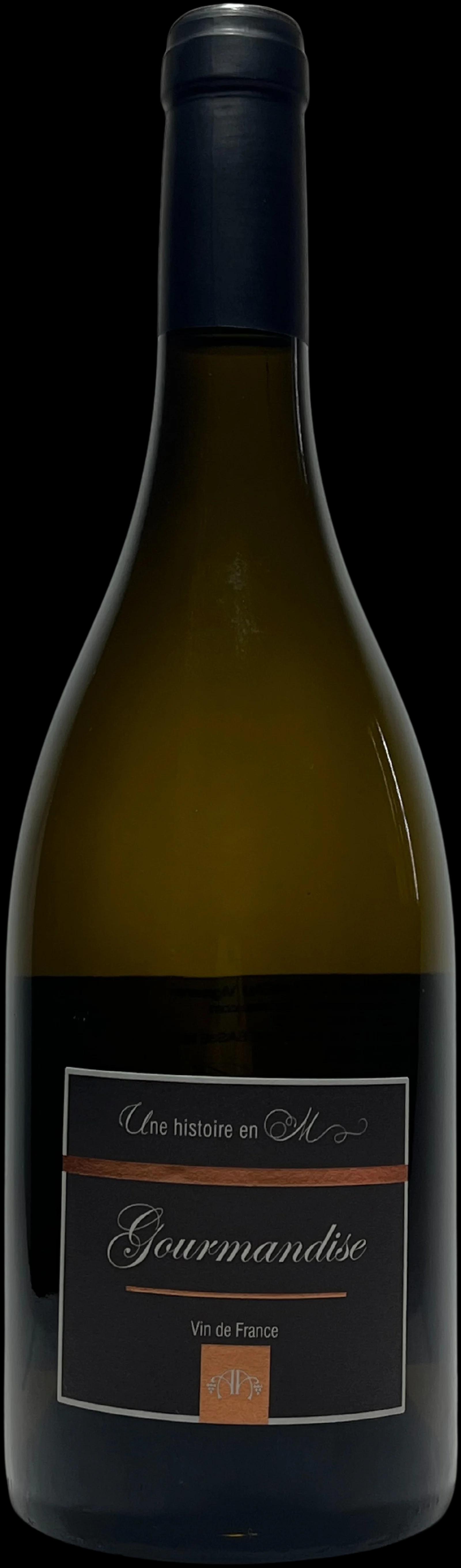
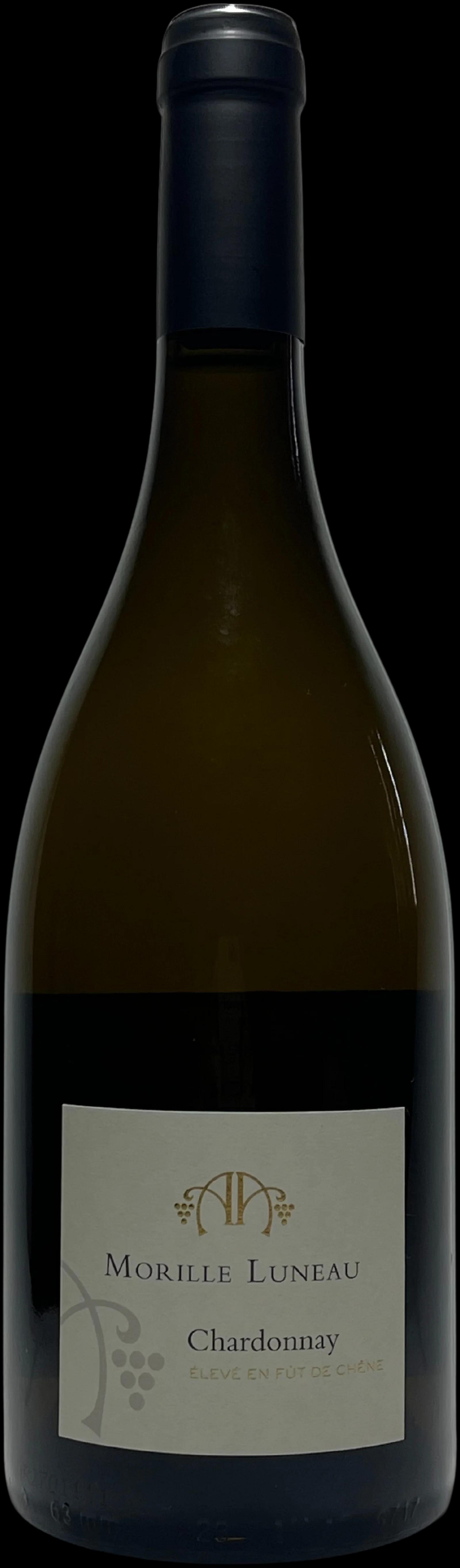
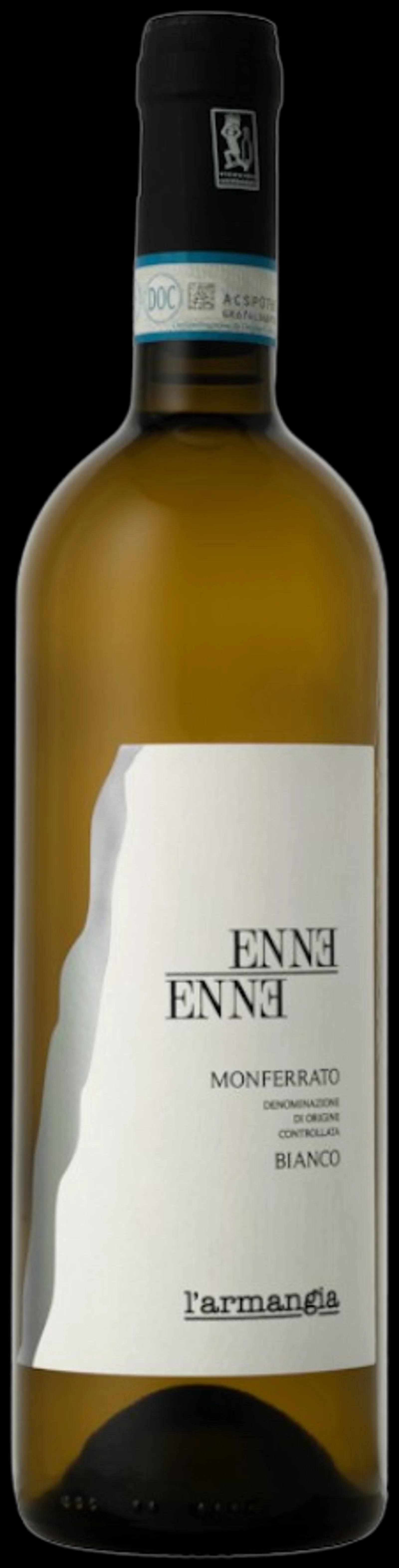
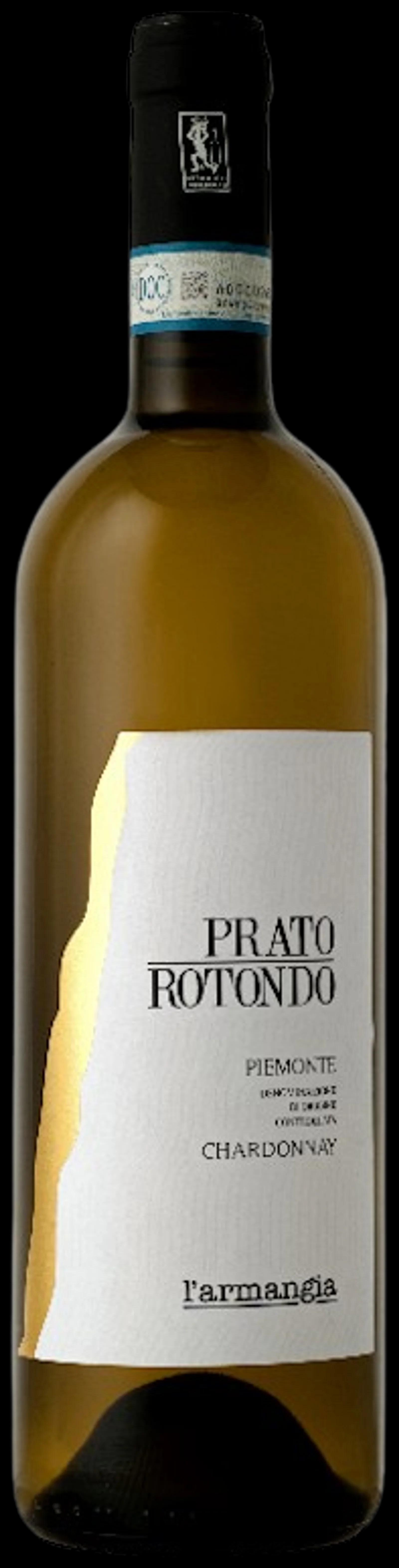
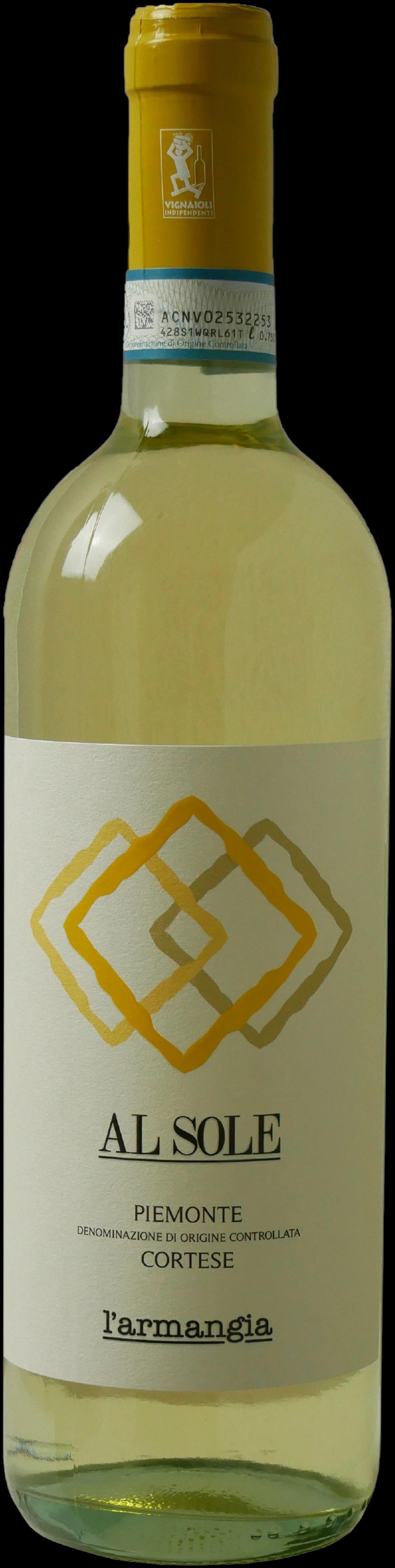
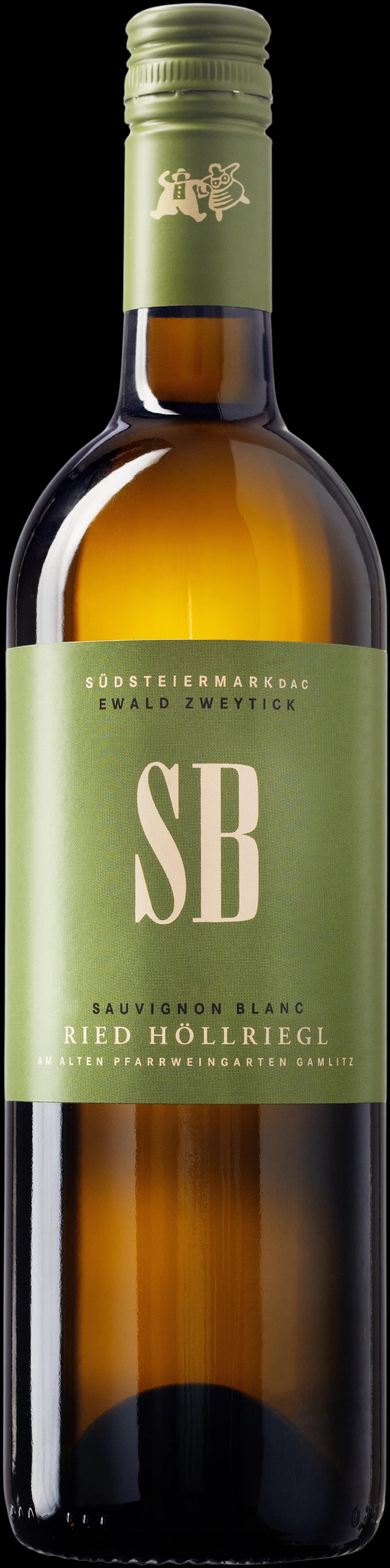
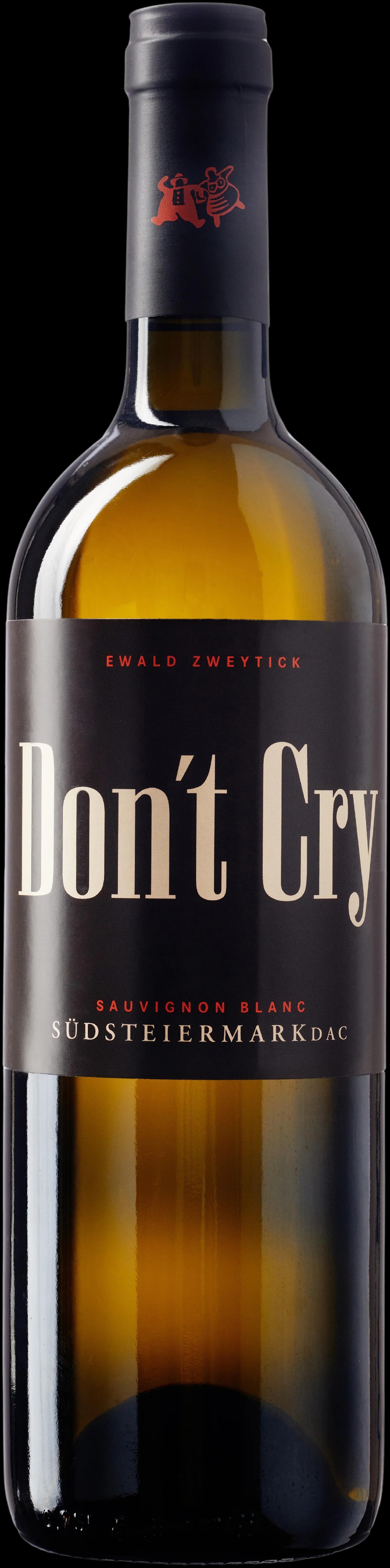
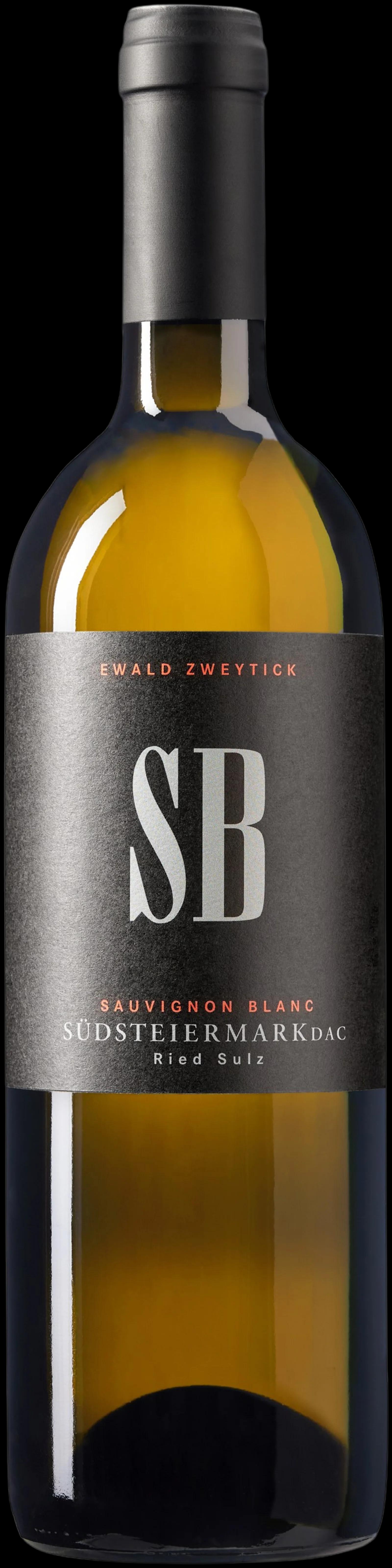
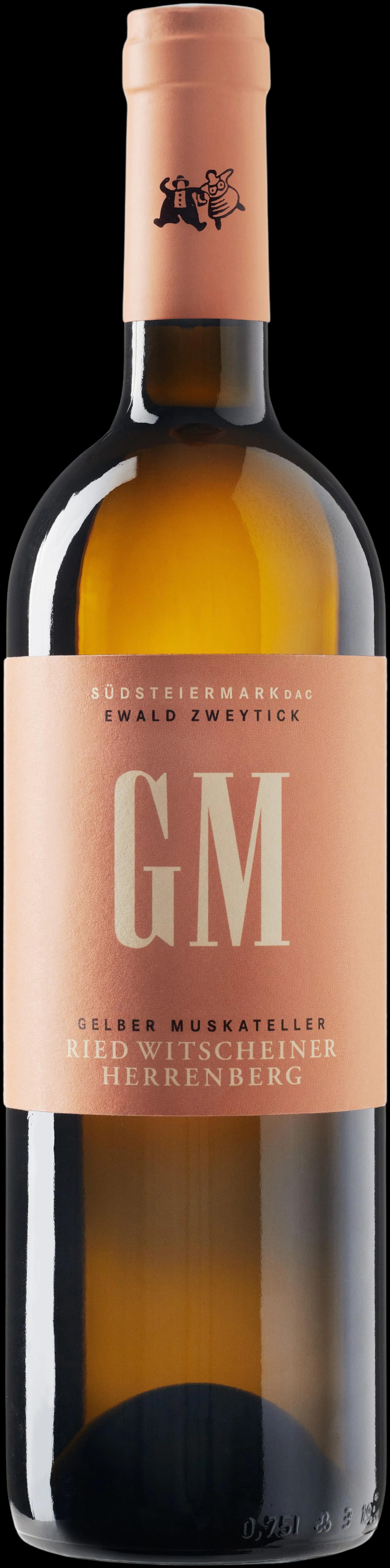
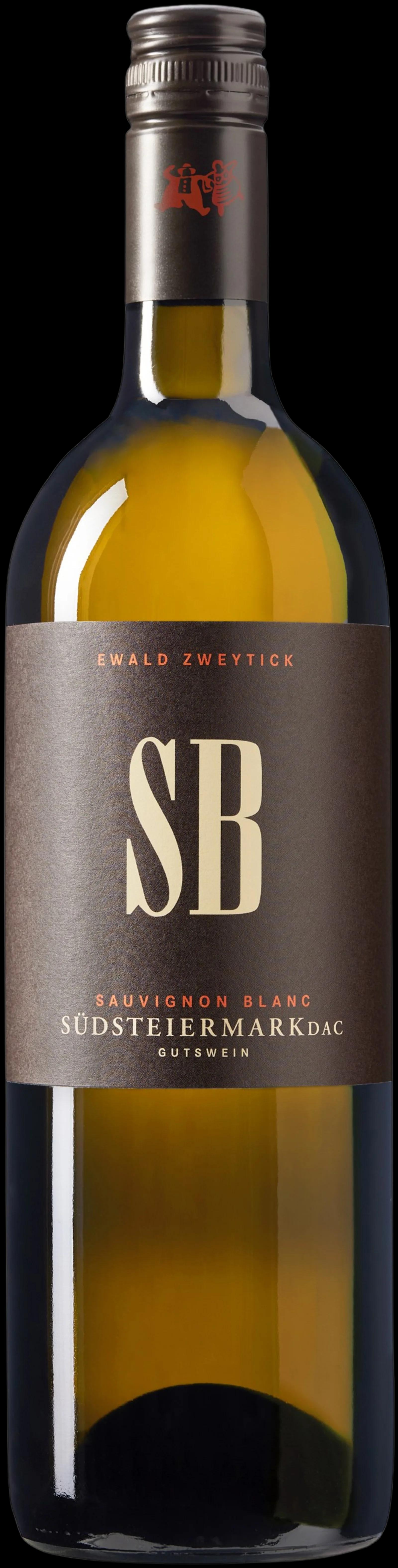
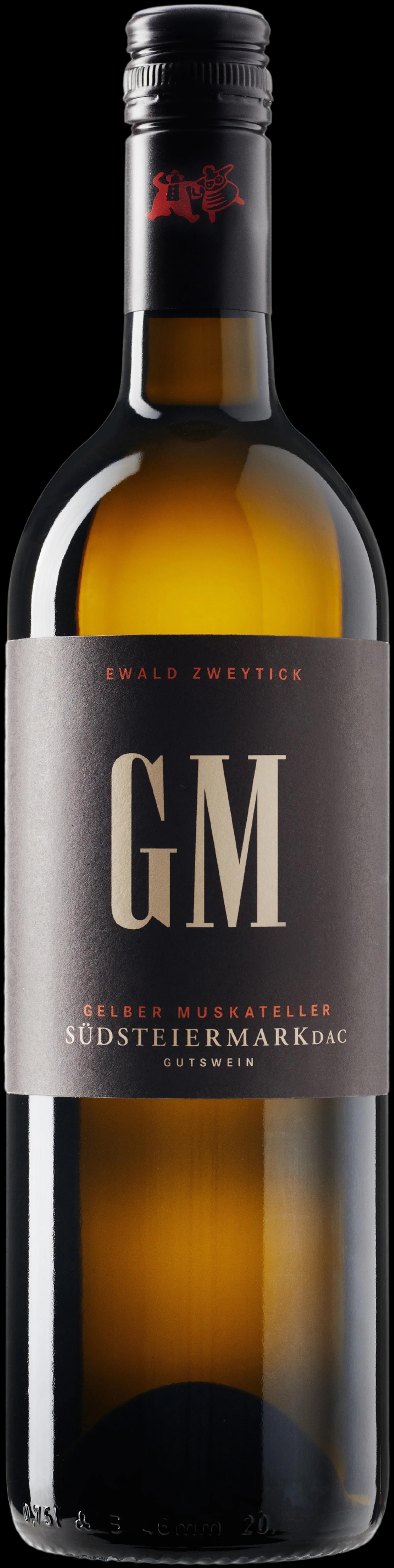
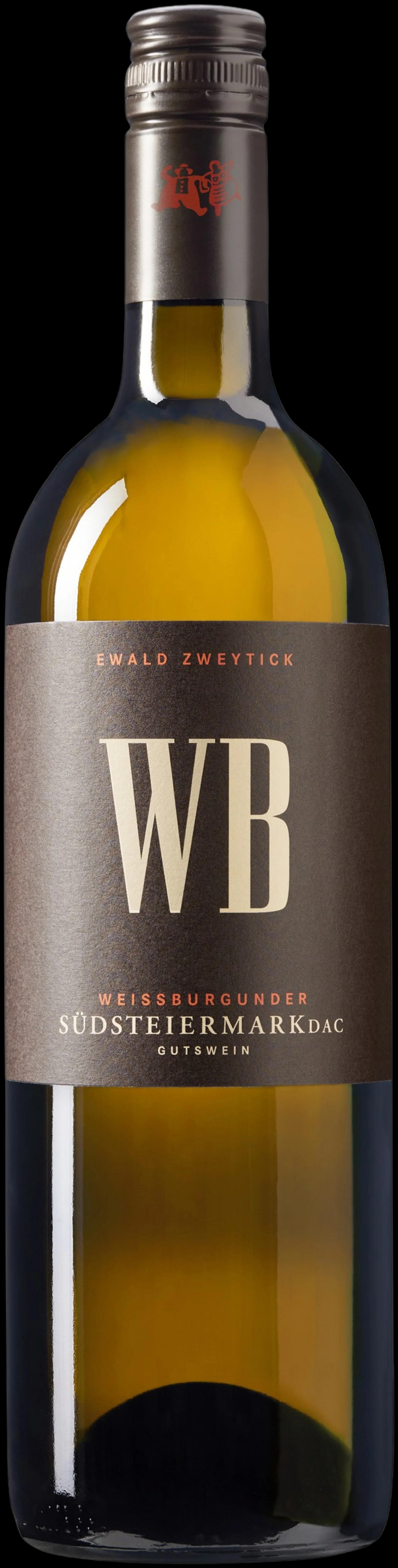
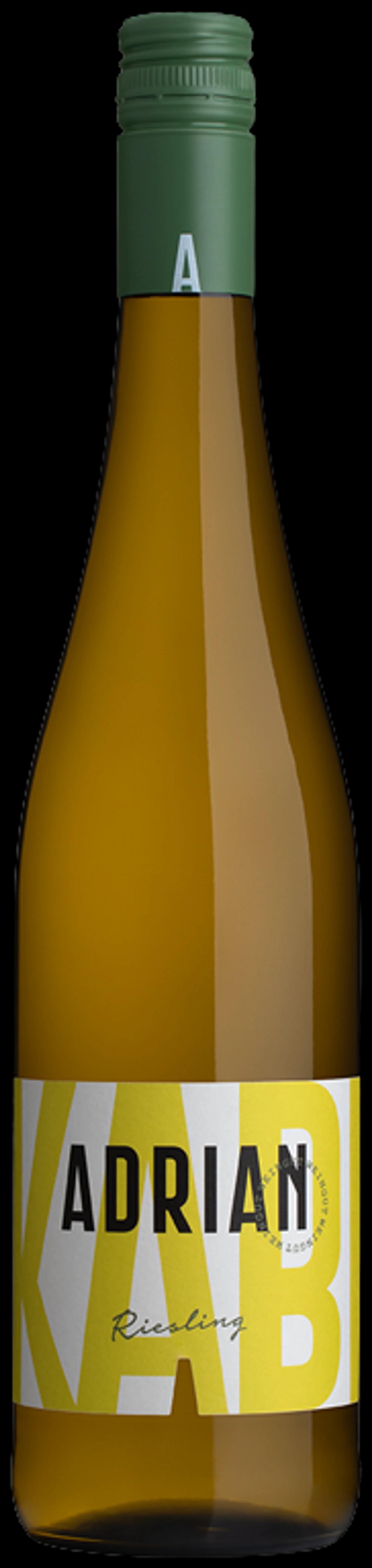
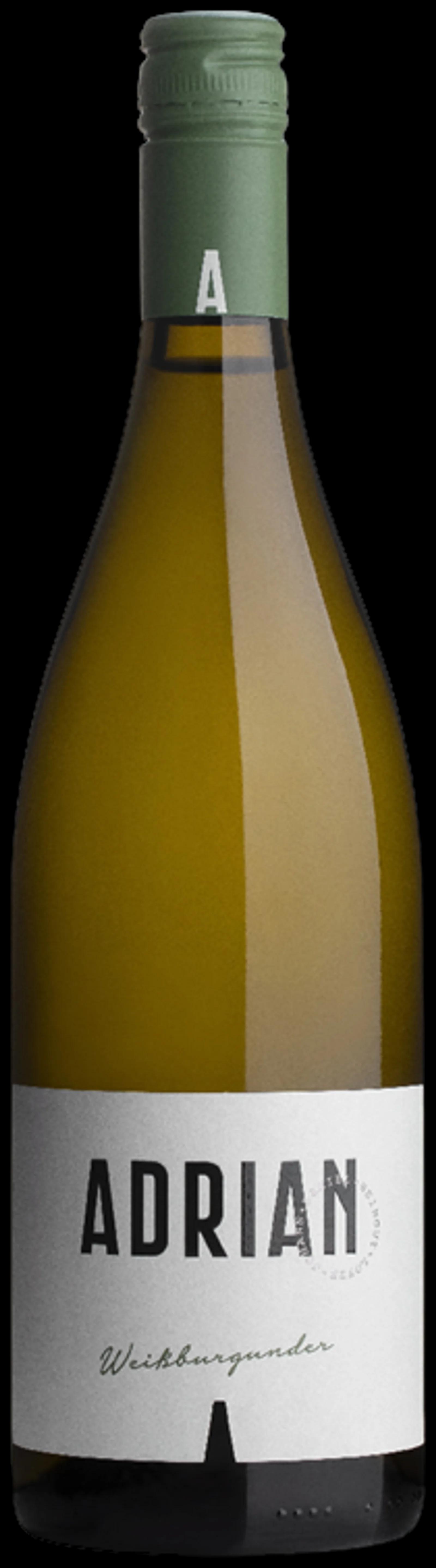
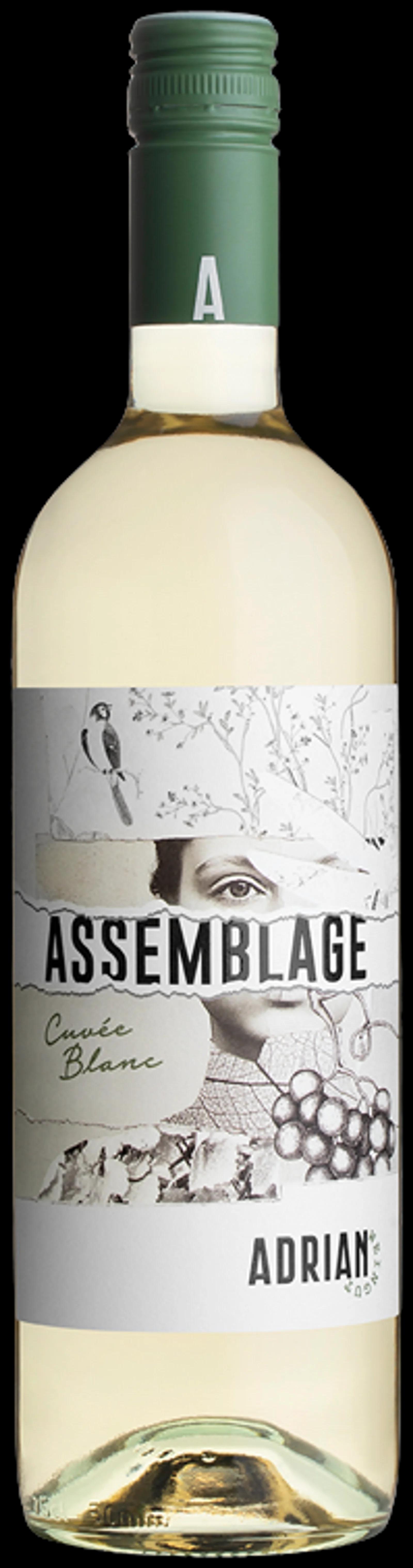
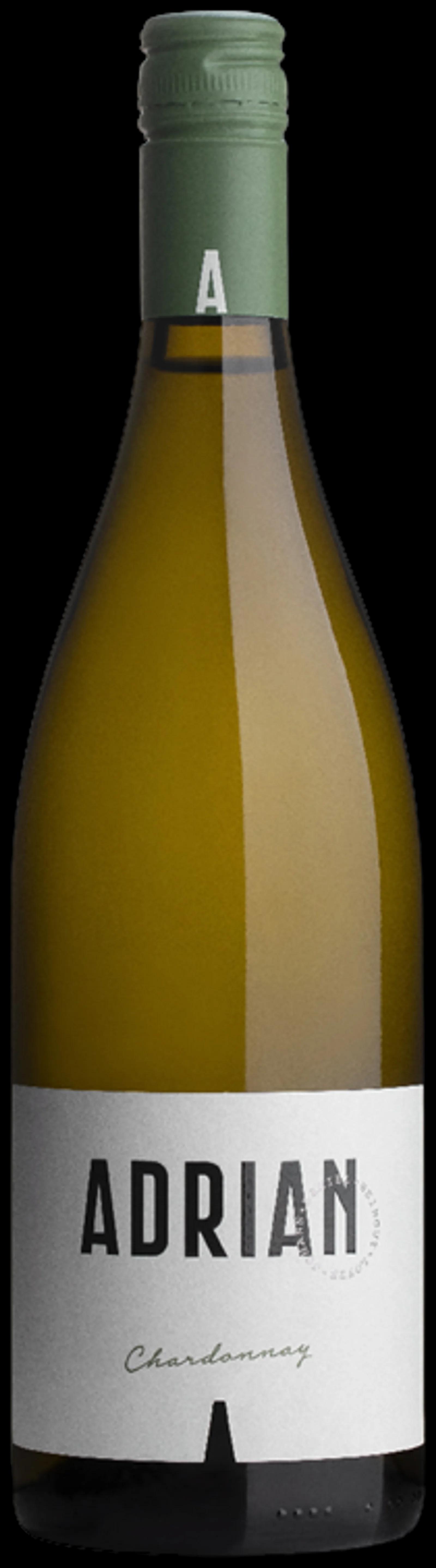
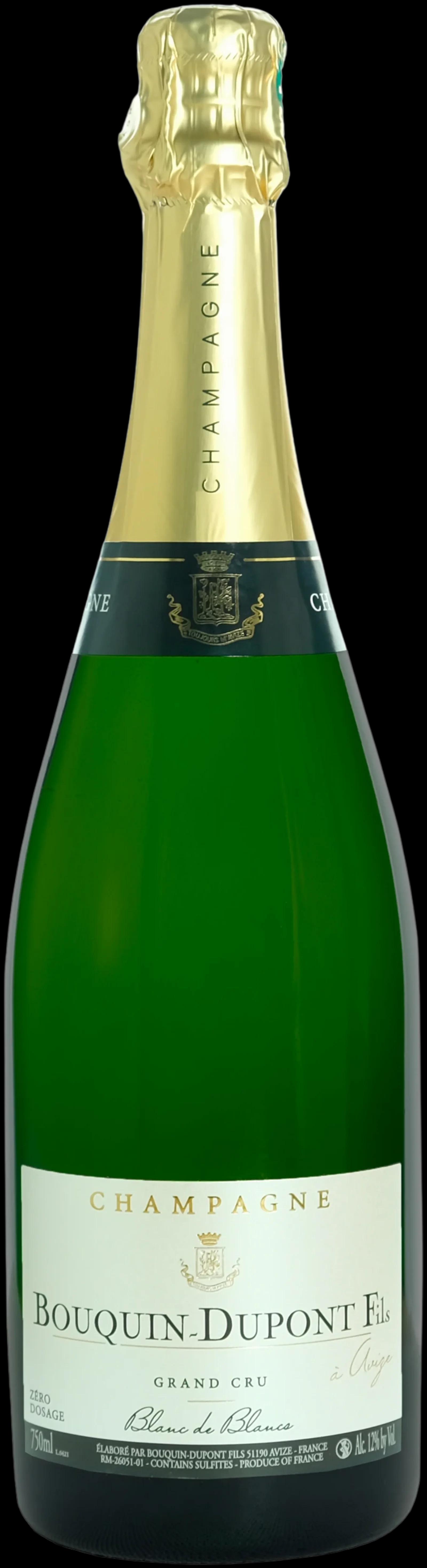
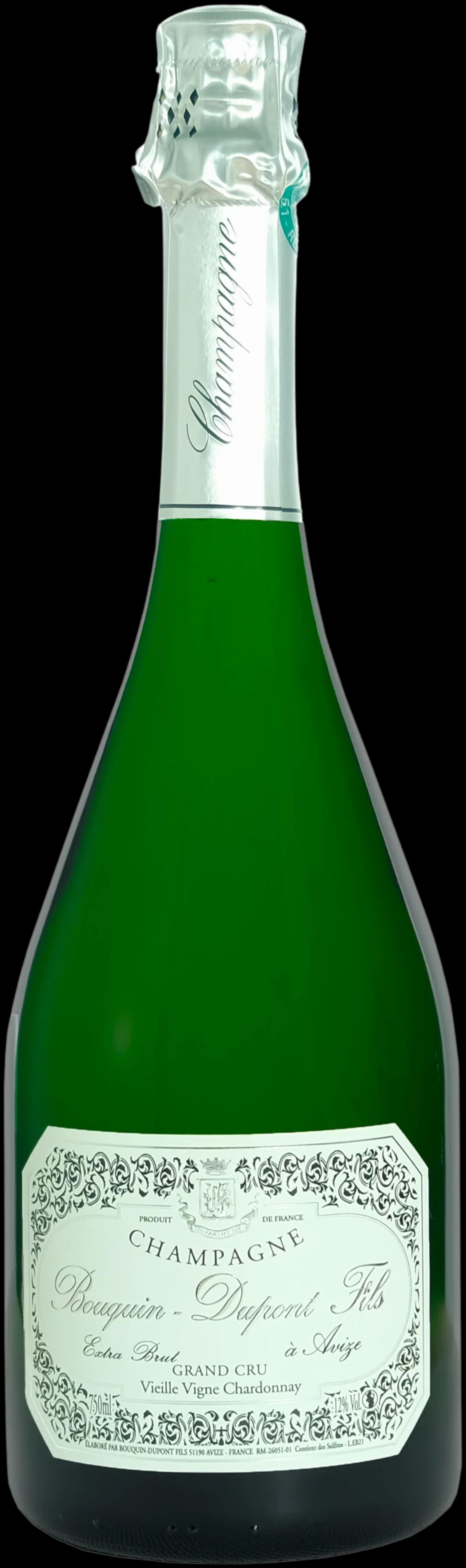
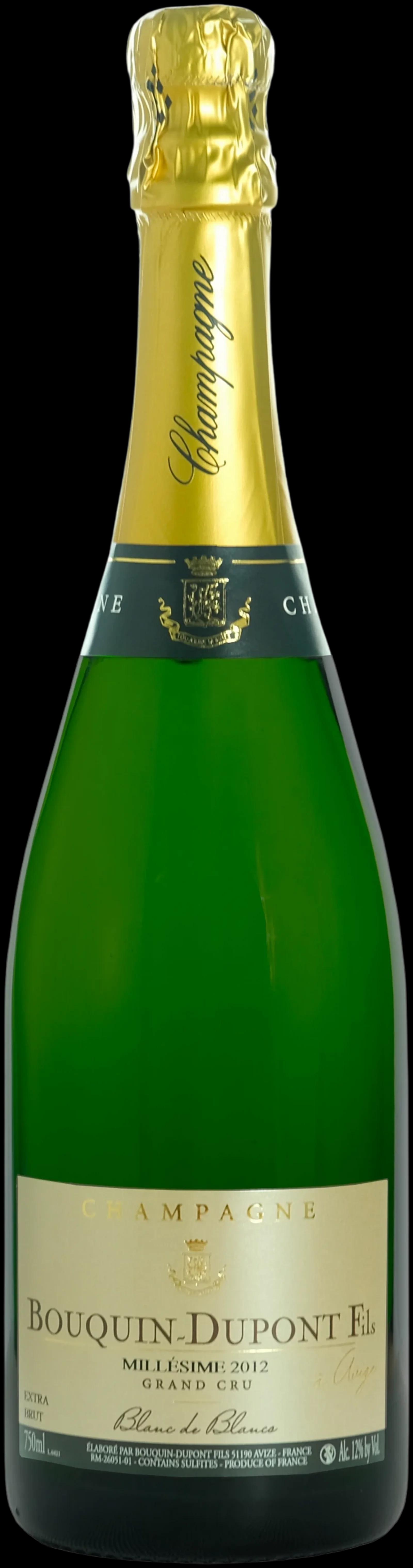
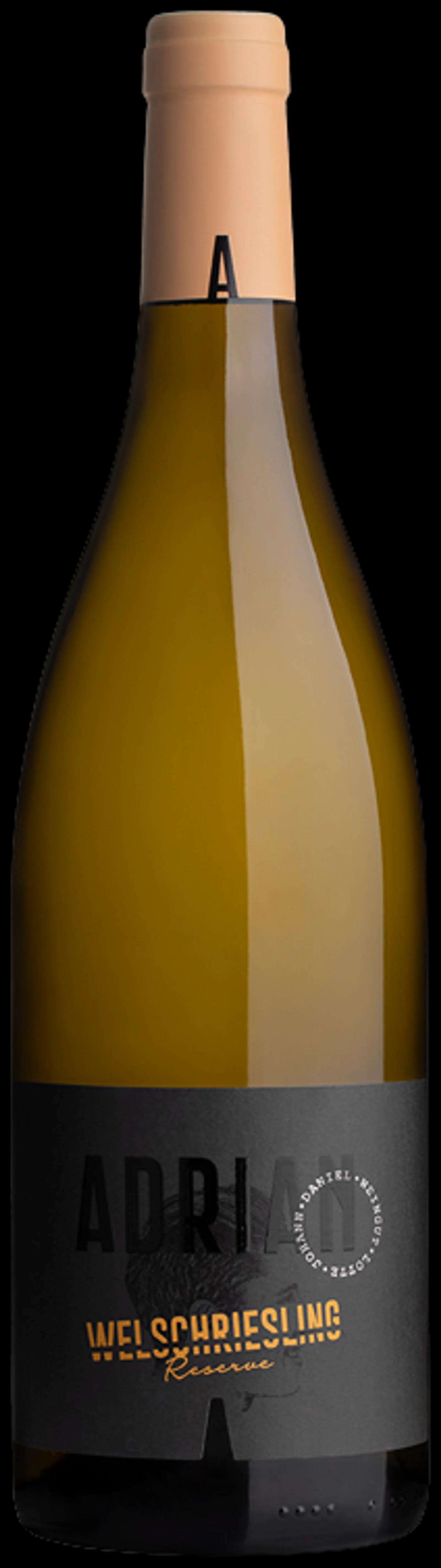
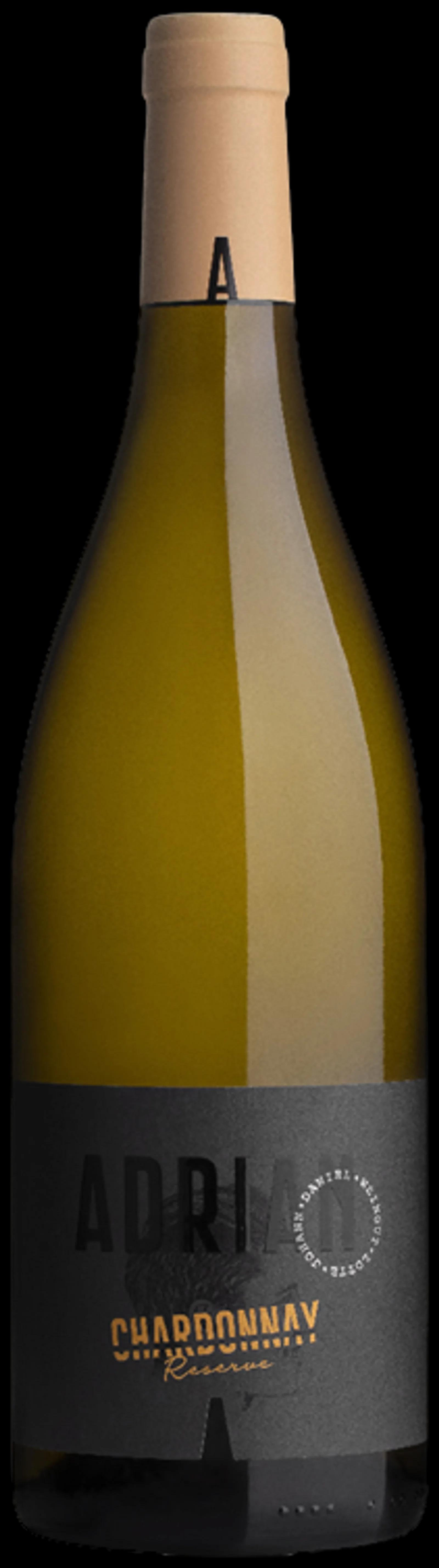
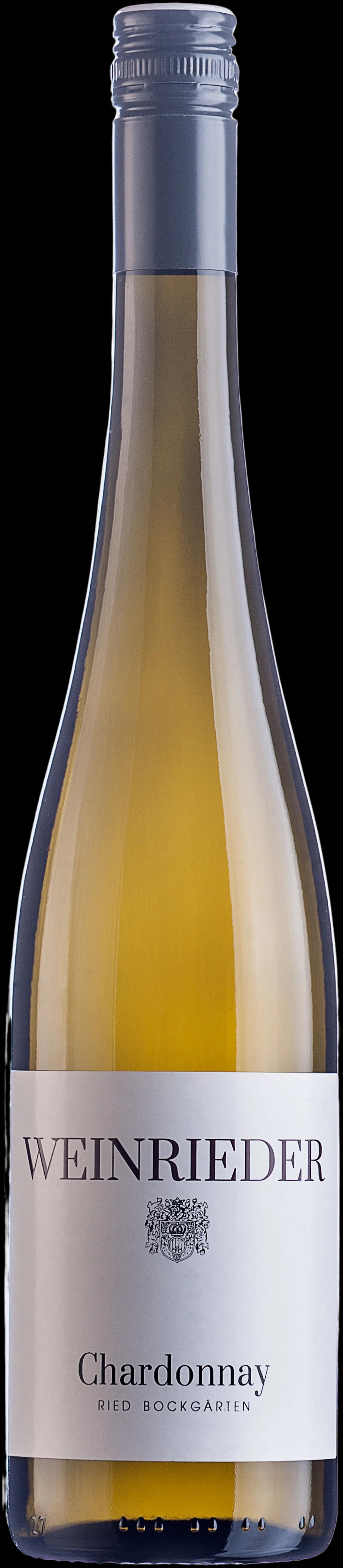
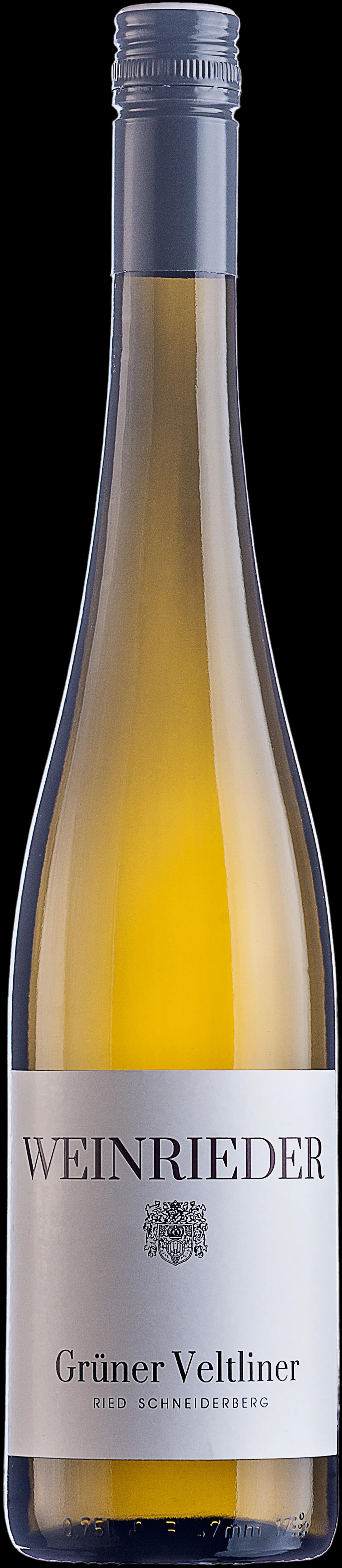
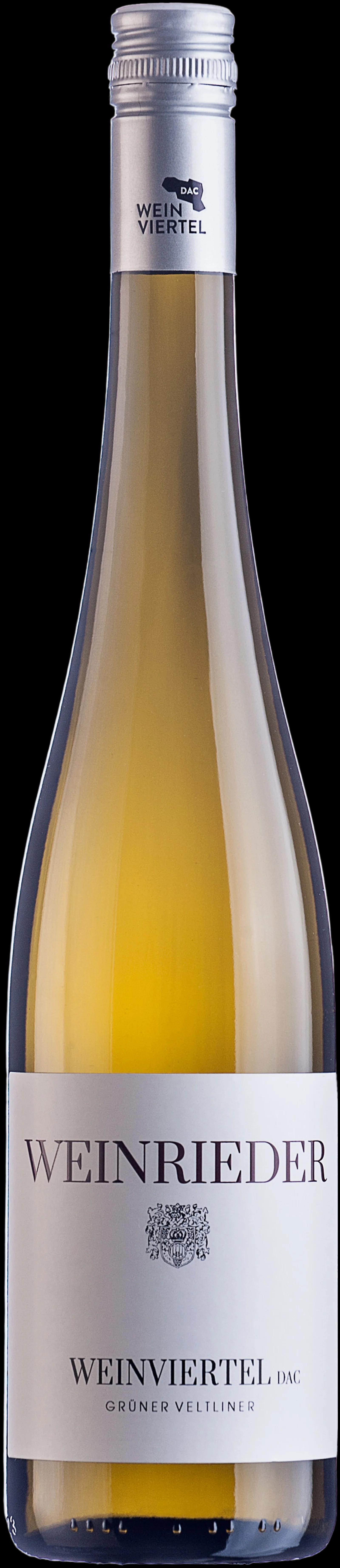
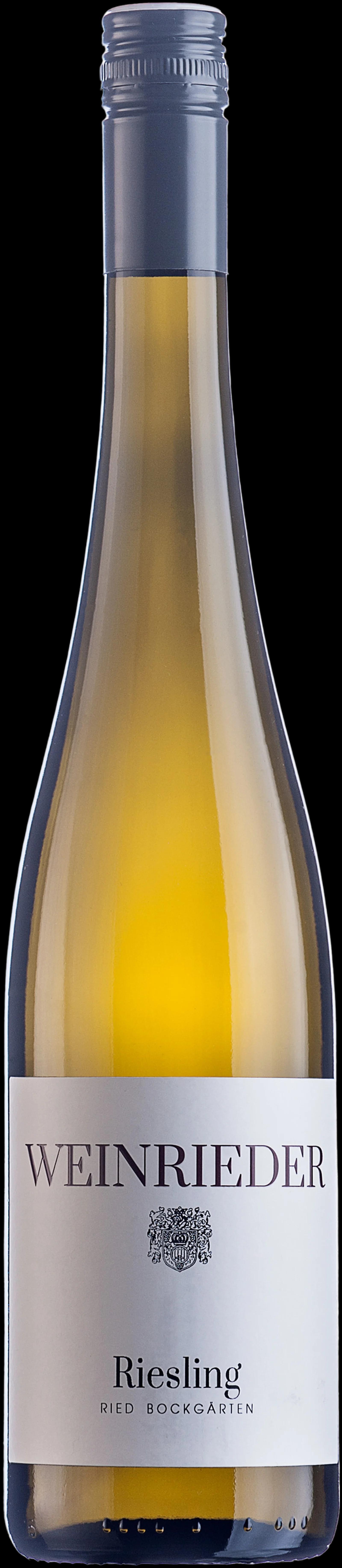
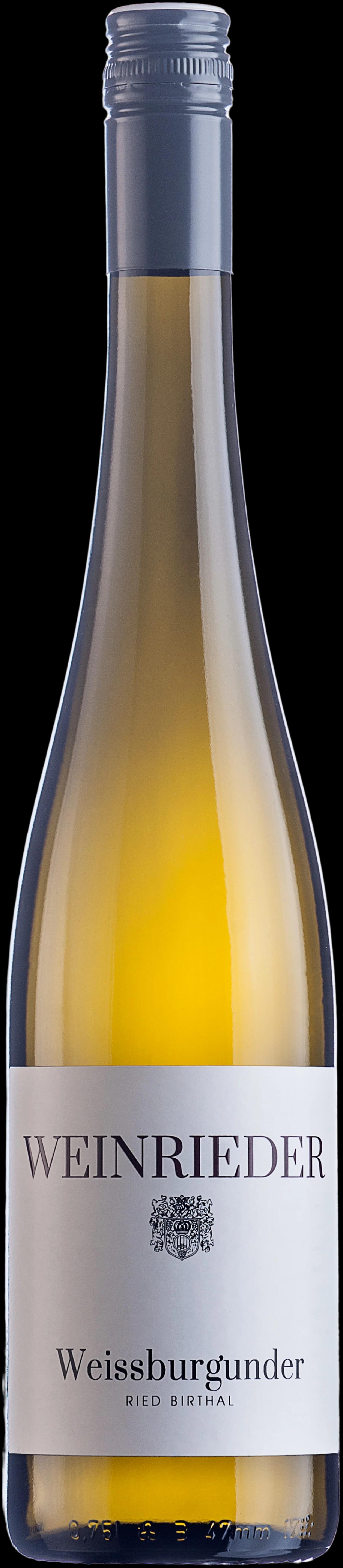
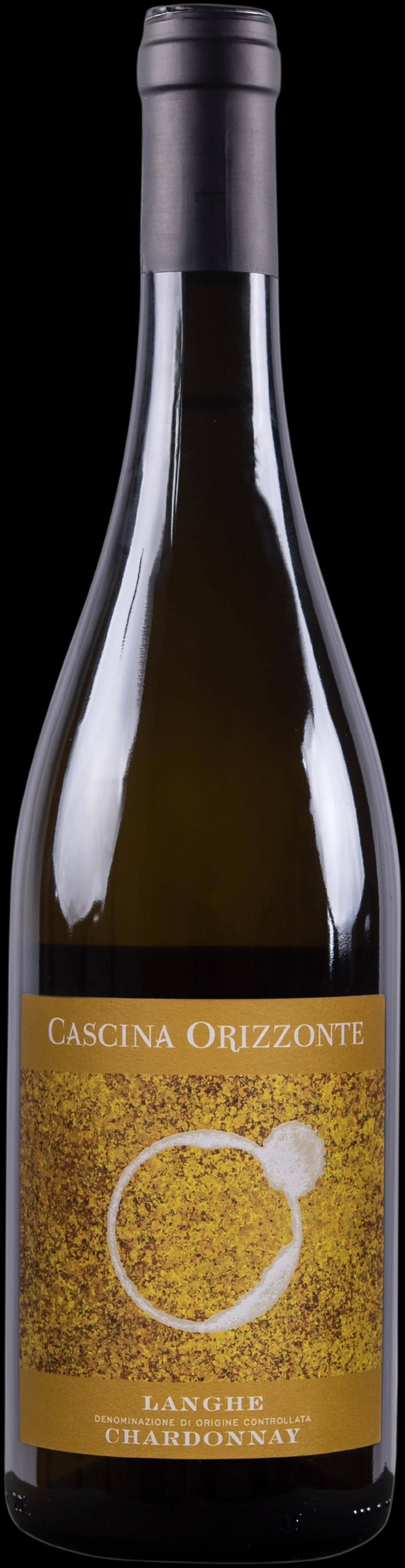
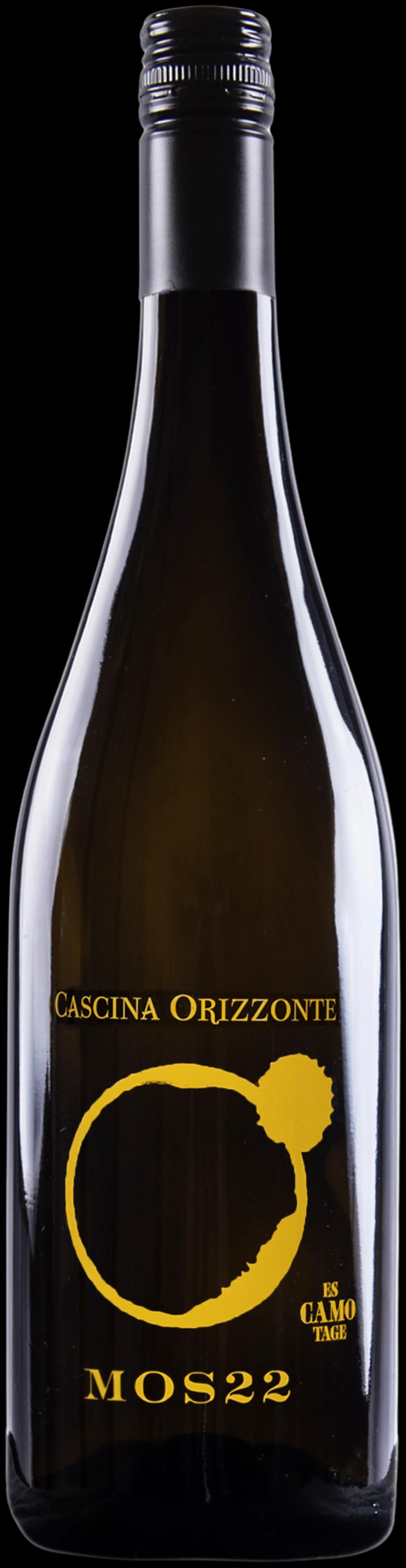
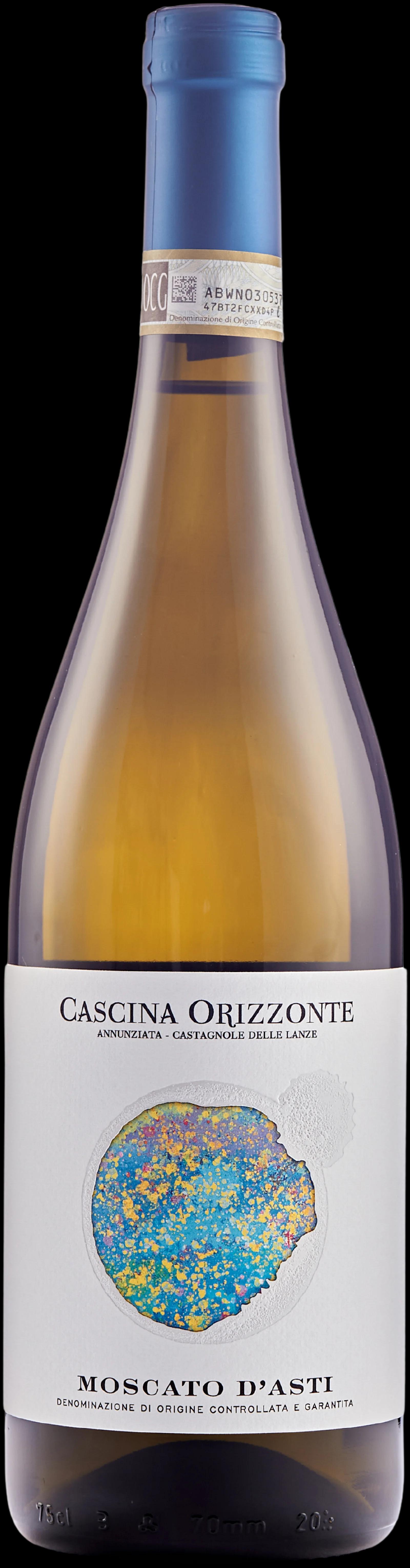
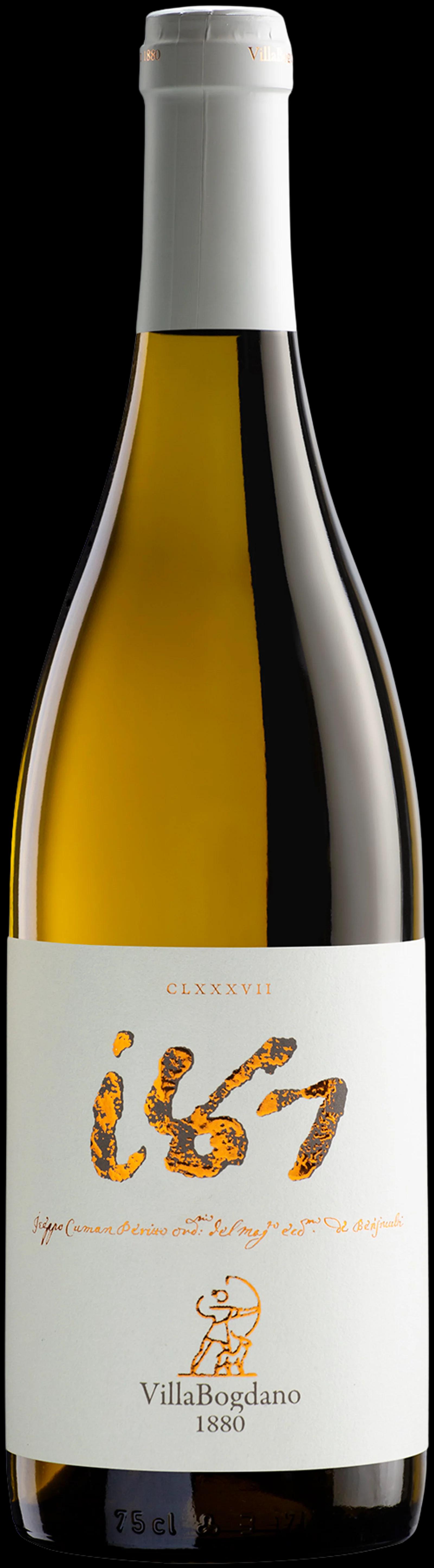
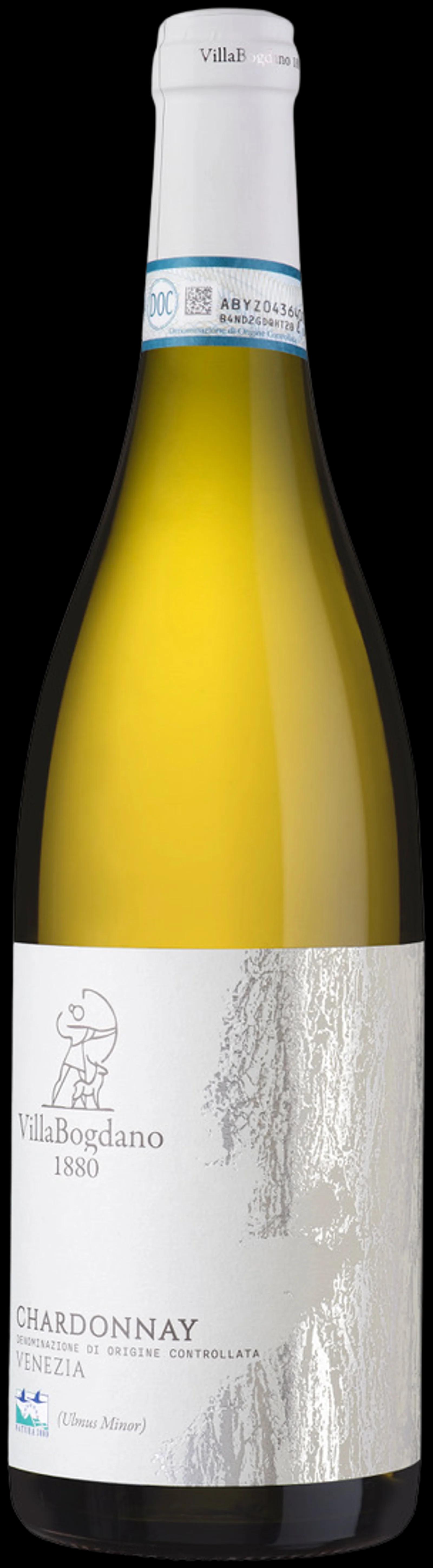
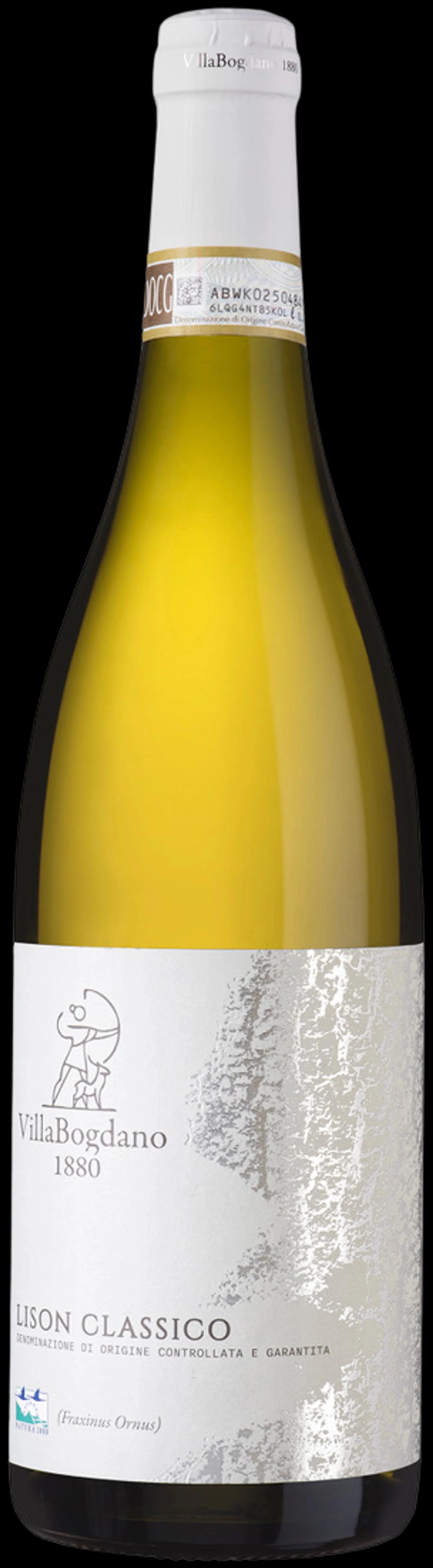
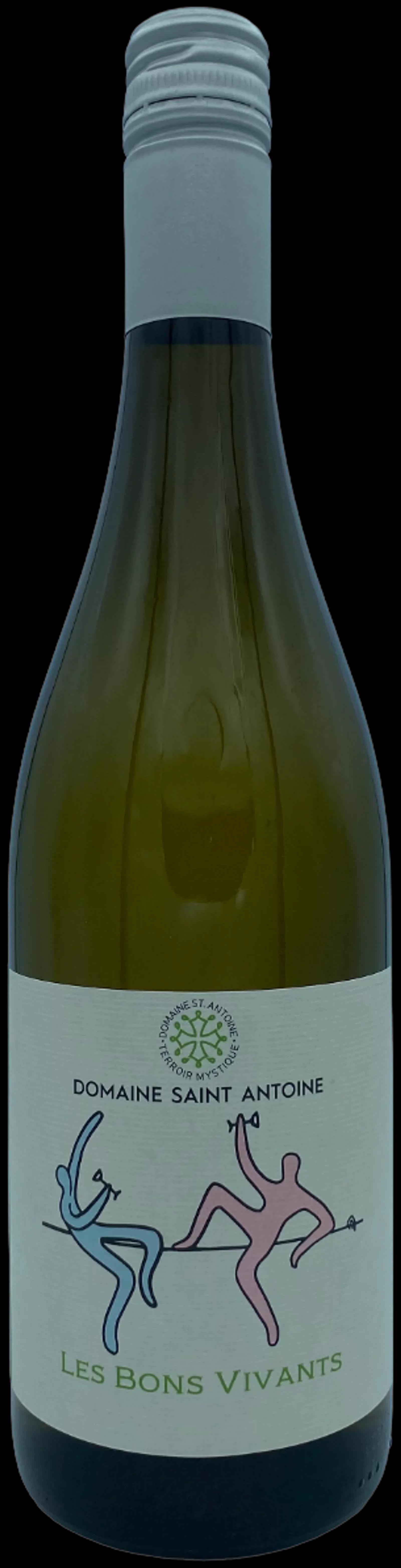
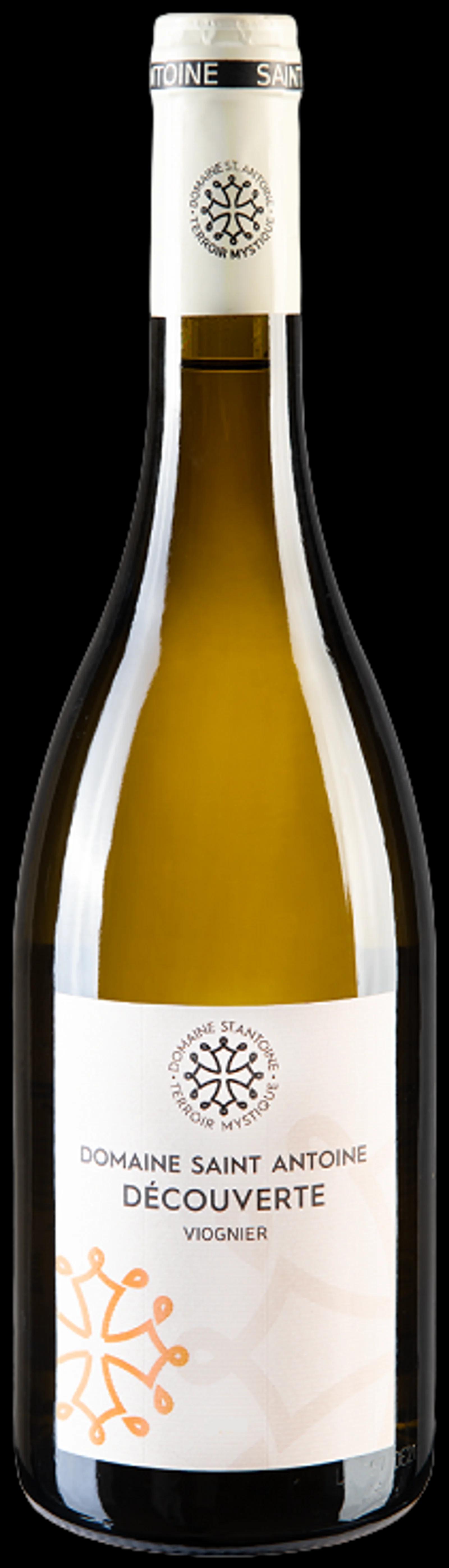
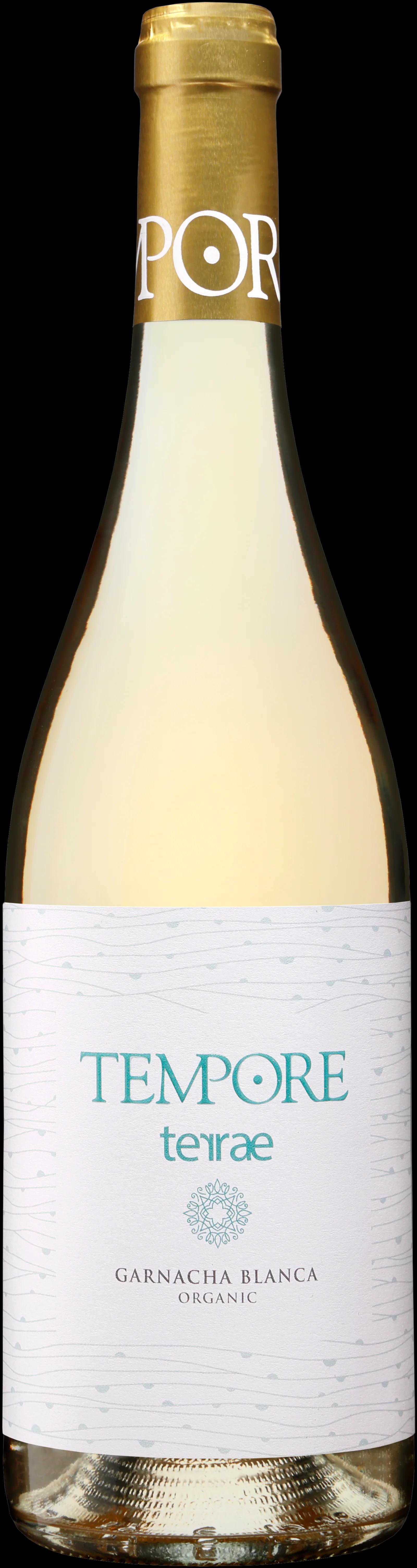
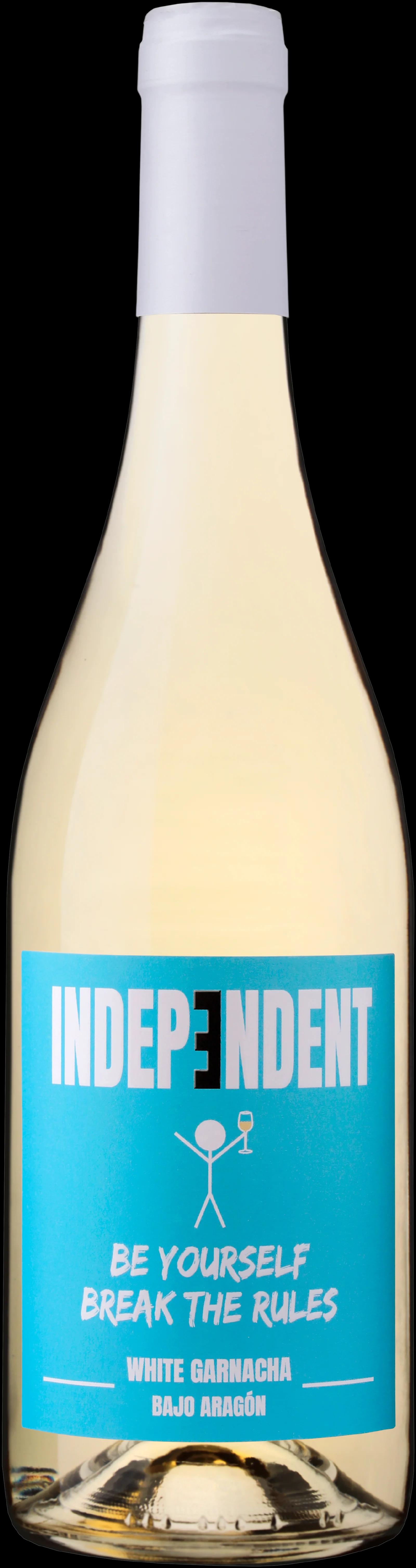
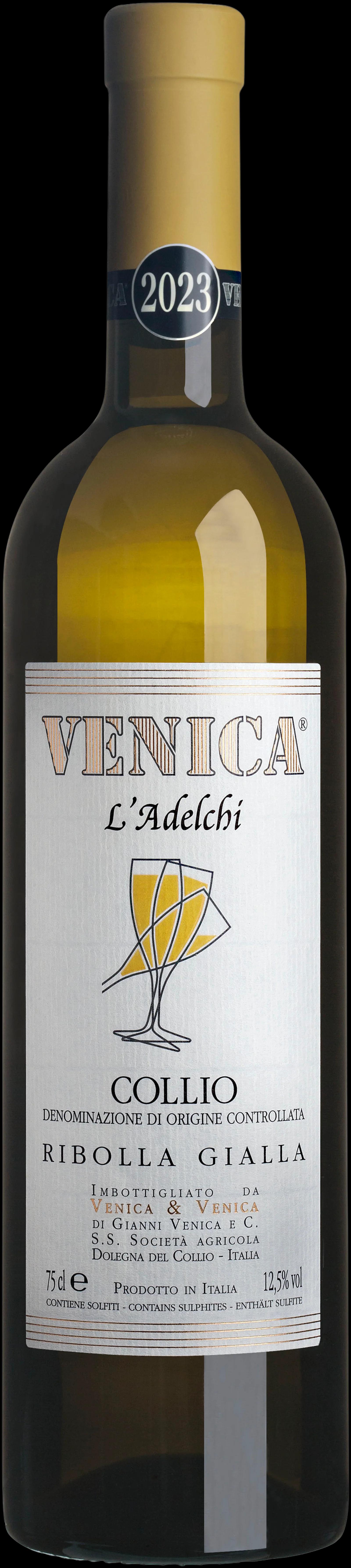
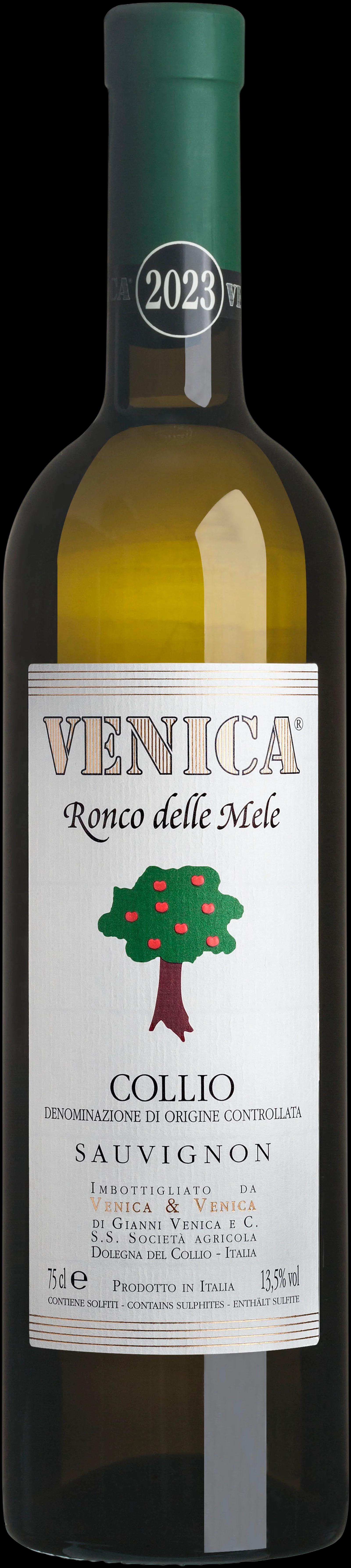
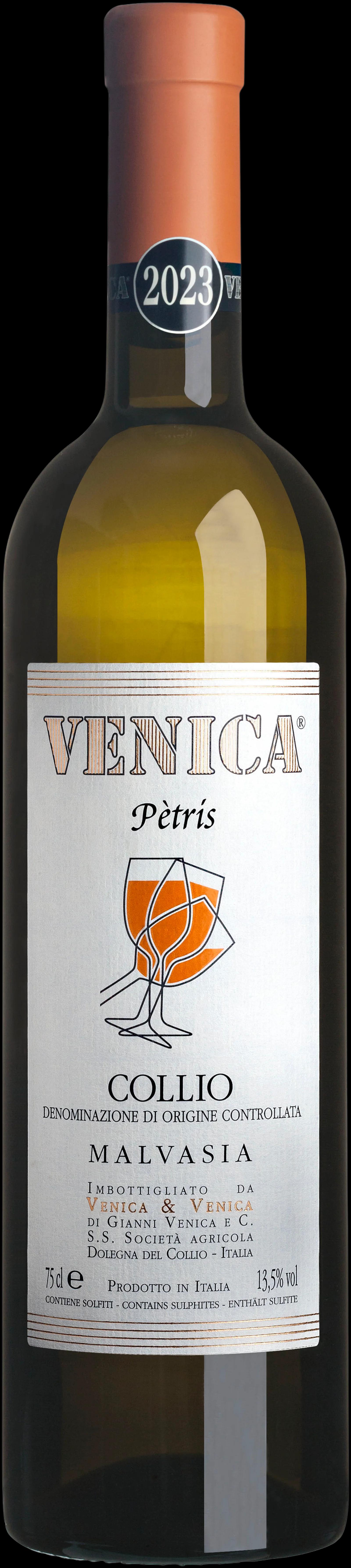
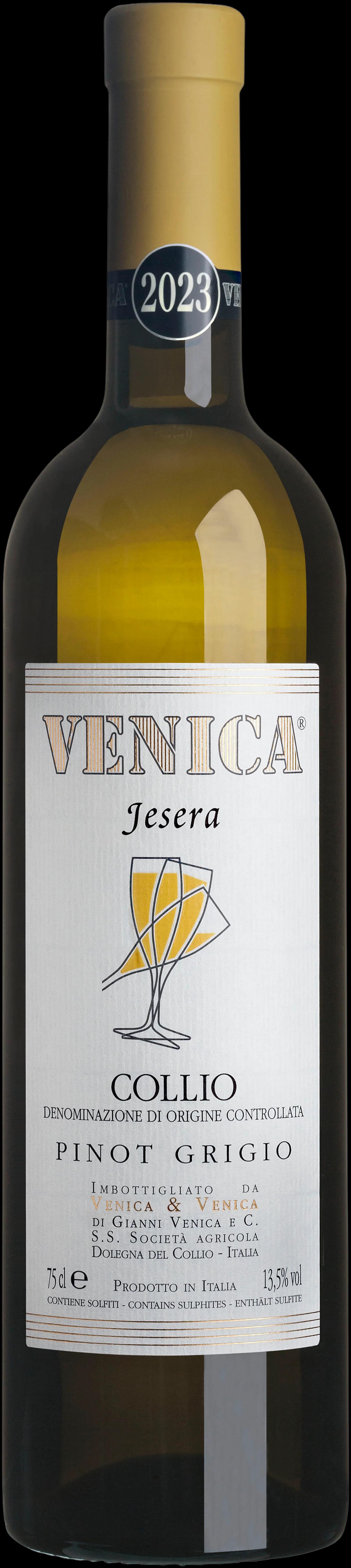
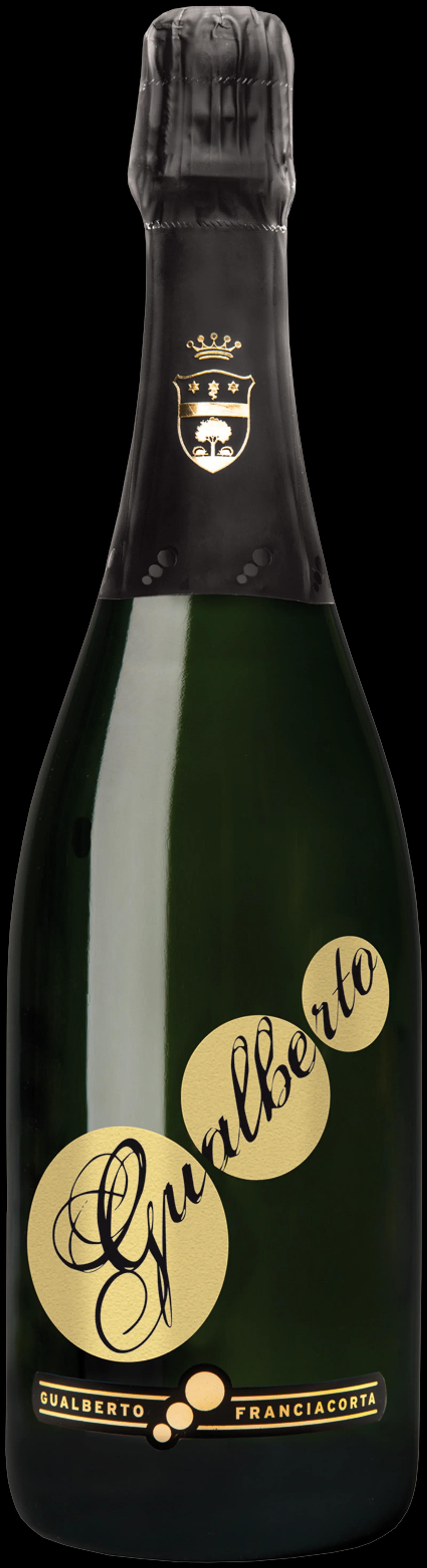
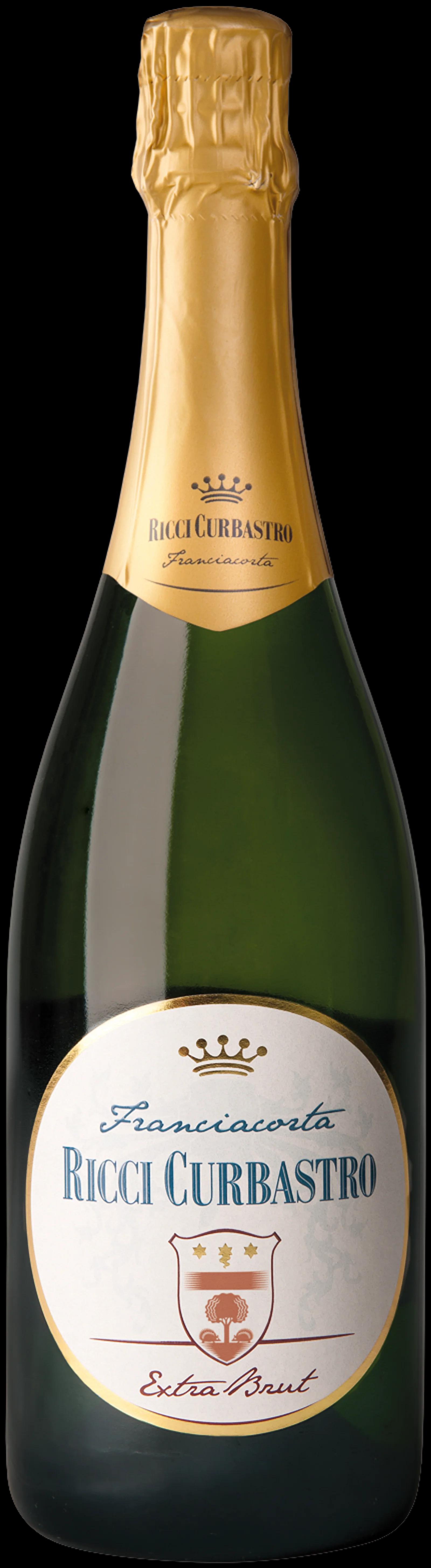
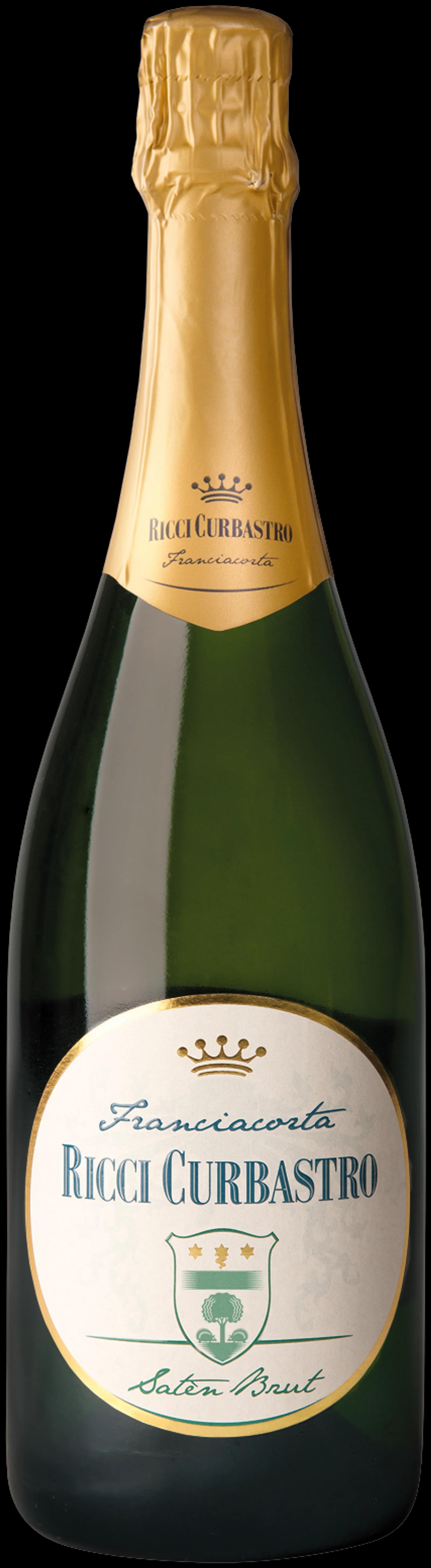
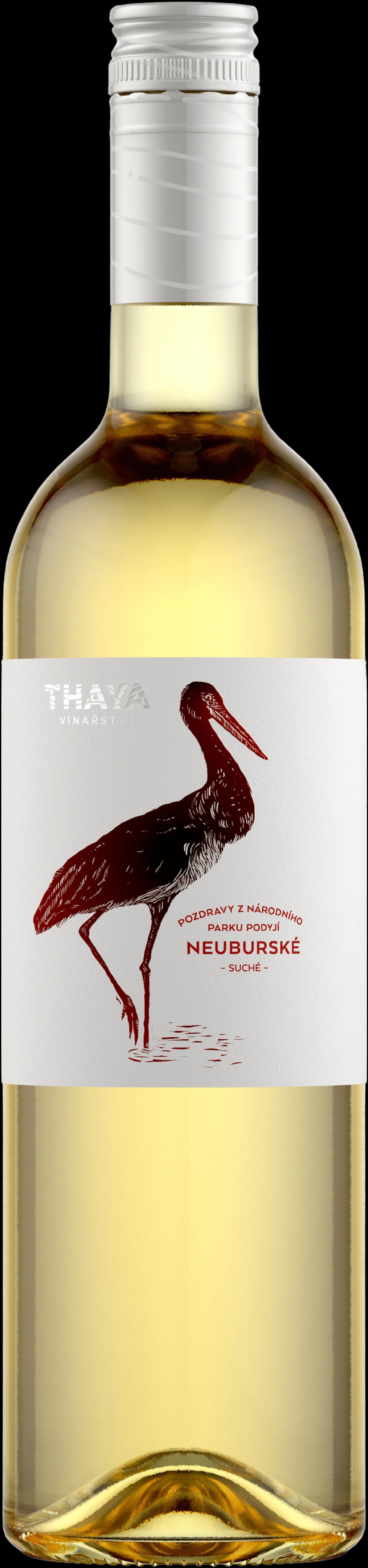
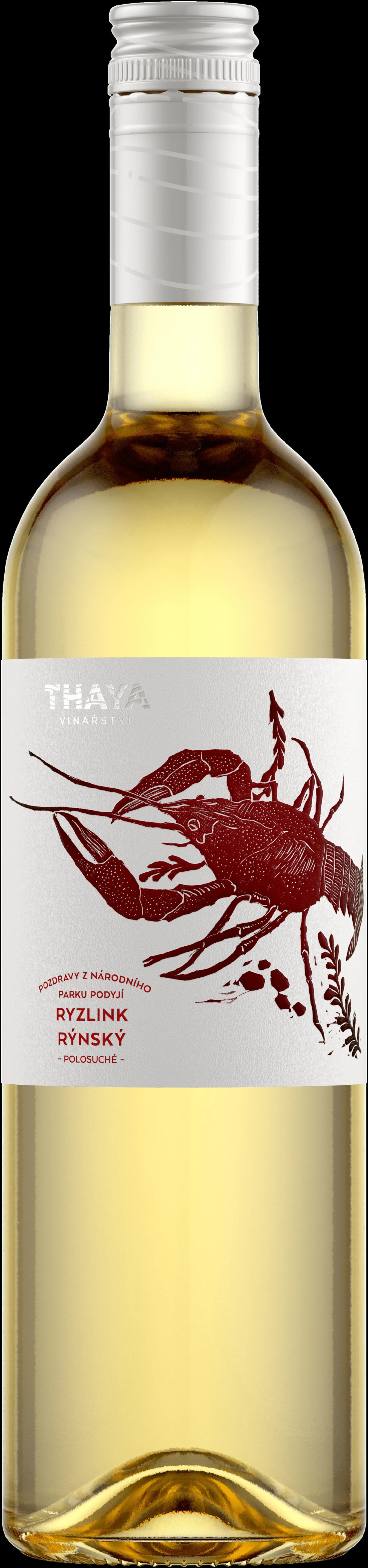
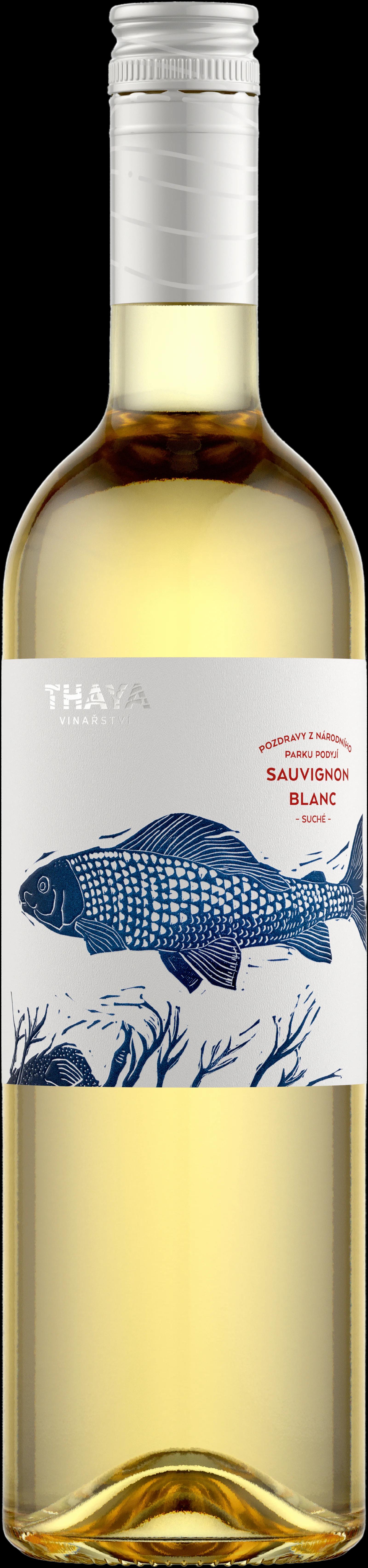
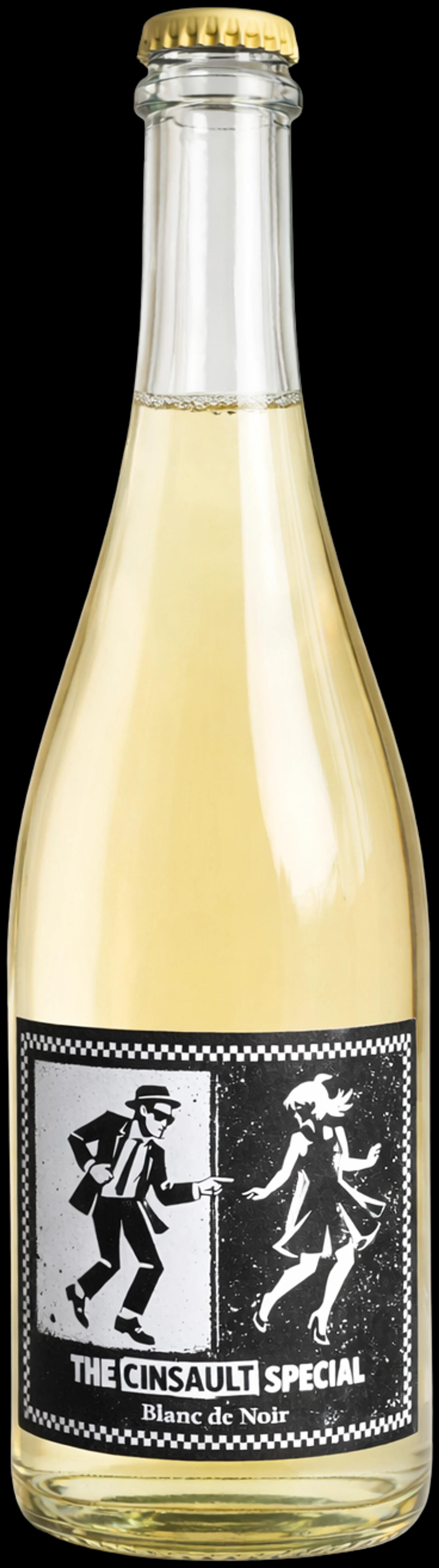
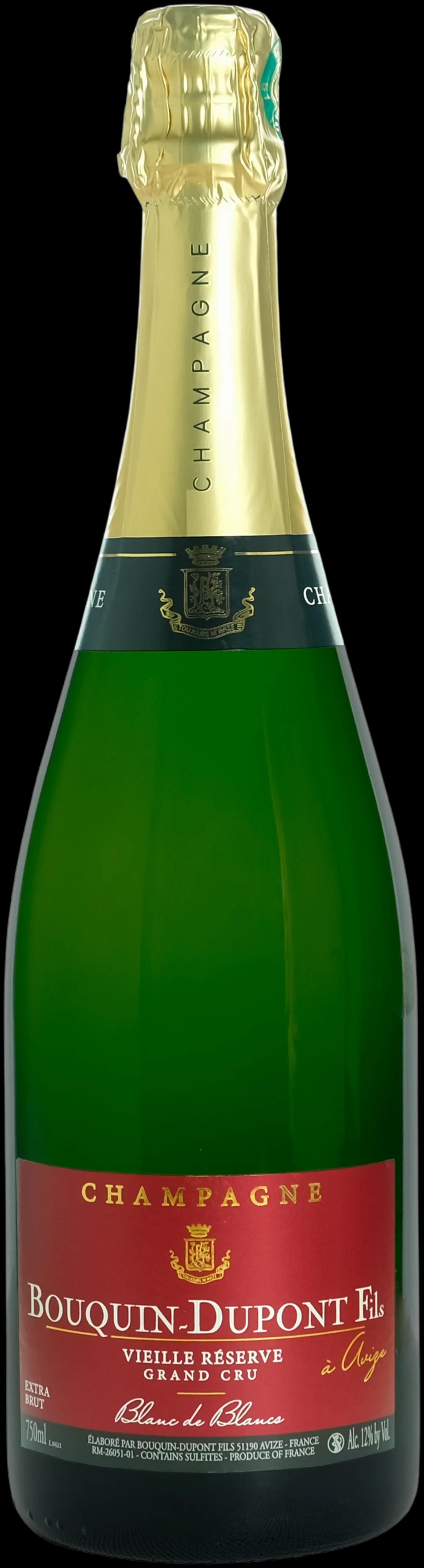
White wine cases: Riesling, Chardonnay and Grüner Veltliner, direct from the estate

White wine runs from bone-dry, high-acid Riesling to rich, oak-aged Chardonnay — shaped by grape, soil, and climate. Each case ships directly from the producer's own cellar. Browse white wine cases from independent growers across Europe.

From the Mosel's slate slopes and Alsace to Steiermark and Galicia's Atlantic coast

Wine Colour (1)

Dropdown arrow

Country

Dropdown arrow

Region

Dropdown arrow

Price

Dropdown arrow

Sort by

Sort arrow
White

White wine cases

White wine gets its character from three things: the grape variety, where it grows, and whether the winemaker uses oak. A Grüner Veltliner from Niederösterreich's loess and gravel is peppery and taut; a Chardonnay from Burgundy fermented in barrel is broad and layered. Both are white — the distance between them is almost the whole range of what the colour can do. On Free Grape Society, each case ships directly from the producer, with no importer or warehouse in between.

Showing 1–33 of 133 mixboxes

Previous1 of 5Next

White wines

Acidity is the backbone of white wine. High-acid varieties like Riesling and Albariño stay fresh for years in bottle; lower-acid grapes like Viognier and Roussanne rely on winemaking to hold their shape. Skin contact — used for orange wines — is a separate step entirely, and falls outside this selection. The whites here are pressed off their skins before fermentation, which keeps the wine pale and the tannin low. Wines tasted before listing.
View all white wines

Wineries

Independent wine experts review white wines they have personally tasted. Several of those featured here have reviewed individual bottles from this case selection. Their notes reflect their own palate and judgment — experts do not select or curate which wines appear on Free Grape Society.

View all wineries

Wine experts

White wine cases let you explore a grape, a region, or a style without committing to a full case of one bottle. A Galicia case built around Albariño and Godello tells a regional story; a case crossing Alsace, the Mosel, and Niederösterreich shows what cool-climate viticulture does to aromatic varieties. Free Grape Society is a society of producers, independent experts, and wine lovers — not a shop. Browse individual white wines alongside these cases to build your own picture of the colour.

View all wine experts

Frequently asked questions

How do I order a white wine case on Free Grape Society?

Choose a white wine case from the selection, add it to your basket, and place your order. The producer ships it directly from their own cellar to your delivery address. There is no warehouse stop in between. You will receive dispatch confirmation once the case leaves the producer. Delivery typically takes 4–14 days depending on the producer's location.

What happens if a bottle arrives broken or doesn't taste right?

Send a photo to Free Grape Society customer support within 7 days of delivery. We will arrange a replacement or a refund. Because producers ship directly, quality issues are handled with the producer's direct involvement. Shared responsibility is built into how FGS works.

What is included in a white wine case?

Each case is put together by the producer and contains a set of their own white wines — sometimes a single variety across different vintages, sometimes a range of grapes or styles from their estate. The exact contents are shown on each case page. Cases are shipped as the producer packs them; Free Grape Society does not repack or substitute bottles.

How long does delivery take?

Average delivery is 8 to 9 days from order to door. The full range is 4 to 14 days depending on the producer's location and your delivery address. Wines ship directly from the producer's cellar, not from a central warehouse.

How do I find the right white wine case for my taste?

Start with what you already enjoy. If you like high-acid, mineral whites, look at cases from the Mosel, Steiermark, or Galicia. If you prefer weight and oak, Burgundy and Languedoc producers offer richer styles. You can also browse by country or region using the filters, or ask a wine expert using the form on this page — they can point you toward a case that suits your palate.

How does Free Grape Society choose which white wine cases appear here?

Producers apply to list on Free Grape Society. Wines are tasted before listing — not every submitted wine is accepted. The cases you see here come from independent growers who meet the standard and ship directly from their own estate. Free Grape Society does not own or hold stock; the producer packs and dispatches each case themselves.

Which white wine expert can recommend something for me?

Use the 'Ask a wine expert' form on this page. Independent wine experts on Free Grape Society have personally tasted wines from the catalogue and can recommend a white wine case based on your palate, a dish you are cooking, or a style you want to explore. This is a step up from browsing filters — a direct answer from someone who knows the wines.

Why don't you sell supermarket-brand white wines?

Every producer on Free Grape Society is an independent grower who makes and bottles their own white wine. Supermarket own-label wines are typically blended and bottled by large négociants, then sold under retailer branding. That is a different supply chain entirely. The cases here come from the person who grew the grapes — you can read their story on the producer page alongside each case.

Can I find white wine cases here that I cannot buy in a British supermarket?

Almost certainly. The producers on Free Grape Society are small, independent estates — most do not have the volume or the distribution agreements to supply major retailers. Growers in Galicia, Moravia, Luxembourg's Moselle, or Steiermark rarely appear on supermarket shelves. Ordering directly from the estate is often the only way to access their wines outside their home region.

What makes a wine white

White wine is almost always pressed off its skins before fermentation begins. That early separation keeps colour and tannin out of the juice, so the wine stays pale and stays soft. What fills the space instead is acidity, fruit character, and whatever the winemaker adds through their choices — how cold, how long, in what vessel.

Climate does a great deal of the shaping. A Riesling grown on the Rheingau's steep slate slopes stays high in acidity and low in alcohol; the same grape planted somewhere warmer would ripen earlier, lose tension, and taste like a different wine altogether. Grüner Veltliner from Niederösterreich carries a peppery bite that almost nothing else does — a direct result of the region's continental swings between hot days and cool nights.
Oak is where white wine splits most visibly into camps. Stainless steel fermentation keeps the fruit clean and the acidity bright. Barrel fermentation adds texture, a faint spice, and a creaminess that lingers. Some producers use older, neutral barrels to add oxygen contact without flavour; some use none at all. None of these choices is more correct than another — they reflect what the grape and the site ask for.

Grapes and regions behind white wine

White wine is grown almost everywhere wine is made, but certain grapes and regions define what the category can be.

Chardonnay is the most widely planted white grape in the world, and also one of the most adaptable — it makes lean, mineral Chablis in northern Burgundy, rich and toasty barrel-aged whites further south, and tight, high-acid sparkling base wines in Champagne. Sauvignon Blanc is almost the opposite: assertive, aromatic, difficult to make anonymous. In the Loire Valley it expresses itself as chalk and cut grass; in Friuli-Venezia Giulia it softens slightly under the Adriatic influence.

Riesling from Germany is one of the grape world's clearest arguments for terroir — the same variety on slate, sandstone, and volcanic soils produces wines that taste nothing alike. Godello from Galicia is still relatively unknown outside Spain but produces some of the most complex white wines on the Iberian peninsula. Vermentino, Pecorino, Garganega — the catalogue of serious white grapes from Italy alone runs long.
Free Grape Society is a society of producers, independent experts, and wine lovers, not a shop. The white wines here come from independent growers who ship directly from their own cellars, with no importer or warehouse in between.
How to choose a white wine

Start with weight and acidity, not with country or grape. These two axes tell you more about what a white wine will feel like in a glass than almost any other factor.

Light and high-acid whites — Riesling, Melon de Bourgogne (the grape behind Muscadet), early-picked Chenin Blanc — cut through fatty or lightly dressed food cleanly. They're the ones you reach for with shellfish, goat's cheese, or anything pickled. Medium-bodied whites with moderate acidity — Pinot Grigio from Lombardy, Silvaner from Franken, Verdejo from Castile — are the most versatile: they sit comfortably alongside a wide range of dishes without fighting for attention. Fuller whites — barrel-aged Chardonnay from Burgundy, aged Rioja Blanco, Viognier from the Rhône — have enough texture and weight to hold their own next to richer fish, pork, or vegetable dishes with cream or butter.

If you want to browse by country first, white wines from France, Italy, Spain, Germany, and Austria are all here as individual bottles. If you'd rather explore a mix of styles across producers, the white wine cases let you do that in one order. Wines tasted before listing.