Verdejo: Spain's crisp white grape, rooted in Rueda

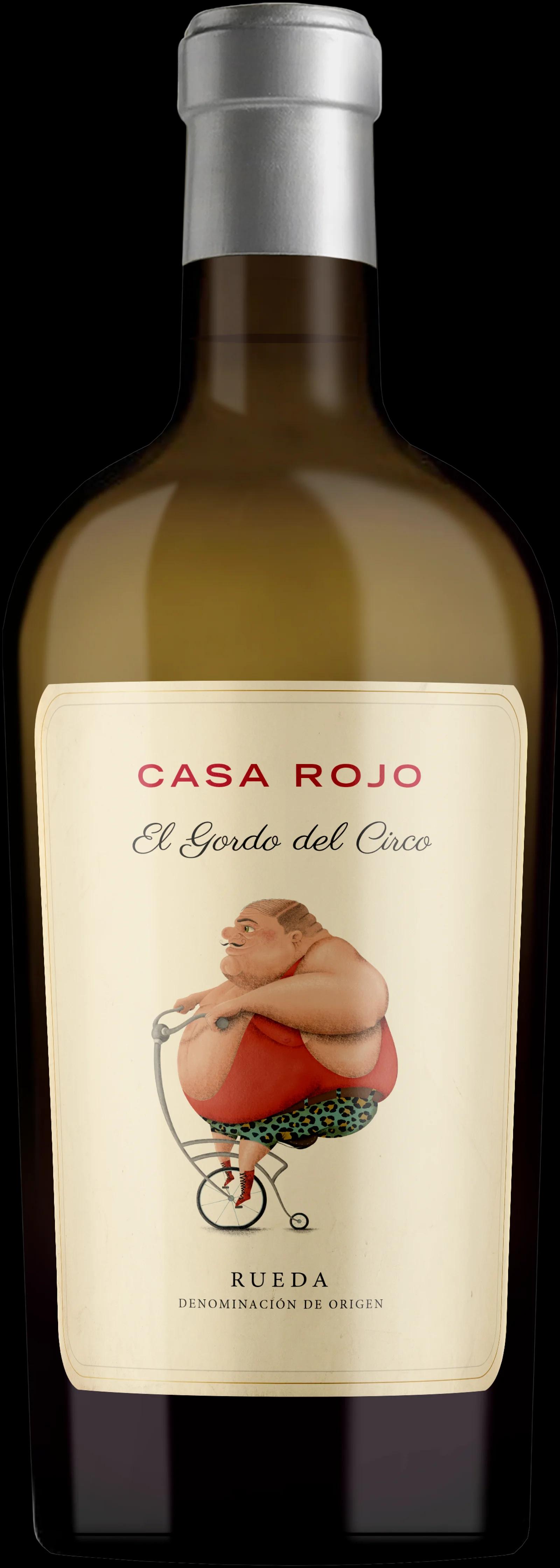
Verdejo wine is defined by its fresh, herbal character — fennel, white peach, a persistent finish. The producers below grow it where it does best: on the sun-baked plateau of Castile and León.

High-altitude growing and early harvesting keep its signature acidity bright.

Color

Dropdown arrow

Type

Dropdown arrow

Country

Dropdown arrow

Region

Dropdown arrow

Grape

Dropdown arrow

Pairing

Dropdown arrow

Sort by

Sort arrow
Verdejo

Verdejo wines

Verdejo has been grown on the high plateau of Rueda, in Castile and León, for centuries — long before it became one of Spain's most recognised white grapes. At around 700 metres above sea level, warm days and cold nights slow the ripening down, which is why the wines hold their acidity so well. On Free Grape Society, each bottle is shipped directly from the producer's own cellar, with no importer or warehouse in between.

Previous1 of 1Next

Verdejo wine cases

A wine case on Free Grape Society is always six bottles from one producer — put together as the recommendation that producer would make if you visited their cellar. With Verdejo, that often means exploring how one estate works across different vineyard plots or picking techniques, where small differences in altitude or harvest timing show clearly in the glass. Free Grape Society is a society of producers, independent experts and wine lovers, not a shop.
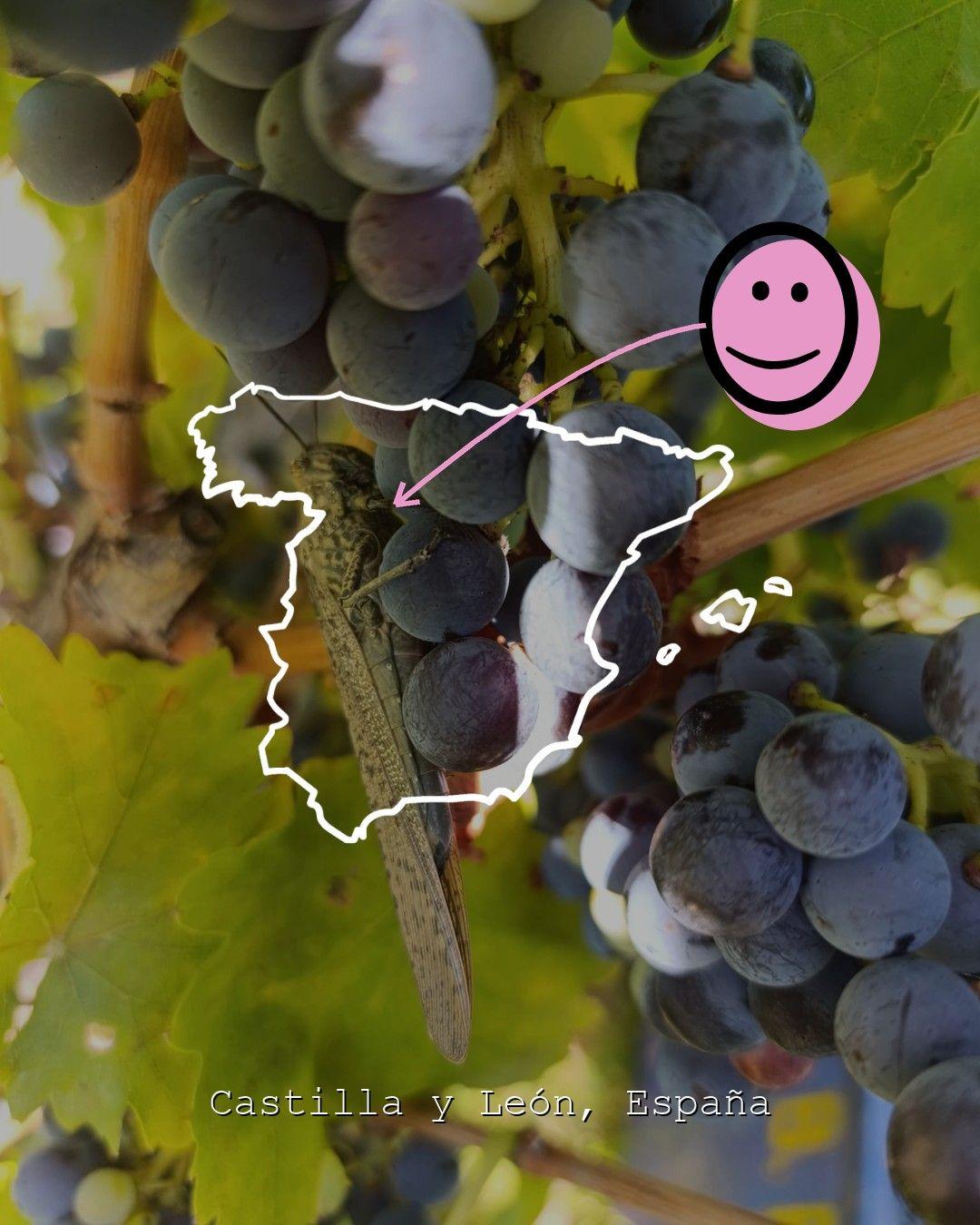
View all mixboxes

Wineries

The growers below work with Verdejo in its Spanish heartland, though the grape is also grown in small quantities elsewhere on the Iberian peninsula. Reading a producer's own notes is often the quickest way to understand what shapes their particular style — and the wine-advice service is there if you would rather talk it through before choosing.

View all wineries

Wine experts

Verdejo divides opinion less than most grapes, but a well-matched recommendation still helps. Independent wine experts review wines they have personally tasted, and their notes appear on each wine page and on the expert's own profile. Several of the experts below have reviewed Verdejo wines featured on this page, so you can see what they thought before you decide.

View all wine experts

Frequently asked questions

How do I order a bottle of Verdejo wine on Free Grape Society?

Browse the Verdejo wines above and add bottles to your order. Each bottle is priced by the producer and ships directly from their cellar. Delivery takes between four and fourteen days, with an average of around eight to nine days. Payment is by card or Klarna, and shipping is free.

What happens if a bottle arrives broken or doesn't taste right?

Send a photo to Free Grape Society customer support within 7 days of delivery. We will arrange a replacement or a refund. Because producers ship directly, quality issues are handled with the producer's direct involvement. Shared responsibility is built into how FGS works.

Can I order Verdejo wines from more than one producer in the same order?

Yes. You can mix bottles from different producers in the same order. Each producer ships their own wines separately from their cellar, so if you order from two producers you will receive two deliveries. Each ships free of charge.

How long does delivery take?

Average delivery is 8 to 9 days from order to door. The full range is 4 to 14 days depending on the producer's location and your delivery address. Wines ship directly from the producer's cellar, not from a central warehouse.

How do I choose between the Verdejo wines on this page?

Verdejo varies most noticeably by altitude and harvest timing. Wines from higher sites and earlier harvests tend to be leaner and more herbaceous; warmer plots or later picking rounds out the fruit. Reading each producer's own notes is a good first step, and the wine experts on this page can point you in the right direction if you prefer a recommendation.

Are all the Verdejo wines here from Rueda, or are there other regions?

Rueda, in Castile and León, is the heartland of Verdejo and where most of the producers on this page are based. The grape is also grown in smaller quantities in other parts of Spain. Each wine page shows the producer's region, appellation, and vineyard details so you can compare before ordering.

Which Verdejo wine expert can recommend something for me?

The independent wine experts listed on this page have tasted and reviewed Verdejo wines personally. Visit an expert's profile to read their reviews, or use the wine-advice form to ask a specific question about which Verdejo might suit you best.

Why don't you sell supermarket-brand Verdejo wines?

Free Grape Society lists wines from independent producers who grow, make, and bottle their own wine. Supermarket-brand Verdejo is typically produced by large négociants who buy grapes across many estates. The producers here put their own name on the label and ship directly from their own cellar — that is the structural difference.

Can I find Verdejo in Spanish wine shops or supermarkets?

Yes — Rueda Verdejo is one of Spain's most commercially distributed whites and appears in wine shops and some supermarkets across Europe. What Free Grape Society offers is a different path: buying directly from the producer who grew and bottled the wine, with no importer or distributor in between, at the price the producer sets themselves.

Where Verdejo comes from and what makes it Spanish

Verdejo is native to Castile and León in north-central Spain, where it found its most celebrated expression in the Rueda DO, a high-altitude plateau around 700 metres above sea level between Valladolid and Segovia. The elevation matters: warm days ripen the grape fully, while cold nights lock in the acidity that keeps Verdejo wines fresh. Outside Rueda, you find it in neighbouring regions such as Castilla La Mancha and occasionally blended into wines from Galicia, though Rueda is where most of the serious single-varietal work happens. The grape nearly disappeared in the twentieth century, when the area shifted to making sherry-style fortified wines. A revival from the 1970s onwards — replanting old vines and returning to dry, unfortified whites — is what made modern Verdejo possible. Producers who work with old bush vines tend to make wines with noticeably more texture and concentration than those from younger plantings on the same soil.

How Verdejo tastes, and what to drink it with

Verdejo has a profile that sits between Sauvignon Blanc and Grüner Veltliner without quite being either. Expect fresh citrus and stone fruit on the nose, often with a herbal edge — fennel, white pepper, sometimes a faint nuttiness — and a firm, clean finish driven by natural acidity rather than residual sugar. The grape is naturally high in polyphenols, which gives the wine a slight bitterness on the finish that amplifies food rather than fighting it. It works well with seafood, white fish, and dishes where lemon would otherwise do the job — grilled sea bass, prawn tapas, ceviche, or a plate of Manchego and membrillo. Oak is used sparingly by most producers, if at all; when it appears, it tends to be older barrels that add texture without overwhelming the fruit. A small number of producers in Castile and León are also making skin-contact and barrel-fermented versions, which reward pairing with richer foods.

Buying Verdejo direct from independent producers

Most Verdejo available in supermarkets and retail chains comes from large co-operatives or négociant labels built around volume and consistency at a particular price point. The independent producers you find on Free Grape Society tend to work differently — smaller plots, older vines, and winemaking decisions made by the person who grew the grapes. On Free Grape Society, those producers ship directly from their own cellars, with no importer or warehouse adding a step between the grower and your door. That means you receive the wine as the producer packed it, at the price they set. If you want to explore the wines of Spain more broadly alongside Verdejo, the Galicia and Castile and León pages cover neighbouring regions and varieties — Godello and Albariño are the closest comparisons in terms of style and food affinity. Free Grape Society is a society of producers, independent experts and wine lovers, not a shop.