Garganega: the white grape at the heart of Soave and Gambellara

Garganega wine ranges from crisp and light to richly textured late-harvest expressions, all rooted in northeastern Italy. The producers below grow it where it has been cultivated for centuries.

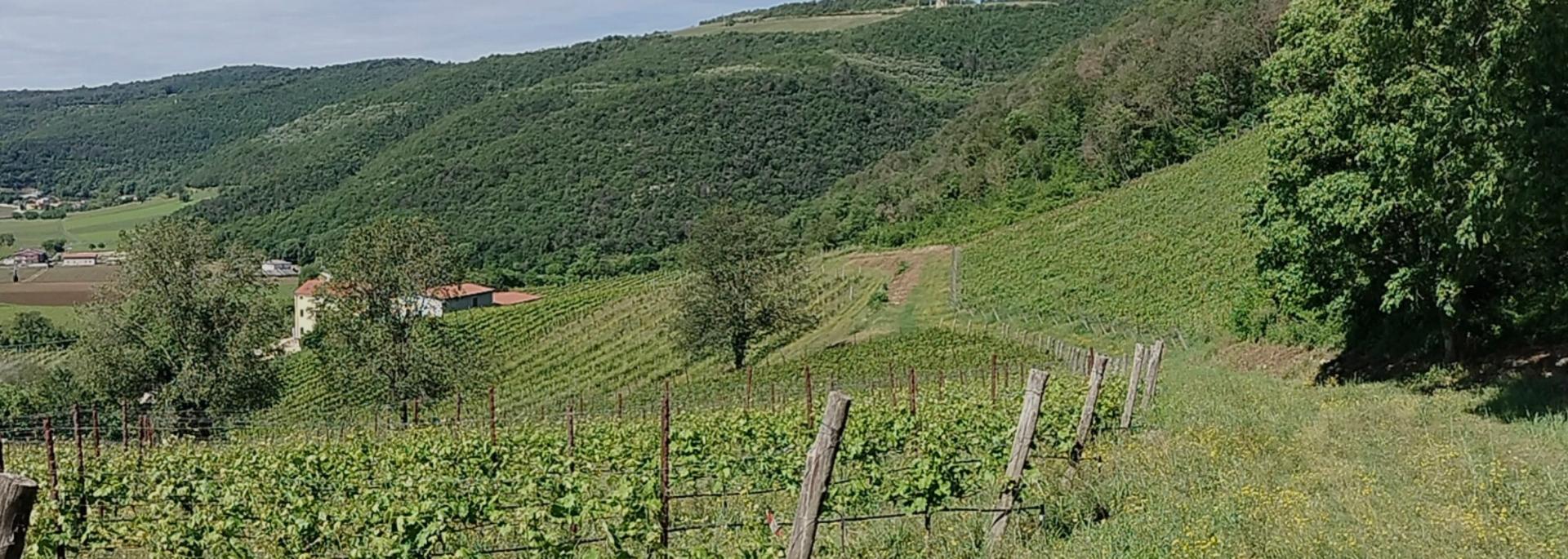
Delicate, almond-edged, and deeply tied to the volcanic soils of the Veneto.

Color

Dropdown arrow

Type

Dropdown arrow

Country

Dropdown arrow

Region

Dropdown arrow

Grape

Dropdown arrow

Pairing

Dropdown arrow

Sort by

Sort arrow
Garganega

Garganega wines

Garganega has been grown in the Veneto for centuries and is recorded among the oldest cultivated varieties in northeastern Italy. It ripens late, which keeps acidity lively even in warm summers, and the volcanic basalt soils around Soave and Gambellara give the wines a mineral edge that sets them apart from other Italian whites. The wines on this page are shipped directly from each producer's own cellar, with no importer or warehouse in between.

Previous1 of 1Next

Garganega wine cases

A wine case here is a producer's own selection of six bottles, put together as the recommendation they would make from their own range. For a grape like Garganega, that often means tasting one estate across different styles — a still Soave Classico alongside a passito or a sparkling expression — where the same variety shows how much a winemaker's choices can shift the wine. Free Grape Society is a society of producers, independent experts and wine lovers, not a shop.

View all mixboxes

Wineries

The growers below work with Garganega across its core zone in the Veneto, from the hillside Classico districts to the flatter plains where the grape yields something broader and softer. Reading a producer's own notes is a quick way to understand the site and the approach behind a wine, and the wine-advice service is there if you would rather talk through the differences before choosing.

View all wineries

Wine experts

Garganega is less widely reviewed than Pinot Grigio or Soave's more exported styles, which makes a second view particularly useful. Independent wine experts review wines they have personally tasted, and their reviews appear on each wine page and on the expert's own profile. Several of the experts below have reviewed Garganega wines featured on this page, so you can read what they found before deciding.

View all wine experts

Frequently asked questions

How do I order a Garganega wine on Free Grape Society?

Browse the wines on this page, add a bottle to your order, and check out securely with Klarna or card. Each bottle ships directly from the producer's cellar to your door, with free delivery included. There is no minimum order — a single bottle is fine.

What happens if a bottle arrives broken or doesn't taste right?

Send a photo to Free Grape Society customer support within 7 days of delivery. We will arrange a replacement or a refund. Because producers ship directly, quality issues are handled with the producer's direct involvement. Shared responsibility is built into how FGS works.

Can I order Garganega wines from more than one producer in the same order?

Yes. You can add wines from different producers to the same order. Each producer ships their own wines separately, so you may receive more than one delivery. Free shipping applies to each.

How long does delivery take?

Average delivery is 8 to 9 days from order to door. The full range is 4 to 14 days depending on the producer's location and your delivery address. Wines ship directly from the producer's cellar, not from a central warehouse.

How do I choose between different Garganega wines on this page?

Start with the producer's own notes, which describe the site, the vintage, and the winemaking approach. Garganega varies noticeably between hillside Classico zones and flatter plains vineyards, and between still, sparkling and late-harvest styles. If you are unsure, a wine expert can point you in the right direction.

What is the difference between Soave Classico and other Garganega wines?

Soave Classico comes from the original hillside zone around Soave, where volcanic basalt soils and higher elevation give wines more structure and mineral character. Garganega grown on the plains tends to be softer and lighter. Gambellara, a smaller neighbouring appellation, also uses Garganega and sits on similar volcanic soils to Classico.

Which Garganega wine expert can recommend something for me?

The wine experts on this page have reviewed Garganega wines from producers listed here. Visit an expert's profile to read their reviews and track record, then use the wine-advice form to ask your question directly. Advice is free and comes from independent experts, not from Free Grape Society.

Why don't you sell supermarket-brand Garganega wines?

Free Grape Society lists wines from independent producers who grow, make and bottle their own wine. Large commercial Soave or Garganega blends are made by négociants or cooperatives from bought-in grapes. The producers here own their vineyards and control every step, which is why the wines taste and tell the story they do.

Can I find Garganega wines in a normal wine shop in my country?

Soave is exported widely, but much of what reaches retail and restaurant shelves comes from large commercial producers. The independent estate-bottled Garganega wines from Classico and Gambellara on this page are rarely stocked by mainstream retailers — buying directly from the producer is often the only way to access them outside Italy.

Where Garganega comes from and how the Veneto shapes it

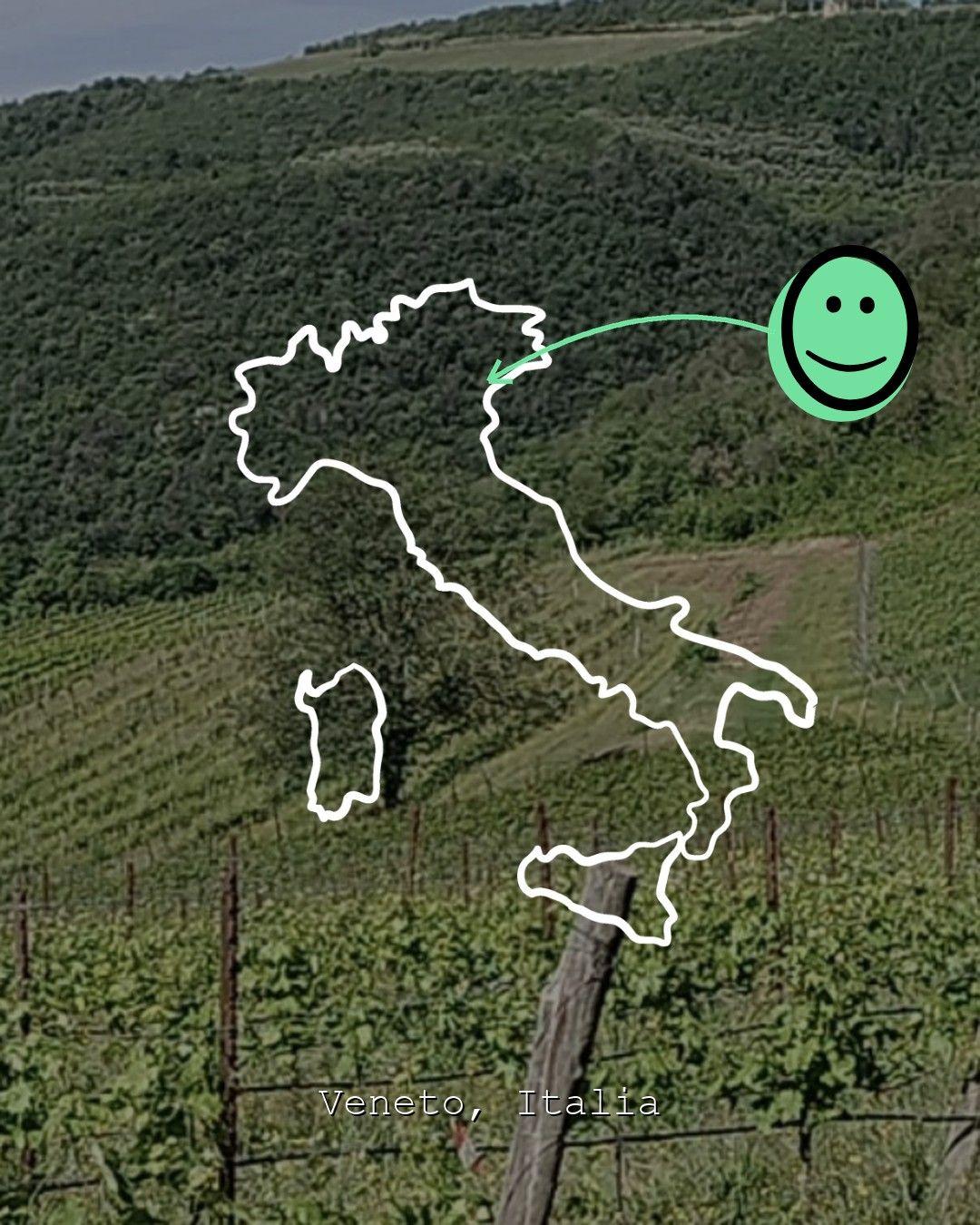
Garganega is one of the oldest white grapes in northeastern Italy, grown almost exclusively in the Veneto and the neighbouring Colli Euganei. Its heartland is Soave, the appellation east of Verona where volcanic soils and steep slopes planted with old vines produce wines of notable structure and length. The same grape appears in Gambellara, a smaller neighbouring zone with similar geology, and as a minor blending component in Recioto di Soave, the sweet passito version made from partially dried clusters. Outside these appellations it rarely travels, which makes it genuinely regional in a way that international varieties are not. Producers who grow it well tend to work with old, low-yielding vines on the hillside Classico zones rather than the flat valley floor, where higher yields dilute the grape's natural mineral character. For a broader look at the wines of the Veneto or the white wines of Italy, both pages bring together independent growers from across the region.

How Garganega tastes, and what to drink it with

Garganega is a naturally high-acid, thick-skinned grape that ripens late in the season. In a good year from a hillside site, it produces wines with stone-fruit aromas — white peach, almond blossom, a faint bitter note of almond skin at the finish — backed by a clean, saline mineral thread that comes largely from the volcanic basalt soils of the Soave Classico zone. It has enough structure to age, though most bottles are drunk young when the fruit is vivid. Because of its acidity and moderate body it works well with delicate food: grilled fish, risotto, vegetables cooked simply, and the mild fresh cheeses of the Veneto. In its dried-grape form as Recioto di Soave, Garganega becomes something different altogether — rich, amber, and sweet, a wine more naturally at home with almond pastries or aged hard cheese than with a first course. If you are exploring other Italian whites with a similar weight and mineral character, Verdicchio, Vermentino, and Cortese are worth comparing side by side.

Buying Garganega wine direct from independent producers

Most Garganega on the market comes from large cooperative wineries, which bottle at high volume and sell through supermarket channels. The wines are consistent but rarely show what the grape is capable of on a well-managed hillside site. The producers on Free Grape Society work differently: smaller operations, often estate-grown fruit, and bottles shipped directly from the producer's own cellar with no importer or warehouse adding cost or time to the journey. That direct relationship also makes it easier to find out how the wine was made — which vineyard, which vintage, whether the wine was aged on the lees and for how long. Free Grape Society is a society of producers, independent experts and wine lovers, not a shop. If you want to explore further, Italian mixboxes let you taste across producers and styles, and Veneto wineries shows the growers on the platform who work in Garganega's home region.