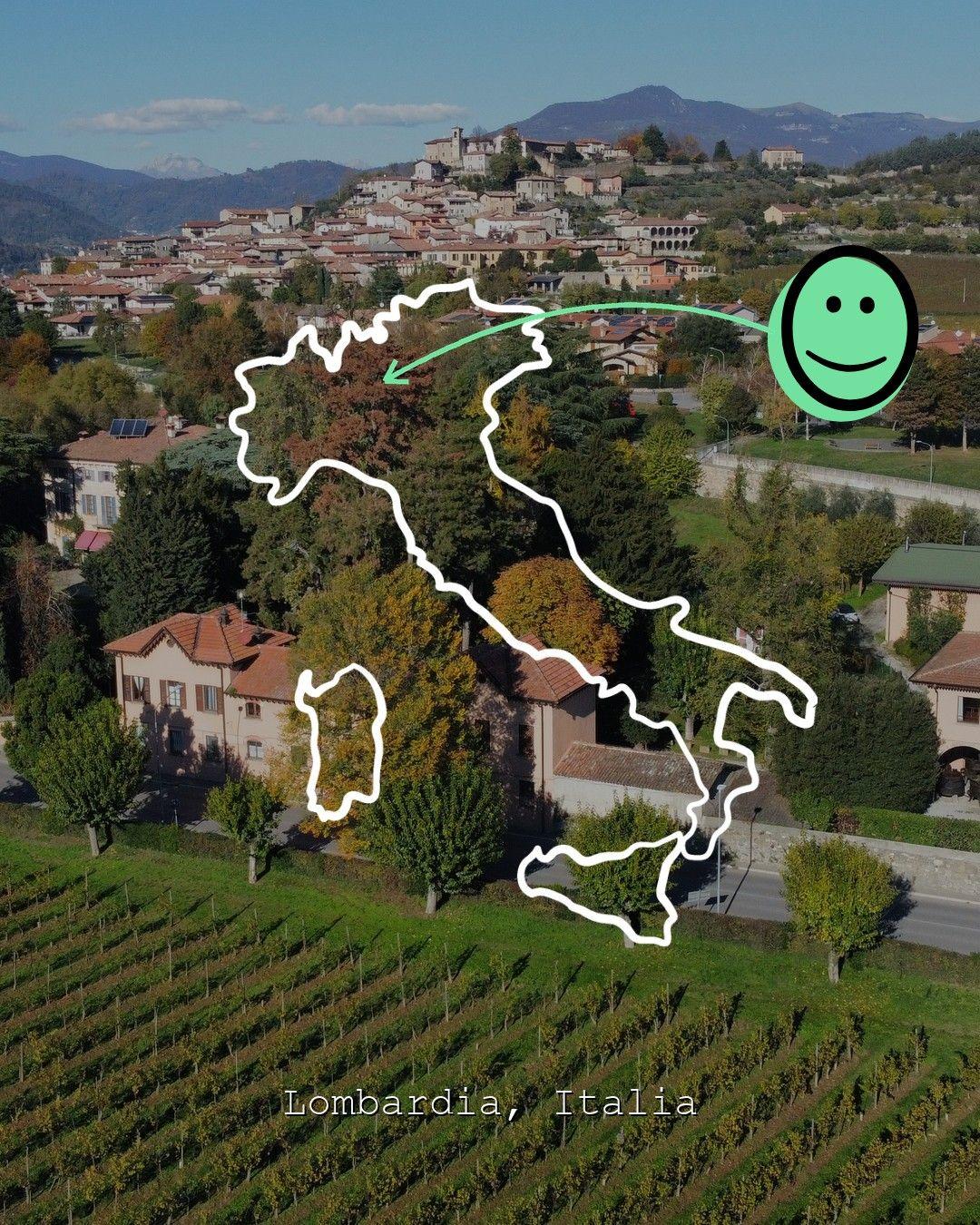
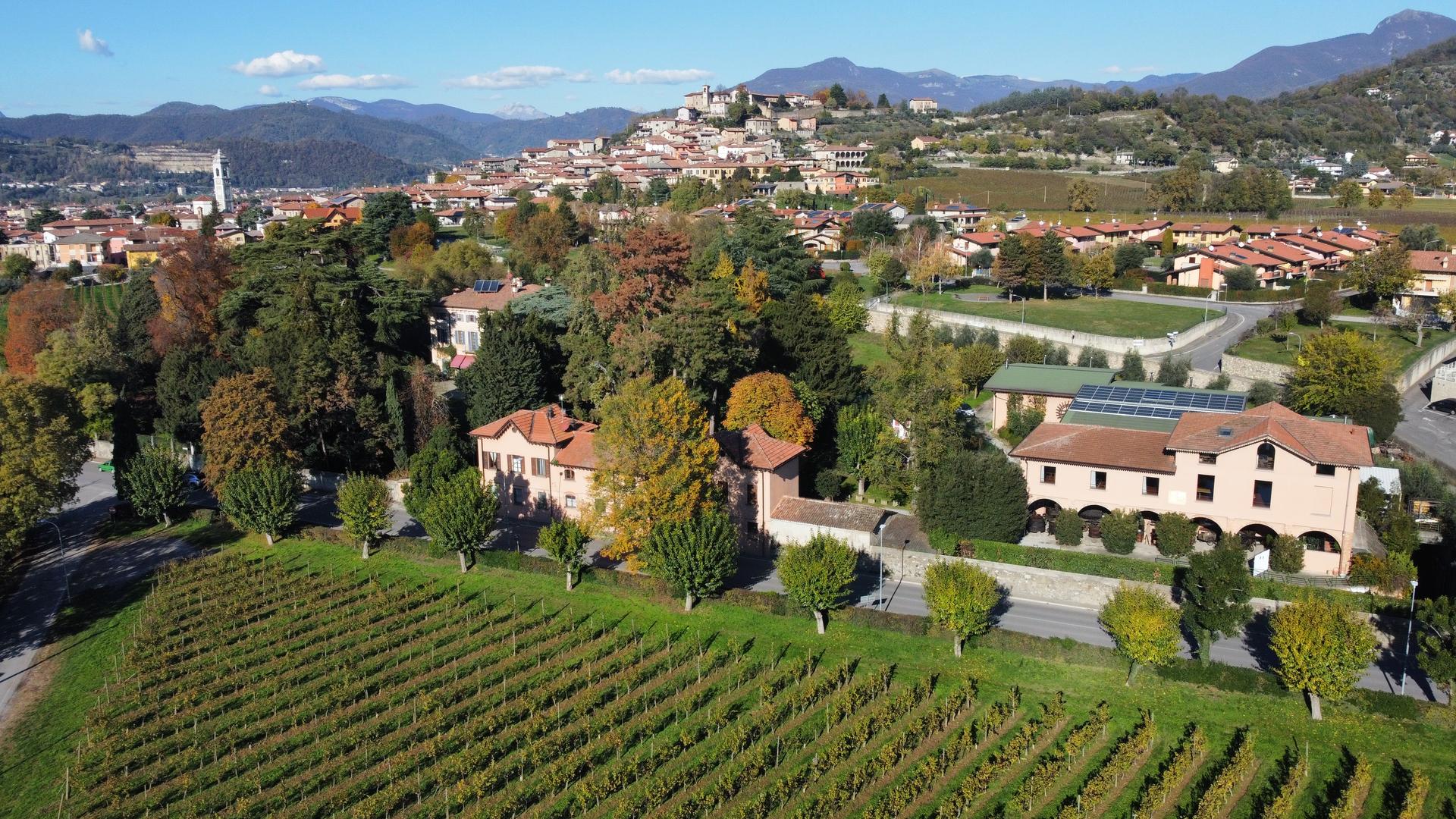
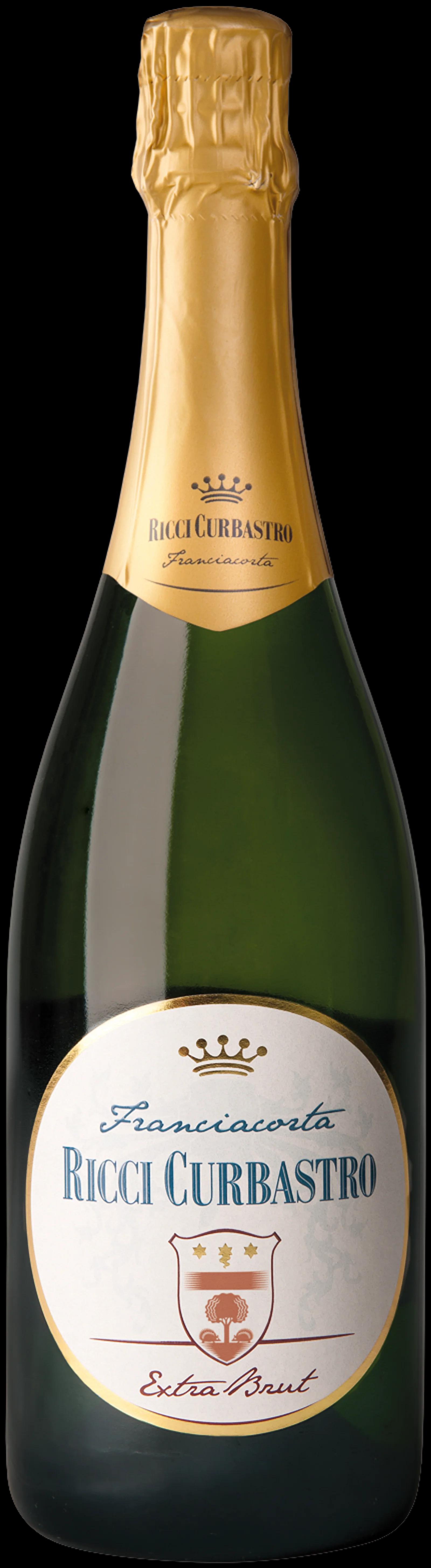
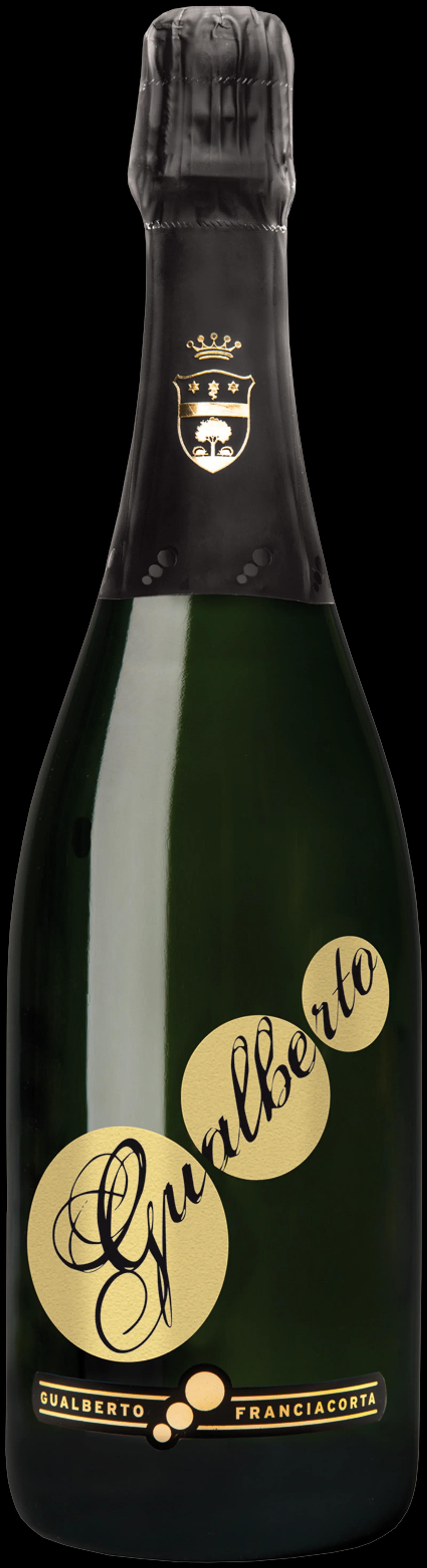
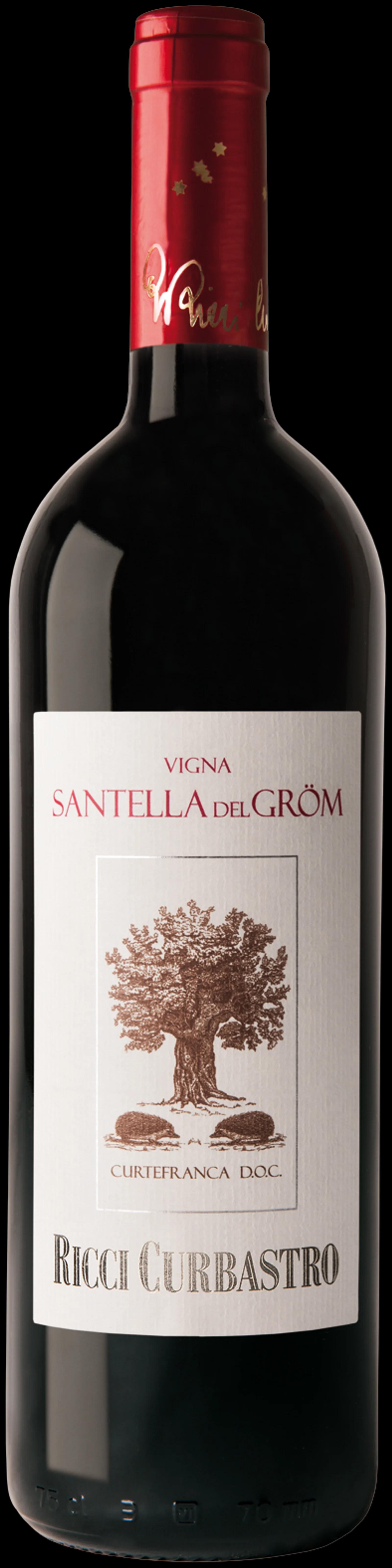
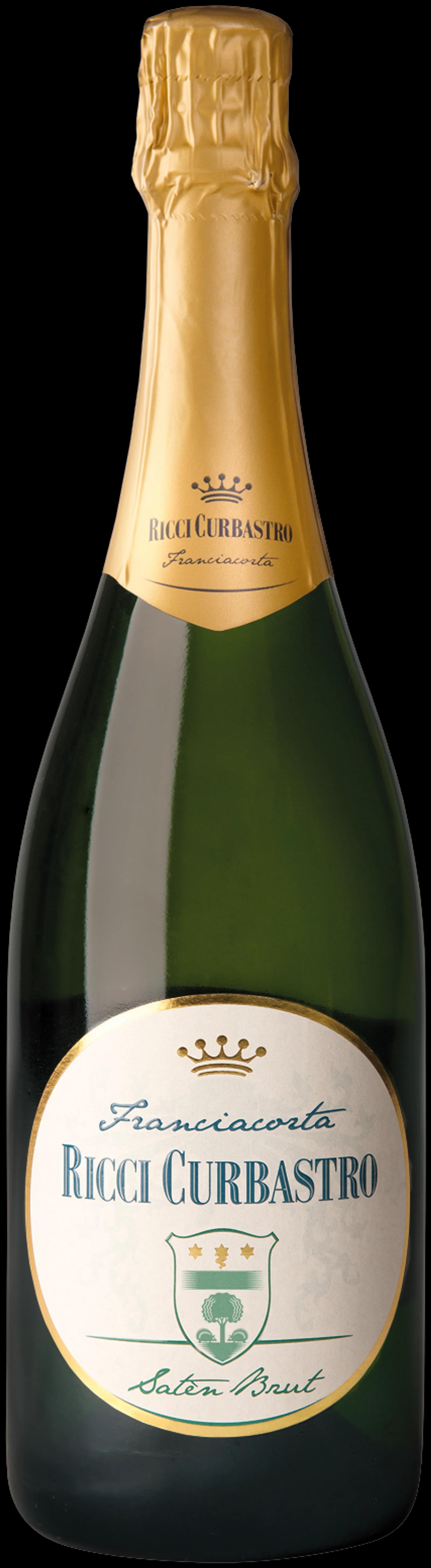
Independent producers working Lombardy's lakes, hills and alpine foothills

Lombardy wineries range from Franciacorta estates crafting traditional-method sparkling wines to small Valtellina growers coaxing Nebbiolo from near-vertical slopes above the Adda river. Browse the independent producers working this varied northern Italian region.

From the Franciacorta hills to the Valtellina's steep granite terraces, Lombardy's growers farm a region of sharp contrasts.

Country

Dropdown arrow

Region (1)

Dropdown arrow

Production Volume

Dropdown arrow

Sort by

Sort arrow
Lombardia

Lombardy wineries

Lombardy's producers do not share a single profile. In Franciacorta, estates work the morainic hills south of Lake Iseo, ageing traditional-method sparkling wines on their lees in deep cellars. In Valtellina, growers farm narrow terraced vineyards on granite and gneiss, sometimes accessible only on foot, to grow Nebbiolo at altitude. Further east, around Lake Garda, smaller family operations produce Lugana and Chiaretto. On Free Grape Society, producers sell and ship directly from their own cellar, with no importer or warehouse in between.

Previous1 of 1Next

Lombardy wines

Several of these Lombardy producers also compose a wine case: six bottles from their own estate, chosen as a single recommendation across the wines they make. A Franciacorta producer might select a base wine alongside a riserva to show how extended lees ageing changes the same blend; a Valtellina grower might walk you through different crus on the same slope. Each case stays with one producer — never mixed across estates. Free Grape Society is a society of producers, independent experts and wine lovers, not a shop.

View all wines from Lombardia

Lombardy wine cases

The wines from these producers cover Lombardy's main styles: traditional-method Franciacorta in white and rosé, age-worthy Valtellina Superiore and Sforzato from dried Nebbiolo grapes, Lugana built on Trebbiano di Lugana from the southern shore of Lake Garda, and lighter Oltrepò Pavese reds. Wines tasted before listing come directly from the growers farming the region's vineyards, from estates with holdings measured in hectares rather than hundreds.

View all mixboxes from Lombardia

Wine experts

Independent wine experts rate and review wines they have personally tasted, and several have covered bottles from Lombardy producers listed here. Their reviews appear on the individual wine page and on the expert's own profile, building a public record of tasting notes and scores that you can read before you order. The experts work independently — they review what they taste, not what the platform asks them to.

View all wine experts

Frequently asked questions

How do I order a Lombardy wine case?

Browse the Lombardy wine cases listed on this page, choose the producer whose range interests you, and add the six-bottle case to your basket. Checkout is handled securely via Klarna or card. The producer ships the case directly from their cellar, so what arrives is exactly what they packed.

What happens if a bottle arrives broken or doesn't taste right?

Send a photo to Free Grape Society customer support within 7 days of delivery. We will arrange a replacement or a refund. Because producers ship directly, quality issues are handled with the producer's direct involvement. Shared responsibility is built into how FGS works.

What is included in a Lombardy wine case?

Every case is six bottles from one producer, composed by that grower as their own recommendation. The exact wines vary by producer and may span different appellations, grapes or styles depending on what the estate makes. The contents are listed on the case page before you order.

How long does delivery take?

Average delivery is 8 to 9 days from order to door. The full range is 4 to 14 days depending on the producer's location and your delivery address. Wines ship directly from the producer's cellar, not from a central warehouse.

How do I find the right Lombardy wine case for me?

Start with the sub-region or style that interests you — a Franciacorta producer if you want sparkling, a Lugana or Garda estate for whites, a Valtellina grower if you prefer structured reds. Each producer's page describes how they farm and what the six bottles cover, which makes it straightforward to match a case to what you enjoy.

Can I see what a producer's case contains before buying?

Yes. Each case page lists the individual wines included and a short description from the producer. Where independent wine experts have reviewed bottles in the case, those notes are also visible, so you can read honest assessments alongside the grower's own description before committing.

Which Lombardy wine expert can recommend something for me?

The wine experts listed on this page specialise in Italian wines and have personal tasting experience across Lombardy's appellations. Fill in the contact form on an expert's profile page and they will get back to you with a recommendation based on what you enjoy and what you are looking for.

Why are Lombardy wine cases always 6 bottles from one producer?

Because a case composed by one grower is a recommendation, not a sampler. The producer chooses six bottles that say something coherent about their range — their sub-region, their grapes, their approach in the cellar. Mixing wines from several estates would remove that authorship and make the case a generic selection rather than a grower's own statement.

Can I buy Lombardy wine cases the way I would at a wine merchant?

Free Grape Society works differently from a traditional wine merchant or importer. There is no warehouse buying in bulk and marking up the price — each producer lists their own wines and ships directly to you. That means a closer relationship with the grower and a price that reflects the wine rather than the distribution chain.

The producers of Lombardy

Lombardy's producers are as varied as the region itself. In Franciacorta, estates built their reputations on traditional-method sparkling wine made from Chardonnay, Pinot Nero and Pinot Bianco — a method that demands long ageing on the lees and a precision in the cellar that shapes everything the producer does. Further north, in Valtellina, small growers farm steep alpine terraces by hand, coaxing Nebbiolo — here called Chiavennasca — off granite slopes that machinery cannot reach. These are not large operations. Many are family-run, passing knowledge of the terrain from one generation to the next, and the wines reflect that closeness to a specific place. Producers in the Oltrepò Pavese, by contrast, work flatter land and a wider mix of varieties, giving the region a different rhythm entirely. What connects them is a directness in how they work: grapes grown on their own land, wines made in their own cellars, and a clear sense of what the local landscape asks of them. Browse Lombardy wineries or explore producers across all of Italy.

How we choose our producers

We work directly with the growers behind the wines, so we get to know how they farm and what they charge before a single bottle is listed. Producers send samples, and those samples are tasted before a wine is listed — which means the decision rests on what is in the glass rather than on a label or a reputation. We look for pricing that reflects the work in the vineyard and cellar without the mark-ups that importers and warehouses add, and we keep the relationship direct so the grower sets their own terms. Once a wine is listed, independent wine experts rate and review individual bottles, building a public track record that buyers can read on the wine page. We do not try to carry the full output of a region: we list wines tasted before listing, from producers we have a direct relationship with. Free Grape Society is a society of producers, independent experts and wine lovers, not a shop, and the listings here reflect that: each producer sells and ships directly from their own cellar, with no importer or warehouse in between.

Winemaking traditions in Lombardy

Lombardy holds more geographic diversity than its reputation as an industrial heartland might suggest. Franciacorta earned its DOCG status on the strength of its traditional-method sparkling wines, and the discipline required — secondary fermentation in bottle, extended contact with the spent yeast, precise disgorgement — has shaped a producer culture that is methodical and detail-oriented. Valtellina tells a different story. The Nebbiolo grape dominates here, grown on terraced vineyards above Lake Como where the Alps begin to press in. The resulting reds — Sassella, Grumello, Inferno and Valgella, all named for the sub-zones within the Valtellina Superiore DOCG — tend toward higher acidity and firmer tannin than their Piedmontese counterparts from the same grape, partly because of the altitude and the granite soils, partly because the shorter, cooler growing season asks something different of the vine. Lugana, sitting on the southern shore of Lake Garda and crossing into Veneto, built its identity on Turbiana, a local name for a Trebbiano variant that produces white wines with more texture and ageing potential than the variety's name alone might imply. Each of these zones has its own production logic, its own permitted varieties and its own sense of what the local conditions make possible. Explore Lombardy wines, Piedmont producers to the west, or Veneto producers to the east.