Where Tempranillo Blanco comes from and what makes it unusual
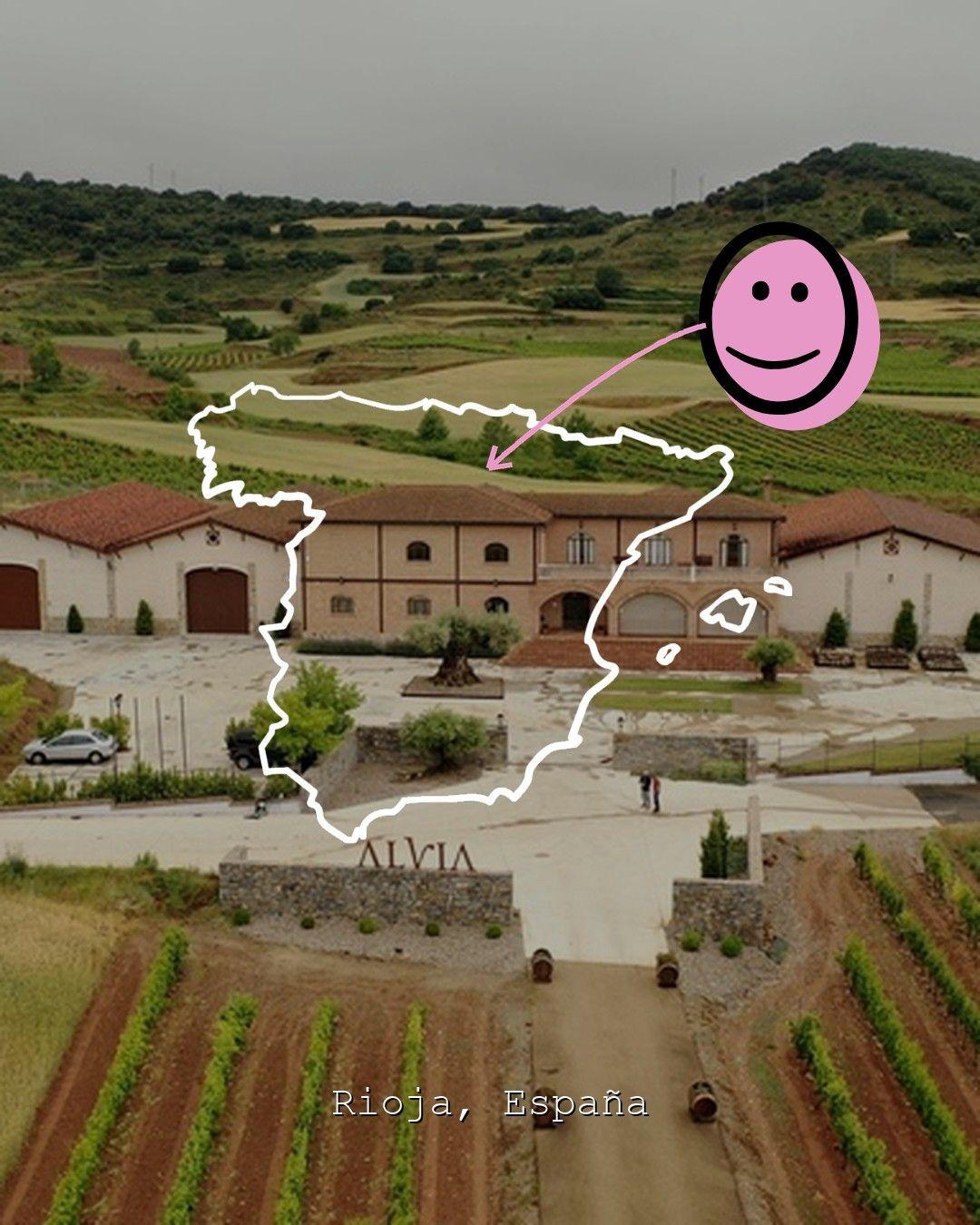
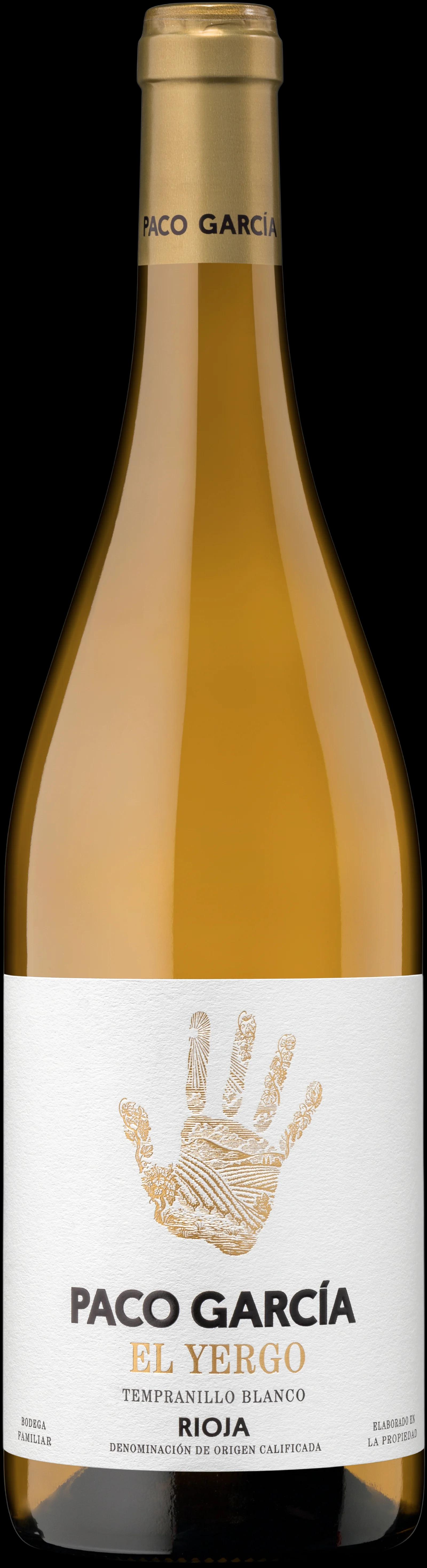
Tempranillo Blanco is a white mutation of Tempranillo, discovered in Rioja in 1988 on a single vine that had spontaneously changed. It was only officially recognised as a variety in 2007, which makes it one of the newer additions to the Spanish canon despite being genetically ancient. Its home is Rioja, where it was found, though growers in Castile and León and Aragon have since taken it up. It grows vigorously and ripens earlier than its red parent, which helps in the warm, dry conditions of inland Spain. Unlike many white varieties discovered in warmer climates, it tends to hold acidity reasonably well, which gives winemakers room to work with it in different styles.
How Tempranillo Blanco tastes, and what to drink it with
At its most expressive, Tempranillo Blanco produces wines that are full-bodied for a white, with stone-fruit character — peach, apricot, sometimes a floral note — and enough acidity to keep them from feeling heavy. Unoaked versions lean fresh and direct; producers who give it time in barrel find it takes oak integration well, developing a rounder texture. It works naturally alongside the food cultures where it is grown: roast lamb and kid, salt cod, rice dishes with saffron, and the cured meats common across central Spain. If you want to explore Spanish white wines more broadly, or compare how white grapes from Galicia and Rioja differ in character, the regional pages are a useful starting point.
Buying Tempranillo Blanco direct from independent producers
Tempranillo Blanco is rarely stocked by generalist retailers, which makes direct sourcing more practical than usual. On Free Grape Society, producers ship wines tasted before listing directly from their own cellars, with no importer or warehouse in between. That matters most for a variety like this, where the producer's own choices — when to pick, whether to use oak, how long to leave it on the lees — shape the wine significantly, and where the story behind the bottle adds real context to what is in the glass. You can browse the full range of Spanish wines and Spanish wineries on Free Grape Society, or look at the Tempranillo page if you want to compare it with wines made from its red parent. Free Grape Society is a society of producers, independent experts and wine lovers, not a shop.