Where Parellada comes from and what makes it Catalonia's own
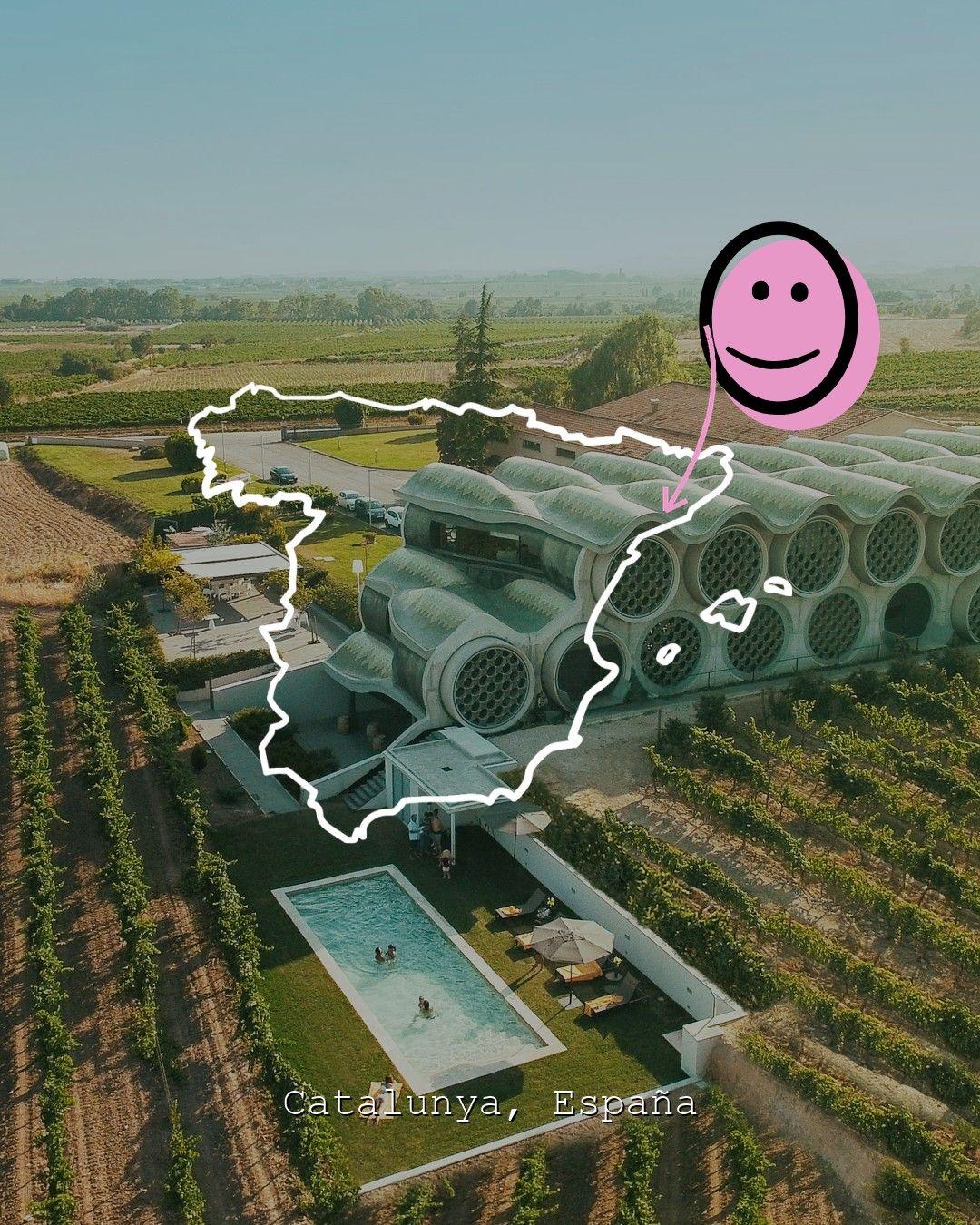
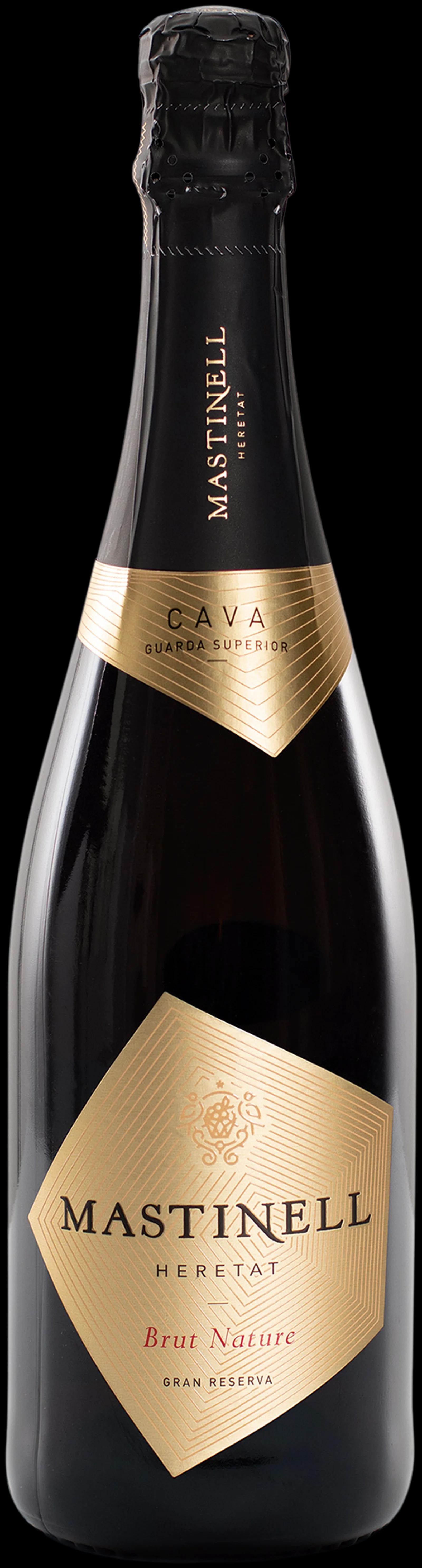
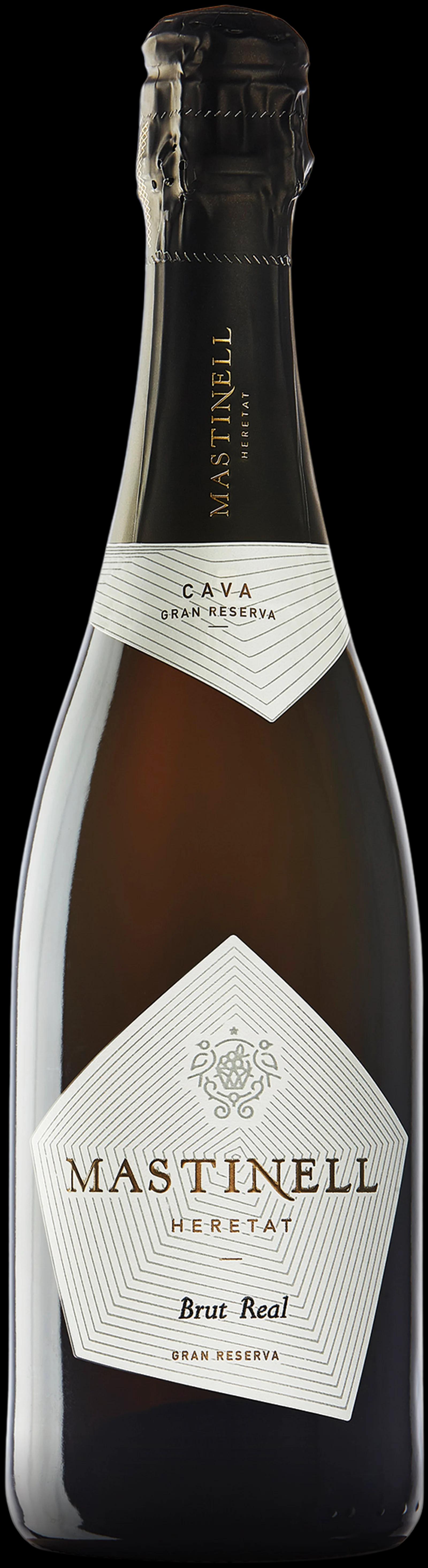
Parellada is a white grape native to Catalonia in north-eastern Spain, where it has been cultivated for centuries. It grows best at altitude, which slows ripening and keeps the natural acidity that defines it. Most of the world's Parellada is grown in Penedès, where it forms one third of the classic Cava blend alongside Macabeo and Xarel·lo. Each of the three grapes plays a different role in Cava: Xarel·lo brings body, Macabeo brings freshness, and Parellada brings the delicacy and floral lift. As a single-variety still white, it is rarer and worth seeking out when you find it — the wines are pale, light-bodied, and dry, with citrus blossom and a clean finish that makes them easy to drink young. Explore more wines from Catalonia or Spanish wines more broadly to see how Parellada sits within the wider landscape of the region.
How Parellada tastes and what to drink it with
Parellada produces wines that are gentle rather than assertive: low alcohol, high acidity, light in body, and aromatic in a quiet way. The typical profile runs to white flowers, green apple, pear, and a faint herbal note that comes from the cool hillside sites where it grows well. Because of this, it suits food that would be overwhelmed by a heavier white. Seafood and shellfish are the obvious match — a glass alongside prawns from the Catalan coast or grilled fish is a classic pairing. It also works well with soft fresh cheeses, light vegetable dishes, and anything dressed with citrus. If you want to explore the sparkling side, the Cava wines of Catalonia show Parellada in its blended context, where its finesse balances the fuller structure of its two partner grapes. For still whites in a similar register from elsewhere in Spain, Godello and Verdejo offer a useful comparison.
Buying Parellada wine directly from independent producers
Parellada is not a grape you will find in most supermarkets outside Spain, which is precisely the reason it is worth discovering through a platform like Free Grape Society. The producers who grow and bottle it are almost entirely independent estates and family wineries in Catalonia — the kind of growers who treat Parellada as a serious variety in its own right, not just a blending component. On Free Grape Society, wines tasted before listing are shipped directly from each producer's own cellar, with no importer or warehouse in between, which means the bottles arrive in better condition and at a price the producer has set themselves. Free Grape Society is a society of producers, independent wine experts and wine lovers, not a shop. If you want to explore further, wineries in Catalonia and the Aragon wineries page cover neighbouring independent producers whose whites share a similar spirit of place. You can also browse Spanish mixboxes if you want to try a producer's own curated selection before committing to individual bottles.