



Chatus: a rare Savoyard red rescued from near extinction

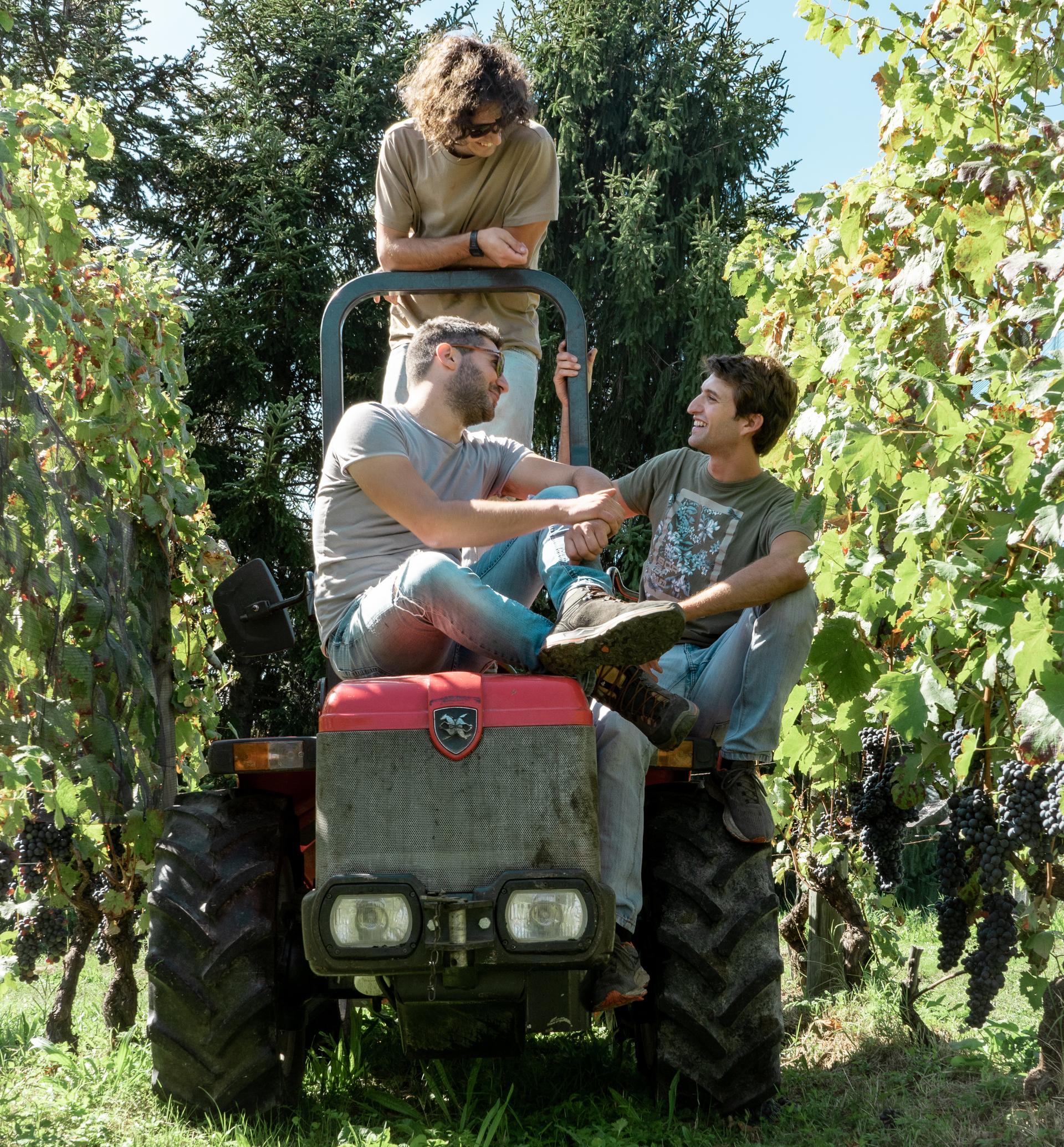
Chatus wine is one of the least-known surviving varieties in France, producing dark, structured reds from a handful of growers who kept it alive. The producers below work with it where it still grows.

Deeply coloured, high-acid, and grown almost nowhere else — Chatus survives in the steep valleys of Savoie and the northern Rhône.

Color

Dropdown arrow

Type

Dropdown arrow

Country

Dropdown arrow

Region

Dropdown arrow

Grape

Dropdown arrow

Pairing

Dropdown arrow

Sort by

Sort arrow
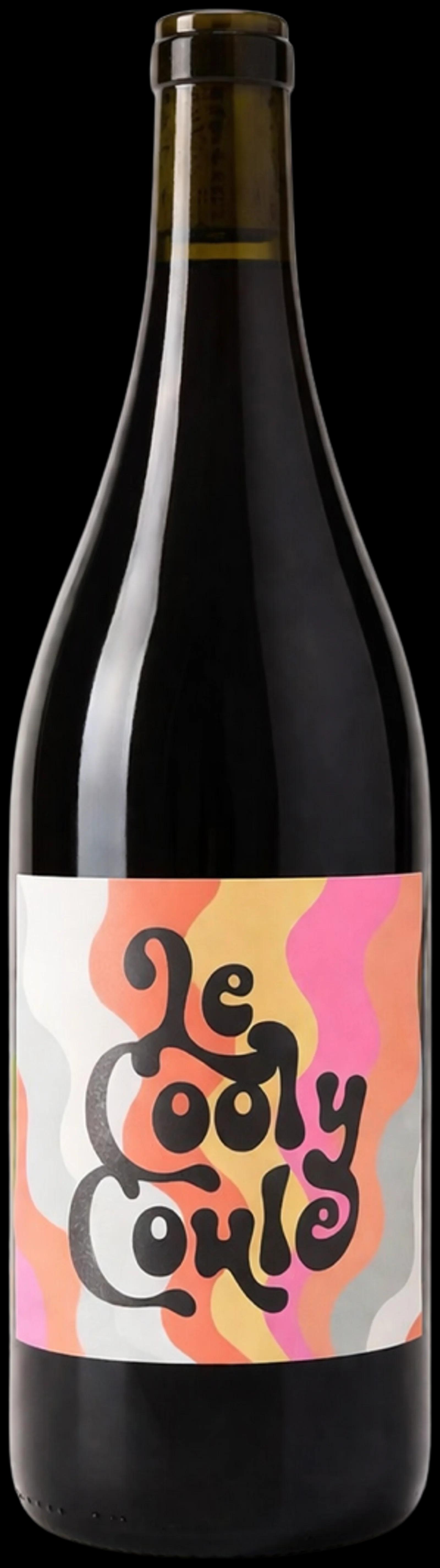
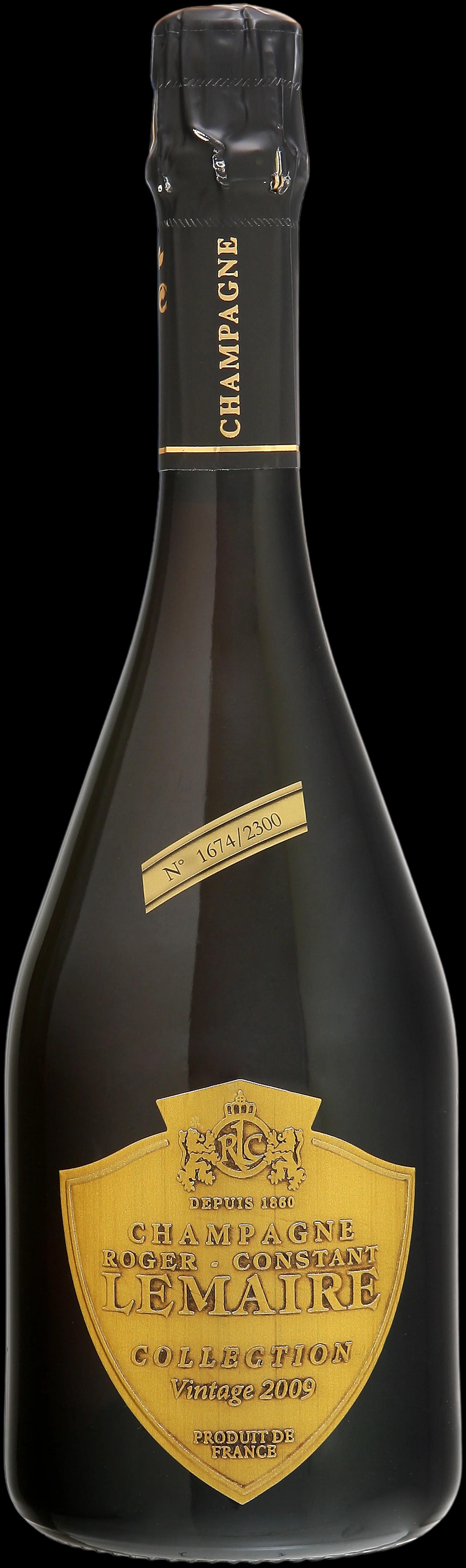
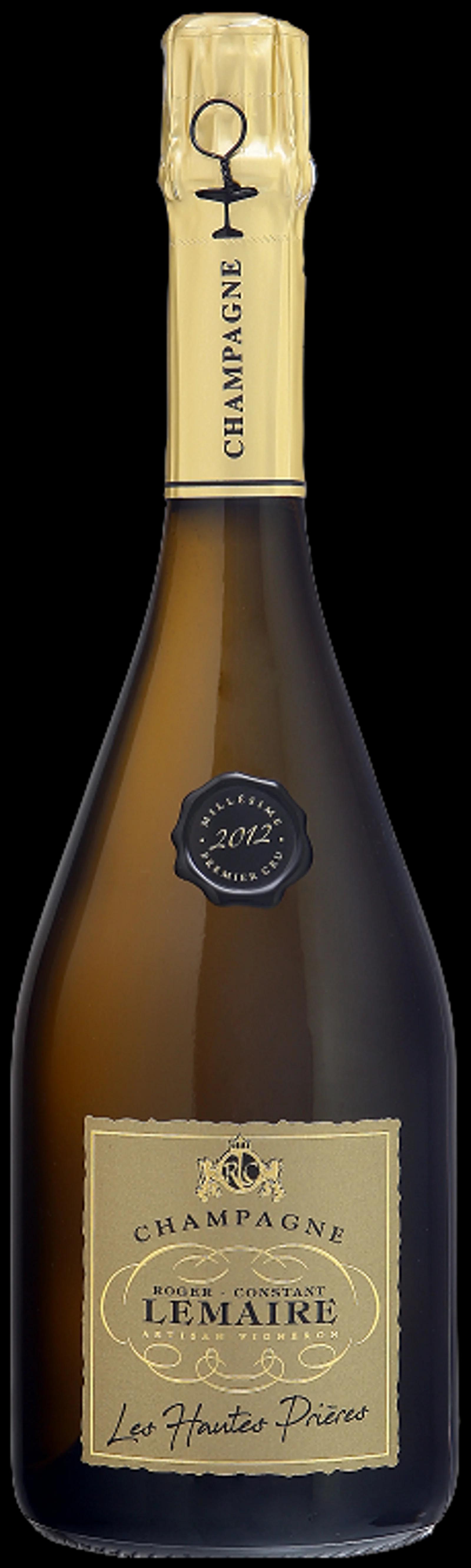
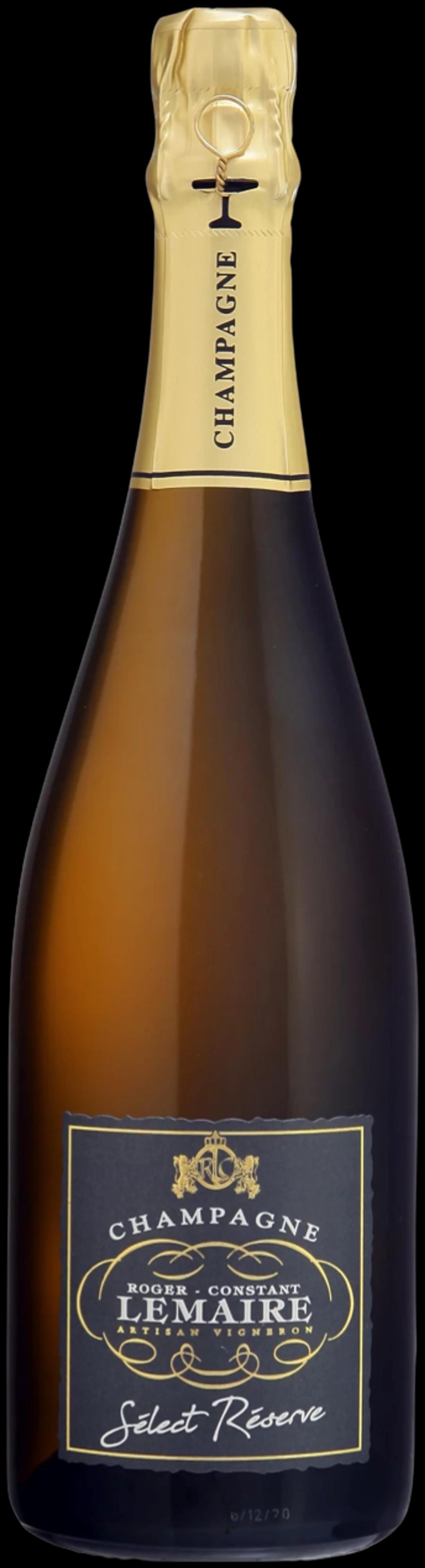
Chatus

Chatus wines

Chatus was once widely planted across southeastern France but came close to vanishing entirely after phylloxera and the replanting that followed. What remains is concentrated in Savoie and pockets of the northern Rhône, where a small number of growers chose to preserve it rather than replace it with better-known varieties. The wines it produces are deeply coloured for the region, with firm acidity and tannin that make them well suited to ageing. On Free Grape Society, each bottle ships directly from the producer's own cellar, with no importer or warehouse in the chain.

2 of 2 wines

Previous1 of 1Next

Chatus wine cases

A mixbox is a producer's own selection of six bottles, assembled as the recommendation they would make if you came to their cellar in person. For a variety as rare as Chatus, that often means tasting one grower's interpretation across a short vertical or alongside the other varieties they tend — which is a useful way to understand what makes it distinct. Free Grape Society is a society of producers, independent experts and wine lovers, not a shop.

View all mixboxes

Wineries

The producers below are among the small number of growers still working with Chatus. Reading their own notes on how they farm and vinify it is usually the quickest way to understand why the wines taste the way they do. The wine-advice service is available if you would rather talk through the options before choosing.

View all wineries

Wine experts

Chatus attracts attention from wine experts precisely because it is so rarely encountered outside its home region. Independent wine experts review wines they have personally tasted, and those reviews appear on each wine page and on the expert's own profile. Several of the experts below have reviewed Chatus wines featured on this page, so you can read what they found before deciding.

View all wine experts

Frequently asked questions

How do I order a bottle of Chatus wine?

Find a wine on this page, add it to your basket, and check out. The bottle ships directly from the producer's cellar to your door. Free shipping is included, and you can pay by card or through Klarna. Delivery takes between 4 and 14 days depending on where the producer is based.

What happens if a bottle arrives broken or doesn't taste right?

Send a photo to Free Grape Society customer support within 7 days of delivery. We will arrange a replacement or a refund. Because producers ship directly, quality issues are handled with the producer's direct involvement. Shared responsibility is built into how FGS works.

Can I order Chatus from more than one producer in the same order?

Yes. You can add wines from different producers to the same basket. Each producer ships their own bottles separately, so you may receive more than one delivery. Shipping is free from each producer regardless.

How long does delivery take?

Average delivery is 8 to 9 days from order to door. The full range is 4 to 14 days depending on the producer's location and your delivery address. Wines ship directly from the producer's cellar, not from a central warehouse.

How do I choose between different Chatus wines on this page?

Chatus is rare enough that the choice is often about the producer rather than a style category. Reading each grower's own notes will tell you whether their wine is made for early drinking or longer ageing, and whether they work with it as a single-variety wine or in a blend. The wine-advice service is there if you want a recommendation before choosing.

Why are there so few Chatus wines available?

Chatus is one of the rarest surviving grape varieties in France. After phylloxera devastated vineyards in the late nineteenth century, most growers replanted with better-known varieties. Only a handful in Savoie and the northern Rhône kept Chatus going. The producers on this page are among those working to maintain and promote it.

Which Chatus wine expert can recommend something for me?

Several independent wine experts on Free Grape Society have tasted and reviewed Chatus wines. You can read their reviews on each wine page or visit an expert's profile to see their full range of reviewed wines. If you want a personal recommendation, use the wine-advice form to ask a question directly.

Why don't you sell supermarket-brand Chatus wines?

Chatus is too rare to appear in supermarket ranges. Every wine on Free Grape Society comes from an independent producer who grows and bottles their own wine. For a variety this scarce, that means working with the small number of growers who have actively chosen to preserve it rather than a label produced at scale.

Can I find Chatus wine in shops outside France?

Rarely. Chatus production is small and most of it is consumed locally in Savoie and the northern Rhône. It does not travel through conventional import and distribution channels the way more commercial varieties do. Ordering directly from the producer through Free Grape Society is one of the more reliable ways to get hold of it outside France.

Where Chatus comes from and what makes it rare

Chatus is one of the oldest surviving grape varieties in the French Alps, with roots stretching back several centuries in the Savoie and the northern Rhône corridor. It was once widely grown across the region but came close to extinction in the twentieth century as growers replanted with more fashionable varieties. Today it is cultivated by a small number of committed producers who value it precisely because it survives — and thrives — where others do not: at altitude, on steep granite and schist slopes, in a climate that would overstress a thinner-skinned grape. Outside its home territory it is almost impossible to find, which is why wines made from Chatus rarely reach the mainstream trade. The Savoie wines and Southwest France wines pages have more from the mountain and foothill producers who work in this corner of France.

How Chatus tastes, and what to drink it with

Chatus produces deeply coloured red wines with firm, drying tannins and a naturally high acidity that gives them structure and the ability to age. The profile tends toward dark fruit — blackberry, damson, a streak of iron — with earthy, sometimes smoky undertones that reflect the granite soils it grows on best. Because the tannins are grippy rather than plush, Chatus works well at the table rather than on its own: it pairs naturally with slow-cooked meat, game, and dishes built around fat and salt to soften the wine's edges. Younger vintages can be firm and need food; bottles from producers who age in wood find a rounder shape over time. For more structured reds from the same arc of France, the Rhône Valley wines and Syrah wines pages are a useful comparison — Syrah shares some of Chatus's dark-fruit and granite character.

Buying Chatus wine directly from independent producers

Because Chatus is grown by a handful of producers in a defined mountain corridor, buying it through conventional retail is difficult — most bottles never leave the region. On Free Grape Society, producers ship wines tasted before listing directly from their own cellars, with no importer or warehouse in between, which means wines like Chatus — made in small quantities, rarely exported — can reach you without the usual distribution barriers. Free Grape Society is a society of producers, independent experts and wine lovers, not a shop. If you want to explore other varieties that sit close to Chatus in character — structured, site-driven, grown by independent producers — the Gamay wines and Carignan wines pages are worth a look, as are the Savoie wineries behind some of the most committed alpine viticulture in France.