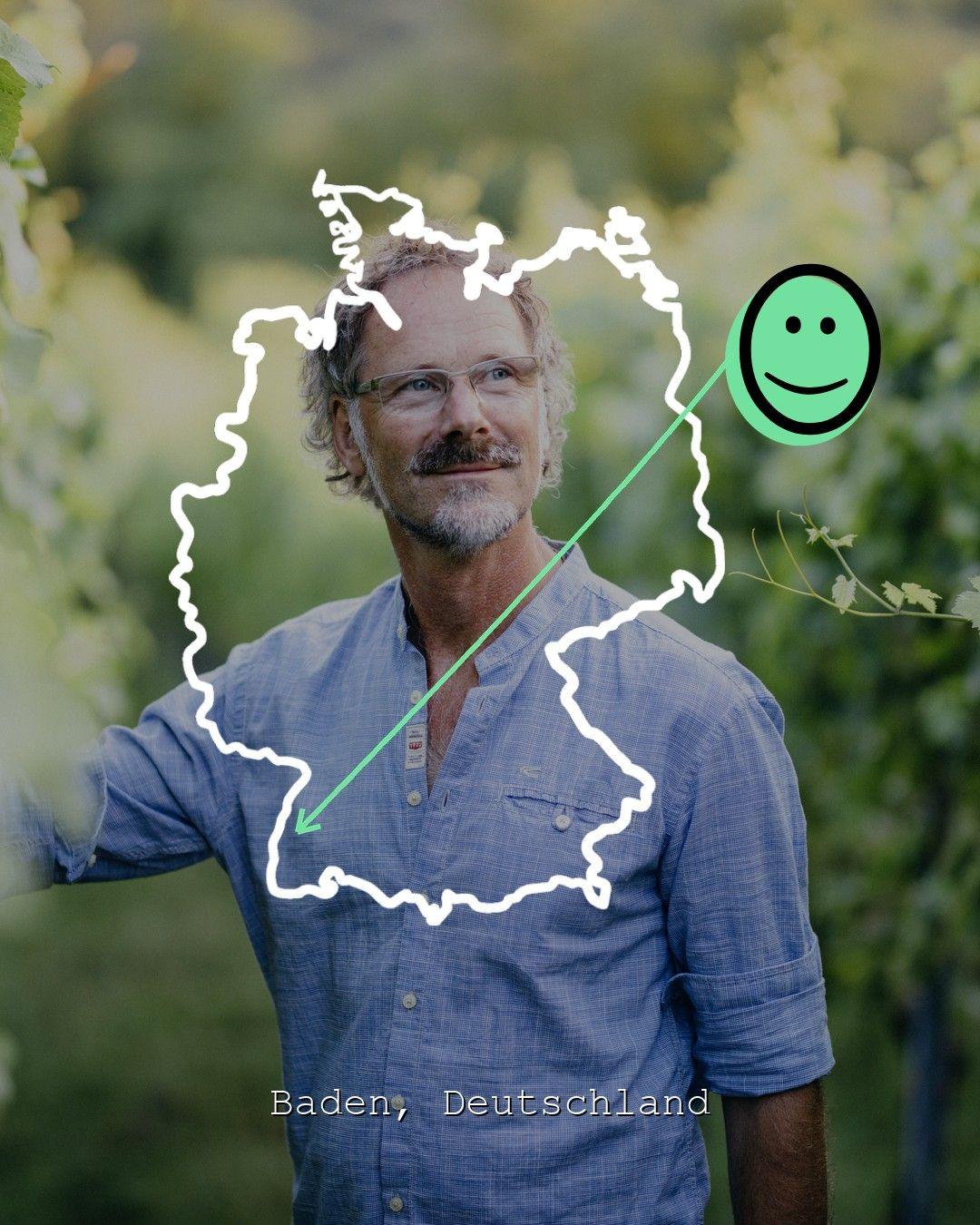
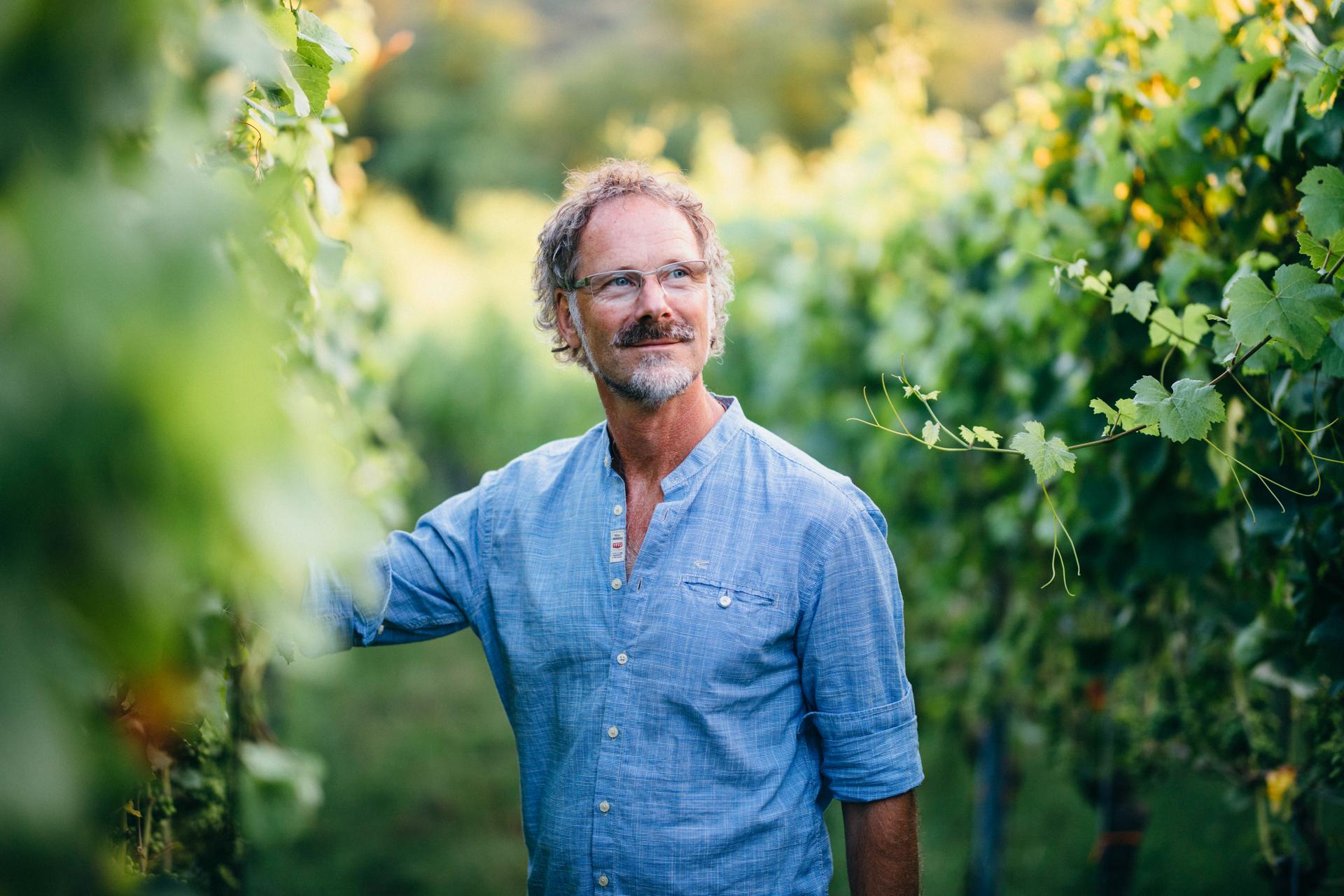
The producers of Baden
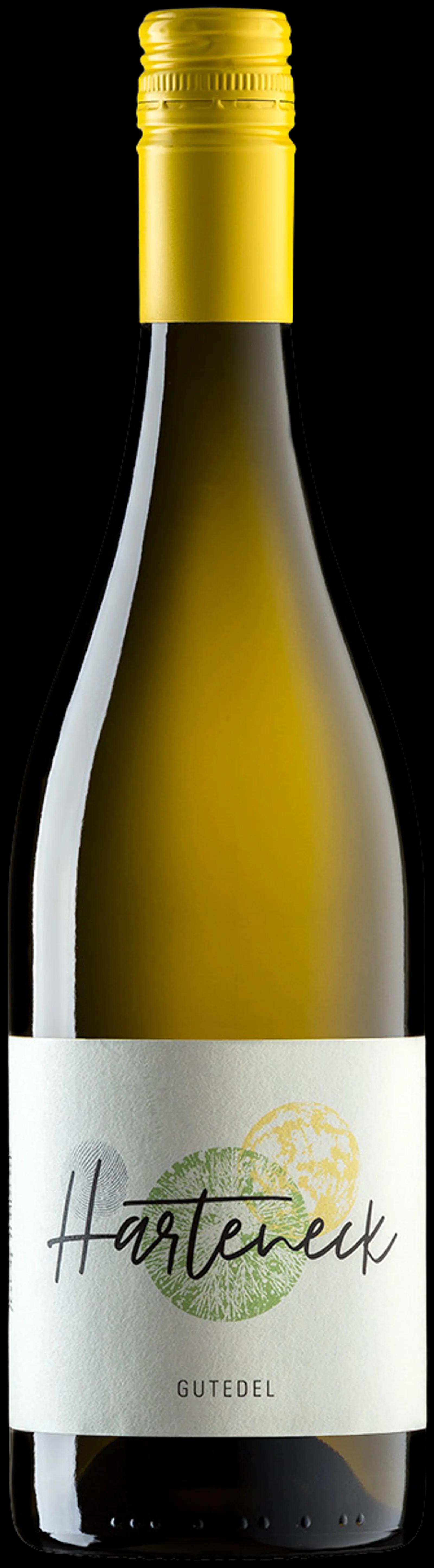
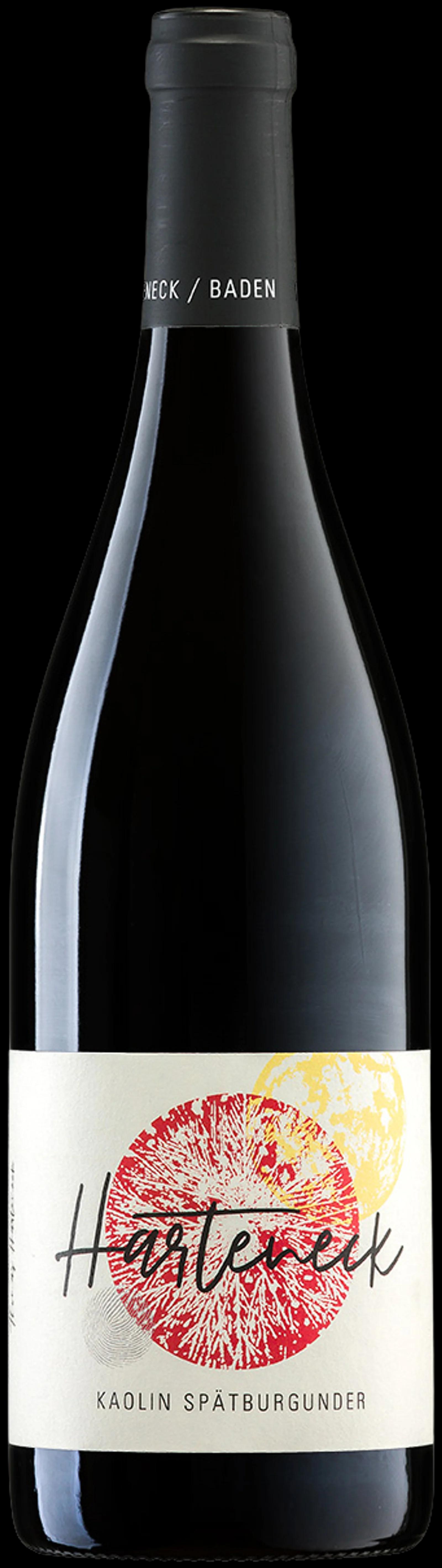
Baden stretches further south than any other German wine region, running from the Tauber valley in the north down to the shores of Lake Constance in the south, with the Black Forest forming a natural boundary to the east and the Rhine plain opening west toward Alsace. That length means the producers here are not a single community but a collection of quite different winemaking cultures. In the north, estates in the Tauberfranken grow Tauberschwarz, a red variety rarely seen elsewhere. In the warm Kaiserstuhl, a volcanic outcrop rising from the Rhine plain, growers work steep terraced slopes to make Spätburgunder and Grauburgunder with more weight and texture than the same grapes produce in cooler German regions. Further south, producers around Freiburg and in the Markgräflerland favour Gutedel, a grape with a long local history that rarely travels beyond Baden's borders. What connects them is the warmth: Baden is classified as Europe's northernmost warm-climate wine region, and growers across its sub-regions have learned to use that heat without losing freshness. The Baden wineries on Free Grape Society are independent estates working their own vineyards, selling directly from their own cellars.
How we choose our producers
We work directly with the growers behind the wines, so we get to know how they farm and what they charge before a single bottle is listed. Producers send samples, and those samples are tasted before a wine is listed, which means the decision rests on what is in the glass rather than on a label or a reputation. We look for pricing that reflects the work in the vineyard without the mark-ups that importers and warehouses add, and we keep the relationship direct so the grower sets their own terms. Once a wine is listed, independent wine experts rate and review individual bottles, building a public track record that buyers can read on the wine page. We do not try to carry the full output of a region: we list wines tasted before listing, from producers we have a direct relationship with. For Baden, that means estates who know their sub-region well, whether that is the volcanic soils of the Kaiserstuhl, the loess and limestone of Breisgau, or the mild lakeside conditions around Bodensee.
Winemaking traditions in Baden
Baden's winemaking tradition is shaped by two things that set it apart from other German regions: warmth and variety. Spätburgunder, known elsewhere as Pinot Noir, is the dominant red grape, and in the Kaiserstuhl and Breisgau it produces wines with riper tannin and darker fruit than its counterparts from the Ahr or Burgundy, though the best growers here work for structure alongside the ripeness. Grauburgunder is the other signature grape, and Baden grows more of it than anywhere else in Germany. In the Markgräflerland in the far south, Gutedel has been grown since at least the early nineteenth century and produces light, early-drinking whites that are closely tied to the local food culture. Baden also has a long cooperative tradition: the Badischer Winzerkeller in Breisach is one of the largest wine cooperatives in Europe, though the independent estates listed here operate outside that system, bottling under their own names and shipping directly. Across the region, producers working the German wine landscape are increasingly farming with lower intervention in both the vineyard and the cellar, a shift visible in the younger generation of growers now running family estates. Baden also sits next to Alsace across the Rhine, and the exchange of grape varieties and techniques between the two sides of the river is a thread that runs through the region's history.