

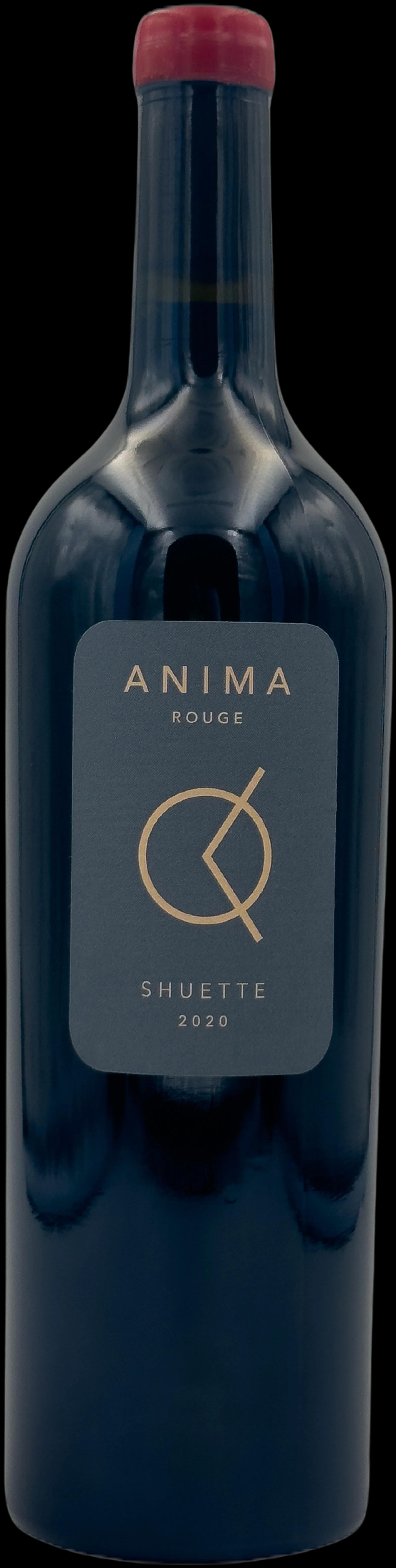
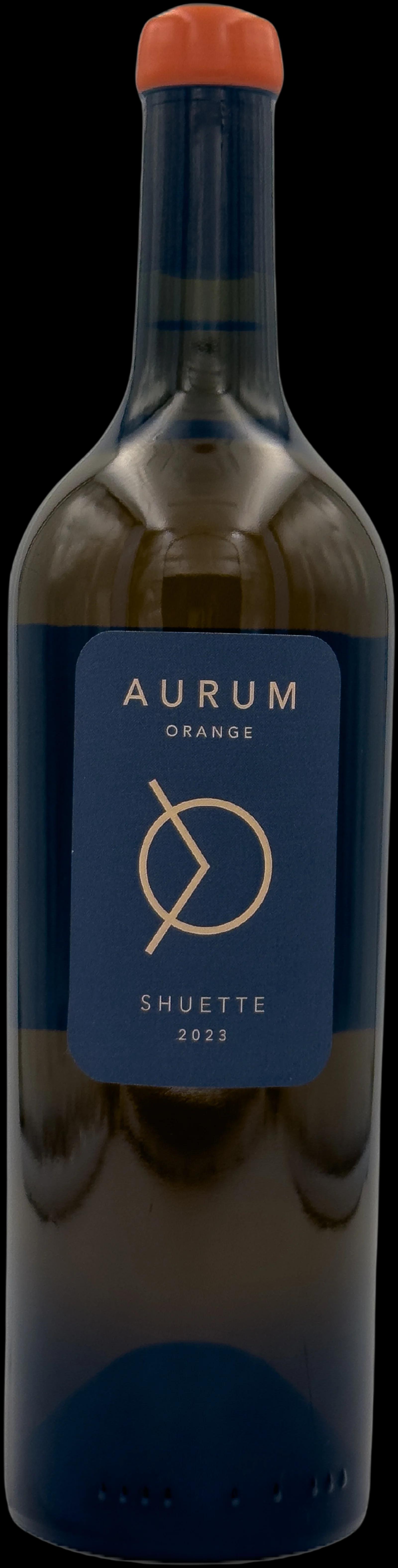
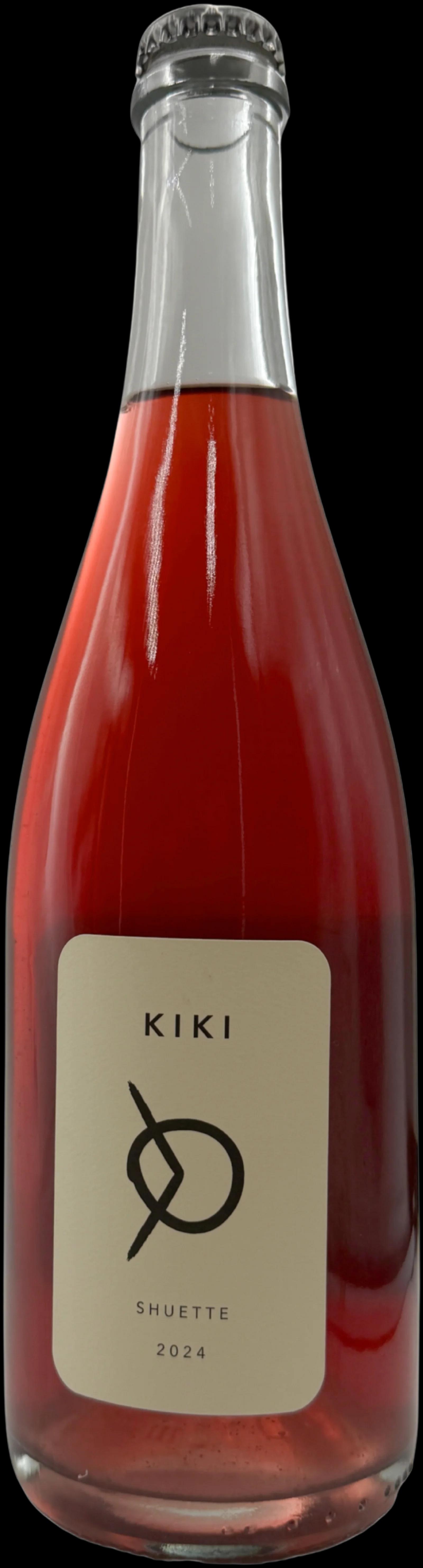
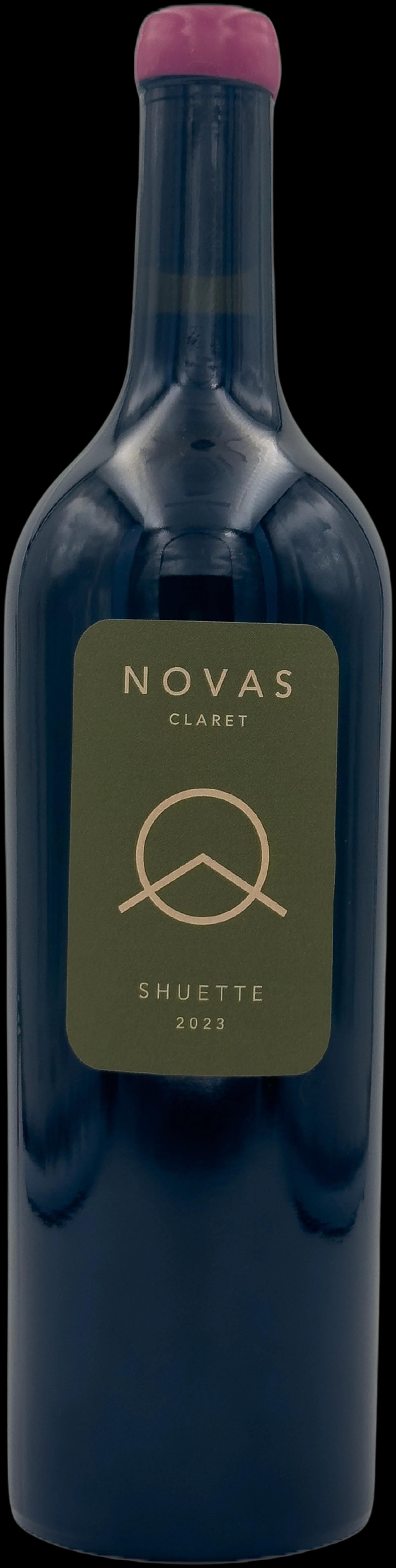





Baratuciat: a rare white grape from the Piedmontese Alps

Baratuciat wine is made from one of Italy's most obscure indigenous varieties, revived by a small number of producers in Piedmont's alpine valleys. The wines below come directly from the estates that grow it.

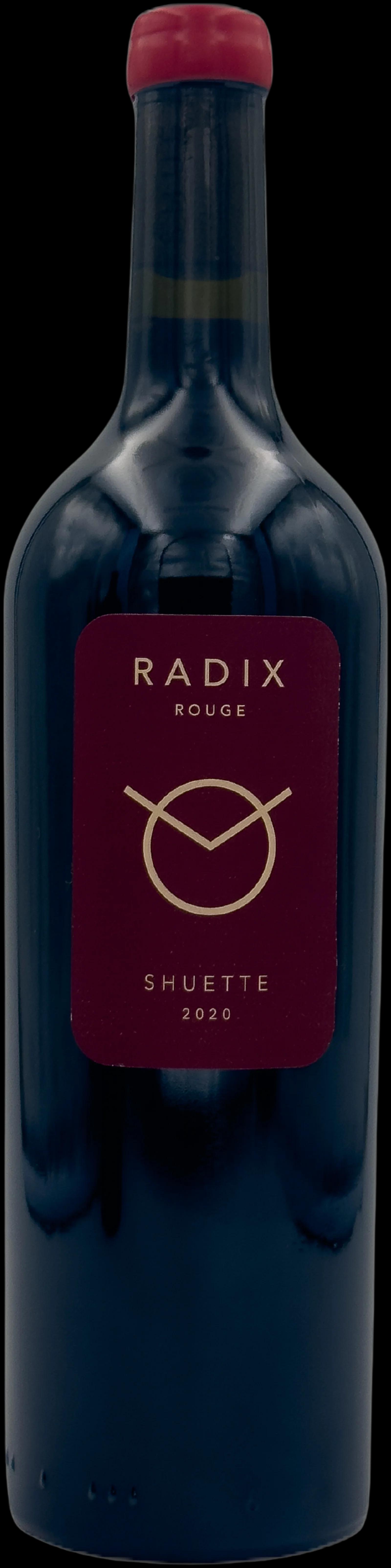
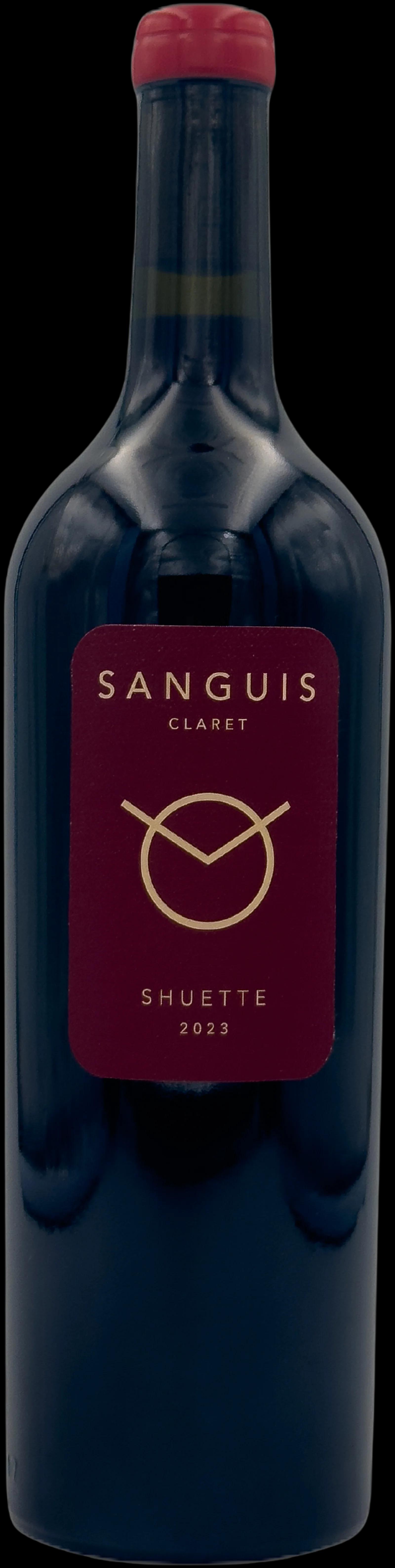
Crisp, aromatic and grown by a handful of growers in the foothills north of Turin.

Color

Dropdown arrow

Type

Dropdown arrow

Country

Dropdown arrow

Region

Dropdown arrow

Grape

Dropdown arrow

Pairing

Dropdown arrow

Sort by

Sort arrow
Baratuciat

Baratuciat wines

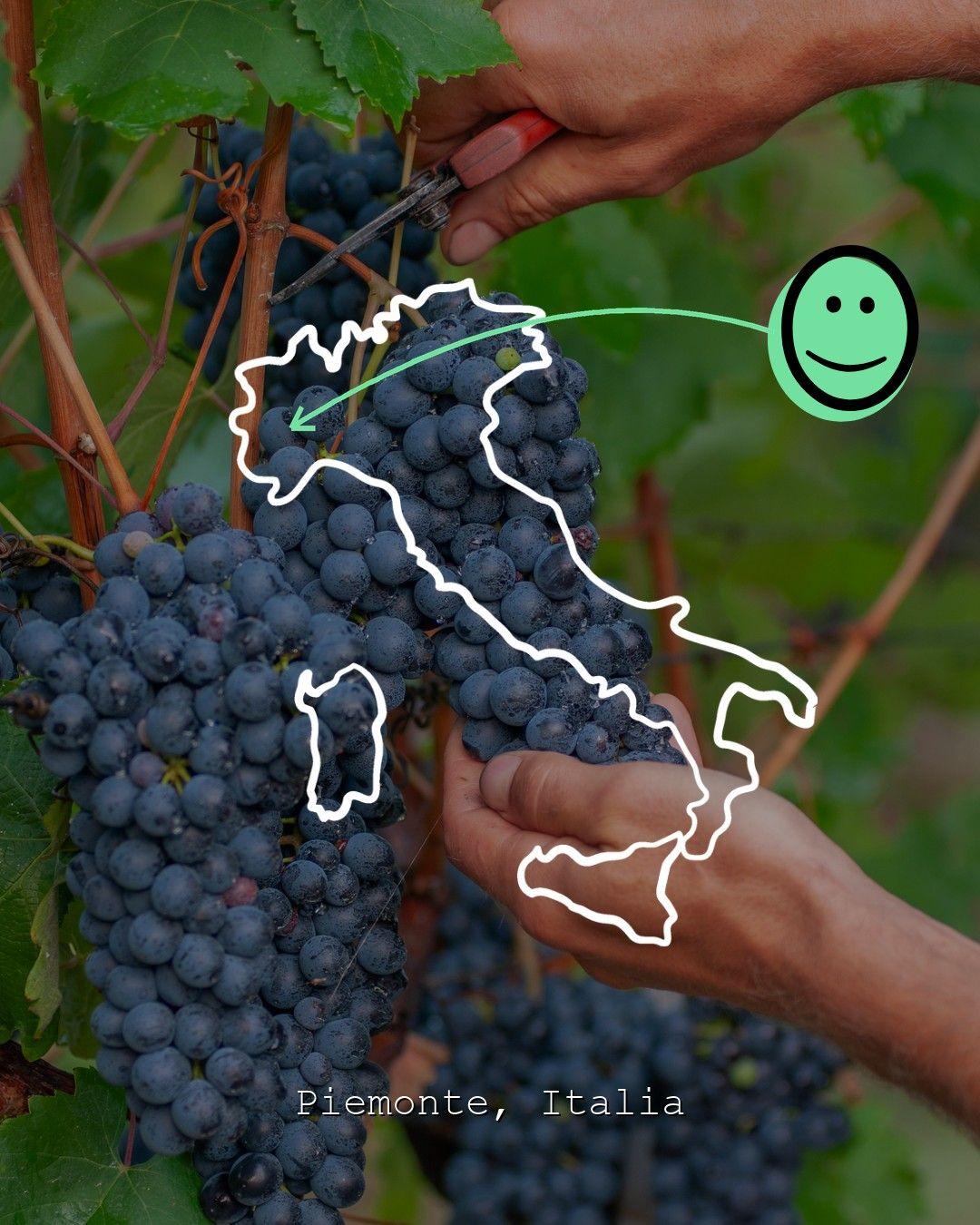
Baratuciat nearly disappeared entirely. For most of the twentieth century it was grown only in scattered plots in the Canavese and Valli di Lanzo areas north of Turin, where it had survived alongside better-known Piedmontese varieties without ever attracting much outside attention. The revival has been slow and deliberate, led by a handful of growers who saw something worth preserving in its sharp acidity and alpine aromatic character. Each bottle here is shipped directly from the producer's own cellar, with no importer or warehouse in between.

2 of 2 wines

Previous1 of 1Next

Baratuciat wine cases

A wine case built around Baratuciat gives you a vertical or horizontal look at a grape most wine lovers have never encountered. Because so few producers work with it, a single-producer case often spans different expressions of the same variety across sites or vintages, making the differences between growing seasons and plot selections visible in the glass. Free Grape Society is a society of producers, independent experts and wine lovers, not a shop.

View all mixboxes

Wineries

The growers who work with Baratuciat tend to be small estates with deep roots in Piedmont's northern valleys. Reading through a producer's own background is usually the quickest way to understand why they chose to revive this variety rather than plant something more commercially straightforward. The wine-advice service is there if you want to talk through which producer's approach suits what you are looking for.

View all wineries

Wine experts

Because Baratuciat is so rarely encountered, a note from someone who has tasted it carefully is genuinely useful. Independent wine experts on Free Grape Society review wines they have personally tasted, and those reviews appear on each wine page and on the expert's own profile. If any of the experts below have reviewed a Baratuciat wine on this page, their notes are there to read before you decide.

View all wine experts

Frequently asked questions

How do I order a Baratuciat wine on Free Grape Society?

Browse the wines listed on this page and add bottles to your cart. Each wine ships directly from the producer's own cellar. Your order arrives in 4 to 14 days, with an average of around 8 to 9 days. Free shipping is included, and you can pay by card or with Klarna.

What happens if a bottle arrives broken or doesn't taste right?

Send a photo to Free Grape Society customer support within 7 days of delivery. We will arrange a replacement or a refund. Because producers ship directly, quality issues are handled with the producer's direct involvement. Shared responsibility is built into how FGS works.

Can I order Baratuciat wines from more than one producer in the same order?

Yes. You can add wines from different producers to the same cart. Because each producer ships directly from their own cellar, wines from different estates arrive in separate shipments. Shipping is free on each, and you will receive tracking information for each parcel.

How long does delivery take?

Average delivery is 8 to 9 days from order to door. The full range is 4 to 14 days depending on the producer's location and your delivery address. Wines ship directly from the producer's cellar, not from a central warehouse.

How do I choose between the Baratuciat wines on this page?

Start with the producer's own notes and any expert reviews visible on the wine page. Baratuciat tends to be aromatic and high in acidity, but winemaking choices, altitude and the specific valley all shift the result noticeably. If you are unsure, the wine-advice service connects you with an independent expert who can point you toward the right bottle for what you have in mind.

Why are there so few Baratuciat producers compared with other grapes?

Baratuciat is one of Piedmont's rarest indigenous varieties. It was close to extinction for much of the twentieth century and is still grown only in a small number of plots in the alpine foothills north of Turin. The producers on this page are among the very few keeping it in production, which is part of what makes their wines worth seeking out.

Which Baratuciat wine expert can recommend something for me?

The independent wine experts listed on this page have tasted and reviewed wines from the Piedmont region, including rare indigenous varieties. Use the wine-advice form to send your question directly to an expert. You will get a personal response based on what you are looking for, not a generic recommendation.

Why don't you sell supermarket-brand Baratuciat wines?

Supermarket-range wines are produced at a scale that does not suit a variety as rare and site-specific as Baratuciat. The producers on Free Grape Society are independent estates who grow, vinify and bottle their own wines. That is a different thing from a commercial label, and the wines reflect it.

Can I find Baratuciat wines in European wine shops or online retailers?

Rarely. Baratuciat is produced in very small quantities by a handful of Piedmontese growers, and most of it never reaches conventional retail channels. Buying directly from the producer through Free Grape Society is one of the more reliable ways to find it outside of visiting the estates in person.

Where Baratuciat comes from and what makes it rare

Baratuciat is a white grape variety native to the Valle di Susa and the foothills of Piedmont in northwestern Italy, a mountainous area where viticulture has always been small-scale and shaped by altitude. For most of the twentieth century it was close to extinction, kept alive by a handful of growers who blended it quietly into local whites rather than bottling it on its own. The revival came slowly, driven by individual producers in Piedmont who recognised it as something distinct worth preserving. It is still grown in very limited quantities, which means the wines are genuinely rare rather than marketed as such. If you are exploring the white wines of Italy beyond the well-known appellations, Baratuciat sits at the edge of that map — specific, place-bound, and hard to find outside the region where it grows.

How Baratuciat tastes, and what to drink it with

Wines made from Baratuciat tend to be pale in colour, with relatively high natural acidity shaped by the cool Alpine foothills where the grape ripens. The aromatic profile leans floral and herbal, sometimes with a flinty or mineral character that reflects the stony, well-drained soils of the Valle di Susa. Structurally it is closer to a mountain white than to the fuller styles associated with warmer parts of Piedmont. That acidity makes it a natural companion to dishes where you want the wine to cut through fat or complement delicate flavour: antipasti, freshwater fish, soft cheeses, and the lighter pasta dishes typical of the region. Producers who work with Baratuciat tend to bottle it with minimal intervention, which keeps the grape's own character at the centre. If you enjoy the precision of varieties like Vermentino or the mineral edge of Arneis, Baratuciat occupies a similar register but with a distinctly higher-altitude personality.

Buying Baratuciat direct from independent producers

Because Baratuciat is grown by a small number of estates, buying it means going directly to the people who make it rather than waiting for it to reach a distributor. On Free Grape Society, producers who grow Baratuciat ship their wines directly from their own cellars, with no importer or large warehouse in between. That keeps the chain short and makes it possible to buy bottles that would never reach a retail shelf in most markets. Alongside Baratuciat you will find other rare and regional varieties from Italian wineries on the platform, including grapes from Piedmont and neighbouring Lombardy. Free Grape Society is a society of producers, independent experts and wine lovers, not a shop — the point is direct access to the grower, not a curated warehouse. If you want to explore other white varieties from northern Italy, the white wines of Italy and the Friuli Venezia Giulia and Trentino South Tyrol pages are good places to look.